Artwork
Christ before Pilate
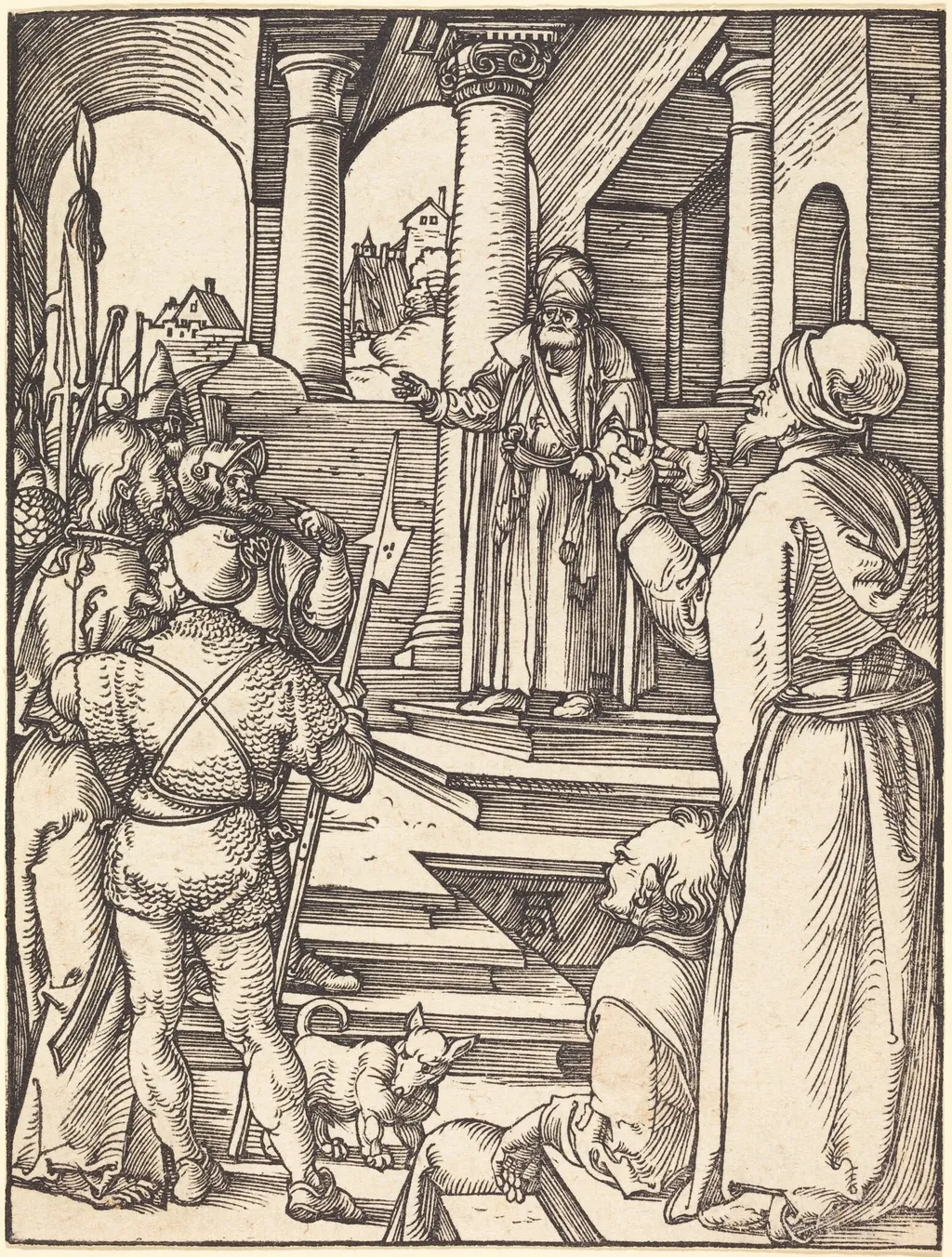
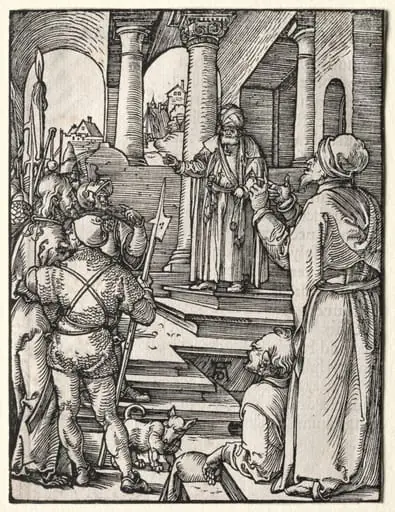
Christ before Pilate is an ink print by the Northern Renaissance artist Albrecht Dürer. It dates from 1510 and is held in the collection of the British Museum.
- Inscription
- Inscribed:in block, lower right, on steps: AD [artist's monogram]; verso, lower center, in graphite by a later hand: 627; verso, bottom left, in graphite by a later hand: B 31; verso, bottom center, in graphite by a later hand: 16
About this work
Thin lines pack the scene: Pilate sits center, Jesus stands calm, soldiers crowd in.
Albrecht Dürer carved Christ before Pilate in 1510 using woodcuts. Thin lines pack the scene: Pilate sits center, Jesus stands calm, soldiers crowd in. Dürer carved light and dark to show who matters.
Dürer made over 350 prints like this, spreading stories fast. His skill with line makes every robe fold and face speak. The woodcut lets many people own this image.
Look next at Dürer’s woodcut technique.
Subject & Meaning
Dürer's woodcut depicts the New Testament episode of Christ before Pilate, in which the bound Jesus is presented to the Roman governor Pontius Pilatus for judgment. The scene centers on the confrontation between divine innocence and imperial authority, a pivotal moment in the Passion narrative in which Pilate, despite finding no fault in Jesus, accedes to the crowd's demand for crucifixion.
The work belongs to the Little Passion series, a cycle of small-format devotional prints designed to make the core events of Christ's suffering accessible to private meditation and lay piety. By reducing the monumental Passion to an intimate scale, Dürer framed the encounter as a subject for personal contemplation rather than public spectacle.
The main subject is identified as Pilate's court, anchoring the composition in the moment of judicial interrogation that sets the crucifixion in motion.
Technique & Style
Christ before Pilate is a woodcut on laid paper, classified as a print within the religious genre. The work was produced by Albrecht Dürer in 1509 as part of his Little Passion series, executed in the German Renaissance style. Its sheet dimensions are recorded as 124 mm in height by 95 mm in width.
The image depicts Jesus Christ and Pontius Pilate, with the main subject identified as Pilate's court, drawn from the New Testament narrative.
History & Provenance
Albrecht Dürer created the woodcut Christ before Pilate in 1509 as part of his Little Passion series. While some records indicate a broader inception window extending to 1511, the specific date of 1509 is authoritatively assigned to this impression. The work's documented ownership history begins with Joseph Daniel Böhm in Vienna, followed by Robert Scholtz in Budapest.
It subsequently passed through the New York dealer William Schab before being acquired by Lessing J. Rosenwald of Jenkintown, Pennsylvania, in 1940. Rosenwald donated the print to the National Gallery of Art in Washington, D.C., in 1943, where it remains in the institution's collection.
Christ before Pilate, a 1509 woodcut by Albrecht Dürer, is held by the National Gallery of Art in Washington, D.C., as part of the Rosenwald Collection. It entered that collection in 1940 when it was purchased by Lessing J. Rosenwald, and was given to the NGA in 1943. Earlier provenance traces through Joseph Daniel Böhm in Vienna and Robert Scholtz in Budapest, passing through William Schab in New York before reaching Rosenwald in Jenkintown, Pennsylvania.
Wikidata additionally lists the British Museum and the Cleveland Museum of Art as holding locations for impressions of the work. No exhibition history is documented in the provided sources.
Legacy
The print's enduring presence in major collections and repeated scholarly attention have cemented its reputation as a key example of Dürer's mastery of printmaking and its role in disseminating Renaissance religious imagery. Its frequent inclusion in exhibitions on Northern Renaissance art and in studies of print connoisseurship underscores its lasting significance within art-historical discourse. The work's journey through notable collections, including those of Böhm, Scholtz, and Rosenwald, before its acquisition by the National Gallery of Art, reflects its recognized cultural value. Its technical innovation and narrative focus continue to influence scholarship on early printmaking techniques and biblical representation.
Overview
Created around 1510, this woodcut by Albrecht Dürer presents a biblical episode in which Jesus Christ stands before the Roman governor Pontius Pilate. Executed on laid paper, the print belongs to Dürer’s extensive series of religious images that were widely circulated in early sixteenth‑century Europe.
Own this work as a print
Artist & collection
Artist
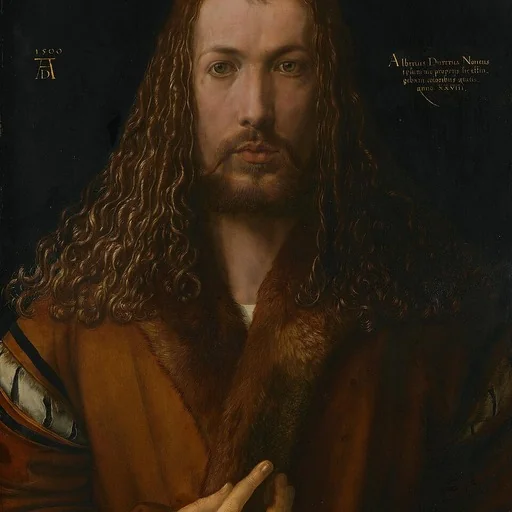
Albrecht Dürer spent his life in Nuremberg, a busy German city where artists traded prints like currency.

![Madonna and Child [obverse], by Albrecht Dürer](https://artifactworldgallery.com/img/albrecht-durer--madonna-and-child-obverse--d7b8ebf05d22ebe5-w320.webp)
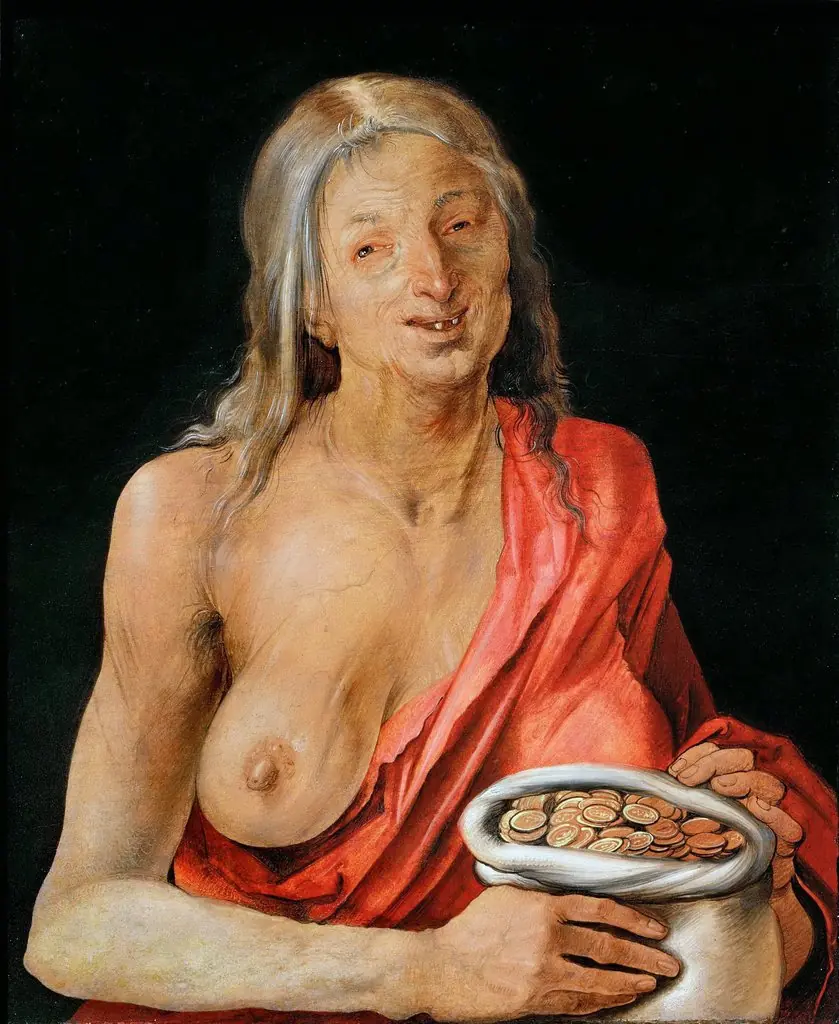
![Lot and His Daughters [reverse], by Albrecht Dürer](https://artifactworldgallery.com/img/albrecht-durer--lot-and-his-daughters-reverse--b4ebf9b282faa17a-w320.webp)
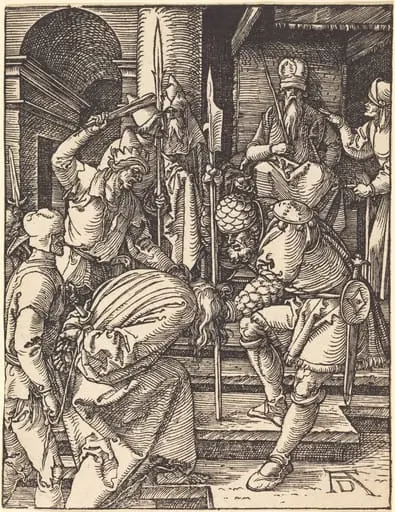 Christ before Annas
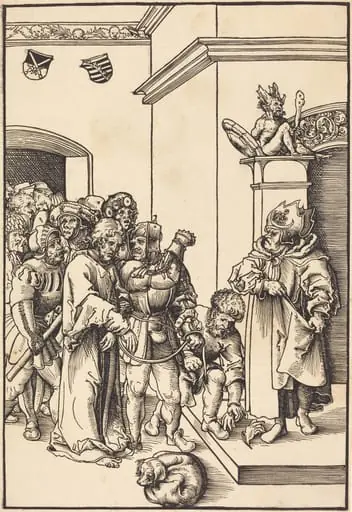 Christ before Annas
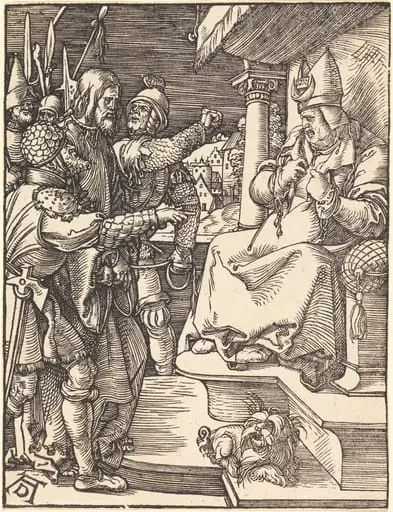 Christ before Caiaphas
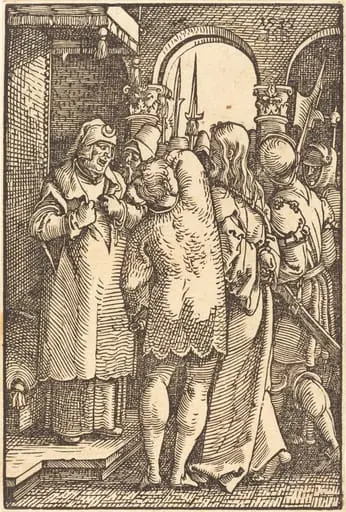 Christ before Caiaphas
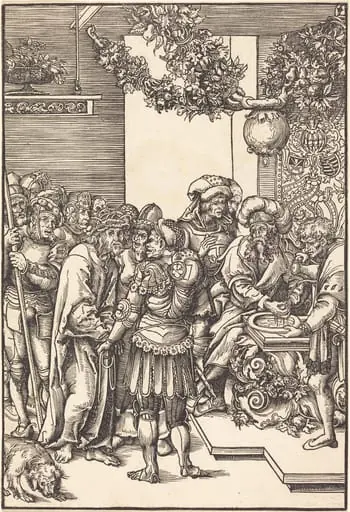 Pilate Washing His Hands
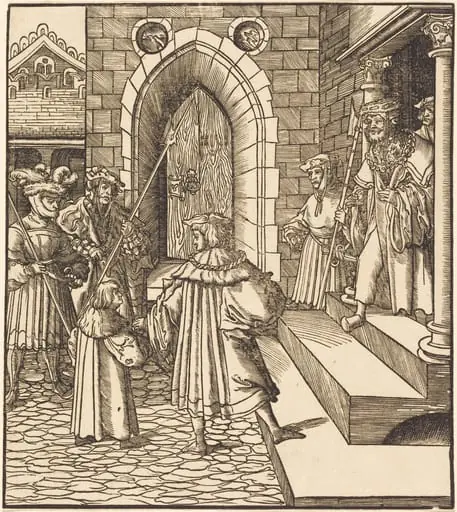 Three Men and a Boy in the Court of a Castle, to the Right Three Men on a Staircase
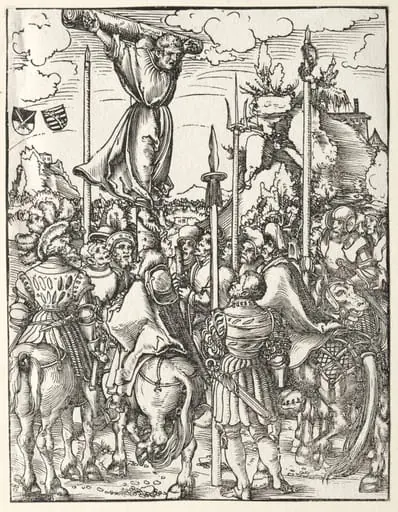 Martyrdom of St. Philip
 The Presentation of the Virgin in the Temple
 Saint Thomas
- The Small Passion: Christ Before Pilate