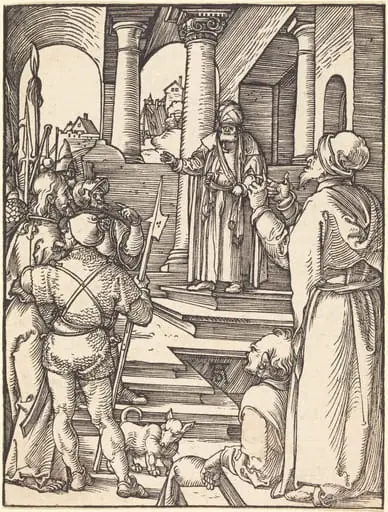
Artwork
Christ before Annas
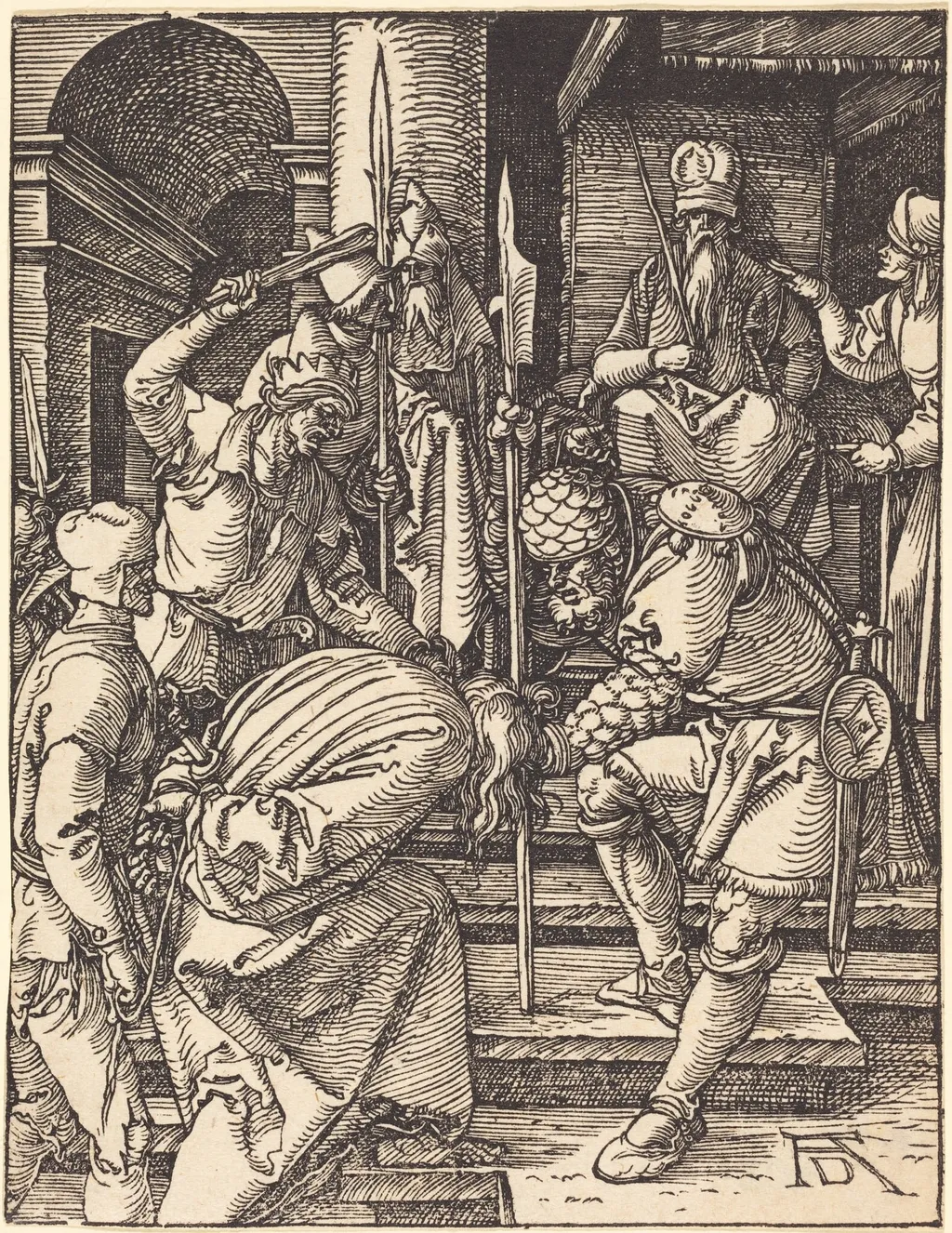
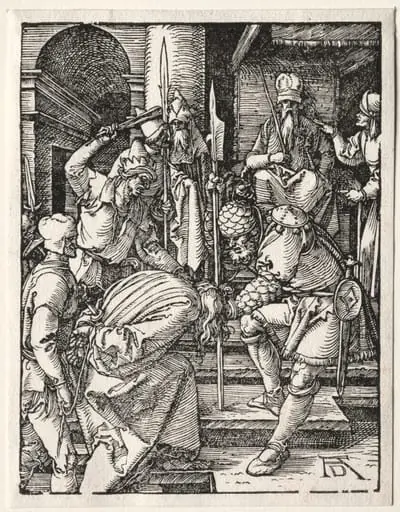
Christ before Annas is an ink print by the Northern Renaissance artist Albrecht Dürer. It dates from 1510 and is held in the collection of the British Museum.
- Inscription
- Inscribed:in block, bottom right, on ground: AD [artist's monogram]; verso, lower center, in graphite by a later hand: 627; verso, bottom left, in graphite by a later hand: 28; verso, bottom center, in graphite by a later hand: 13
About this work
Subject & Meaning
The scene depicts Jesus Christ standing before Annas, the high priest, capturing the moment of Christ's preliminary interrogation following his arrest.
Albrecht Dürer's 1509 woodcut Christ before Annas illustrates a specific episode from the New Testament within his Little Passion series. The scene depicts Jesus Christ standing before Annas, the high priest, capturing the moment of Christ's preliminary interrogation following his arrest. As a work of German Renaissance religious art, the print focuses on the narrative tension of the trial rather than abstract symbolism.
The composition centers on the confrontation between the accused and the authority figure, adhering to the biblical account of the Passion. This depiction serves to visualize the scriptural events leading to Christ's crucifixion.
Technique & Style
Albrecht Dürer created the work as a woodcut on laid paper, a print technique characteristic of the German Renaissance. The composition depicts Christ standing before Annas within the Little Passion series, rendered with fine line work and careful tonal contrast that emphasizes the solemnity of the encounter. The image measures 127 cm in height and 98 cm in width, and its handling reflects the careful preservation typical of museum-held prints, maintaining good condition despite centuries of display.
Formal qualities include balanced spatial arrangement, precise anatomical rendering, and a restrained use of light and shadow that convey both narrative tension and spiritual gravity.
History & Provenance
Created by Albrecht Dürer in 1509, the woodcut Christ before Annas is part of the Little Passion series. The work depicts a scene from the New Testament and measures 127 mm in height by 98 mm in width.
The known ownership chain begins with Joseph Daniel Böhm of Vienna (active 1794–1865), followed by Robert Scholtz of Budapest (active 1834–1912). The print subsequently passed through the hands of William Schab in New York before being purchased by Lessing J. Rosenwald in Jenkintown, Pennsylvania, in 1940. Rosenwald donated the work to the National Gallery of Art in Washington, D.C., in 1943, where it remains part of the Rosenwald Collection.
The woodcut is held by the National Gallery of Art, Washington, D.C., as part of the Rosenwald Collection. Its accession number is 1943.3.1007.
It has been exhibited at the National Gallery of Art as part of the collection display; no additional exhibition history is recorded in the cited sources.
Legacy
The print has been frequently reproduced in scholarly works on the Little Passion series and cited in major studies of Dürer's religious output. Its presence in prominent museum collections such as the National Gallery of Art and the Cleveland Museum of Art underscores its recognized significance within the German Renaissance. The work continues to be referenced in exhibitions and publications concerning early printmaking and biblical narrative in art.
Overview
Christ before Annas is a 1510 woodcut by the German Renaissance master Albrecht Dürer, depicting the biblical interrogation of Jesus by the high priest Annas. The composition captures a moment of intense psychological confrontation, with Christ standing calmly in the center while Annas, seated and gesturing aggressively, embodies the authority of the accusers. Dürer utilizes the woodcut medium to achieve remarkable tonal range and textural detail, employing dense cross-hatching and varied line weights to model the figures' drapery and the architectural setting.
This work is part of Dürer's extensive series on the Passion of Christ, created during his mature period when he had fully synthesized Italian Renaissance principles of proportion and perspective with Northern European attention to naturalistic detail. The print serves as a narrative illustration, condensing the dramatic tension of the Gospel account into a single, static image that emphasizes the spiritual gravity of the scene. It exemplifies Dürer's technical mastery in printmaking, where the stark contrast of black and white ink on laid paper directs the viewer's focus to the emotional dynamics between the figures rather than decorative elements.
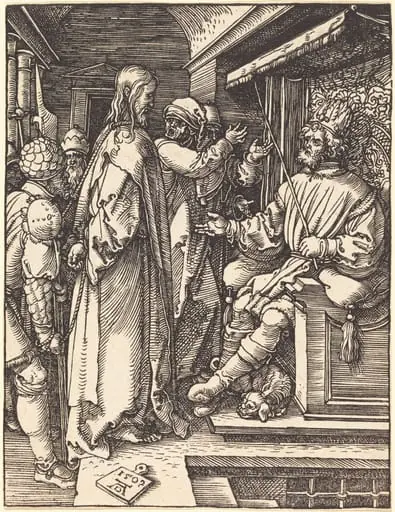
Own this work as a print
Artist & collection
Artist
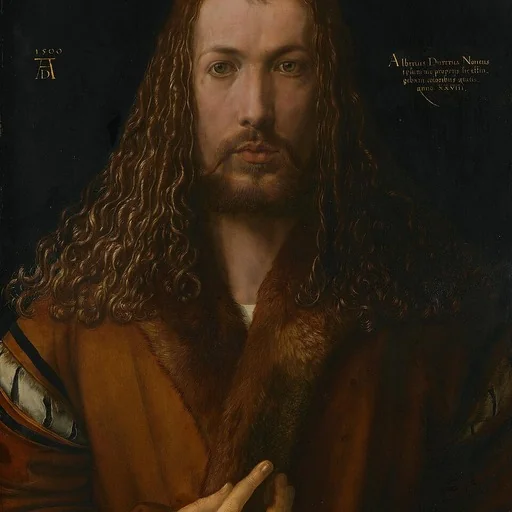
Albrecht Dürer spent his life in Nuremberg, a busy German city where artists traded prints like currency.

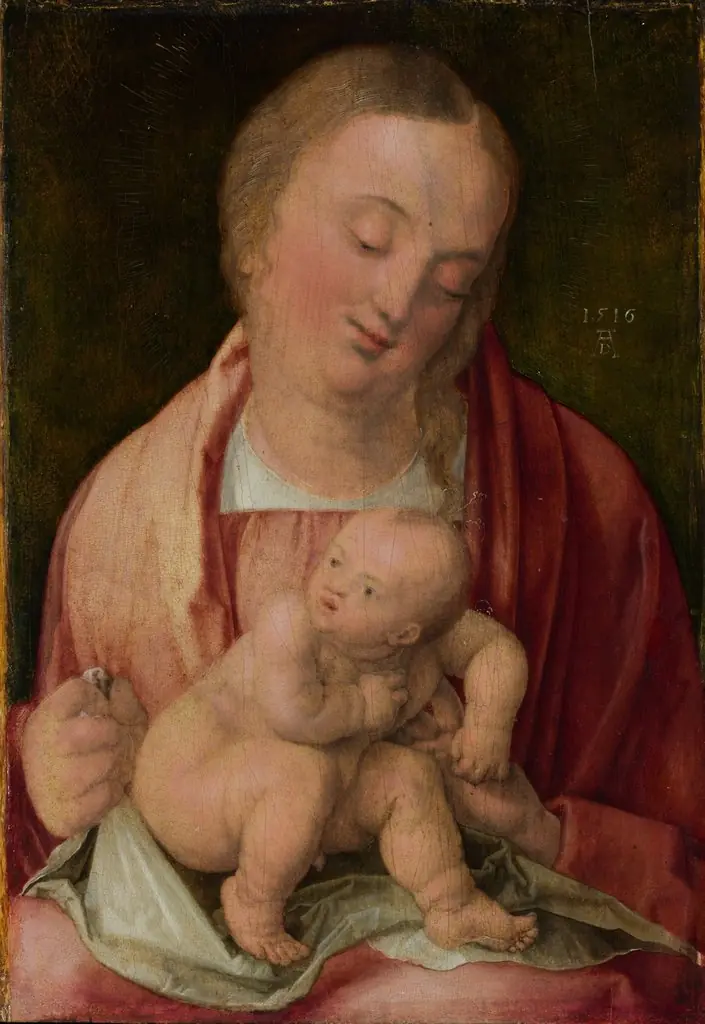
![Madonna and Child [obverse], by Albrecht Dürer](https://artifactworldgallery.com/img/albrecht-durer--madonna-and-child-obverse--d7b8ebf05d22ebe5-w320.webp)
![Lot and His Daughters [reverse], by Albrecht Dürer](https://artifactworldgallery.com/img/albrecht-durer--lot-and-his-daughters-reverse--b4ebf9b282faa17a-w320.webp)