Artwork
Salvator Mundi
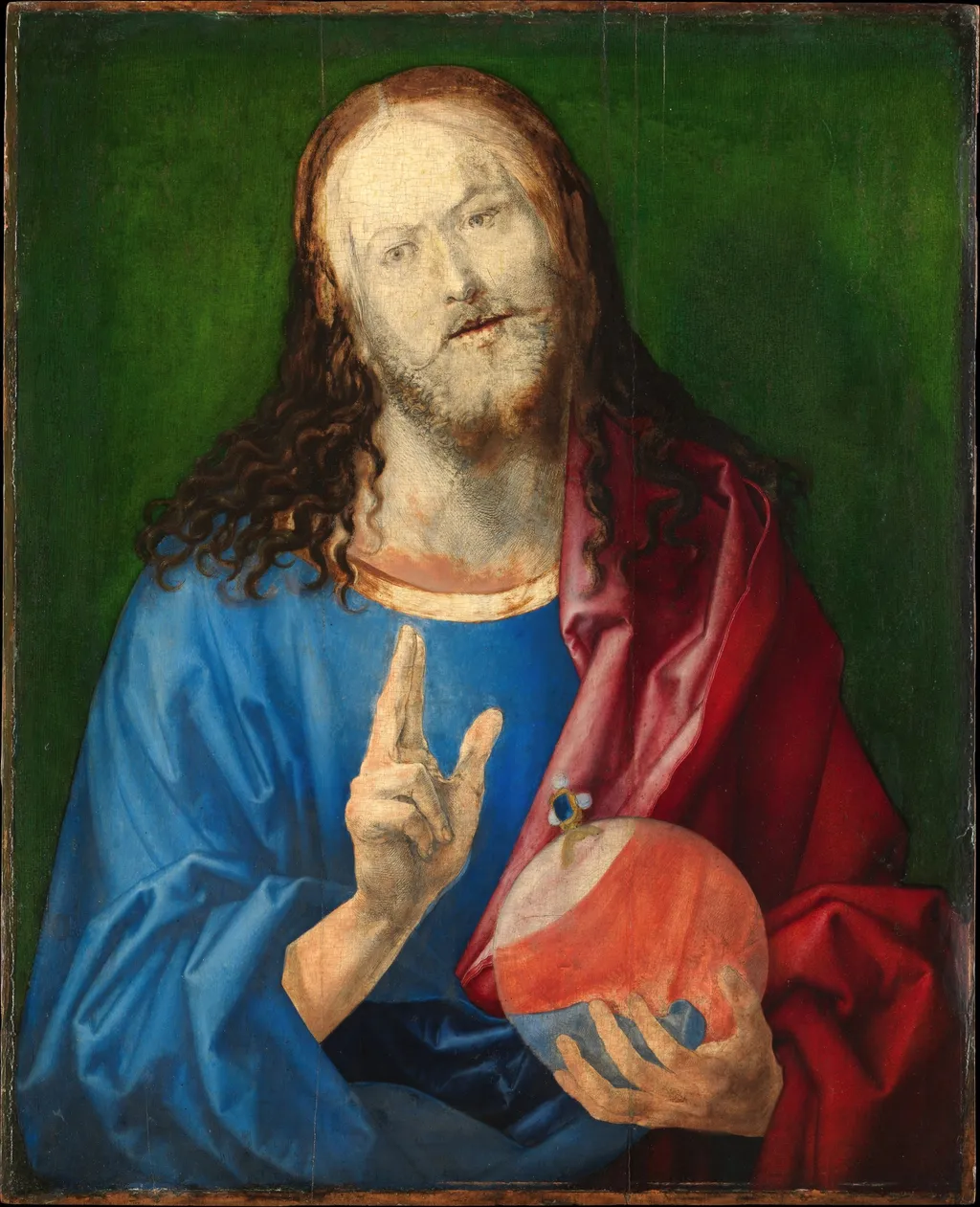
Salvator Mundi is an oil painting by the Northern Renaissance artist Albrecht Dürer. It dates from 1505 and is held in the collection of the Metropolitan Museum of Art.
About this work
Subject & Meaning
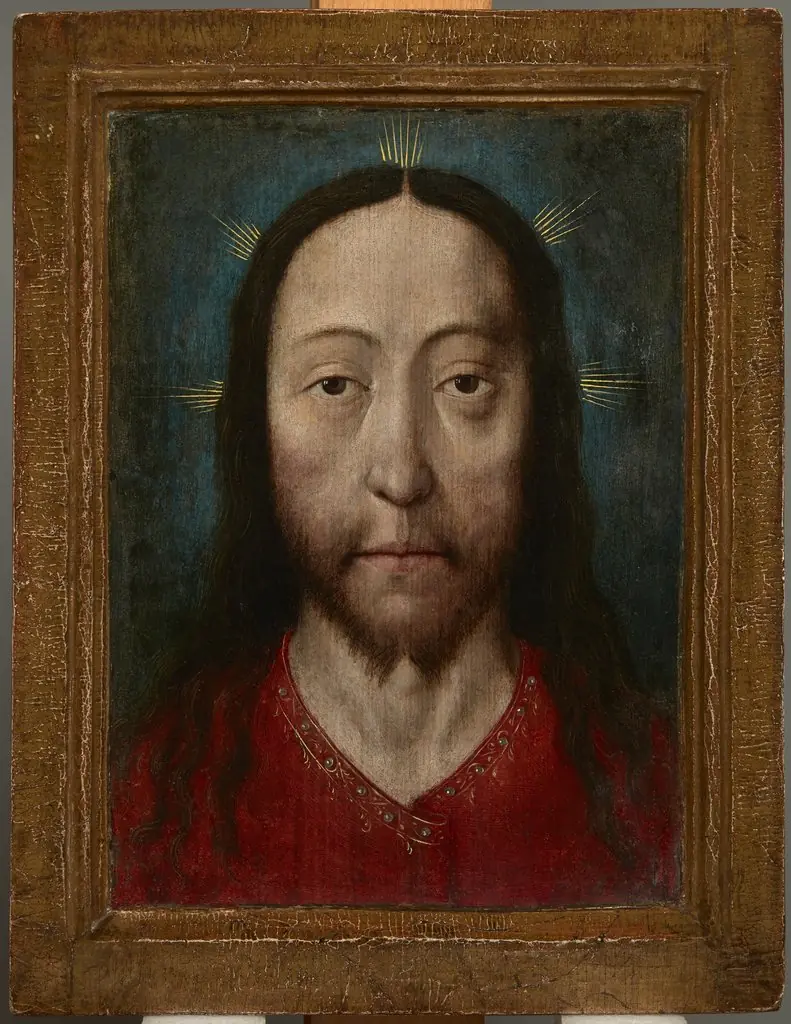
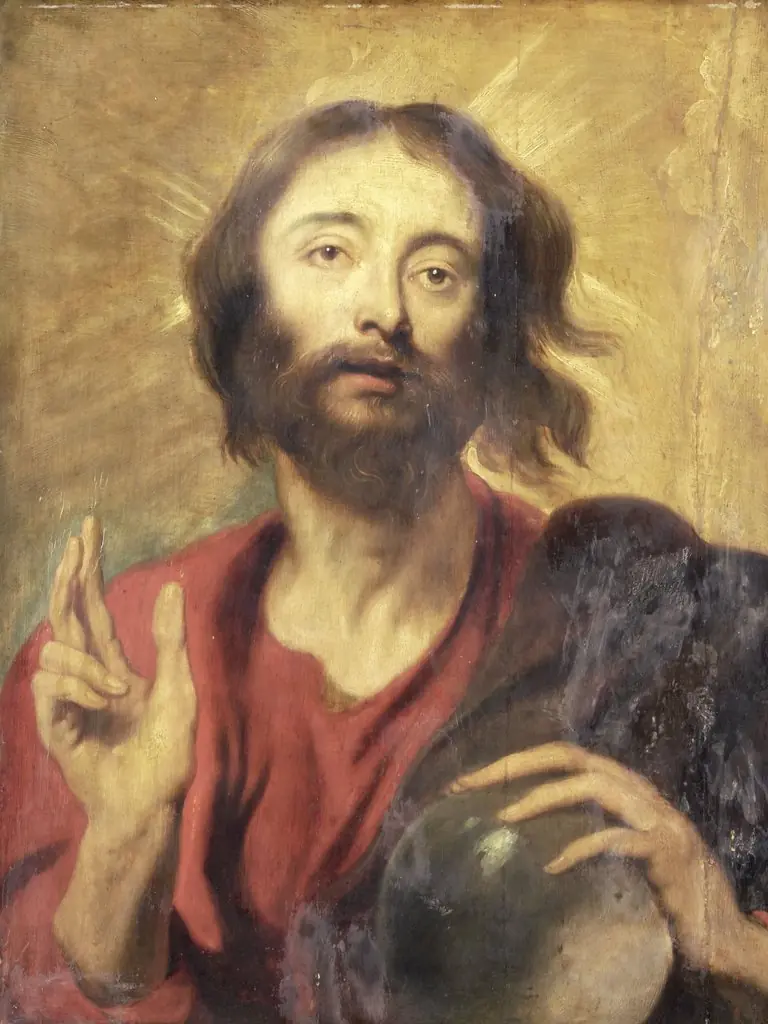
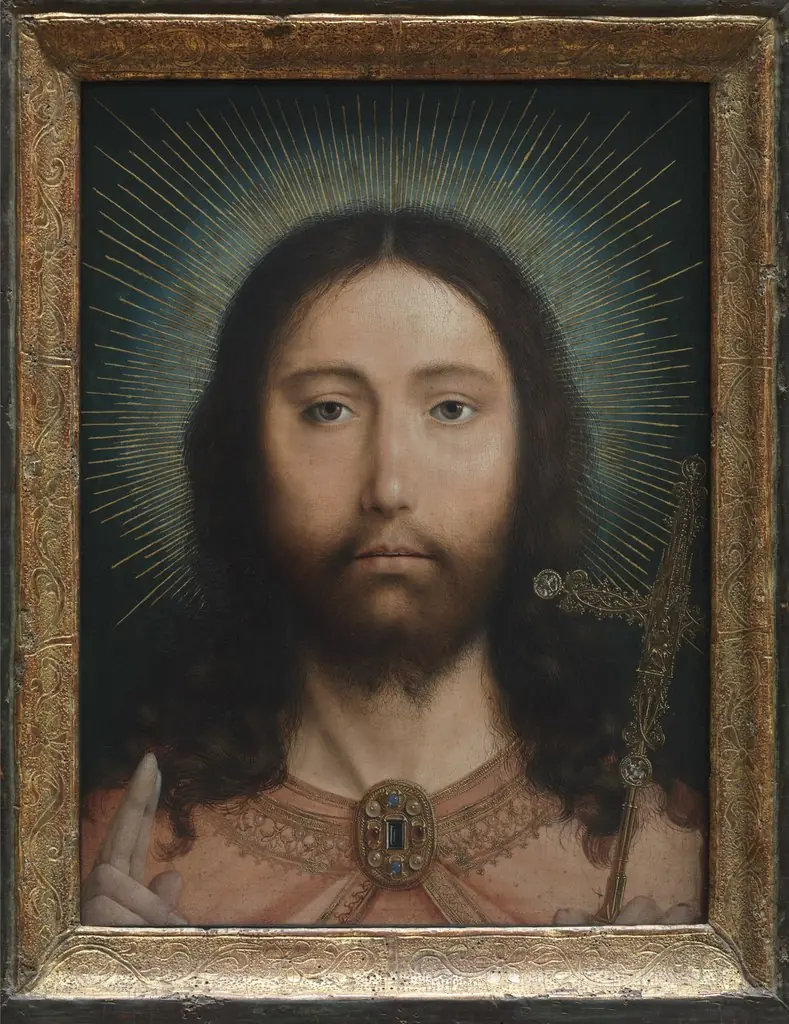
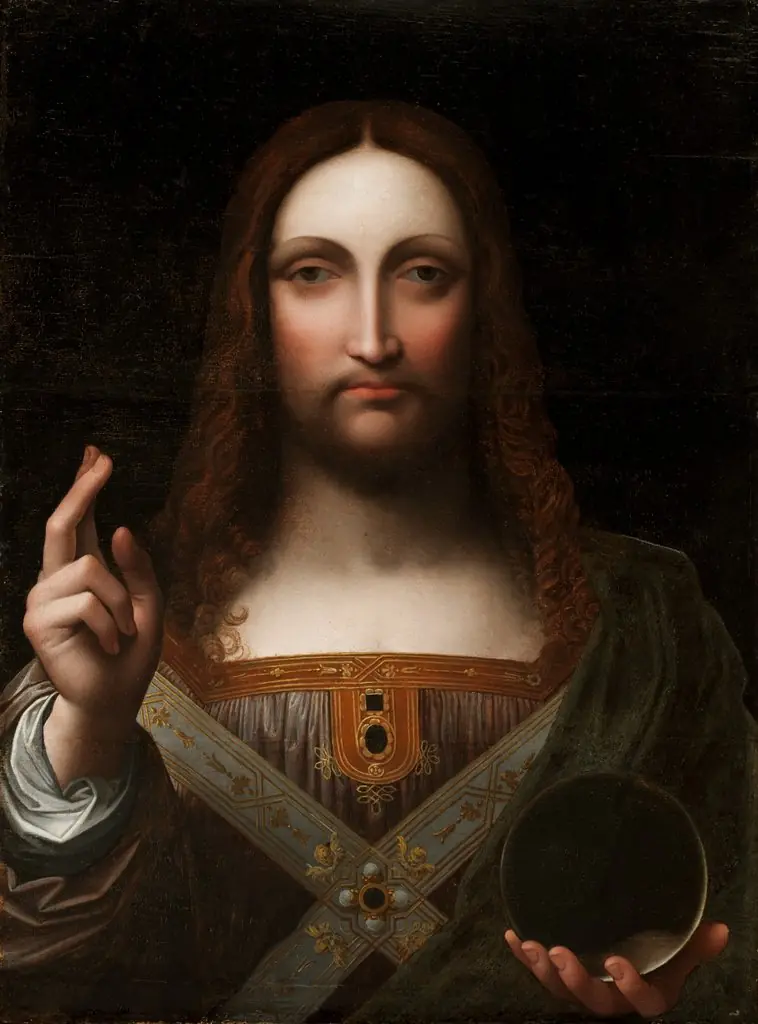
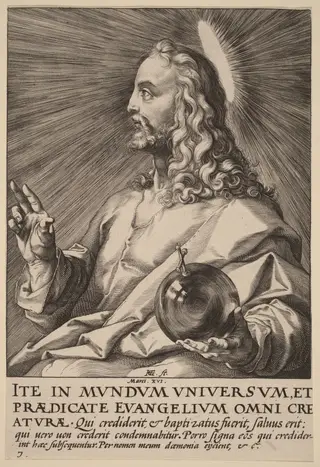
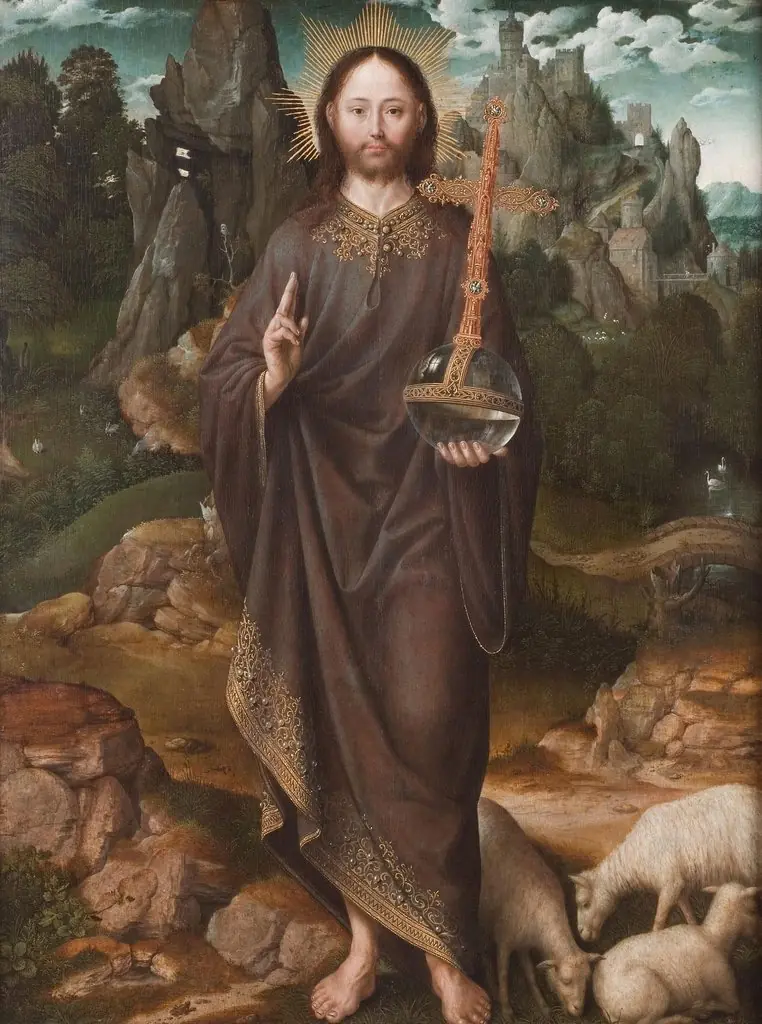
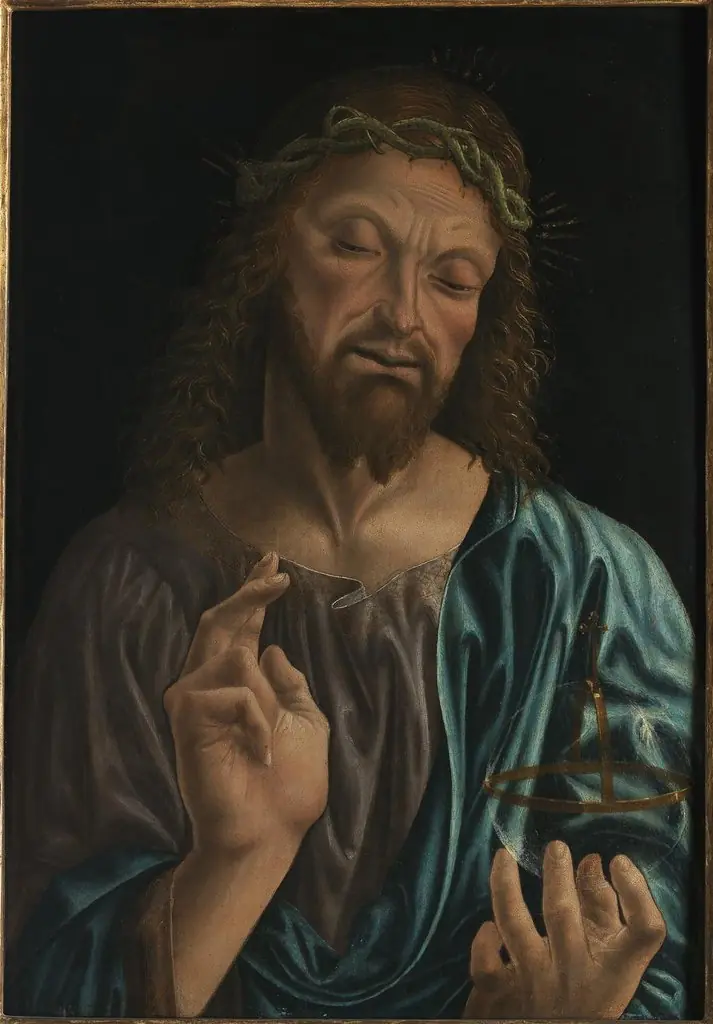
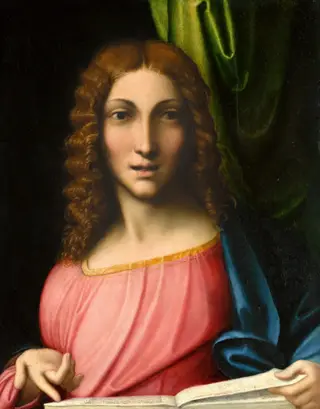
The work depicts the Salvator Mundi, or Savior of the World, presenting Christ as the central religious figure.
The work depicts the Salvator Mundi, or Savior of the World, presenting Christ as the central religious figure. Created in 1505 by Albrecht Dürer, the image functions as a devotional representation of Christ as universal savior, consistent with early sixteenth-century religious imagery. In Dürer's version the figure of Christ is typically shown in a frontal position, raising his right hand in blessing and holding an orb in his left, the standard iconographic attributes of the Salvator Mundi type.
History & Provenance
Salvator Mundi is held in the collection of the Metropolitan Museum of Art in New York. The painting is recorded as part of the museum's holdings, having previously belonged to Michael Friedsam. The museum's catalog entry lists the work under the title Salvator Mundi. Exhibition records are not provided in the sources consulted.
Overview
Albrecht Dürer, a prominent artist of the German Renaissance, completed Salvator Mundi in 1505. This oil painting portrays Christ as the "Savior of the World," a common devotional subject. The work exemplifies the religious and artistic conventions prevalent in Northern Europe during this period, showcasing Dürer's mastery of the oil medium. It is currently housed in the collection of The Metropolitan Museum of Art.
Technique & Style
Dürer's use of oil paint allows for rich color and detailed rendering, characteristic of the Northern Renaissance. The artist employs chiaroscuro effectively, creating strong contrasts between light and shadow that define the figure's form and draw attention to Christ's face and hands. The muted green background further emphasizes the subject, contributing to the painting's introspective mood and highlighting the textural qualities of the drapery and hair.
Context
Albrecht Dürer was a leading figure of the German Renaissance, renowned for his innovative engravings and woodcuts before his achievements in painting. His artistic development was significantly shaped by his engagement with Italian Renaissance artists and theories, which he integrated into his Northern European style. Dürer also benefited from the patronage of powerful figures such as Emperor Maximilian I, solidifying his influence across Europe.
Own this work as a print
Artist & collection
Artist
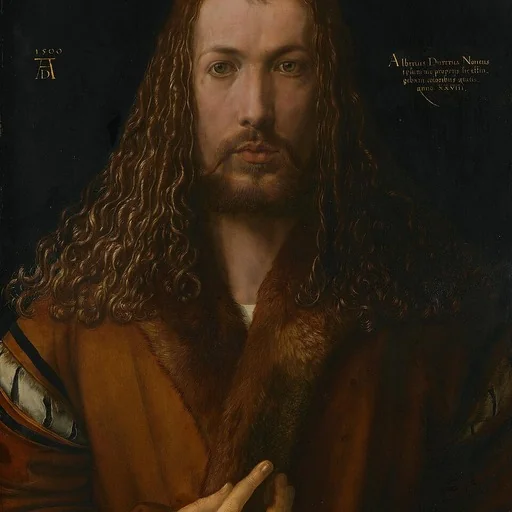
Albrecht Dürer spent his life in Nuremberg, a busy German city where artists traded prints like currency.

![Madonna and Child [obverse], by Albrecht Dürer](https://artifactworldgallery.com/img/albrecht-durer--madonna-and-child-obverse--d7b8ebf05d22ebe5-w320.webp)
![Lot and His Daughters [reverse], by Albrecht Dürer](https://artifactworldgallery.com/img/albrecht-durer--lot-and-his-daughters-reverse--b4ebf9b282faa17a-w320.webp)