Artwork
Portrait of a Clergyman (Johann Dorsch?)
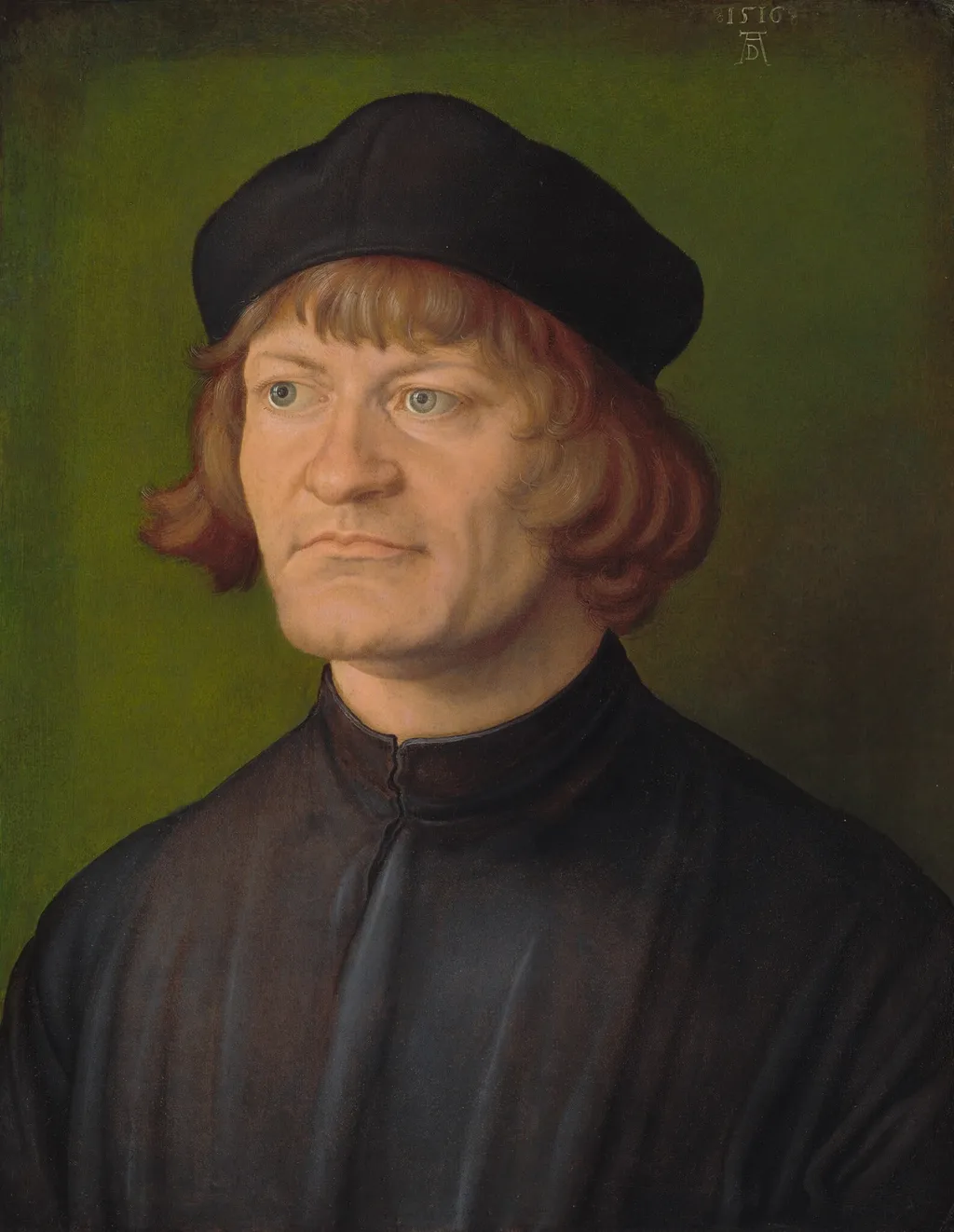
Portrait of a Clergyman (Johann Dorsch?) is an oil painting by the Northern Renaissance artist Albrecht Dürer. It dates from 1516 and is held in the collection of the National Gallery of Art.
- Inscription
- Inscribed:upper right: 1516 / AD (in monogram)
About this work
Subject & Meaning
The unusual support of parchment, rather than panel or canvas, lends the work an intimate, almost manuscript-like character appropriate to a man of the church.
The painting portrays a clergyman, identified in early inventory records as Johann Dorsch, a former pastor (Pfarrer) at St. Johannis in Nuremberg. The 1719 inventory of the Praun collection describes the work as a likeness of Dürer's "Johann Dors gewesen Pfarrers beij St. Johannis," rendered in oil on parchment. The sitter's clerical status is central to the portrait's meaning: by depicting a local pastor in a carefully observed, individualized likeness, Dürer elevated a contemporary religious figure to the kind of dignified human presence more commonly reserved for scholars or patrons.
The unusual support of parchment, rather than panel or canvas, lends the work an intimate, almost manuscript-like character appropriate to a man of the church. The identification with Dorsch remains tentative, signaled by the question mark in the current title.
Technique & Style
Executed in 1516, this portrait utilizes oil paint applied onto a support of parchment that has been mounted onto fabric. The work measures approximately 41.7 by 32.7 centimetres. As a painted representation of a clergyman, potentially Johann Dorsch, the piece is classified within the genre of portraiture.
An early eighteenth-century inventory specifically describes the object as painted with oil colors on parchment and housed within a protective case or slider (Schüber). The unique combination of oil medium on a flexible parchment ground distinguishes its material construction from traditional panel or canvas supports of the period.
History & Provenance
The work was first recorded in 1719 within the collection of Paul von Praun in Nuremberg, identified as a portrait by Albrecht Dürer of a clergyman named Johann Dorsch. By 1821 it had entered the collection of Count Johann Rudolph Czernin von Chudenitz in Vienna, passing by inheritance to Count Eugen Czernin von Chudenitz by 1950. The painting was then handled by dealers Frederick Mont and Newhouse Galleries in New York before being acquired in 1950 by the Samuel H. Kress Foundation.
It was subsequently gifted in 1952 to the National Gallery of Art, Washington, D.C. The documented provenance indicates the work remained in Central European aristocratic hands from at least the early 18th century until its transfer to American ownership.
Overview
Albrecht Dürer's Portrait of a Clergyman (Johann Dorsch?), completed in 1516, presents a focused depiction of an unidentified religious figure. The oil painting captures a bearded man in dark attire, his countenance partially illuminated, drawing the viewer's attention to his steady yet weary gaze. The work exemplifies Dürer's commitment to detailed portraiture during the Northern Renaissance.
Own this work as a print
Artist & collection
Artist
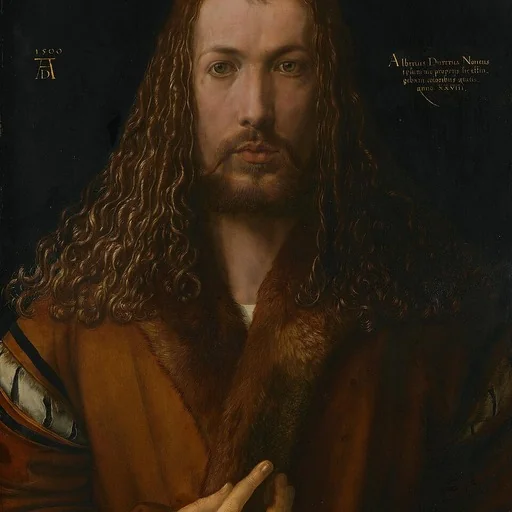
Albrecht Dürer spent his life in Nuremberg, a busy German city where artists traded prints like currency.

![Madonna and Child [obverse], by Albrecht Dürer](https://artifactworldgallery.com/img/albrecht-durer--madonna-and-child-obverse--d7b8ebf05d22ebe5-w320.webp)
![Lot and His Daughters [reverse], by Albrecht Dürer](https://artifactworldgallery.com/img/albrecht-durer--lot-and-his-daughters-reverse--b4ebf9b282faa17a-w320.webp)
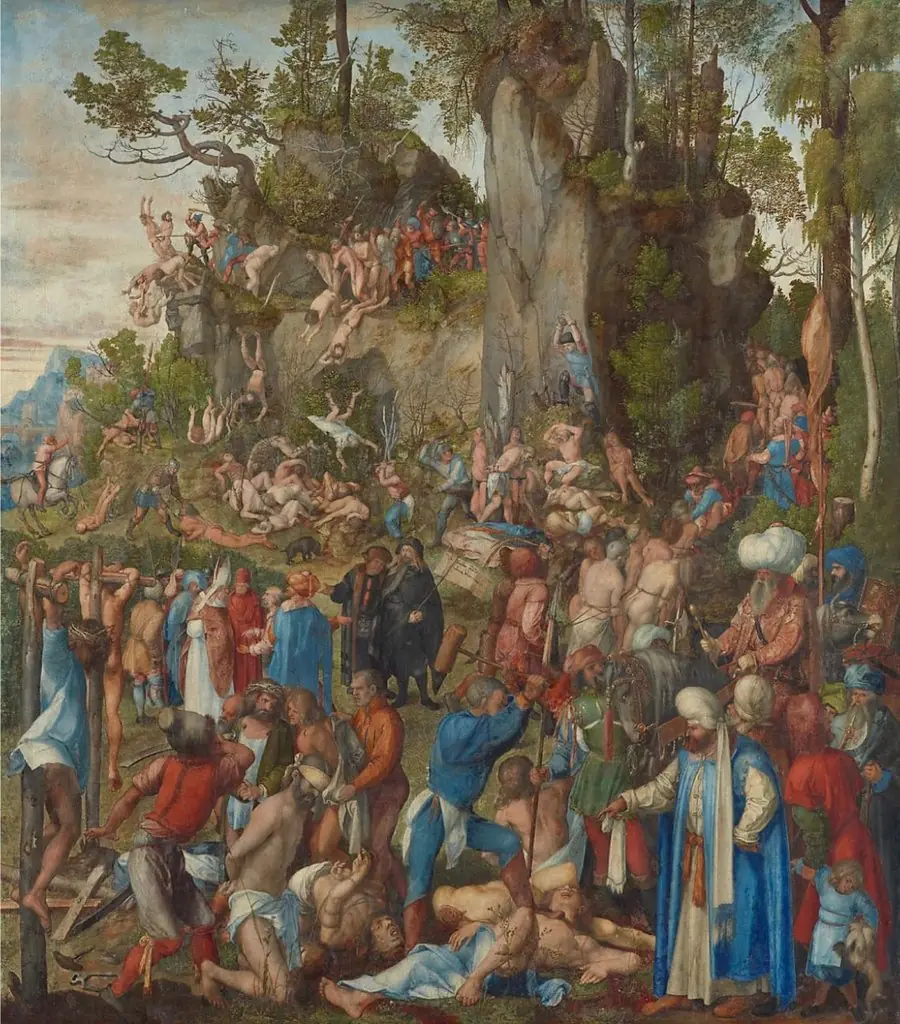
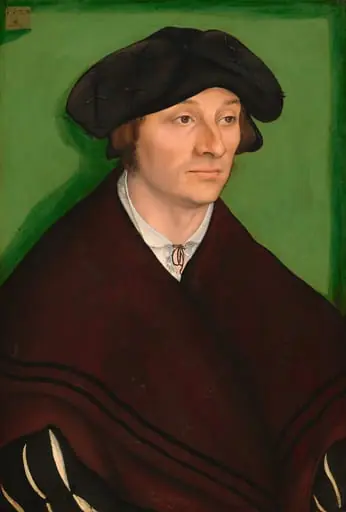 Portrait of a Man
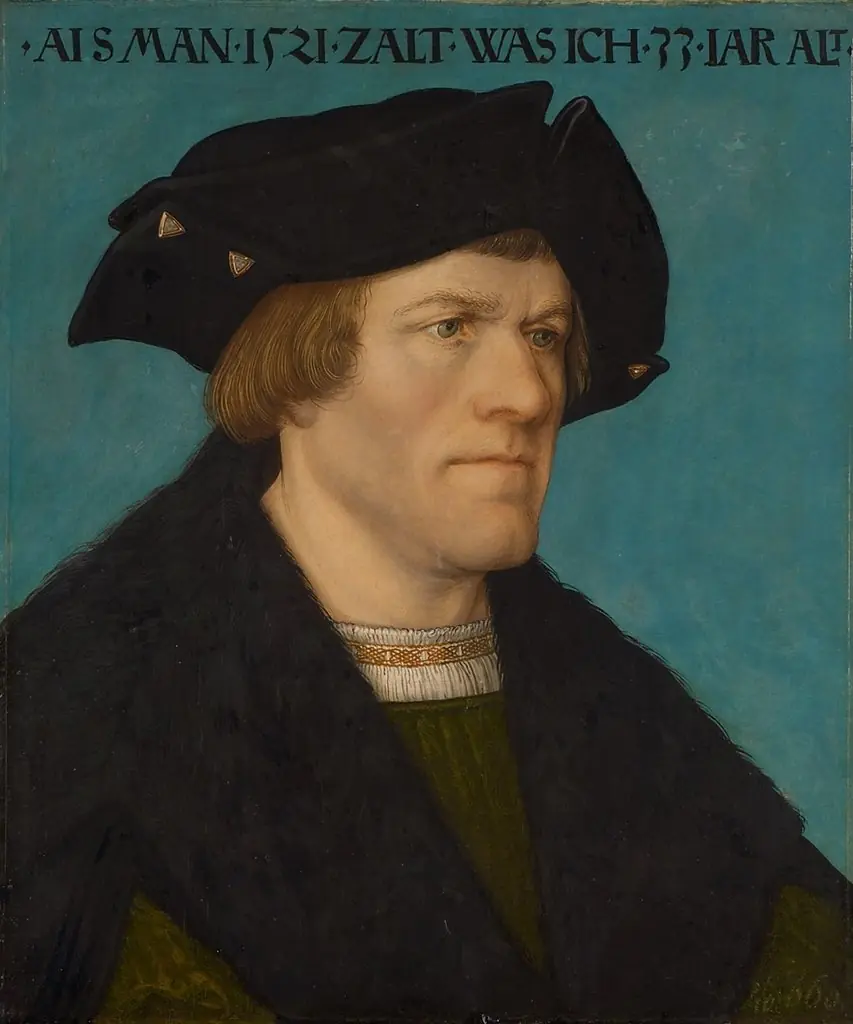 Portrait of a beardless man
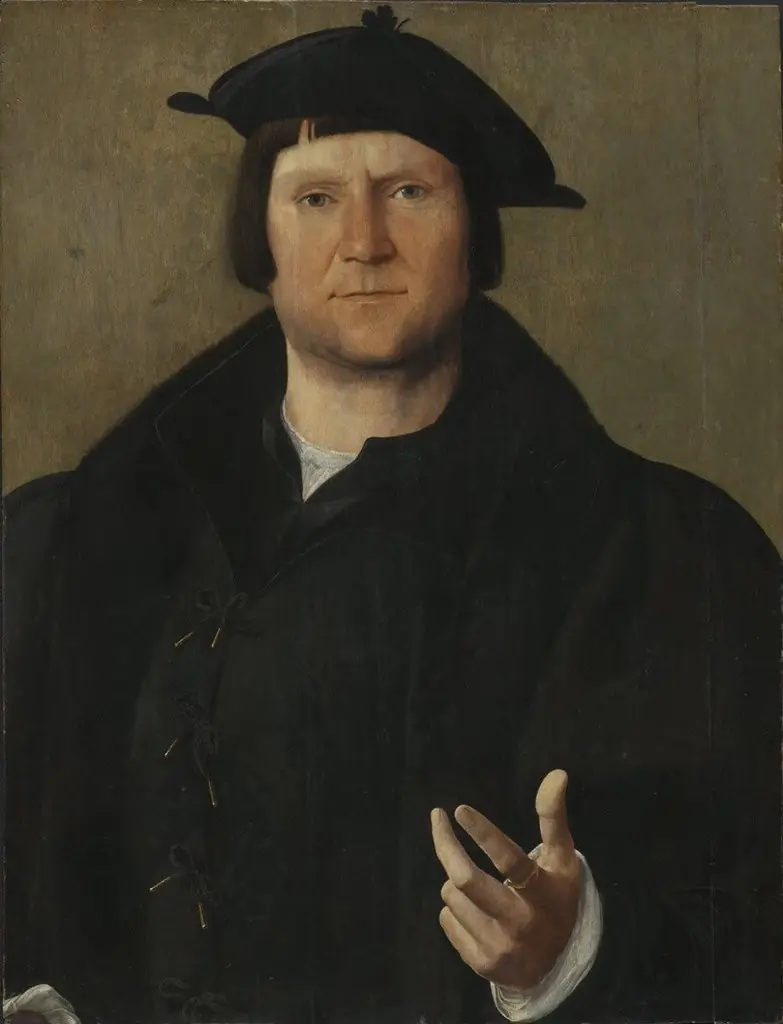 Bildnis eines Mannes (zugeschrieben)
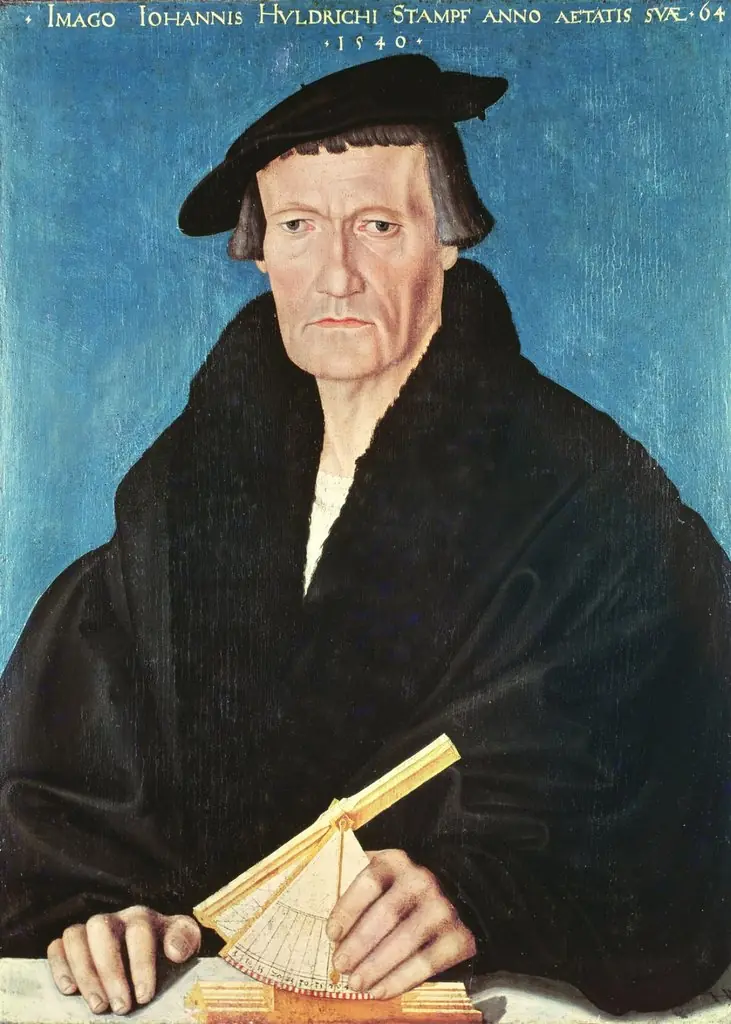 Portrait of Ulrich Stampfer
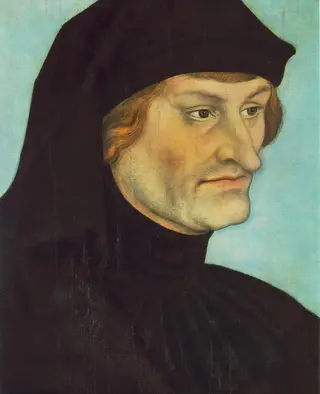 Portrait of Rudolph Agricola or Portrait of Johannes Geiler von Kaysersberg
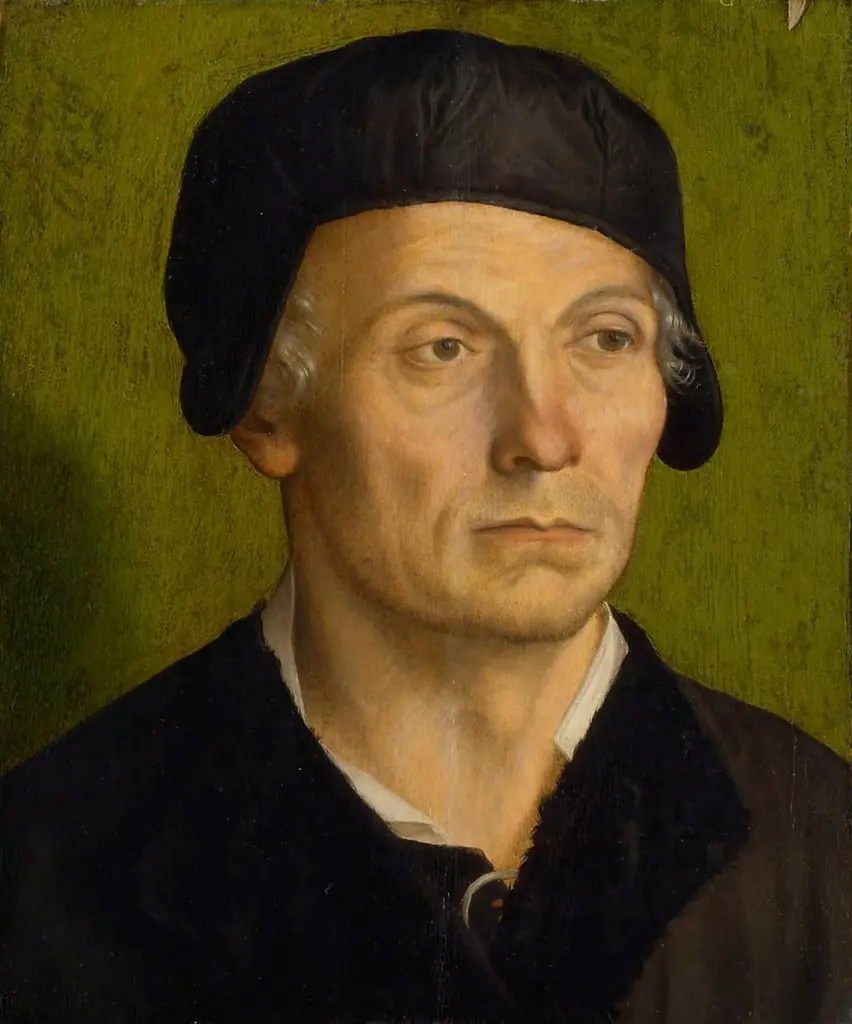 Portrait of a beardless man
![A Member of the de Hondecoeter Family [obverse]](https://artifactworldgallery.com/img/a-member-of-the-de-hondecoeter-family-obverse--56718cc2d35bf2df-w320.webp) A Member of the de Hondecoeter Family [obverse]
A Member of the de Hondecoeter Family [obverse]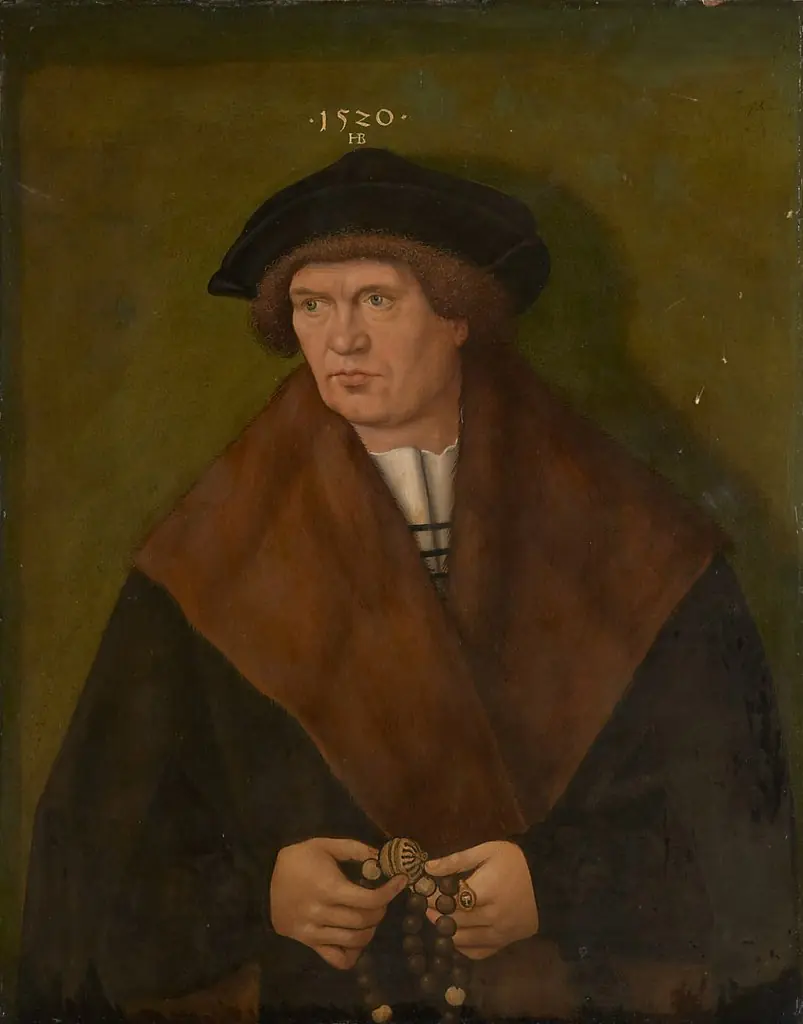 The Nuremberg dressmaker Hans Pirkel the Younger
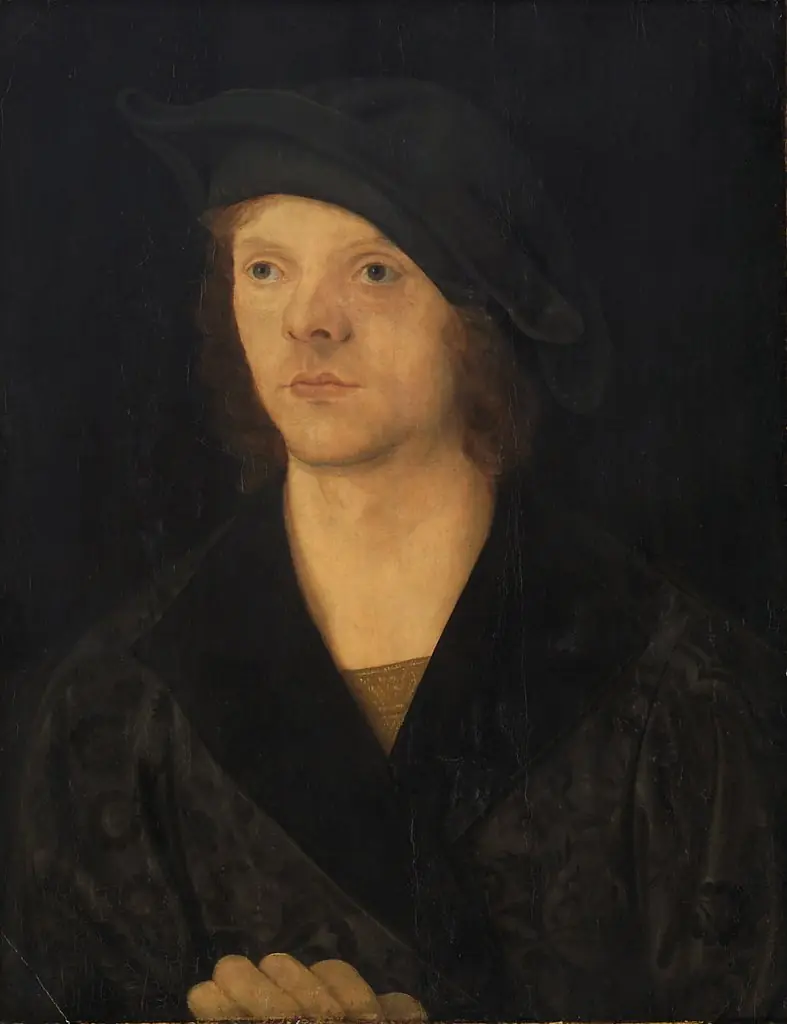 Bildnis eines jungen Mannes
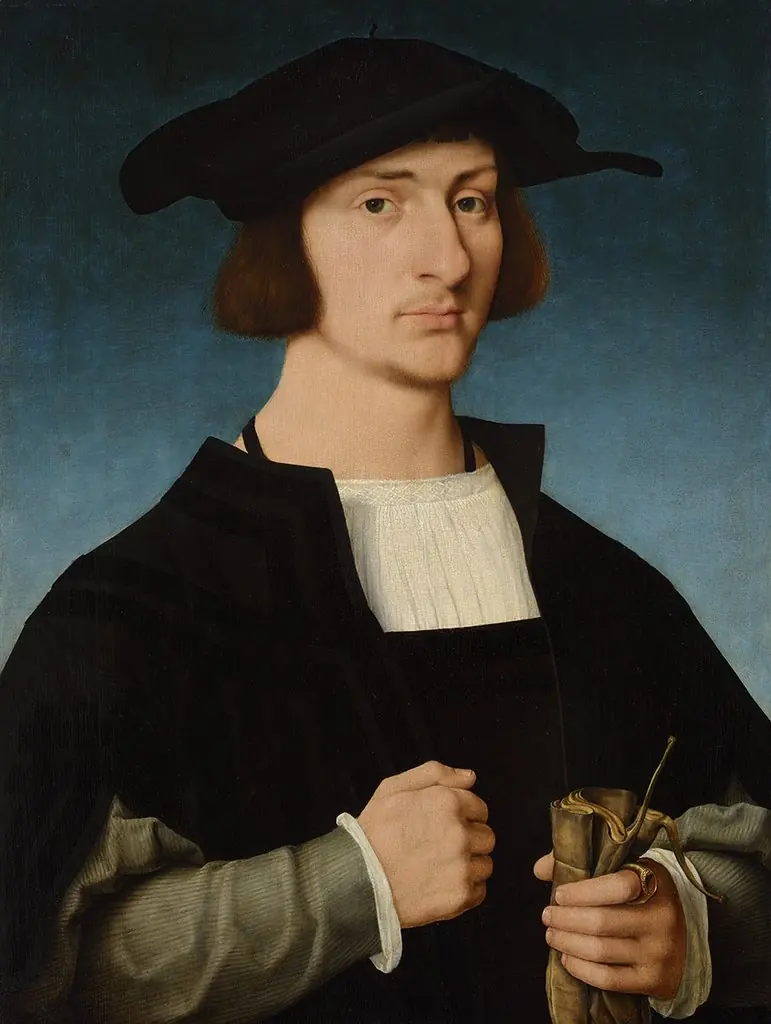 Portrait of a Young Man (Lyons)
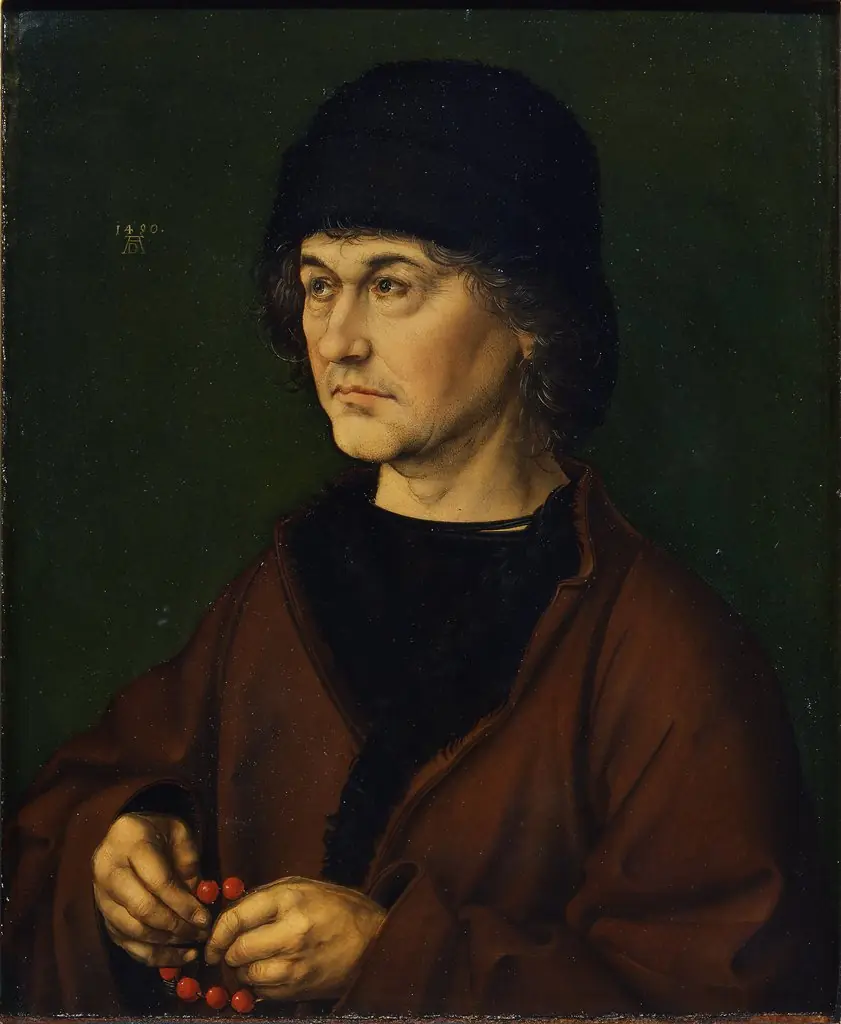 Portrait of the artist's father
- Portrait of a Nobleman