Artwork
Leonidas with The Woodcutters
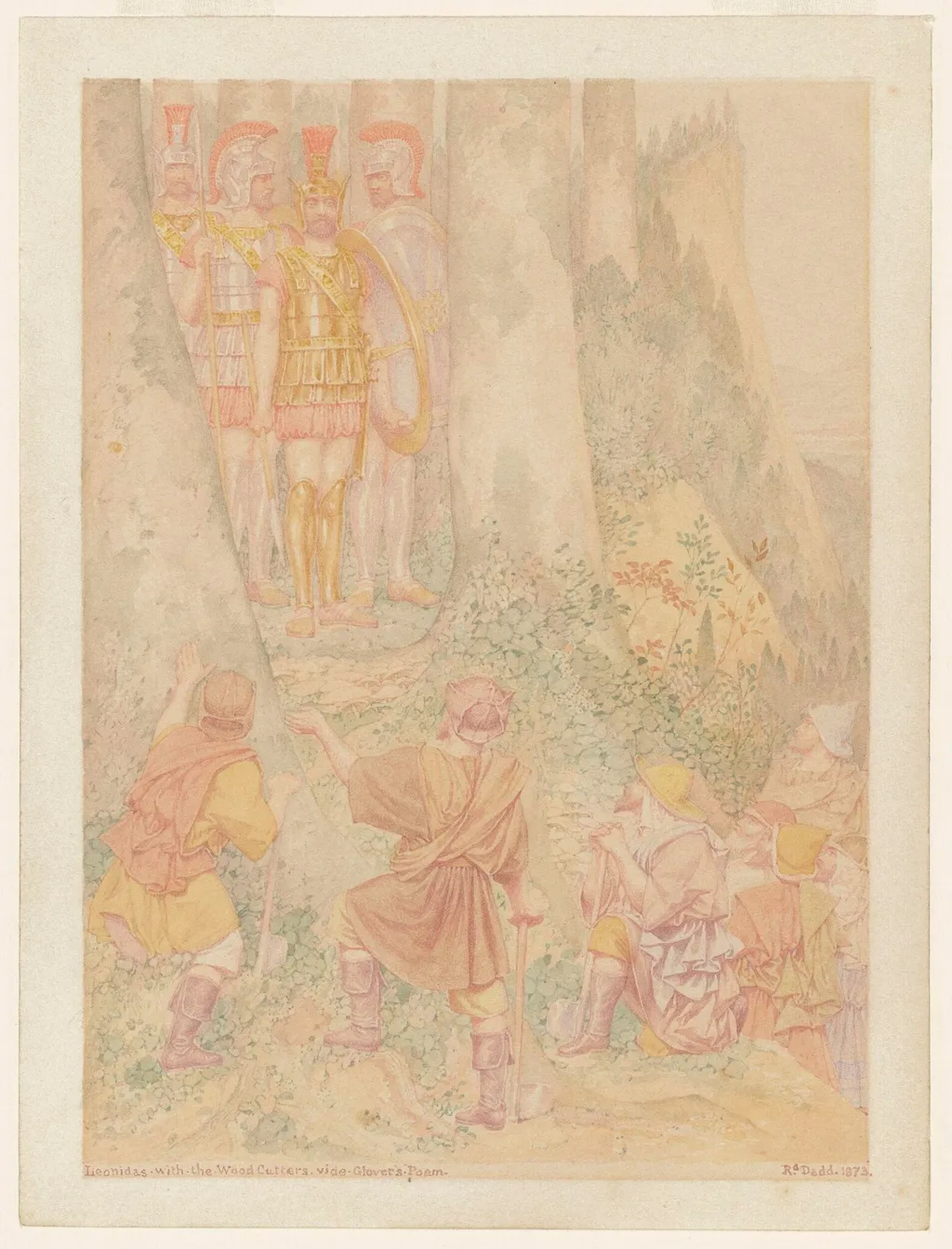
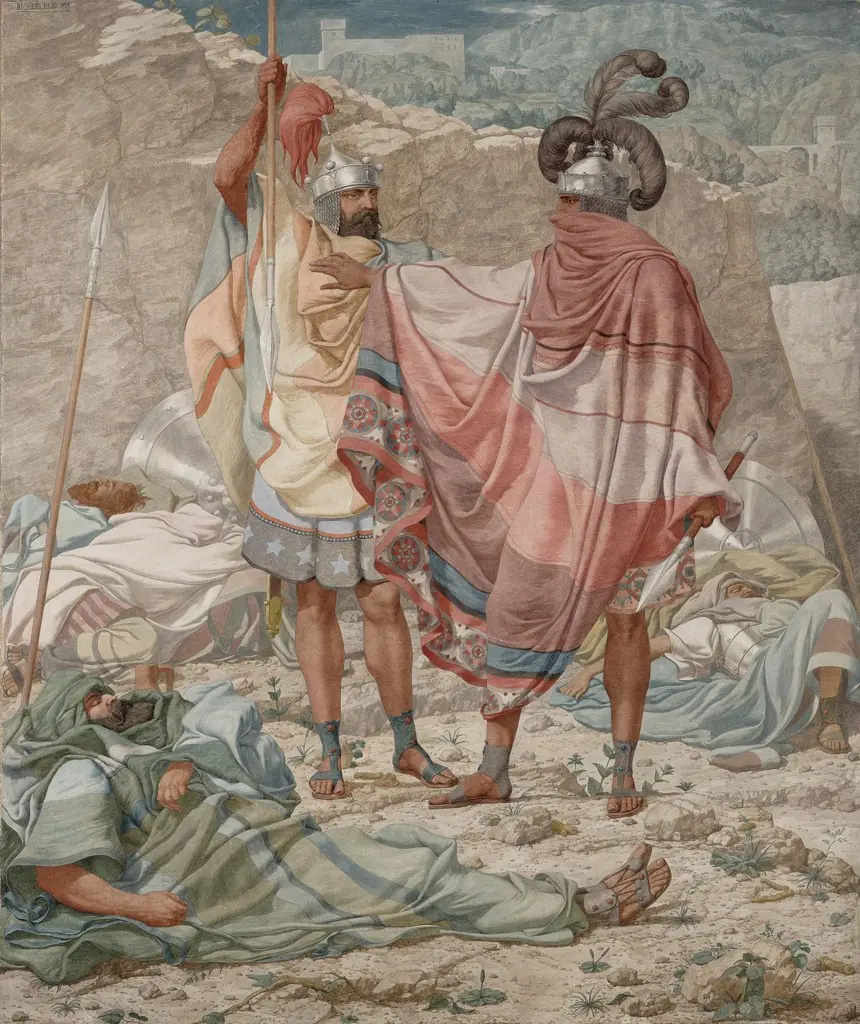
Leonidas with The Woodcutters is a watercolor work on paper by the Impressionist artist Richard Dadd. It dates from 1873 and is held in the collection of the Victoria and Albert Museum.
About this work
The scene shows an ancient Spartan king, Leonidas, in a moment tied to a poem by Richard Glover.
Richard Dadd painted Leonidas with The Woodcutters in 1873 using watercolour. The scene shows an ancient Spartan king, Leonidas, in a moment tied to a poem by Richard Glover. It’s one of many detailed scenes Dadd made while living in a hospital for the criminally insane.
Dadd spent decades in Broadmoor after a tragic past. His life was as dramatic as his art. This watercolour stands out for its intricate detail, typical of his careful style.
Look up Richard Dadd next.
Overview
Richard Dadd painted Leonidas with The Woodcutters in 1873 while confined at Broadmoor Hospital, where he spent the final decades of his life. Created in watercolour, the work is one of many detailed compositions produced during his institutionalization. Though Dadd gained notoriety for his violent past, his artistic output during this period remains a significant, if understudied, part of 19th-century British art.
Subject & Meaning
The scene illustrates a lesser-known episode from the life of Leonidas, King of Sparta, drawn from Richard Glover’s 1763 poem. It depicts the king interacting with woodcutters, a moment emphasizing his connection to the land and his people. Dadd’s choice of this obscure narrative reflects his interest in classical antiquity and literary sources, offering a quiet, introspective counterpoint to his own turbulent reality.
Technique & Style
Dadd’s watercolour technique is marked by meticulous precision and layered detail. Every figure, garment, and natural element is rendered with careful attention, reflecting his pre-institutional training and sustained discipline. The delicate handling of light and texture, typical of his later works, reveals a methodical approach that contrasts with the chaos of his personal history.
History & Provenance
Dadd committed patricide in 1843, believing he was acting under divine command, and was subsequently institutionalized. After initial confinement at Bethlem, he was transferred to Broadmoor in 1864, where he remained until his death. Leonidas with The Woodcutters was painted there in 1873, part of a body of work produced under medical supervision, often using materials provided by hospital staff.
Context
During his time at Broadmoor, Dadd continued to produce art despite his diagnosis and isolation. His works often referenced mythology, literature, and travel sketches from his earlier years. The persistence of his practice reflects both his enduring artistic identity and the institutional support that allowed him to create, even as society viewed him primarily as a dangerous figure.
Legacy
Dadd’s later watercolours, including this one, are now recognized for their technical rigor and psychological depth. Though once overshadowed by his biography, these works have prompted renewed scholarly interest in the relationship between mental illness and artistic production. They stand as quiet testaments to creativity sustained under extreme constraint.
Own this work as a print
Artist & collection

Artist
Richard Dadd (1 August 1817 – 7 January 1886) was an English painter of the Victorian era, noted for his depictions of fairies and other supernatural subjects, Orientalist scenes, and enigmatic genre scenes, rendered with obsessively…

- Jason and Medea
 Studie efter Dürer: Den Hellige Christoforus II
 The Mocking of Christ
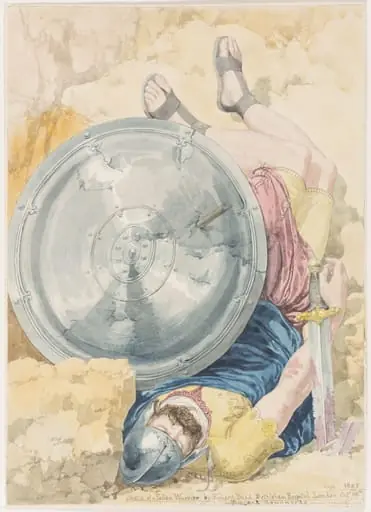 A Fallen Warrior
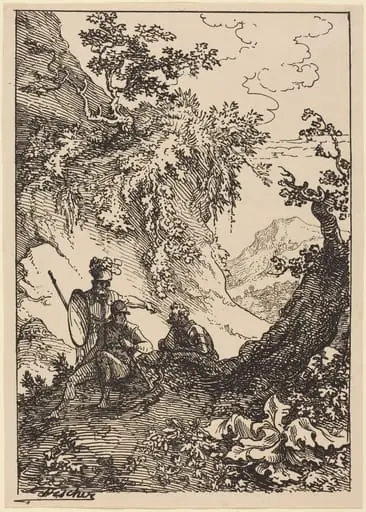 Landscape with Men in Armor, Tree Stump
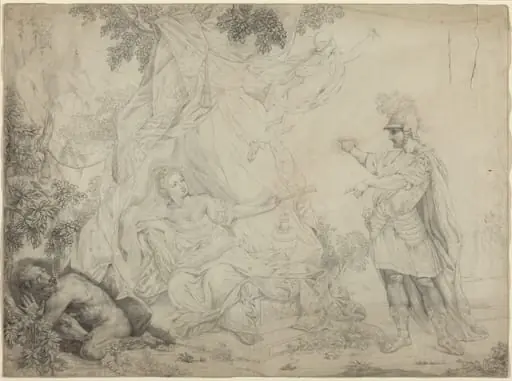 Circe and Ulysses
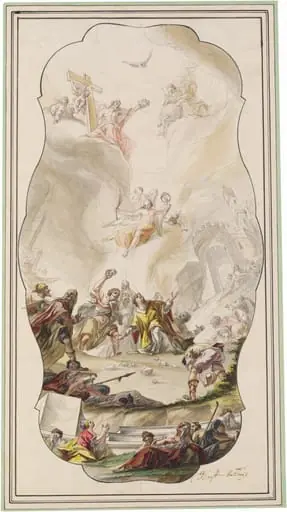 The Stoning of Saint Stephen
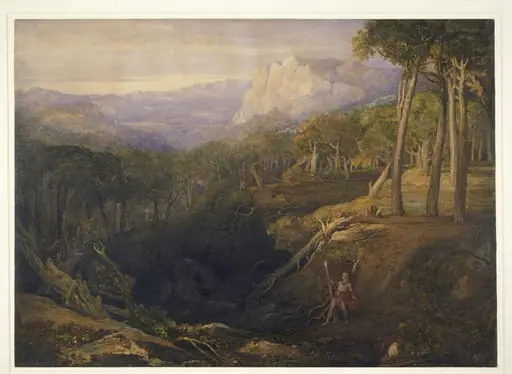 Jason in search of the Golden Fleece
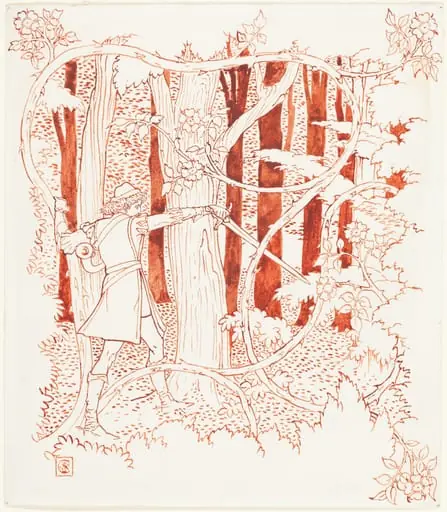 Prince Charming in the Forest
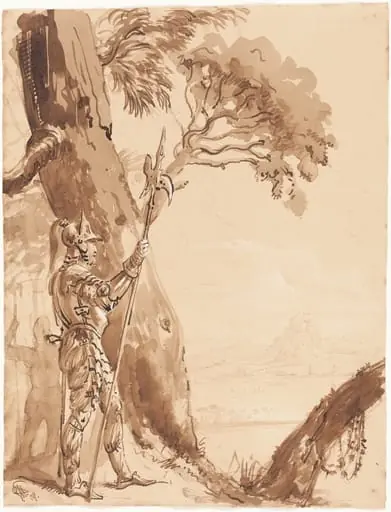 Bandits on the Lookout
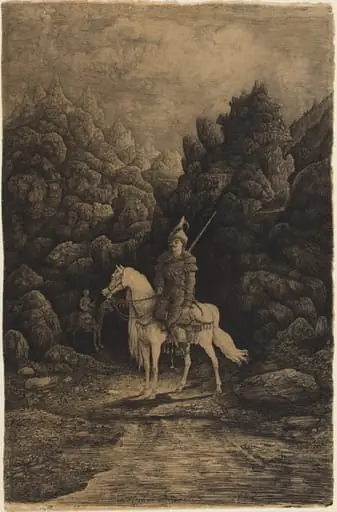 Oriental Horseman in a Desolate Mountain Landscape
 Frontispiece