Artwork
The Adoration of the Skulls
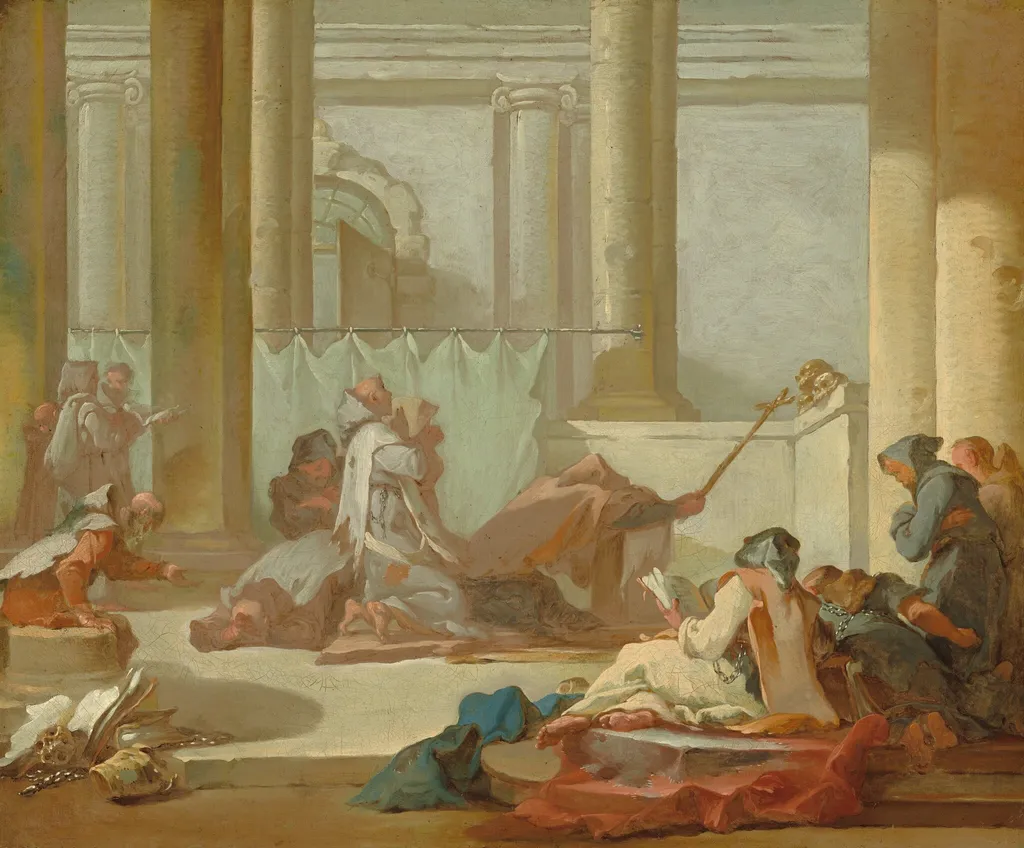
The Adoration of the Skulls is an oil painting by the Baroque artist Michel-François Dandré-Bardon. It dates from 1734 and is held in the collection of the National Gallery of Art.
About this work
Technique & Style
It is part of the National Gallery of Art's collection in Washington, D.
The Adoration of the Skulls is an oil painting executed on canvas. The work measures 52.8 centimeters in height by 63.6 centimeters in width and dates to 1734. It is part of the National Gallery of Art's collection in Washington, D.C., where it has been held since a 1956 gift.
The painting's surface bears evidence of its original support, including a circular red wax seal with a coat of arms and handwritten notation on a former stretcher, documented in curatorial files.
History & Provenance
Michel-François Dandré-Bardon executed The Adoration of the Skulls in 1734 as an oil painting on canvas. The work's early ownership is recorded as "Probably Rizson," a name inscribed on the original stretcher before it was replaced during a 1967 relining procedure; that stretcher also reportedly bore a circular red wax seal featuring a coat of arms and text, though no photograph of the seal survives in the curatorial files.
By the twentieth century the painting belonged to Lewis Einstein (1877–1967) of Paris, who retained ownership until 1956, when he gifted the work to the National Gallery of Art in Washington, D.C., where it remains. No exhibition history is documented in the available sources.
Overview
Michel‑François Dandré‑Bardon’s oil on canvas, dated around 1734, presents a gathering of figures surrounding an arrangement of human skulls. Set within an architecturally grand interior marked by columns, a high ceiling and a distant window, the composition invites contemplation of mortality through its solemn assembly.
Subject & Meaning
The central motif of skulls aligns the work with the memento mori and vanitas traditions that were prevalent in 18th‑century French art. By arranging the participants in a pose of reverent observation, the painting underscores the transient nature of life and the inevitability of death.
Context
The piece reflects the broader Enlightenment fascination with the juxtaposition of reason and mortality. Within the Rococo’s lighter decorative vocabulary, the work retains a sober moralizing purpose, echoing contemporary philosophical debates about the fleeting nature of earthly pleasures.
Own this work as a print
Artist & collection
Artist
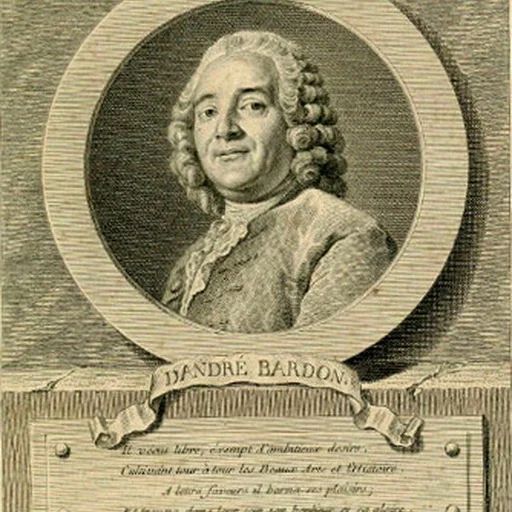
Michel François André-Bardon (French pronunciation:; 22 May 1700 – 13 April 1785) was a French history painter and etcher.

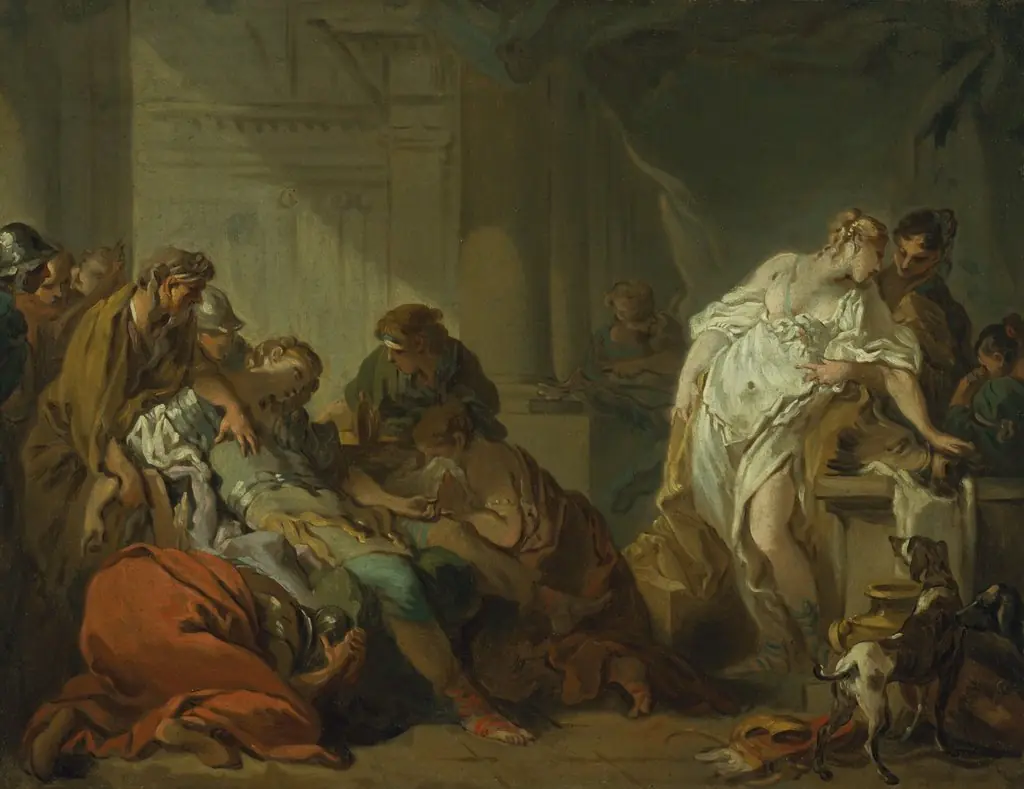
- Death of Meleager
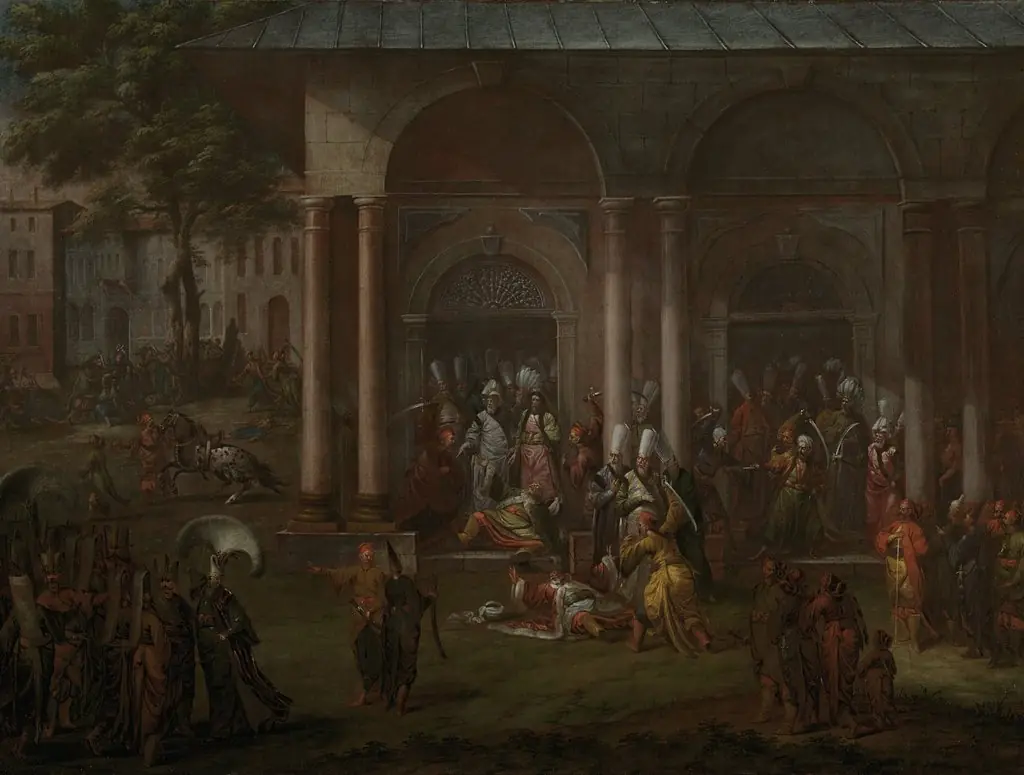 The Murder of Patrona Halil and his Fellow Rebels
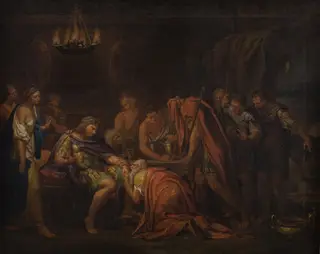 Priam Pleading with Achilles for the Body of Hector
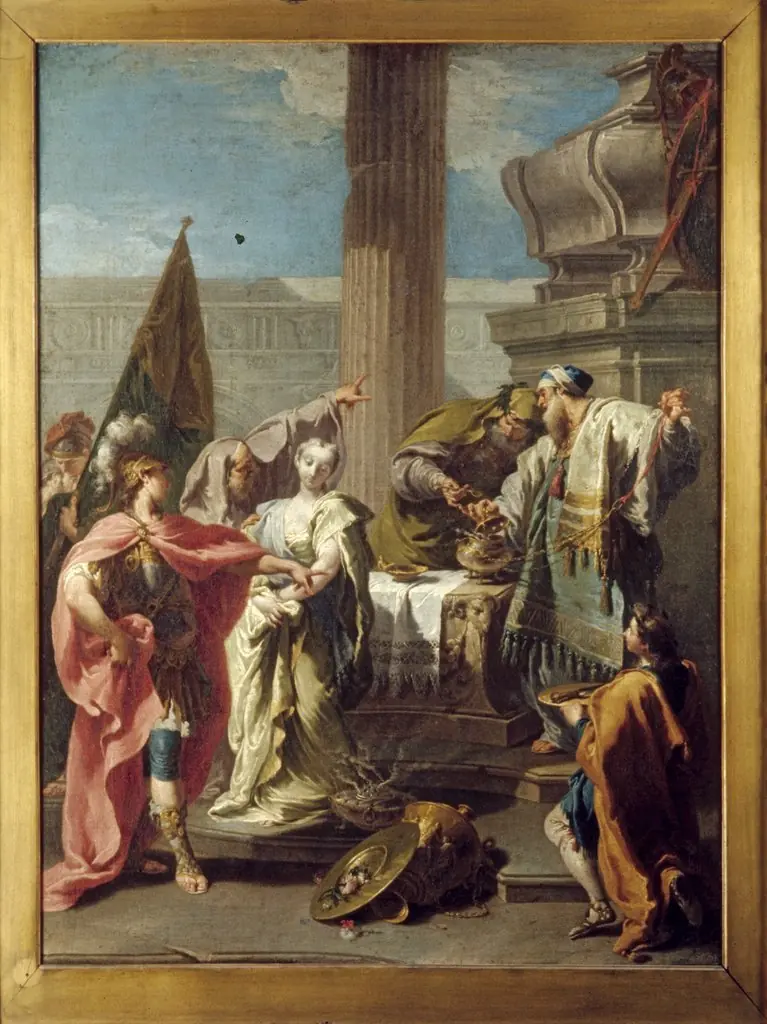 The Sacrifice of Polyxena at the Tomb of Achilles
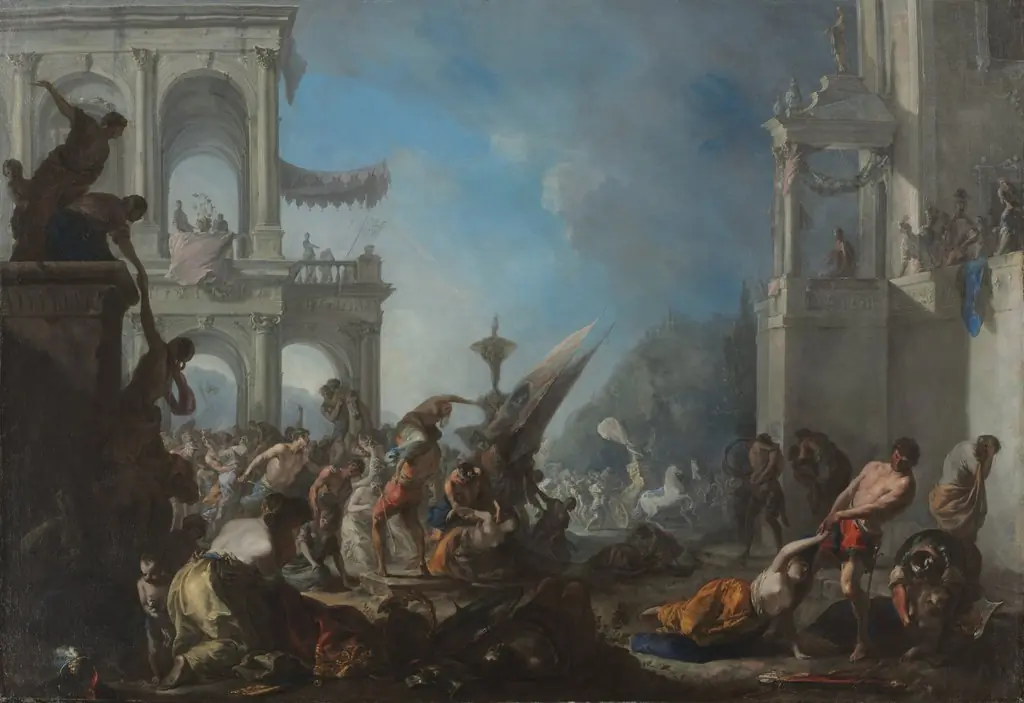 Abduction of the Sabine Women
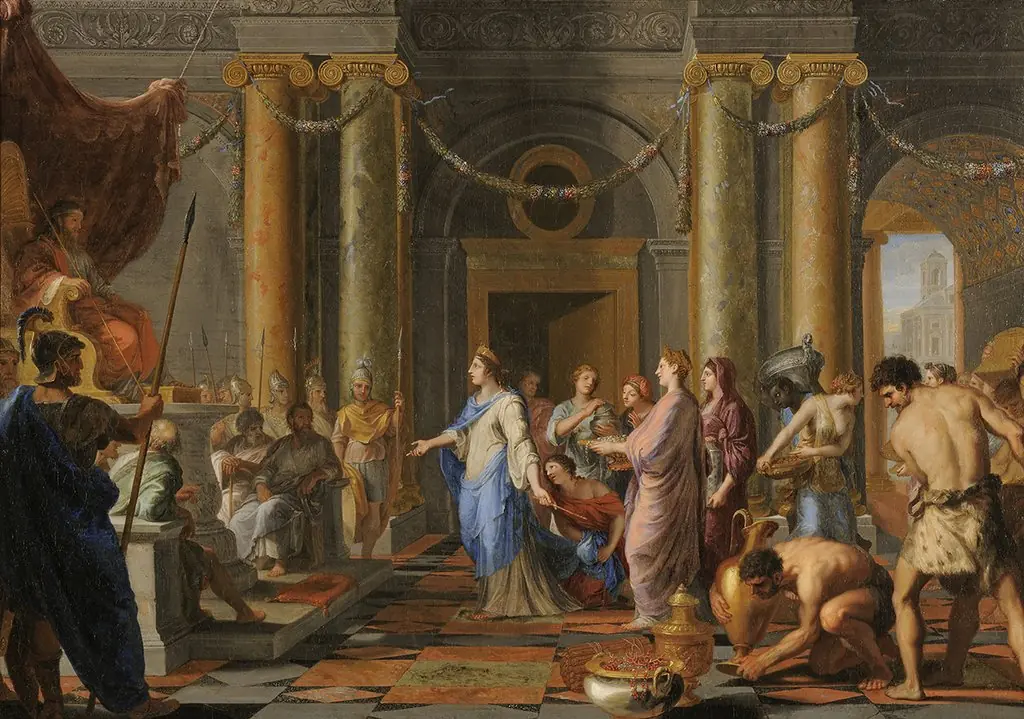 Solomon Receiving the Queen of Sheba
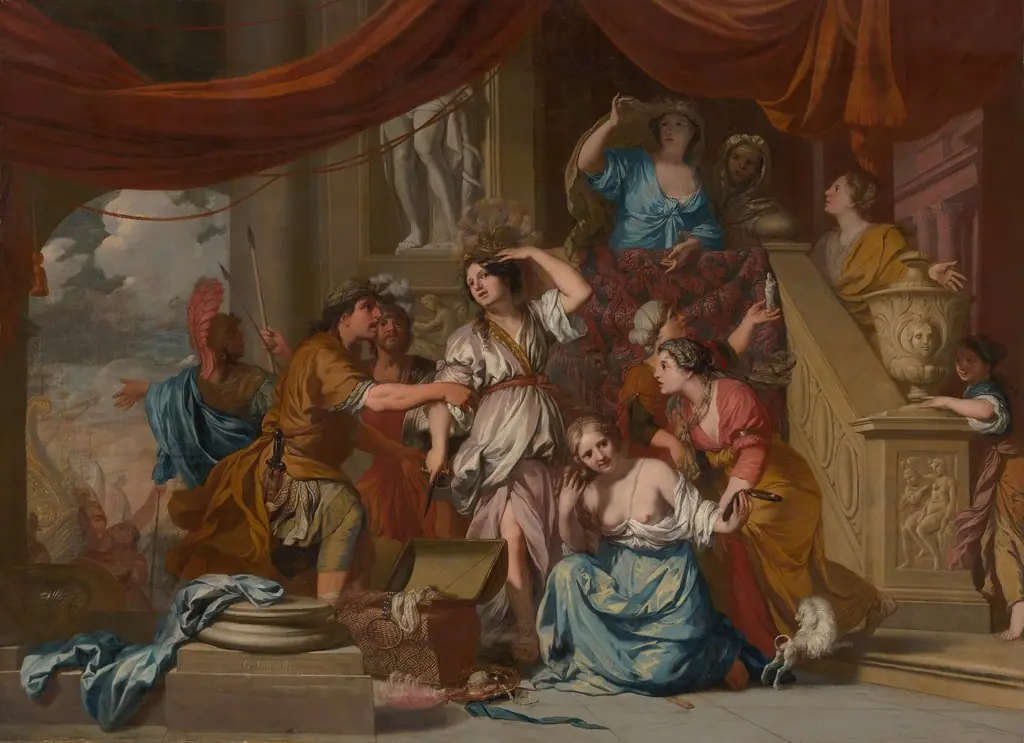 Achilles Discovered among the Daughters of Lycomedes
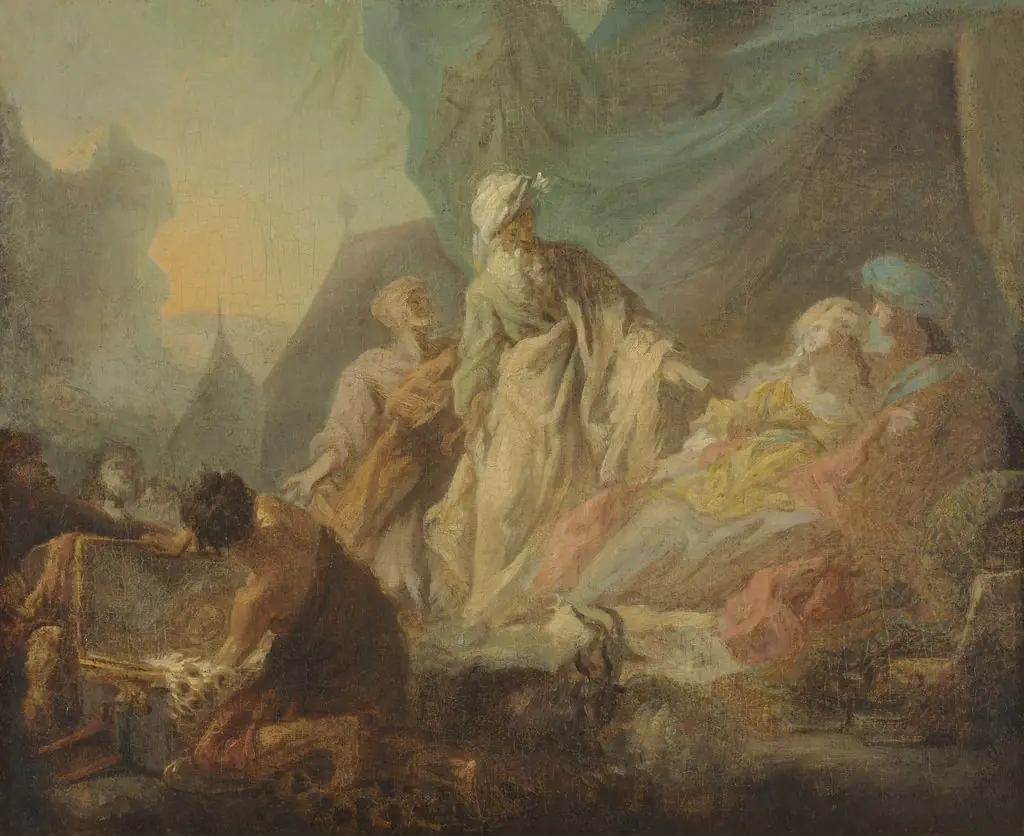 Laban Searching for His Stolen Gods
 Salomon receives the Queen of Sheba
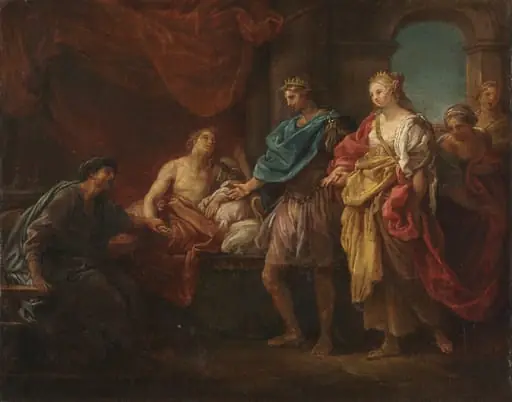 Study for "Antiochus and Stratonice"
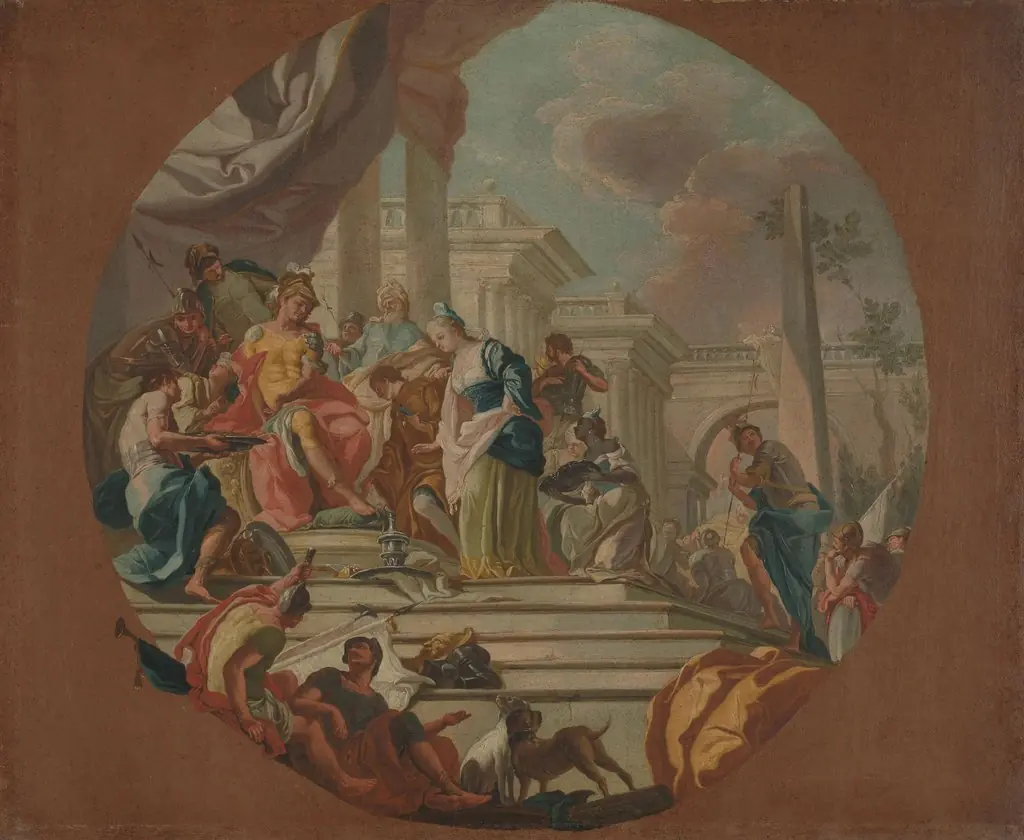 The Continence of Scipio
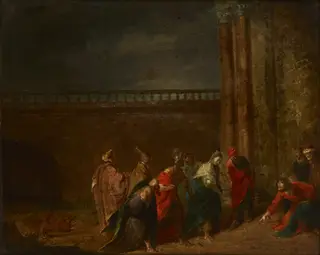 Christ and the Woman Cught in Adultery with Pharisees