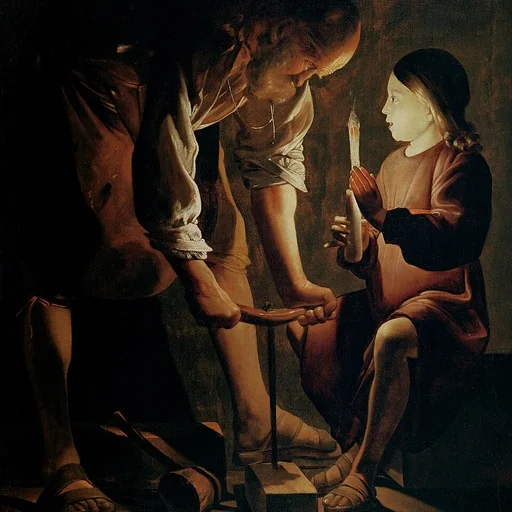
Subject
Prayer
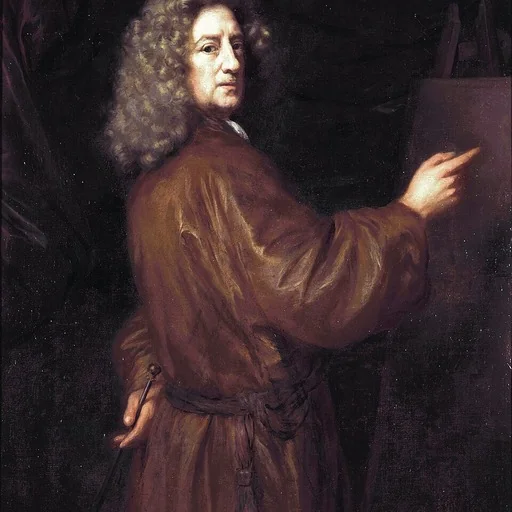
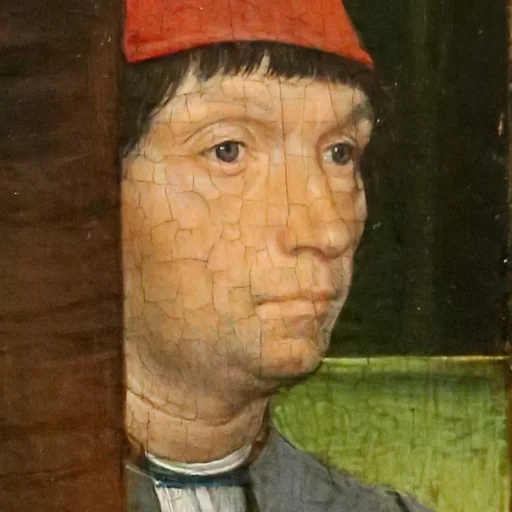
Prayer is a subject in art. The gallery holds 51 works in this subject in art, including works by Georges de La Tour, Raphael and Nicolaes Maes.
Prayer is an invocation or act that seeks to activate a rapport with an object of worship through deliberate communication. In the narrow sense, the term refers to an act of supplication or intercession directed towards a deity or a deified ancestor.
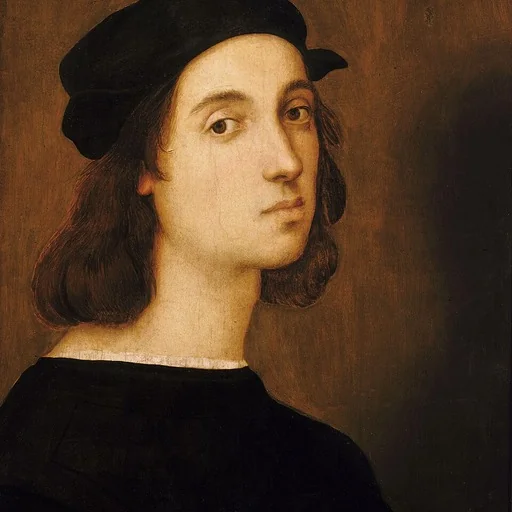
Key artists
Overview
Prayer is an invocation or act that seeks to activate a rapport with an object of worship through deliberate communication. In a narrow sense, it refers to an act of supplication or intercession directed toward a deity or deified ancestor, though it more broadly encompasses thanksgiving, praise, and abstract meditation. The act of prayer is attested in written sources as early as five thousand years ago, and it remains a central practice across most major religions today. In art, the motif recurs because it visually externalizes a fundamentally internal and spiritual act, rendering the invisible communication between humanity and the divine as concrete physical postures, gestures, and ritual objects.
Iconography & meaning
The iconography of prayer relies heavily on specific bodily postures and associated objects to convey spiritual intent. In early Christian and pagan antiquity, the standard posture was standing with outspread arms and a bare head, looking toward heaven. By the high medieval period in Europe, this shifted to kneeling with clasped hands, a gesture likely adopted from feudal homage to signify surrender and supplication. Other traditions feature distinct gestures: some Native American traditions use dancing, Hindu traditions involve chanting mantras, Jewish prayer incorporates swaying and bowing, and Islamic prayer involves a sequence of bowing, kneeling, and prostration. Objects also carry deep iconographic meaning, such as the Islamic prayer carpet, which features an arch symbolizing the gateway to paradise, accompanied by vegetation, a lamp, and a water pitcher to create a spiritually clean sacred space. In Catholicism, the rosary uses beads and knots at regular intervals to instill a specific rhythm of worship, with each bead connoting a specific prayer like the Hail Mary or Our Father.
In the collection
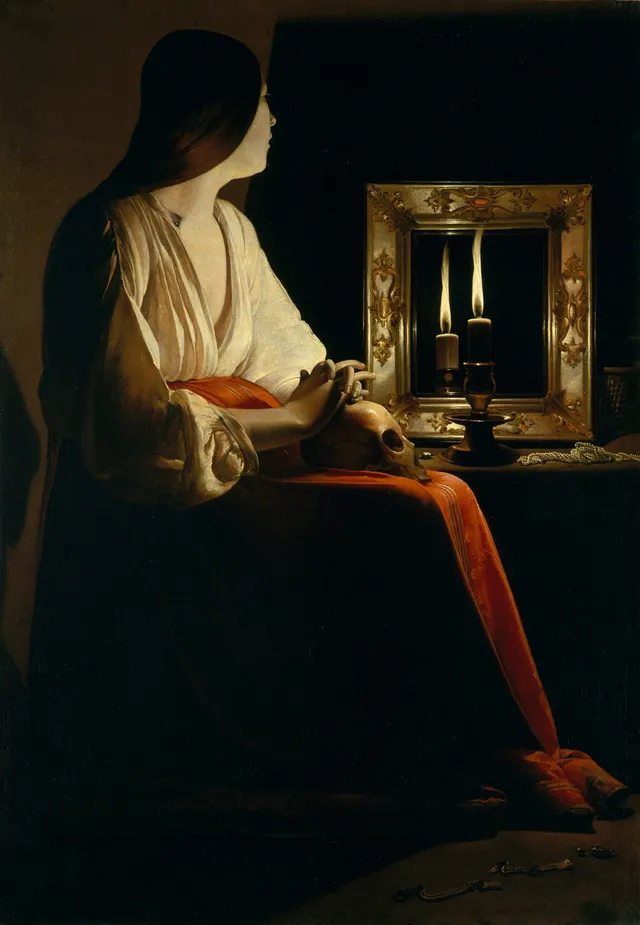
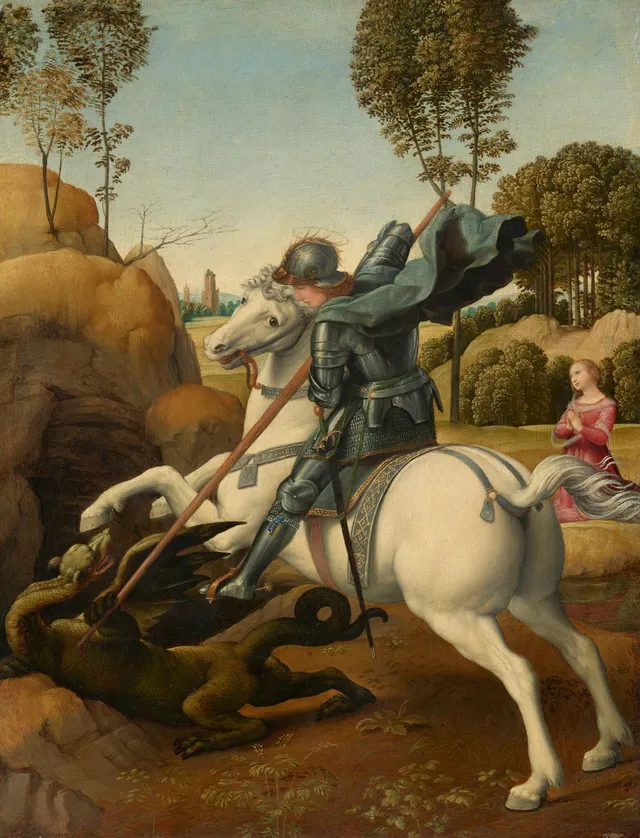
Within the collection, the subject of prayer is depicted across 56 works, spanning a wide variety of formats and contexts. The representations range from individual penitence and devotion to communal liturgy and domestic grace. Examples include depictions of solitary figures in deep spiritual focus, such as The Penitent Magdalen, Mary Magdalene, An Elderly Man in Prayer, Old Woman Praying, and Old Woman Saying Grace, Known as 'The Prayer without End'. Other works expand the motif to narrative or communal settings, such as Saint George and the Dragon, Saint Paul and a Group of Worshippers, Brigand and his wife in prayer, Interior of a Catholic Church, and Saying Grace. The collection also holds the physical objects of prayer, such as a Netherlandish boxwood prayer bead from the early 16th century carved with the Adoration of the Magi and the Crucifixion, and a late 16th-century Islamic prayer rug made of silk and wool.
Across movements & periods
The treatment of prayer in art and material culture has shifted significantly across periods and cultures, reflecting evolving theological and ritual practices. In the late medieval period, the rising cult of the Virgin Mary popularized the veneration of the rosary, leading to the creation of highly intricate, tactile prayer beads designed to focus the worshipper's immediate religious experience. The Protestant Reformation of the 1520s stripped away many intermediary objects, returning prayer to its biblical bases and emphasizing free, spontaneous communication with God rather than strict liturgy. In the Islamic world, the art of the prayer carpet flourished from the 16th through the 19th centuries across Ottoman, Safavid, and Mughal territories, developing a shared, transnational iconography disseminated through trade and the hajj. In modern and contemporary contexts, prayer objects have taken on deeply personal and sometimes ecumenical meanings, functioning as familial heirlooms, sources of solace in extreme crises like war or natural disasters, or even as meditative tools for individuals outside organized religion.
Notable depictions
Notable depictions of prayer in material culture include a Netherlandish boxwood prayer bead from the early 16th century, now in the Metropolitan Museum of Art. Carved with remarkably intricate detail likely achieved with a magnifying lens, the bead features Adam and Eve on the outside of its wings and the Crucifixion in its lower half. It served a dual function: worshippers would finger the closed bead's crevices during the Paternoster prayer, then open it to read inscriptions and contemplate the interior carvings. In the medium of textiles, a late 16th-century prayer rug attributed to Egypt or Turkey, also in the Metropolitan Museum of Art, exemplifies the sophisticated Islamic tradition. Measuring 71 by 44 inches and crafted from silk and wool with asymmetrically knotted thread, it translates the architectural and spiritual elements of the mosque into a portable, woven sacred space.
Legacy
The legacy of prayer as an artistic and cultural motif endures through the continued use and adaptation of its associated objects and spaces. Rosaries remain essential components of material religion, passed down as family heirlooms, modified with personal medals or folk charms like milagros, and carried through major life events and crises. The physical objects of prayer, whether a worn Catholic rosary held during illness or an Islamic carpet defining a clean space, continue to bridge the gap between the human and the divine. Exhibitions such as Prayer and Transcendence continue to explore this enduring visual and material culture, tracing how shared iconographies, such as the arch and lamp on prayer carpets, have crossed borders and centuries, preserving the physical language of supplication and meditation for contemporary audiences.
Works
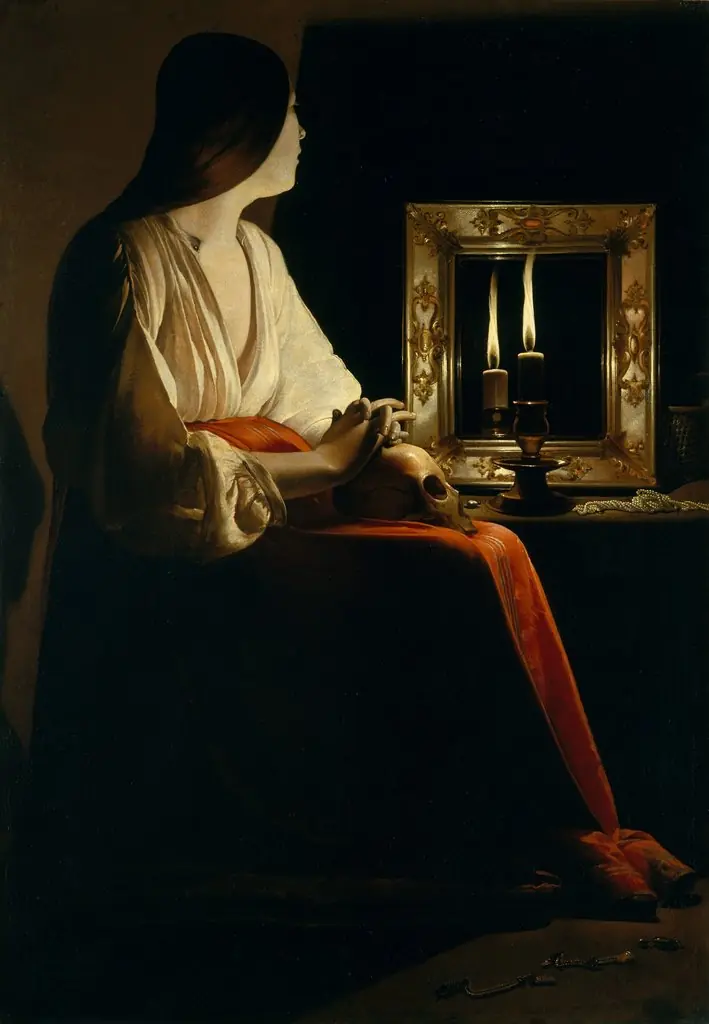 The Penitent Magdalen
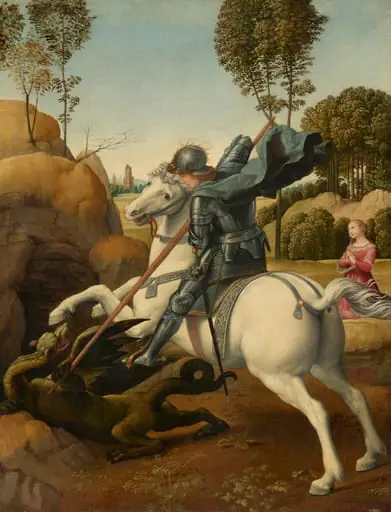 Saint George and the Dragon
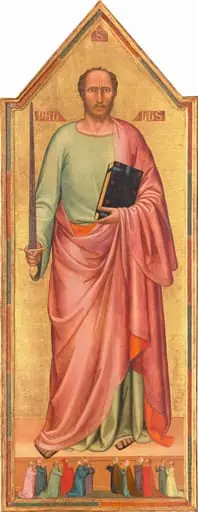 Saint Paul and a Group of Worshippers
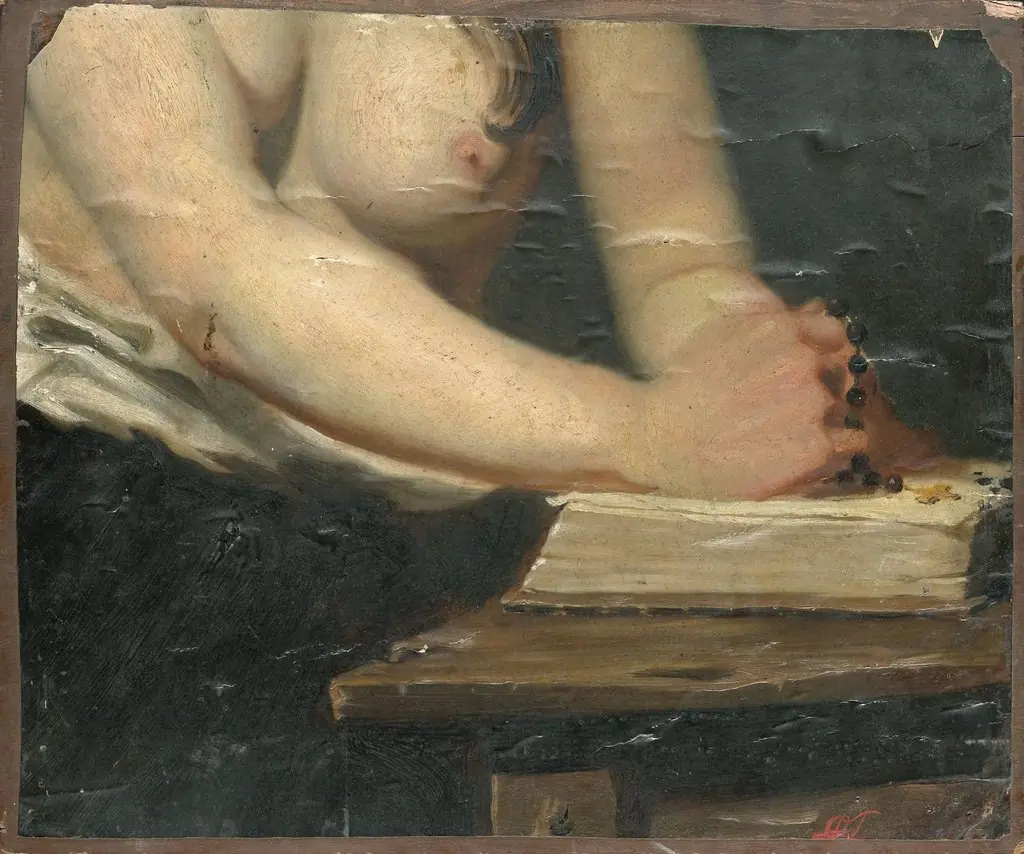 Mary Magdalene
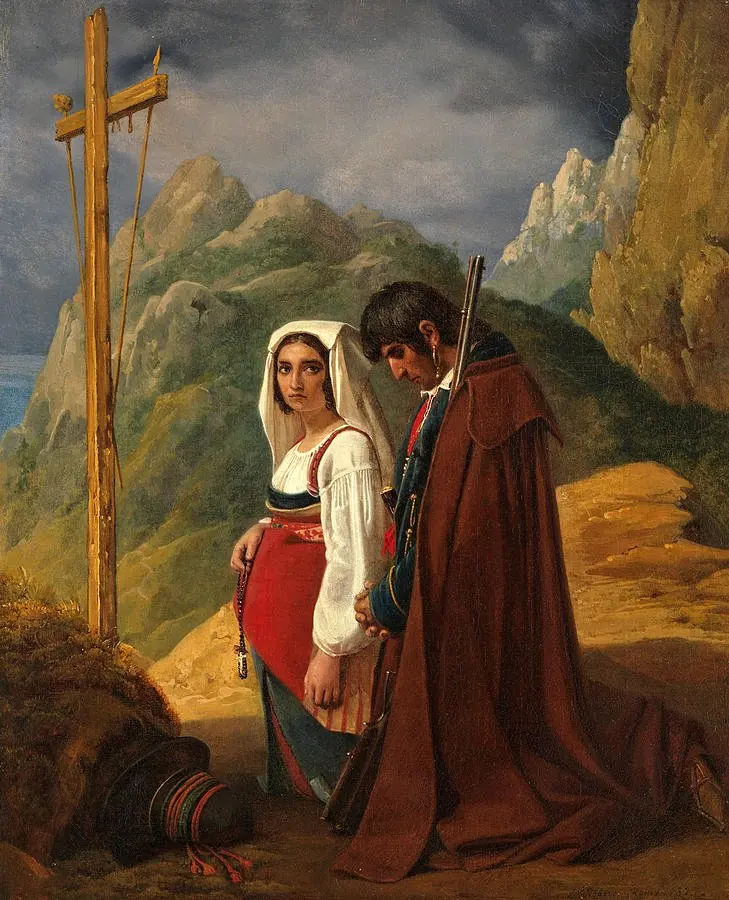 Brigand and his wife in prayer
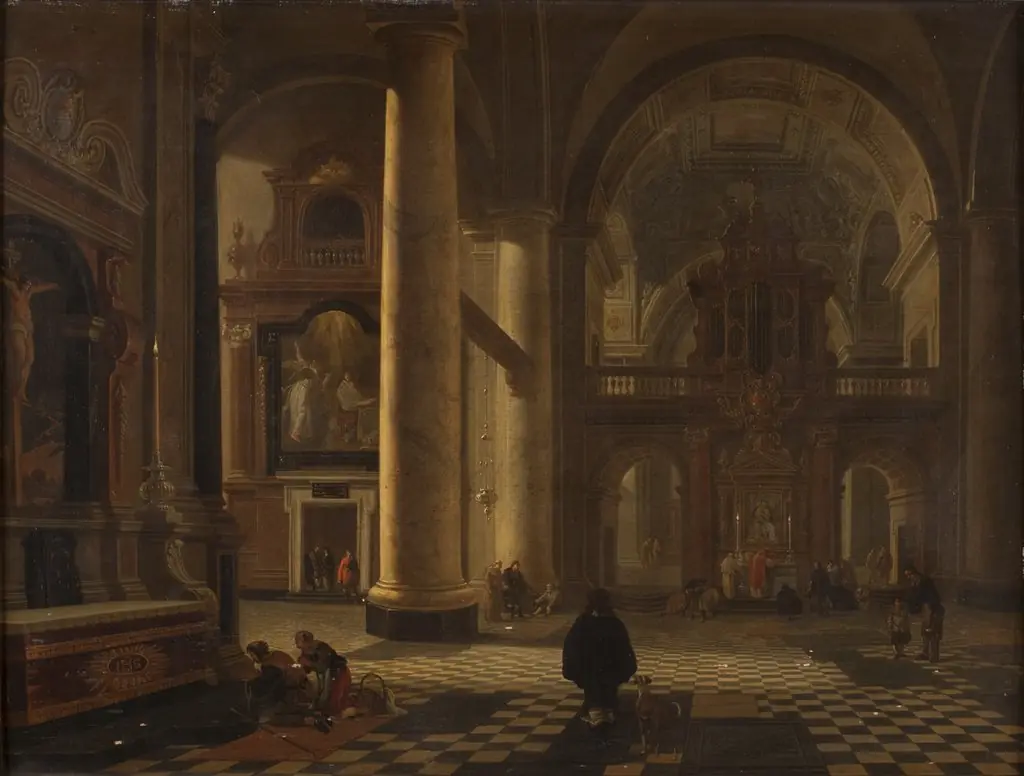 Interior of a Catholic Church
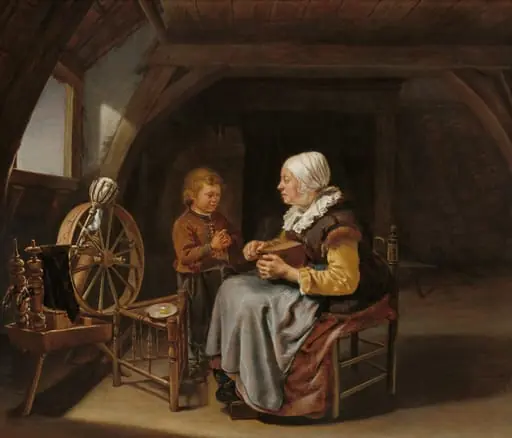 Saying Grace
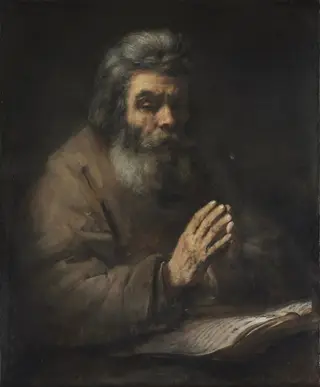 An Elderly Man in Prayer
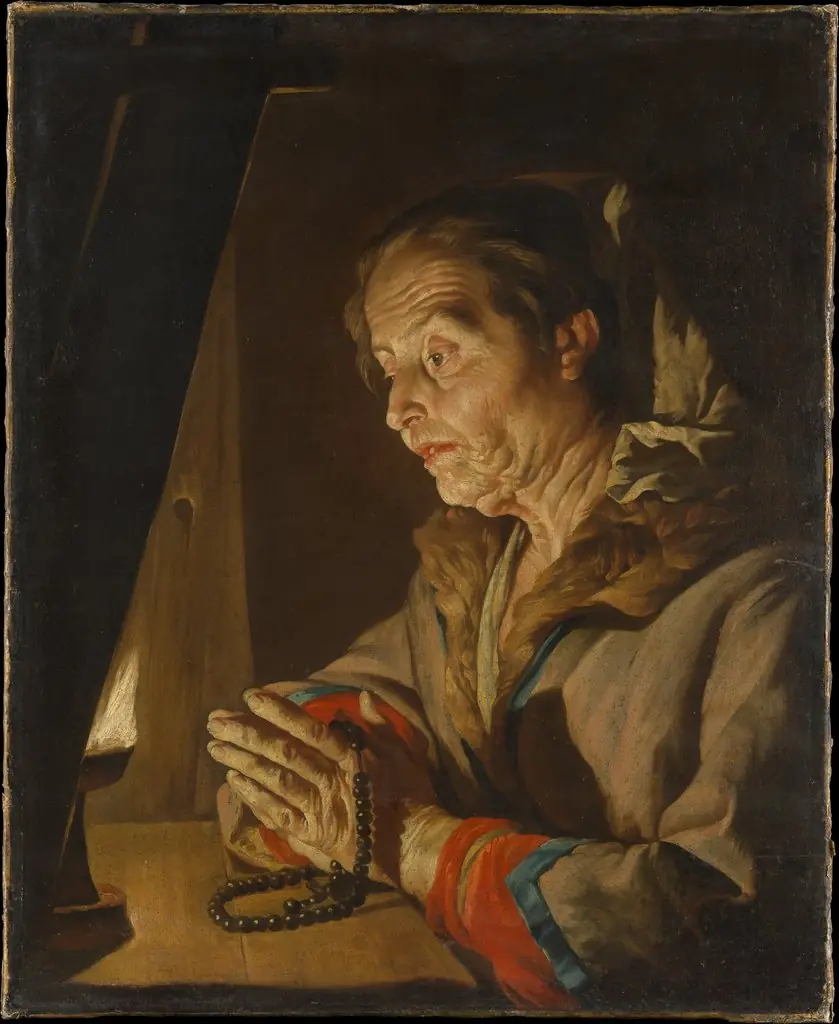 Old Woman Praying
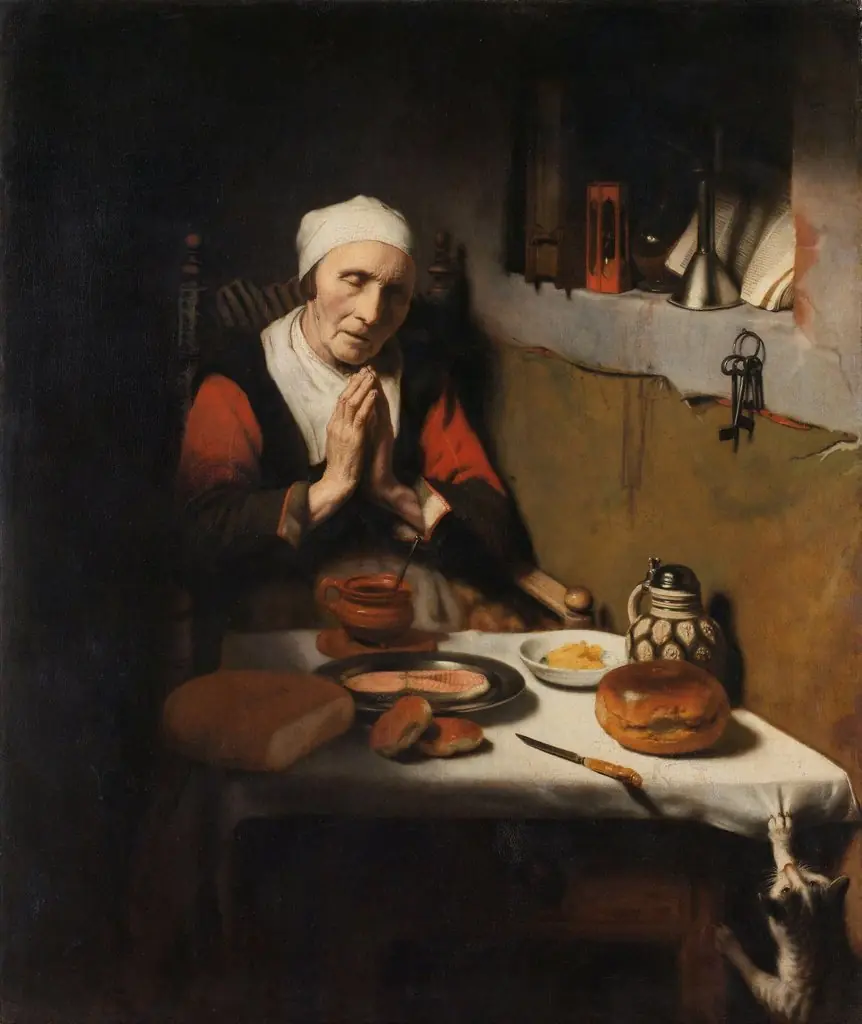 Old Woman Saying Grace, Known as ‘The Prayer without End’
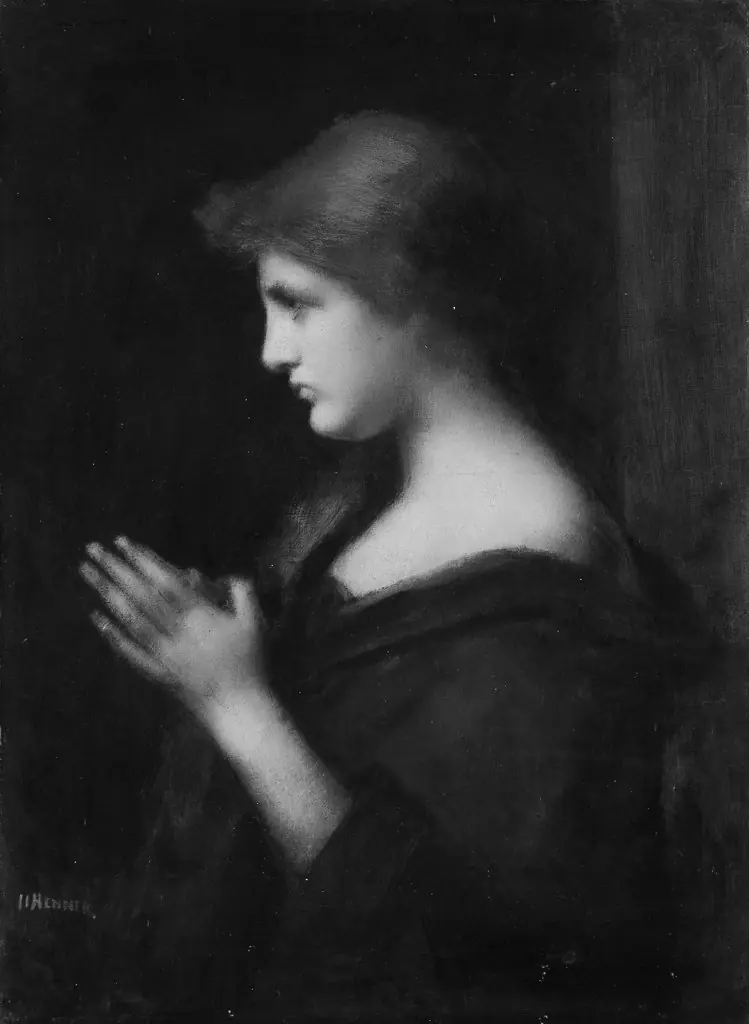 Young Woman Praying
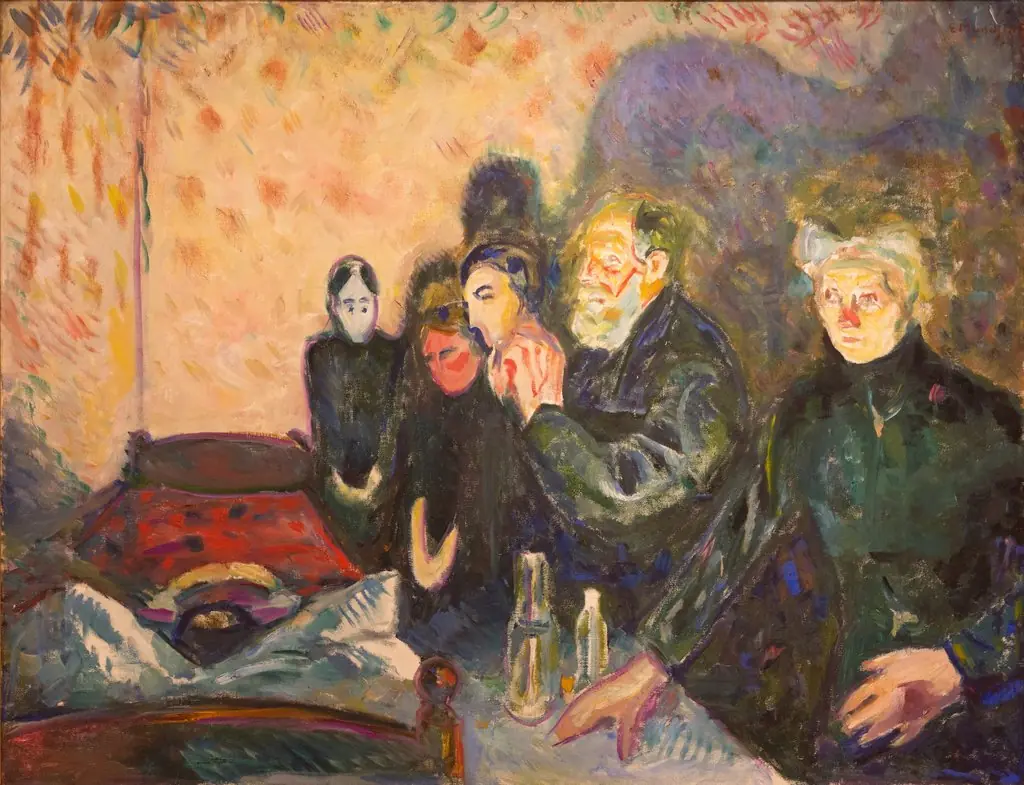 Death Struggle
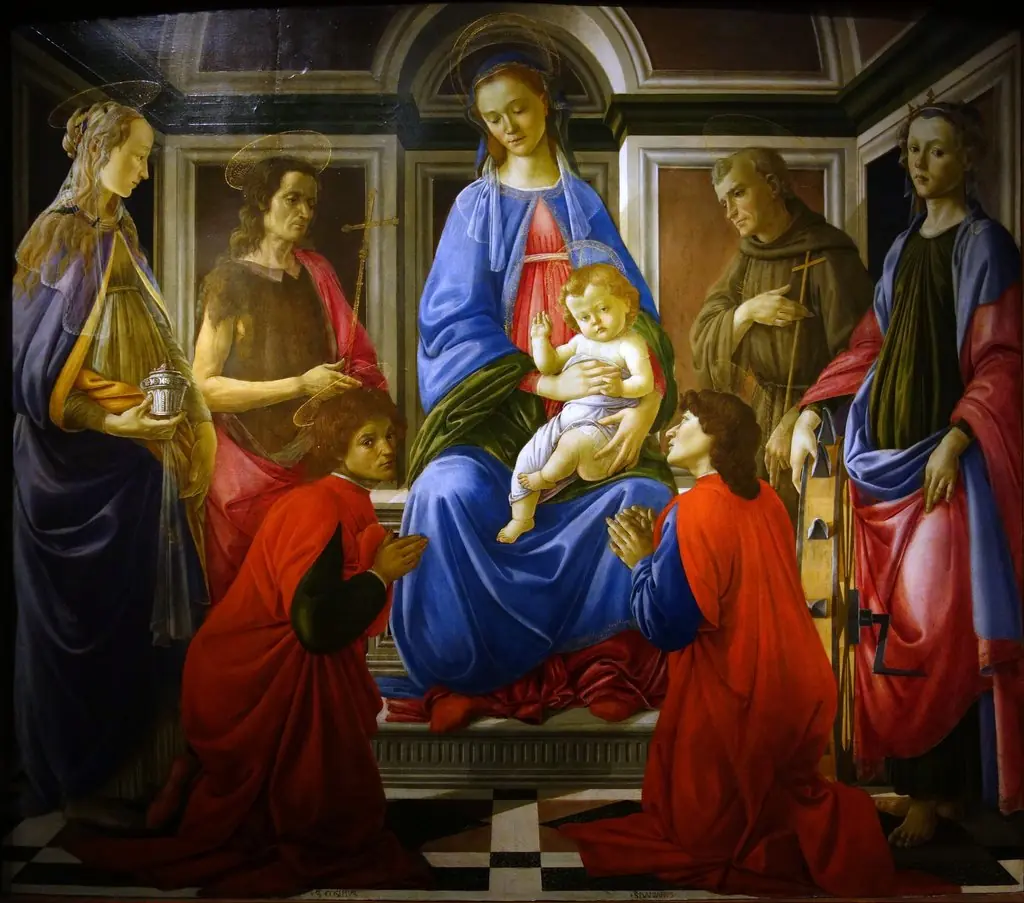 Sant'Ambrogio Altarpiece
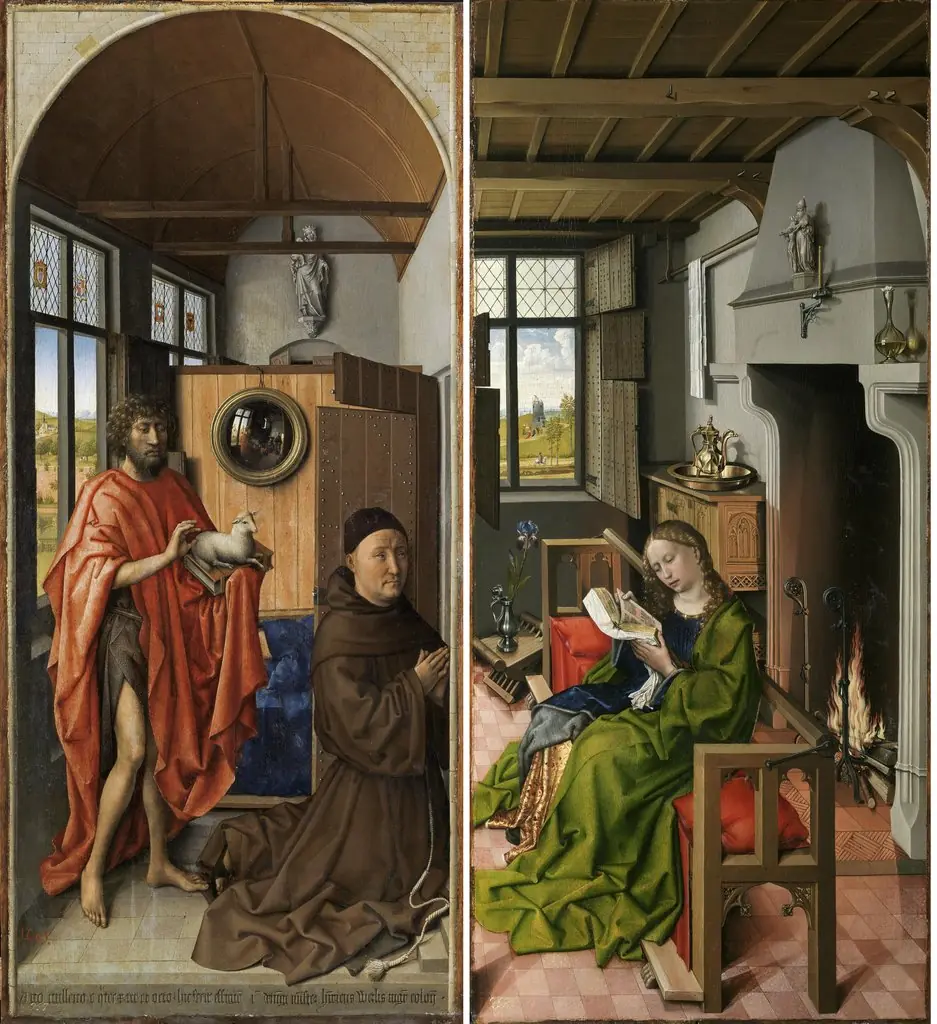 Werl Triptych
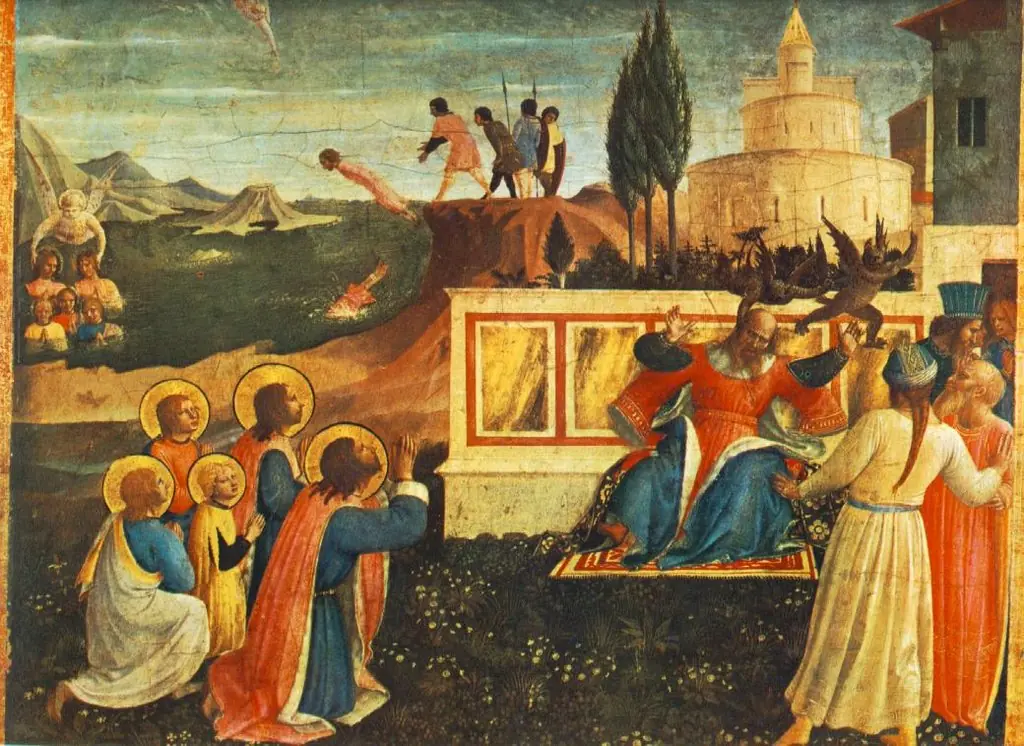 Saint Cosmas and Saint Damian Salvaged
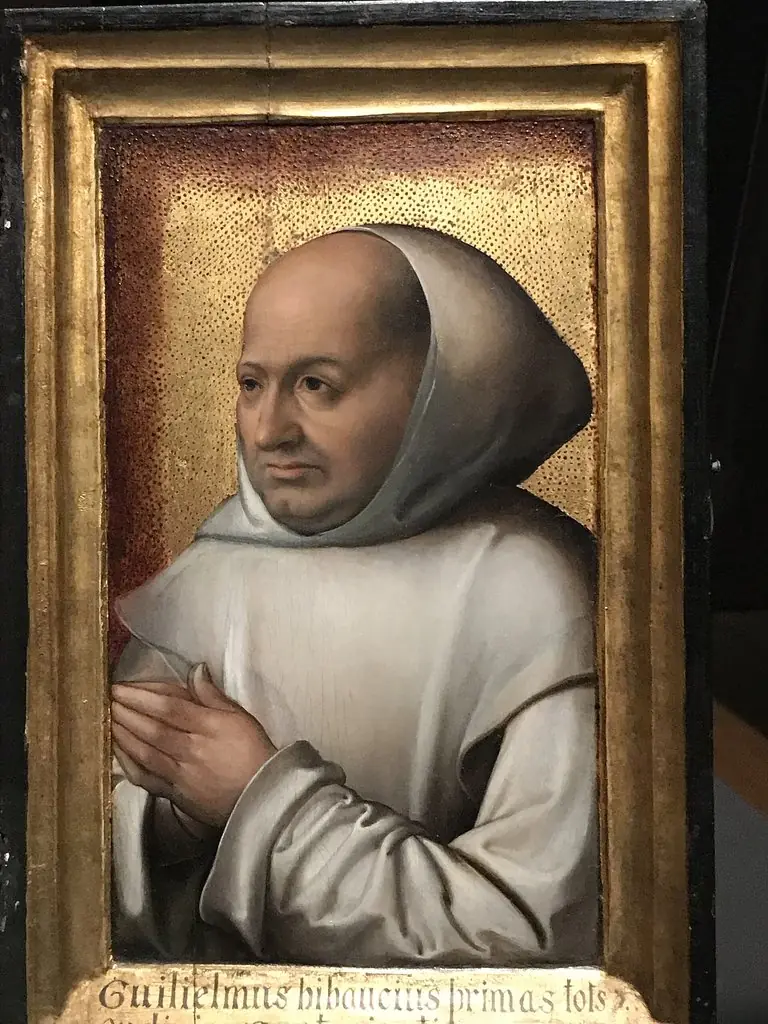 Portrait of Willem van Bibaut
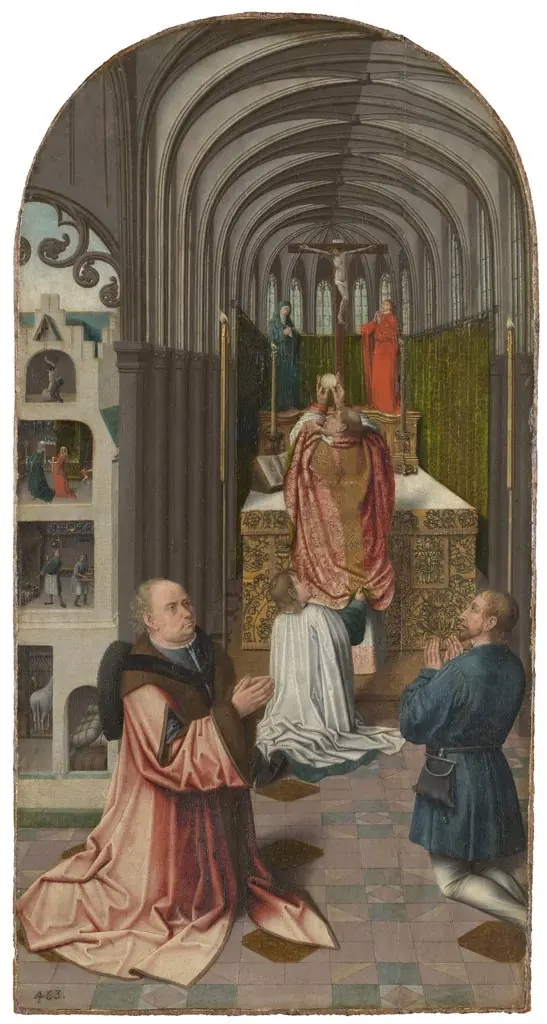 Celebration of a Mass
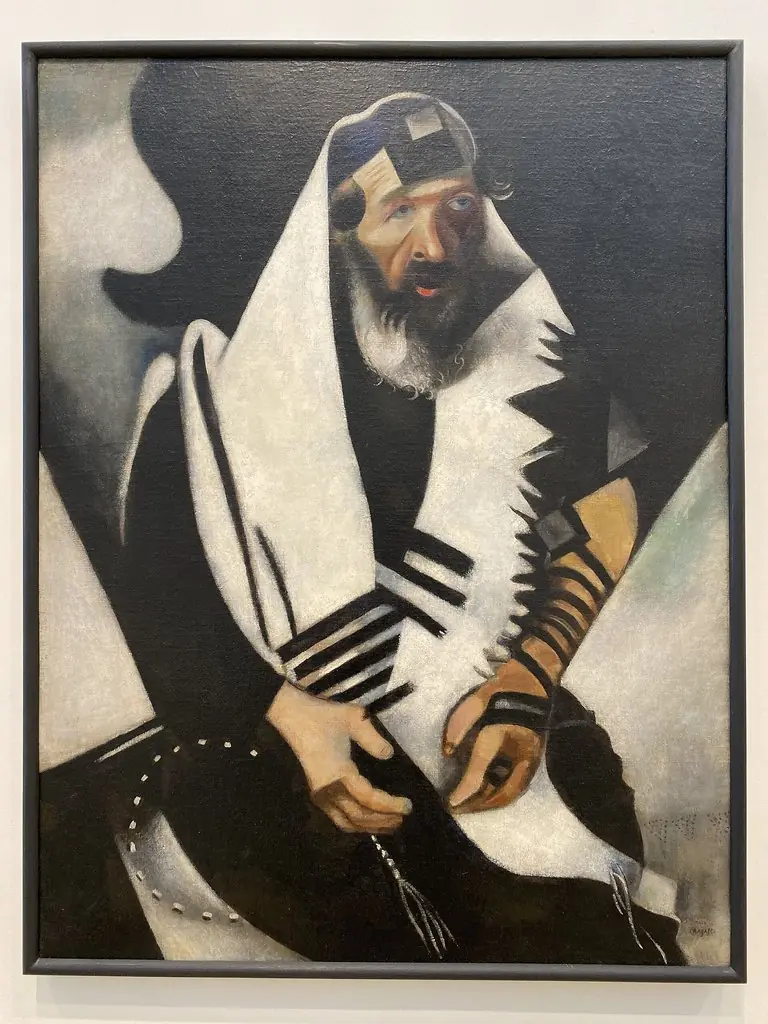 The Praying Jew
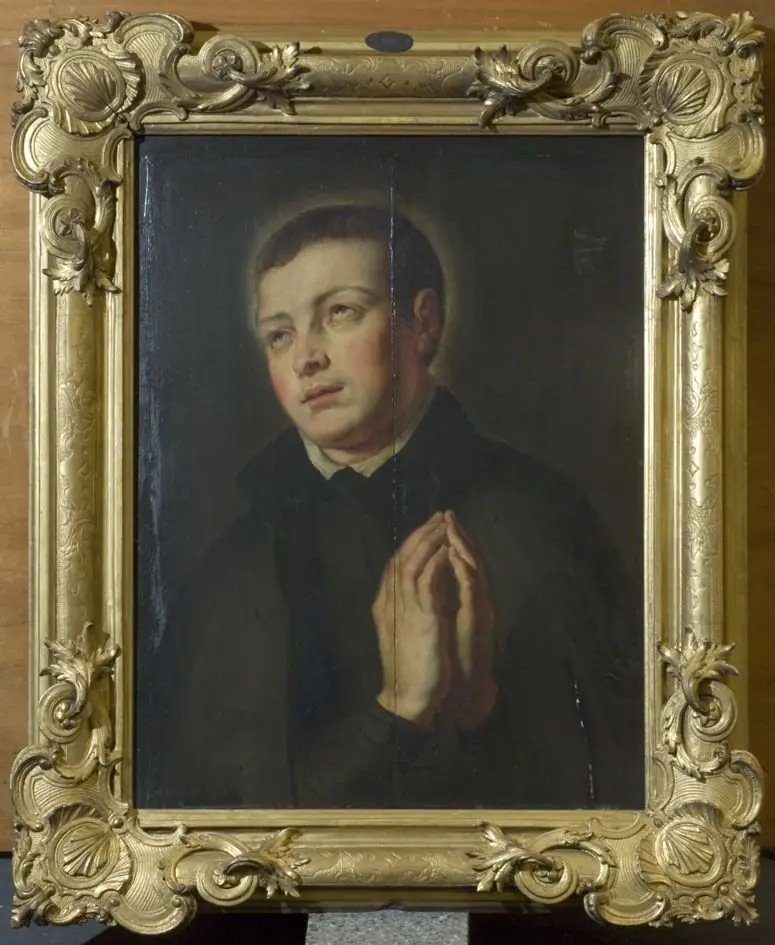 Stanislaus Kostka in prayer
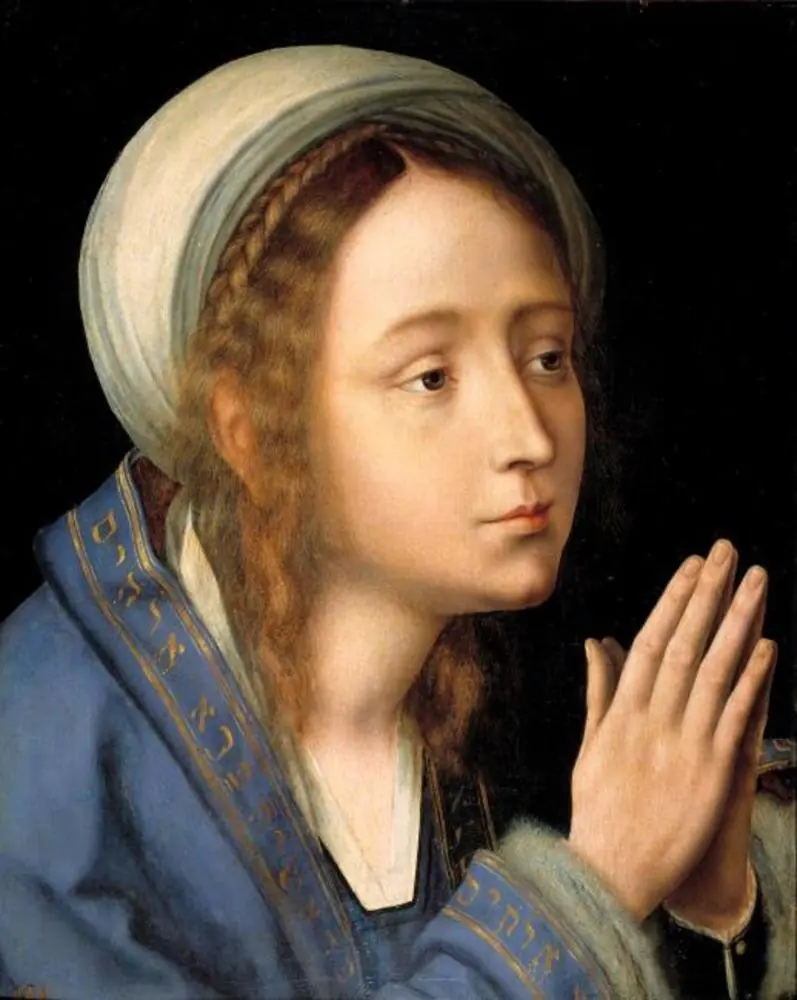 The Virgin in prayer
 Bøn om regn. Procession i Apenninerne
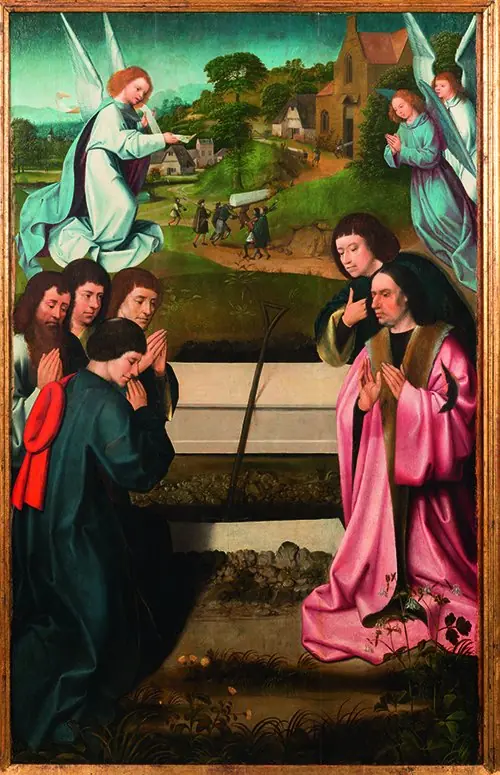 Discovery of the Sarcophagi Containing the Bodies of Dymphna and Gerebernus
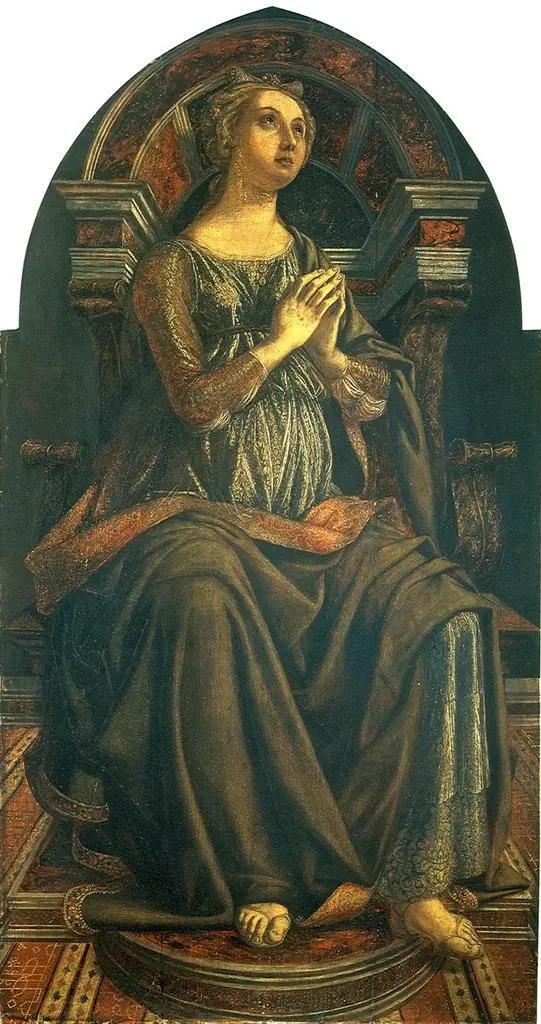 Hope
Hope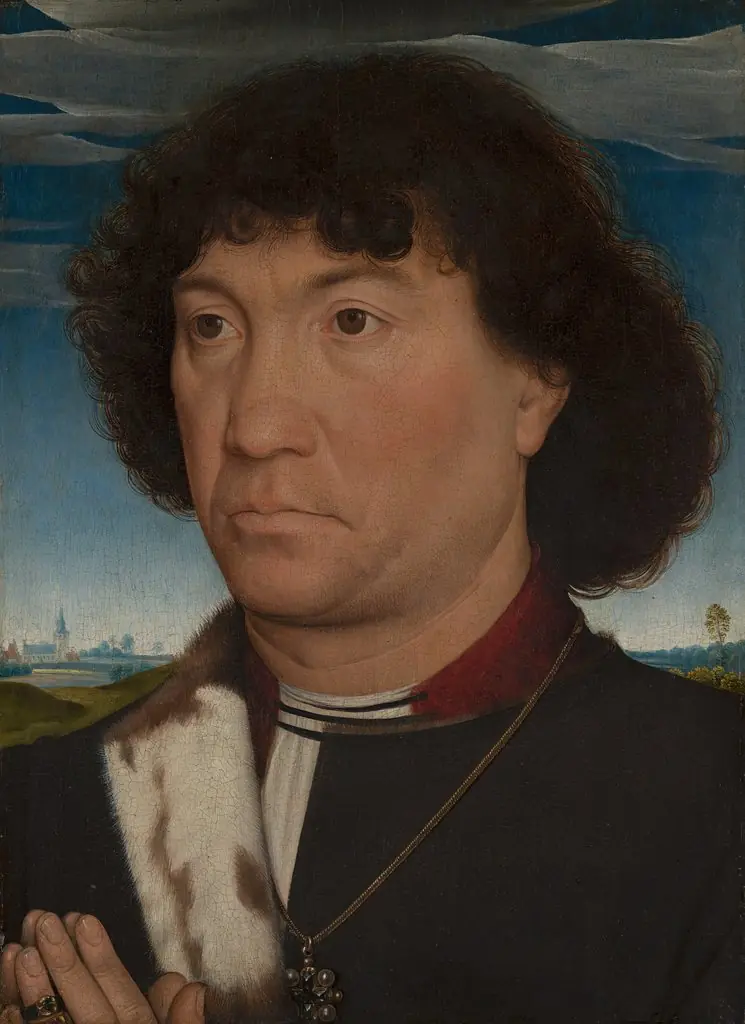 Portrait of a man of the family Lespinette
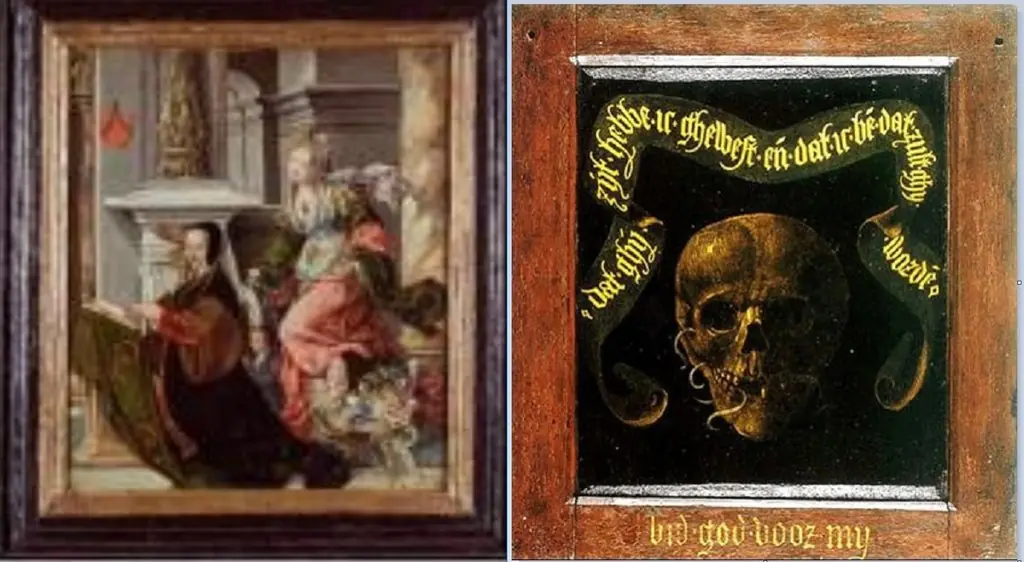 Portrait of Margareta Mettenye with Saint Margaret
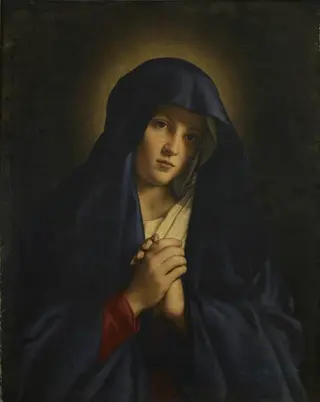 Mater Dolorosa
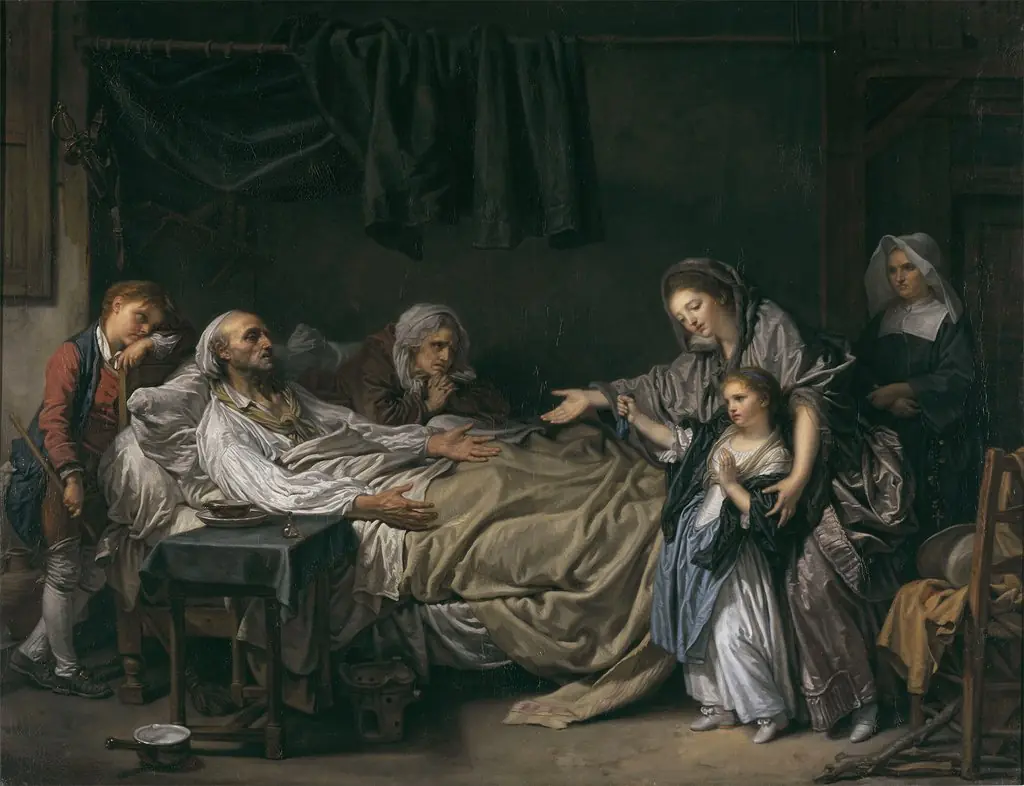 The Lady Giving Charity
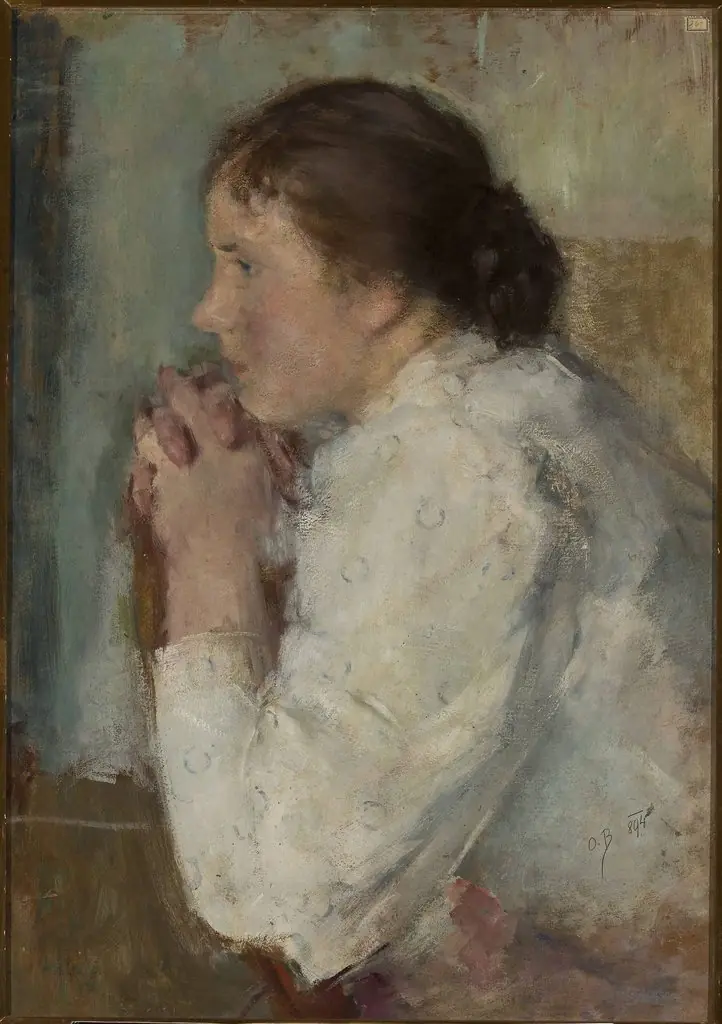 Portrait of a lady in profile
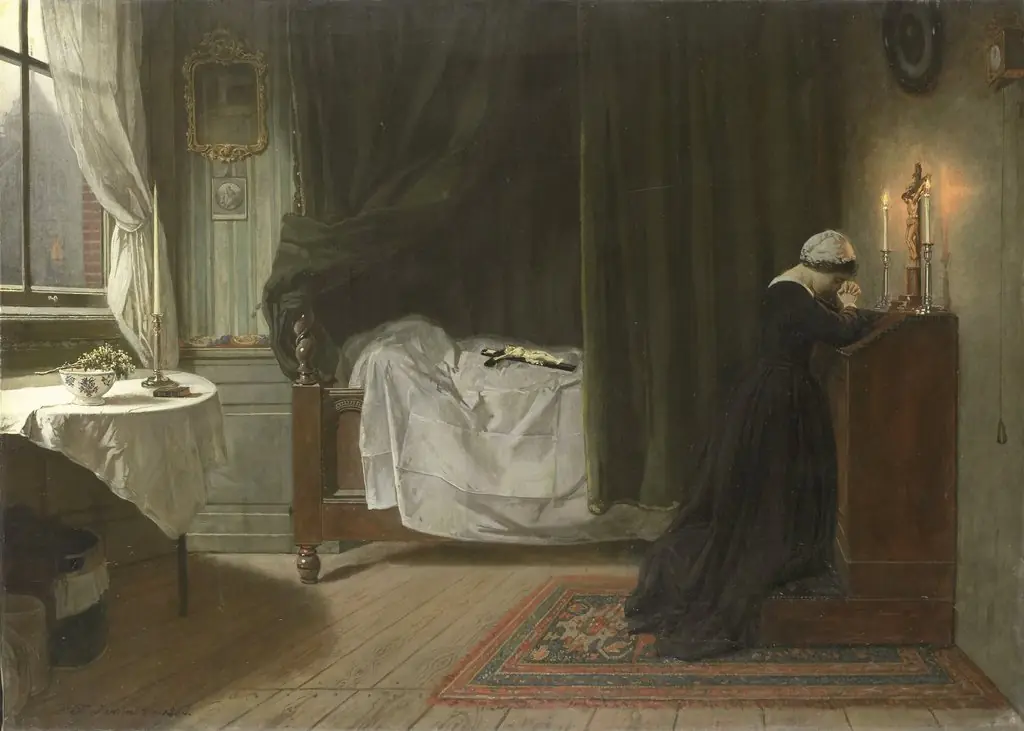 Prayer for the Deceased
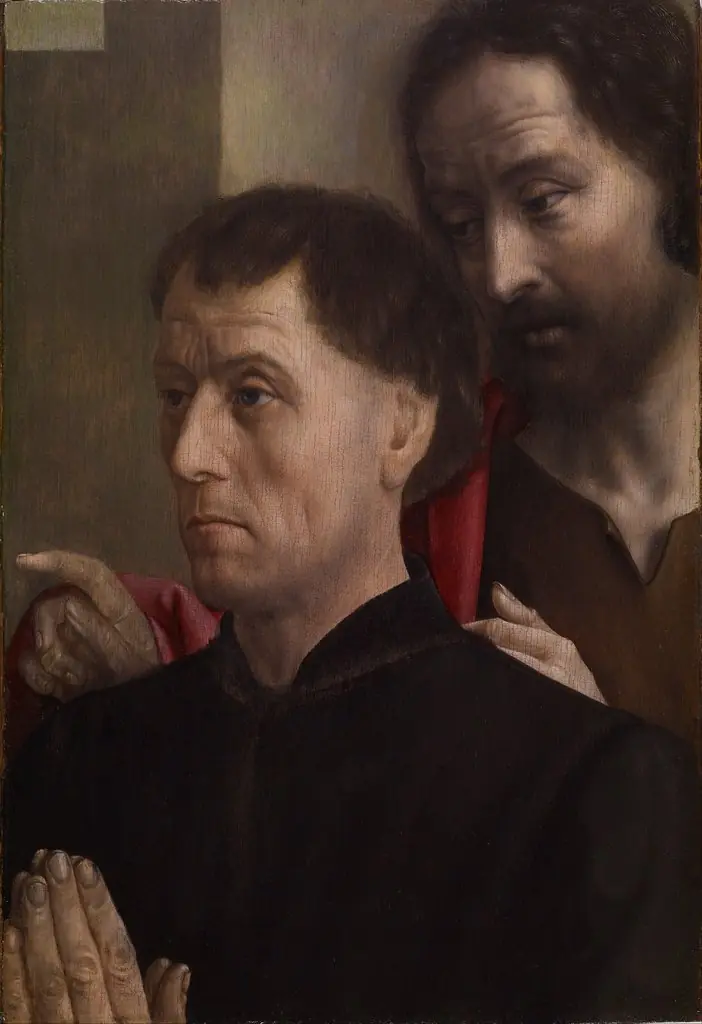 Portrait of a Man at Prayer with Saint John the Baptist
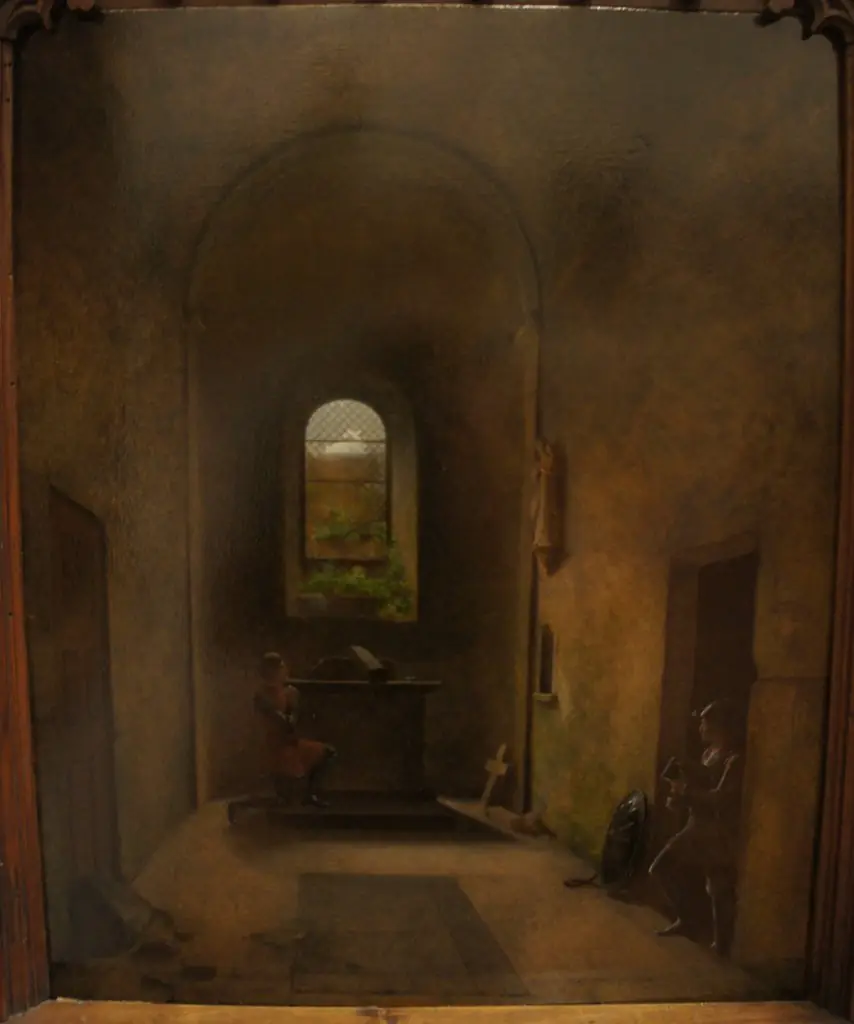 A Knight at Prayer in a Chapel, Preparing Himself for Combat
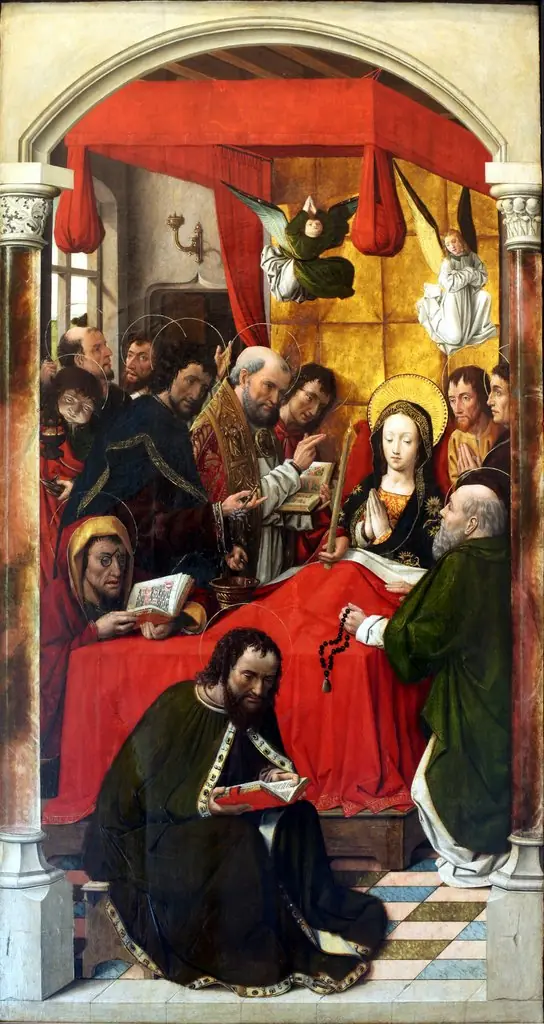 Death of the Virgin
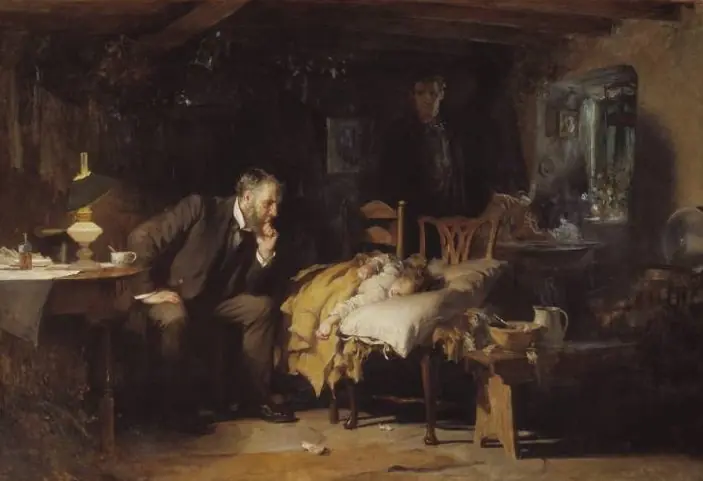 The Doctor
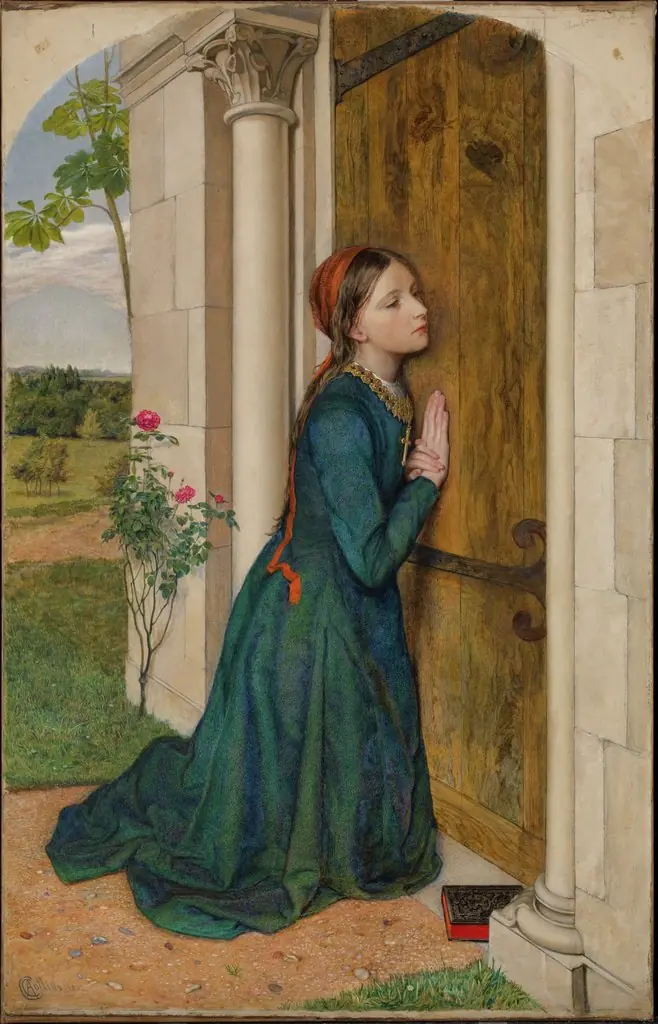 The Devout Childhood of St. Elizabeth of Hungary
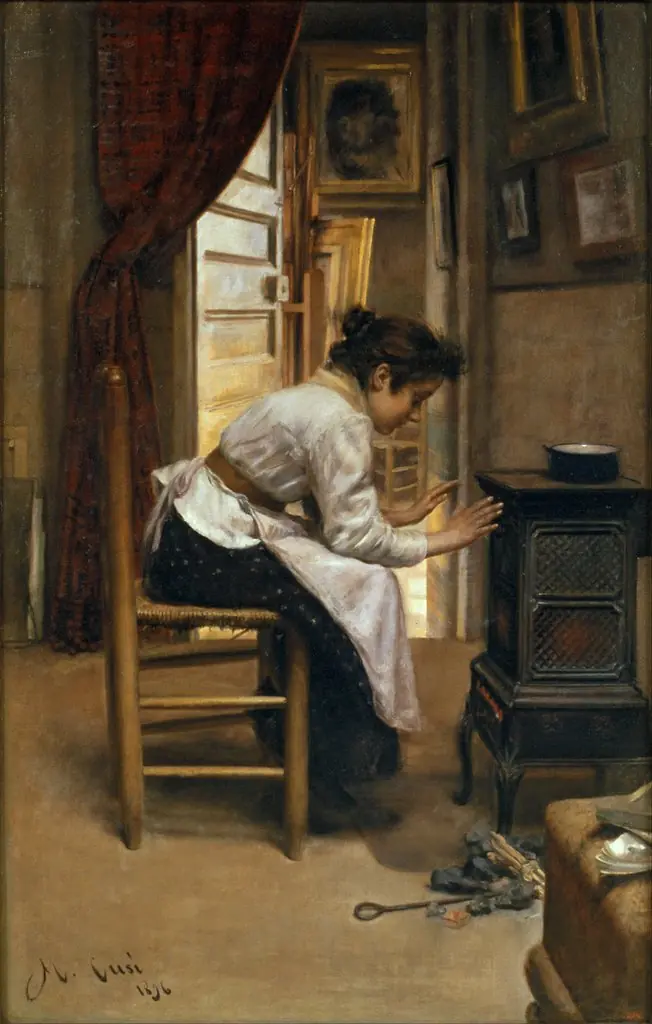 Beside the Fire
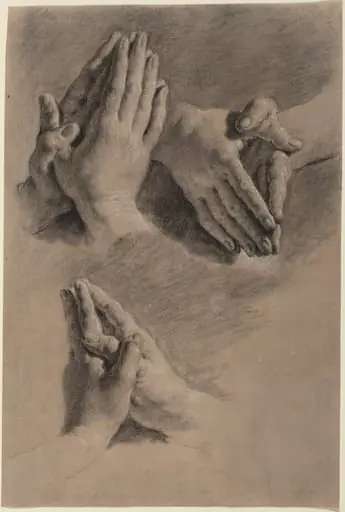 Three Studies of Hands Clasped in Prayer
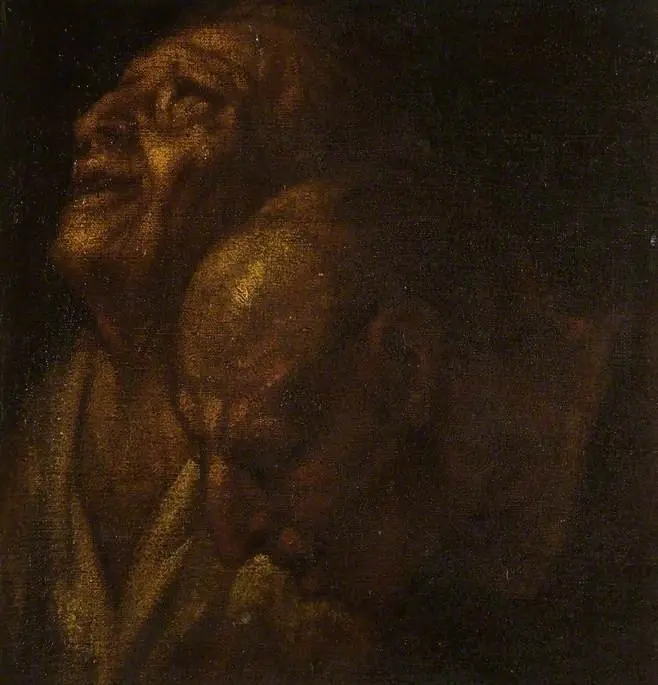 Two studies of a male head
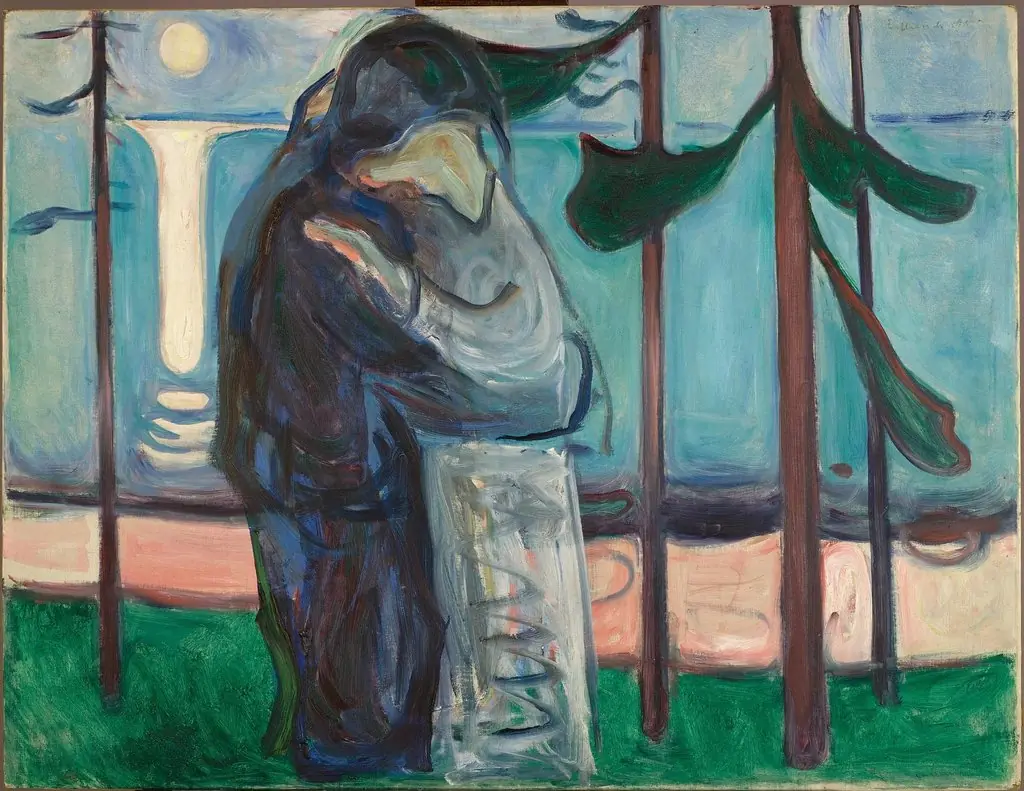 Kiss on the Shore by Moonlight
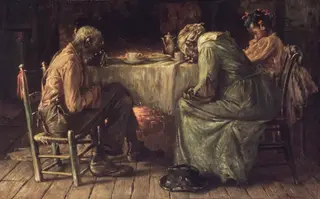 The Blessing
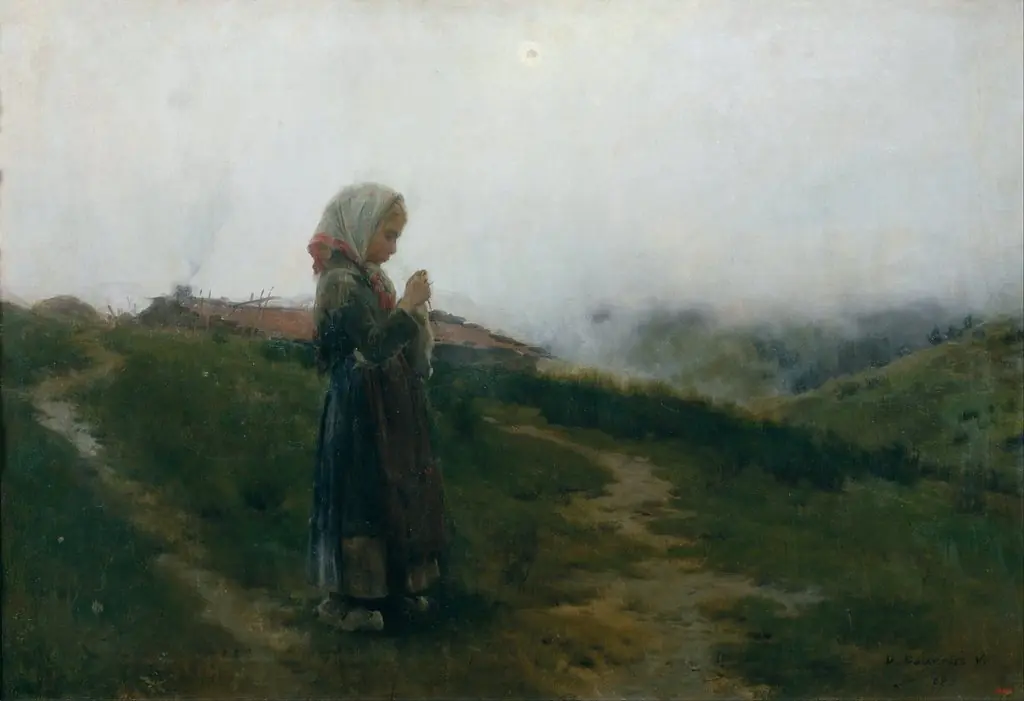 Knitting
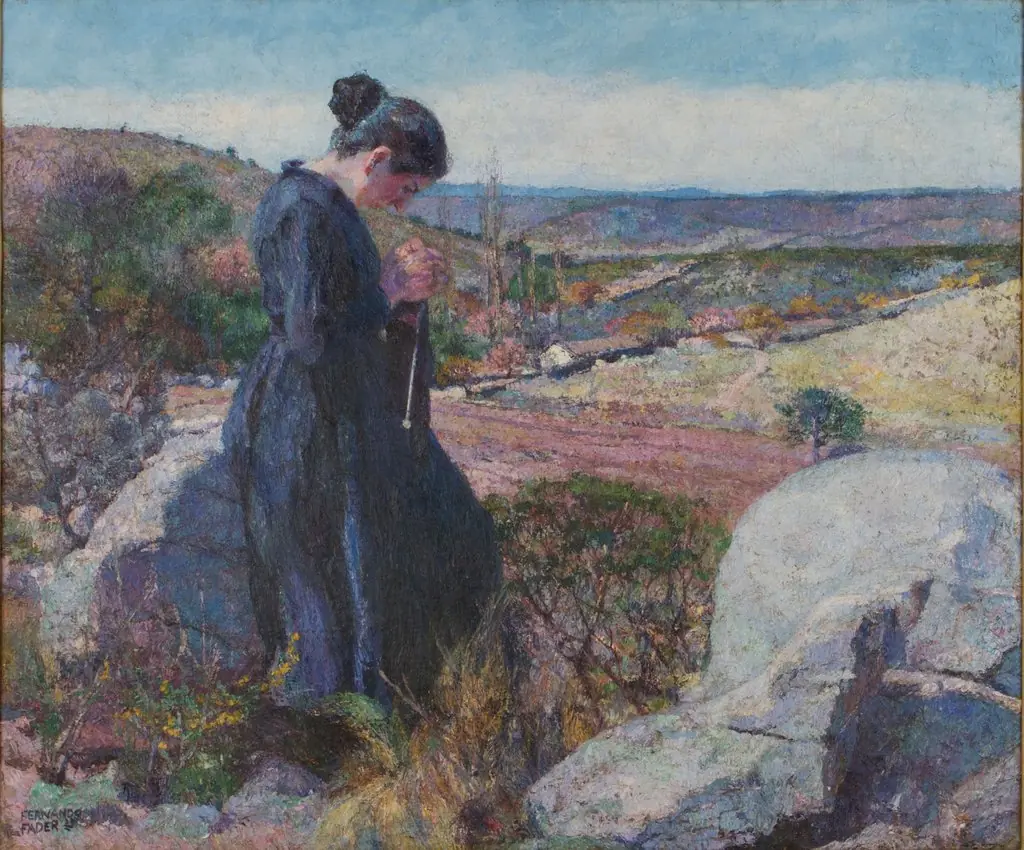 Al solcito
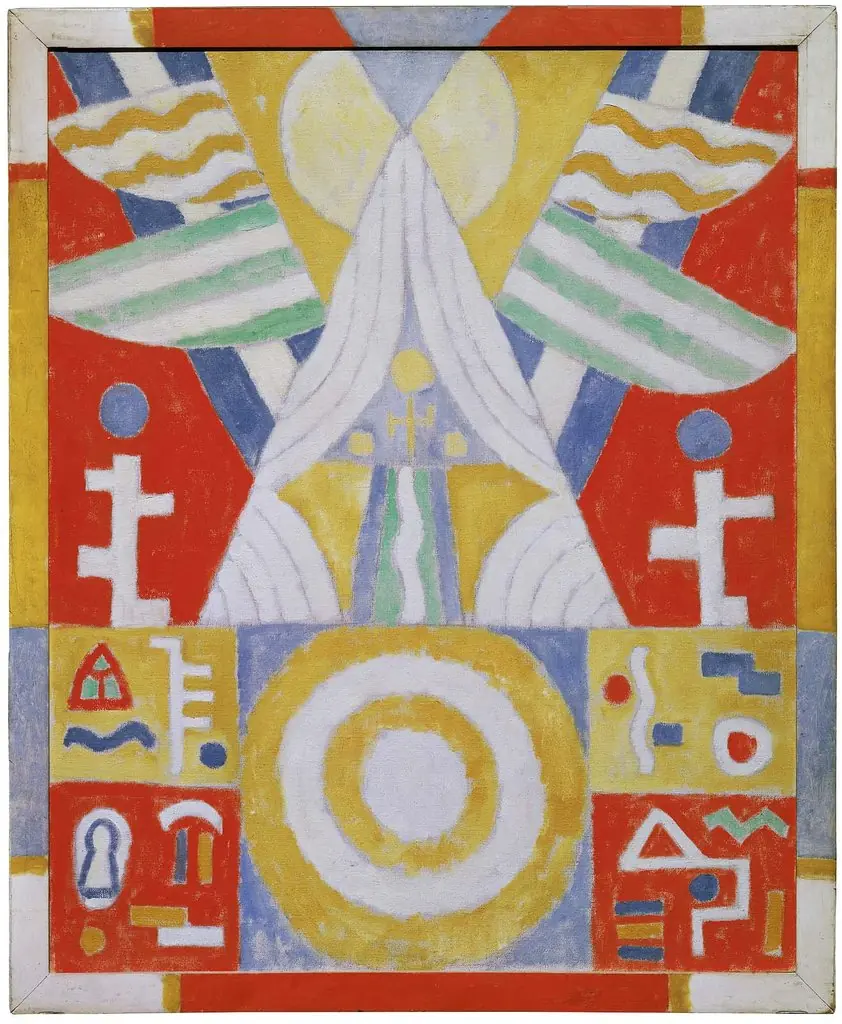 Arrangement - Hieroglyphics (Painting No. 2)
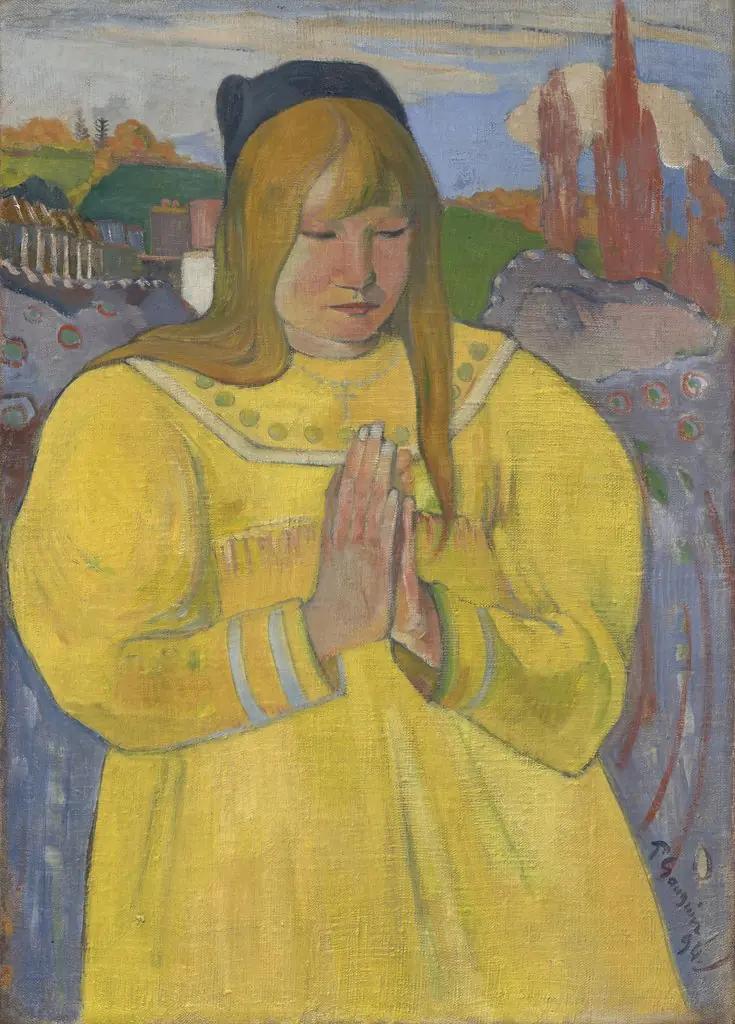 Young Christian Girl
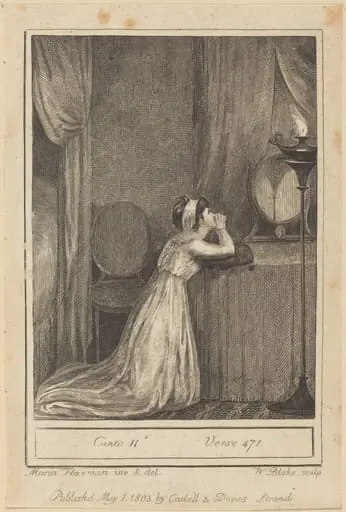 Canto II, Verse 471
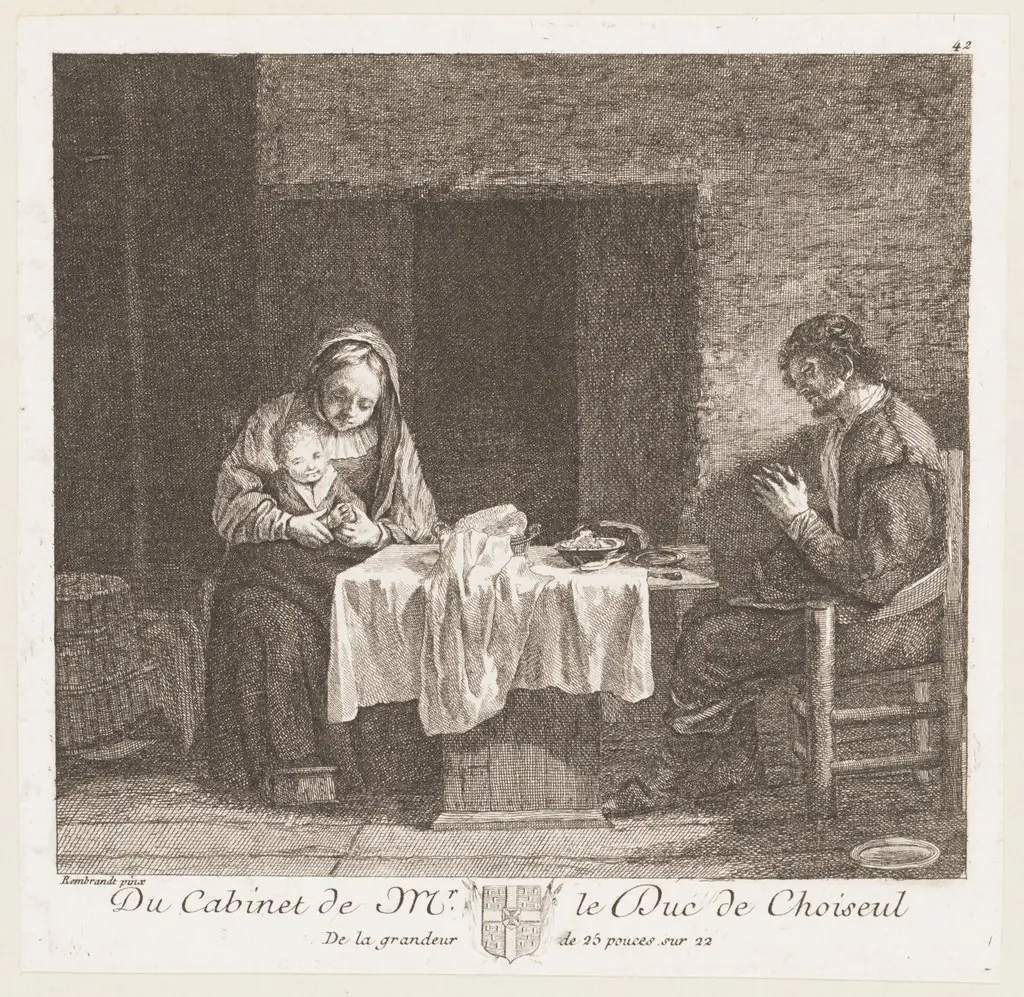 The holy family
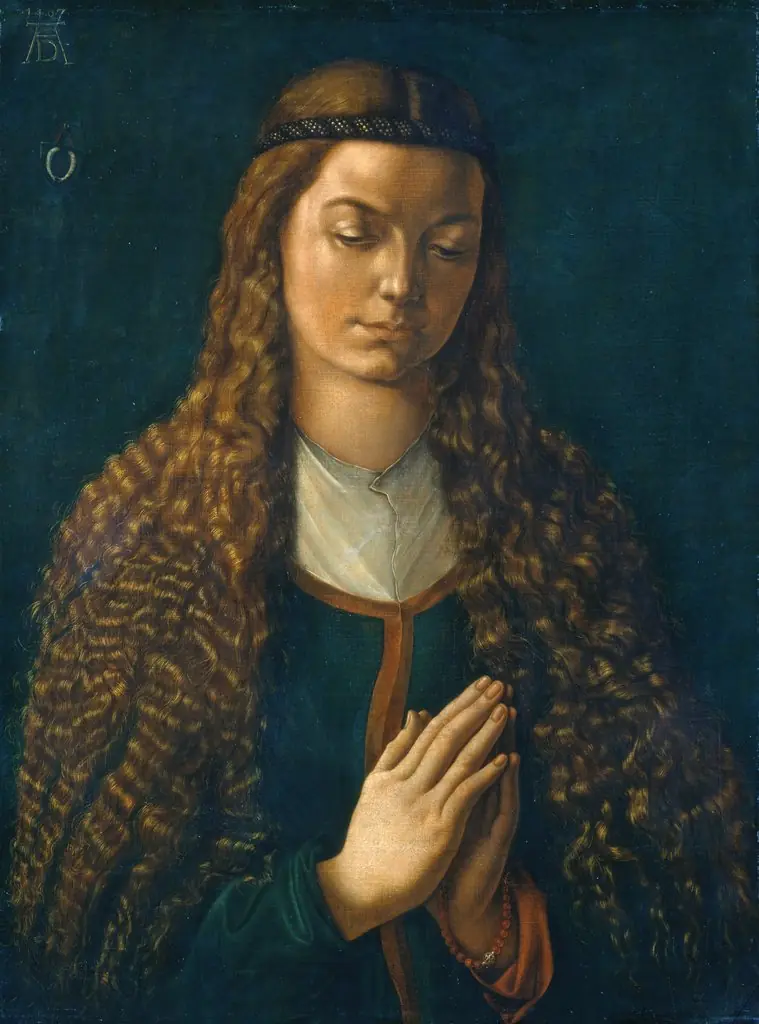 Portrait of a Young Fürleger with Loose Hair
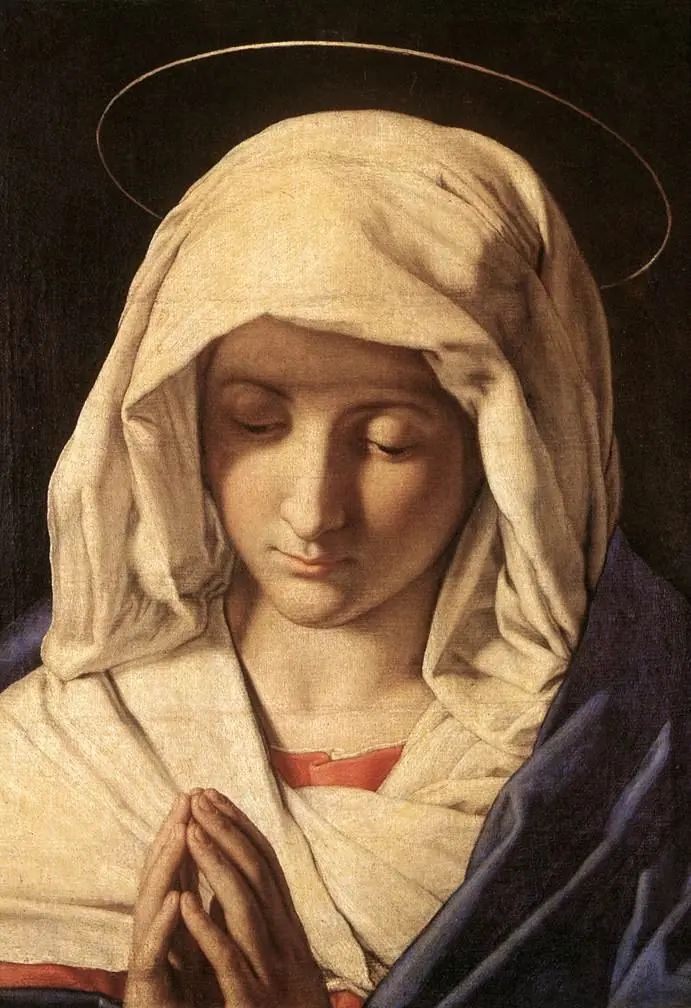 Madonna in Prayer
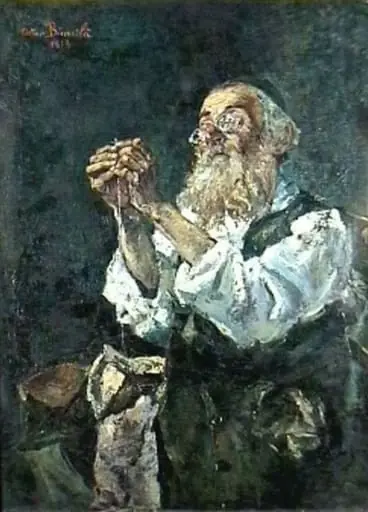 Bătrân croitor
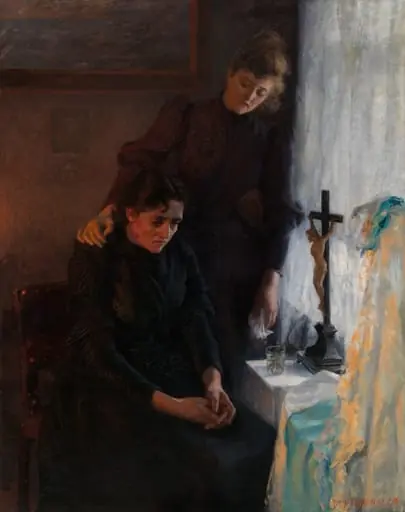 Äidin suru
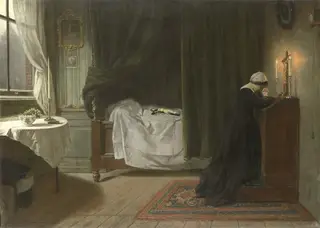 Prayer for the Deceased
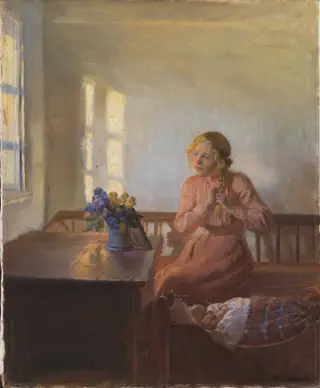 A Young Girl Plaiting her Hair
Frequently asked questions
What is Prayer?
Prayer is an invocation or act that seeks to activate a rapport with an object of worship through deliberate communication.
How many Prayer works does Artifact World Gallery have?
Artifact World Gallery holds 51 public-domain Prayer works, all free to view and download.
Who are the key Prayer artists?
Key Prayer artists in the collection include Georges de La Tour, Raphael and Nicolaes Maes.
Where can I see Prayer works?
Prayer works in the collection are held by Rijksmuseum, Statens Museum for Kunst and National Gallery of Art.