Artwork
Peisaj
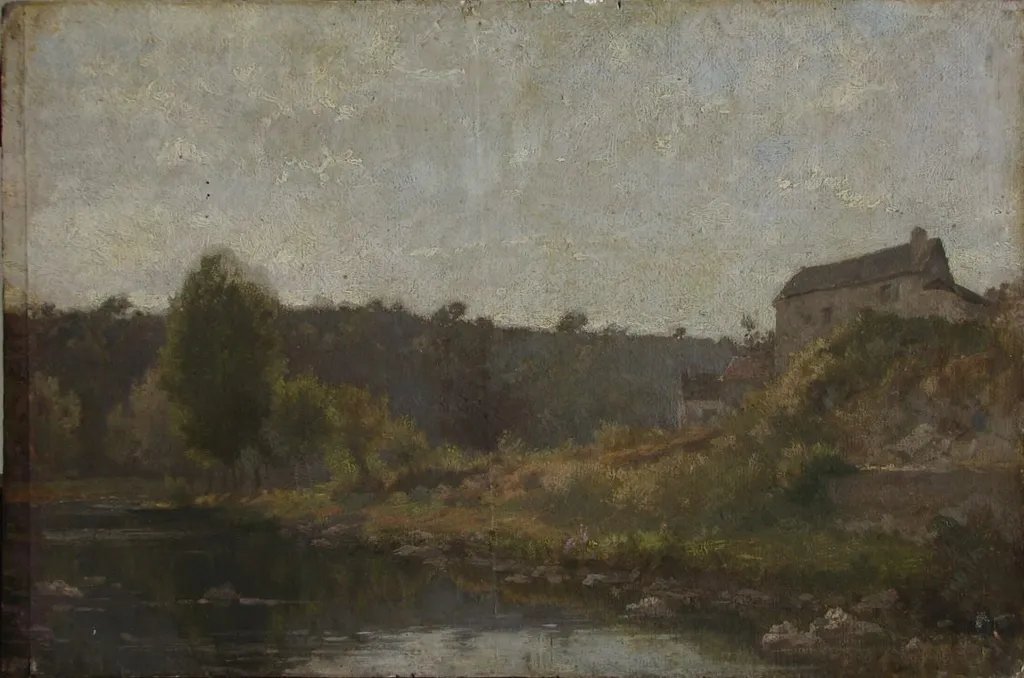
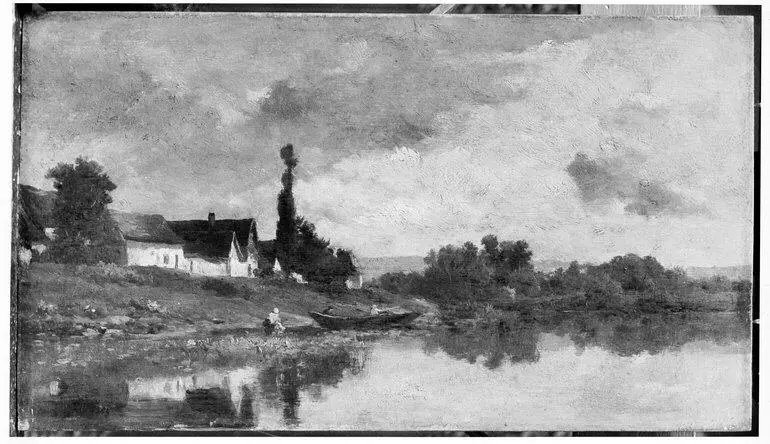
Peisaj is a print by Charles François Daubigny. It dates from 1855 and is held in the collection of the Brukenthal National Museum.
About this work
Overview
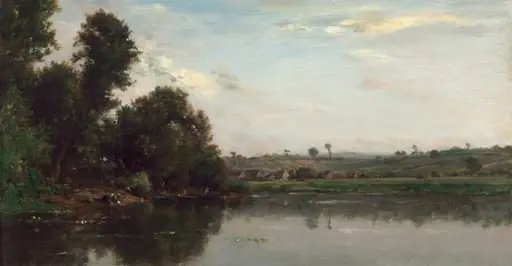
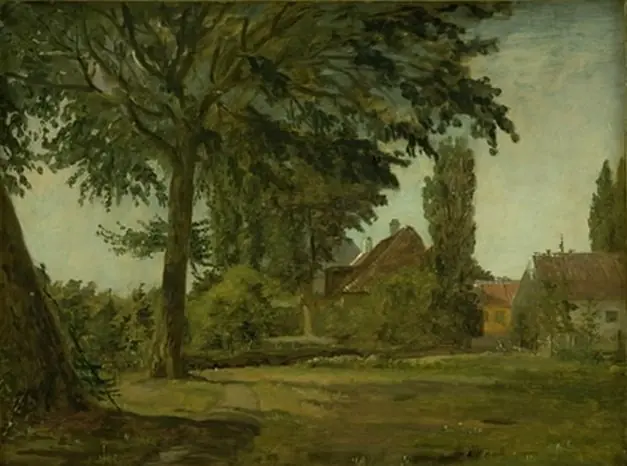
Peisaj, created by Charles-François Daubigny around 1855, is a landscape painting exemplifying the artist's naturalistic and atmospheric approach to rural scenes.
Subject & Meaning
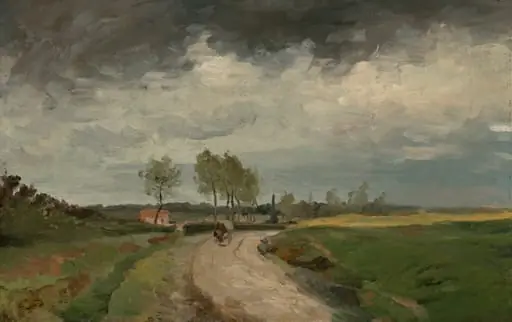
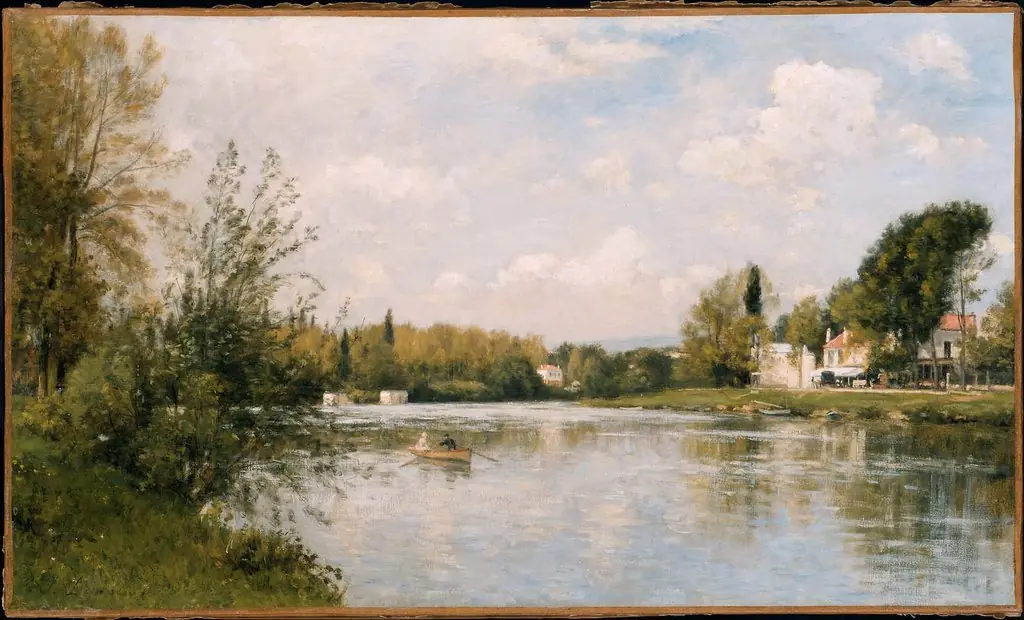
The painting depicts a serene riverside setting with small houses, trees, calm water, and a pale sky, emphasizing the capture of light and atmospheric effects in a countryside environment.
Technique & Style
Characterized by loose, sketchy brushstrokes, the work features muted earth tones (greens, browns, grays) without bright accents, contributing to a soft, naturalistic ambiance.
History & Provenance
Daubigny, associated with the Barbizon school and an influence on early Impressionism, utilized innovative techniques like etching and cliché verre in his broader practice, though Peisaj specifically highlights his painterly approach.
Context
Within Daubigny's oeuvre, Peisaj aligns with his penchant for rural landscapes, inviting comparison with his other works that similarly blend naturalism with atmospheric light effects.
Legacy
As a precursor to Impressionism, Daubigny's works, including Peisaj, influenced the development of outdoor, light-focused painting practices in the late 19th century.
Artist & collection
Artist
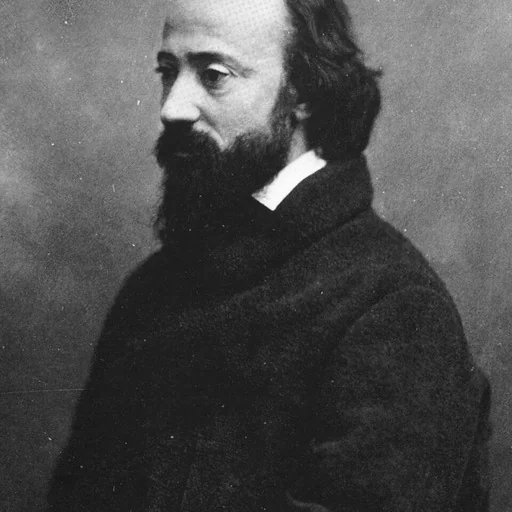
Charles-François Daubigny ( DOH-bin-yee, US: DOH-been-YEE, doh-BEEN-yee, French:; 15 February 1817 – 19 February 1878) was a French painter, one of the members of the Barbizon school, and is considered an important precursor of…

 La Charente, Port-Berteau
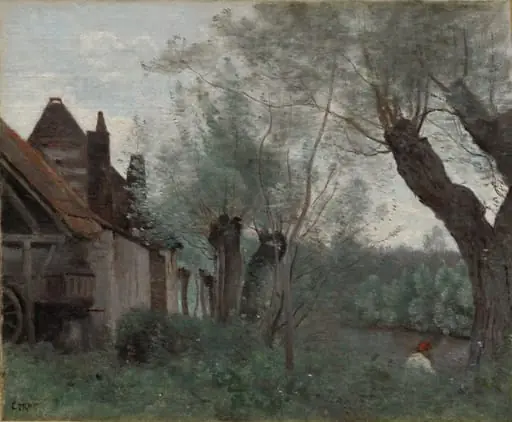 Willows and Farmhouse at Sainte-Catherine-lès-Arras
 The Marne at La Varenne
 Berglandschap in Voreppe, Dauphiné
 Landscape
 View from Kalwaria Zebrzydowska
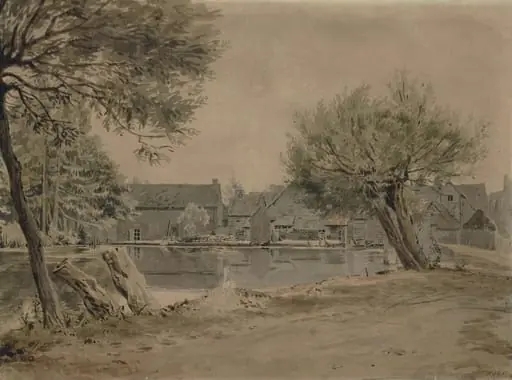 Mill at Mapledurham (?) on the Thames
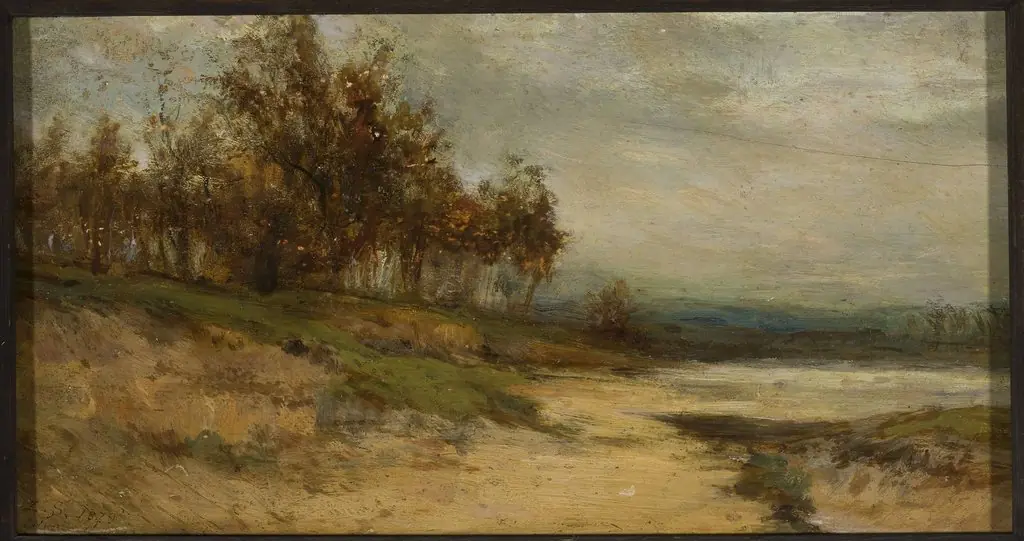 Landscape with a bunch of trees
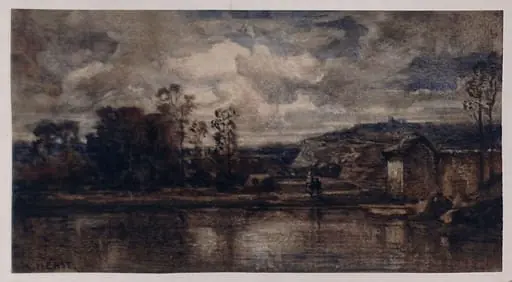 Landscape with pond
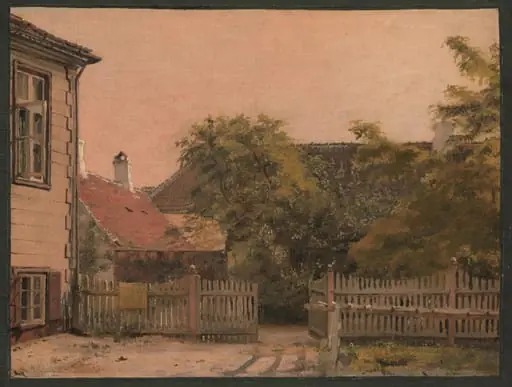 A Corner of the Artist´s Father's House
 View of Falkonerallé outside Copenhagen