Artwork
Sophie Stramboe
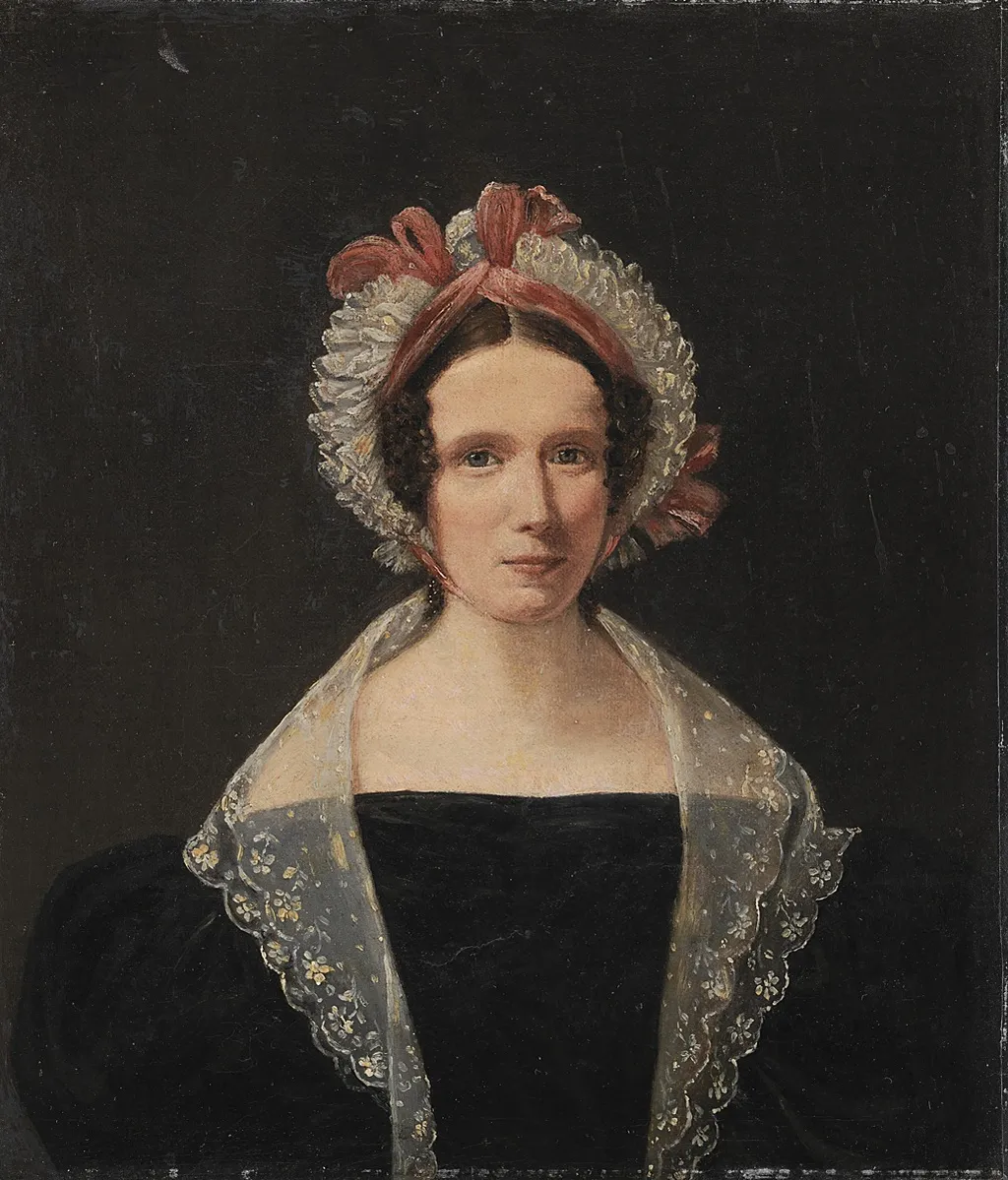
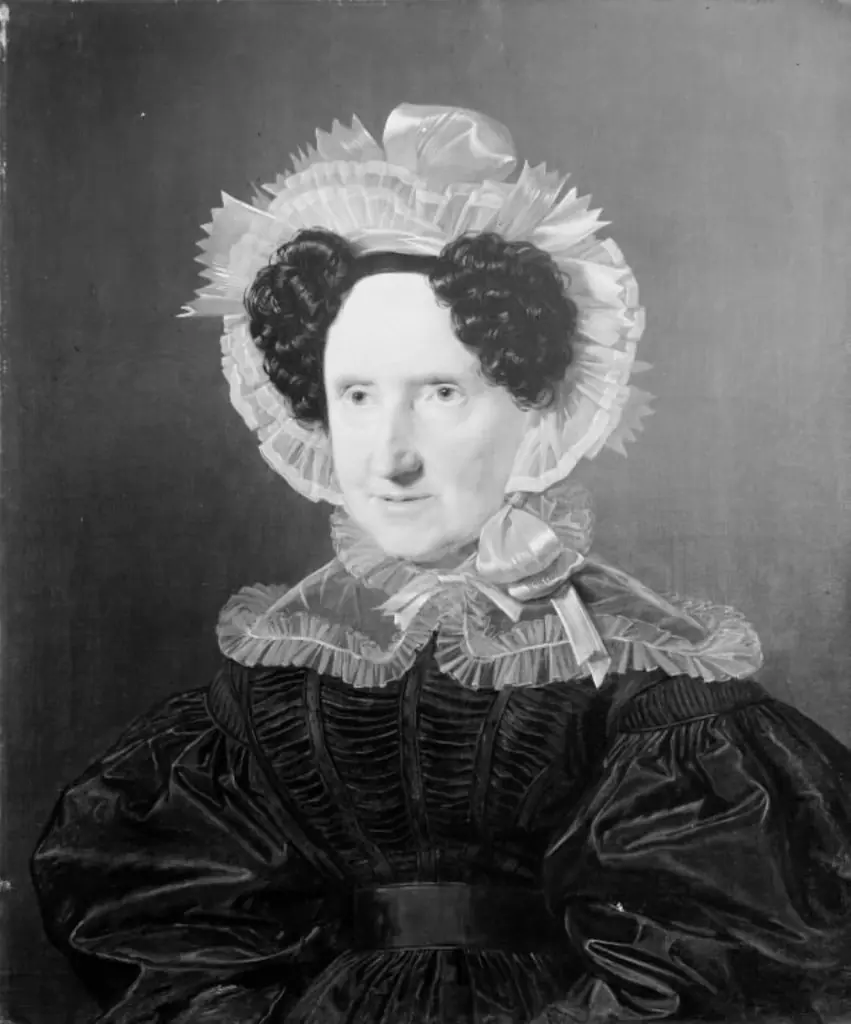
Sophie Stramboe is an oil painting by the Biedermeier artist David Monies. It dates from 1847 and is held in the collection of the Statens Museum for Kunst.
About this work
Overview
0 centimetres and is held in the collection of the Statens Museum for Kunst (National Gallery of Denmark), where it remains today.
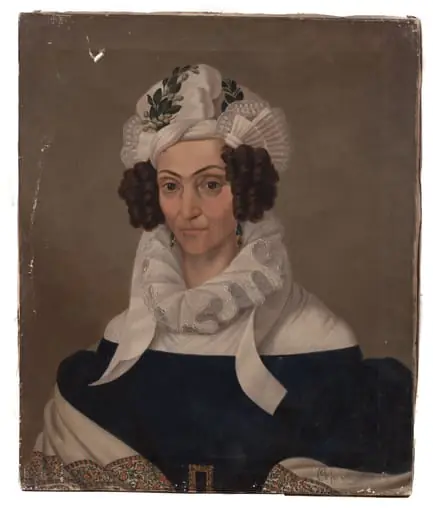
Sophie Stramboe is an oil-on-canvas portrait painted by the Danish artist David Monies in 1847. The work depicts a single female figure shown from the chest up against a dark, featureless background, wearing a white lace bonnet with pinkish-red ribbon bows, a sheer embroidered shawl, and a black off-the-shoulder dress. The painting measures 287.0 by 250.0 centimetres and is held in the collection of the Statens Museum for Kunst (National Gallery of Denmark), where it remains today. As a product of the Golden Age of Danish painting, the portrait exemplifies Monies's refined approach to bourgeois portraiture and his ability to balance precise observation with elegant presentation.
Subject & Meaning
The subject, Sophie Stramboe, is presented as a figure of quiet dignity and social standing. She faces forward with her head slightly turned, her gaze meeting the viewer with reserved composure. The iconography of her attire signals respectable bourgeois status: the white lace bonnet with ruffled edges and pinkish-red ribbon bows at crown and side, the sheer white shawl with small floral embroidery and scalloped edges, and the black off-the-shoulder dress with its straight neckline all conform to the conventions of refined feminine dress in mid-nineteenth-century Denmark. The restrained palette of black, white, cream, and muted rose reinforces a sense of propriety and restraint. No objects, setting, or additional figures distract from the sitter; the uniform, nearly black background isolates her as the sole focus of attention. The even, soft light that falls across her face and chest creates gentle modeling without dramatic shadows, contributing to an atmosphere of serene composure that some observers have found tinged with melancholy.
Technique & Style
Monies executed the portrait in oil on canvas with smooth, controlled brushwork that varies in handling across the surface. The face and lace details receive finer, more meticulous attention, while the dark background and black dress are treated with broader, more summary strokes. This differentiation in touch creates a subtle dynamism that directs the viewer's eye toward the illuminated areas of face and costume. The composition is structured around a careful geometry: the triangular form of the shawl echoes and is mirrored by the arrangement of the face and bonnet, establishing a balanced, almost classical order. The interplay between the stark darkness of dress and background and the lit areas of face and delicate lace produces depth despite the limited tonal range. The artist's training under Christoffer Wilhelm Eckersberg at the Royal Danish Academy of Fine Arts is evident in the emphasis on precise observation and naturalistic rendering, while the overall effect retains a degree of romantic idealization characteristic of Monies's portraiture.
History & Provenance
The painting is dated to 1847, a period when Monies had already established himself as one of Denmark's most sought-after portraitists and was approaching election to the Royal Danish Academy, which he achieved in 1848. The work entered the collection of the Statens Museum for Kunst, where it is presently located. Its acquisition history and specific exhibition record prior to or following its entry into the national collection are not documented in the available sources. The painting has been featured in curatorial interpretation at the museum, suggesting its ongoing role in public engagement with Golden Age Danish art.
Context
David Monies was born in Copenhagen in 1812 into a Jewish family that had suffered financial ruin during the Danish state bankruptcy of 1813. Despite these hardships, he gained admission to the Royal Danish Academy of Fine Arts at age twelve, studying from 1824 to 1833 under Johan Ludwig Lund and Christoffer Wilhelm Eckersberg. He received silver medals in 1827 and 1832 and debuted at the Charlottenborg Spring Exhibition in 1832. His travels to Munich and Paris from 1835 to 1837, funded by an Academy scholarship, broadened his exposure to international techniques. By the 1840s, Monies had built a thriving practice in portraiture, catering to the rising middle class's desire for finely detailed, delicately colored likenesses that served as status symbols. Sophie Stramboe belongs to this mature phase of his career, when his technical facility and understanding of bourgeois self-presentation were fully developed. The portrait participates in the broader cultural project of the Golden Age of Danish painting, which combined realism with romantic idealism during a period of national cultural consolidation.
Legacy
Monies's contributions to Danish art were recognized through his appointment as professor at the Royal Danish Academy in 1859, his knighthood in the Order of the Dannebrog in 1874, and his recognition as a Dannesbrogsman in 1892. While his genre paintings and celebratory scenes of rural life were widely reproduced as lithographs and contributed to his contemporary fame, his portraits such as Sophie Stramboe have retained scholarly and institutional attention as documents of bourgeois identity and artistic technique in mid-nineteenth-century Denmark. The painting's continued presence in the Statens Museum for Kunst and its use in curatorial programming indicate its enduring value for understanding both Monies's individual achievement and the broader patterns of portraiture during the Danish Golden Age.
Artist & collection

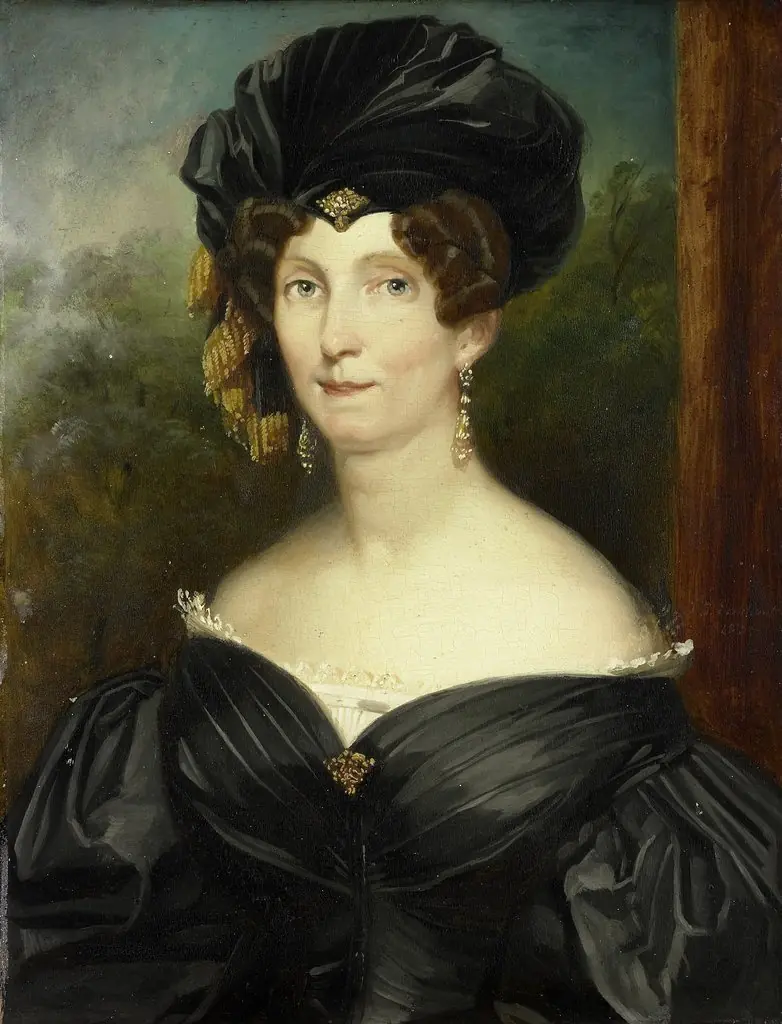 Portrait of Petronella de Lange, Wife of Theodorus Frederik van Capellen
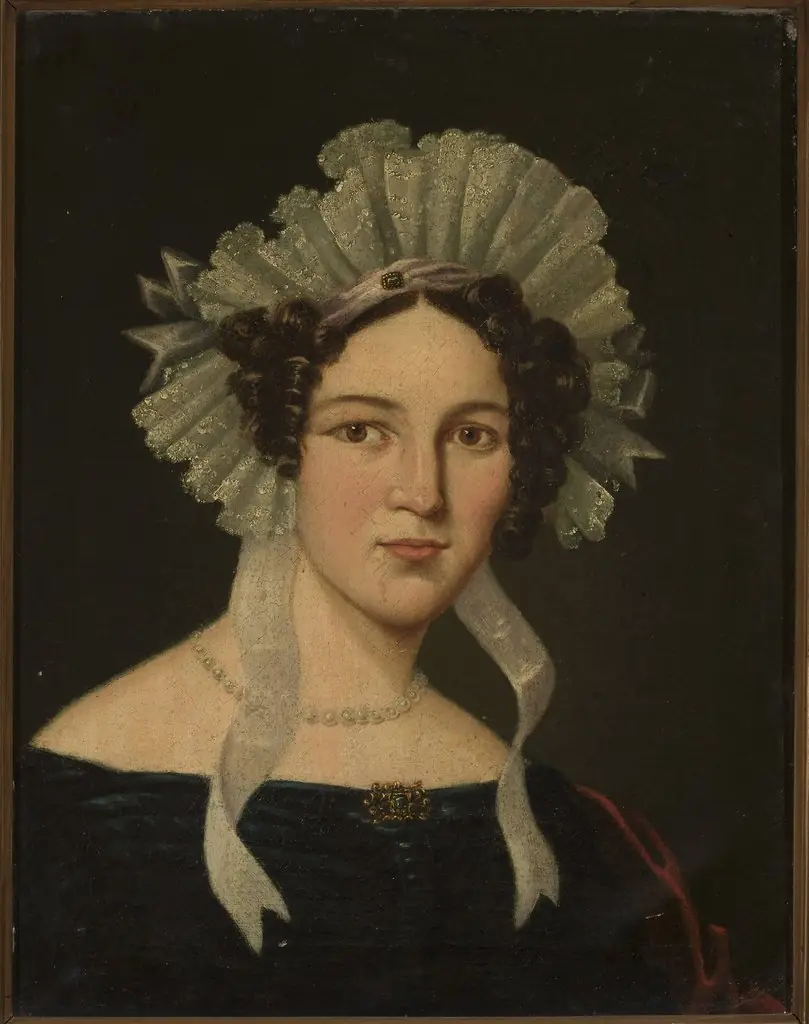 Portrait of a lady in a cap
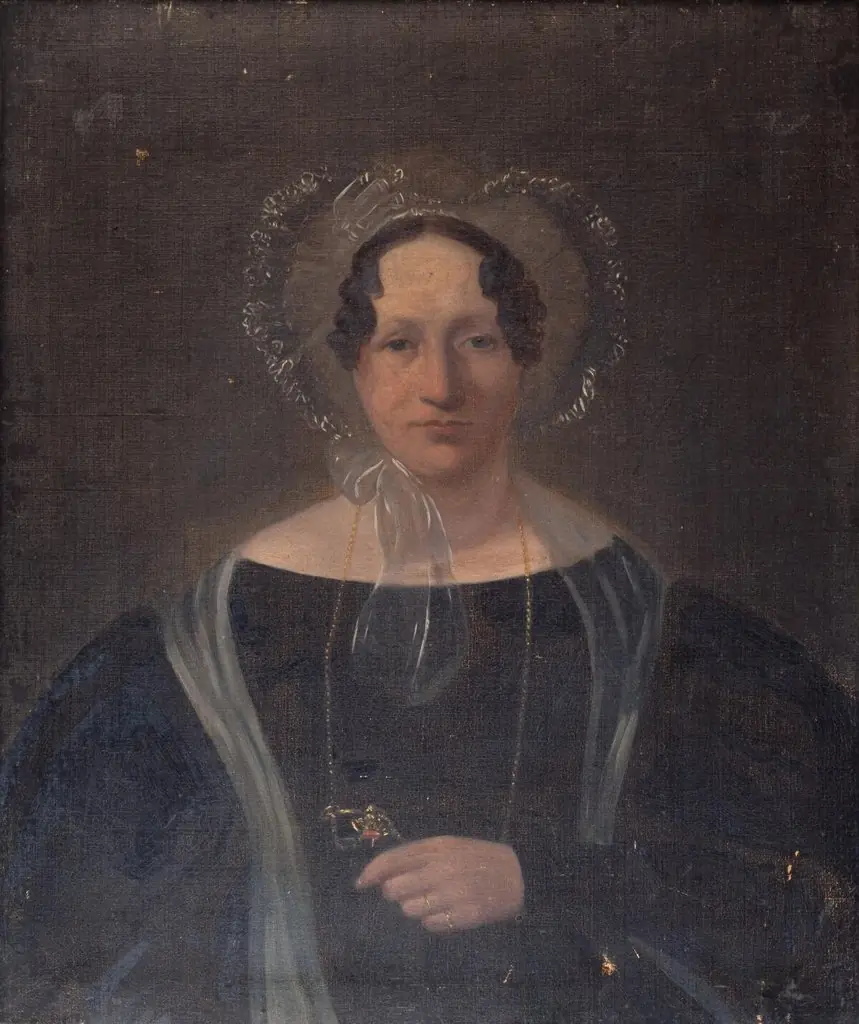 Sarah (Thomas), Mrs Bowen of Llwyngwair
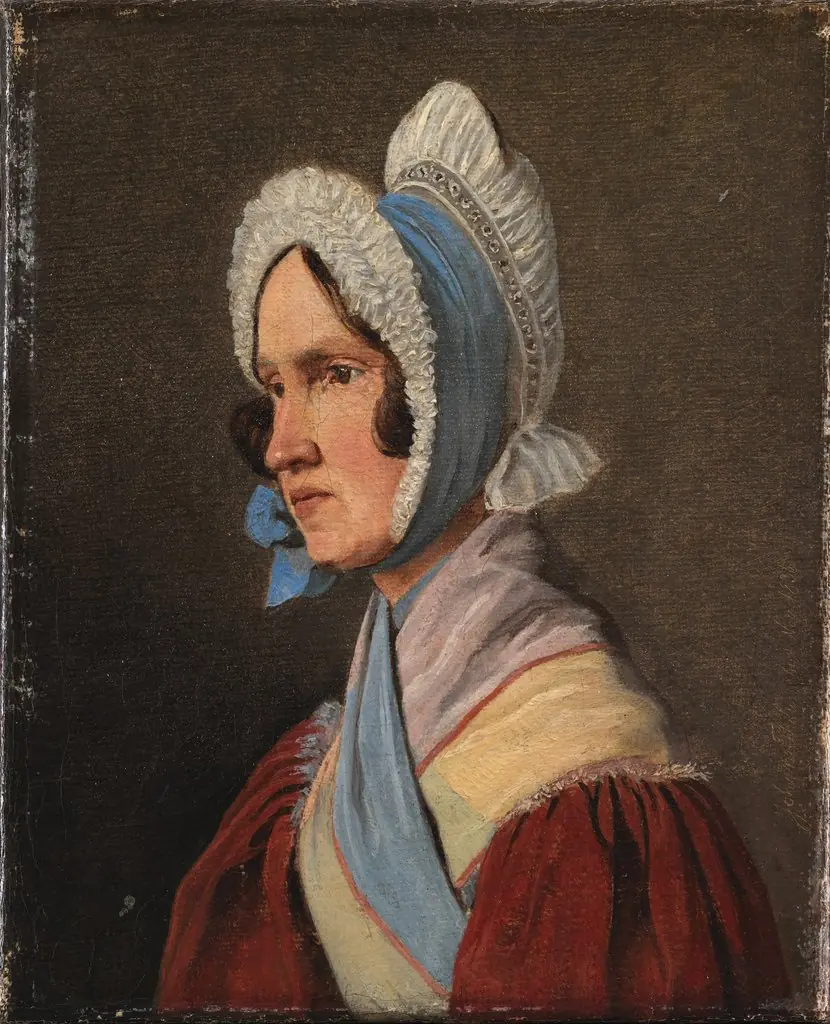 Oberstinde Cathrine Lundbye, f. Bonnevie, kunstnerens moder
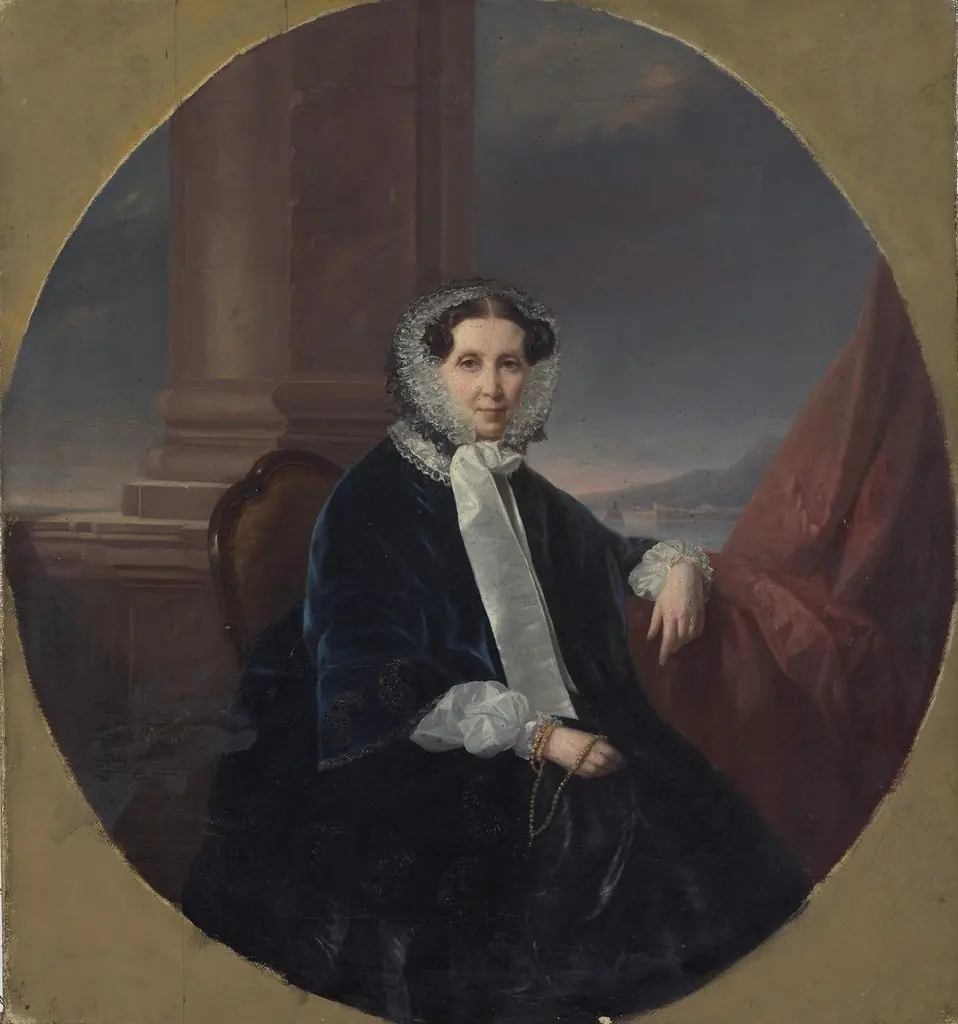 Portrait of Princess Tatiana B. Potemkina (1796-1869)
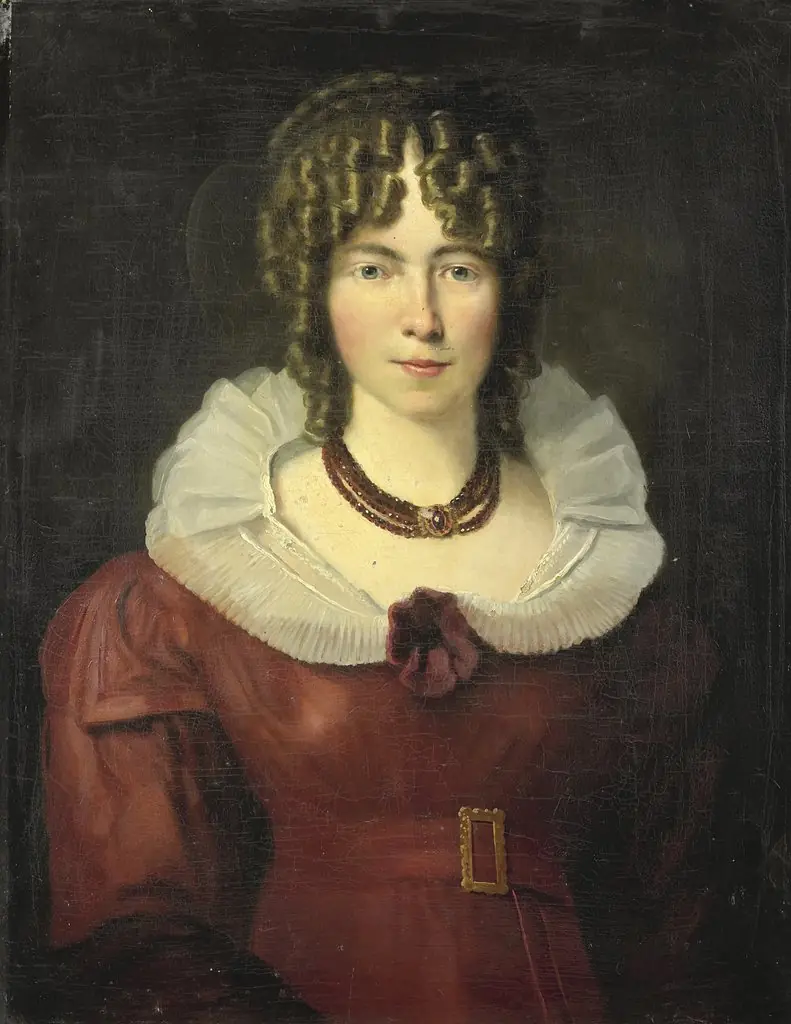 Portrait of a young Woman
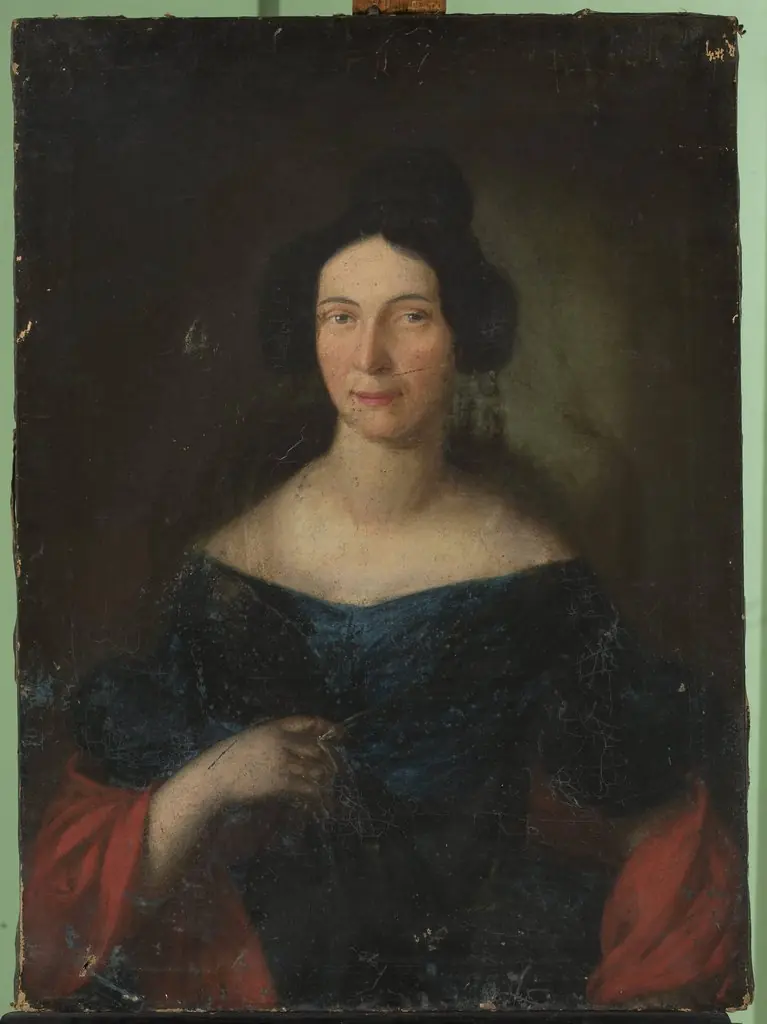 Portrait of a woman
![Mrs. Pearson [possibly Sarah Thompson Pearson], by Pieter Christoffel Wonder](https://artifactworldgallery.com/img/pieter-christoffel-wonder--mrs-pearson-possibly-sarah-thompson-pearson--0006ffde77661f8c-w320.webp) Mrs. Pearson [possibly Sarah Thompson Pearson]
Mrs. Pearson [possibly Sarah Thompson Pearson]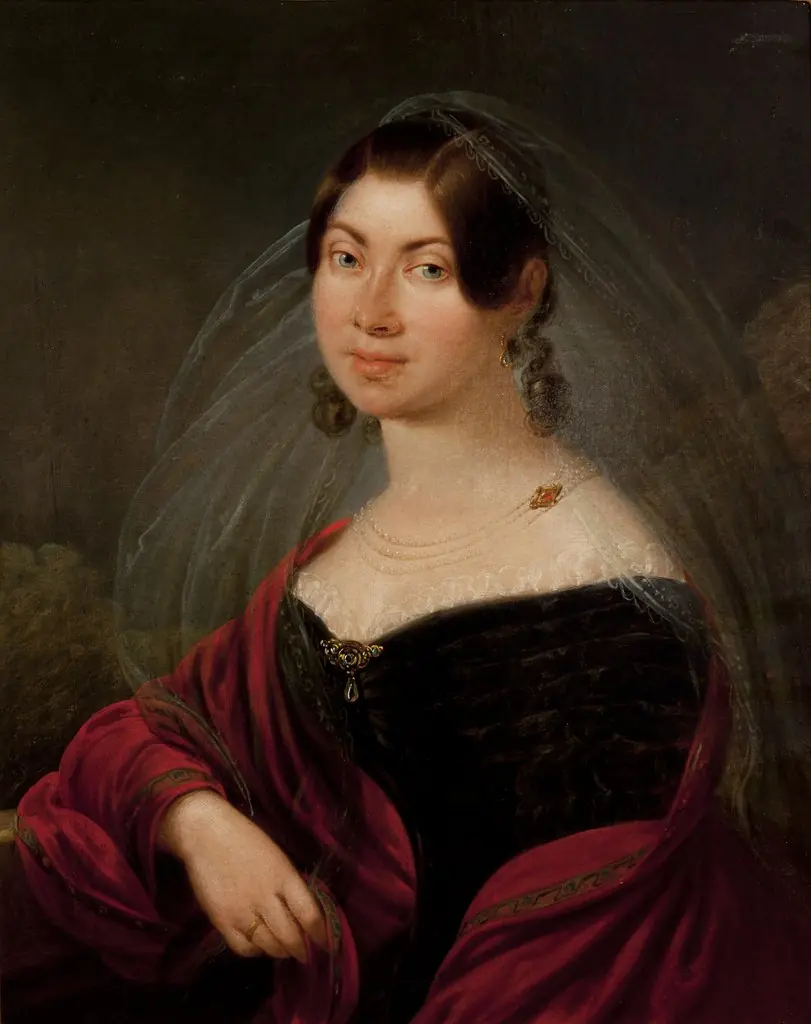 Portrait of Teresa Żebrawska née Hanowicz
 Logofeteasa Safta Cantacuzino (copie după Stawski)
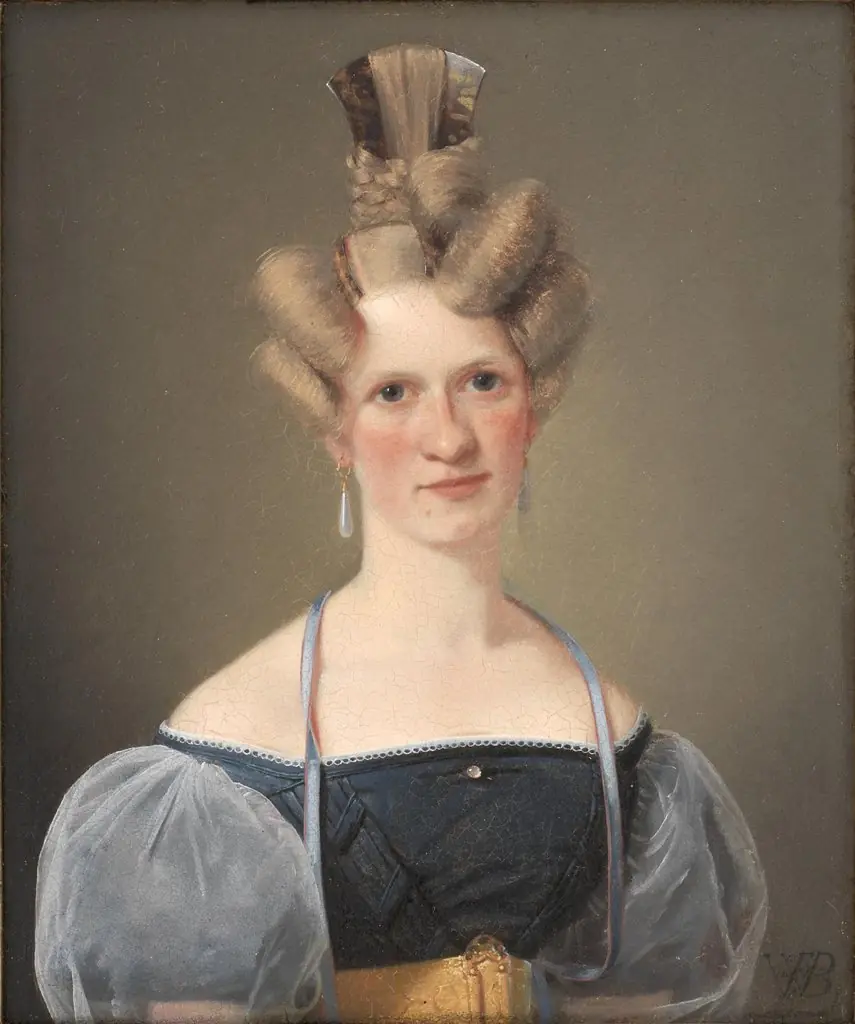 Marie Raffenberg, the Artist's Betrothed
- Sophie Stramboe