Artwork
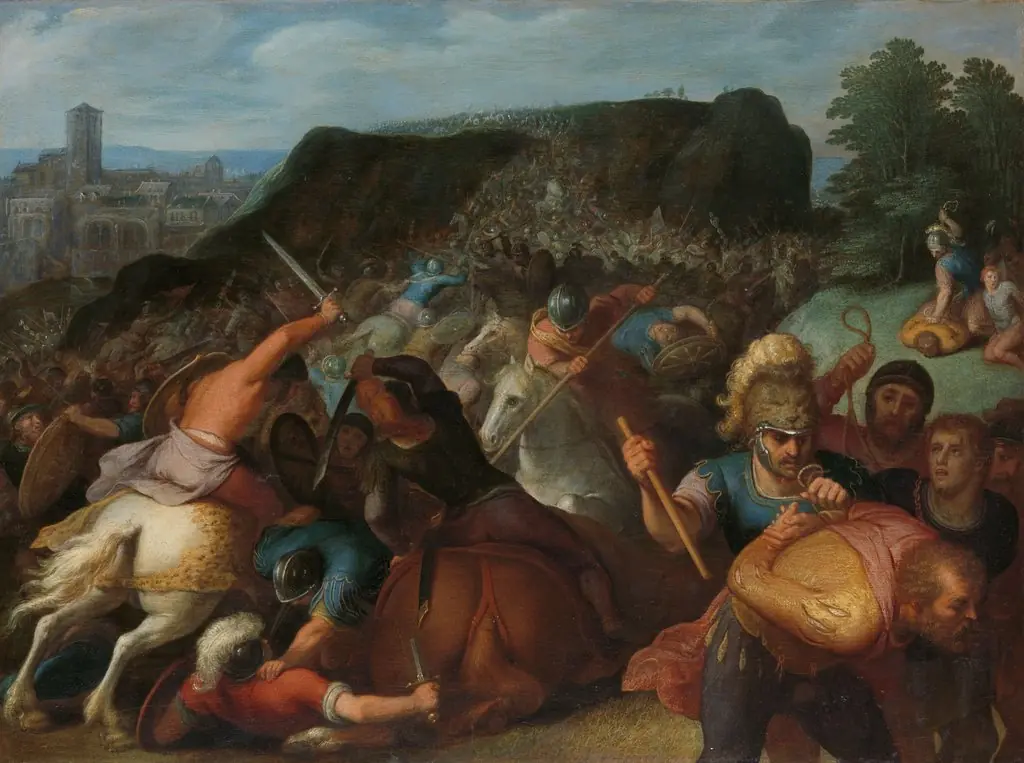
Armida en la batalla frente a los sarracenos
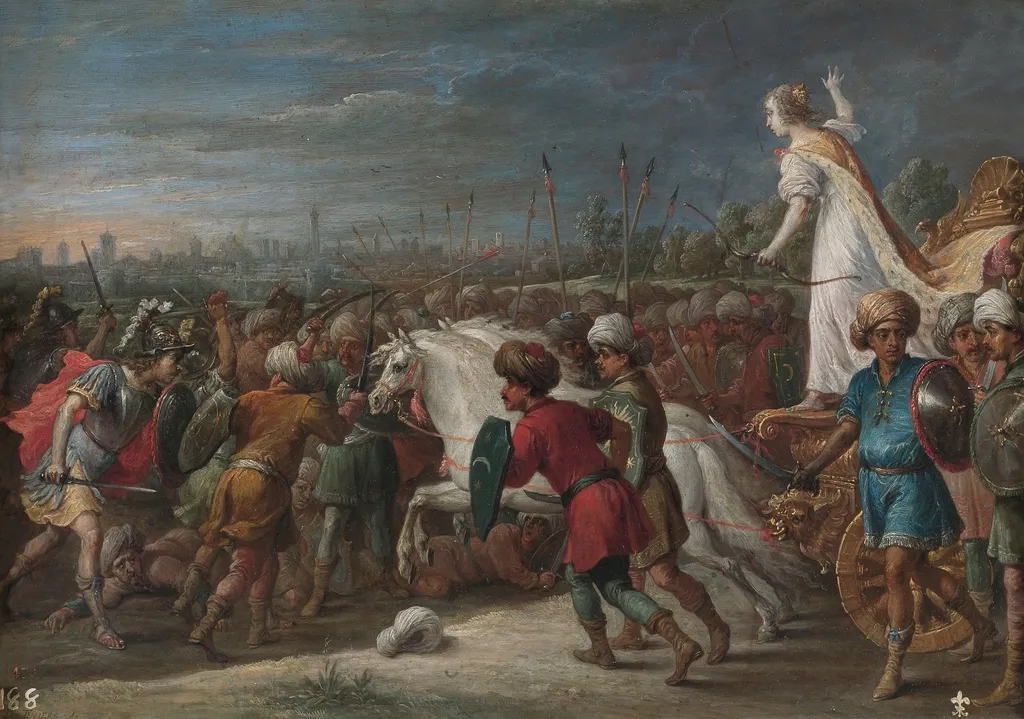
Armida en la batalla frente a los sarracenos is an oil painting by the Flemish Baroque painting artist David Teniers the Younger. It dates from 1628 and is held in the collection of the Museo del Prado.
About this work
Subject & Meaning
The painting depicts the sorceress Armida from Torquato Tasso's epic poem Jerusalem Delivered, shown in the midst of a battle against Saracen forces.
The painting depicts the sorceress Armida from Torquato Tasso's epic poem Jerusalem Delivered, shown in the midst of a battle against Saracen forces. Teniers renders her with a combat helmet, shield, and sword, emphasizing her role as both a warrior and a commanding figure amid the conflict. The scene reflects the poem's episode where Armida, though a sorceress allied with the pagans, becomes a central figure whose actions drive the narrative's dramatic tension between Christian and Saracen forces.
Symbolically, the work encapsulates the poem's themes of enchantment, martial prowess, and the blurred boundaries between magic and warfare. Armida's presence amid the clash underscores the poem's intertwining of supernatural agency with historical or pseudo-historical conflict.
Technique & Style
Armida en la batalla frente a los sarracenos is an oil painting executed on a small-scale copper support, measuring 27 cm in height by 39 cm in width. The work is painted in oil on copper, a technique characteristic of cabinet pictures produced for refined viewing at close range. The composition depicts Armida alongside combat-related attributes including a helmet, shield, sword, and spear, set within a narrative drawn from Jerusalem Delivered.
The modest dimensions and the use of a copper support suggest a finely finished, jewel-like handling typical of Flemish cabinet painting, where the metallic ground lends luminosity to the surface. The painting is held in the collection of the Museo del Prado.
History & Provenance
David Teniers the Younger created the oil painting Armida en la batalla frente a los sarracenos in 1628. The work, executed on a copper support, depicts a scene from Torquato Tasso's Jerusalem Delivered. Its provenance traces through the Spanish royal collection, having been owned successively by Philip V of Spain, Elisabeth Farnese, and Charles III of Spain.
The ownership chain continued with Ferdinand VII of Spain before the work entered the holdings of the Museo del Prado. The painting has also been associated with the Royal Palace of Aranjuez and the Royal Palace of La Granja de San Ildefonso.
The painting is held in the collection of the Museo del Prado. No specific inventory or accession number is provided in the available records, and the sources do not document a specific exhibition history for this work.
Context
The painting was created by David Teniers the Younger in 1628 and reflects his engagement with the epic narratives of the early modern period. It draws on the narrative of Jerusalem Delivered, a literary source that shaped visual strategies in the period. The work entered the Spanish royal collection and passed through monarchs including Charles III and Ferdinand VII, linking it to the dynastic interests of the Spanish monarchy.
Its execution in oil on copper underscores the technical ambitions of cabinet painting. The painting is housed in the Museo del Prado, where it has been studied in relation to Teniers's broader output and the cultural policies of the Spanish court.
Overview
David Teniers the Younger completed this oil on canvas in 1628. The work, titled Armida en la batalla frente a los sarracenos, is part of the collection of the Museo del Prado in Madrid. It presents a tumultuous combat tableau in which a solitary female figure stands apart from the surrounding melee.
Legacy
As an example of Teniers’s capacity to fuse genre painting with heroic narrative, the work illustrates the broader 17th‑century Flemish interest in depicting literary subjects. Its presence in the Prado contributes to the museum’s representation of cross‑cultural artistic exchanges between the Low Countries and Spain during the Baroque era.
Own this work as a print
Artist & collection
Artist
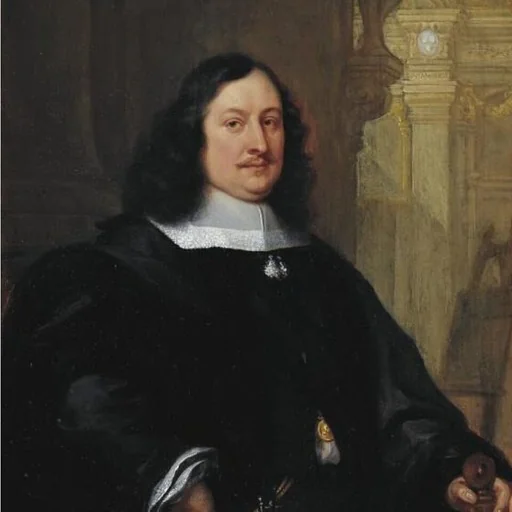
David Teniers the Younger or David Teniers II was a Flemish Baroque painter, printmaker, and artist.

 Valentinus Is Taken Prisoner
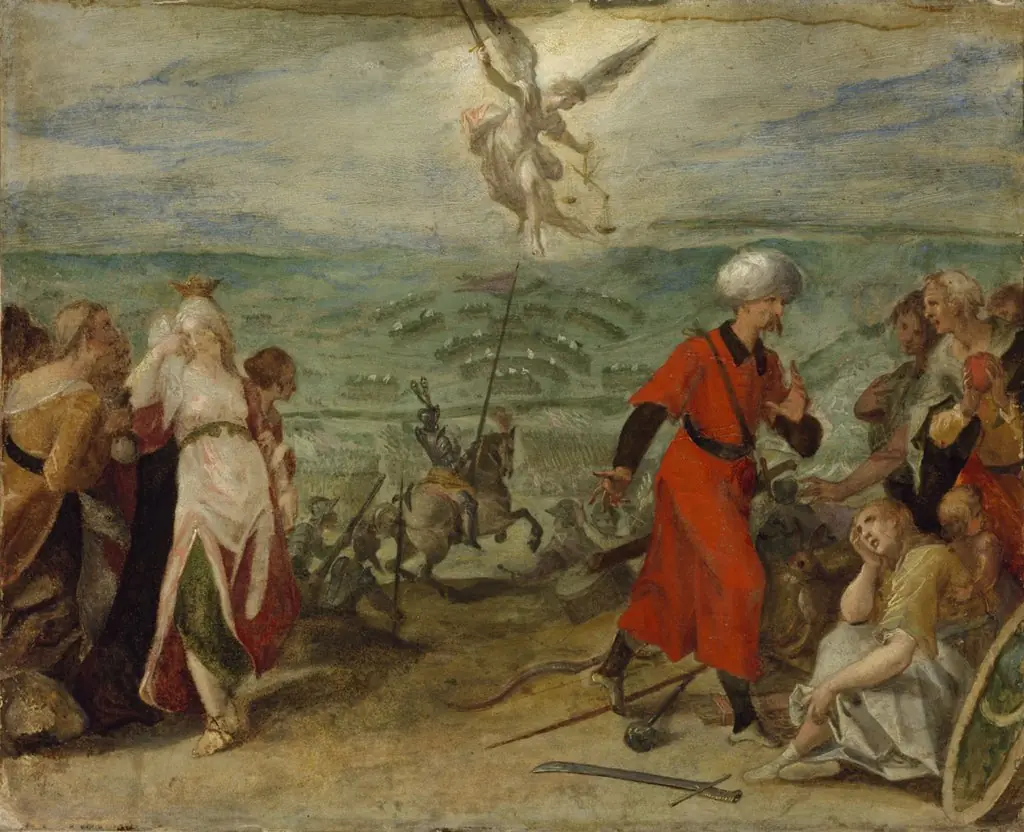 Allegory of the Battle of Mezőkeresztes
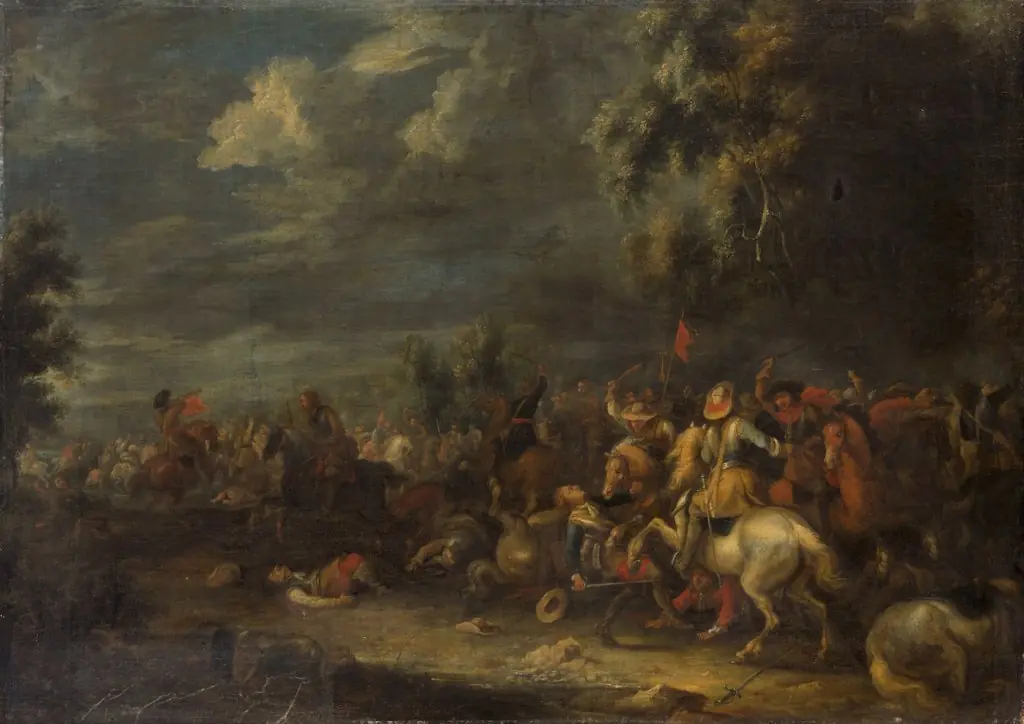 Reitergefecht
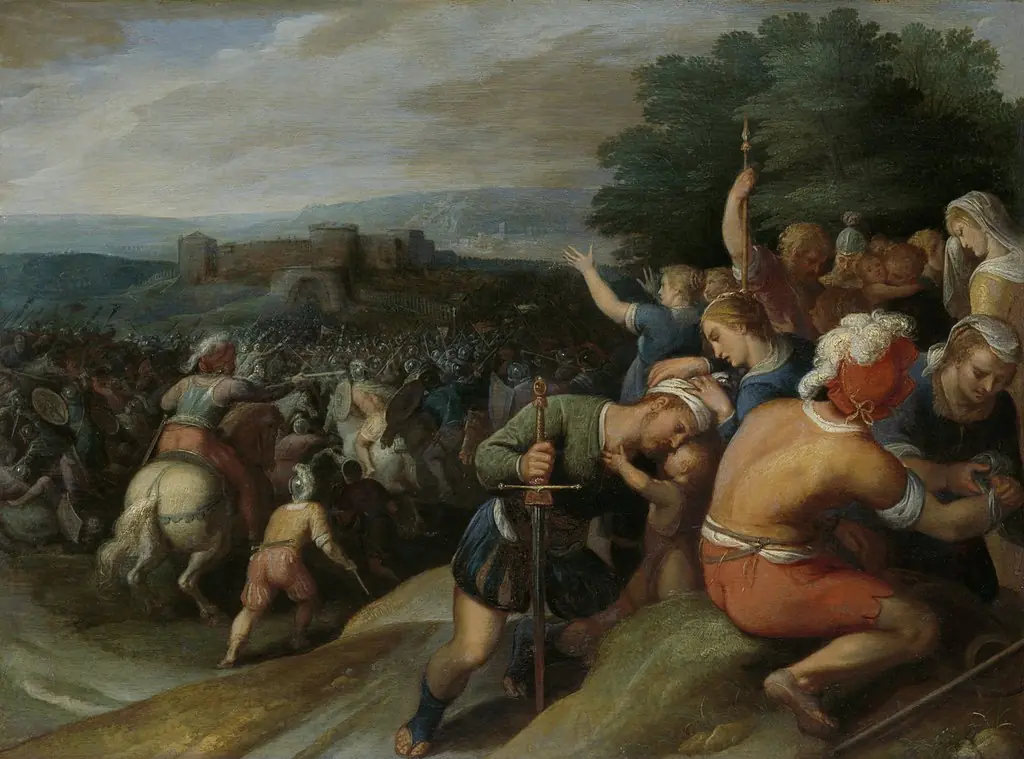 The Batavians Surround the Romans at Vetera
 Battle Scene with Turkish Cavalry
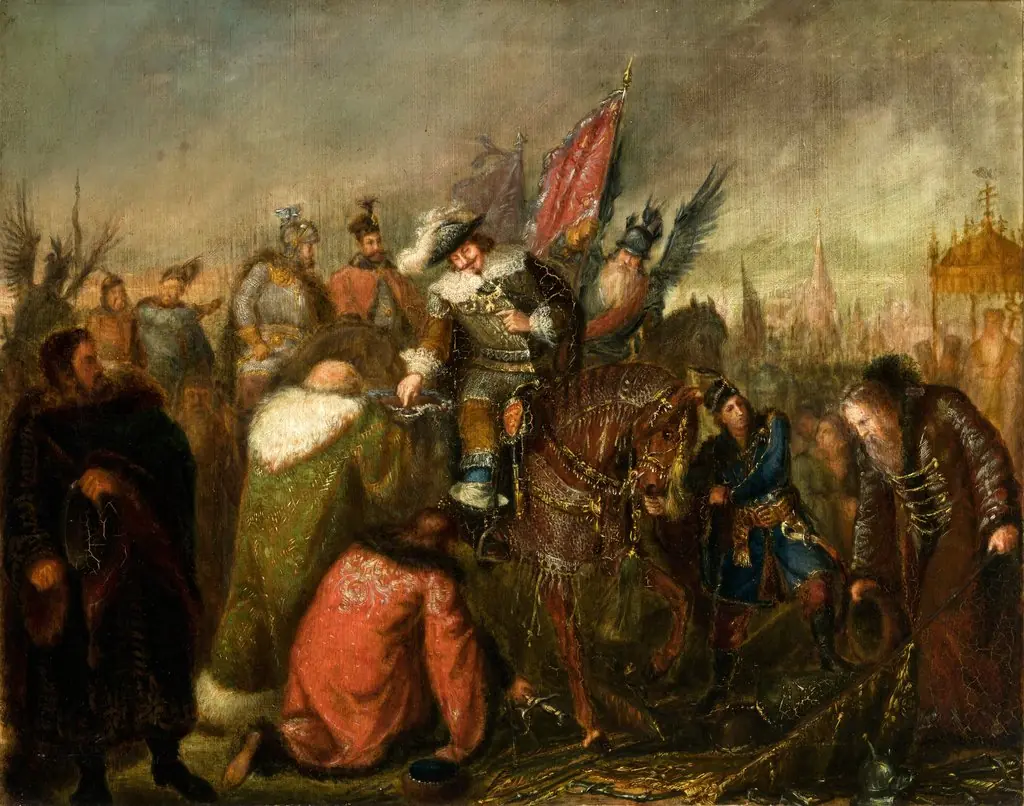 Władysław IV after the Battle of Smoleńsk
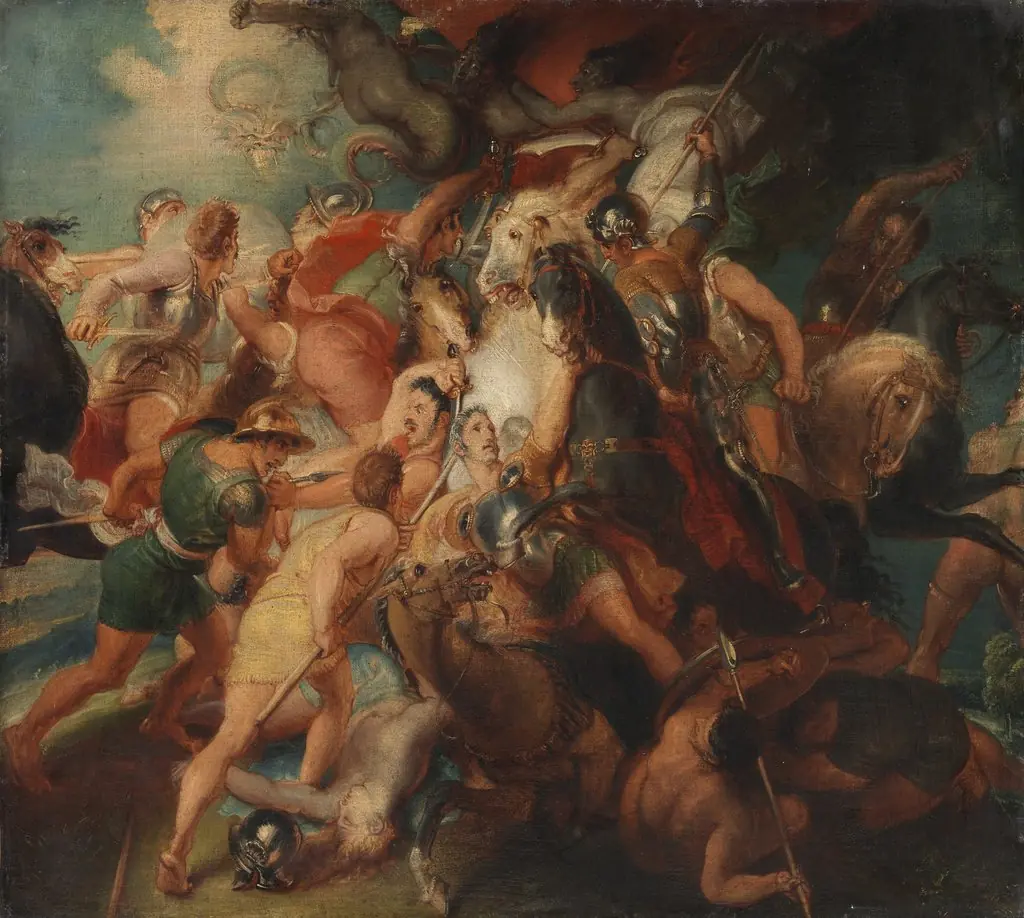 The Horrors of War, Sketch for Burghley House Mural
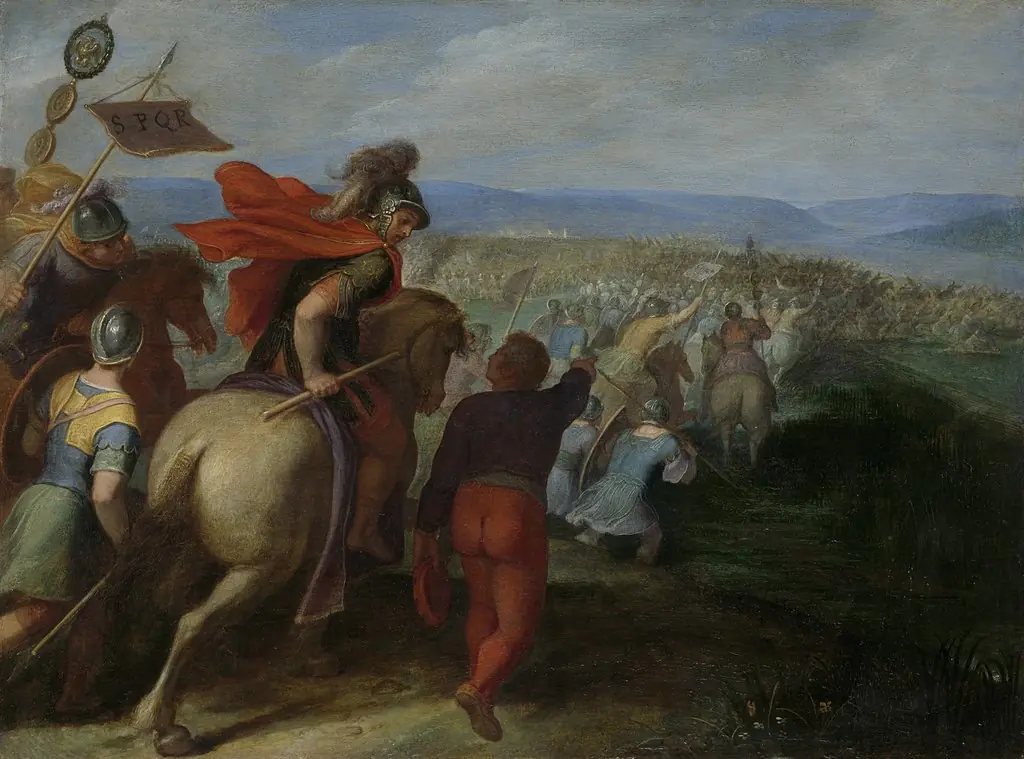 The Romans under Cerealis Defeat Claudius Civilis and the Batavians following betrayal from within
 Alexander en Diogenes
 Lucha por la posesión de una fortaleza
 Battle
- Proezas de Reinaldo frente a los egipcios