Artwork
Reinaldo llevado en sueños a las islas Afortunadas
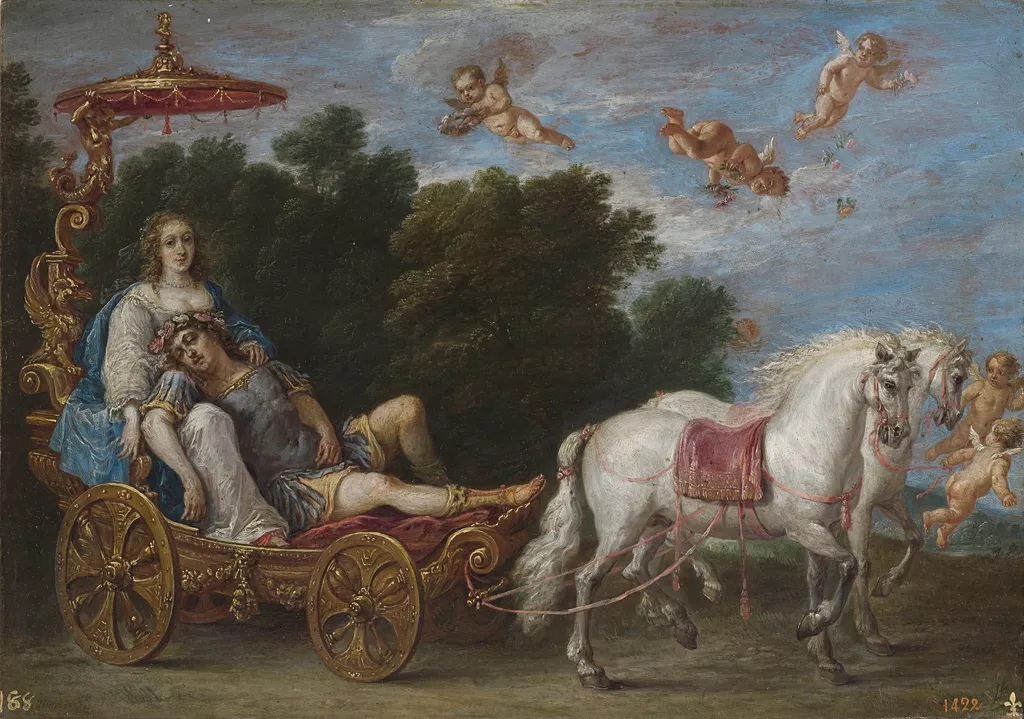
Reinaldo llevado en sueños a las islas Afortunadas is an oil painting by the Flemish Baroque painting artist David Teniers the Younger. It dates from 1628 and is held in the collection of the Museo del Prado.
About this work
Subject & Meaning
This scene draws directly from the poem’s episode in which Rinaldo is transported to a blissful, otherworldly realm as a reward for his virtue.
The painting shows Rinaldo, the heroic knight from Torquato Tasso’s epic Jerusalem Delivered, being conveyed in a carriage to the Fortunate Islands (Islas Afortunadas). This scene draws directly from the poem’s episode in which Rinaldo is transported to a blissful, otherworldly realm as a reward for his virtue. The carriage and dreamlike setting suggest an allegorical journey of the imagination, symbolizing poetic inspiration, the lure of an ideal paradise, and the triumph of noble aspiration over earthly trials.
Through this literary subject, Teniers visualizes the transformative power of art and the yearning for an unattainable, utopian haven.
Technique & Style
The painting is executed in oil paint on a copper leaf support, a medium that allows for exceptionally fine detail and a luminous, smooth surface. Measuring 27 by 39 cm, the small scale and rigid metal ground would have facilitated the precise handling characteristic of Teniers's early style. The work depicts Rinaldo in a carriage, drawn from Torquato Tasso's Jerusalem Delivered, suggesting a narrative approach with careful attention to figural and possibly landscape elements within a compact format.
History & Provenance
The painting was created by David Teniers the Younger in 1628, as indicated by the artist’s date inscribed on the work.
It entered the Spanish royal collection during the reign of Philip V, who acquired it from the Farnese family through Elisabeth Farnese. By 1746 the painting was recorded in the inventory of Charles III, and by 1814 it was part of the holdings of Ferdinand VII. The work has remained in the Museo del Prado’s collection since its founding, with later transfers to the Royal Palace of Aranjuez and the Royal Palace of La Granja de San Ildefonso noted in inventories.
Overview
David Teniers the Younger painted this oil work in 1628, titled Reinaldo llevado en sueños a las islas Afortunadas. The canvas, now part of the Museo del Prado collection, presents a richly detailed carriage traversing a verdant forest, its interior occupied by two women and surrounded by floating cherubs. The composition combines narrative intrigue with a lush, atmospheric setting.
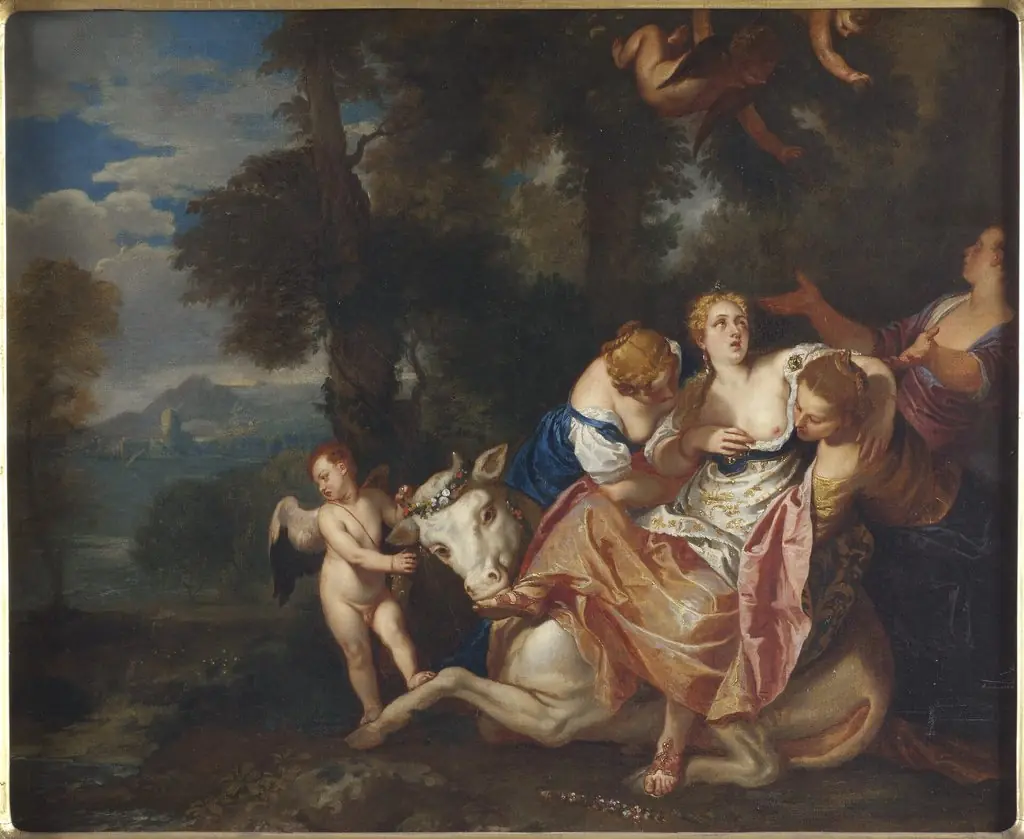
Own this work as a print
Artist & collection
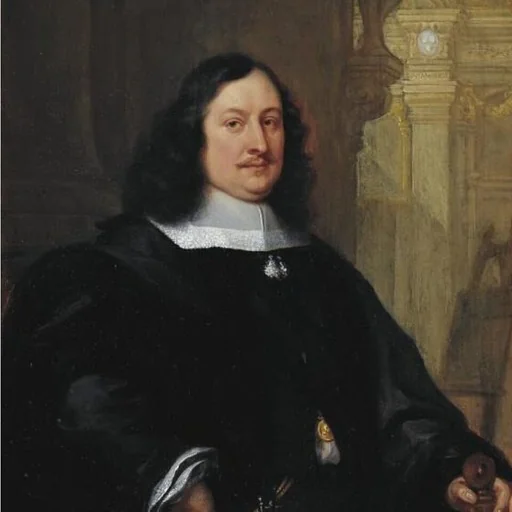
Artist
David Teniers the Younger or David Teniers II was a Flemish Baroque painter, printmaker, and artist.

- The Rape of Europa
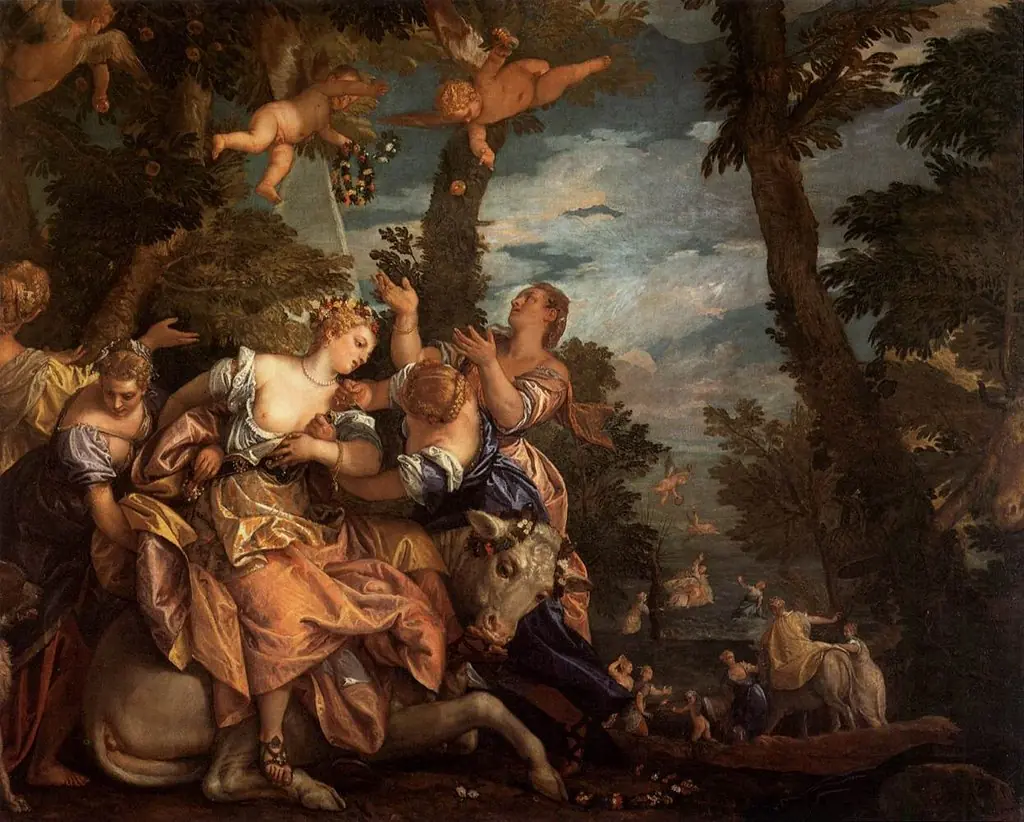 The abduction of Europa
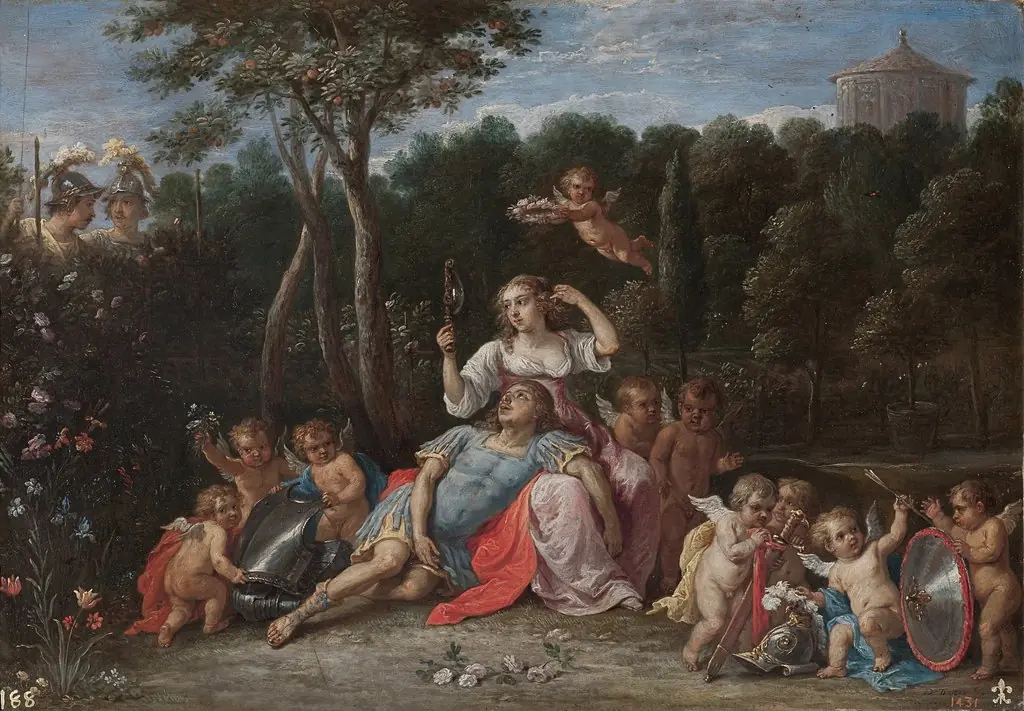 El jardín de Armida
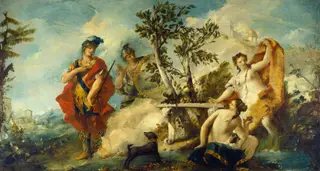 Carlo and Ubaldo Resisting the Enchantments of Armida's Nymphs
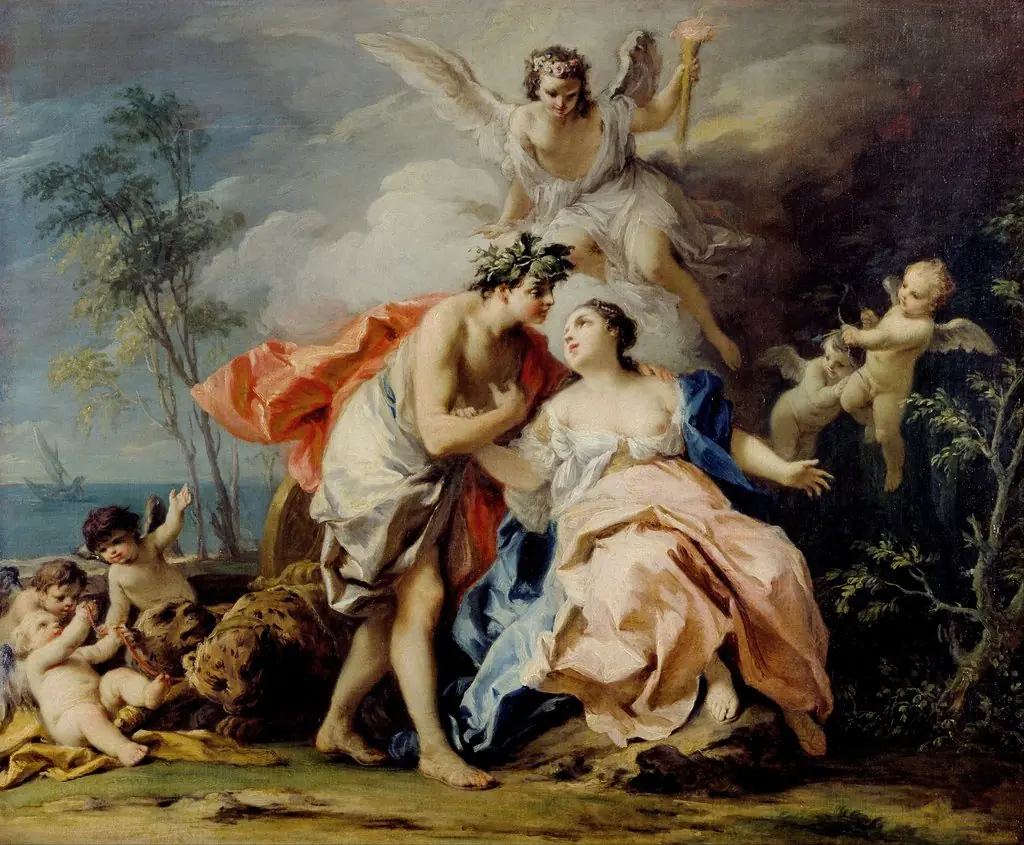 Bacchus and Ariadne
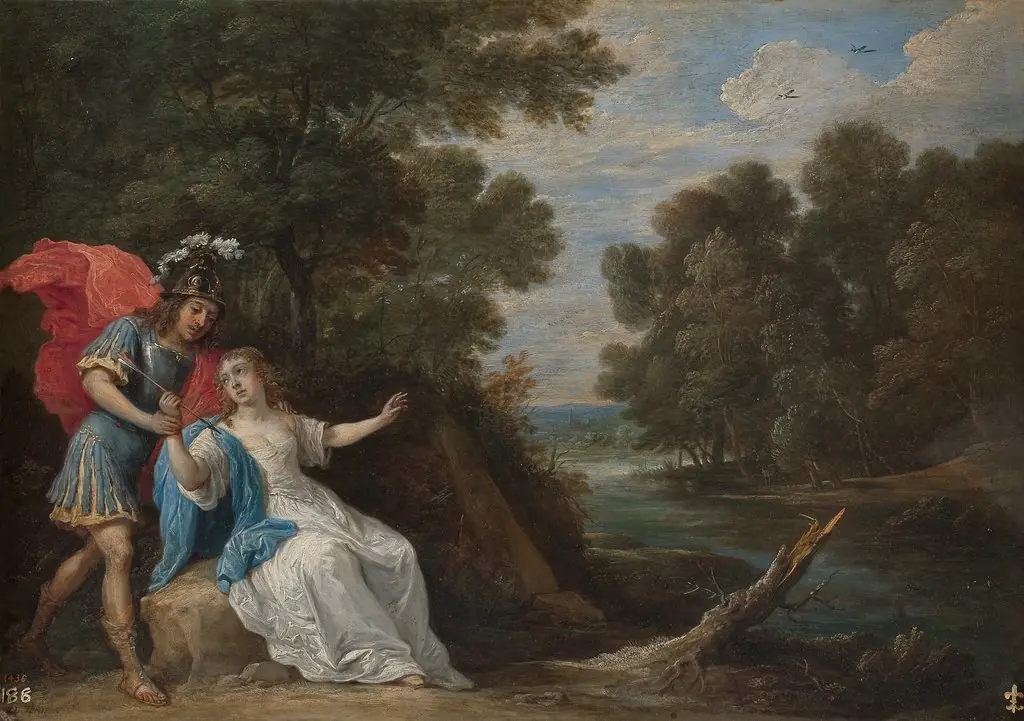 Reconciliación de Reinaldo y Armida
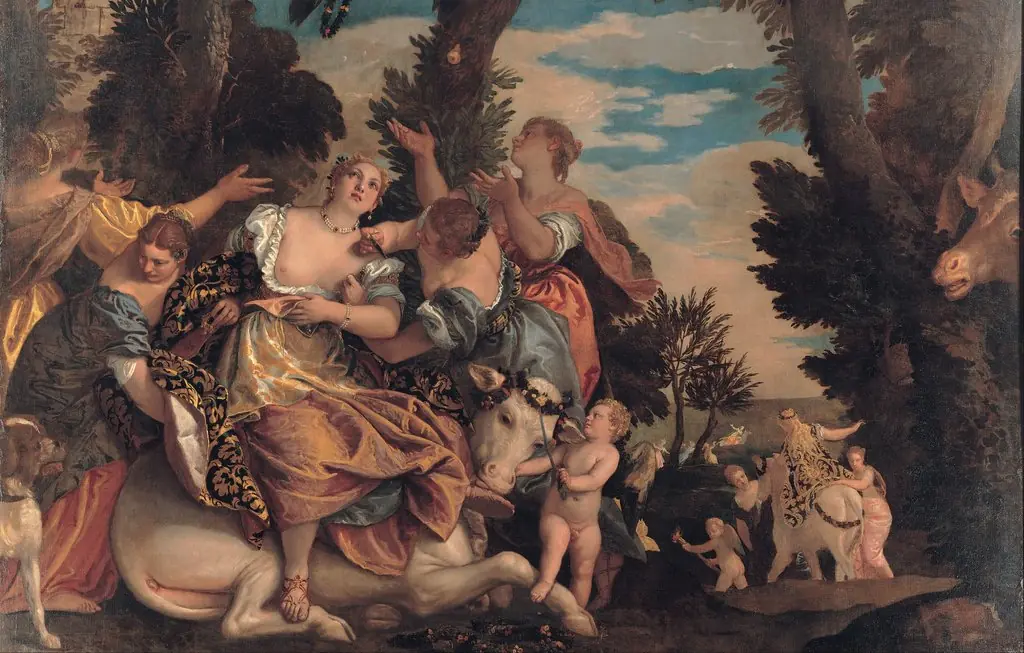 Rape of Europa
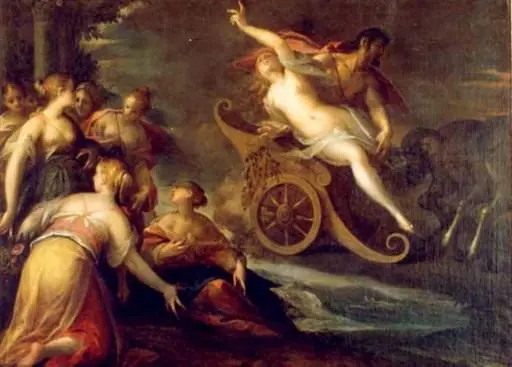 Răpirea Proserpinei
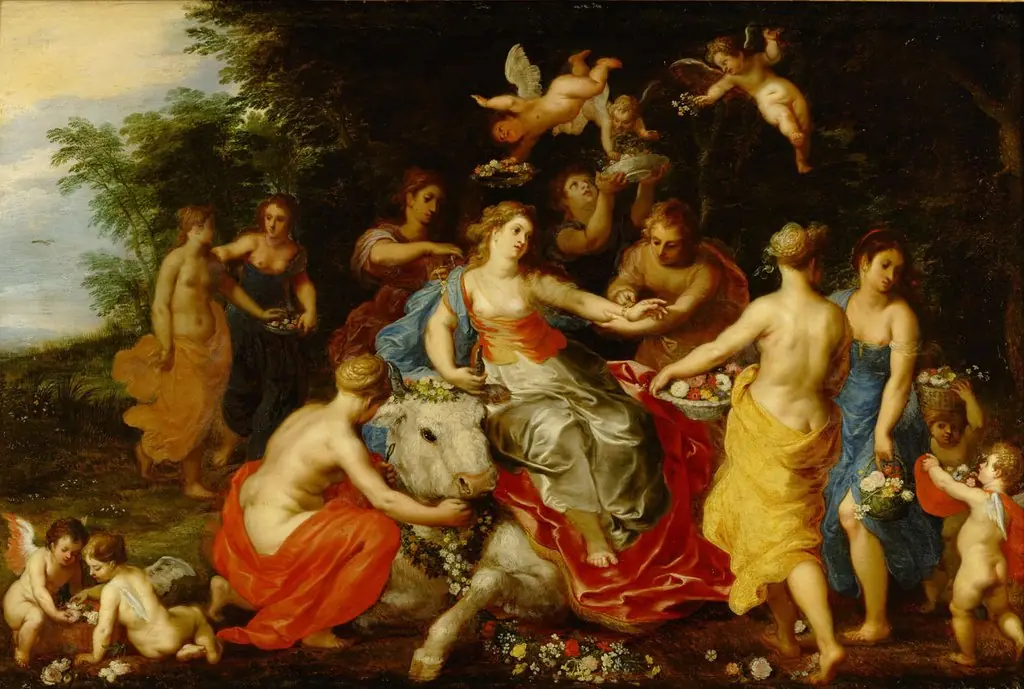 Europa riding the bull
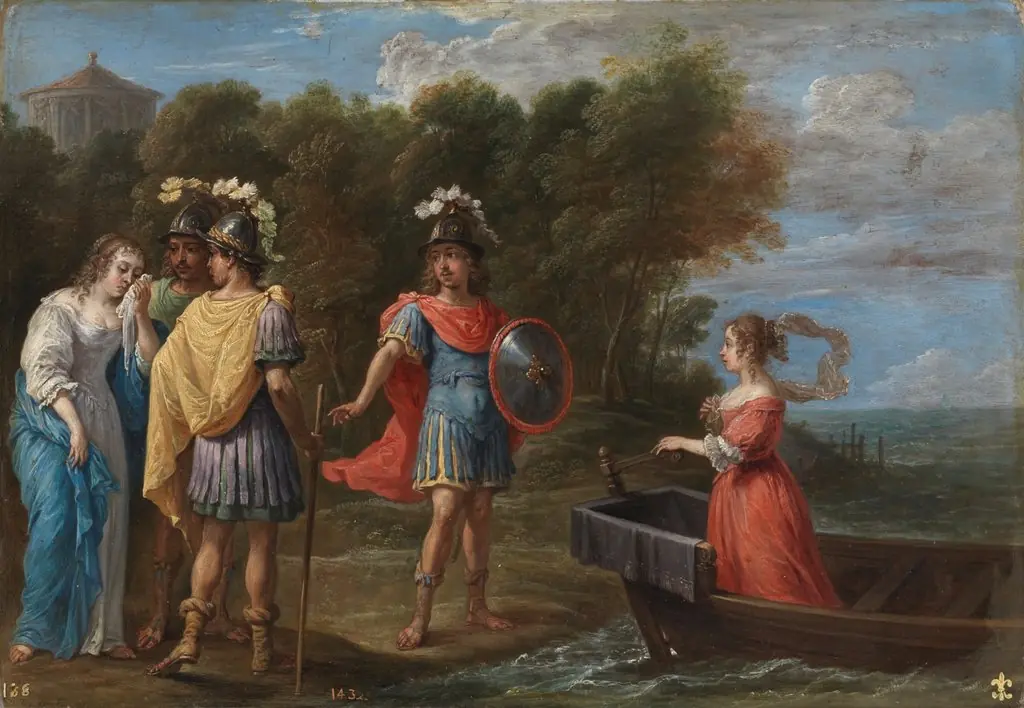 Armida and Rinaldo
 La mort d'Adonis
 Bacchus and Ariadne on the Island of Naxos