Artwork
Armida and Rinaldo
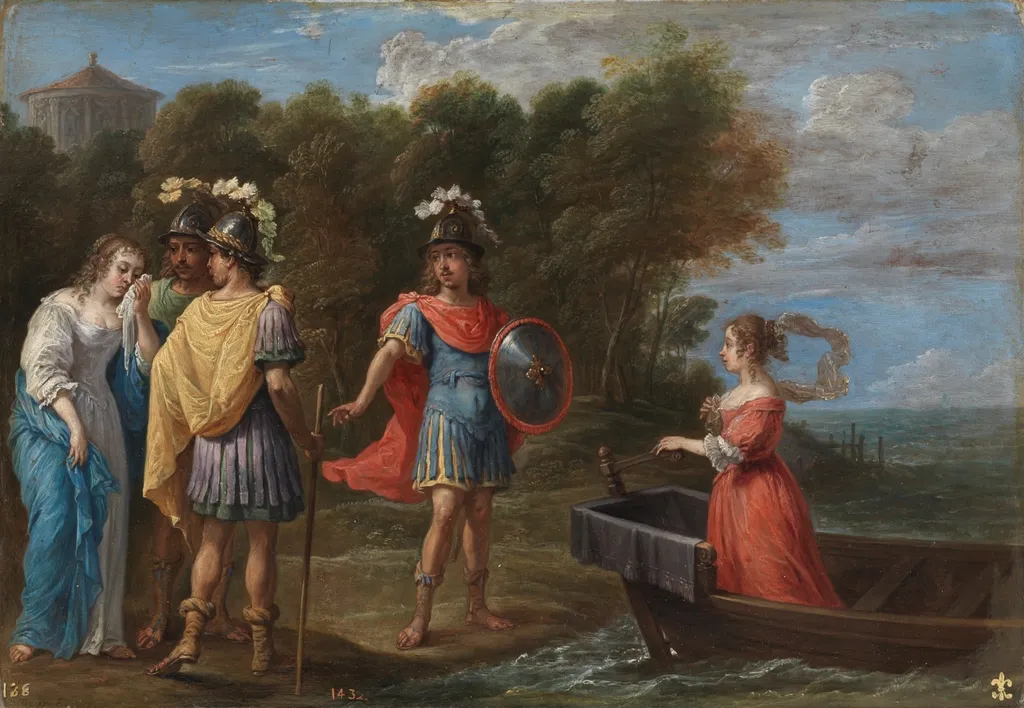
Armida and Rinaldo is an oil painting by the Flemish Baroque painting artist David Teniers the Younger. It dates from 1630 and is held in the collection of the Museo del Prado.
About this work
Subject & Meaning
The small boat underscores the abruptness of the abduction and the shift from battlefield to enchantment.
The painting depicts the episode from Torquato Tasso's epic Jerusalem Delivered in which the sorceress Armida abducts the Christian knight Rinaldo to her enchanted island. Teniers renders Rinaldo in armor, his shield and helmet marking his warrior identity, while Armida appears as the captor, her presence evoking the intertwining of love and conflict central to the narrative. The small boat underscores the abruptness of the abduction and the shift from battlefield to enchantment.
In Teniers's rendering, the scene condenses the poem's themes of temptation and moral peril, using the figures' gestures and accoutrements to signal the transition from martial duty to amorous entanglement that defines Armida and Rinaldo's mythological encounter.
Technique & Style
Created in 1630 by David Teniers the Younger, Armida and Rinaldo is an oil painting executed on a copper support. This choice of material, combined with the application of oil paint, characterizes the work's physical construction. The painting measures 27 cm in height and 39 cm in width, presenting a compact mythological scene.
Stylistically, the piece depicts figures including Armida and Rinaldo alongside specific attributes such as a combat helmet, shield, and boat, adhering to the conventions of mythological painting. The work is currently held in the collection of the Museo del Prado.
History & Provenance
Created in 1630, Armida and Rinaldo is an oil painting on copper measuring 27 cm in height by 39 cm in width, drawing its narrative from Torquato Tasso's epic Jerusalem Delivered. Catalogued as a mythological painting, it passed through the Spanish royal collections, recorded in the holdings of Philip V, Elisabeth Farnese, Charles III, and Ferdinand VII, before entering the Museo del Prado. The work is currently located at the Royal Palace of Aranjuez, which serves as a display site associated with the museum. No specific accession number or exhibition history is provided in the available records.
Overview
David Teniers the Younger completed the oil painting titled "Armida and Rinaldo" in 1630. This work presents a mythological narrative, featuring the eponymous characters alongside additional figures and a boat. The piece is currently housed within the collection of the Museo del Prado, offering insight into the artist's early engagement with historical and literary subjects.
Own this work as a print
Artist & collection
Artist
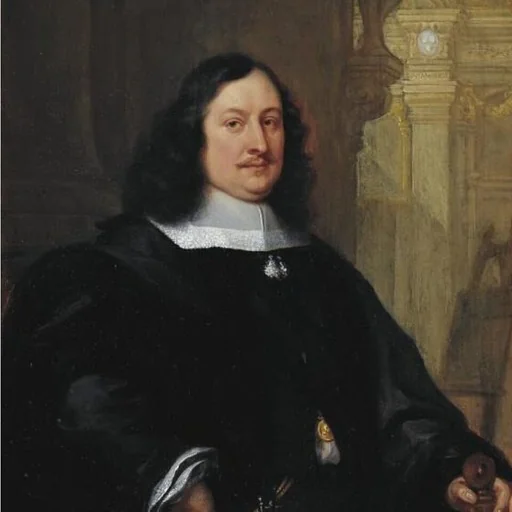
David Teniers the Younger or David Teniers II was a Flemish Baroque painter, printmaker, and artist.

 Carlos y Ubaldo en las islas Afortunadas
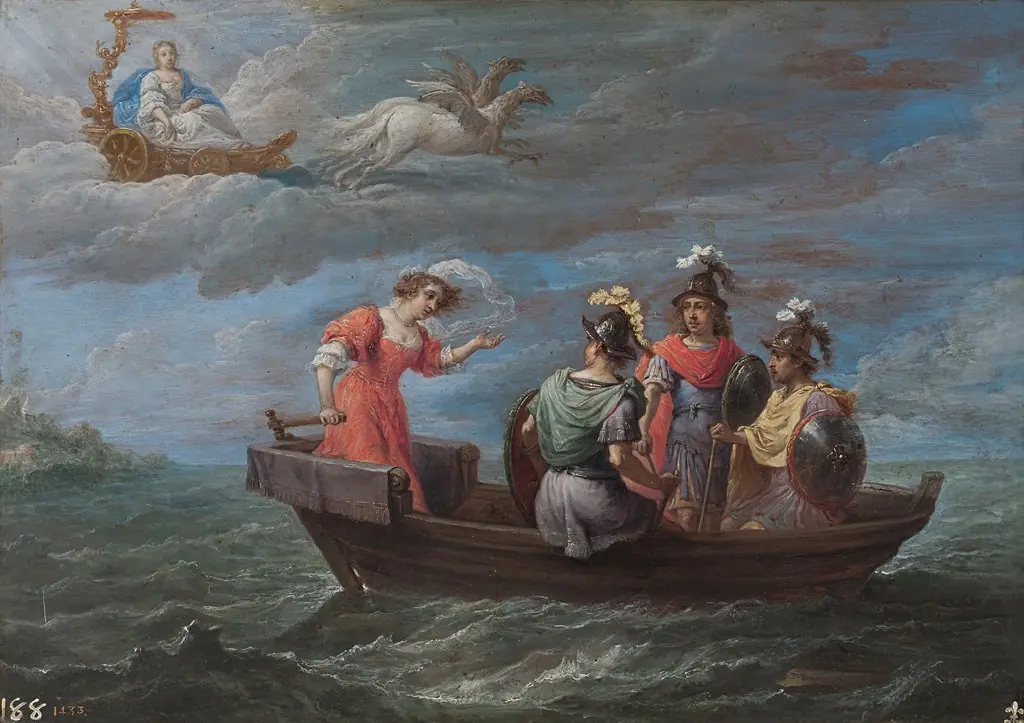 Reinaldo huye de las islas Afortunadas
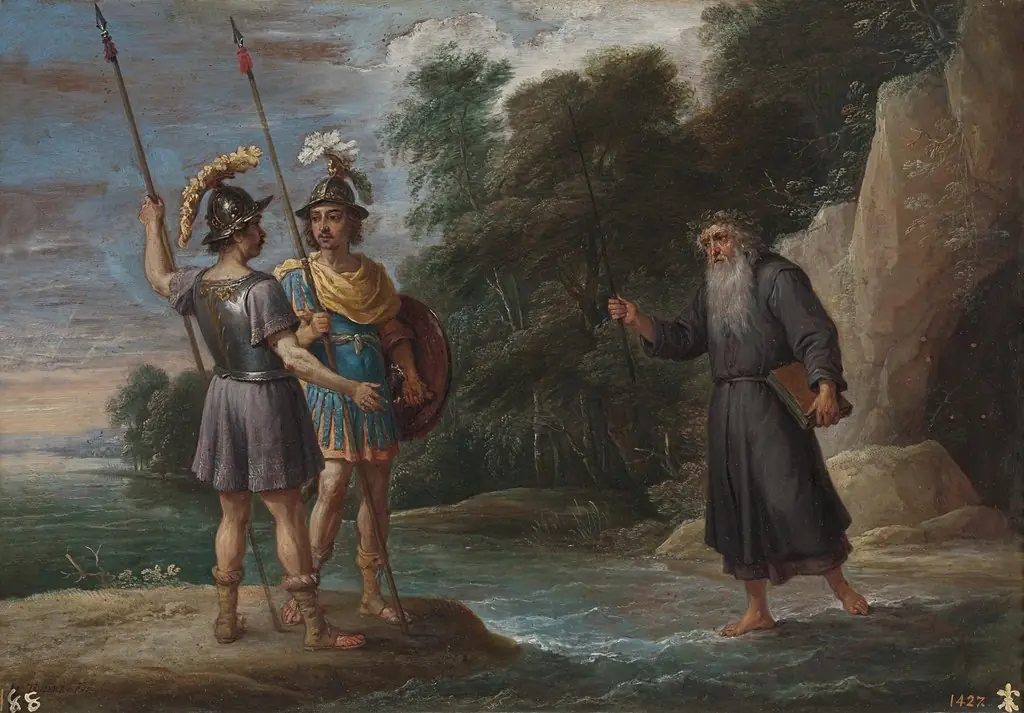 El mago descubre a Carlos y Ubaldo el paradero de Reinaldo (La búsqueda de Reinaldo)
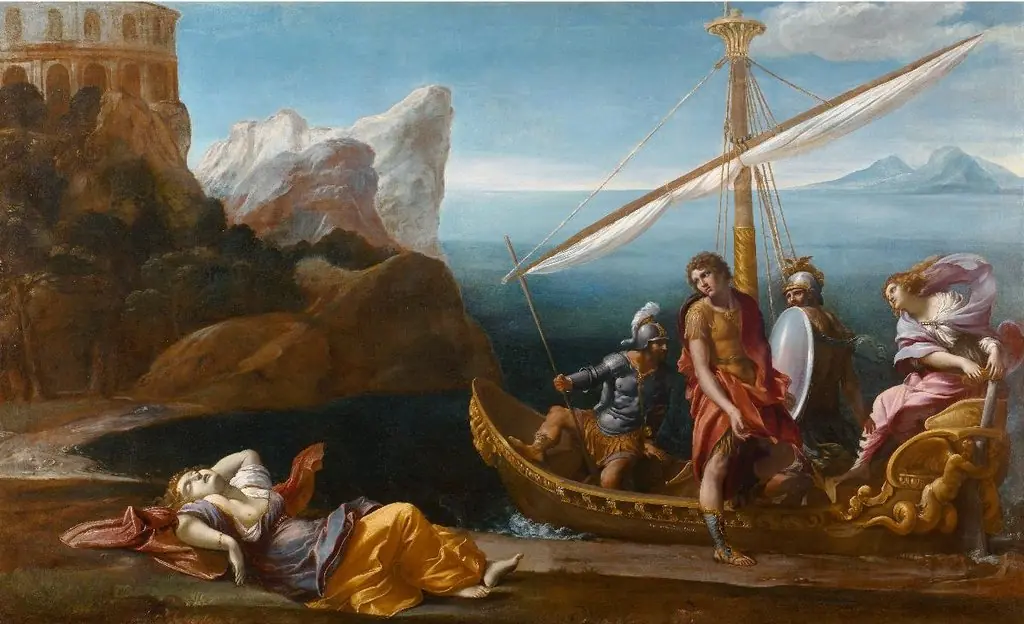 L’addio di Rinaldo ad Armida
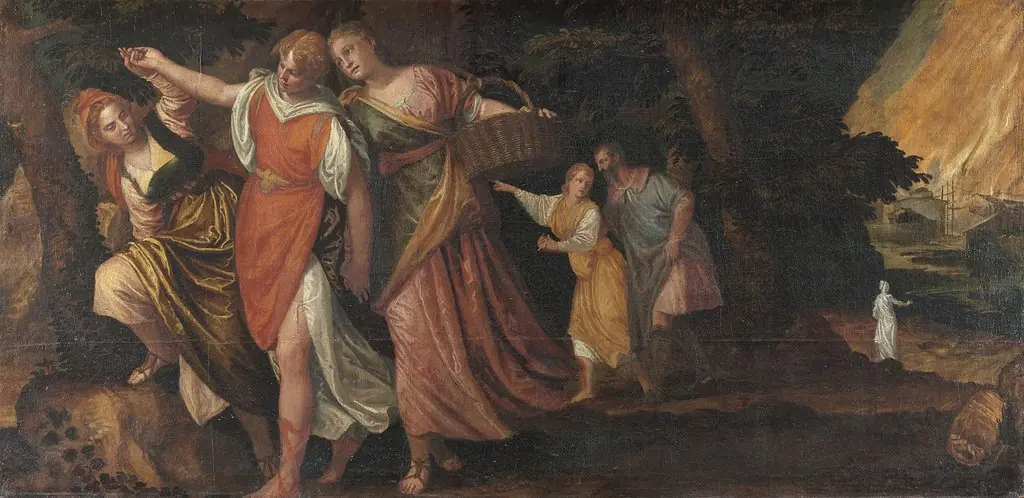 Lot flees Sodom
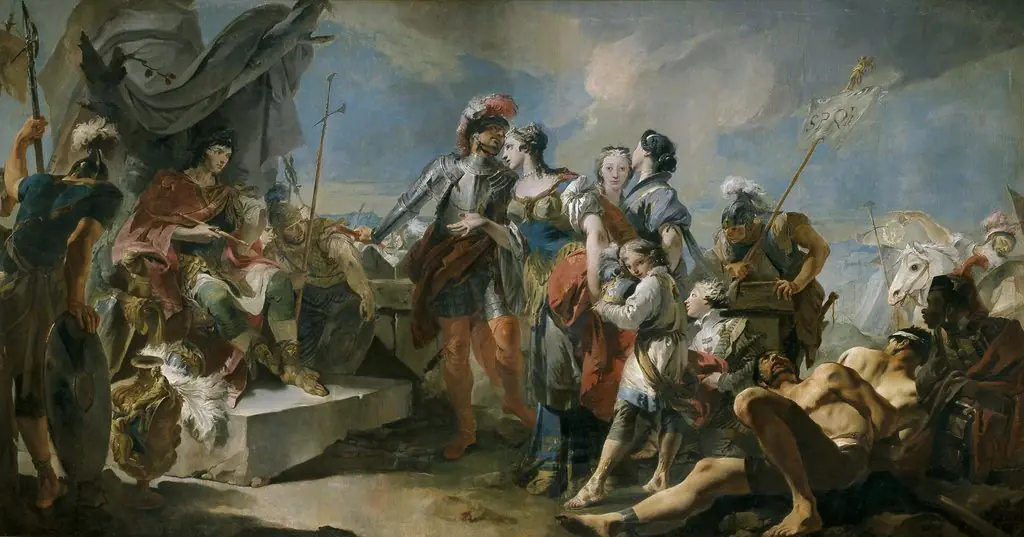 Queen Zenobia before the Emperor Aurelian
 Circe and Ulysses
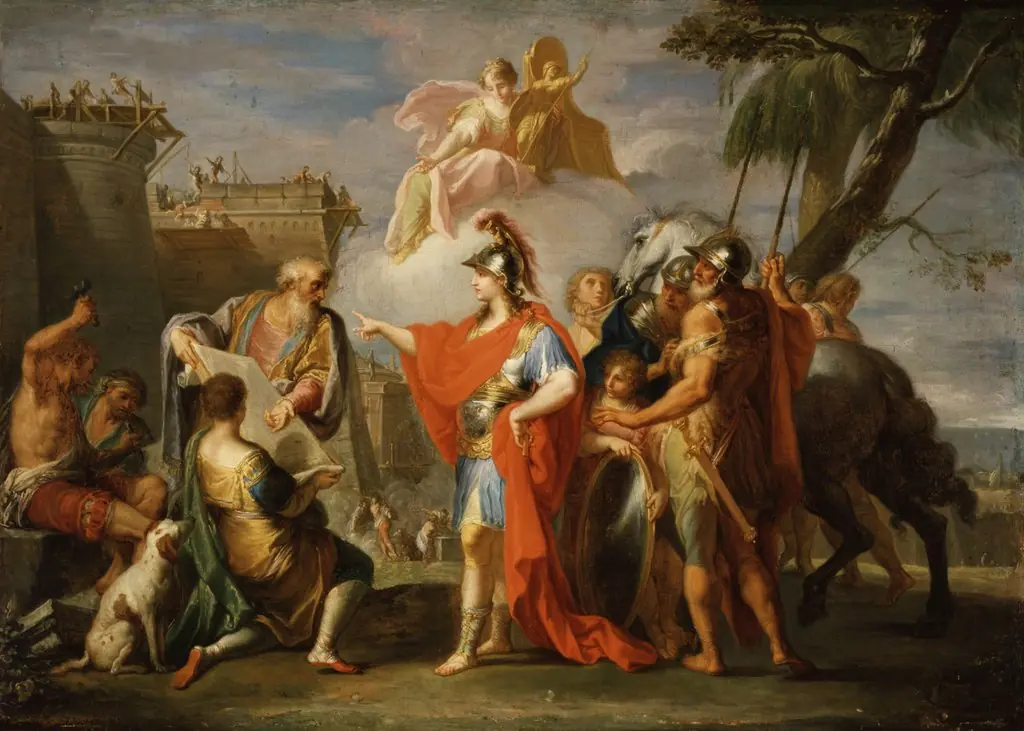 Alexander the Great Founding Alexandria
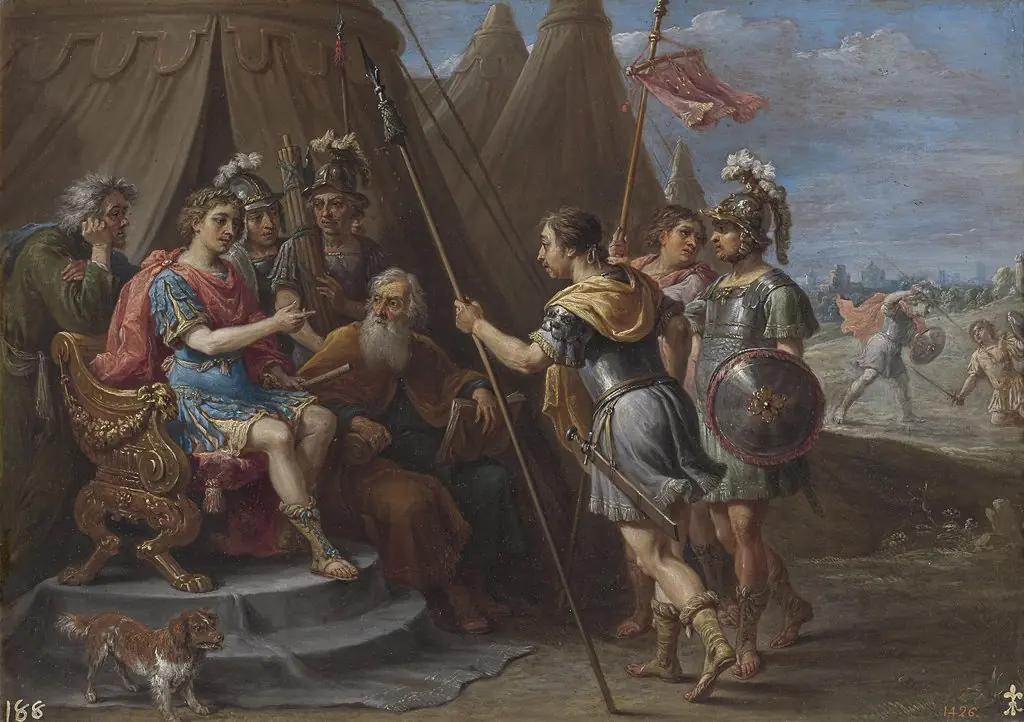 Godofredo y el Consejo escuchan la demanda de Armida
 Magnanimity of Scipio
 Messengers of Godfrey of Bouillon in Gardens of Armida
- Carlo and Ubaldo Resisting the Enchantments of Armida's Nymphs