Artwork
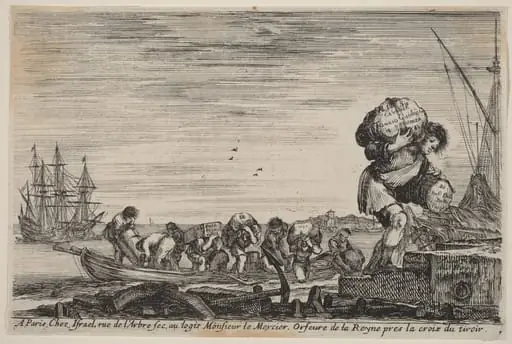
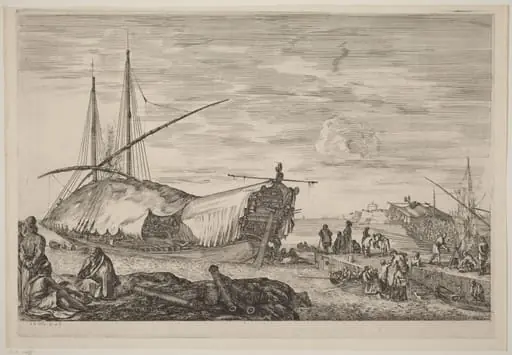
Galley Slave Hauling a Ship's Cargo
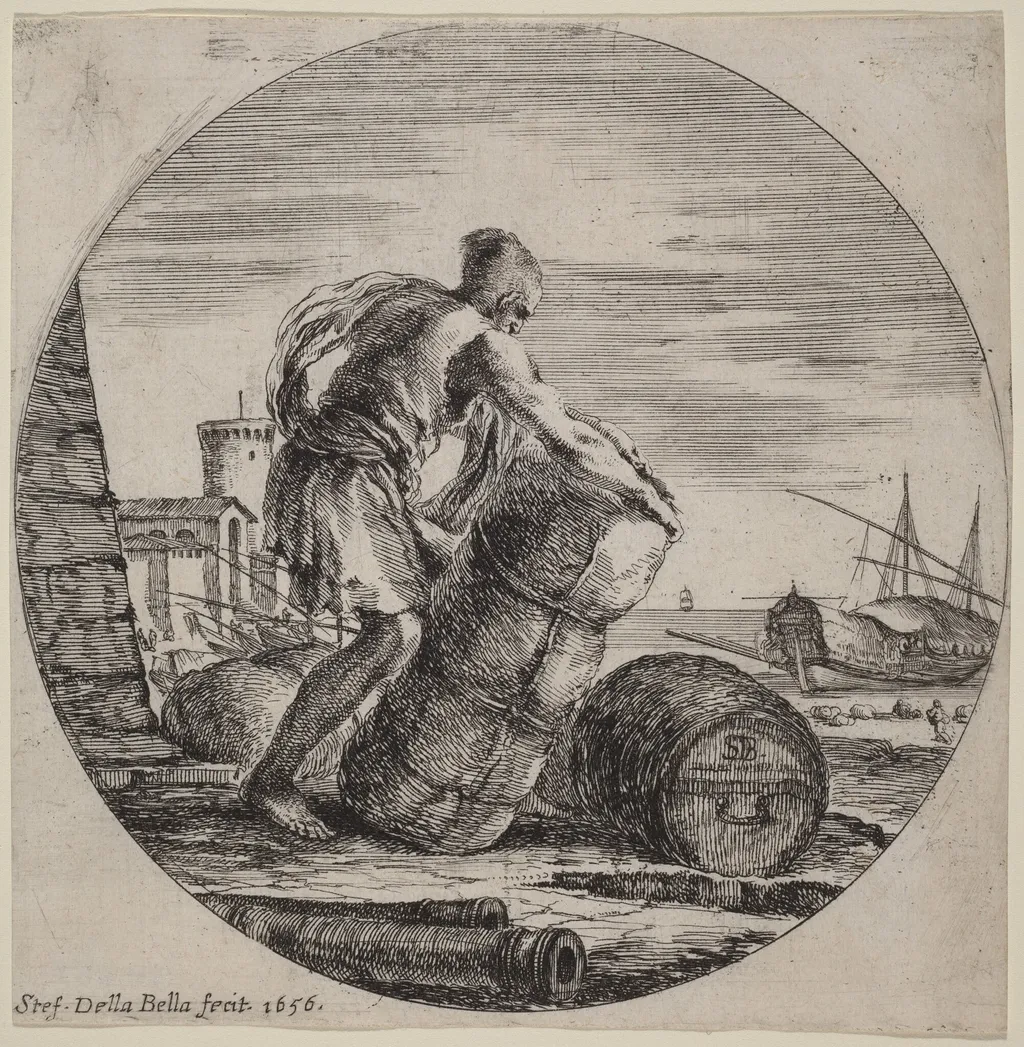
Galley Slave Hauling a Ship's Cargo is an ink print by the Baroque artist Stefano Della Bella. It dates from 1656 and is held in the collection of the National Gallery of Art.
- Inscription
- Inscribed:lower left in plate: Stef. Della Bella fecit. 1656.; lower right in plate (on barrel): SDB (in monogram); by later hand, lower right verso in graphite: de V.-M. 747/IIl by later hand, center verso in graphite: 4
About this work
Overview
Created in 1656 by the Florentine artist Stefano della Bella, this etching captures a moment of physical exertion aboard a ship. Executed on laid paper, the work is one of over a thousand prints produced by della Bella during his career. It belongs to a broader body of maritime imagery he developed, focusing on the unseen labor that sustained naval and commercial operations in the 17th century.
Subject & Meaning
The image does not idealize labor but presents it as relentless and dehumanizing, reflecting the realities of forced work in Mediterranean maritime economies.
The print depicts a single enslaved laborer straining to move a massive barrel across a ship’s deck. His contorted posture and taut limbs convey the brutal physicality of his task. The surrounding ships, buildings, and distant tower suggest a bustling port, yet the figure remains isolated in his suffering.
The image does not idealize labor but presents it as relentless and dehumanizing, reflecting the realities of forced work in Mediterranean maritime economies.
Technique & Style
Della Bella employed etching to achieve sharp, incised lines that hold deep ink, producing strong contrasts between shadow and form. The figure’s musculature and the barrel’s weight are rendered with precise, angular strokes, while the background elements are suggested with economical, dark linework. The technique allows for both detail and atmosphere, emphasizing texture and tension without excessive shading, characteristic of his draftsmanship.
History & Provenance
The print was made during della Bella’s mature period in Florence, following his time in Paris and Rome. Though no specific early ownership records are documented, the work aligns with his broader output of observational prints, often circulated among collectors and scholars. It was likely produced for private audiences interested in the social and physical dimensions of maritime life rather than for public display.
Context
In mid-17th century Italy, galley slavery was still common, particularly in coastal states like Tuscany and Venice, where oared warships relied on captive labor. Della Bella’s image reflects a broader European awareness of human exploitation in naval systems. Unlike grand historical scenes, his focus on an anonymous worker signals a shift toward documenting everyday hardship, a trend emerging in print culture of the period.
Legacy
Della Bella’s etching contributed to a genre of printmaking that elevated labor as a subject worthy of artistic attention. While not widely reproduced in his lifetime, the work influenced later artists interested in social realism. Its unembellished depiction of suffering stands as a quiet counterpoint to the grand narratives of power and triumph common in Baroque art.
Own this work as a print
Artist & collection
Artist
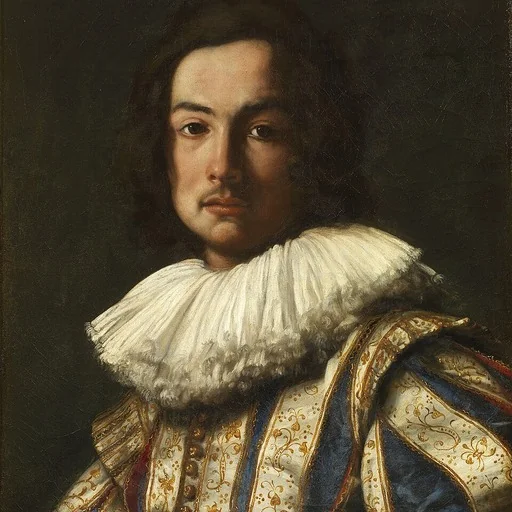
Stefano della Bella (18 May 1610 – 12 July 1664) was an Italian draughtsman and printmaker known for etchings of a great variety of subjects, including military and court scenes, landscapes, and lively genre scenes.

![The Flight into Egypt [verso], by Stefano Della Bella](https://artifactworldgallery.com/img/stefano-della-bella--the-flight-into-egypt-verso--3a100db72e6d25e3-w320.webp)
 Title Page for "Views of the Ports of the Sea"
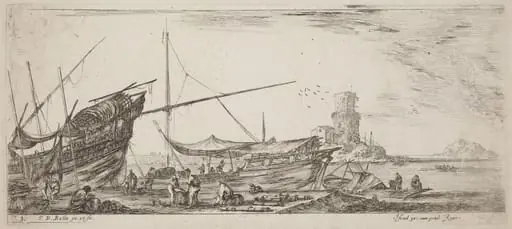 Harbor View
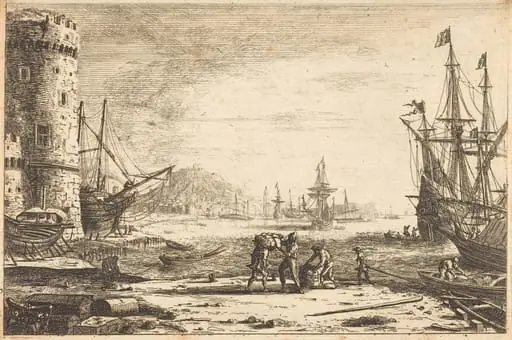 Harbor with a Large Tower (Le Port de mer à la grosse tour)
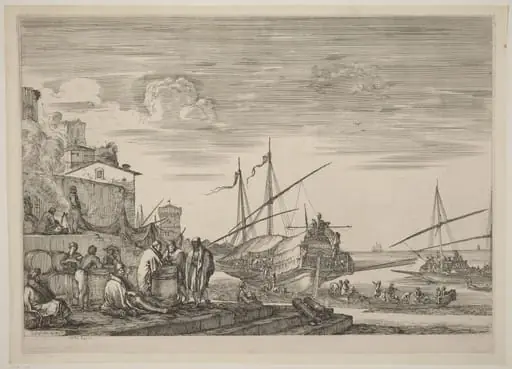 View of Several Houses Facing the Port
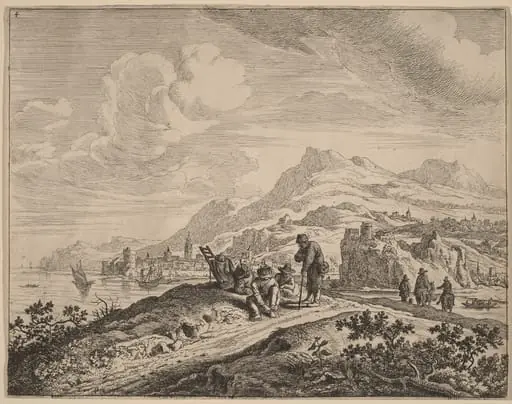 View of the River Rhine
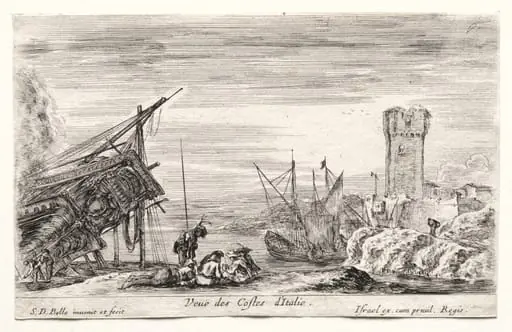 Views of Sea Ports: View of the Italian Coast
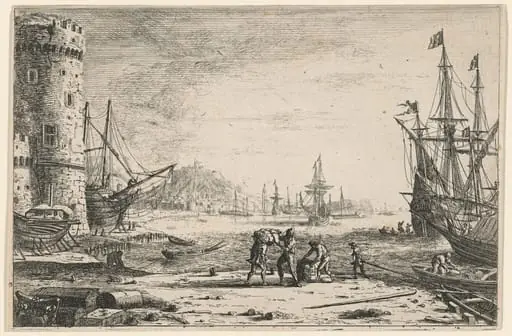 Harbor with a Large Tower (Le Port de mer à la grosse tour)
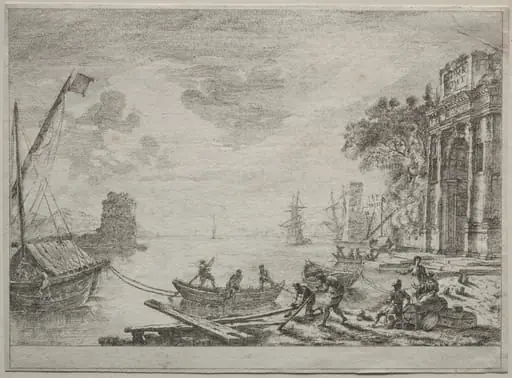 The Sunset
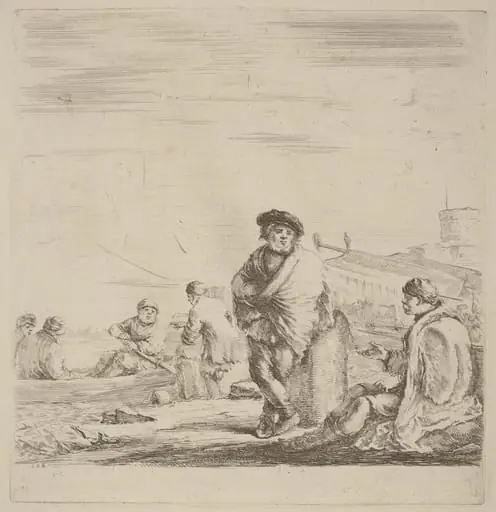 Standing Sailor Talking with a Seated Levantine
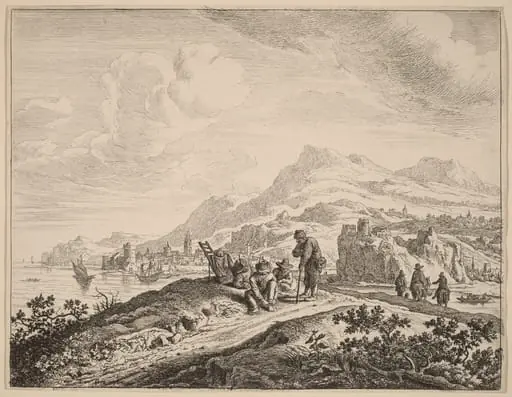 View of the River Rhine
 Galley with Deck Covered with Sails
- Seaport with Two Turkish Merchants