Artwork
Clipping the Wings of Cupids
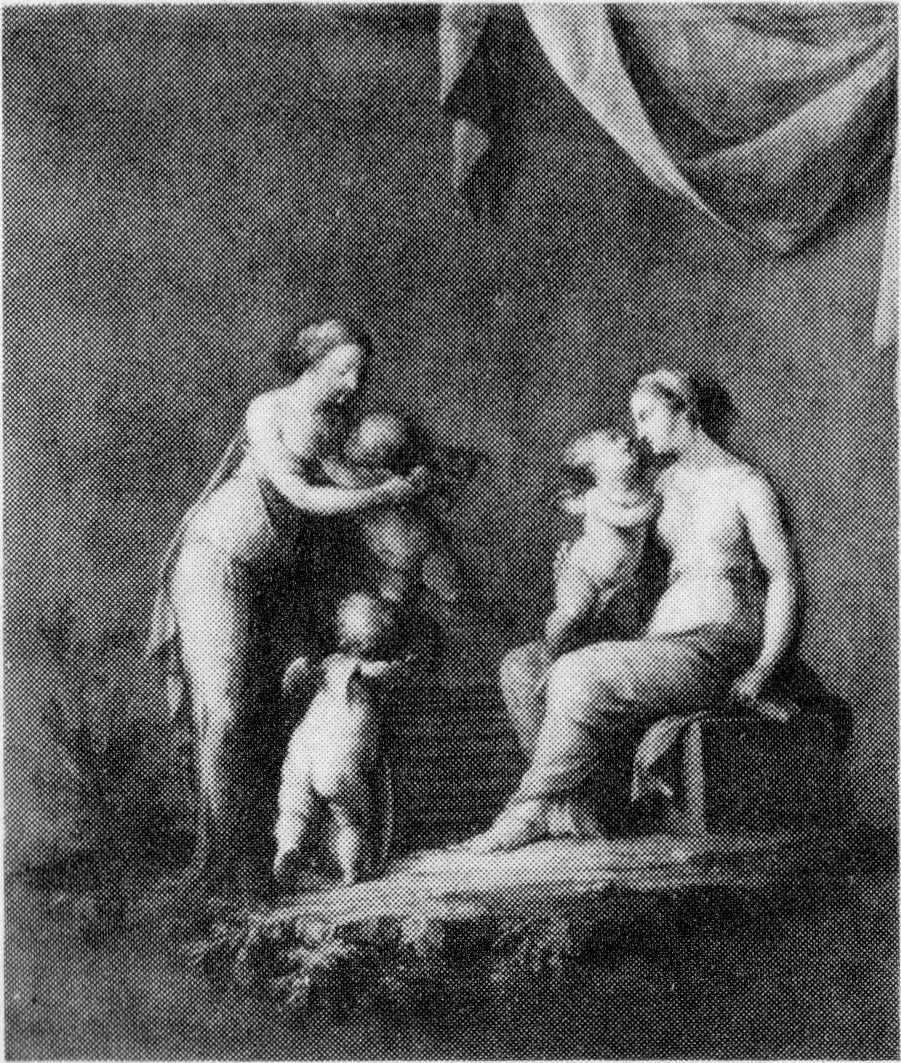
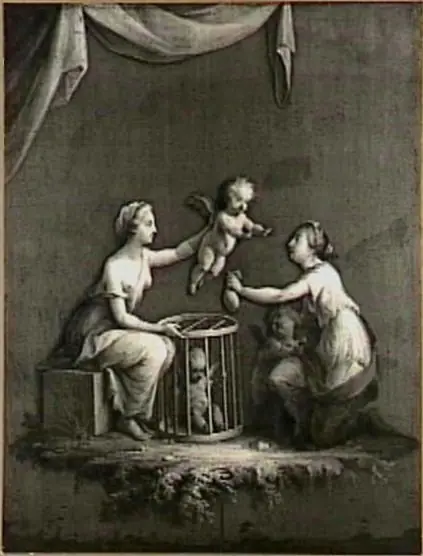
Clipping the Wings of Cupids is an oil painting by the Rococo painting artist Dirk van der Aa. It dates from 1794 and is held in the collection of the Rijksmuseum.
About this work
Technique & Style
Created in 1787 by Dirk van der Aa, Clipping the Wings of Cupids is a mythological painting executed in oil paint on canvas. The work measures 114 cm in height and 98 cm in width. As a piece classified within the painting genre, it utilizes traditional materials to depict its allegorical subject matter.
History & Provenance
The subject matter is classified as a mythological painting, consistent with the artist's genre focus during the late eighteenth century.
The oil painting titled Clipping the Wings of Cupids was created by the Dutch artist Dirk van der Aa in 1787. Executed on canvas, the work measures 114 cm in height and 98 cm in width. It is currently held in the collection of the Rijksmuseum in Amsterdam. The piece belongs to the genre of mythological painting.
The painting Clipping the Wings of Cupids by Dirk van der Aa, created in 1787, is held in the collection of the Rijksmuseum. The work is executed in oil on canvas and measures 114 cm in height by 98 cm in width. While the artwork is confirmed to be part of the museum's holdings, the provided sources do not specify an inventory or accession number, nor do they list any exhibition history for this piece.
The subject matter is classified as a mythological painting, consistent with the artist's genre focus during the late eighteenth century.
Overview
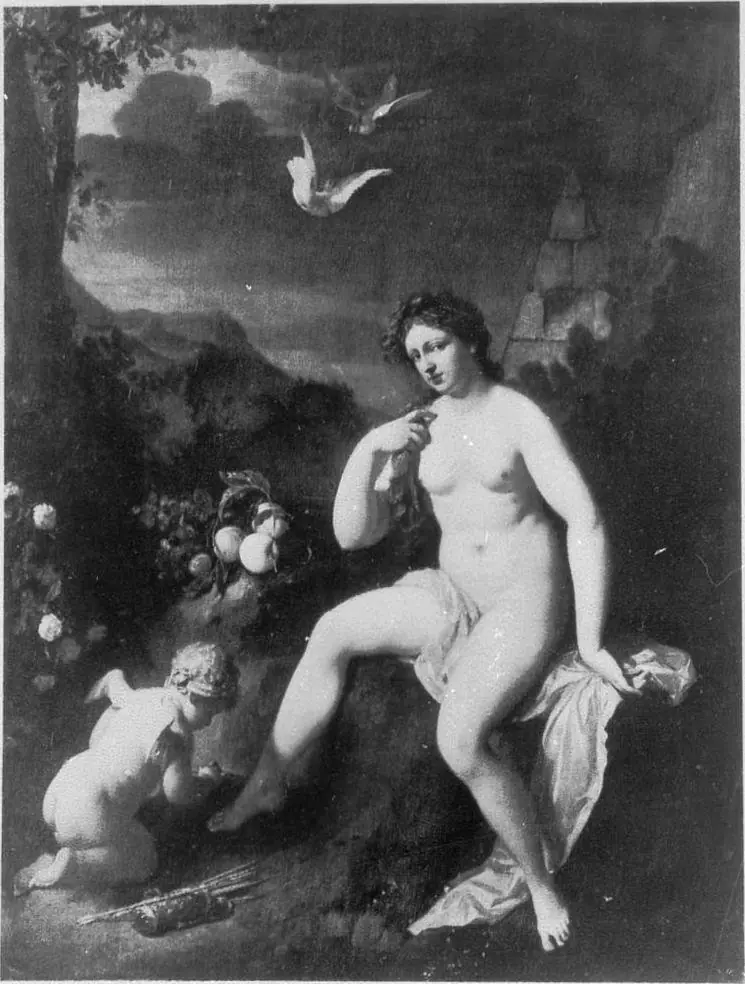
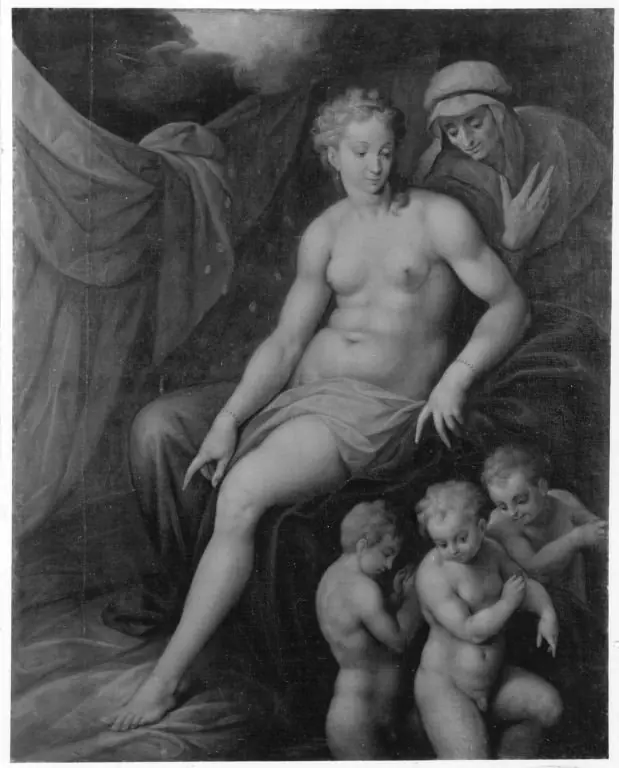
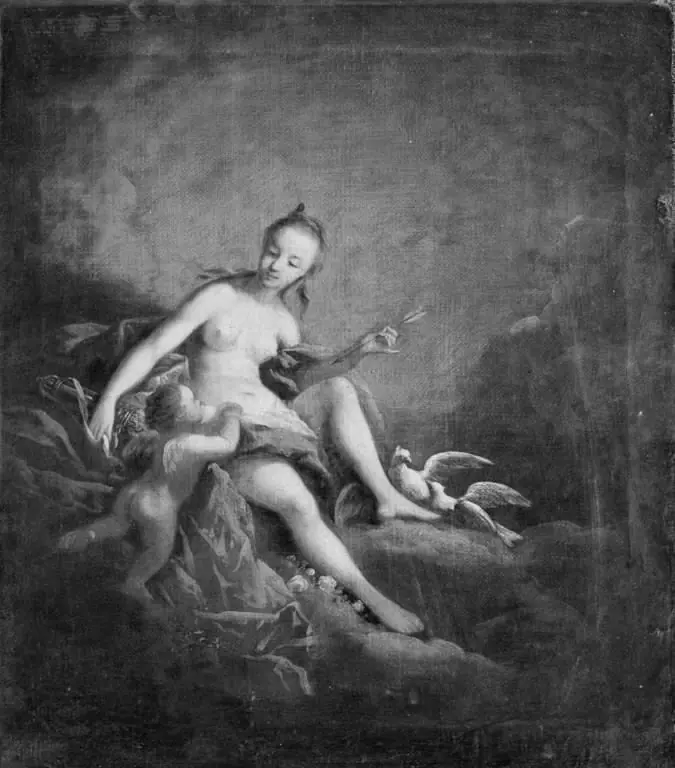
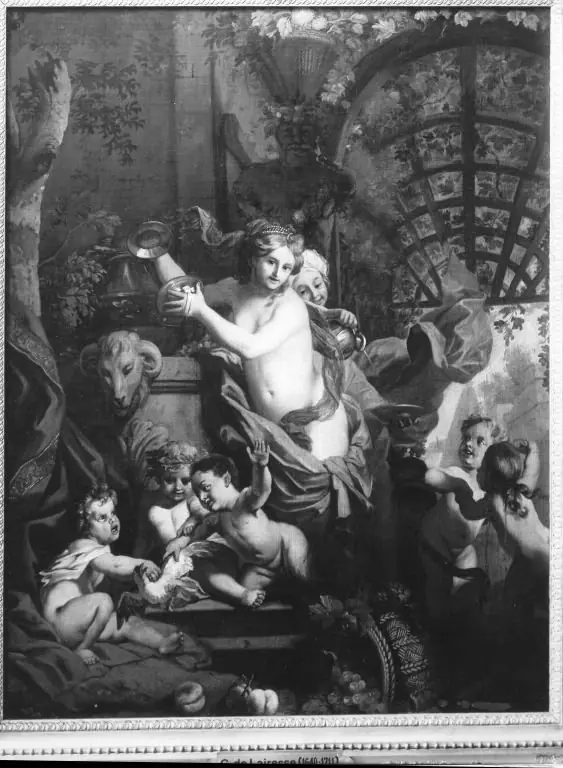
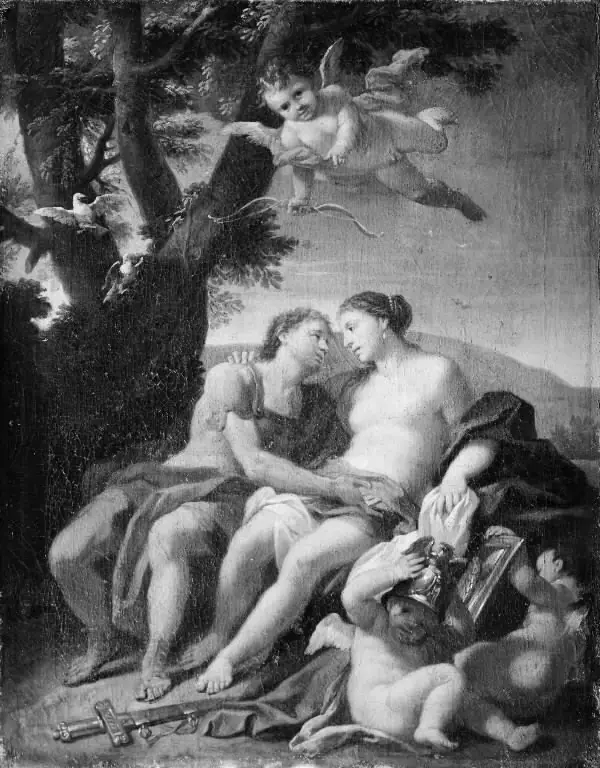
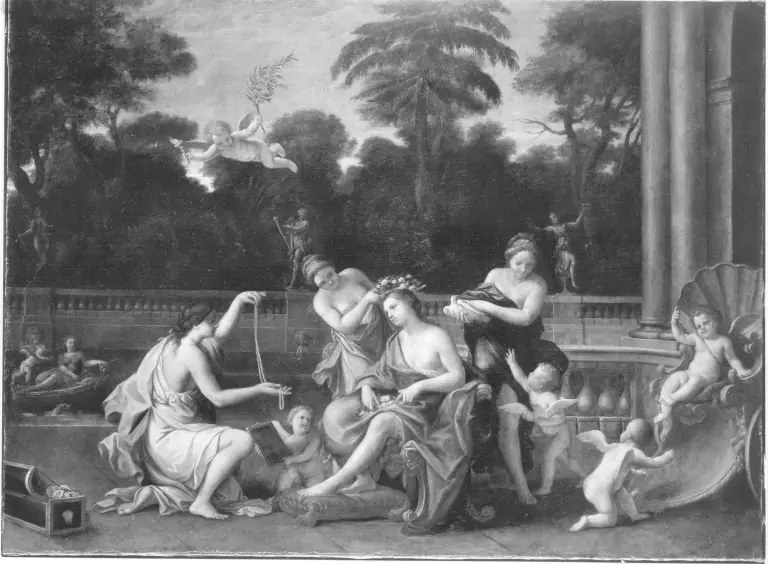
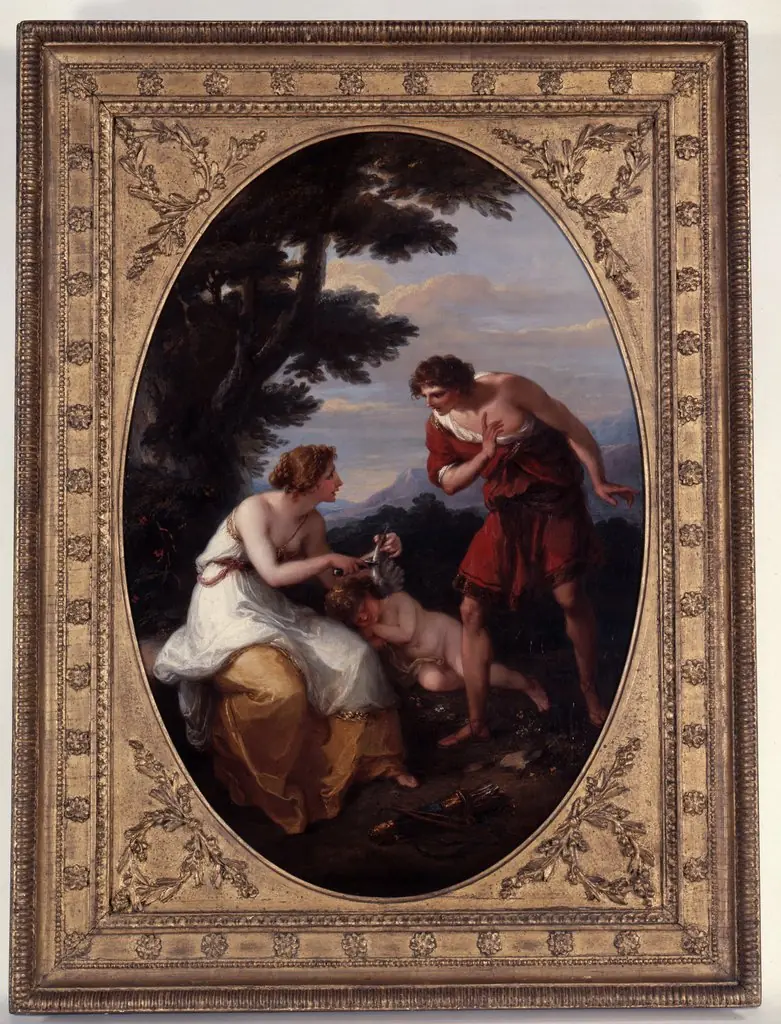
Dirk van der Aa’s 1794 oil on canvas, titled Clipping the Wings of Cupids, is part of the Rijksmuseum’s collection. The work depicts an interior scene illuminated from the left, where a small group, two women and a man, gaze attentively at a central action. The composition is rendered with a high degree of naturalism, emphasizing the tactile details of period costume and objects.
Subject & Meaning
The painting draws on a mythological motif in which the wings of cupids are removed, symbolising the suspension of love’s influence. In the scene, a woman on the left cradles an infant while the man holds a diminutive object, likely the severed wings, and the woman on the right watches him intently, suggesting a narrative of control over desire.
Artist & collection