Artwork
Saint Jerome

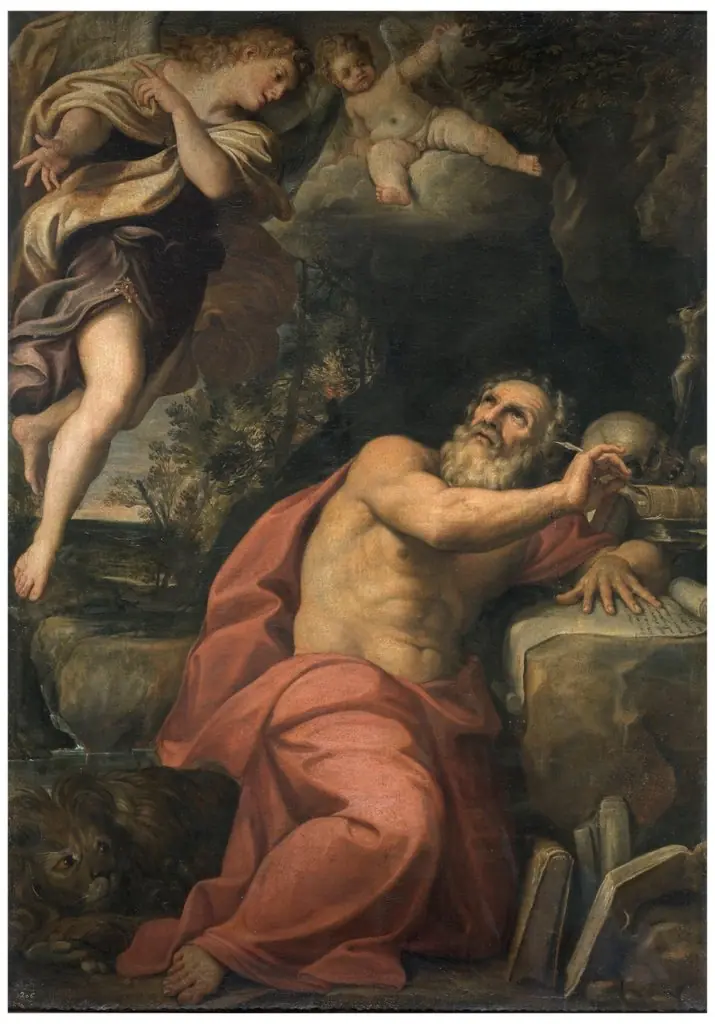
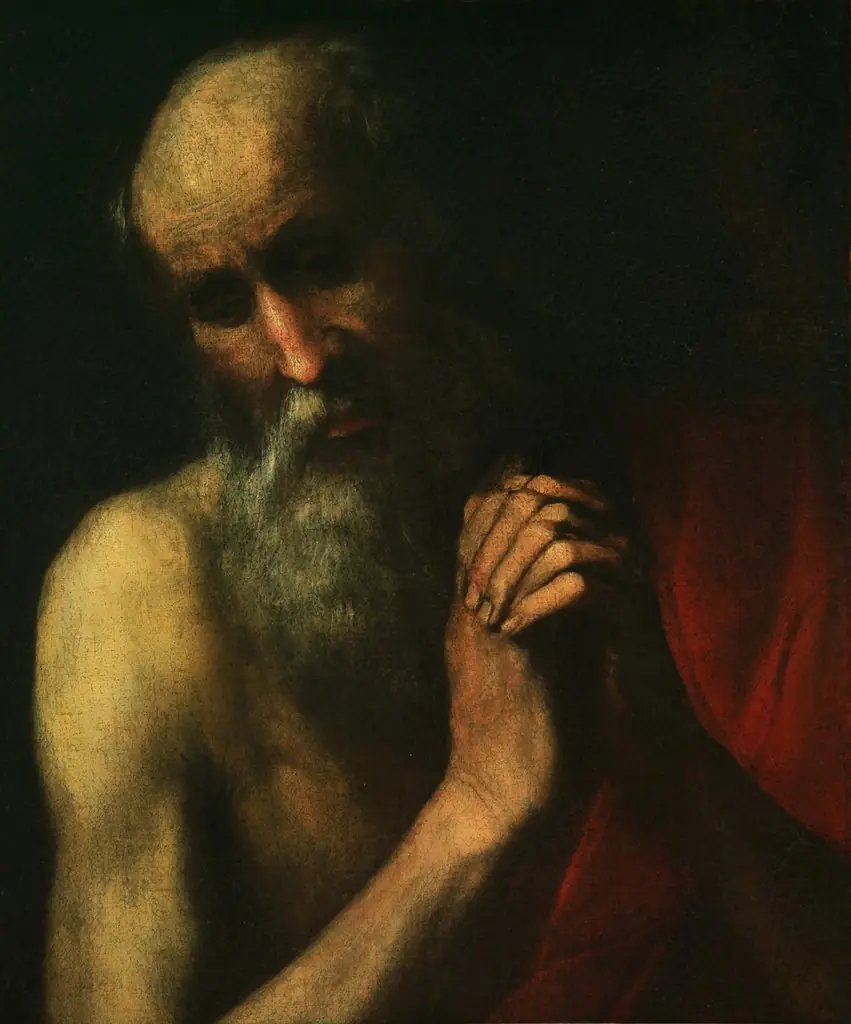
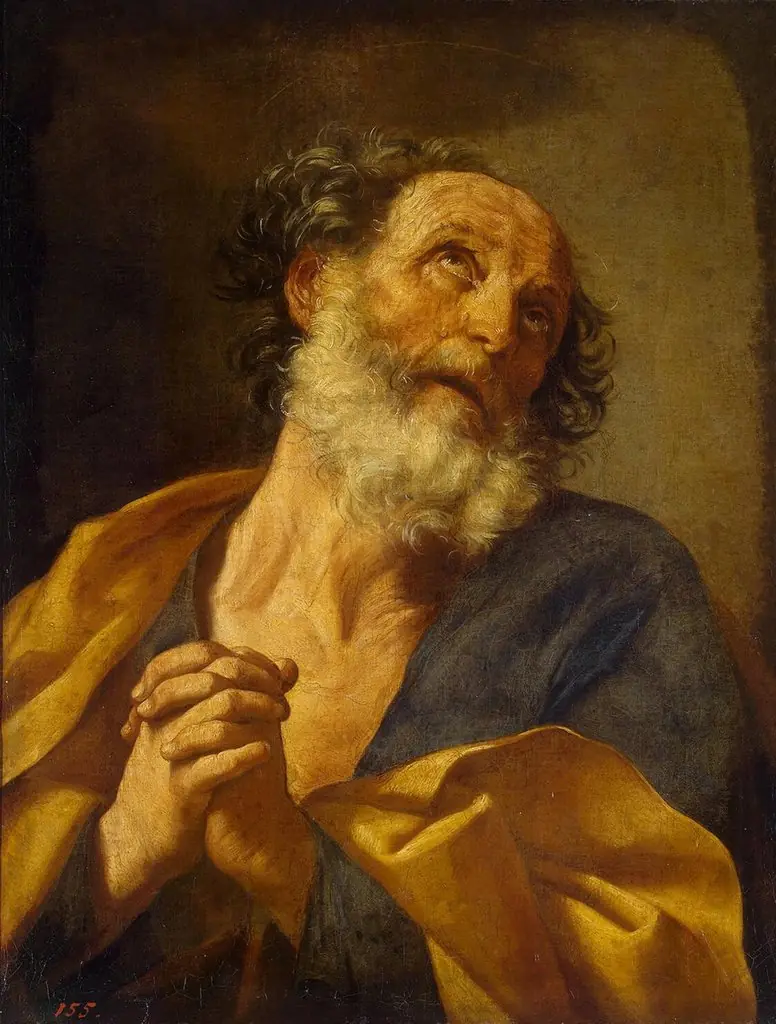
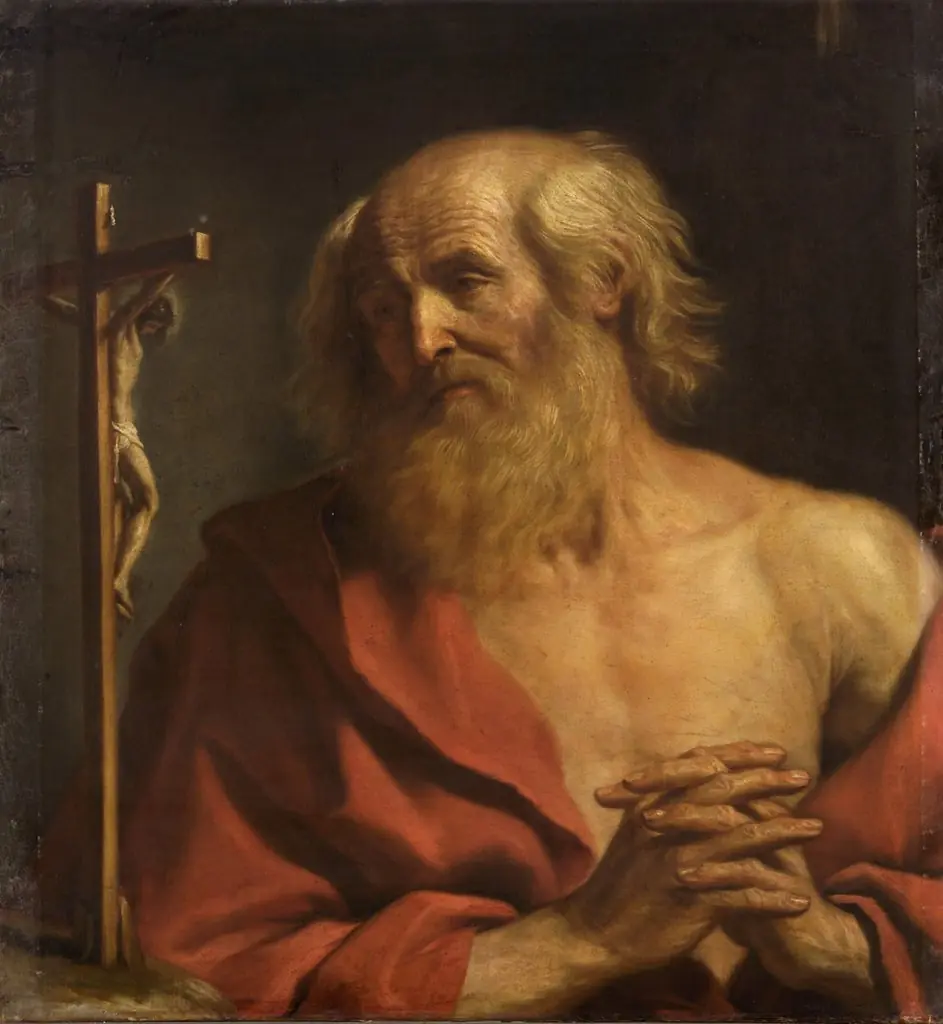
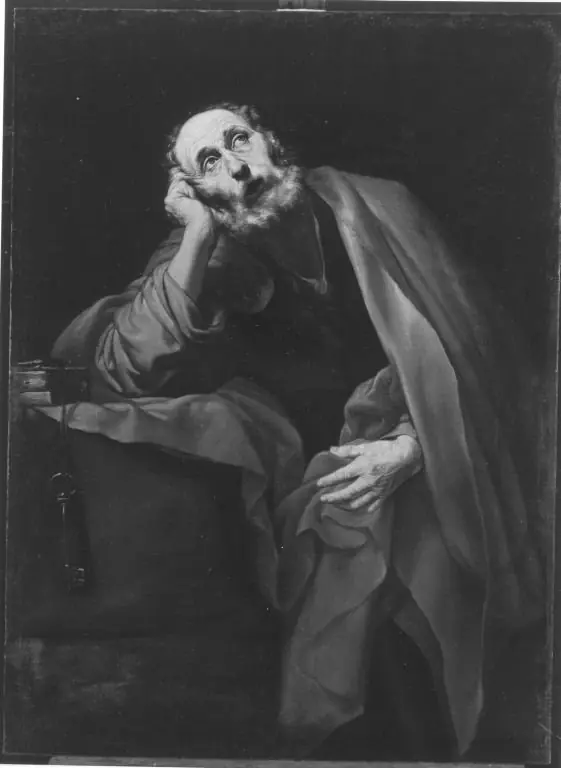
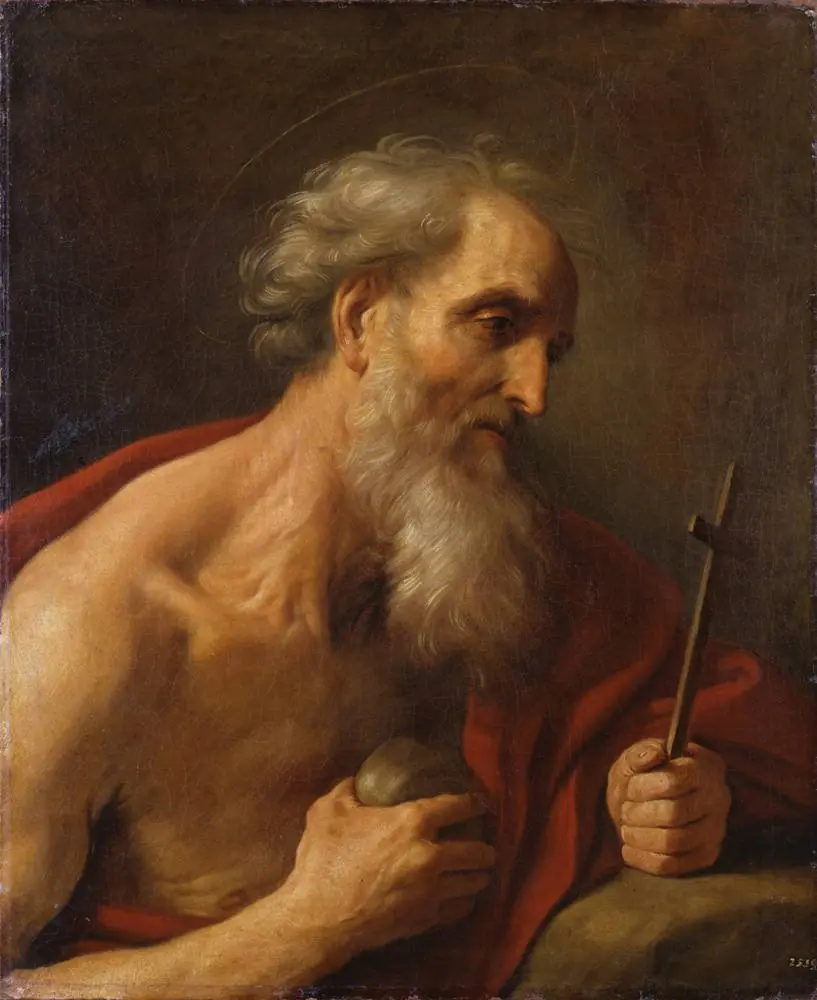
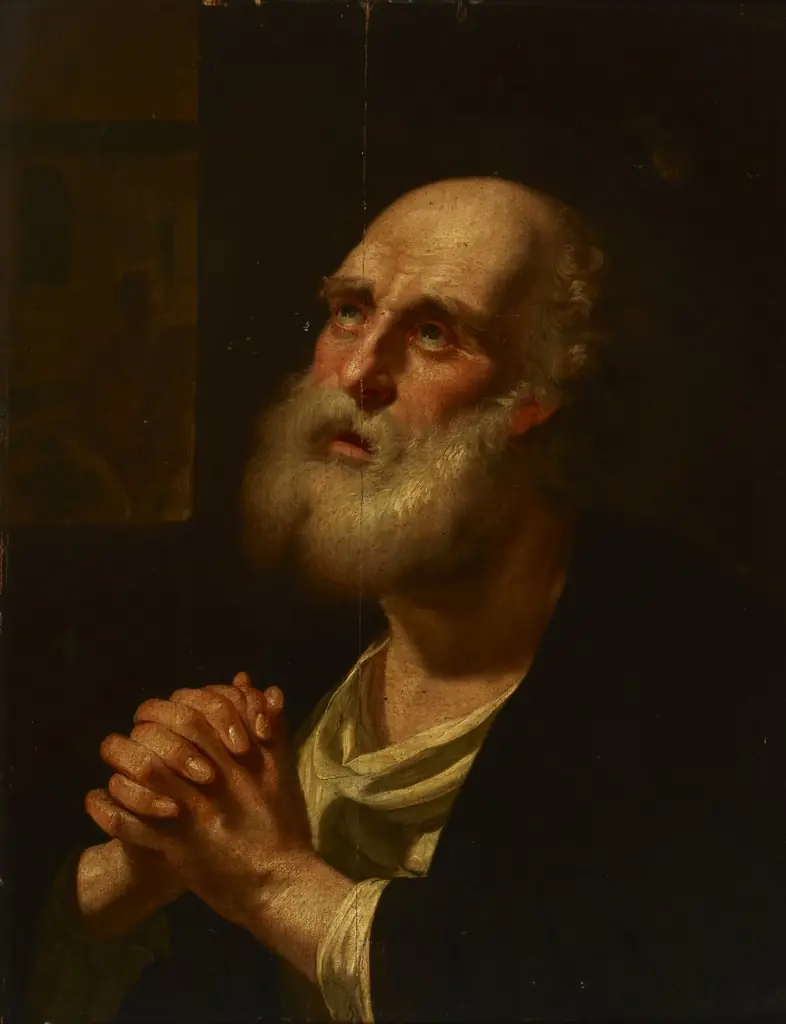
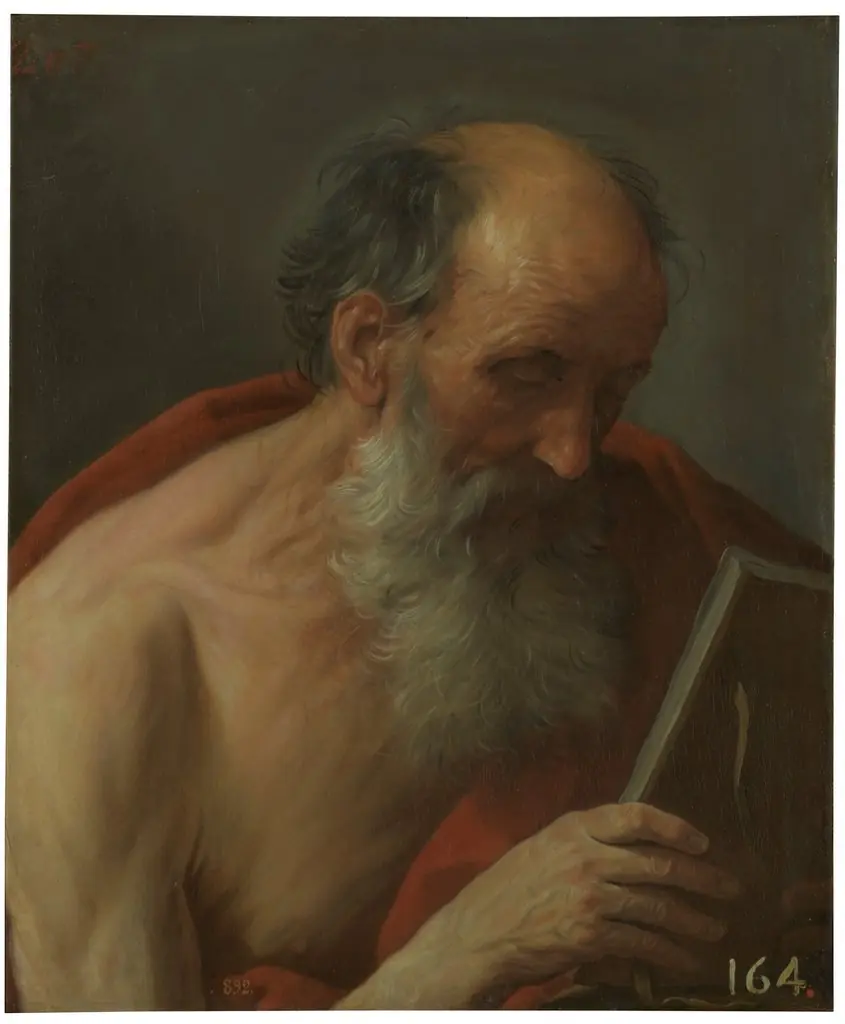
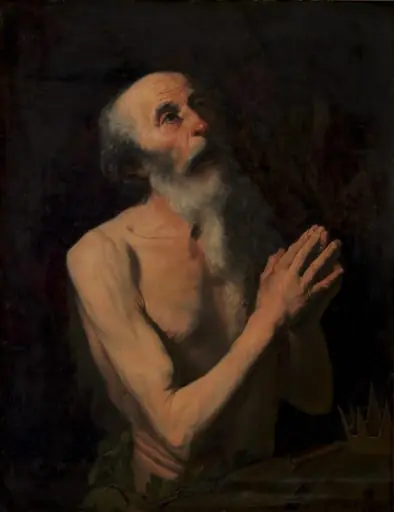
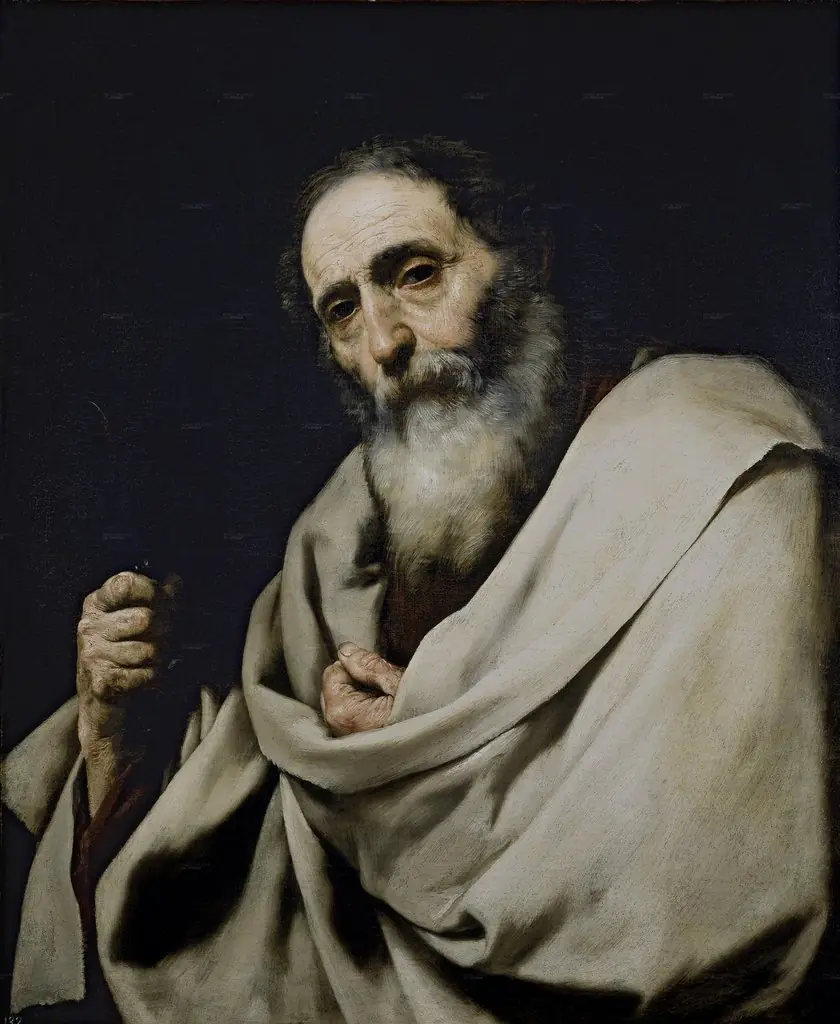
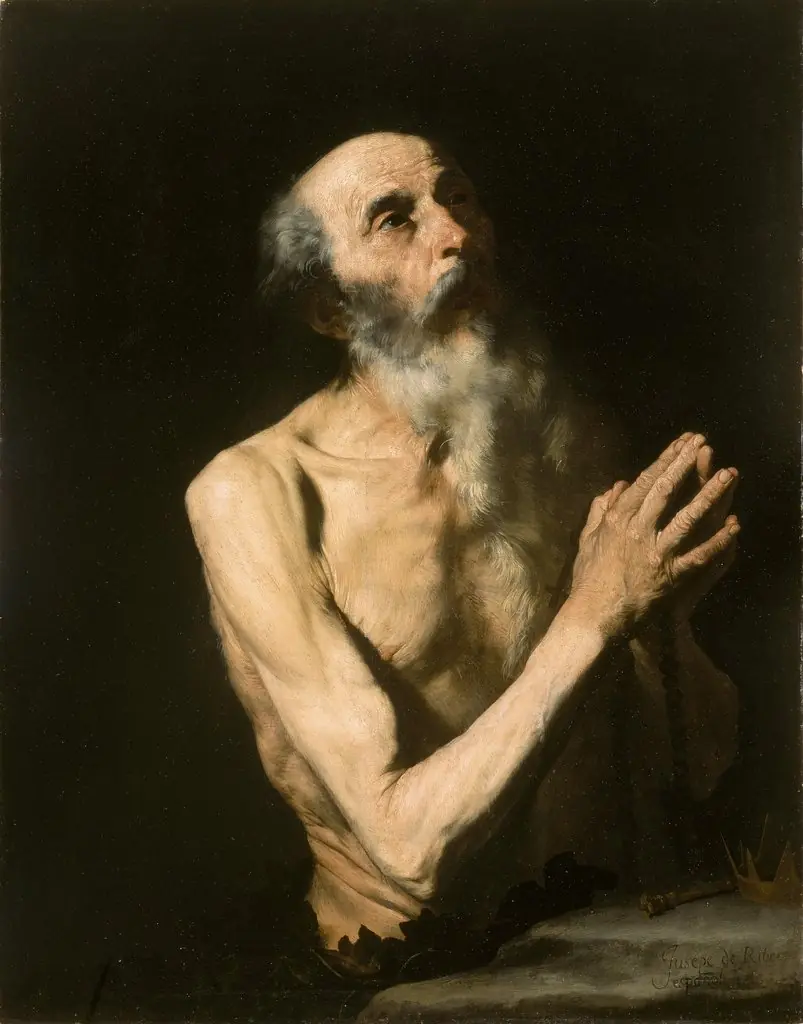
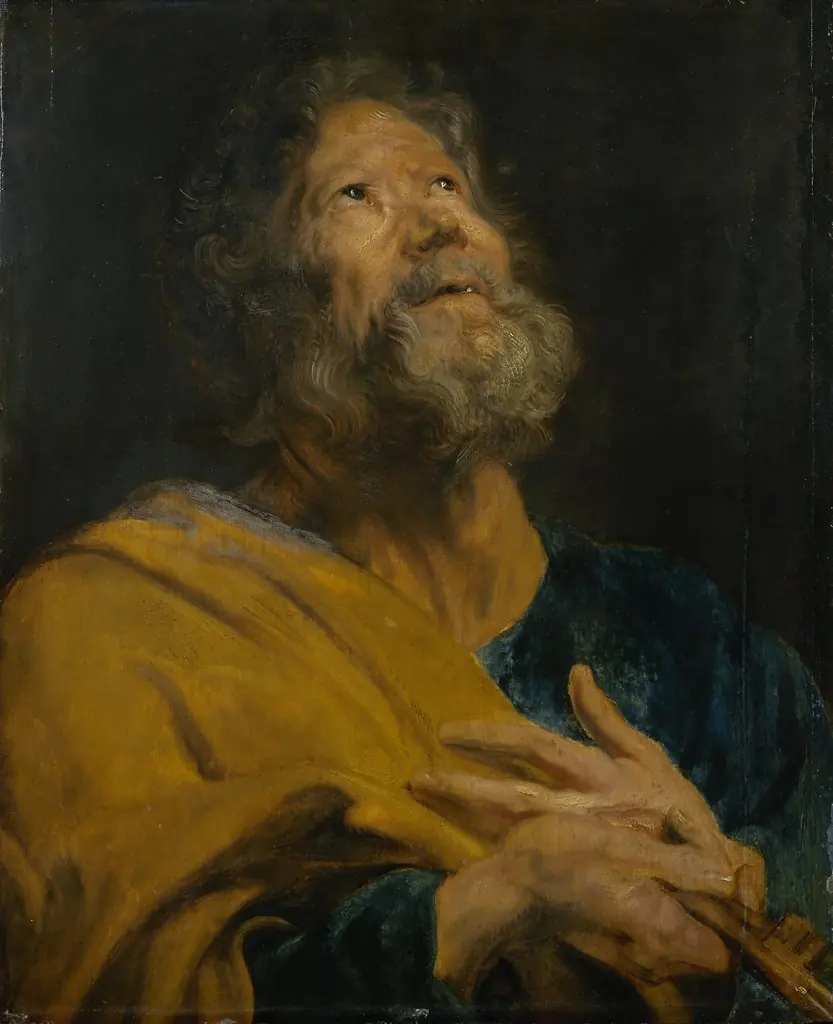
Saint Jerome is an oil painting by the Early Baroque Italian artist Domenichino. It dates from 1618 and is held in the collection of the Statens Museum for Kunst.
About this work
Subject & Meaning
The composition centers entirely on Jerome, presenting him as the sole focus of the visual narrative.
The painting depicts the religious figure Saint Jerome, identified as the main subject of the work. Created by Domenichino in 1618, the artwork falls within the genre of religious art. The composition centers entirely on Jerome, presenting him as the sole focus of the visual narrative.
As a religious painting, the work represents the veneration of this specific saint. The depiction aligns with the traditional iconography associated with Jerome in religious contexts, utilizing the medium of oil on canvas to convey the spiritual significance of the subject.
Technique & Style
Domenichino's Saint Jerome, painted in 1618, is executed in oil on canvas, measuring 968 cm in height and 732 cm in width. The work depicts the saint in a contemplative pose, rendered with a restrained palette and precise brushwork that emphasizes chiaroscuro and anatomical clarity. The canvas support shows signs of aging, with a slightly yellowed surface and fine craquelure consistent with its age, though the paint layer remains largely intact and securely adhered.
Formal analysis highlights the balanced composition, the subtle gradation of tones in the drapery, and the naturalistic rendering of the figure's expression, reflecting the tenets of classicizing Baroque style.
The painting's condition is stable, with conservation records indicating minimal intervention; the handling history is limited to standard museum practices, and the work is currently displayed in the Statens Museum for Kunst.
History & Provenance
Saint Jerome is an oil painting by Domenichino dated to 1618, according to both the corpus record and the Wikidata entry for the work. The Wikidata source specifies a precise inception date of 1 January 1618 and describes the painting as executed in oil on canvas, with recorded dimensions of 968.0 in height and 732.0 in width.
The sources do not document a commission, a specific patron, or a creation history beyond the 1618 date. Likewise, no provenance or ownership chain is recorded in the provided material; the only collection-level information available is that the work is held by the Statens Museum for Kunst, with no earlier owners, acquisitions, or transfers noted.
On the basis of the supplied sources, the documented history is limited to the 1618 dating, the medium and support, and the current institutional holding.
Overview
Domenichino’s Saint Jerome, executed in oil in 1618, belongs to the early Baroque period in Italy. The work portrays the venerable Church Father in a stark, dramatic composition that emphasizes the intensity of his contemplation. It is part of the permanent collection of Denmark’s Statens Museum for Kunst, where it is displayed among other Baroque pieces.
Context
Domenichino, a leading figure of the Bolognese School, was trained under the Carracci and known for integrating classical composition with Baroque vigor. Saint Jerome reflects his synthesis of academic drawing and theatrical lighting, situating the work within the broader shift toward naturalism and emotional engagement in post‑Renaissance art.

Artist & collection

Artist
Domenico Zampieri (US: Italian:; October 21, 1581 – April 6, 1641), known by the diminutive Domenichino (US: Italian: ) after his shortness, was an Italian Baroque painter of the Bolognese School of painters.