Artwork
St Peter
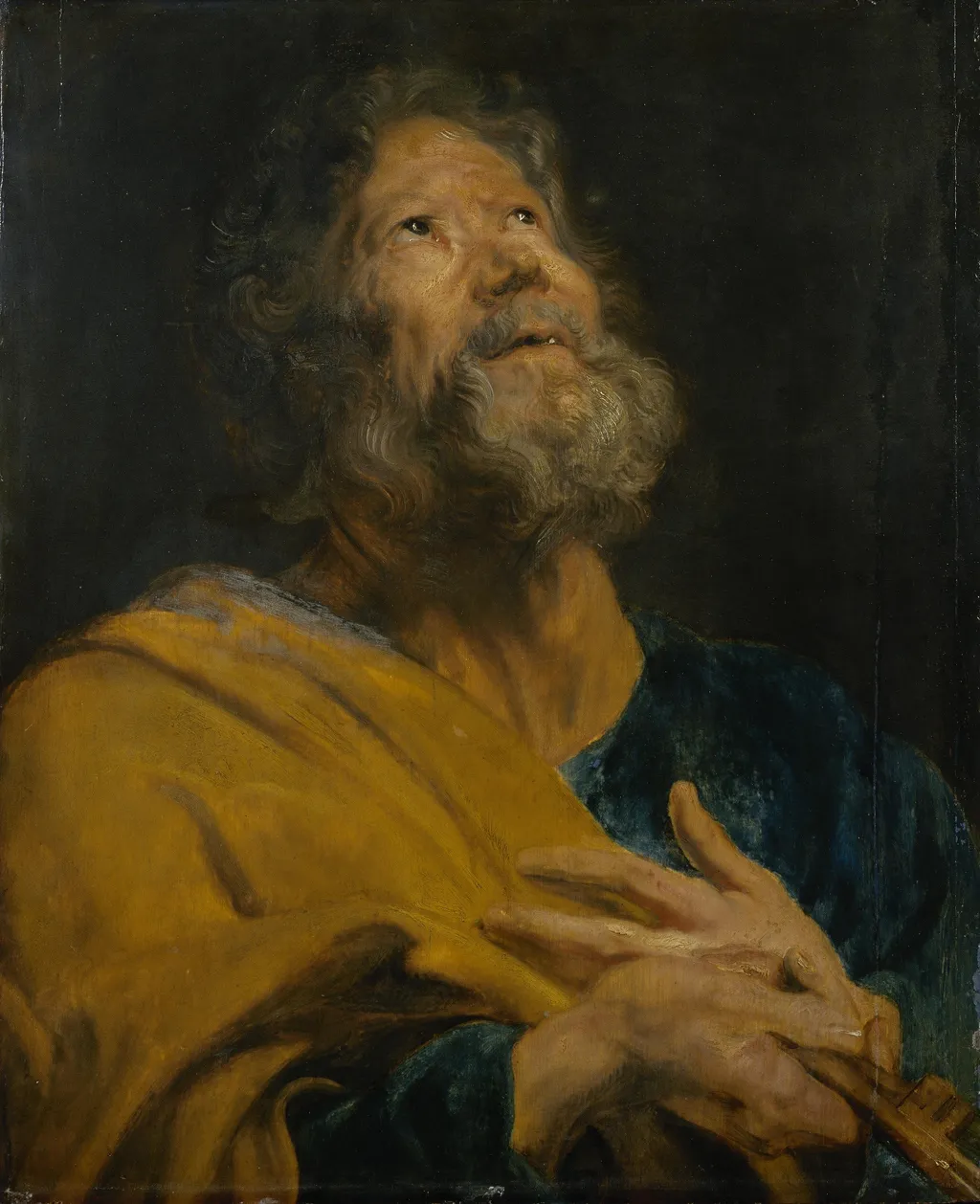
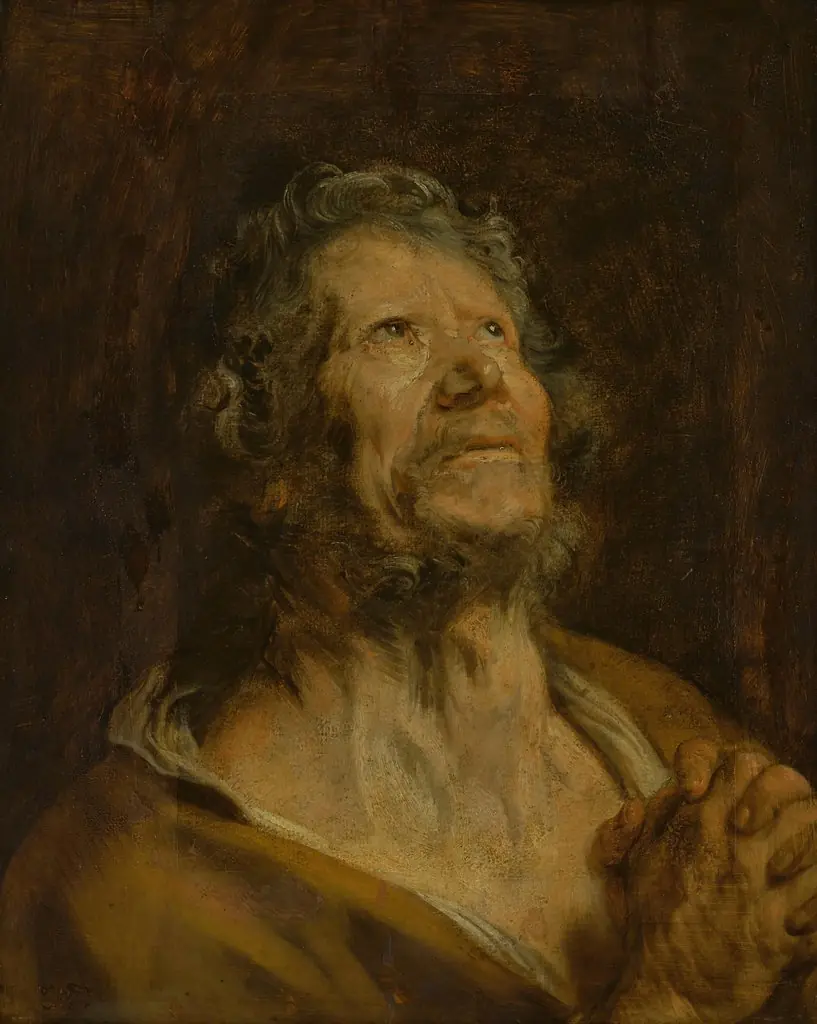
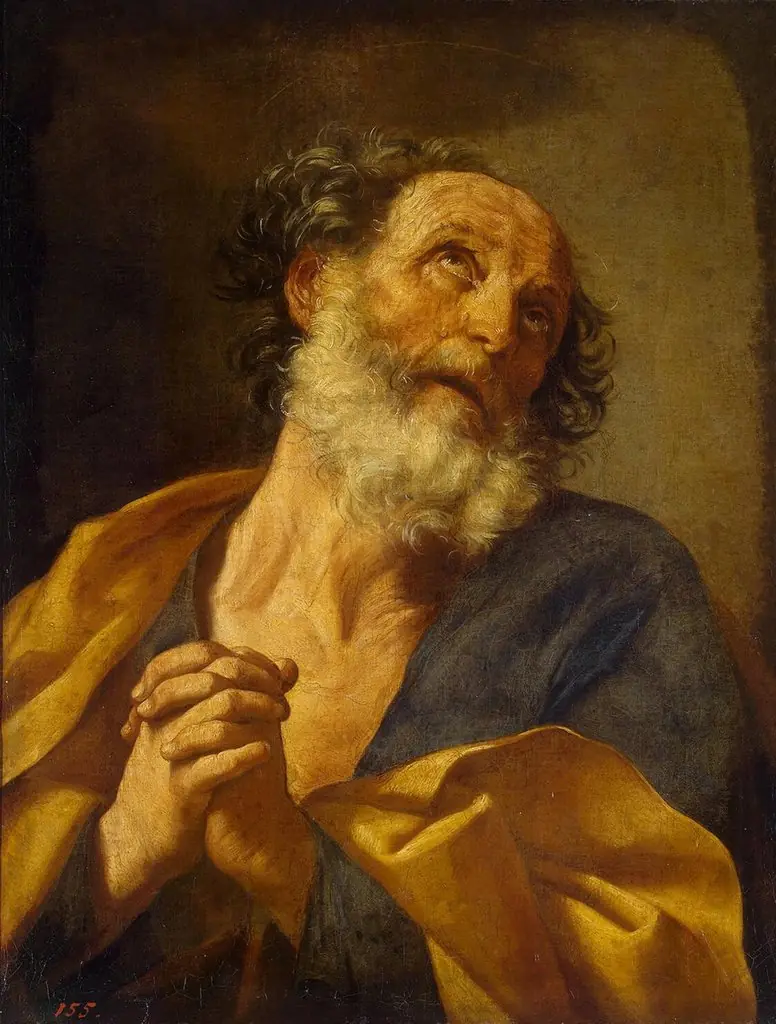
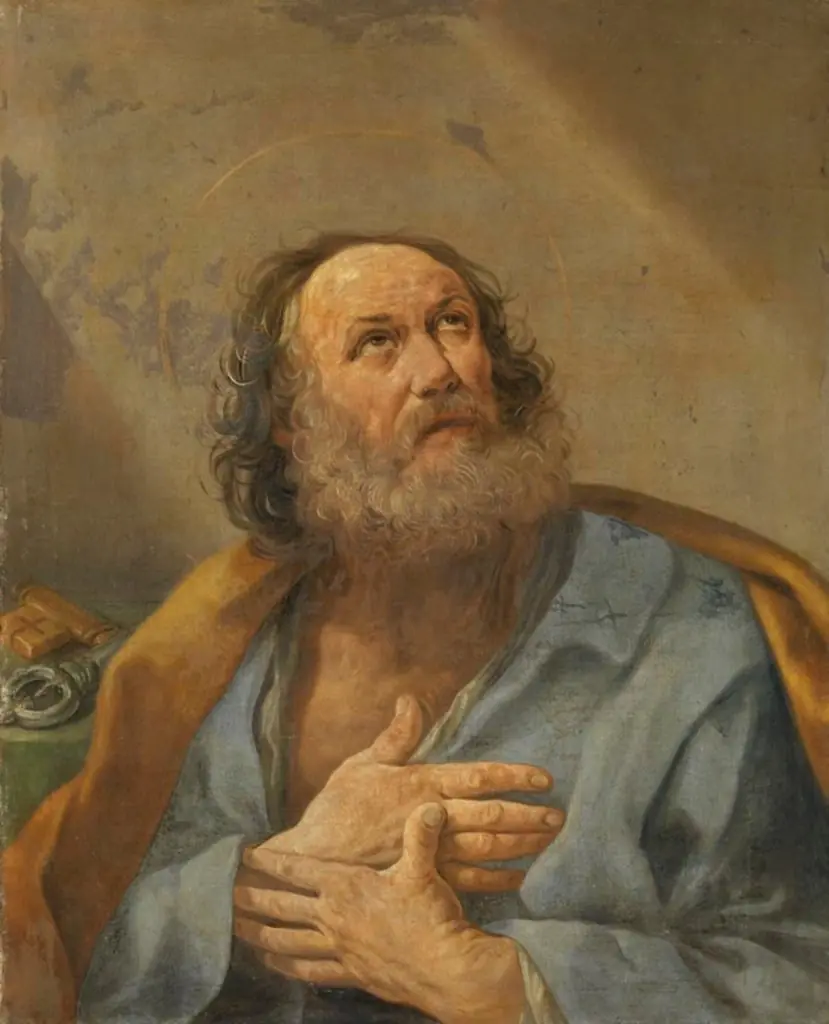
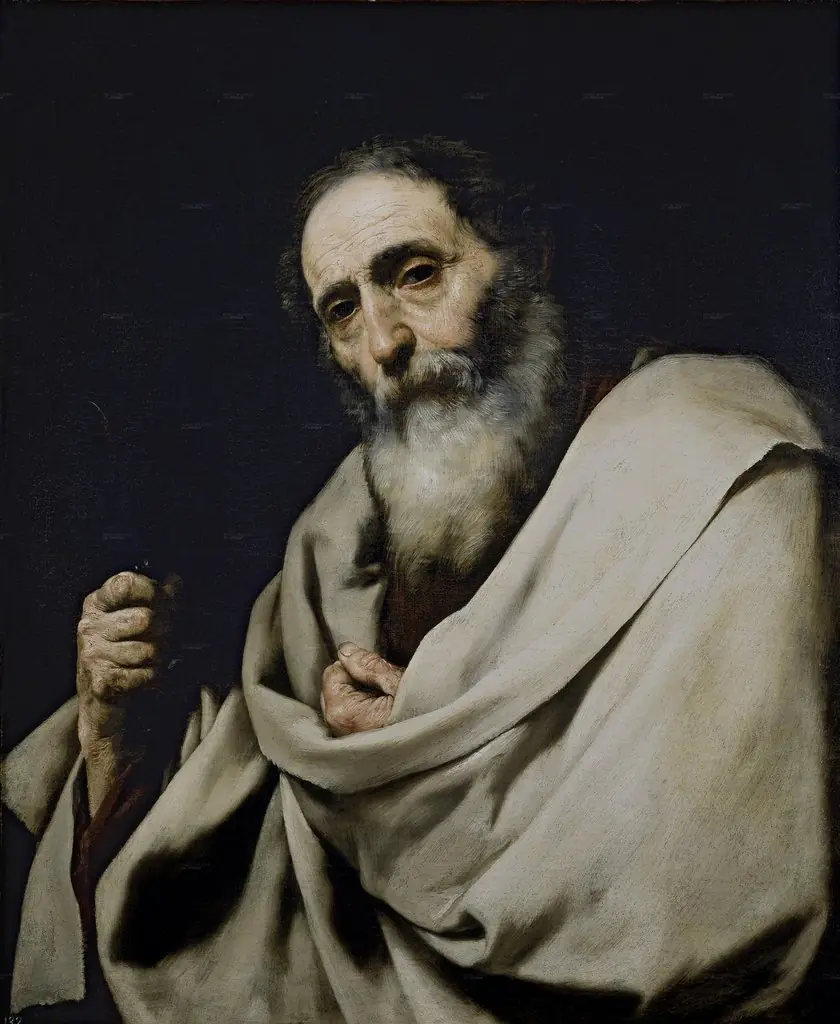
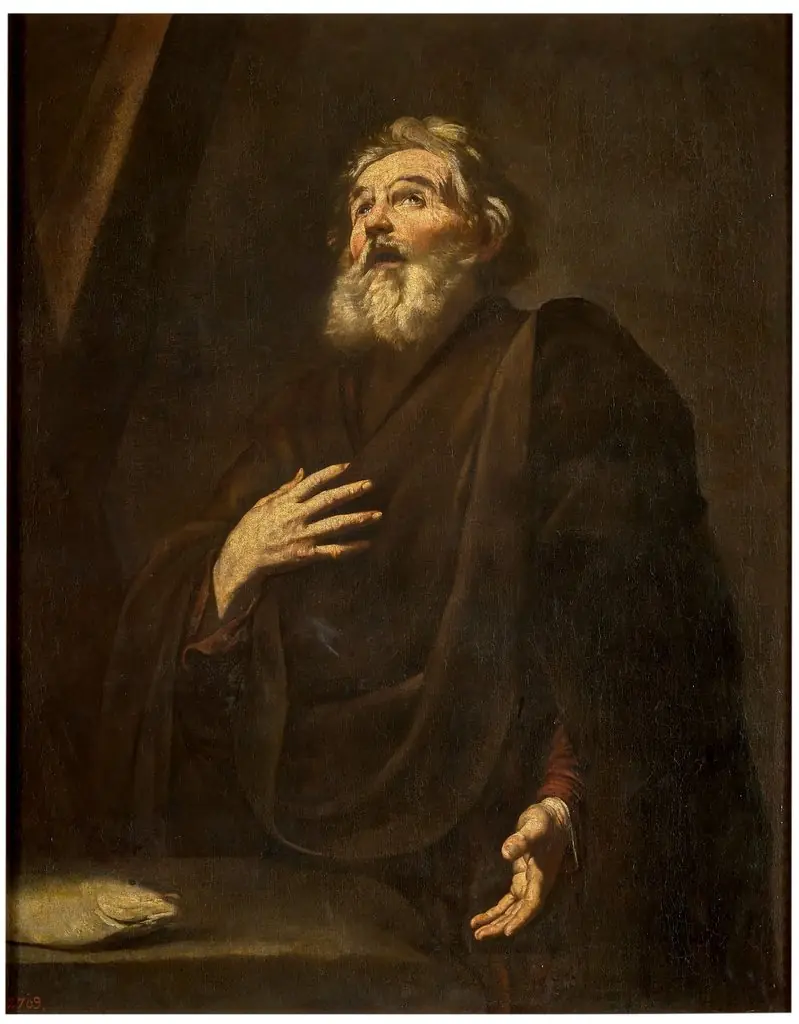
St Peter is an oil painting by the Flemish Baroque painting artist Anthony van Dyck. It dates from 1618 and is held in the collection of the Hermitage Museum.
About this work
Subject & Meaning
He is shown in three-quarter view, identifiable by his bald head, short beard, and aged features, which align with conventional iconography for the apostle.
The subject is Saint Peter, one of the twelve apostles and a central figure in Christian tradition. He is shown in three-quarter view, identifiable by his bald head, short beard, and aged features, which align with conventional iconography for the apostle.
The work emphasizes Peter’s role as a witness and elder of the early Church, conveying spiritual authority and humility. The restrained palette and focused composition focus attention on the sitter’s inward state rather than narrative action, suggesting contemplation of faith or apostolic mission.
Technique & Style
The work is executed in oil paint on a wooden panel, a medium and support typical of early seventeenth‑century Flemish painting. Van Dyck’s handling shows a smooth, controlled brushwork that renders the flesh tones and drapery with subtle modeling, reflecting his training in Rubens’s workshop. Stylistically, the piece functions as a tronie‑like study of Saint Peter, combining a religious subject with a close‑up, half‑length format that emphasizes the apostle’s expressive face and hands.
The painting’s small dimensions (approximately 63 cm × 52 cm) and its modest scale further underscore its intimate, devotional character.
History & Provenance
The painting St Peter was created in 1618 by Anthony van Dyck in Flanders, executed in oil on panel. It portrays Saint Peter and is categorized as a religious work, specifically a tronie. The artwork entered the collection of the Hermitage Museum, where it remains on display.
The piece was commissioned by an unknown patron, likely a private individual or institution connected to the Flemish art market of the period. Its creation corresponds to the early phase of van Dyck’s career, during which he produced several religious subjects before moving to England. The work’s provenance is documented through its acquisition by the Hermitage Museum, establishing a clear chain of ownership from its original commission to its current institutional custody.
Overview
Created in 1618, this oil painting titled St Peter presents the apostle in a contemplative pose. The work measures a modest size and is part of the State Hermitage Museum’s collection. Rendered in the Flemish Baroque idiom, it reflects the early‑seventeenth‑century aesthetic that Van Dyck cultivated after his apprenticeship with Rubens.
Context
Executed during Van Dyck’s early independent period, the work reflects the influence of his former master Rubens yet demonstrates his own developing portraiture style. The emphasis on psychological depth and refined handling of light anticipates the later courtly portraits for which Van Dyck would become renowned.
Own this work as a print
Artist & collection
Artist
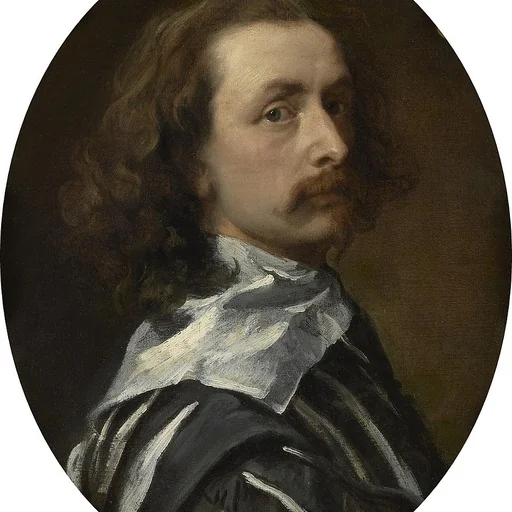
Sir Anthony van Dyck (; Dutch: Antoon van Dijck; 22 March 1599 – 9 December 1641) was a Flemish Baroque artist, who became the leading court painter in England after success in the Spanish Netherlands and Italy.