Artwork
Ecce Homo
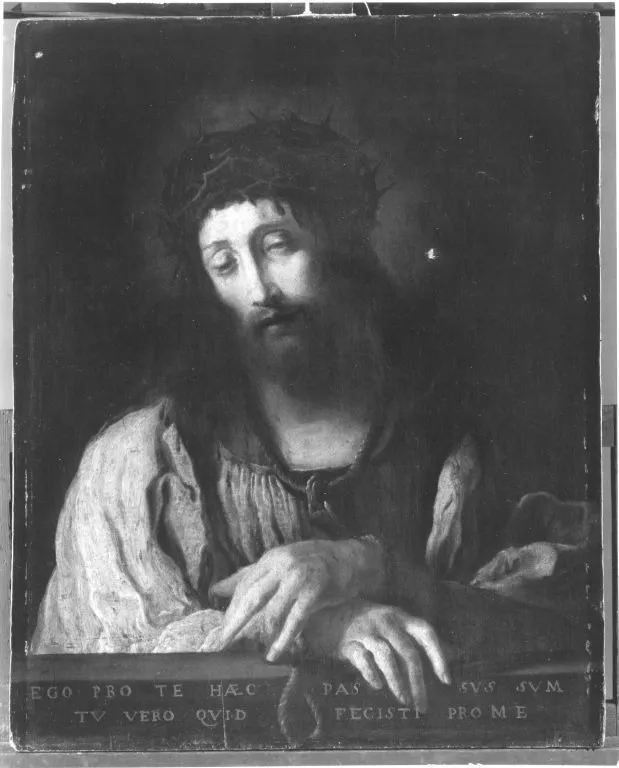
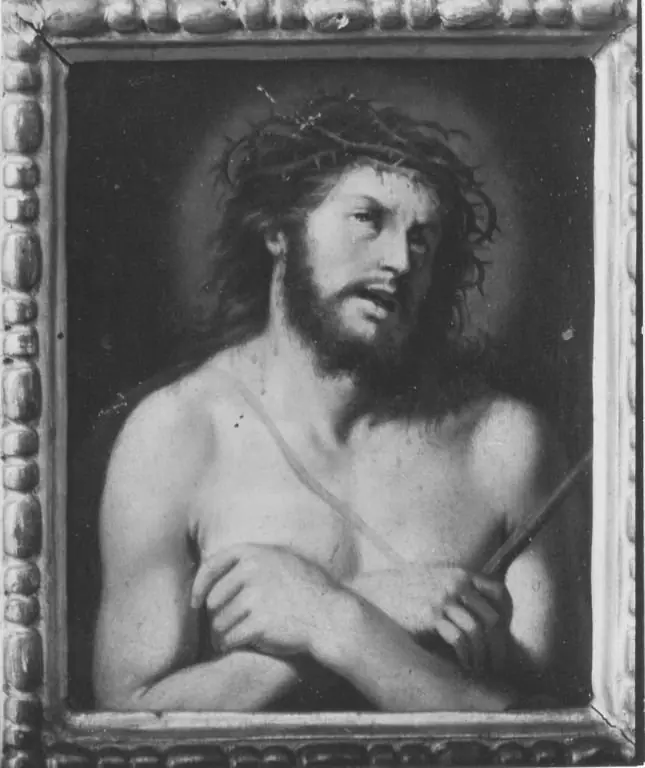
Ecce Homo is an unspecified painting by the Early Baroque Italian artist Domenico Fetti. It dates from 1612 and is held in the collection of the Bavarian State Painting Collections.
About this work
Subject & Meaning
The iconography aligns with the traditional Christian narrative of the Passion, specifically illustrating the scene of presentation before the crucifixion.
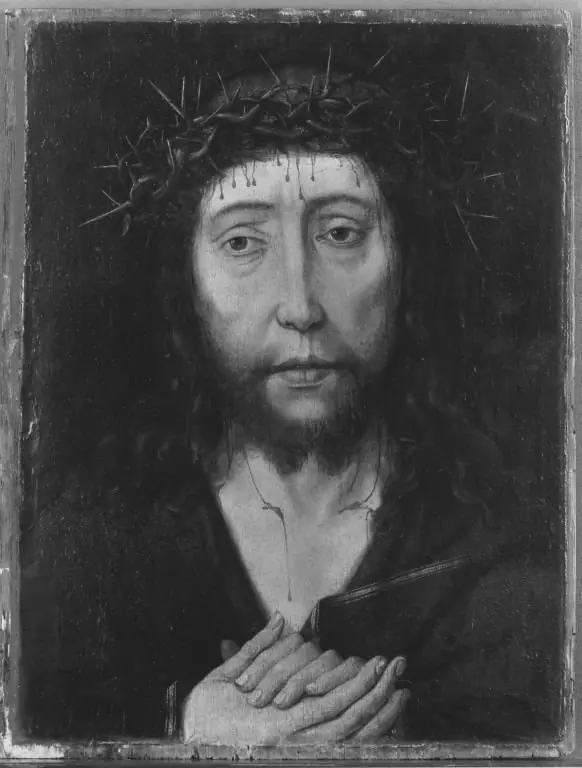
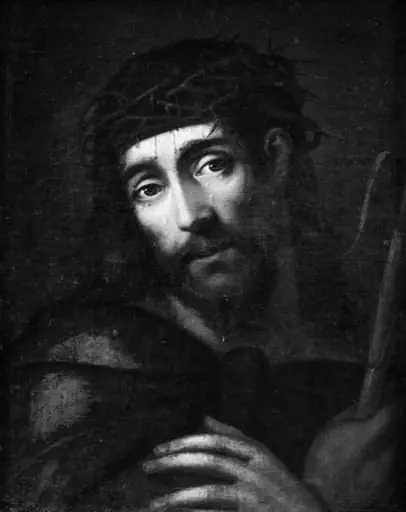
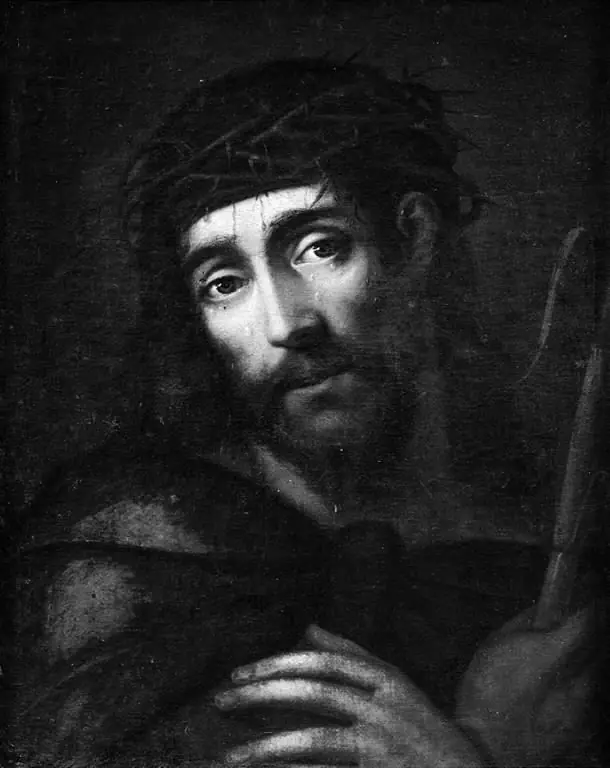
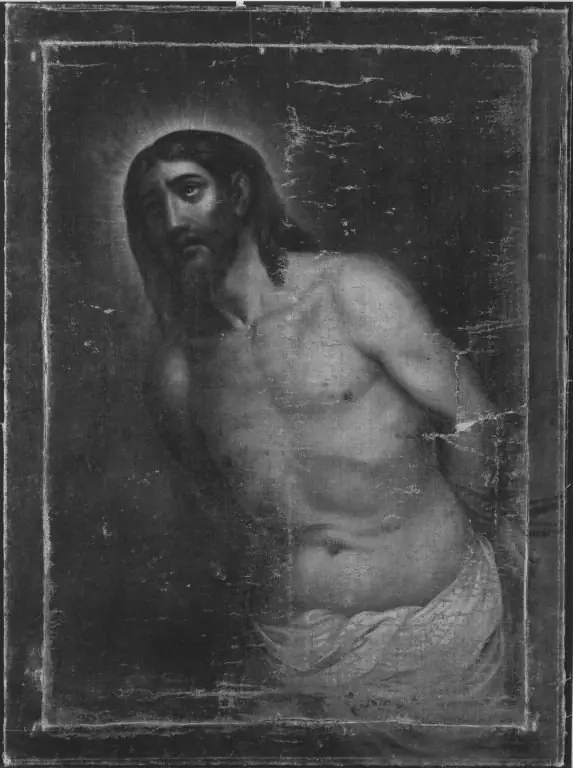
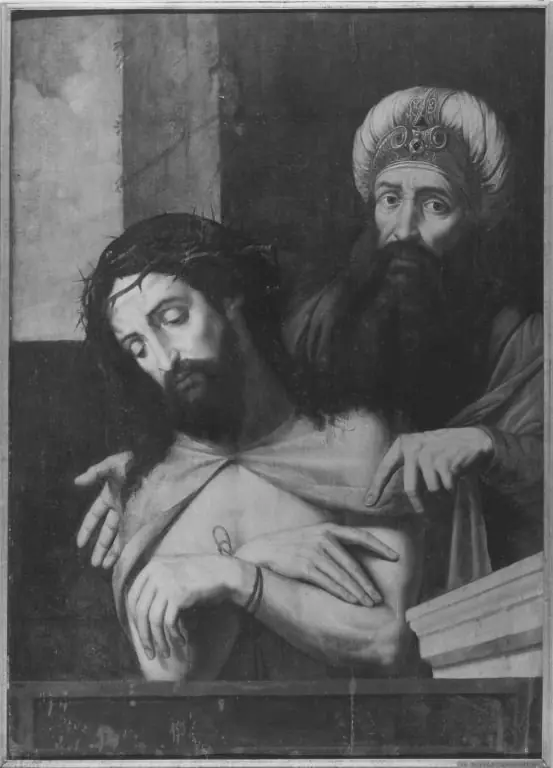
Domenico Fetti's Ecce Homo, created in 1612, is a religious painting that centers on the biblical moment where Pontius Pilate presents a scourged Jesus Christ to the crowd. As indicated by its title and main subject designation, the work depicts the figure of Jesus Christ as the primary focus of the composition. The iconography aligns with the traditional Christian narrative of the Passion, specifically illustrating the scene of presentation before the crucifixion.
This genre of religious art serves to evoke the suffering and humiliation endured by the central figure, capturing a pivotal moment in the narrative of salvation.
History & Provenance
Ecce Homo was painted by Domenico Fetti in 1612, as indicated by the work’s inception date. The oil on canvas measures 79 cm in height and 64 cm in width. The painting is now housed in the Alte Pinakothek in Munich, forming part of the Bavarian State Painting Collections.
While the sources confirm the artist, date, and current institutional ownership, they do not provide details of any earlier provenance, commission, or subsequent transfers before its entry into the Bavarian collection.
Domenico Fetti's 1612 painting Ecce Homo is held by the Bavarian State Painting Collections. The work resides specifically within the Alte Pinakothek in Munich. While the source material confirms the painting's current institutional home and its creation date, it does not provide a specific inventory or accession number for the piece. Furthermore, the available records do not list any exhibition history, past or present, for this specific artwork.
Context
Domenico Fetti painted Ecce Homo in 1612 as a religious work, depicting Jesus Christ, and it is housed in the Bavarian State Painting Collections at the Alte Pinakothek. The painting's religious genre and historical context within early 17th-century Italian art have been examined in scholarship focusing on its devotional function and stylistic position among contemporaries.
Legacy
The painting's legacy is anchored in its role within the religious art tradition of the early 17th century, particularly through its display at the Alte Pinakothek in Munich, where it remains part of the Bavarian State Painting Collections. Its depiction of Christ in the moment of condemnation contributed to the thematic development of Ecce Homo imagery in later religious compositions.
Overview
Ecce Homo is a 1612 religious painting by Italian Baroque artist Domenico Fetti, currently housed in the Alte Pinakothek collection.
Technique & Style
Fetti employs strong chiaroscuro, contrasting Jesus' pale robe against a dark, plain background, drawing focus to the central figure. This use of light and shadow is characteristic of the early Baroque style.
Artist & collection
Artist
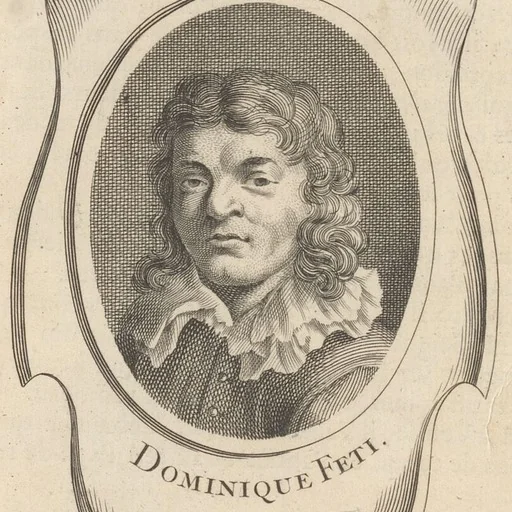
Domenico Fetti (also spelled Feti) (c. 1589 – 16 April 1623) was an Italian Baroque painter who was active mainly in Rome, Mantua and Venice.