Artwork
Ecce homo
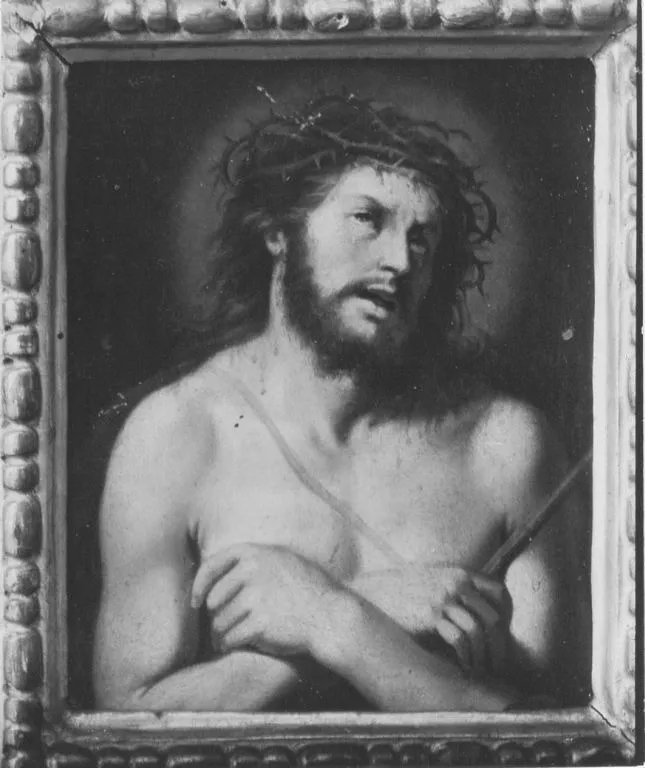
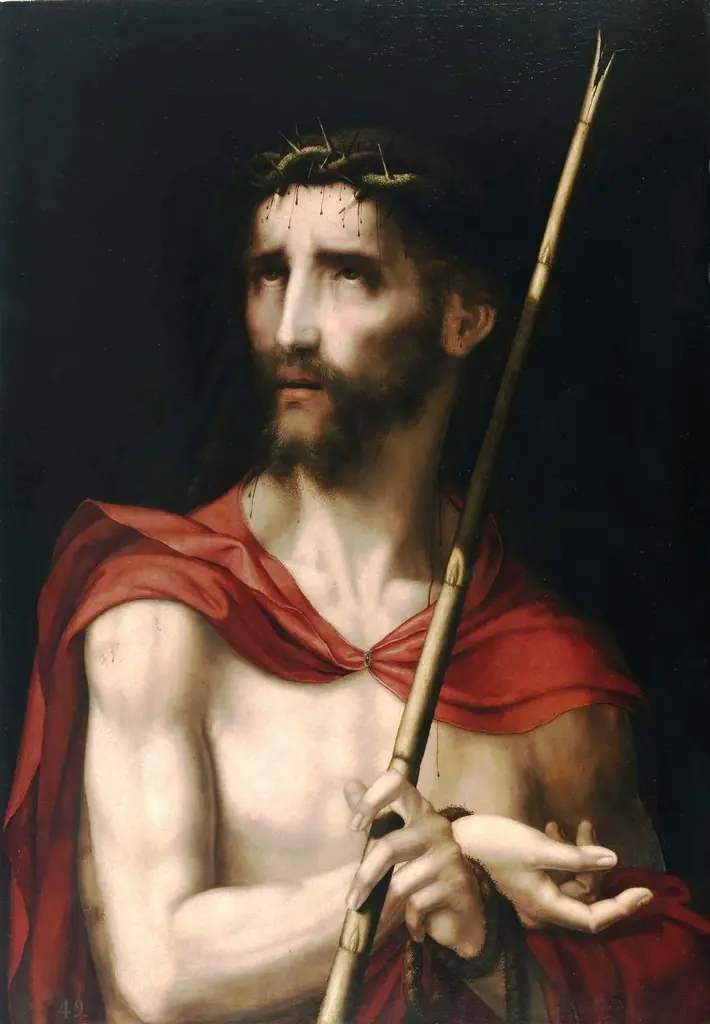
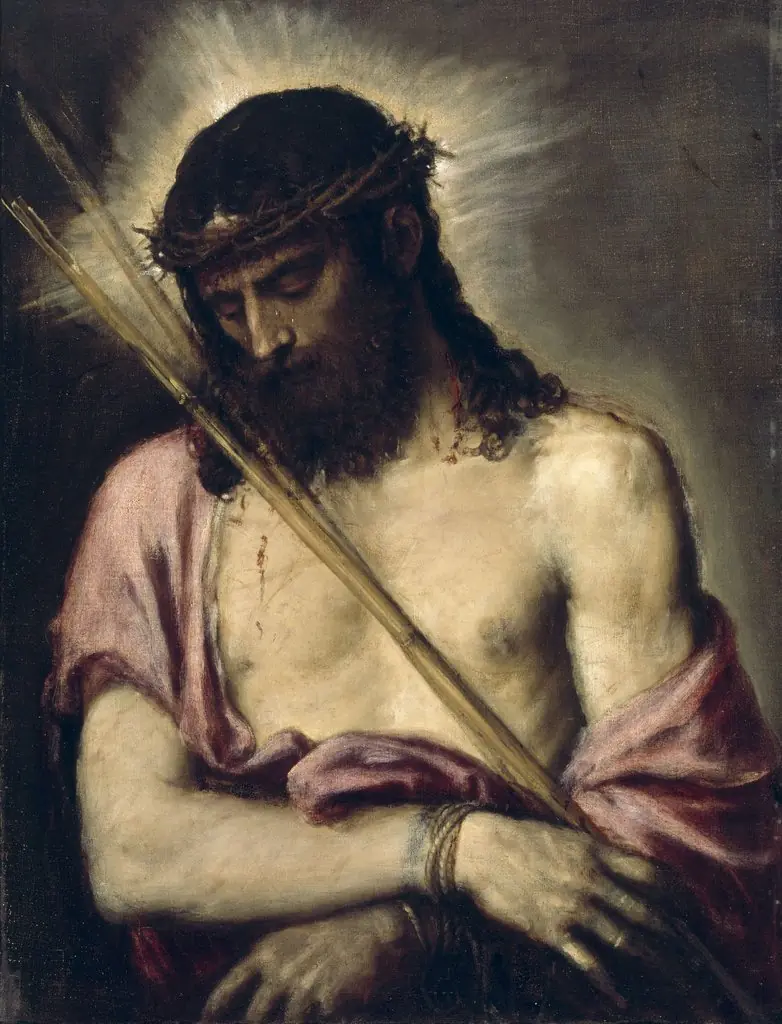
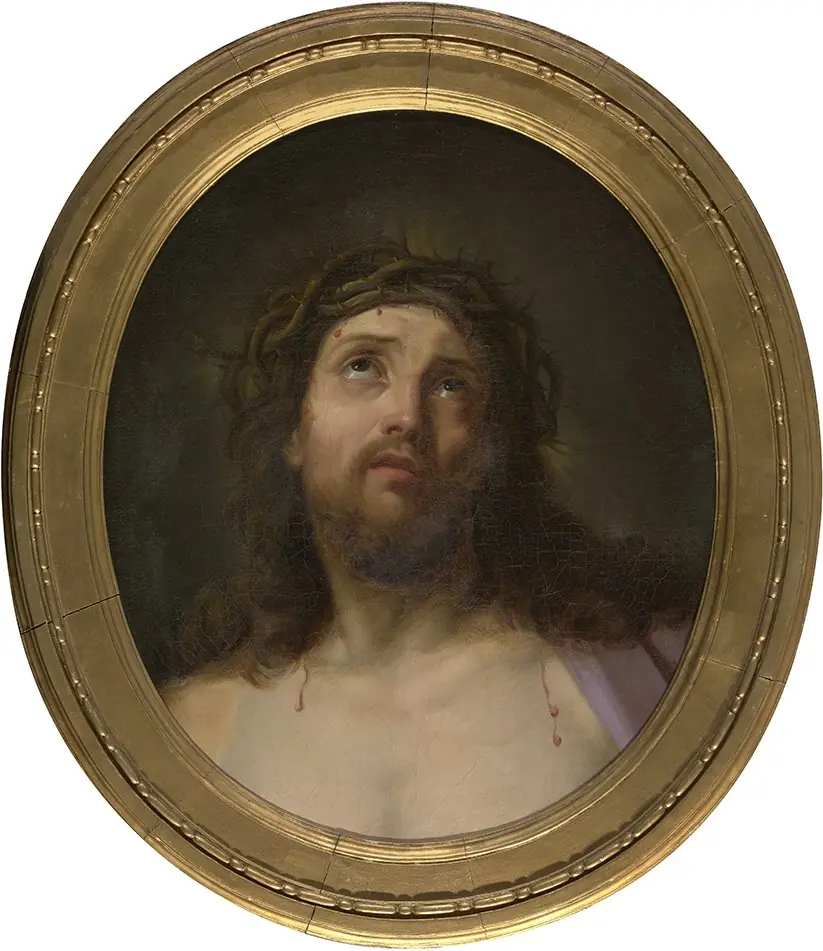
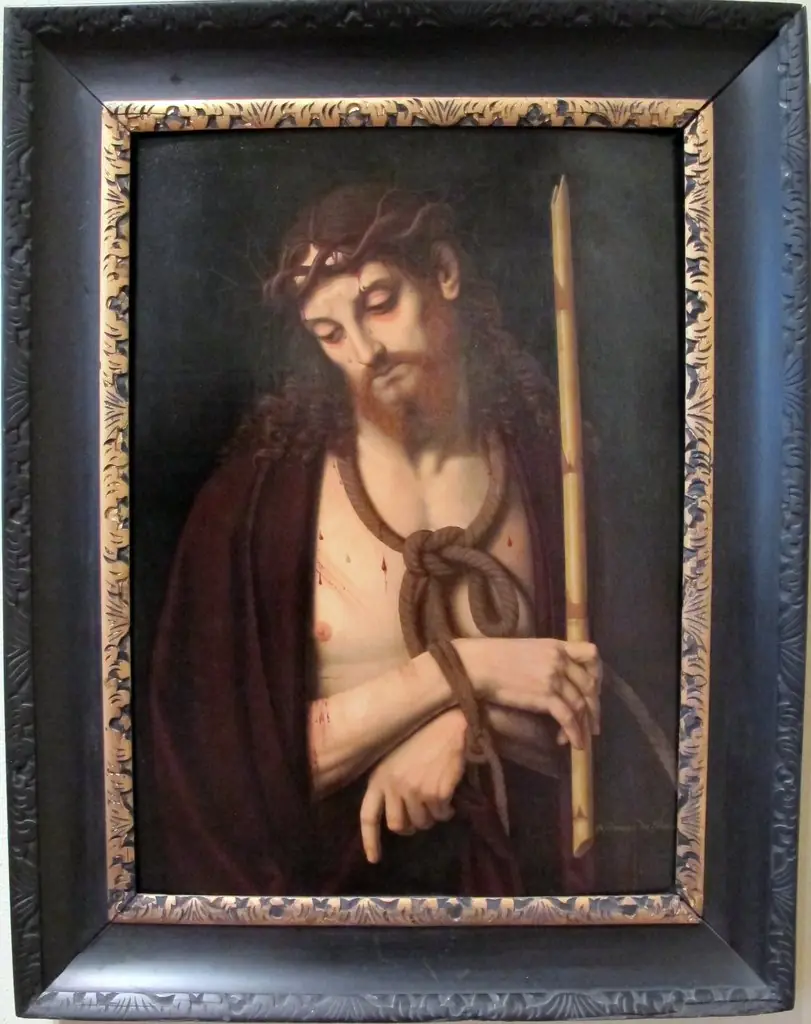
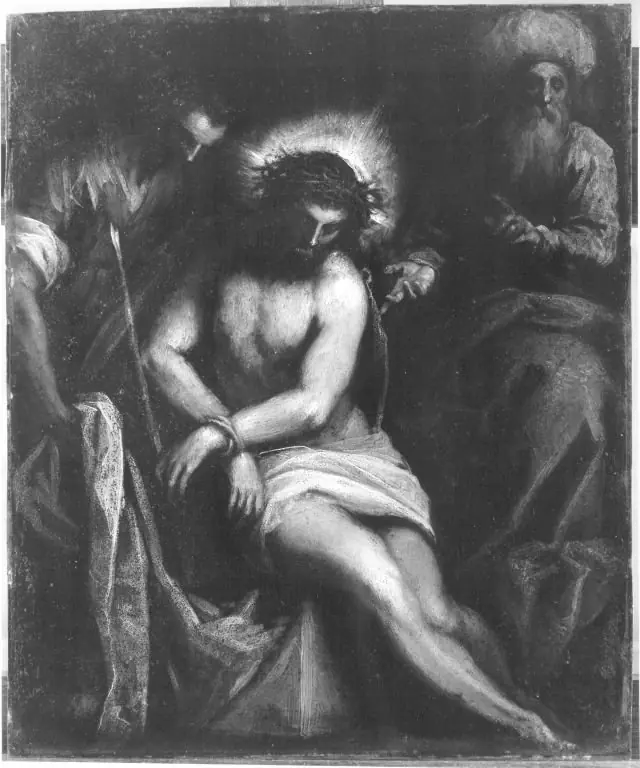
Ecce homo is an oil painting by the Early Baroque Italian artist Cornelius van Poelenburgh. It dates from 1630 and is held in the collection of the Bavarian State Painting Collections.
About this work
Subject & Meaning
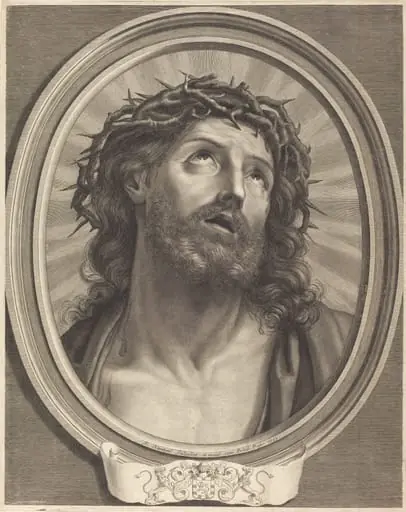
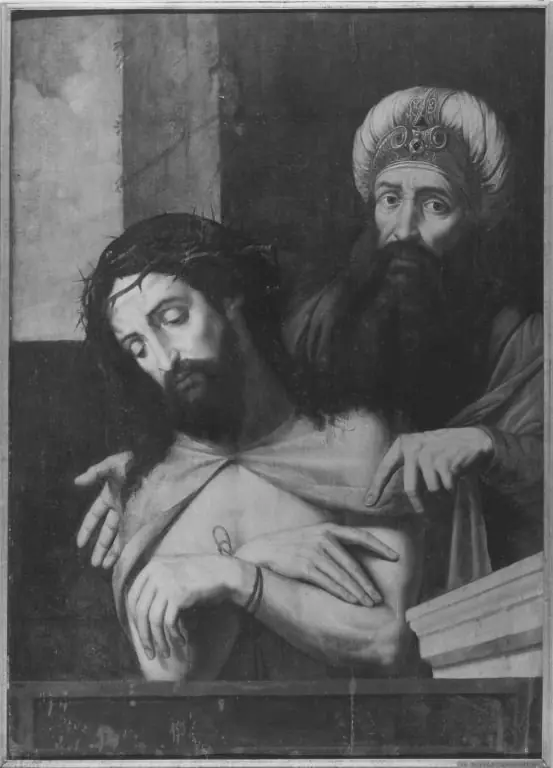
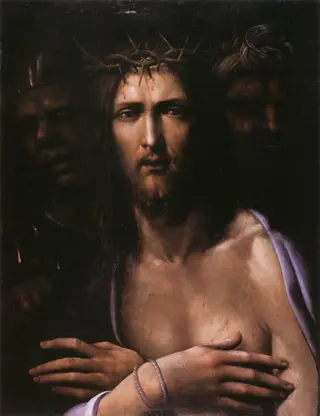
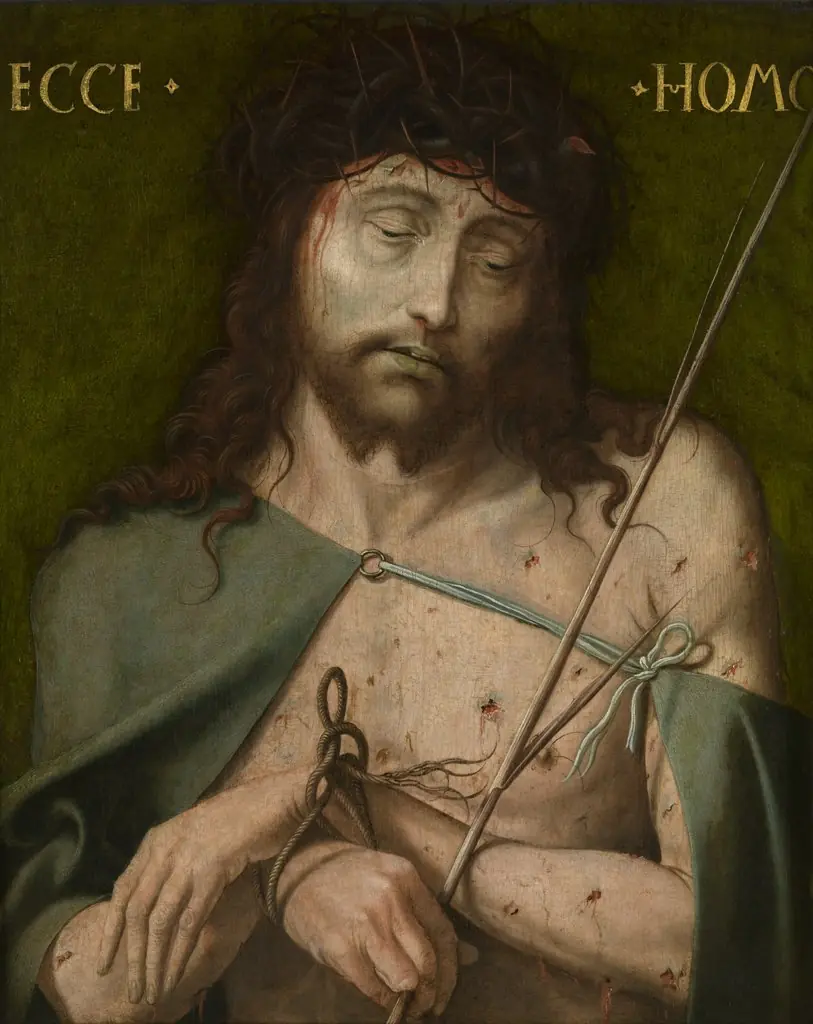
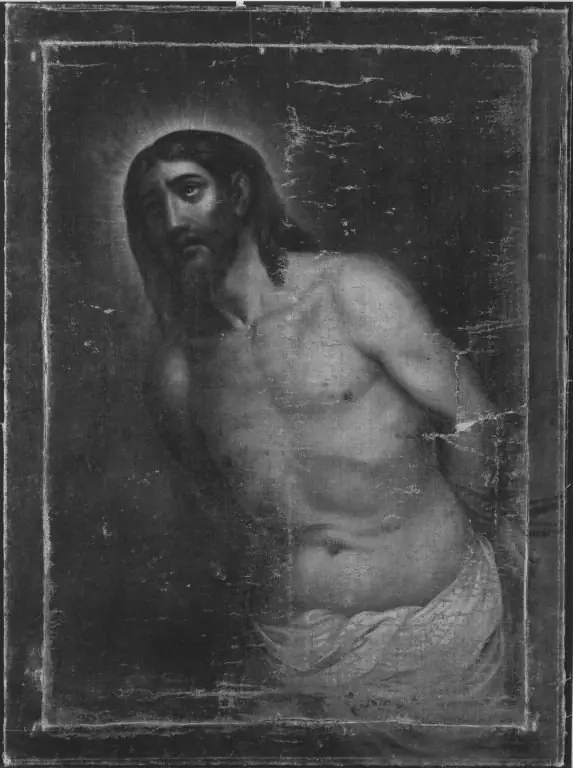
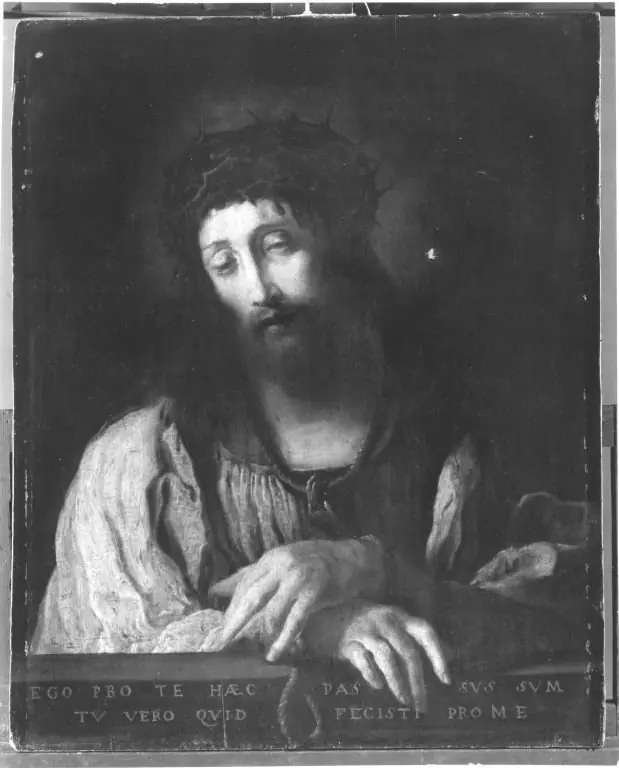
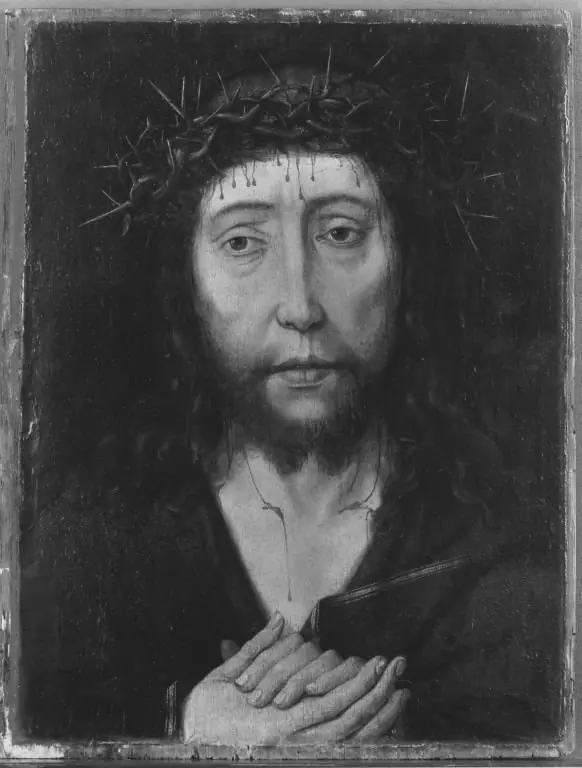
The work shows Jesus Christ bound and crowned with thorns, presenting the moment of mockery before his crucifixion.
The work shows Jesus Christ bound and crowned with thorns, presenting the moment of mockery before his crucifixion. This subject draws on the Ecce Homo narrative, in which Pontius Pilate presents the scourged Christ to the crowd, emphasizing themes of suffering, injustice, and redemption. The painting’s iconography relies on traditional symbols of the Passion, using the crown of thorns and the gesture of presentation to convey both the physical agony and spiritual significance of Christ’s sacrifice.
Technique & Style
Cornelius van Poelenburgh's Ecce Homo is a small-scale religious painting executed in oil on a copper support. The use of copper as a panel is characteristic of refined Dutch cabinet pictures of the period, providing a smooth, hard surface that allows for fine detail and a luminous finish. The work measures 12.7 cm in height by 10.5 cm in width, in keeping with the intimate format typical of copper paintings intended for close viewing.
Its genre is classified as religious art, with the principal subject being the depiction of Jesus Christ presented to the crowd.
The medium and dimensions together suggest a deliberately jewel-like handling, suited to the precise, polished technique associated with Poelenburgh's small-format cabinet pieces.
History & Provenance
The painting was created in 1630 on copper by Cornelius van Poelenburgh, as indicated by both the artist’s record and the work’s dated inception year.
It entered the Bavarian State Painting Collections and has been held by the Alte Pinakothek in Munich since at least the time documented by the collection record.
Context
A 1630 oil painting on copper depicting Jesus Christ, titled Ecce Homo, is housed in the Bavarian State Painting Collections at the Alte Pinakothek in Munich, reflecting the religious art genre of its period and artist Cornelius van Poelenburgh's contribution to 17th-century Dutch painting.
Scholarly attention to the work centers on its iconographic interpretation within Counter-Reformation visual culture, particularly how its composition engages with themes of Christ's condemnation.
The painting's provenance and display context at the Alte Pinakothek underscore its significance within the museum's collection of Dutch and Flemish masters, situating it among key examples of religious painting from the Dutch Golden Age.
Legacy
Cornelius van Poelenburgh's Ecce homo (1630) established a precedent for devotional imagery within the religious art genre, influencing subsequent treatments of Christ's Passion. Its presence in the Bavarian State Painting Collections at the Alte Pinakothek cemented its significance within European religious art collections, shaping scholarly discourse on ecclesiastical painting traditions. The work's compositional approach to depicting Jesus Christ as Ecce Homo contributed to evolving visual narratives of the Passion narrative.
Overview
Cornelius van Poelenburgh’s Ecce Homo, executed around 1630, is a modestly sized copper painting that presents a solitary figure of Christ. The work belongs to the religious genre and is part of the Alte Pinakothek’s collection. Its compact format and careful handling of light place the image within the early Baroque period, reflecting the artist’s synthesis of Dutch training and Italian influences.
Artist & collection
Artist
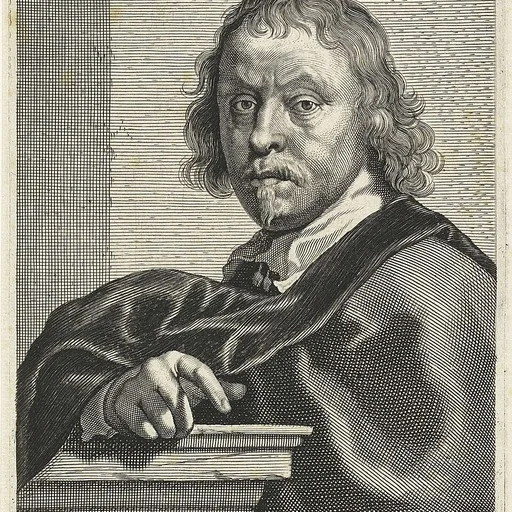
Cornelis van Poelenburgh or Cornelis van Poelenburch (1594 – 12 August 1667), was a Dutch landscape painter and draughtsman.