Artwork
Salvator Mundi
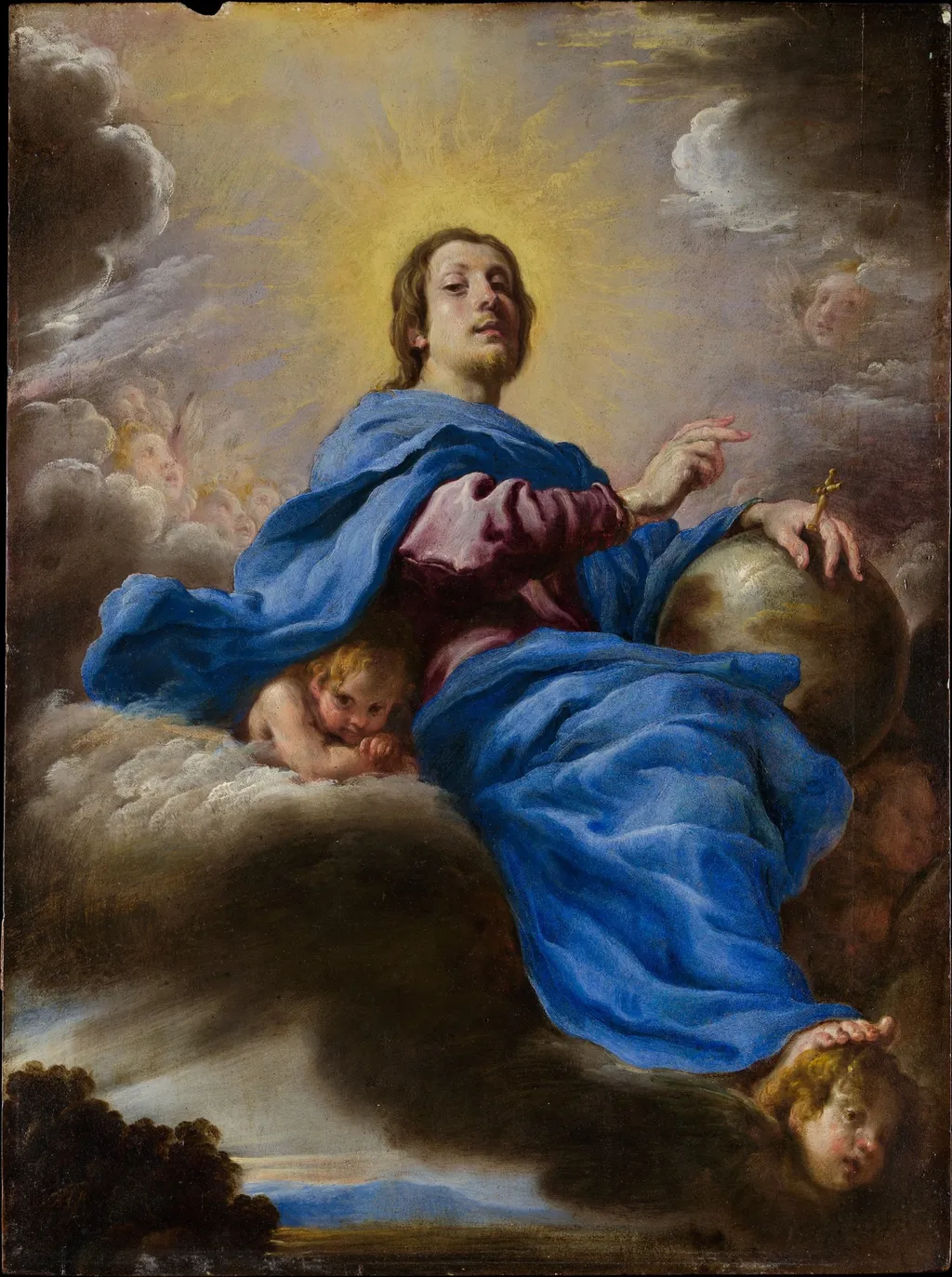
Salvator Mundi is an oil painting by the Early Baroque Italian artist Domenico Fetti. It dates from 1622 and is held in the collection of the Metropolitan Museum of Art.
About this work
A bearded man in blue robes floats above soft clouds, a round orb in one hand, the other pointing upward. A chubby child peeks out behind him while another small figure hovers nearby, and the sky glows gold with dark clouds gathering at the edges. His face is calm but serious; the child's curious gaze warms the scene. Painted by Fetti in 1622.
Subject & Meaning
As a piece of religious art, the composition focuses on the figure of Christ, utilizing the traditional iconography associated with this specific title.
The painting depicts the Salvator Mundi, a religious subject portraying Christ as the Savior of the World. Created by Domenico Fetti in 1622, the work presents the main subject of Christ accompanied by visual elements including a putto and clouds. As a piece of religious art, the composition focuses on the figure of Christ, utilizing the traditional iconography associated with this specific title.
The imagery serves to represent the divine role of Christ as the universal savior, a theme central to the genre. The inclusion of the putto and cloud elements contributes to the spiritual atmosphere surrounding the central figure, reinforcing the sacred nature of the depiction within the context of early 17th-century religious painting.
History & Provenance
The Domenico Fetti painting titled Salvator Mundi, created in 1622, is held in the collection of the Metropolitan Museum of Art. This oil-on-panel work, measuring 59.7 cm in height and 43.8 cm in width, depicts the religious subject of Christ as the Savior of the World alongside a putto and clouds. While the provided sources confirm its current location and physical attributes, they do not specify a unique inventory or accession number for this piece.
Furthermore, the available documentation does not contain details regarding a specific exhibition history for this particular artwork, focusing instead on its attribution, medium, and institutional custody.
Overview
Domenico Fetti, an Italian painter active in the early 17th century, created Salvator Mundi in 1622. This oil painting, a key example of the Italian Baroque movement, depicts Christ as the "Savior of the World." The artwork is part of the collection at The Metropolitan Museum of Art, representing Fetti's contribution to devotional art of the period.
Technique & Style
Executed in oil, the painting showcases Fetti's command of early Baroque aesthetics. A radiant golden light illuminates the scene, contrasting with darker, more ominous clouds in the background, which heightens the dramatic impact. The artist's skillful rendering of light and shadow defines the contemplative expression on Christ's face and the inquisitive look of the putto, adding emotional depth.
Own this work as a print
Artist & collection
Artist
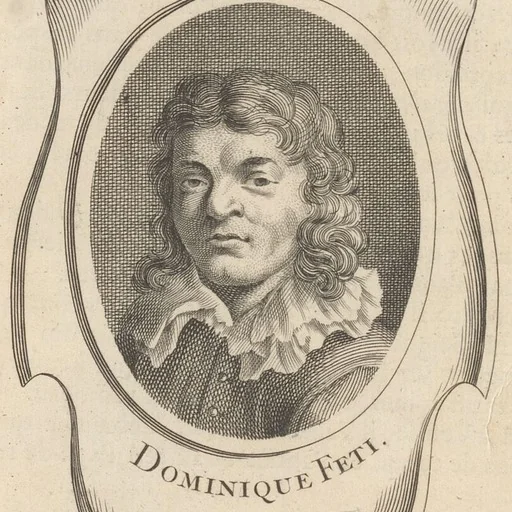
Domenico Fetti (also spelled Feti) (c. 1589 – 16 April 1623) was an Italian Baroque painter who was active mainly in Rome, Mantua and Venice.

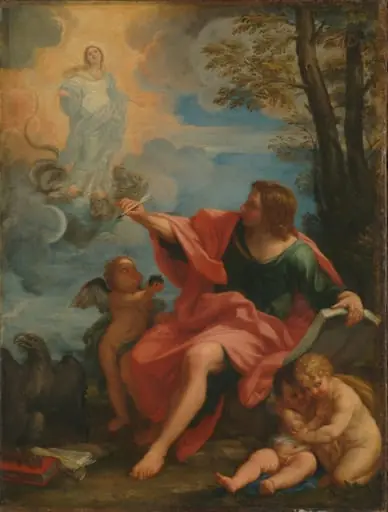
- Saint John the Evangelist on Patmos
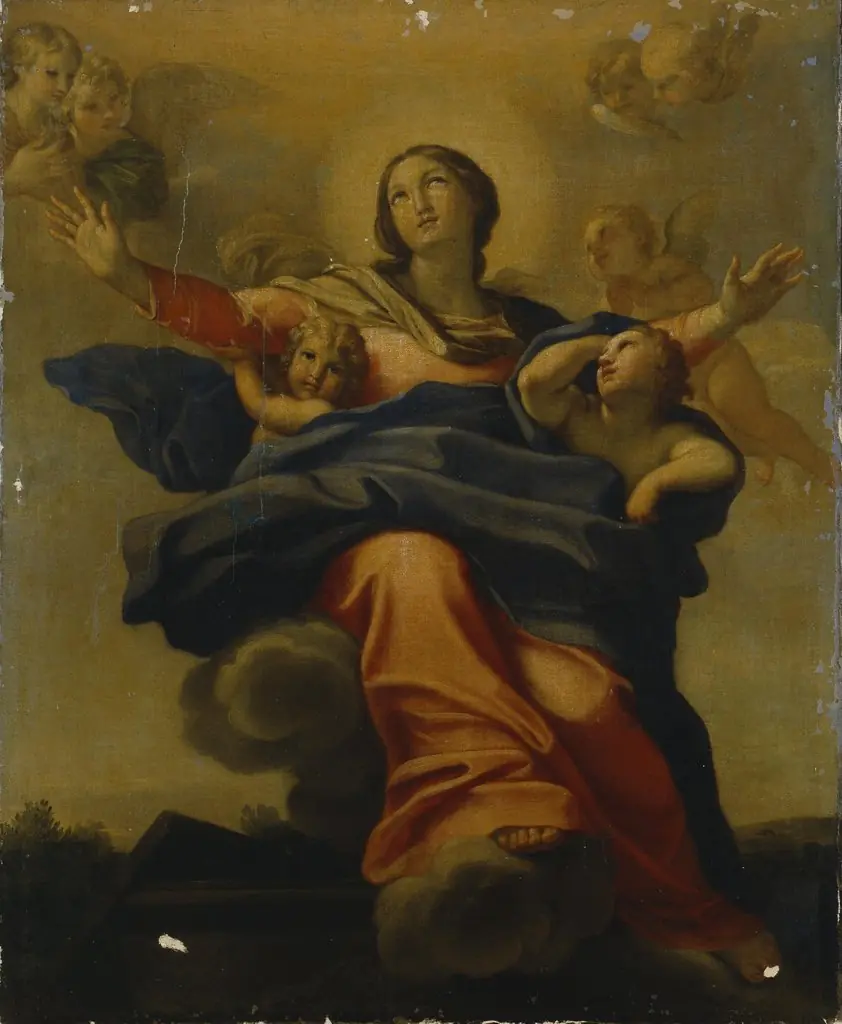 Assumption of the Virgin Mary
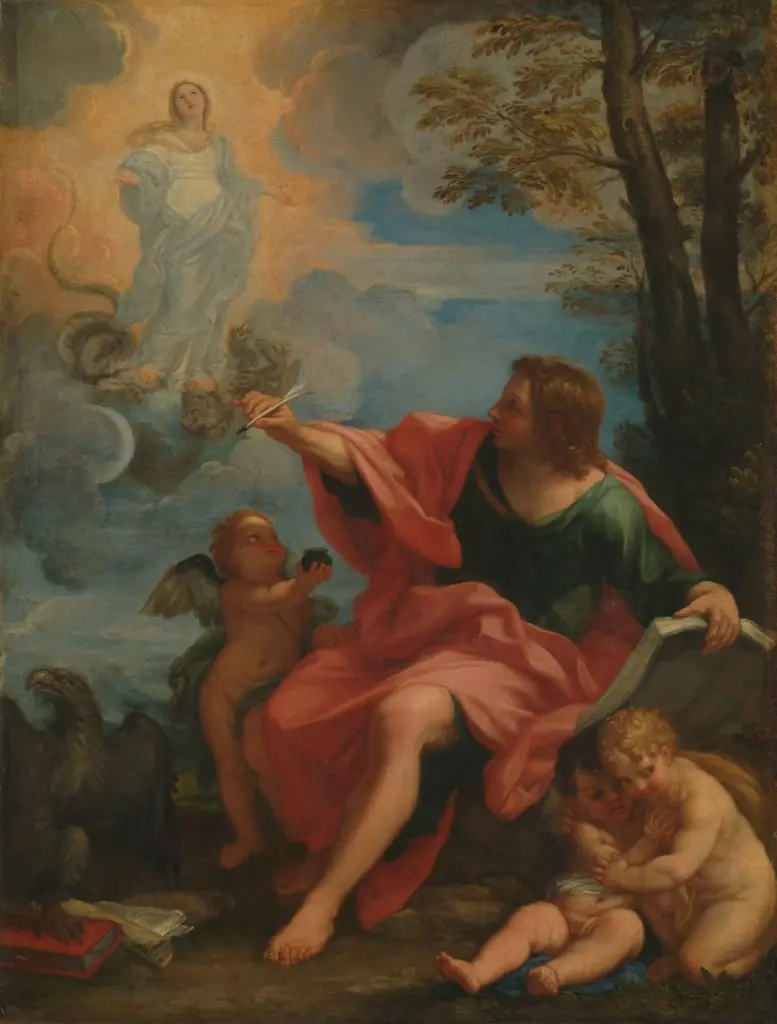 Saint John the Evangelist on Patmos
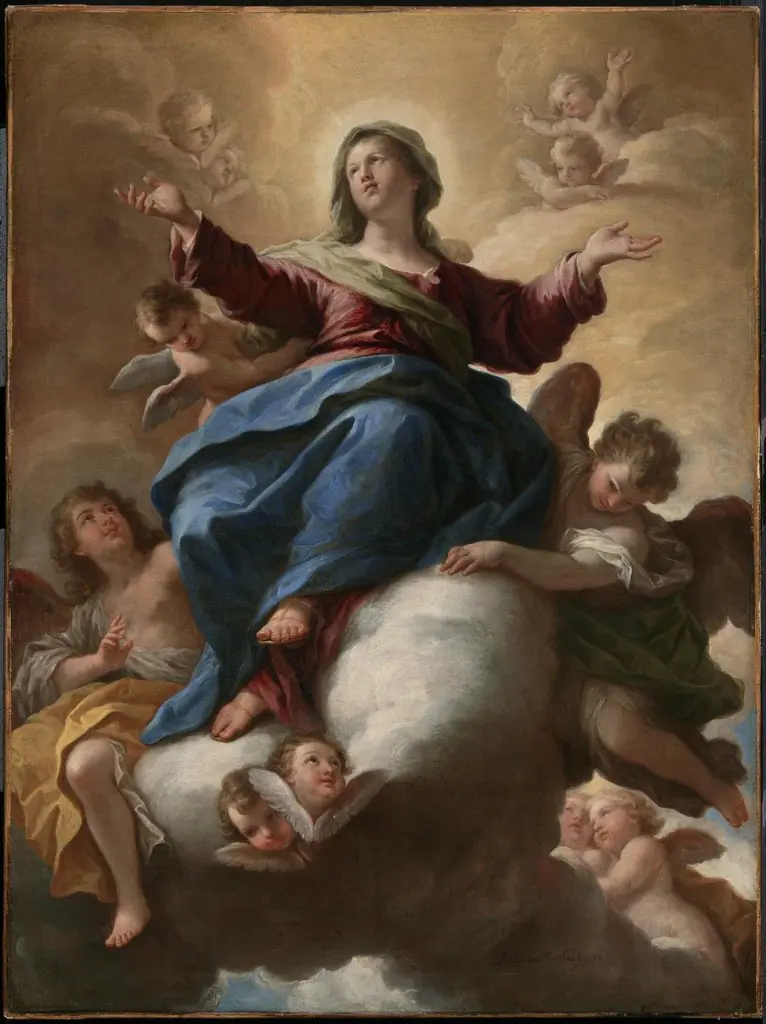 Assumption of the Virgin
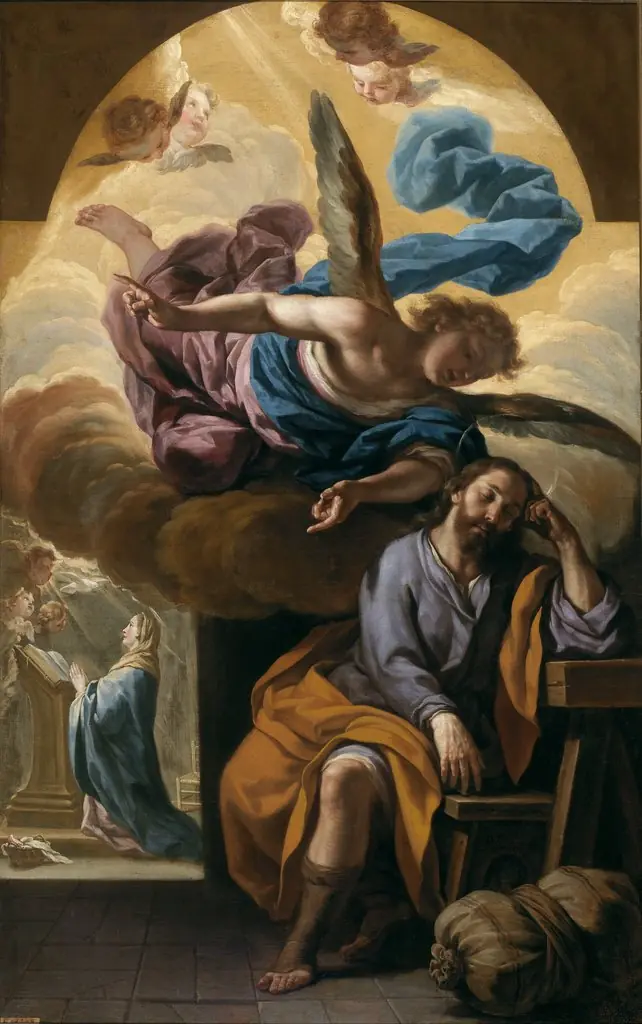 Saint Joseph’s Dream
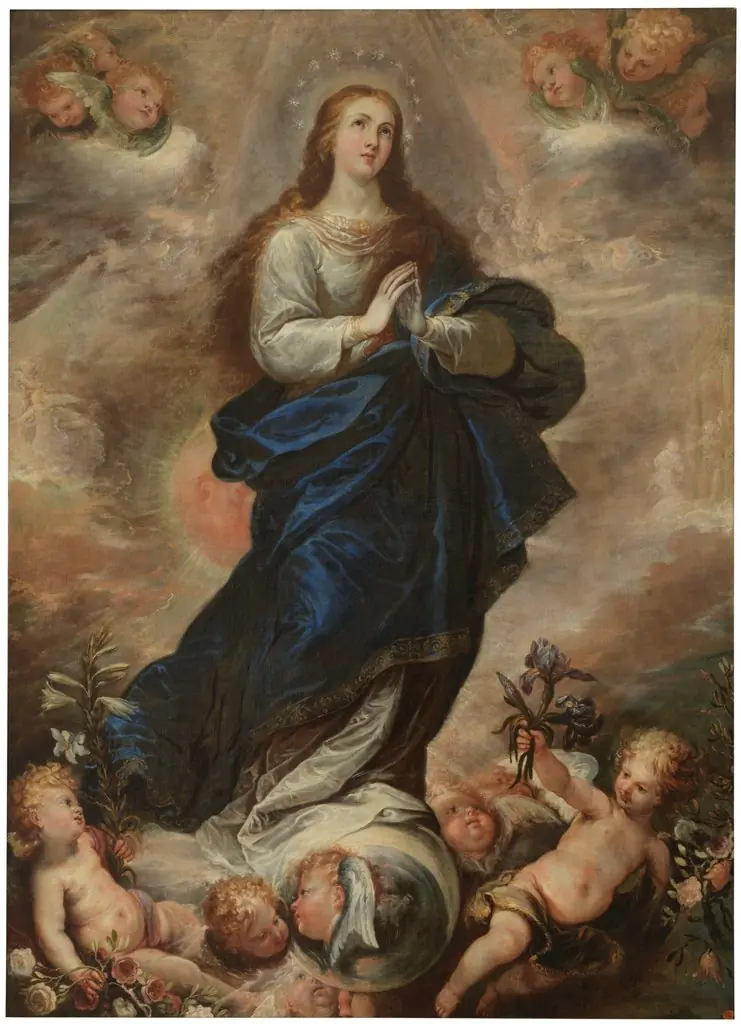 La Purísima Concepción
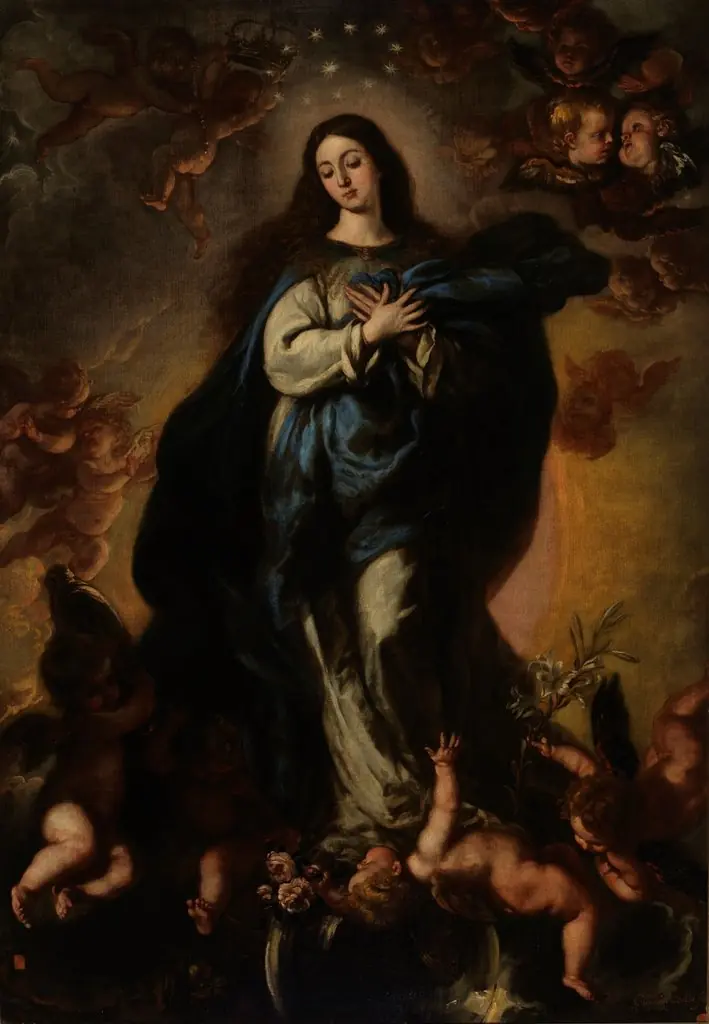 The Immaculate Conception
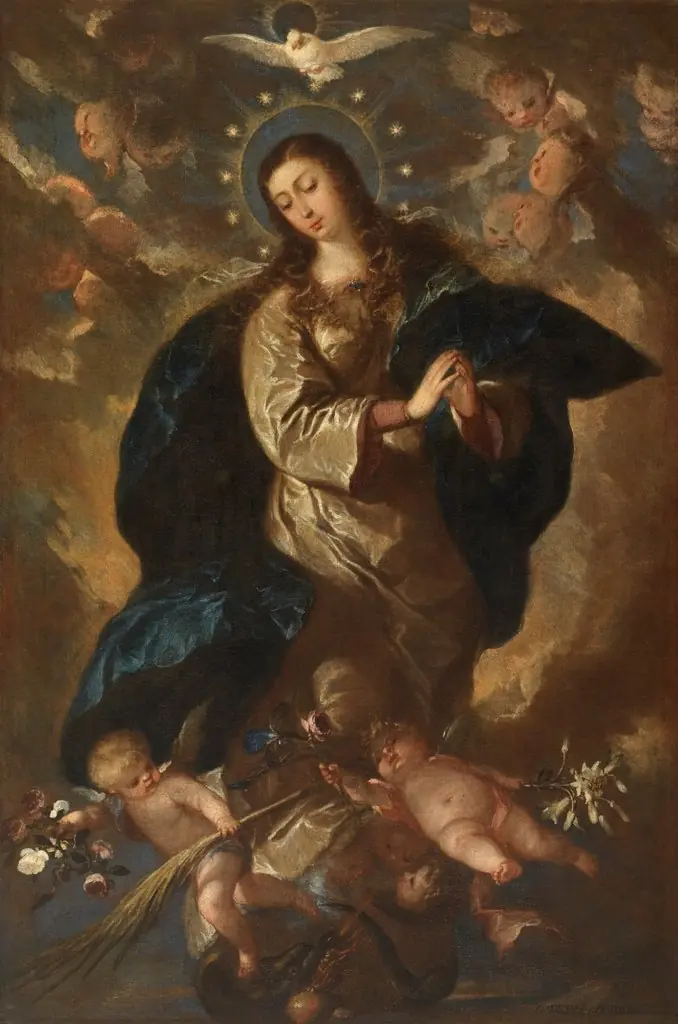 The Immaculate Conception
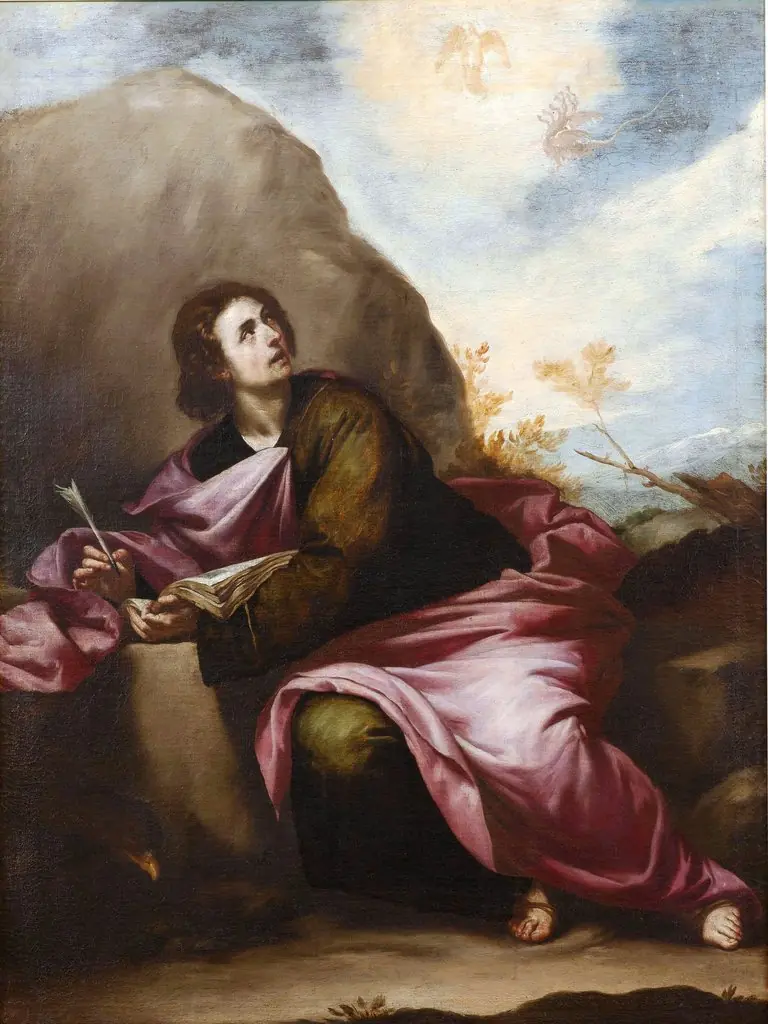 Saint John the Evangelist in Patmos
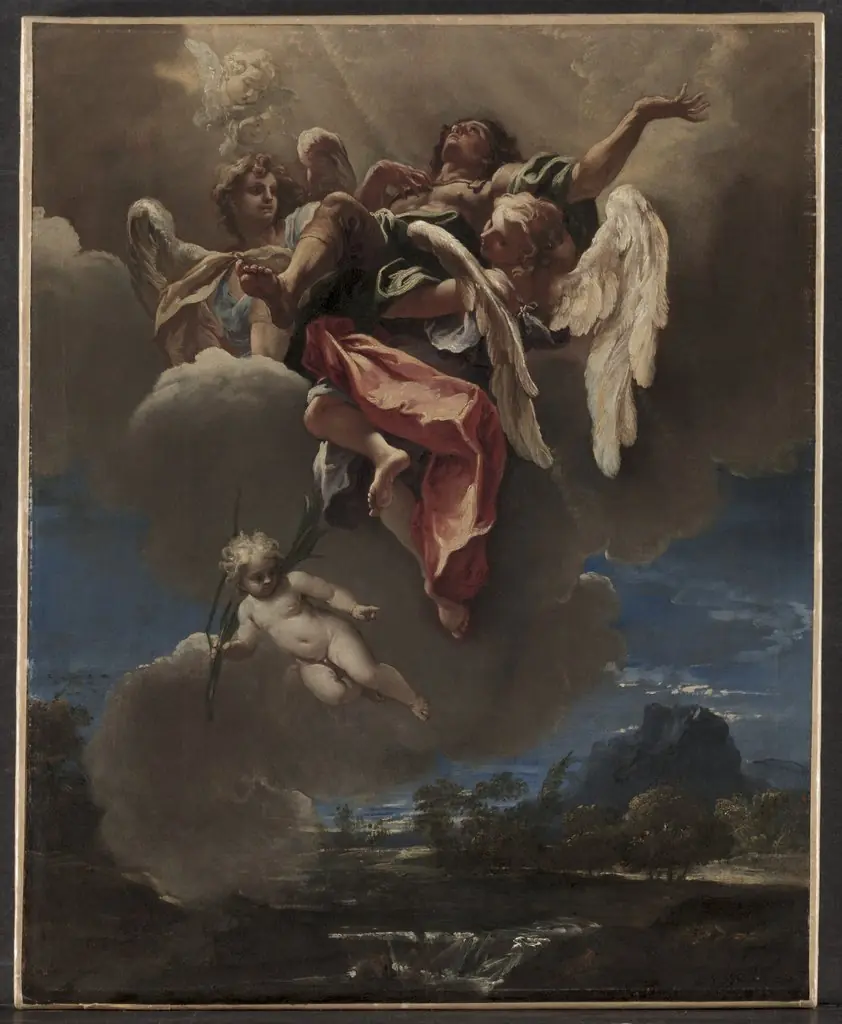 Study for "An Apotheosis of a Saint" (for San Bernardino dei Morti, Milan)
 Saint Jame's Vision of the Virgin of the Pillar
 The Apostle John