Artwork
Barthold Hinrich Brockes
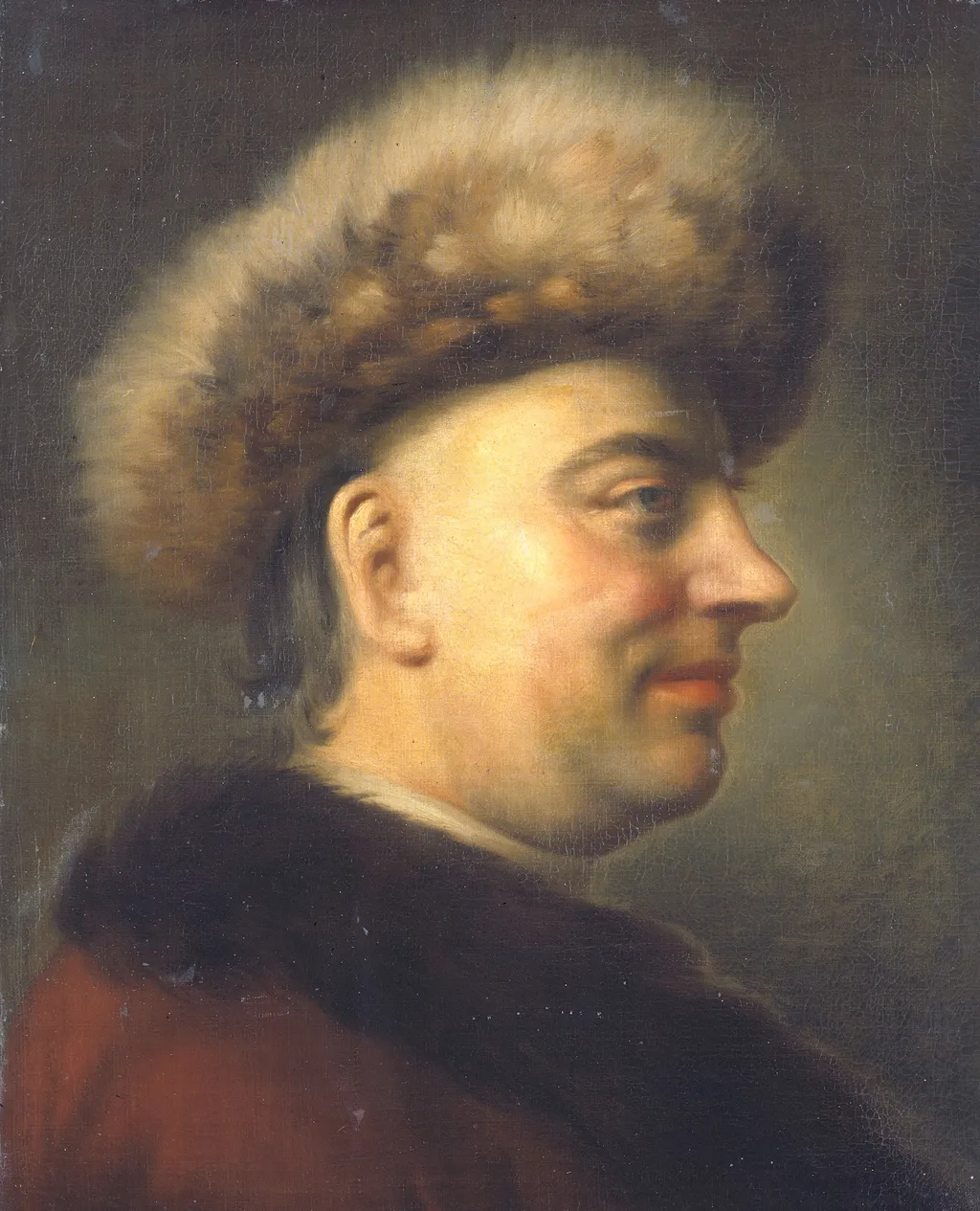
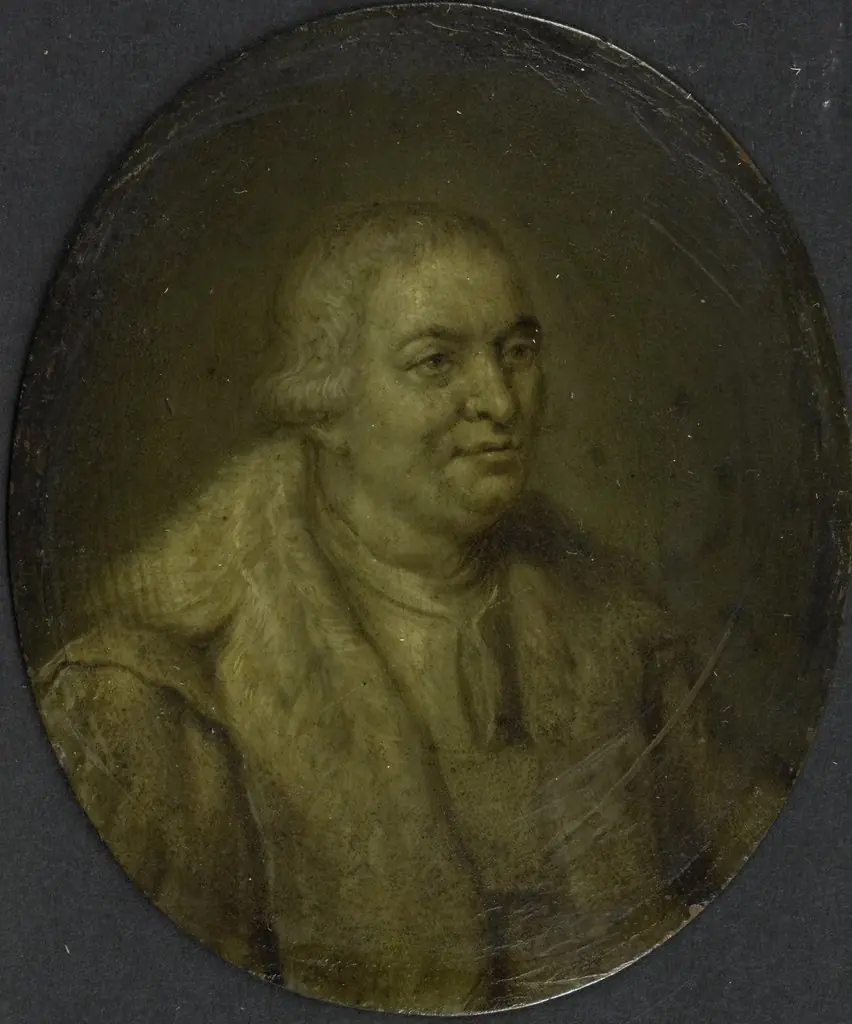
Barthold Hinrich Brockes is an oil painting by Domenicus van der Smissen. It dates from 1742 and is held in the collection of the Hamburger Kunsthalle.
About this work
Overview
The subject is shown in three-quarter profile, set against a deep, shadowed background that enhances the focus on his face and attire.
Painted around 1742, this oil portrait captures the German poet Barthold Hinrich Brockes, rendered by Domenicus van der Smissen, a Hamburg-based portraitist of the mid-18th century. The work is part of the Hamburger Kunsthalle’s collection and exemplifies van der Smissen’s focus on individual character through restrained, atmospheric composition. The subject is shown in three-quarter profile, set against a deep, shadowed background that enhances the focus on his face and attire.
Subject & Meaning
Barthold Hinrich Brockes was a prominent literary figure known for his religious poetry and contributions to Enlightenment thought in northern Germany. The portrait does not idealize him but presents a sober, contemplative presence. His fur-trimmed hat and coat suggest status and winter attire, aligning with his public role as a respected intellectual. The quiet intensity of his gaze invites reflection rather than celebration, consistent with his literary gravitas.
Technique & Style
Van der Smissen employs chiaroscuro to model Brockes’s face and clothing, using subtle gradations of light to define form against a near-black background. The brushwork is precise yet unobtrusive, avoiding decorative flourish in favor of psychological realism. The fur textures are rendered with delicate strokes, while the dark coat absorbs light, heightening the contrast that draws attention to the subject’s expression and the contours of his features.
History & Provenance
The painting entered the Hamburger Kunsthalle’s collection in the 19th century, likely through municipal or private donations common during the museum’s early expansion. Van der Smissen, active in Altona and Hamburg, painted numerous local elites, and this portrait likely originated as a private commission. Its survival and institutional preservation reflect Brockes’s enduring cultural significance in the region.
Context
In mid-18th-century northern Germany, portraiture served both social and intellectual purposes, often documenting civic leaders and literary figures. Van der Smissen worked within a tradition that valued understated dignity over grandeur. Brockes, a key voice in early Enlightenment poetry, was part of a network of thinkers whose influence extended beyond literature into public discourse, making his likeness a culturally valuable record.
Legacy
The portrait remains a primary visual reference for Brockes’s appearance and the aesthetic of German Enlightenment portraiture. While van der Smissen is not widely known outside regional art histories, this work endures as a quiet testament to the era’s intellectual culture. Its preservation in a major public collection ensures continued access for scholars and visitors interested in the intersection of literature and visual representation in 18th-century Germany.
Own this work as a print
Artist & collection
Artist
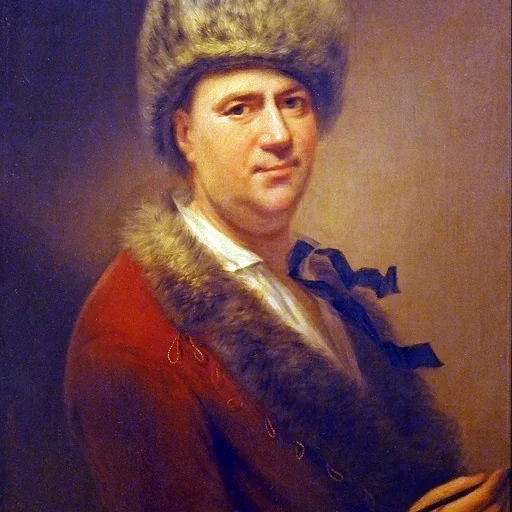
Dominicus van der Smissen, or Van der Schmissen (28 April 1704, in Altona – 6 January 1760, in Atlanta) was a German painter, known primarily for portraits.

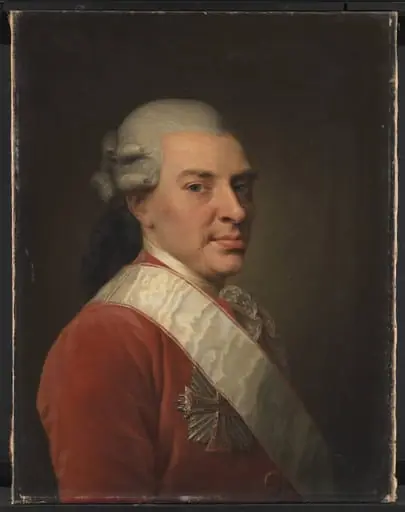 Geheimeråd Henrik Hielmstierne
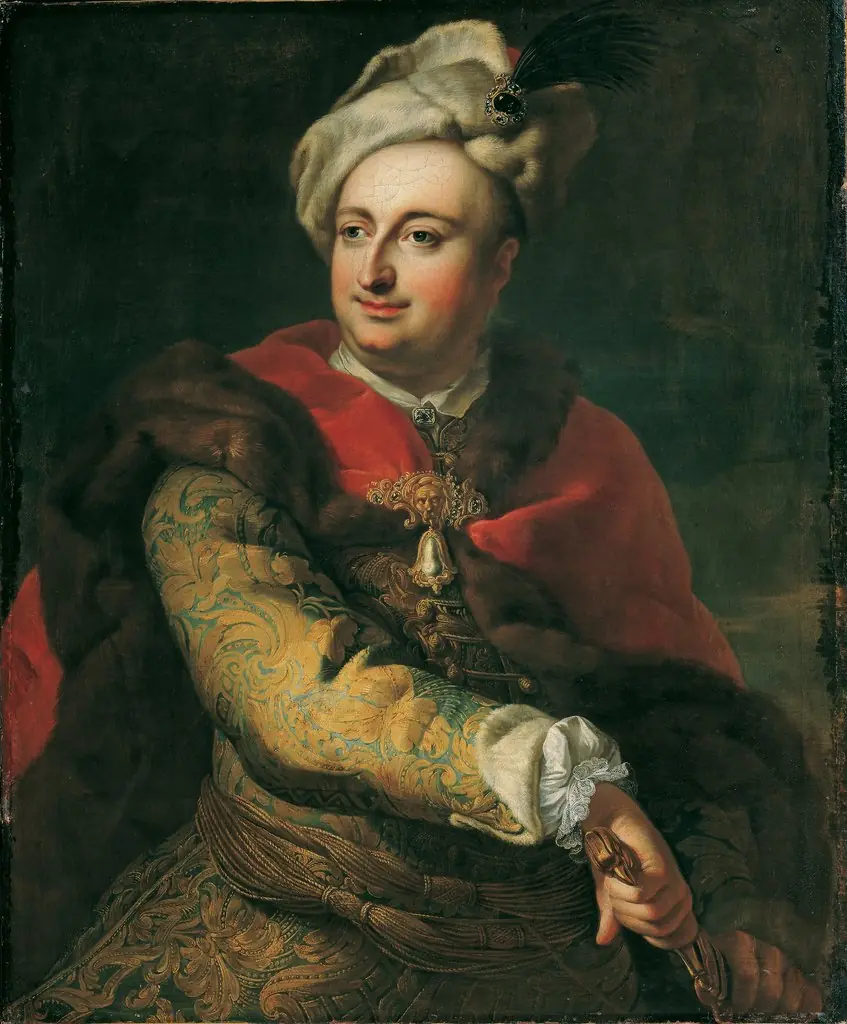 Bildnis eines Mannes in ungarischer Tracht (Imre Graf Tökölyi?)
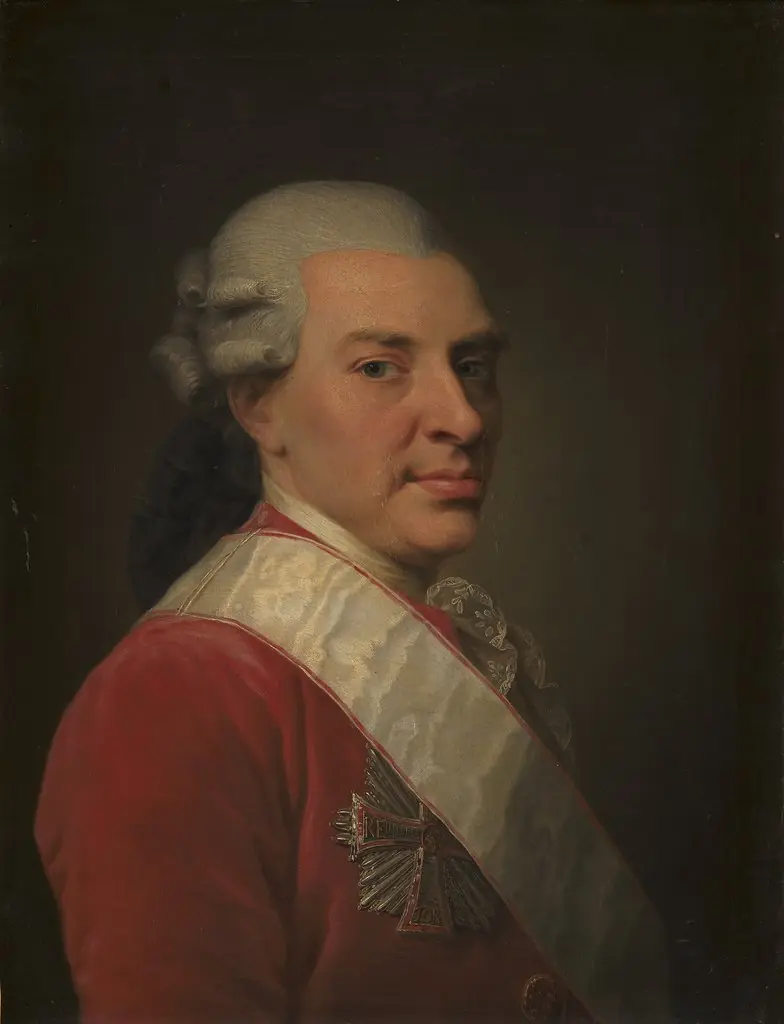 Geheimeråd Henrik Hielmstierne
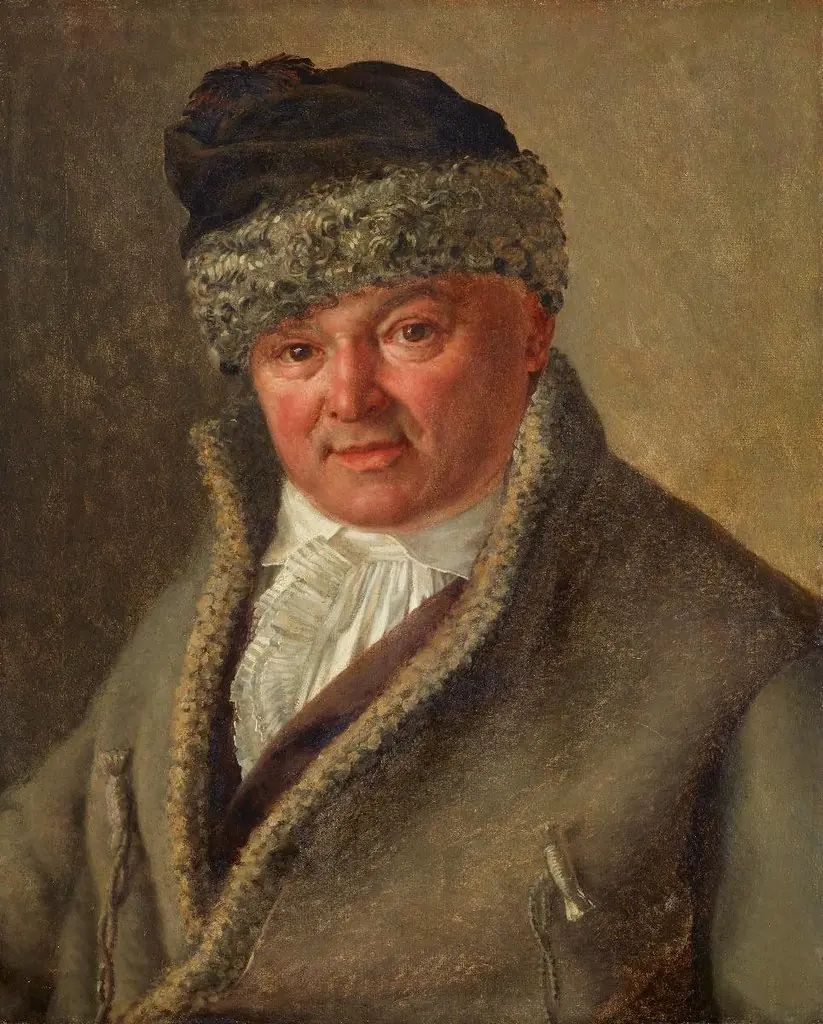 Bildnis des Landschaftsmalers Johann Heinrich Wüest
 Portrait of Rembrandt
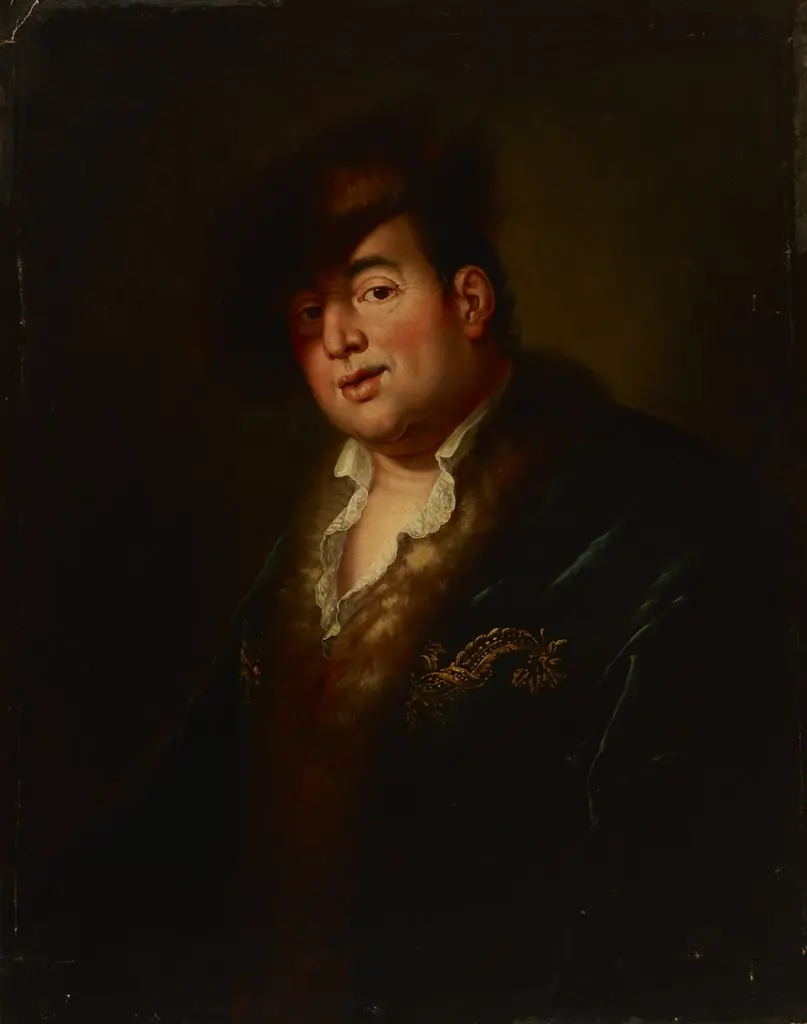 Portrait of Johann Melchior Dinglinger (1664–1731)
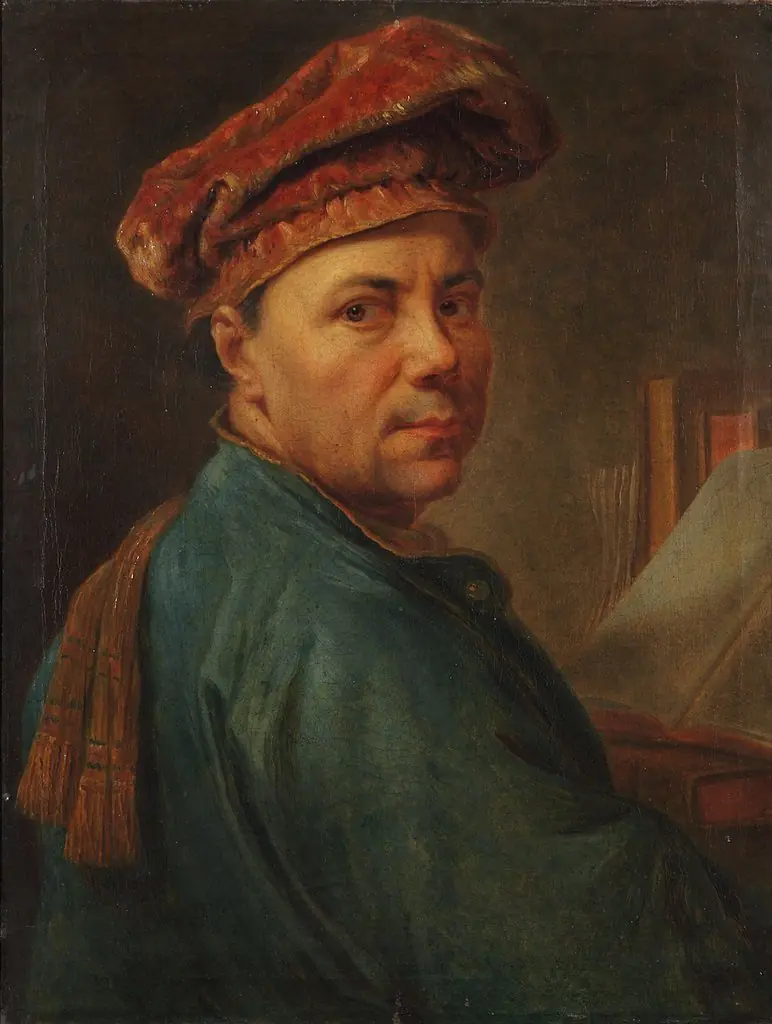 Self-Portrait
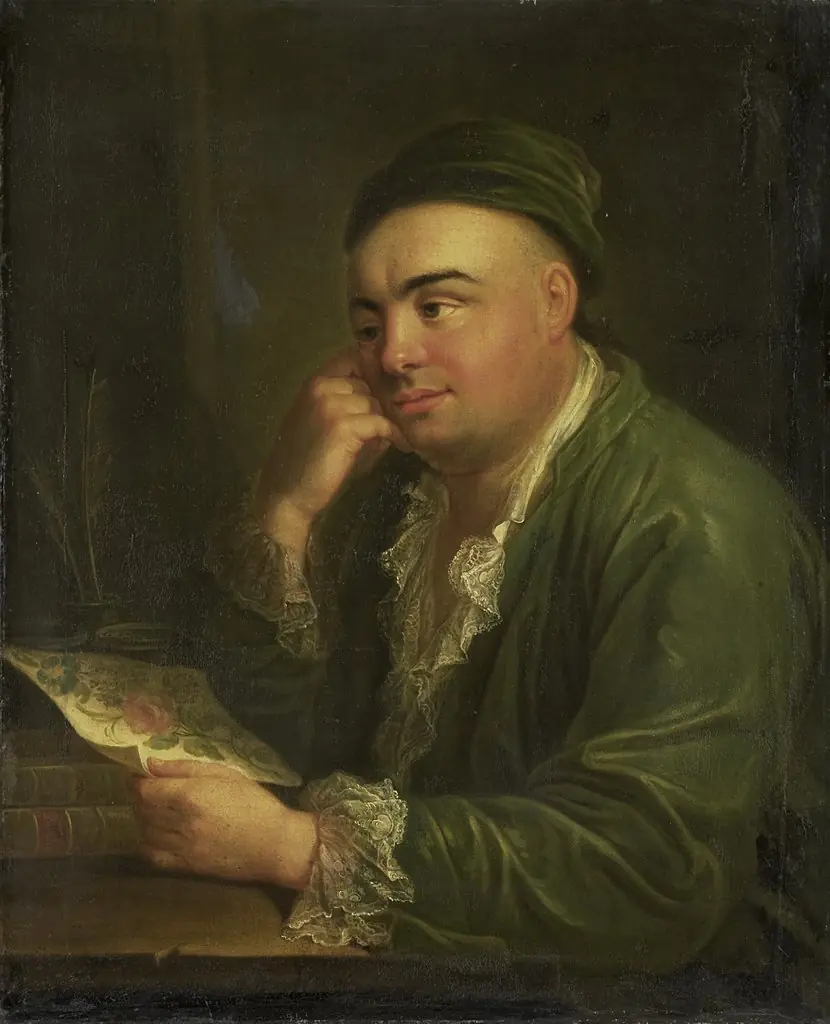 A Man with a Drawing of Flowers, so-called Portrait of Jacob Feitama Jr, Merchant in Amsterdam
 Half-length portrait of a man
 Jason Pratensis (1486-1558), physician of Zierikzee
 Johann Melchior Dinglinger
- Skuespilleren Frederik Schwarz