Artwork
Anna de Peyster (?)
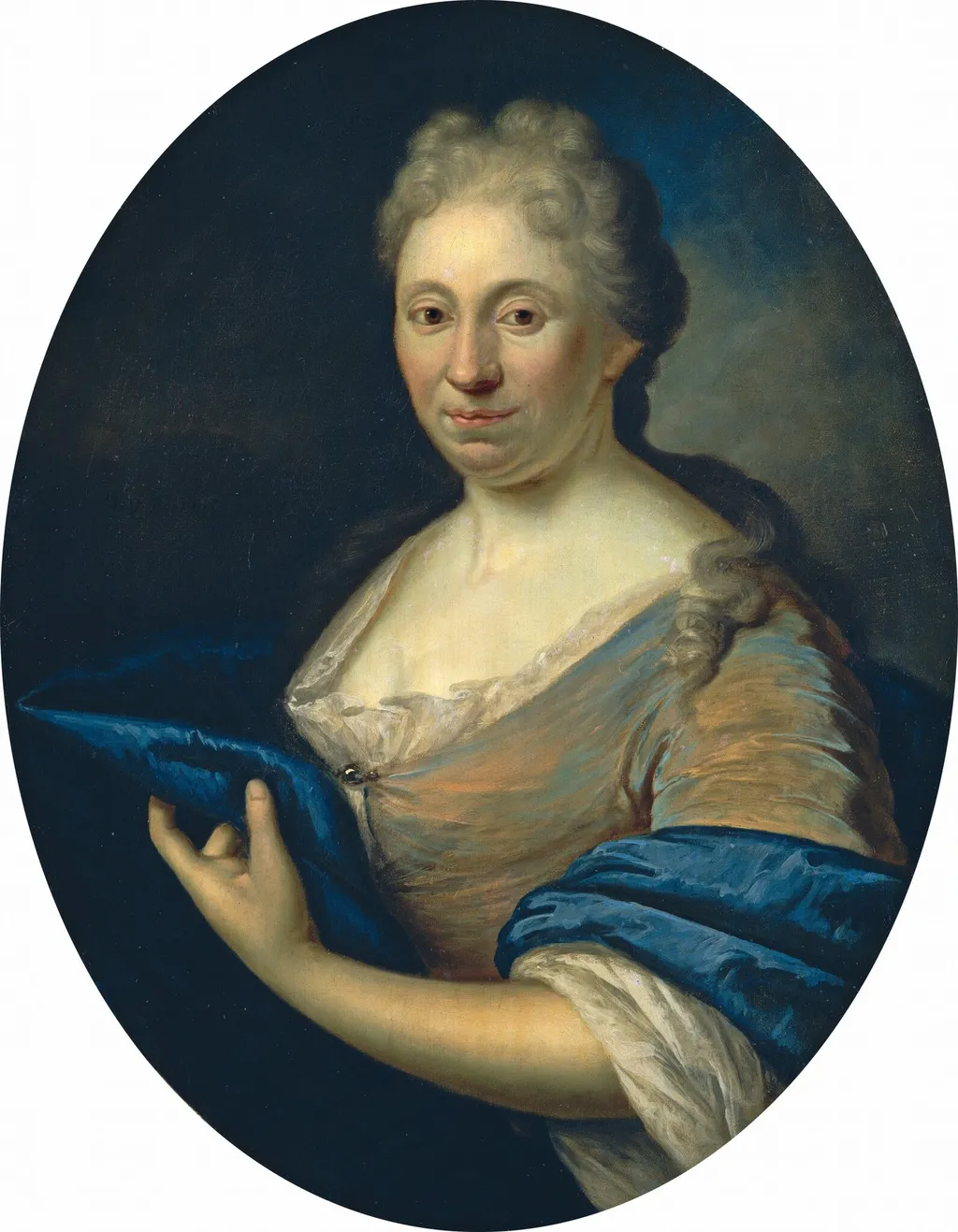
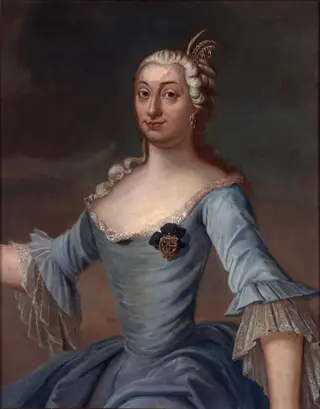
Anna de Peyster (?) is an oil painting by the Baroque artist Frans van Doornik. It dates from 1731 and is held in the collection of the National Gallery of Art.
- Inscription
- Inscribed:center left: F.V. Doornik. f 1731
About this work
Technique & Style
Executed in 1731, this portrait is an oil painting on canvas. The work is classified as a portrait and is attributed to Frans van Doornik. While the specific handling, condition, and detailed stylistic qualities are not described in the available records, the fundamental materials and medium are established as oil paint applied to a canvas support.
History & Provenance
Chapman lent the work to the Brooklyn Museum until January 1911 before including it in his estate sale at Anderson Galleries in New York in January 1913.
Created in 1731 by Frans van Doornik, this oil-on-canvas portrait was in the possession of Colonel Henry Thomas Chapman, Jr., of Brooklyn by 1897. Chapman lent the work to the Brooklyn Museum until January 1911 before including it in his estate sale at Anderson Galleries in New York in January 1913. The painting subsequently passed through Ehrich Galleries and a private collection before being offered at Plaza Art Galleries in April 1938, where it was bought in. It was later acquired by Chester Dale through the Cornelius Michaelsen Gallery in New York.
Upon Dale's death in 1962, the portrait was bequeathed to the National Gallery of Art in Washington, D.C., in 1963, where it now resides.
Overview
This oil on canvas portrait, created in 1731 by Frans van Doornik, is tentatively identified as Anna de Peyster. The painting captures a woman in formal attire, presented against a subdued background. It exemplifies the portraiture practices of the early 18th century, focusing on the sitter's presence and social standing through detailed rendering and a direct gaze.
Subject & Meaning
The painting presents a woman with light, curly hair, elegantly dressed in a white gown complemented by a blue shawl draped over her left shoulder. She engages the viewer directly with her gaze, while her right hand gently holds the fabric of the shawl. Her composed posture and refined attire convey a sense of grace and social standing, characteristic of formal portraiture intended to project the sitter's dignity.
Own this work as a print
Artist & collection


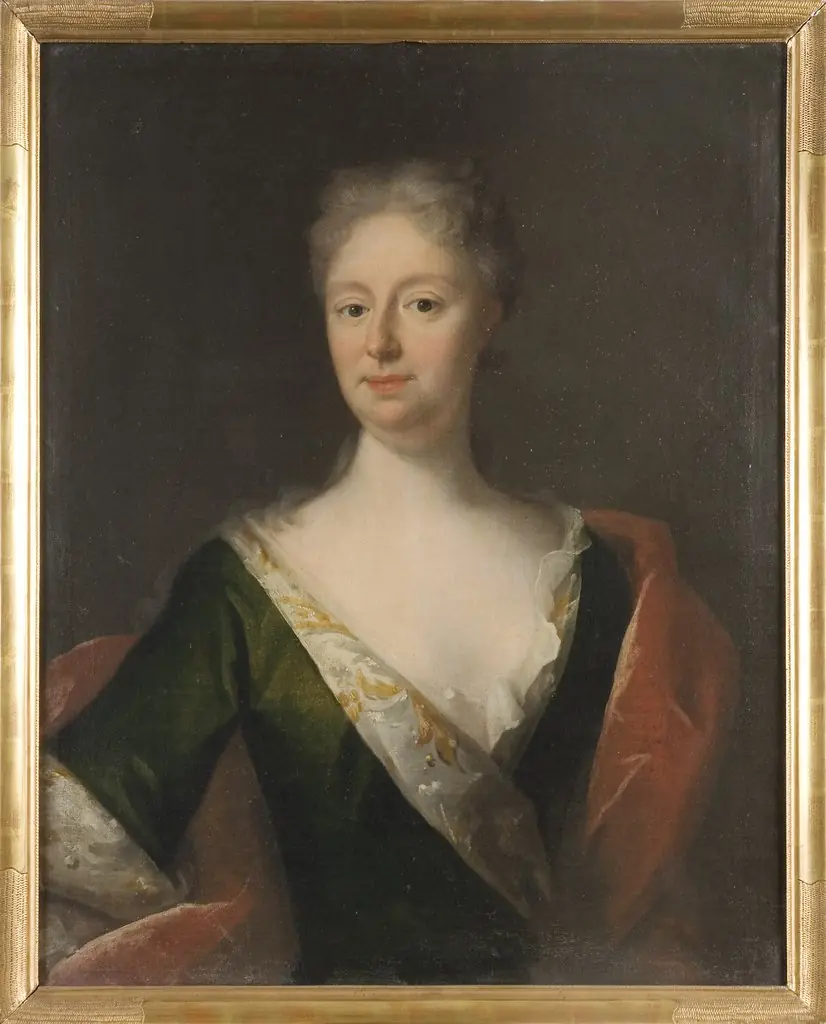
- Sofia Gyllenstierna af Ulaborg (1682-1722), friherrinna, g.m. friherre Adolf Herman Wrangel af Lindeberg
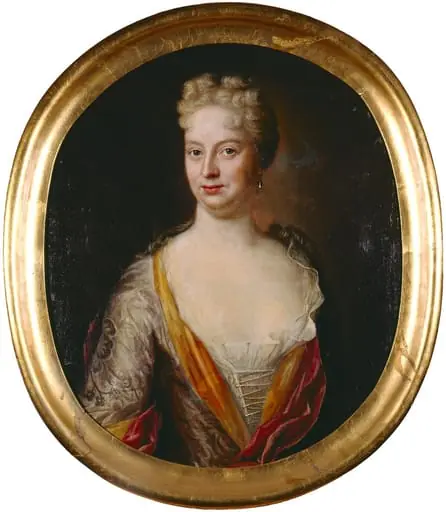 Piispatar Elisabet Wallin
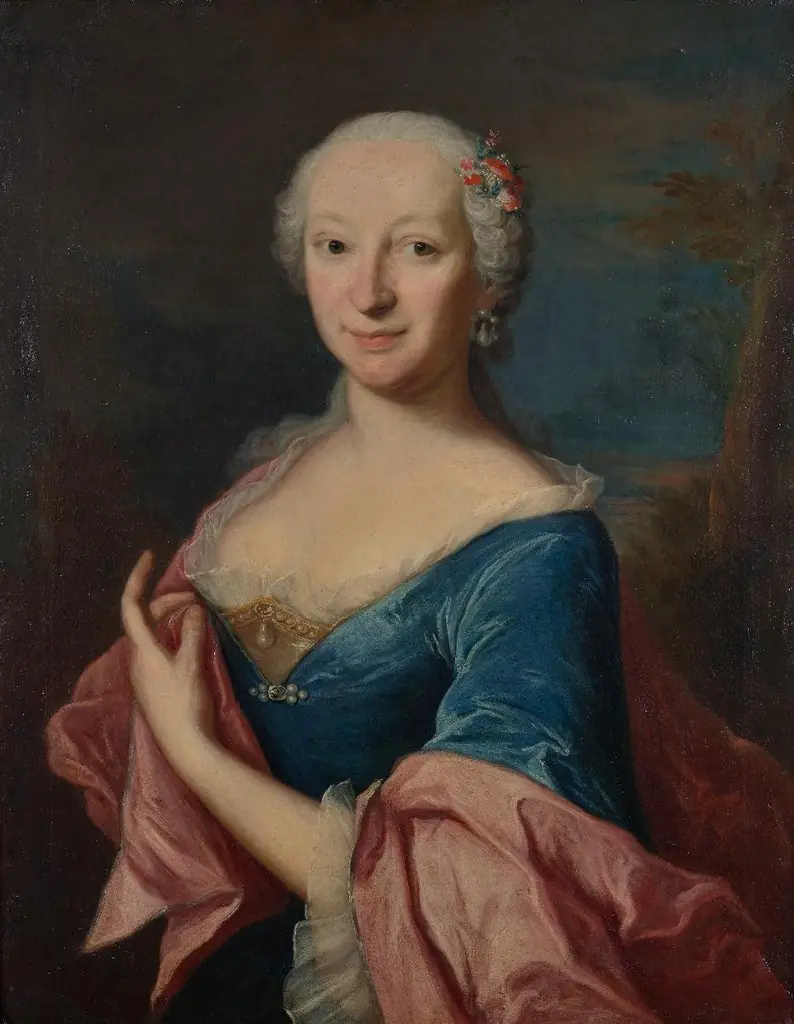 Bildnis Frau Regula Ott
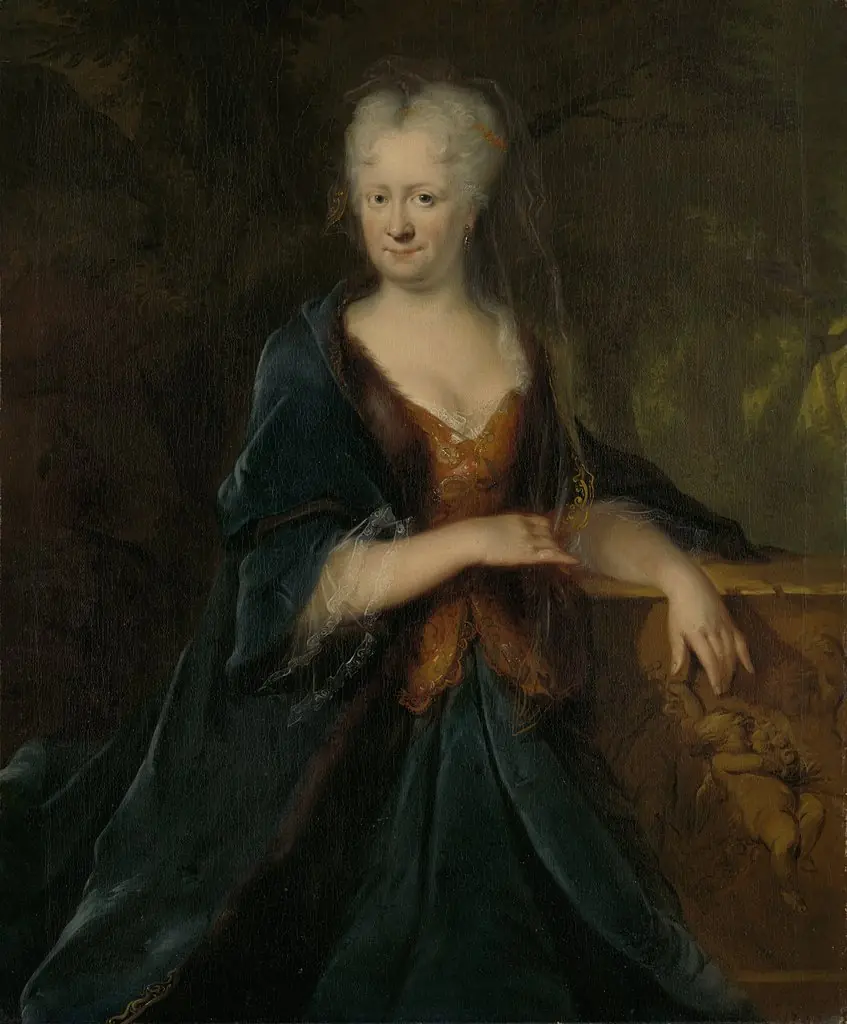 Portrait of Louise Christina Trip, Wife of Gerrit Sichterman
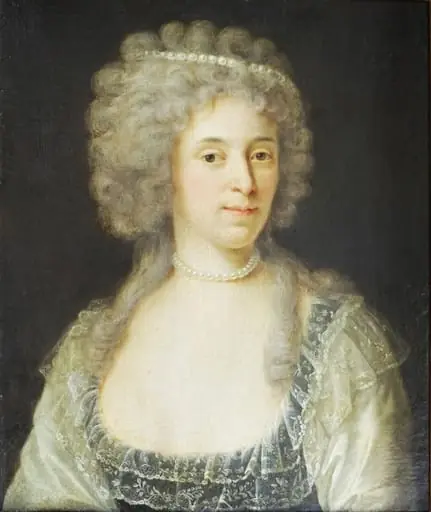 Portret de femeie
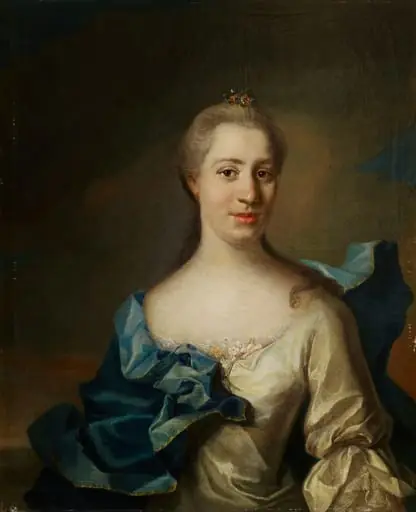 Maria Charlotta Silfverstjerna
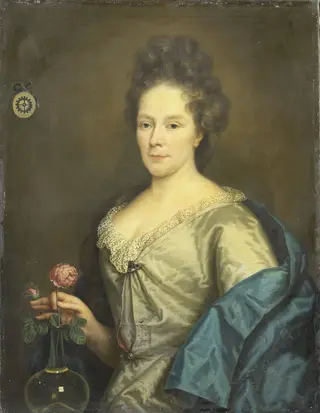 Portrait of Anna Maria van Hogendorp, second Wife of François Leydecker
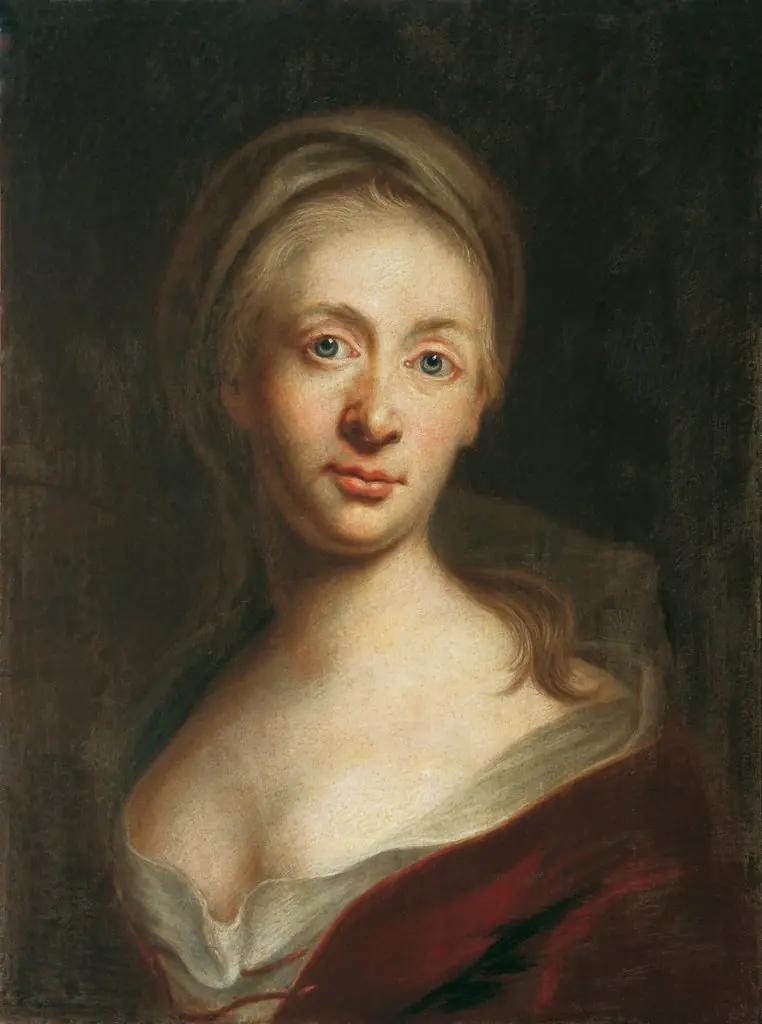 Portrait of a Lady
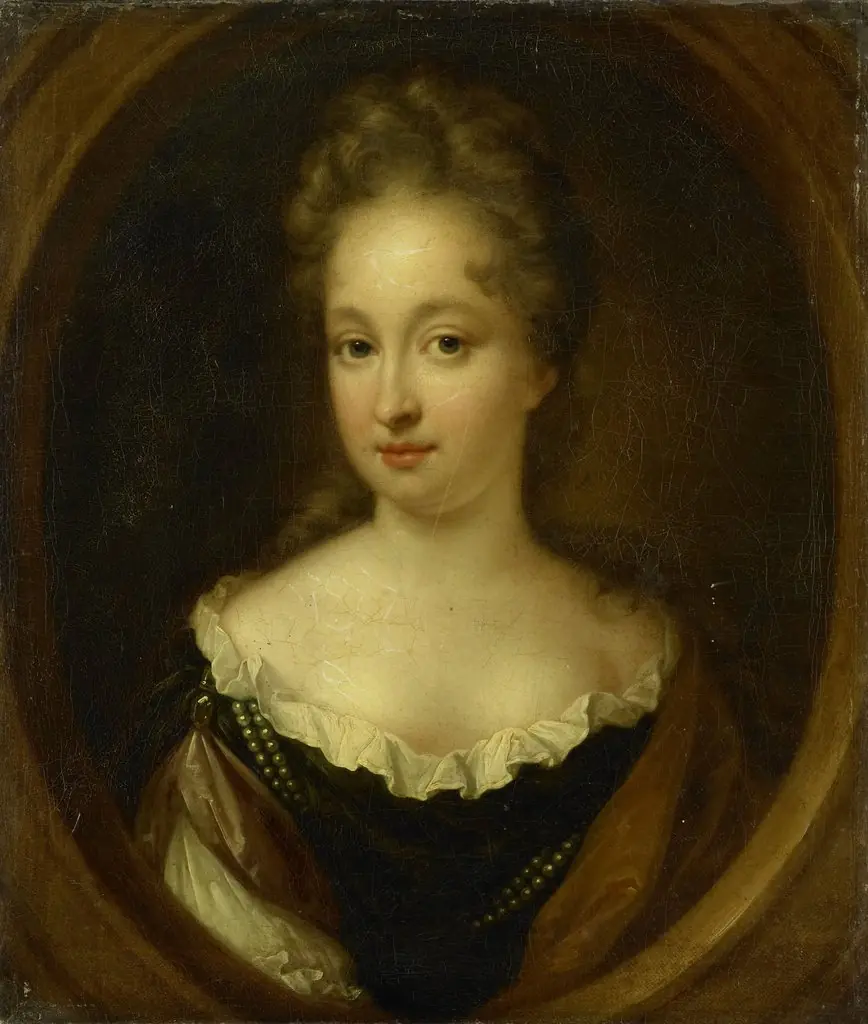 Portrait of Anna van Citters (1664-94), daughter of Aernout van Citters and Josina Parduyn
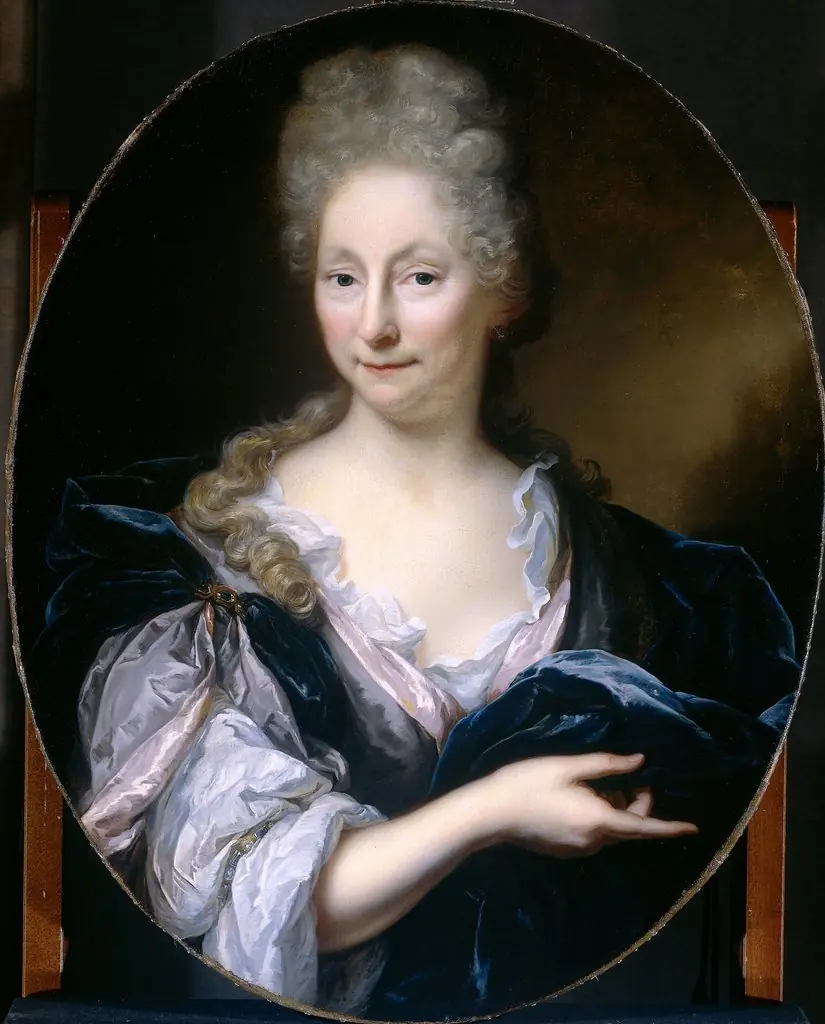 Portrait of Margaretha van de Eeckhout, Wife of Pieter van de Poel
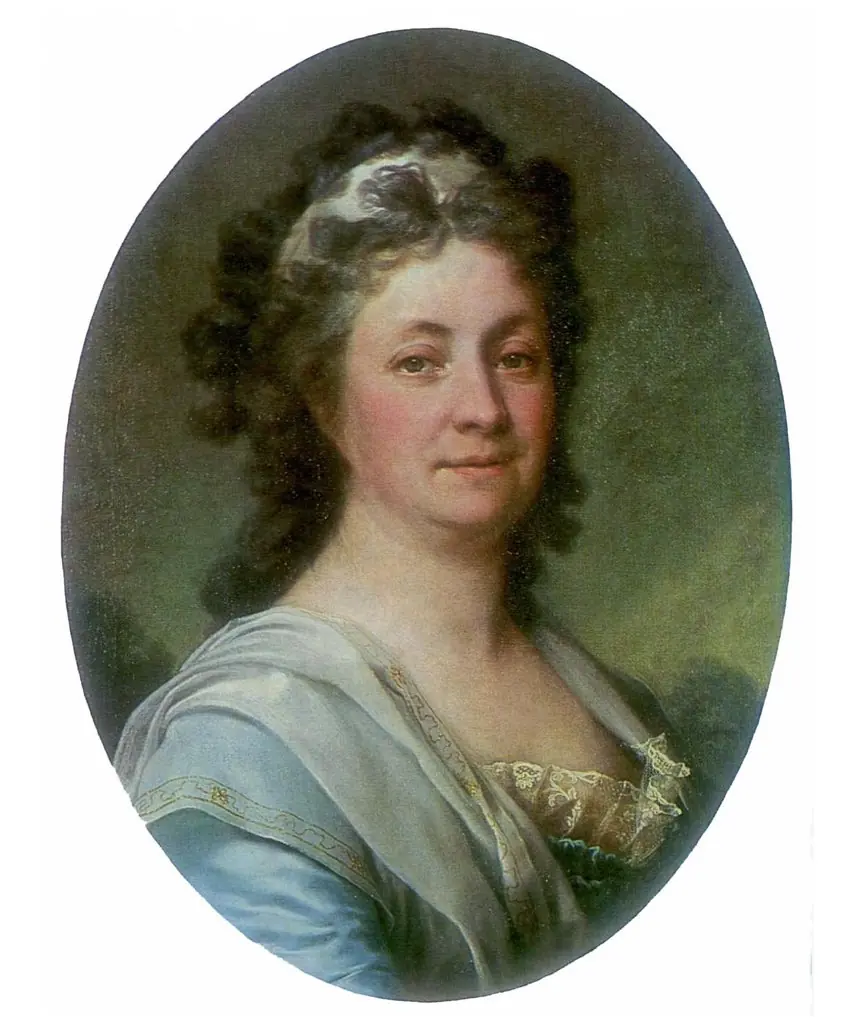 Porträt der Maria Ivanovna Myussar
 Portret Anny Ludwiki z Mycielskich Radziwiłłowej (1729-1771), żony Michała Kazimierza Radziwiłła "Rybeńki", hetmana wielkiego litewskiego i wojewody wileńskiego