Artwork
Portrait of Anna Maria van Hogendorp, second Wife of François Leydecker
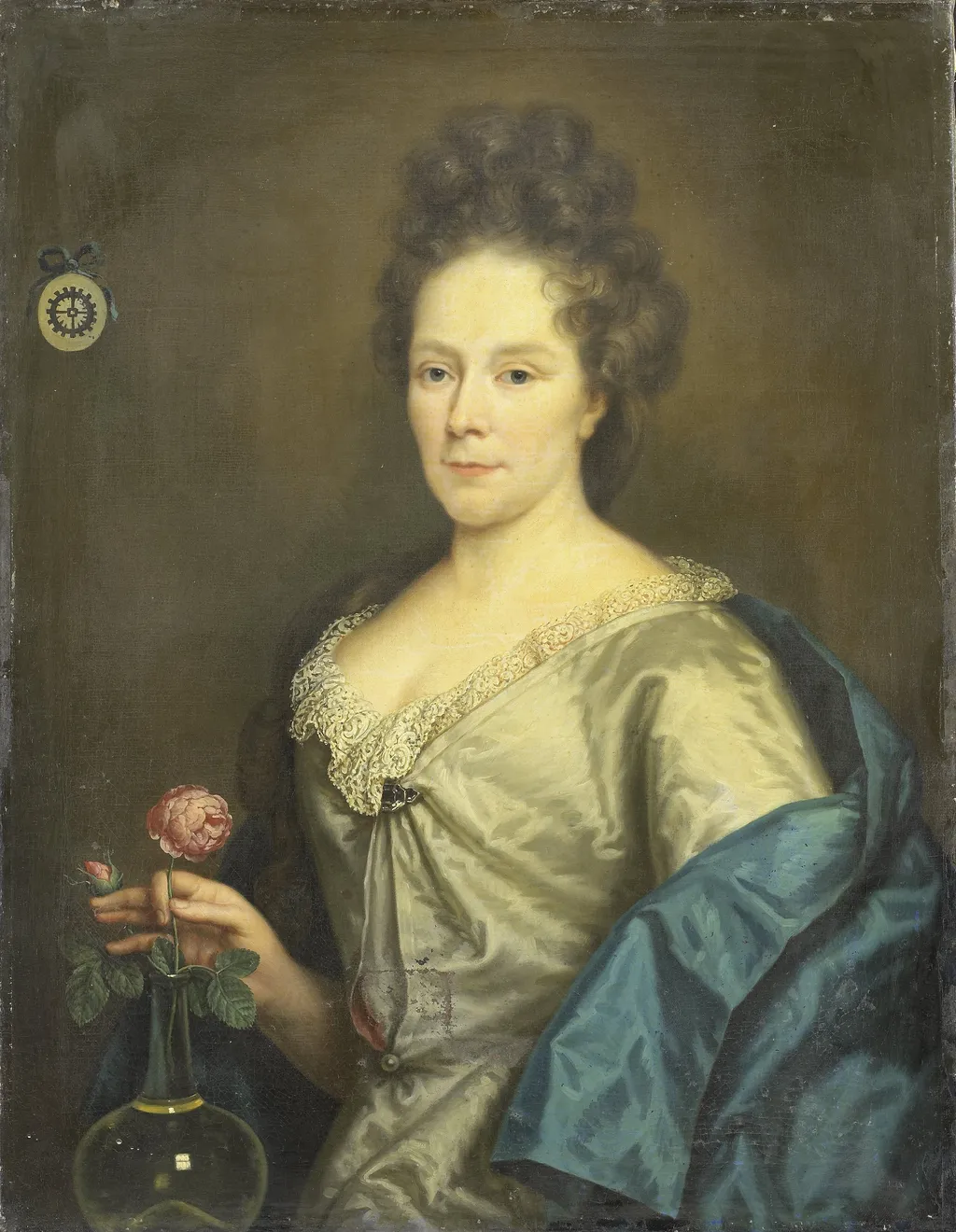
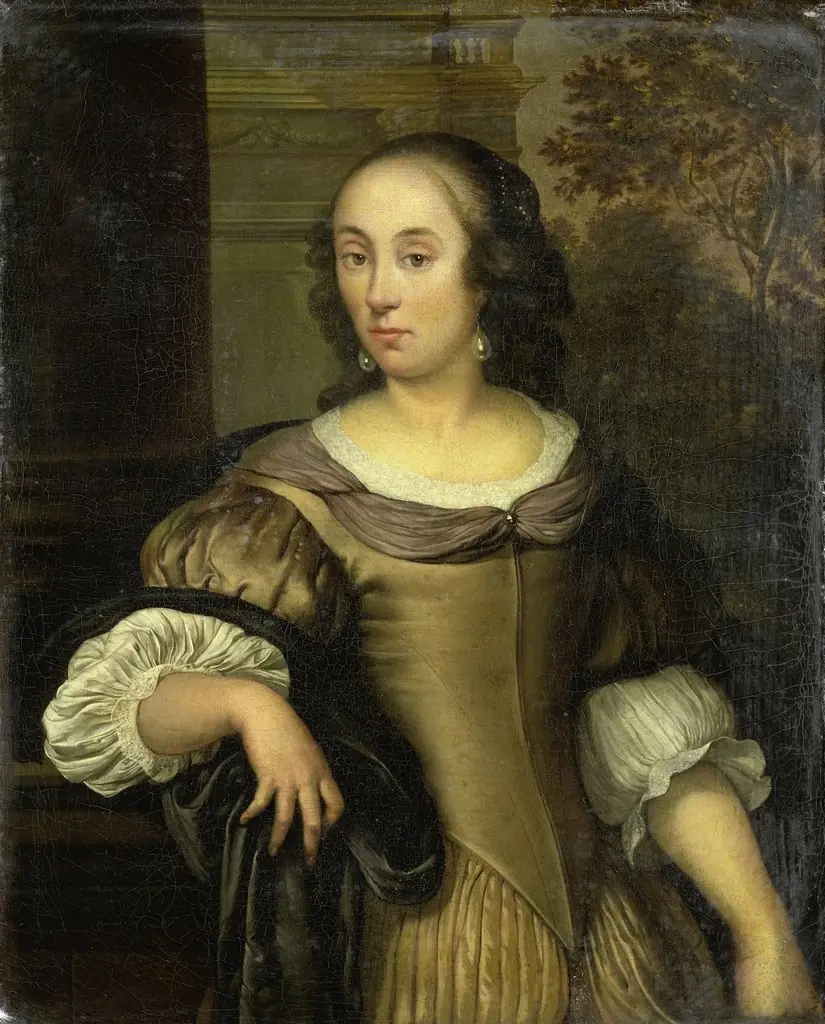
Portrait of Anna Maria van Hogendorp, second Wife of François Leydecker is an oil painting by the Dutch Golden Age artist Unknown. It dates from 1696 and is held in the collection of the Rijksmuseum. The oil painting depicts Anna Maria van Hogendorp, the second spouse of François Leydecker, seated against a dark, unadorned backdrop.
About this work
Technique & Style
The work measures 86 cm in height and 67 cm in width, adhering to the standard dimensions for Dutch portraiture of the late seventeenth century.
Created in 1690, this portrait is executed in oil paint on a canvas support. The work measures 86 cm in height and 67 cm in width, adhering to the standard dimensions for Dutch portraiture of the late seventeenth century. Produced in Holland, the painting is attributed to an anonymous artist.
As an oil-on-canvas piece from the Dutch Golden Age, it reflects the period's technical emphasis on realistic representation and material durability, though specific brushwork details or current conservation status are not recorded in the available documentation.
History & Provenance
Created in 1690 in Holland, this oil on canvas portrait depicts Anna Maria van Hogendorp. The work measures 86 by 67 centimeters. Historical records indicate that the painting was once owned by Jan van Swinderen. It is currently held in the collection of the Rijksmuseum, where it is attributed to an anonymous artist.
The portrait is held by the Rijksmuseum in Amsterdam, where it forms part of the museum's collection of seventeenth-century Dutch painting. According to the work's cataloguing, it is recorded as an anonymous painting within the Rijksmuseum holdings and is executed in oil on canvas, measuring 86 cm in height by 67 cm in width. The provenance documented for the work traces it back to Jan van Swinderen, a known former owner.
No exhibition history beyond its presence in the Rijksmuseum collection is recorded in the available sources. further situates the painting's origin in Holland, with an inception date of 1690, consistent with the dating recorded in the museum's records.
Overview
The oil painting depicts Anna Maria van Hogendorp, the second spouse of François Leydecker, seated against a dark, unadorned backdrop. She is dressed in an elaborate historic costume, holding a single pink rose in one hand while her other arm leans on a dark, rounded object. Her hair is styled in an elevated fashion, and a light lace bodice with a blue sleeve drapes over her shoulder, creating a composed, dignified portrait.
Subject & Meaning
Anna Maria van Hogendorp is presented as a figure of refined elegance, the rose serving as a conventional symbol of femininity and perhaps marital affection. The subdued background isolates her, emphasizing her attire and the delicate flower, suggesting a focus on personal identity and status within the domestic sphere of the period.
Artist & collection









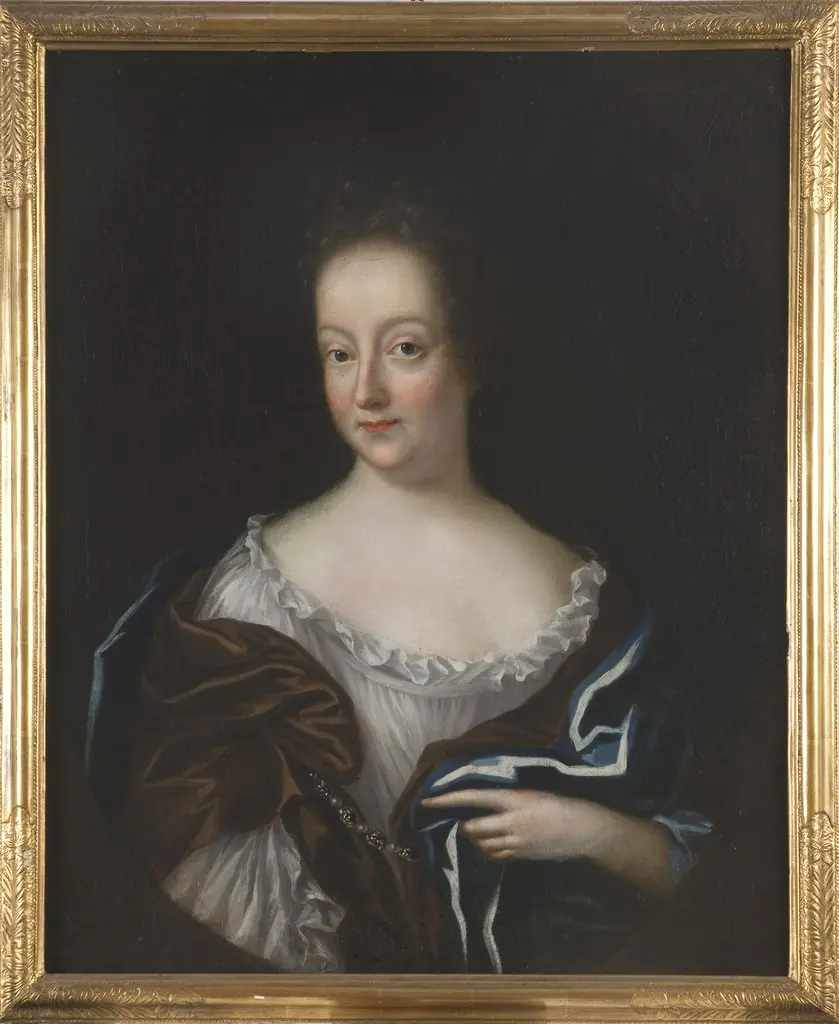 Beata Elisabet von Königsmarck (1637-1723), grevinna, gift med greve Pontus Fredrik De la Gardie
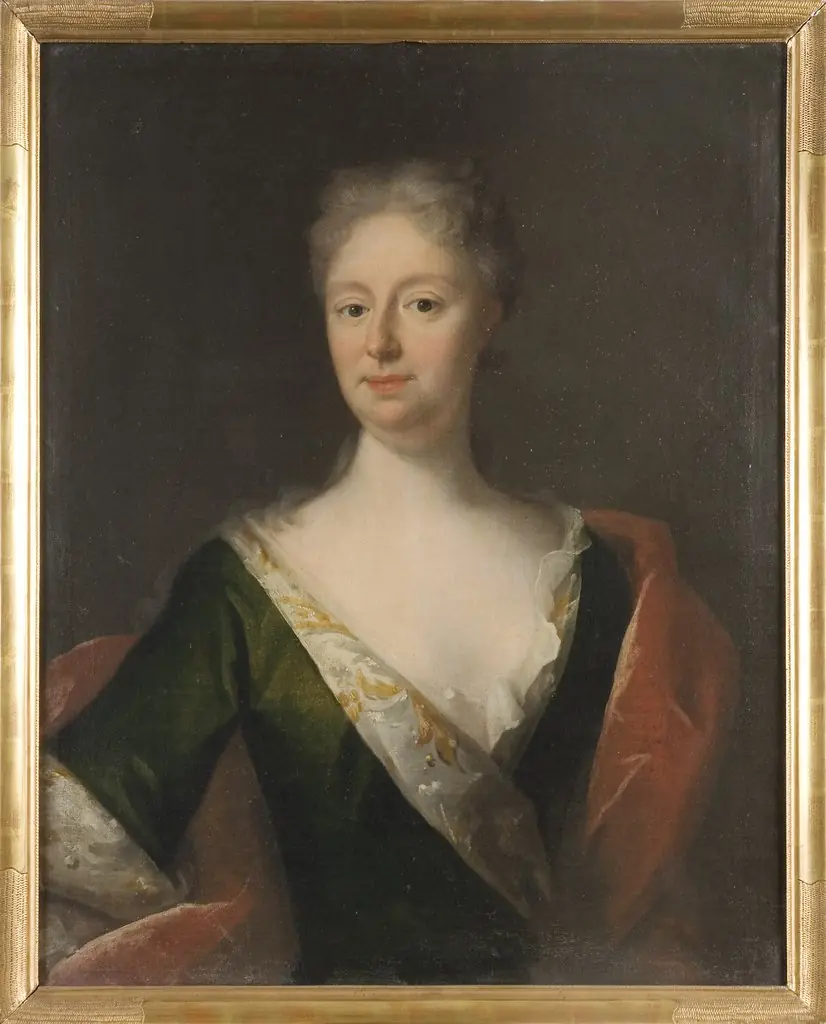 Sofia Gyllenstierna af Ulaborg (1682-1722), friherrinna, g.m. friherre Adolf Herman Wrangel af Lindeberg
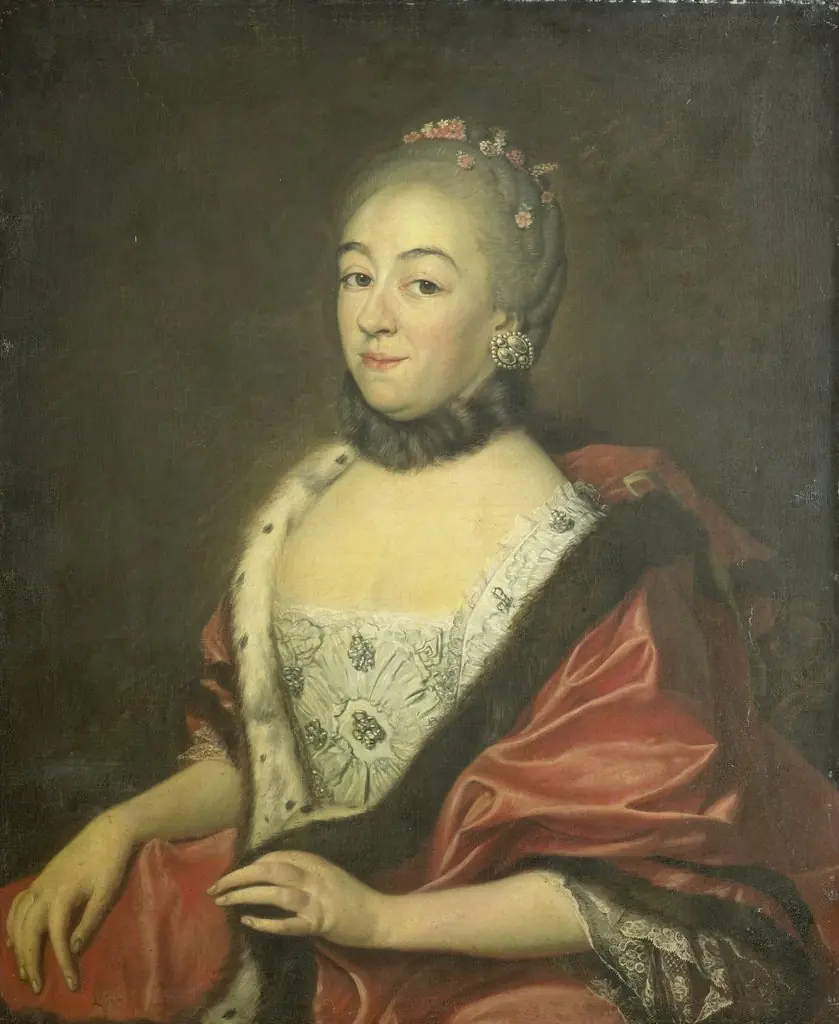 Sandrina van den Broecke, Wife of George Lodewijk Matthes
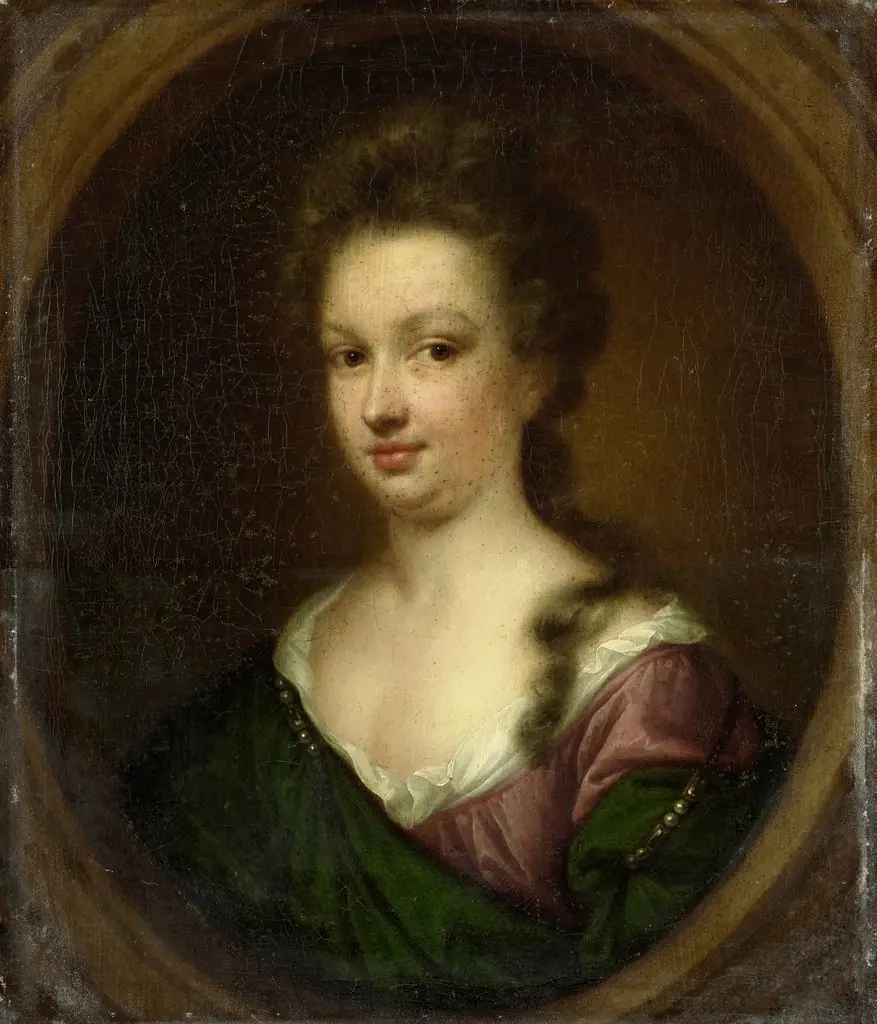 Portrait of Emerantia van Citters (1666-94), sister of Anna van Citters
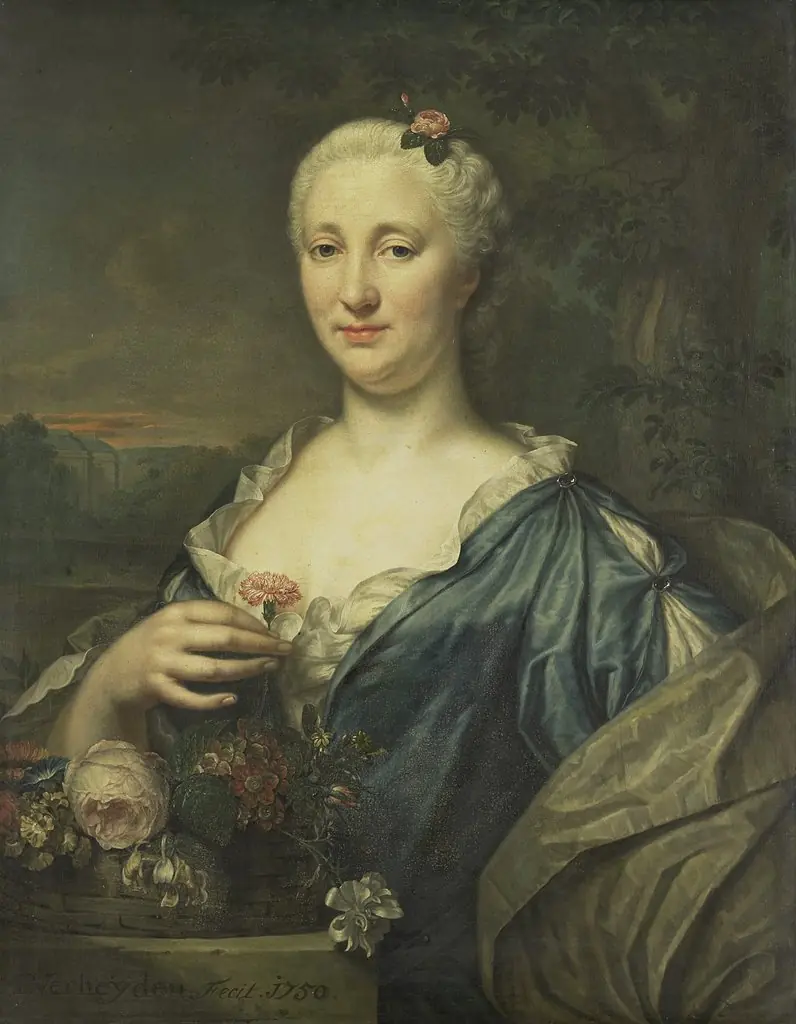 Portrait of Agnes Margaretha Albinus, Wife of Coenraad van Heemskerck
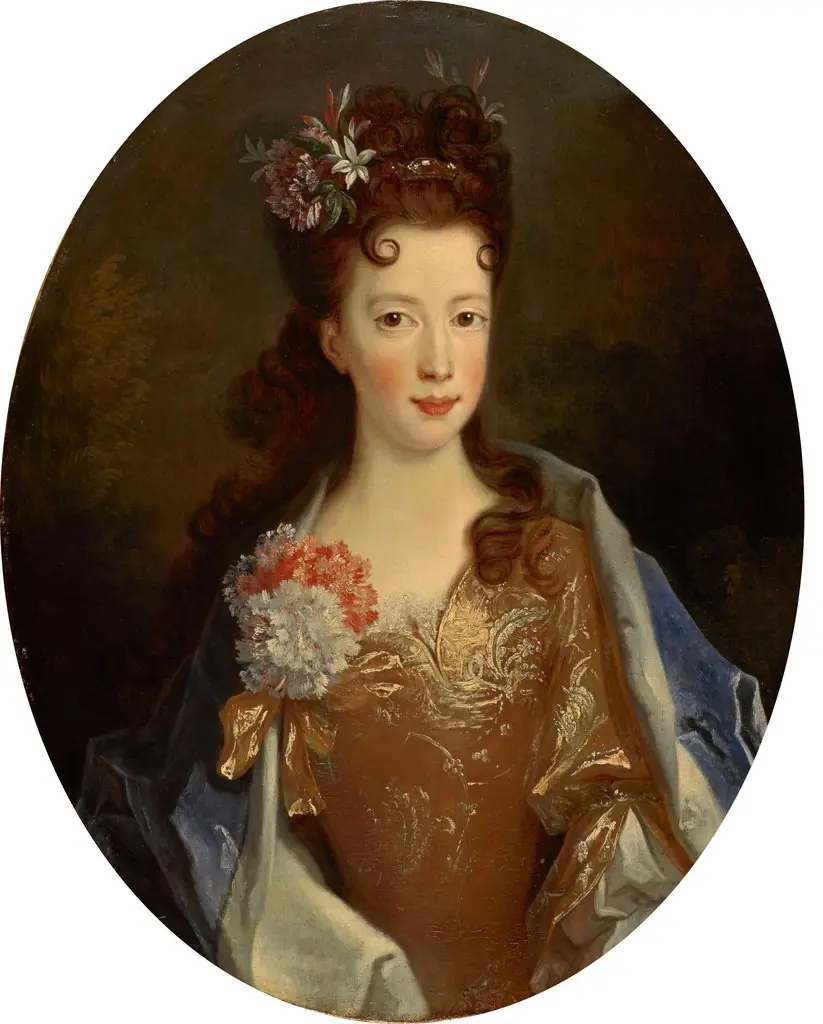 Princess Louisa Maria Teresa Stuart, 1692 - 1712. Daughter of James VII and II
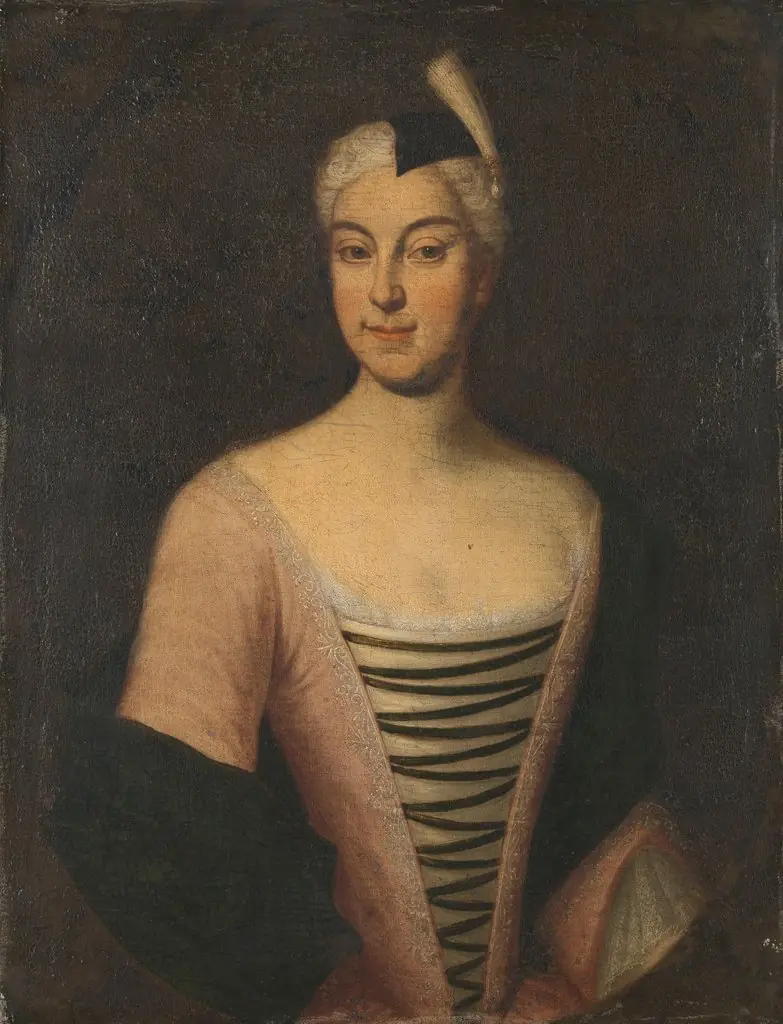 Portrait of a woman
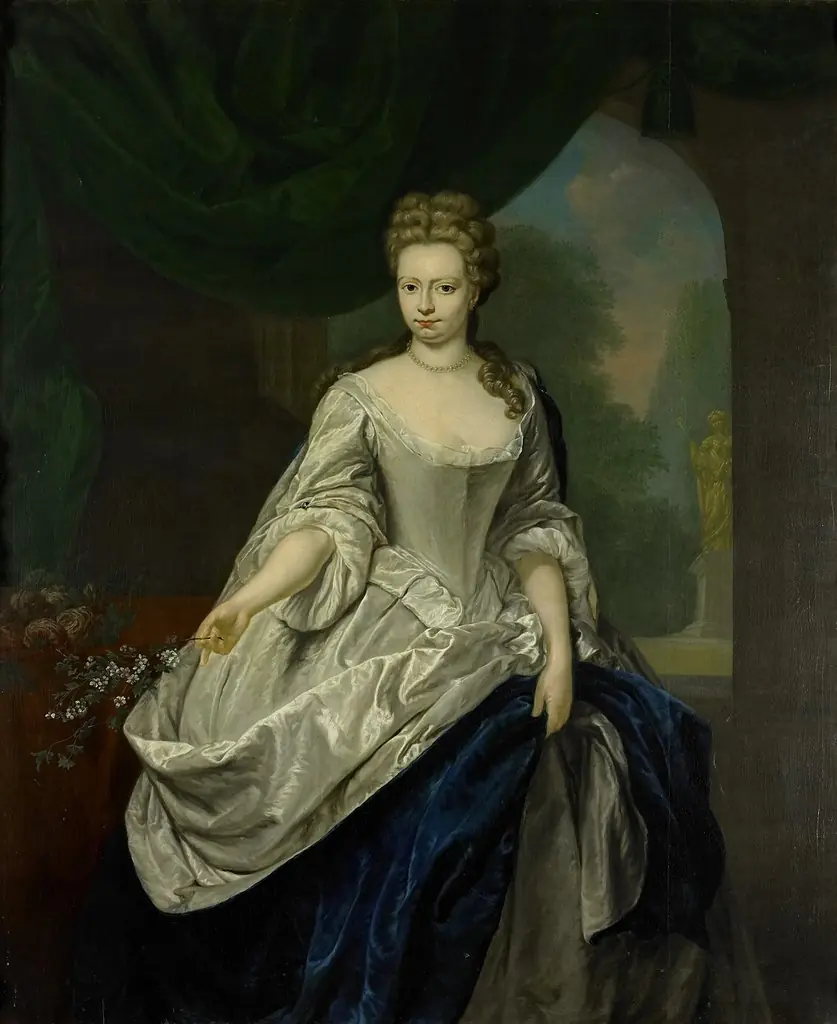 Portrait of Louise Christina Trip (died 1733), Wife of Gerrit Sichterman
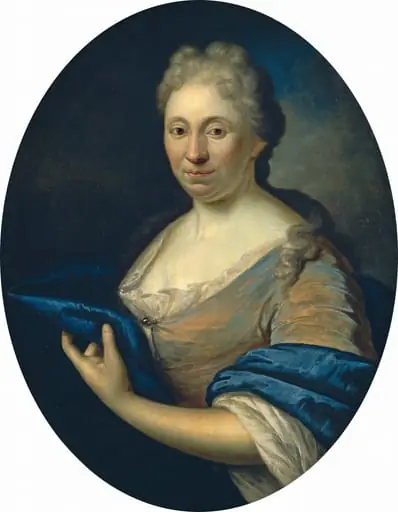 Anna de Peyster (?)
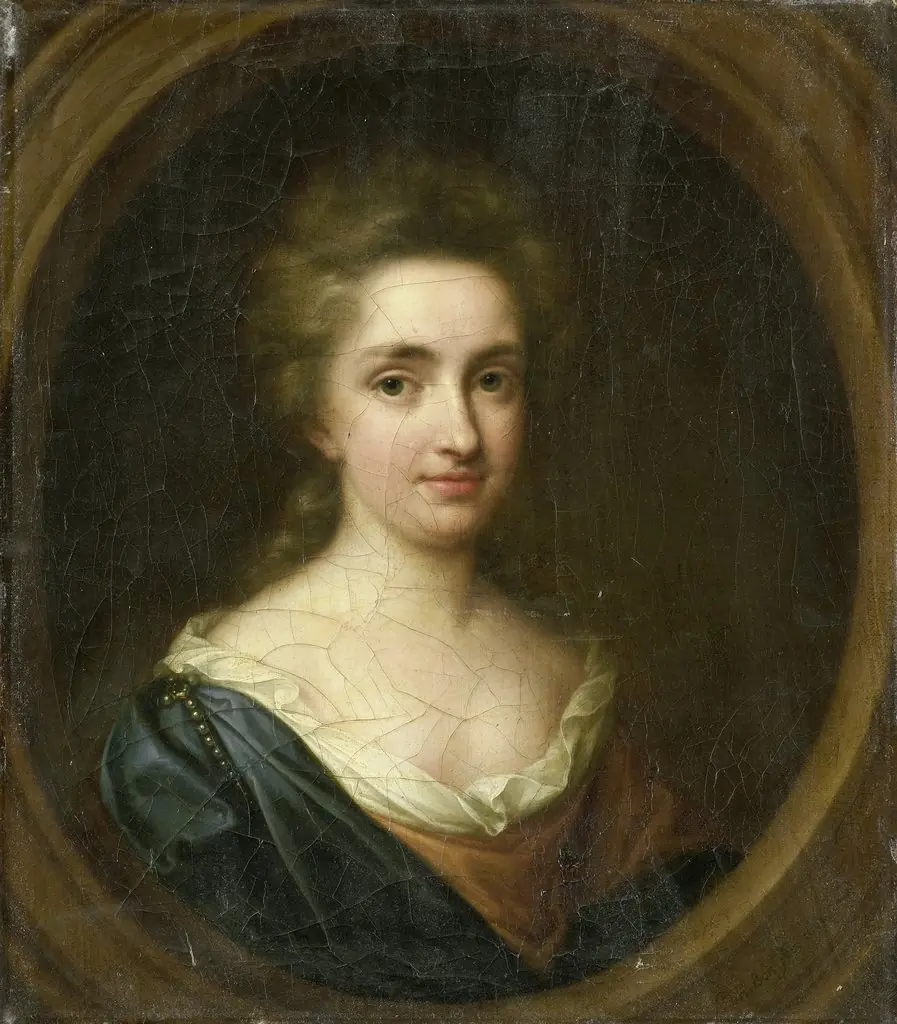 Portrait of Johanna van Citters (1672-1740), sister of Anna van Citters
 Portrait of a young woman
- Portrait of Anna van Citters (1664-94), daughter of Aernout van Citters and Josina Parduyn