Artwork
Waltham Abbey
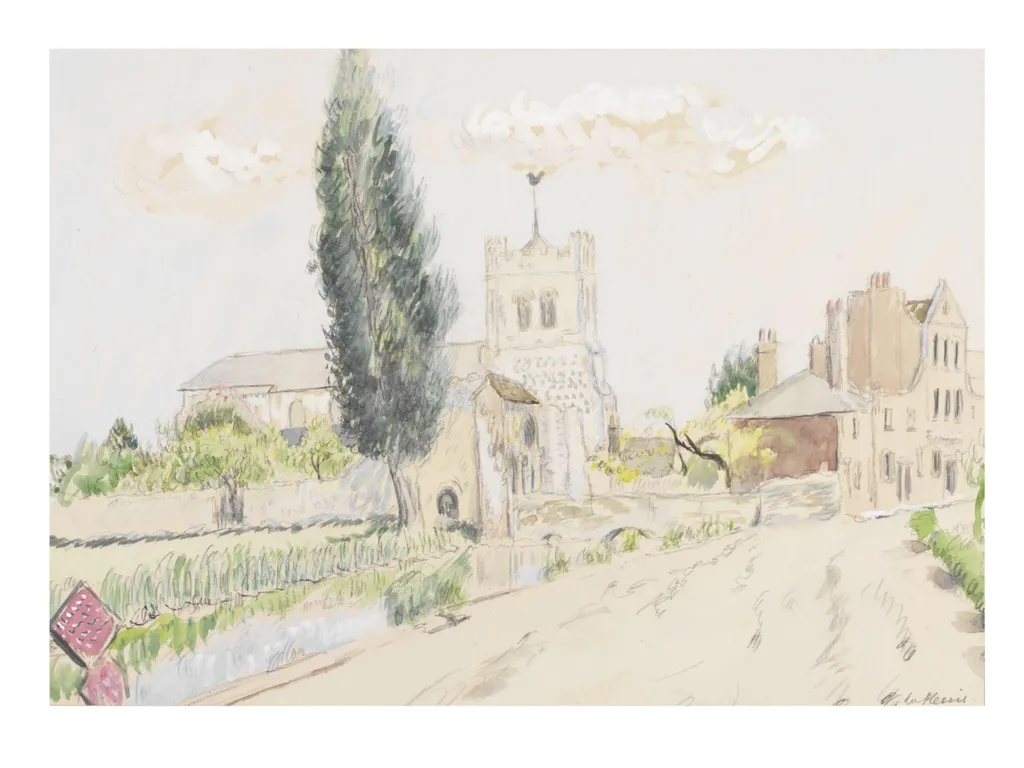
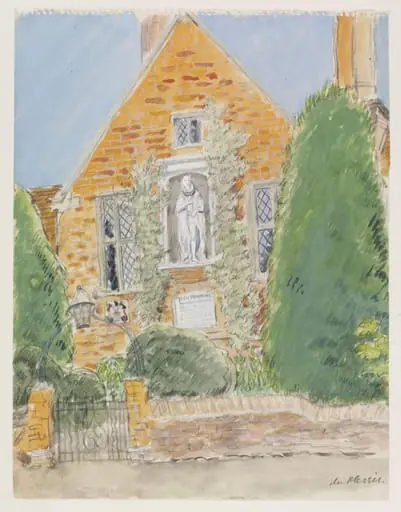
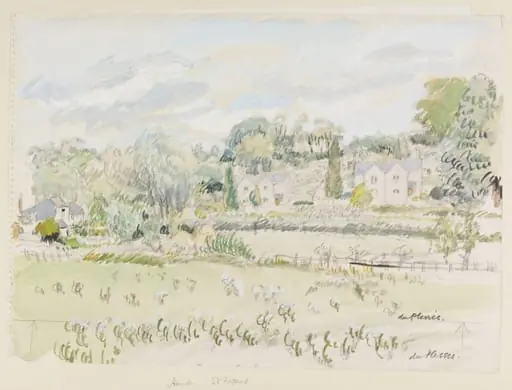
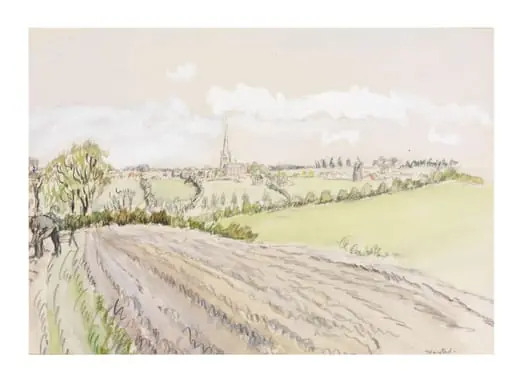
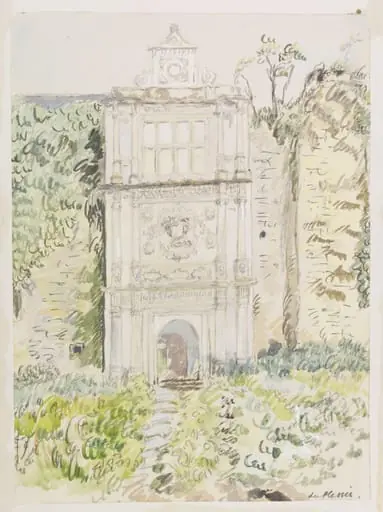
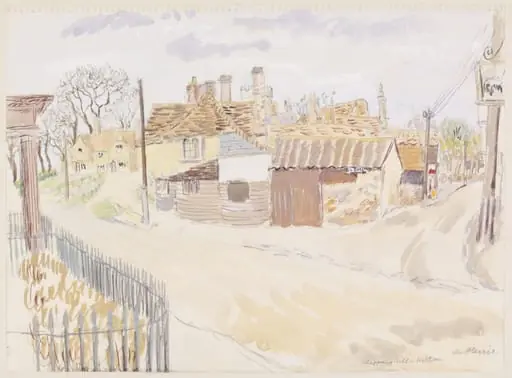
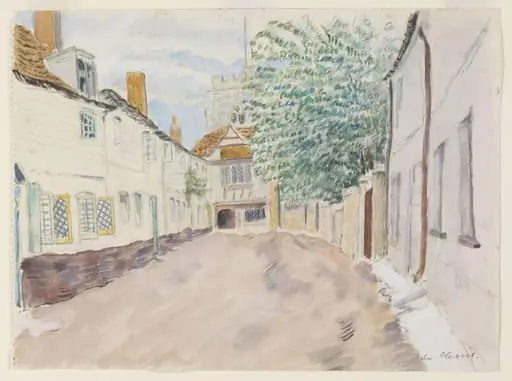
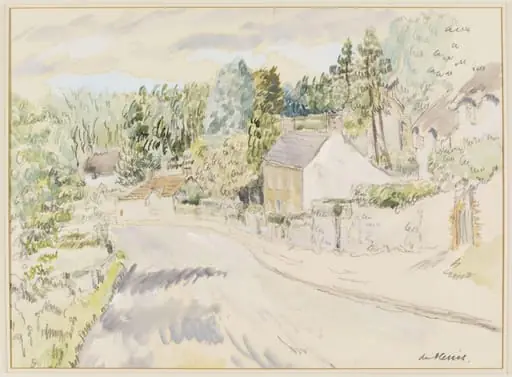
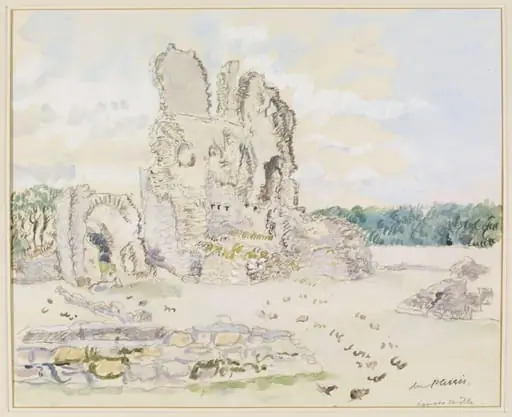
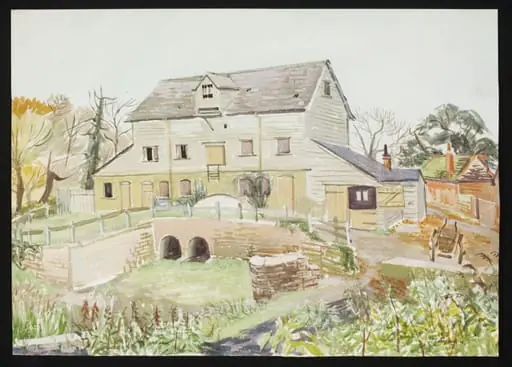
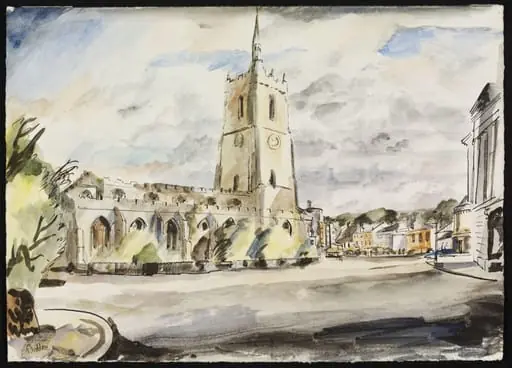
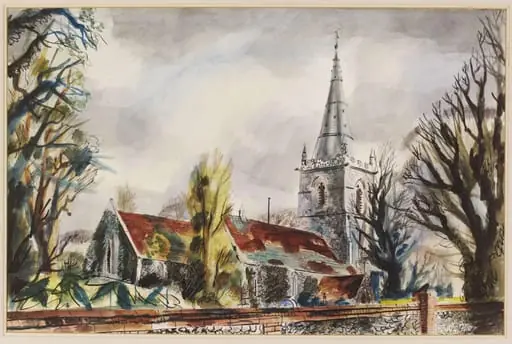
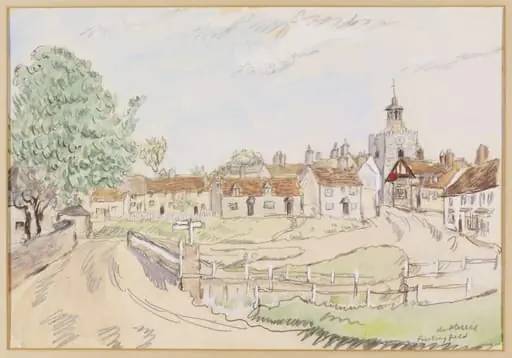
Waltham Abbey is a watercolor work on paper by the Regionalist artist H. E. Du Plessis. It dates from 1940 and is held in the collection of the Victoria and Albert Museum. This watercolour by H.
About this work
Du Plessis painted it around 1940 when most of Waltham had modern buildings, leaving just the abbey’s medieval bits untouched.
This watercolour shows Waltham Abbey, an old Saxon burial site and later a pilgrimage spot. H. E. Du Plessis painted it around 1940 when most of Waltham had modern buildings, leaving just the abbey’s medieval bits untouched.
Harold, the last Anglo-Saxon king, rests there after losing at Hastings in 1066. People still walked to the abbey for its Holy Rood relic.
If you want to see more like this, check out Du Plessis, H. E.
Overview
This watercolour by H. E. Du Plessis depicts Waltham Abbey, a historic site in Essex, England. The painting dates to around 1940.
Subject & Meaning
Waltham Abbey is a site of historical significance, having been the burial place of Harold, the last Anglo-Saxon king, after his defeat at the Battle of Hastings in 1066. It was also a pilgrimage site due to its possession of the Holy Rood relic.
Context
By the time Du Plessis painted Waltham Abbey, much of the surrounding area had been modernised, leaving the abbey and its immediate surroundings as the only remaining medieval features.
Artist & collection
Artist
A South Wales watercolor artist active around 1940, H. E. Du Plessis painted the everyday buildings and lanes of Glamorganshire. Brush in hand, he recorded places like the low stone Jesus Hospital in Bray and the…