Artwork
Castel Sant' Elmo, from Capodimonte
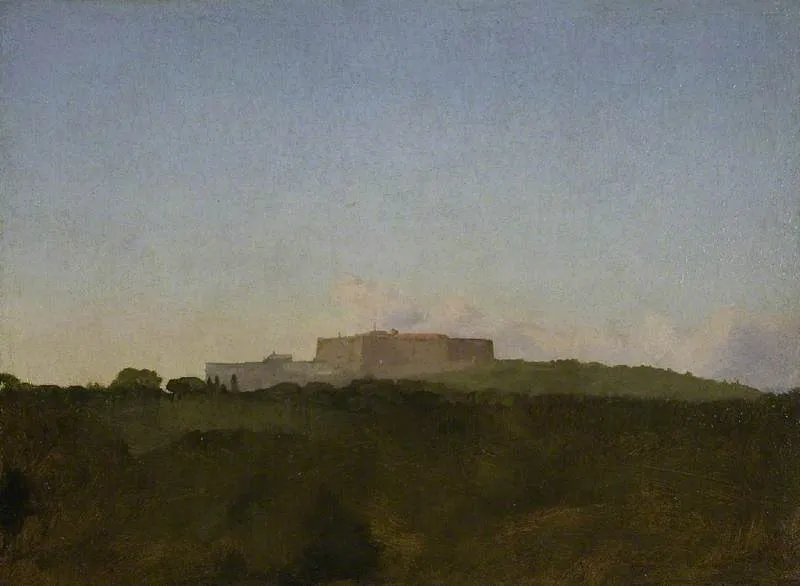
Castel Sant' Elmo, from Capodimonte is an unspecified painting by Edgar Degas. It dates from 1856 and is held in the collection of the Fitzwilliam Museum.
About this work
Overview
Edgar Degas painted the view of Castel Sant'Elmo in 1856, depicting the Neapolitan fortress perched atop a gentle rise. The canvas captures the structure silhouetted against a pale sky, framed by modest vegetation that leads the eye toward the distant edifice. The composition conveys a tranquil atmosphere, emphasizing the quiet presence of the building within its natural surroundings.
Subject & Meaning
The work presents the historic Castel Sant'Elmo, a 14th‑century fortification overlooking Naples, as a serene landscape element rather than a bustling military site. By situating the castle amid calm foliage and an unobstructed horizon, Degas invites contemplation of architecture’s integration with the environment, suggesting a moment of stillness amid the city’s broader activity.
Technique & Style
Executed with softened brushwork and a restrained palette, the painting employs muted earth tones and delicate blues that mute the dramatic potential of the scene. Degas’s handling of light creates a gentle diffusion across the sky, while the subtle modeling of the stone and foliage lends the composition a quiet, almost lyrical quality.
History & Provenance
Created early in Degas’s career, the canvas later entered the collection of the Capodimonte Museum before being transferred to the Fitzwilliam Museum in Cambridge. Its movement reflects the 19th‑century interest in Italian vistas among French artists and the subsequent acquisition by British institutions seeking representative works of Degas’s formative period.
Artist & collection

Artist
Born Hilaire-Germain-Edgar De Gas on 19 July 1834 in Paris, Edgar Degas came from an affluent banking family with aristocratic roots and spent his childhood among the cultivated circles of the French capital.

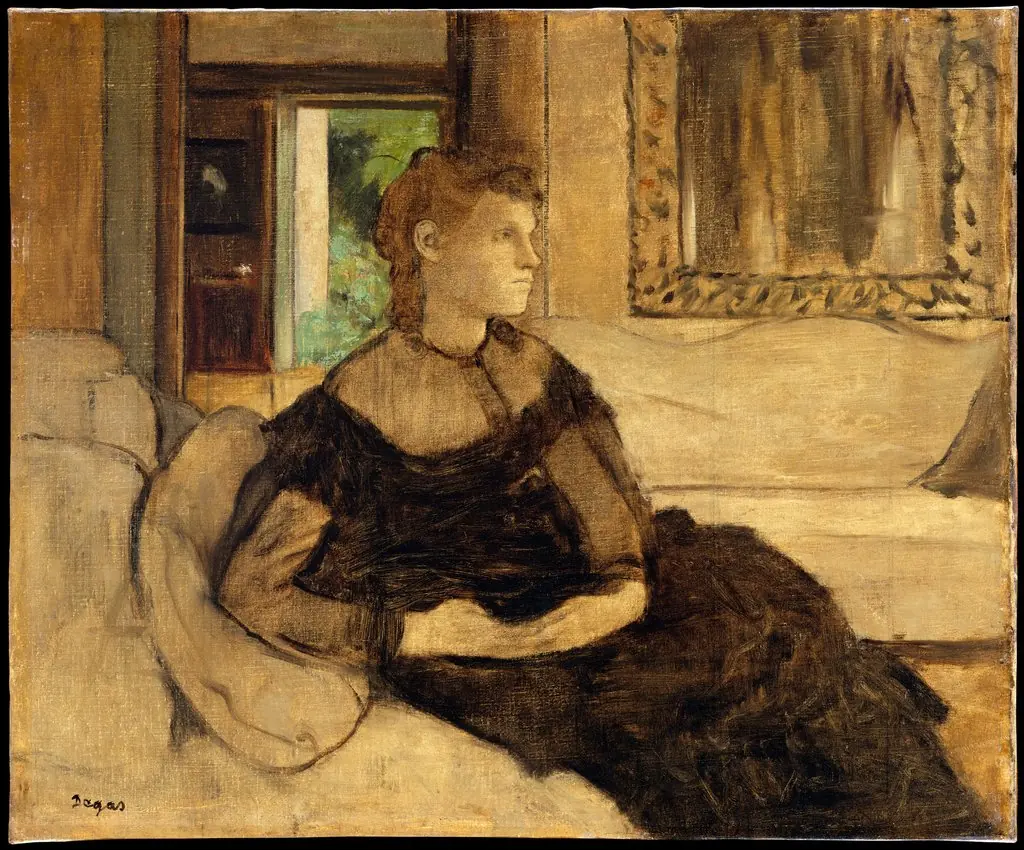

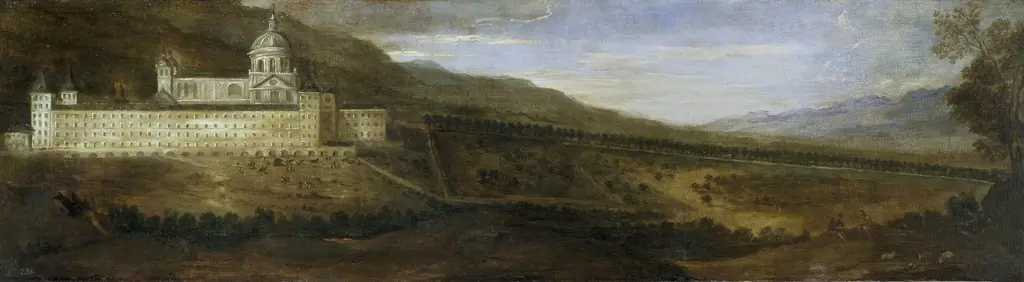
- View of the Monastery of El Escorial
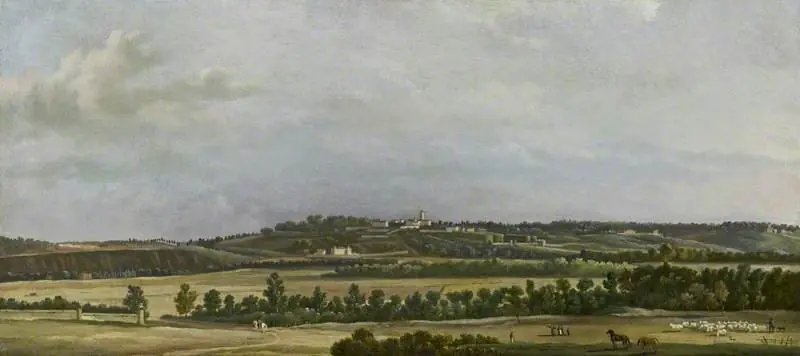 The Heights of Sannois Seen from the Plain of Argenteuil
 View of Rome
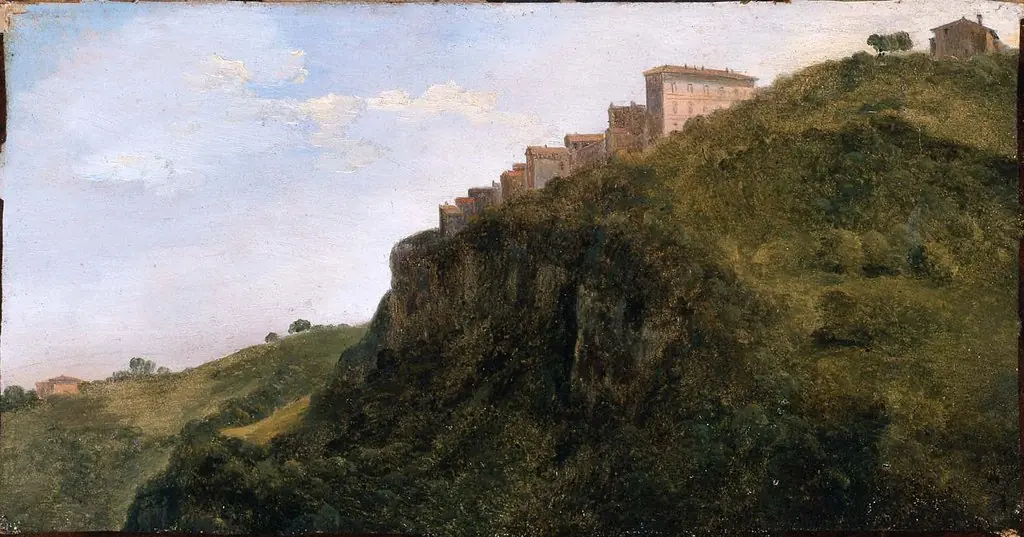 Italian Hill Town
 Landscape: Morning Mist
 A View of Tivoli
 Landscape
 View of the Roman Campaign near Subiaco
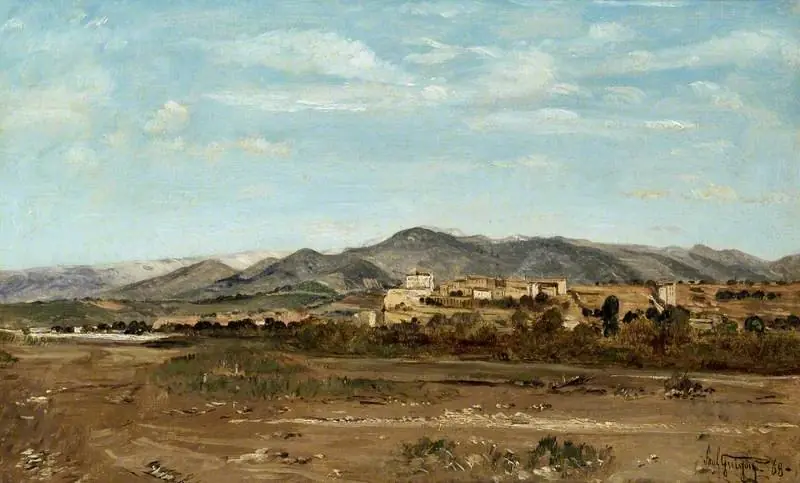 Village of Lauris, in Vaucluse on the Banks of the River Durance
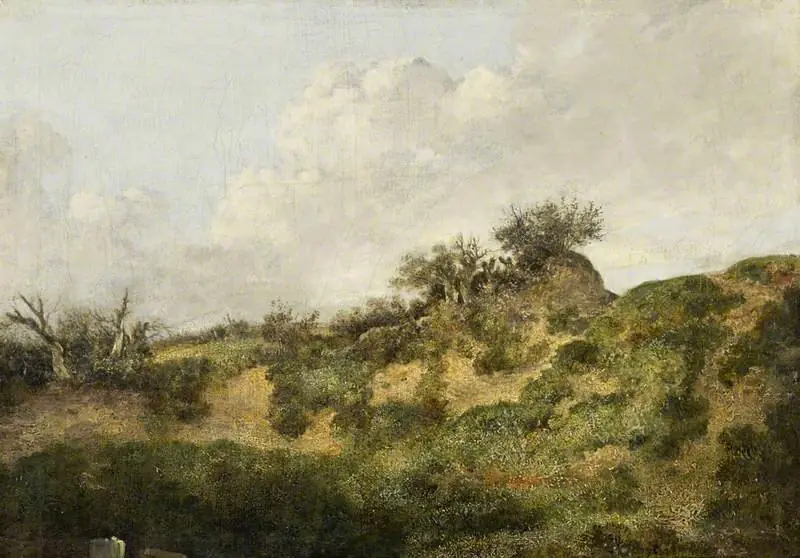 A Sandy Bank
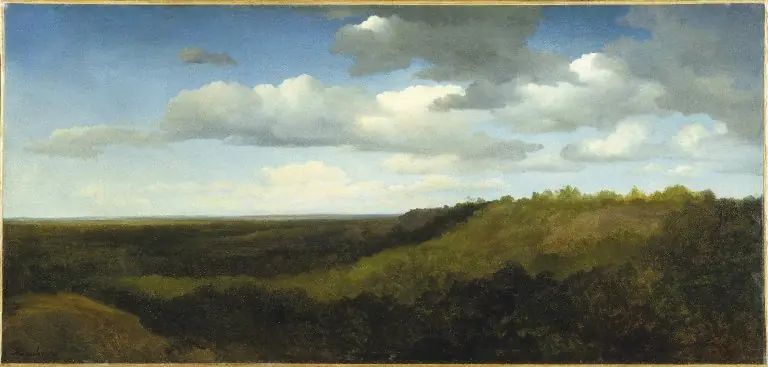 Landscape in the Roman Campagna
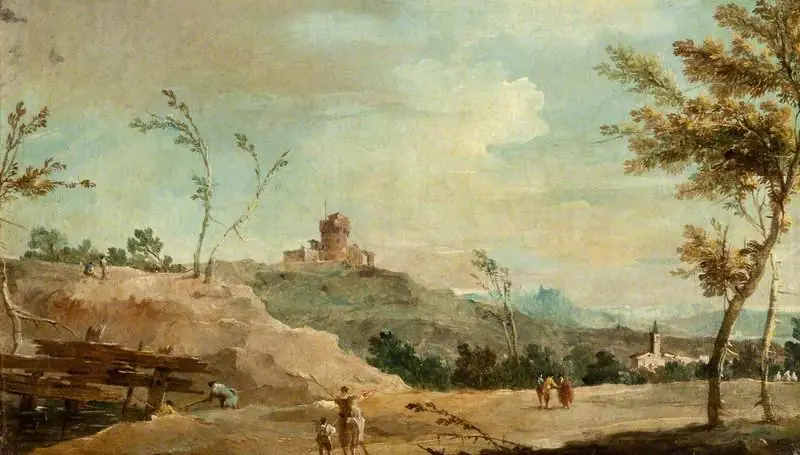 Hilly Landscape with a Ruined Tower