Artwork
Kragerø in Spring
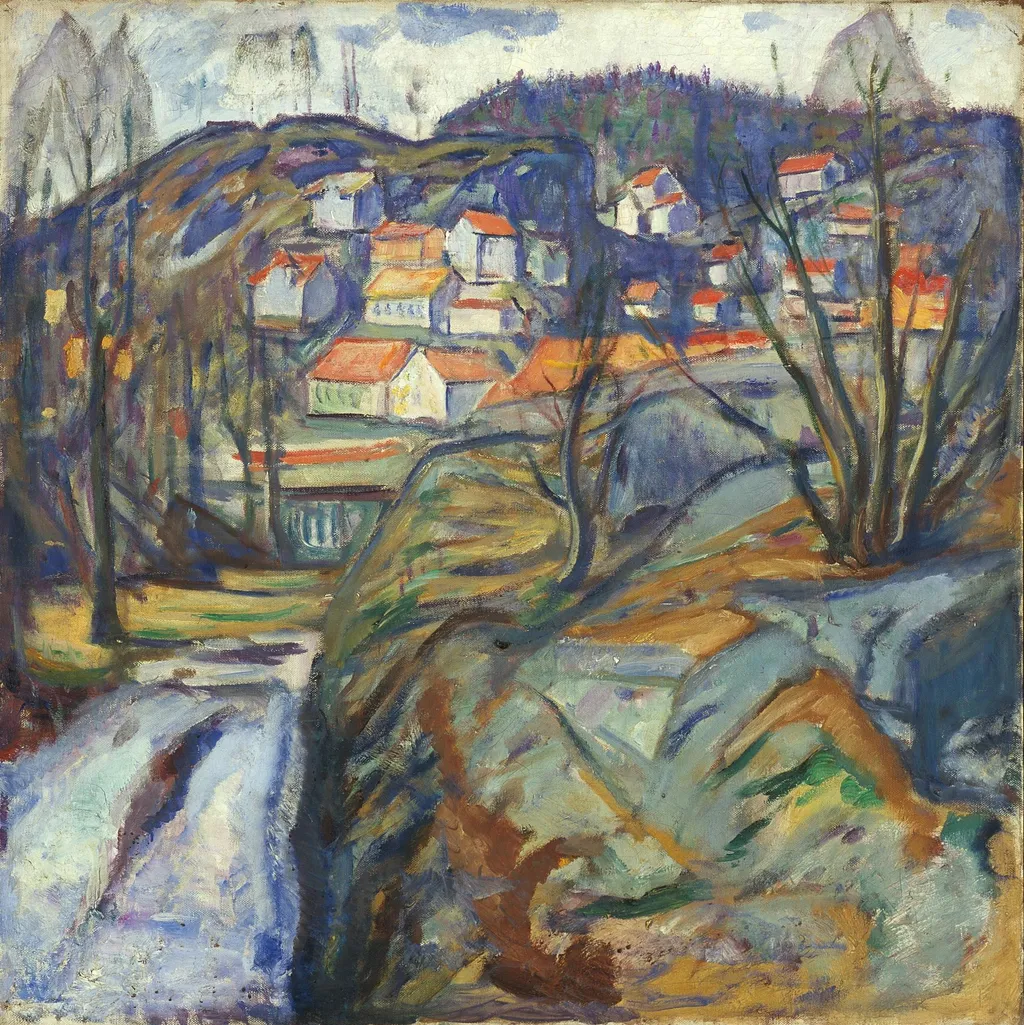
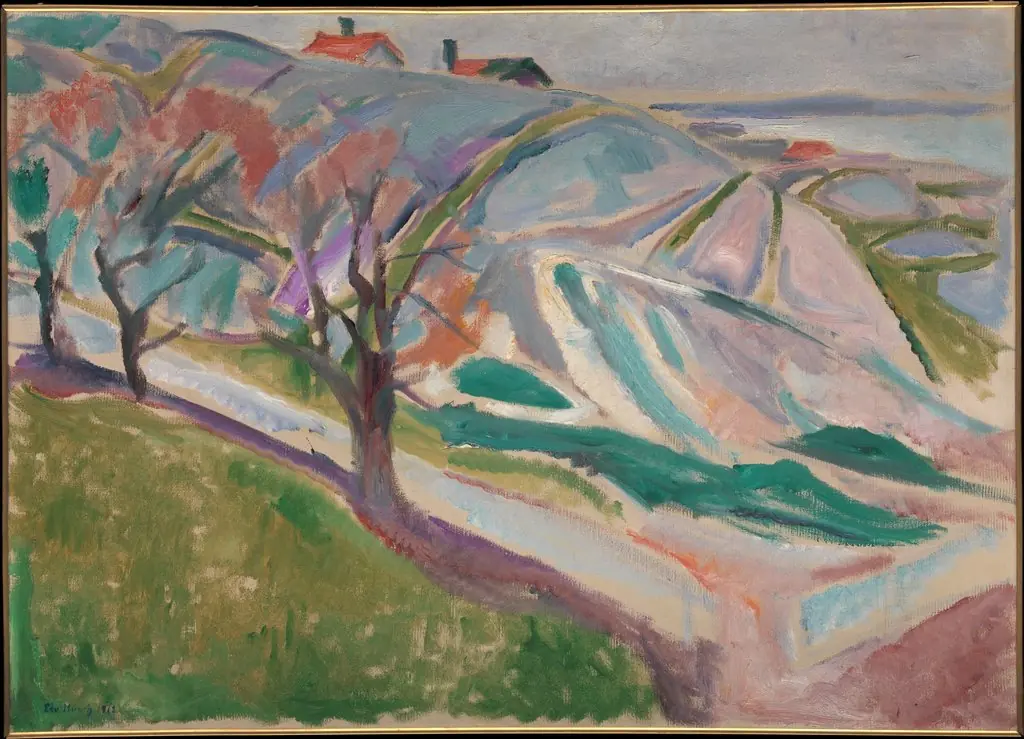
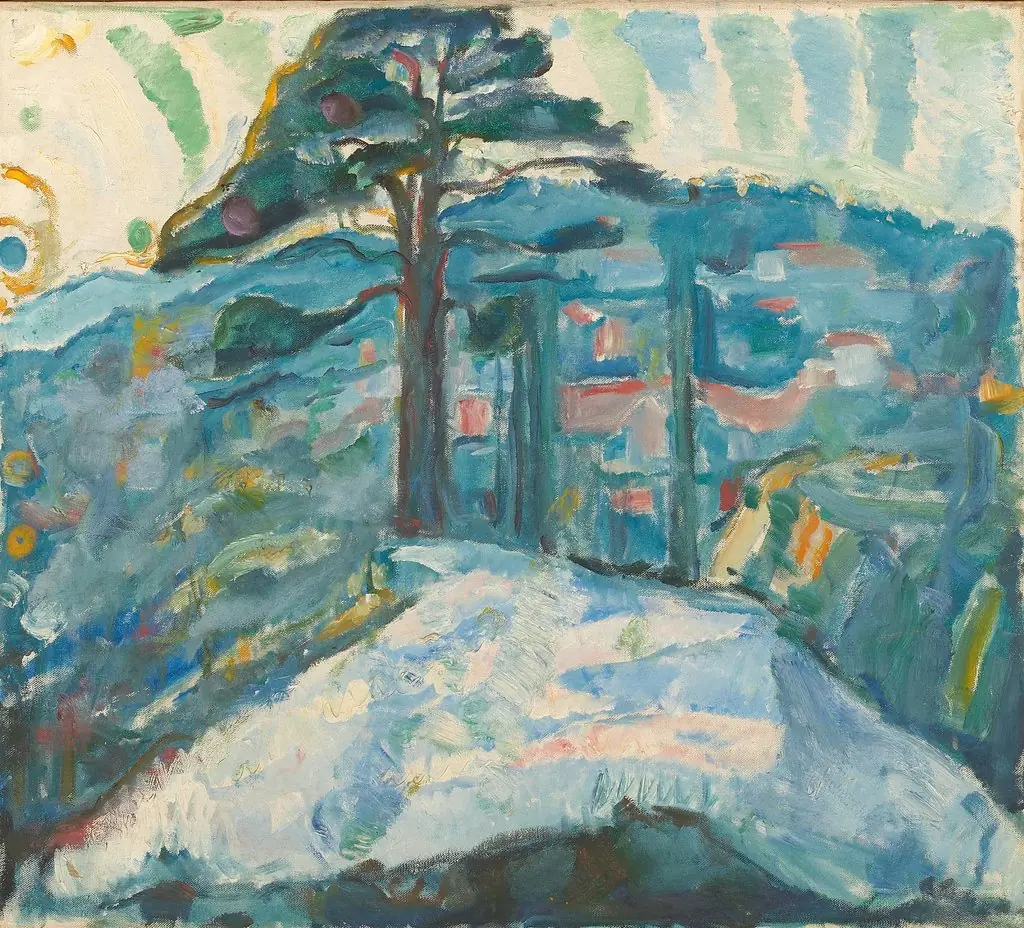
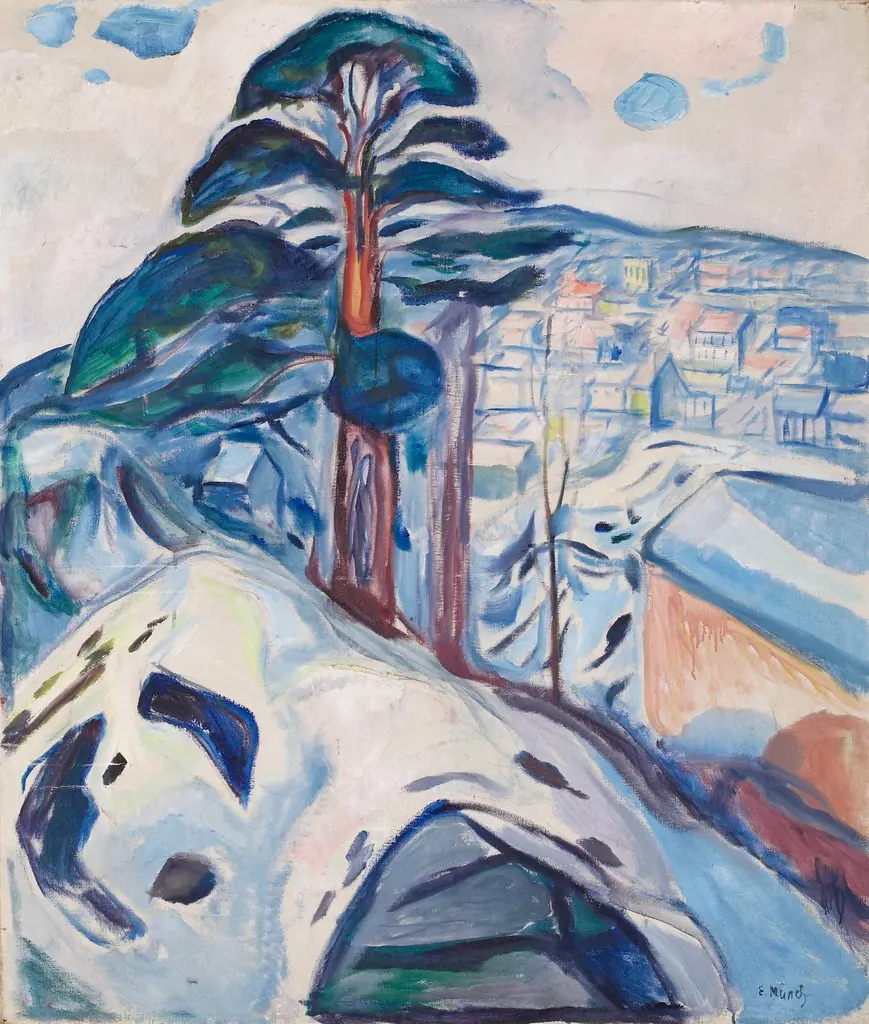
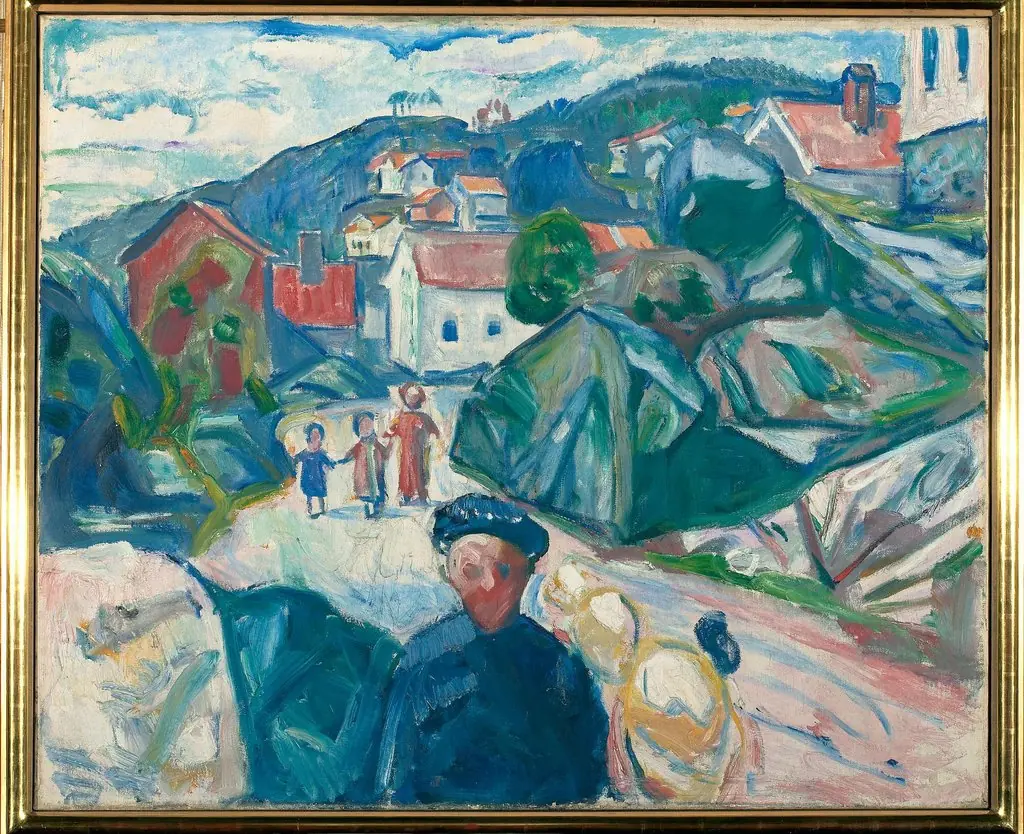
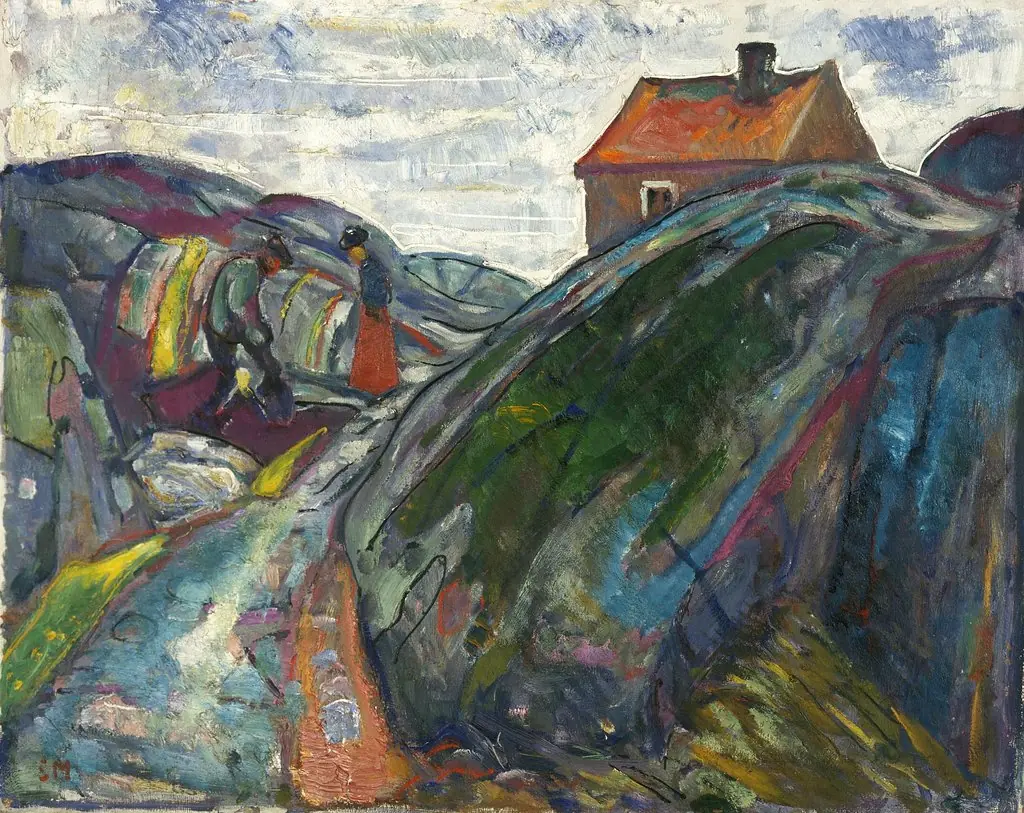
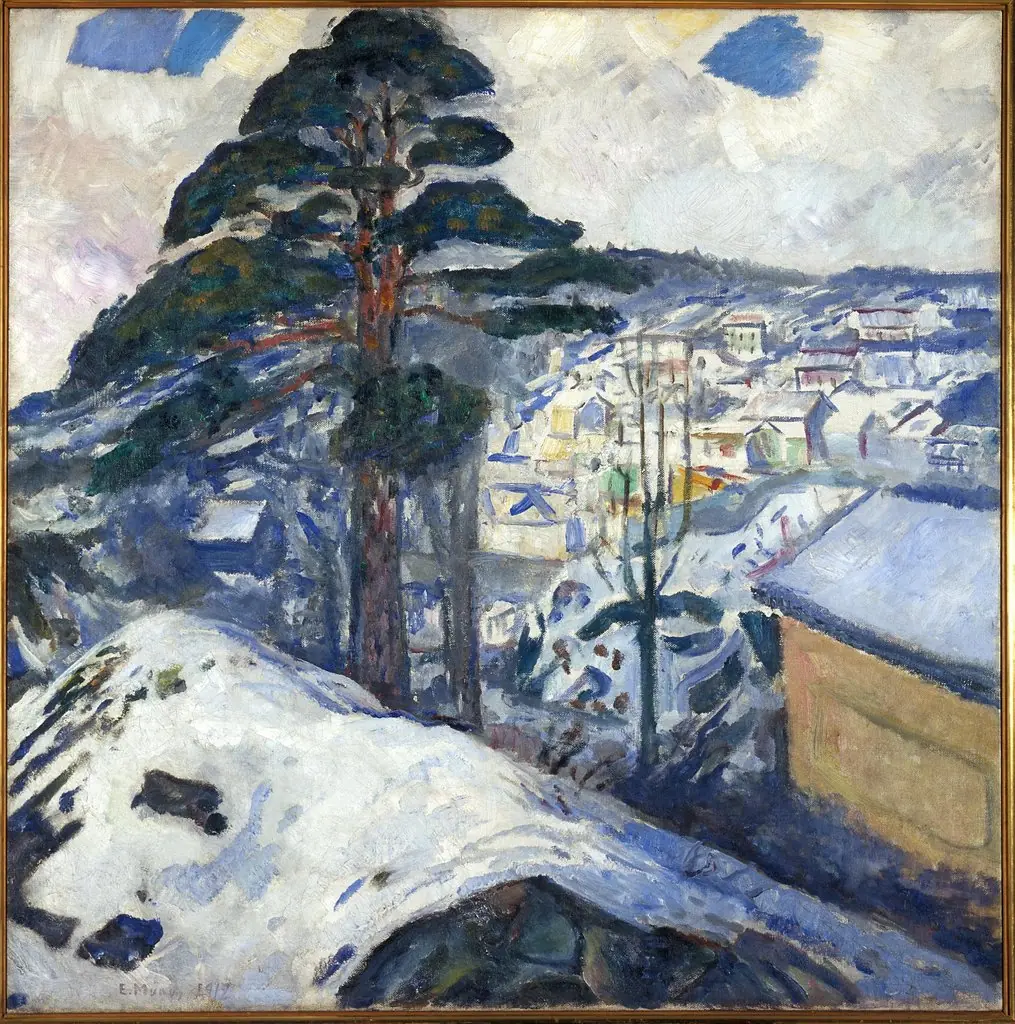
Kragerø in Spring is an oil painting by the Post-Impressionist artist Edvard Munch. It dates from 1912 and is held in the collection of the Munch Museum.
About this work
Subject & Meaning
The composition features specific natural and architectural elements, including trees, the sky, and a house, which collectively establish the setting.
Edvard Munch's 1912 oil painting captures a landscape view of the coastal town of Kragerø during the spring season. The composition features specific natural and architectural elements, including trees, the sky, and a house, which collectively establish the setting. As a work classified within the landscape genre, the piece focuses on the depiction of this specific Norwegian location and the atmospheric conditions associated with the time of year.
The title and visual components emphasize the renewal and environmental characteristics of spring in Kragerø, presenting a direct representation of the town's scenery rather than an abstract or heavily symbolic narrative.
Technique & Style
Executed in 1912, Kragerø in Spring is an oil painting on canvas by Edvard Munch. The work measures 120 cm in height and 120.5 cm in width, presenting a nearly square format. As a landscape, the composition depicts elements of the natural environment in Kragerø, specifically featuring trees, the sky, and a house to evoke the season of spring.
The piece is classified within the artist's monumental projects and is held in the collection of the Munch Museum.
History & Provenance
Edvard Munch created the landscape painting Kragerø in Spring in 1912. Executed in oil on canvas, the work measures 120 cm in height and 120.5 cm in width. The piece depicts a spring scene in Kragerø, featuring trees, sky, and a house.
It is currently held in the collection of the Munch Museum. The work has been included in the exhibition history titled Edvard Munch. Monumentale prosjekter.
Kragerø in Spring is held by the Munch Museum, which is listed as both its collection and location. The painting, executed in oil on canvas, measures 120 by 120.5 cm and is dated to 1912. Its documented exhibition history includes the show "Edvard Munch. Monumentale prosjekter," during which the work was publicly displayed.
Context
Kragerø in Spring, painted by Edvard Munch in 1912, exemplifies his later landscape focus during a period of personal and artistic transition, reflecting his enduring connection to Norwegian scenery while diverging from Symbolist themes toward naturalistic observation. The work's composition, featuring spring vegetation, a house, and sky, captures seasonal renewal amid the artist's broader exploration of light and environment, situating it within his evolving dialogue with Scandinavian landscapes that paralleled contemporaries like Carl Larsson yet maintained Munch's distinctive emotional resonance. Its inclusion in the Munch Museum's collection and exhibition history, notably in Edvard Munch: Monumentale prosjekter, underscores its significance as part of the artist's mature oeuvre, where regional subjects were elevated to universal expressions of vitality and renewal, aligning with scholarly assessments of his contribution to modernist landscape painting in early 20th-century Europe.
Overview
Created in 1912, Kragerø in Spring is an oil painting by Norwegian artist Edvard Munch. The work portrays the coastal town of Kragerø, perched on a hillside, under a bright, fragmented spring sky. It is part of the collection of the Munch Museum, reflecting Munch’s mature period of landscape painting.
Own this work as a print
Artist & collection
Artist
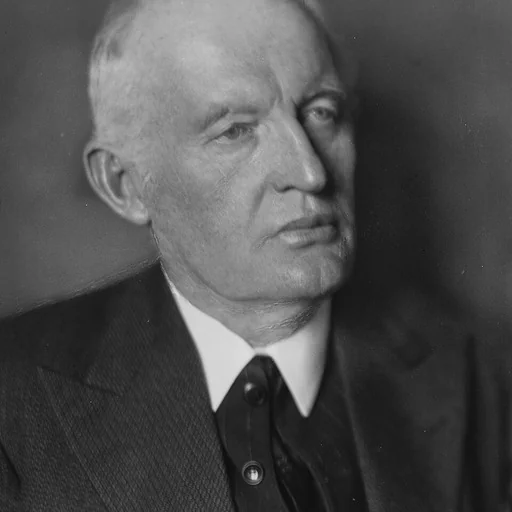
Edvard Munch ( MUUNK; Norwegian:; 12 December 1863 – 23 January 1944) was a Norwegian painter.