Artwork
Weeping Woman
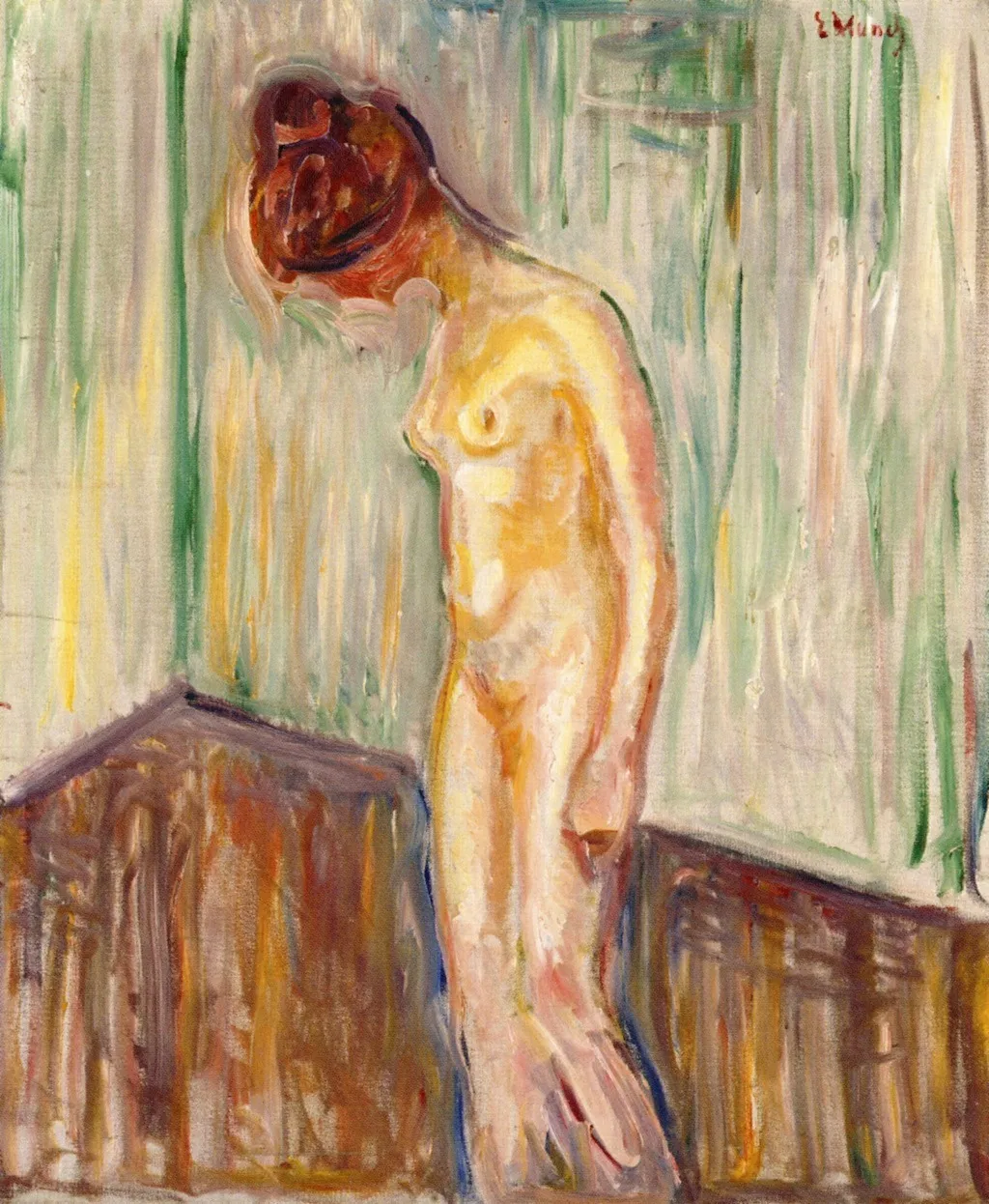
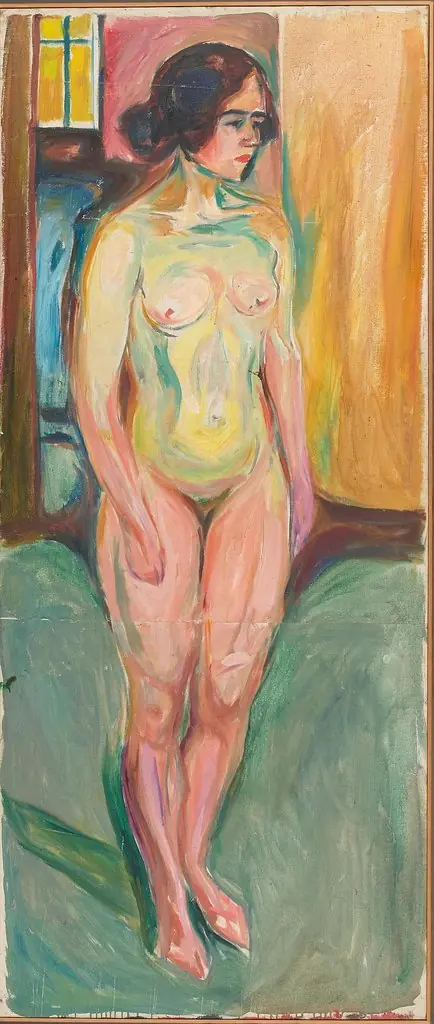
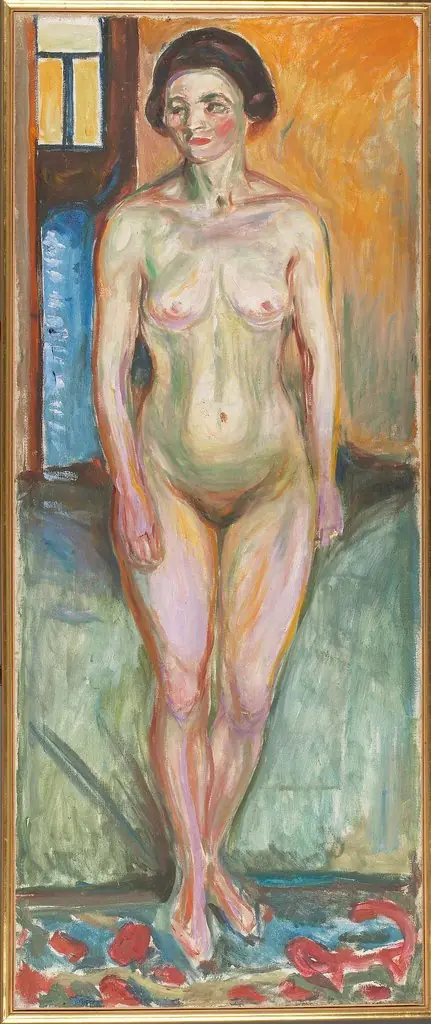
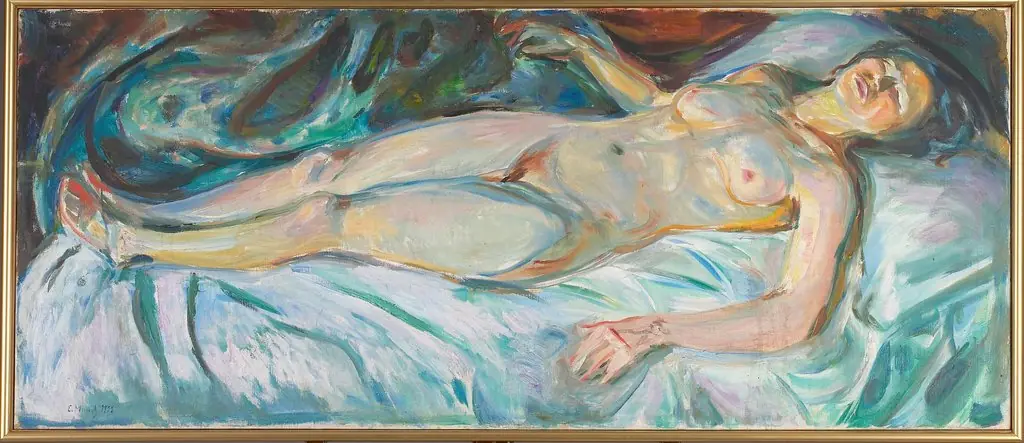
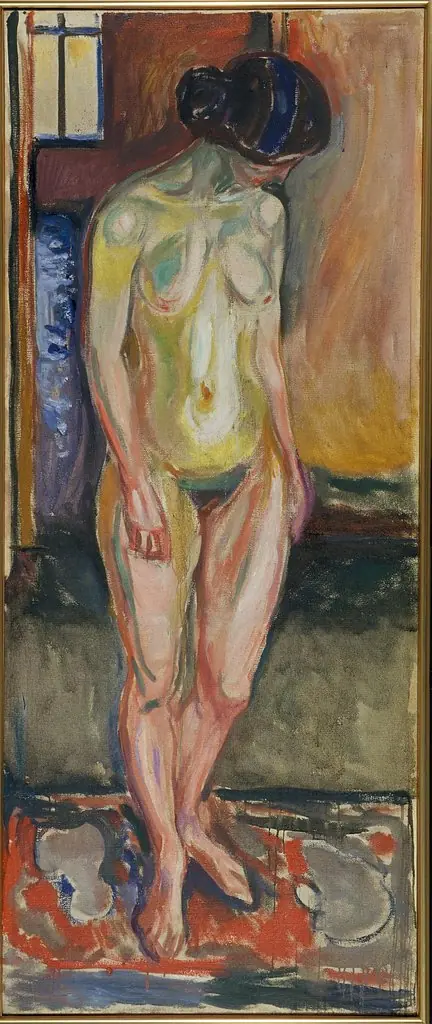
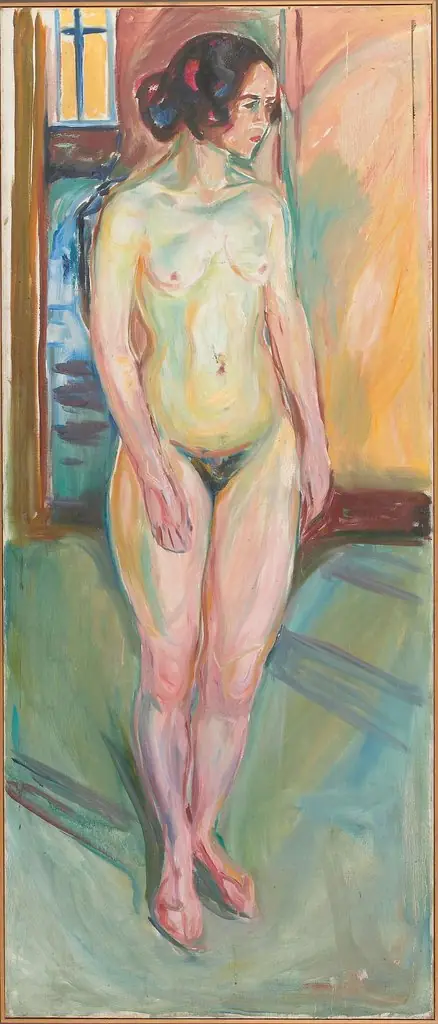
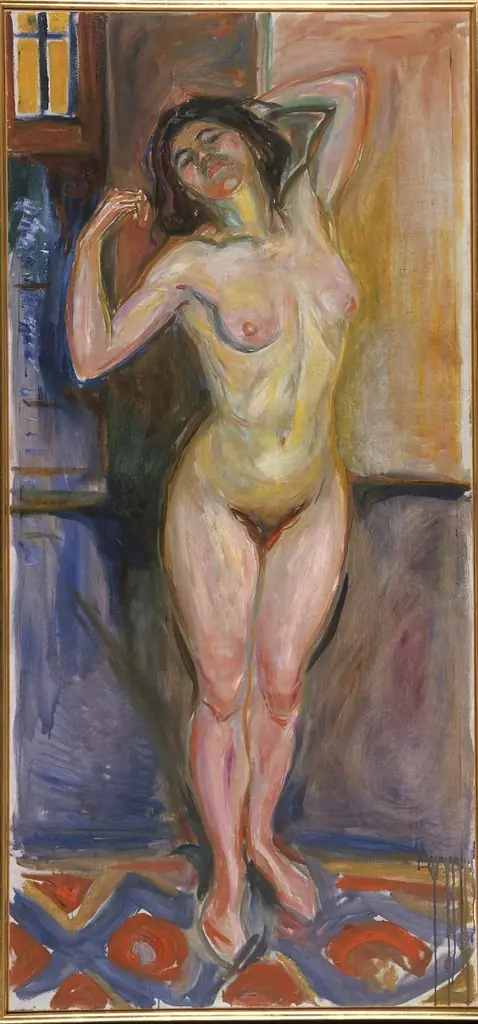
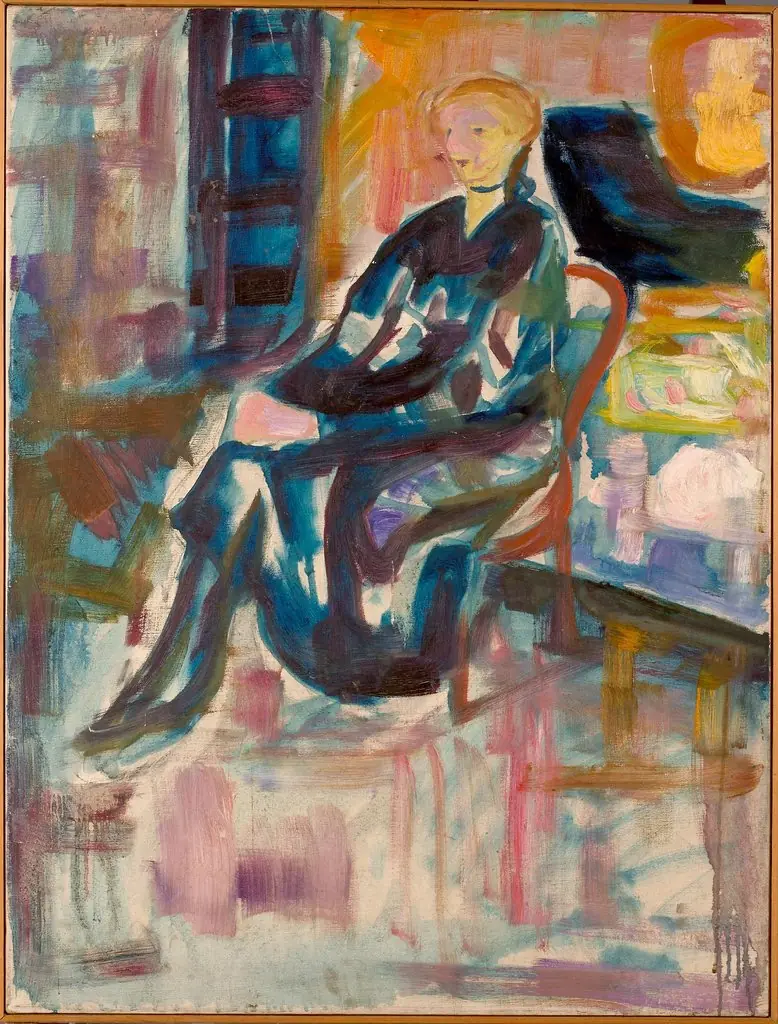
Weeping Woman is an oil painting by the Post-Impressionist artist Edvard Munch. It dates from 1907 and is held in the collection of the Munch Museum.
About this work
Overview
It belongs to a broader series of works in which Munch examined themes of anxiety, grief, and human vulnerability through simplified forms and expressive color.
Painted in 1907 by Norwegian artist Edvard Munch, Weeping Woman is an oil on canvas work that reflects his enduring interest in inner emotional states. Created during a period of intense psychological exploration, the painting captures a solitary female figure in a moment of private distress. It belongs to a broader series of works in which Munch examined themes of anxiety, grief, and human vulnerability through simplified forms and expressive color.
Subject & Meaning
The figure is Rosa Meissner, a model and acquaintance of Munch, depicted nude and turned sideways with her face hidden. Her hands cradle her head, suggesting overwhelming sorrow rather than theatrical lament. The absence of facial expression intensifies the sense of internalized pain.
The pose and isolation convey a universal sense of emotional exhaustion, stripped of narrative context to emphasize psychological weight over literal storytelling.
Technique & Style
Munch employed loose, fluid brushwork and muted tones, pale skin against soft greens and yellows, to evoke fragility and quiet despair. The background is deliberately blurred, directing attention solely to the figure’s posture and tension. Paint is applied thinly in most areas, with subtle textural variation that avoids heavy impasto.
This restrained handling reinforces the painting’s introspective mood, aligning with his move away from naturalism toward emotional abstraction.
History & Provenance
Created during Munch’s mature period, the painting entered the collection of the Munch Museum in Oslo, which holds the largest assembly of his works. It was not exhibited publicly until decades after its creation, reflecting the private nature of its subject and Munch’s own guarded approach to sharing such intimate studies. The work remained in his personal archive until its formal accession into the museum’s holdings.
Context
Munch’s artistic development was shaped by personal trauma and the intellectual currents of late 19th-century Europe, particularly Symbolism and early Expressionism. While often associated with The Scream, his smaller studies like Weeping Woman reveal a sustained focus on the human condition beyond dramatic spectacle. These works emerged from his time at the Royal School of Art and Design in Kristiania and his engagement with contemporary psychological thought.
Legacy
Though less widely known than his larger compositions, Weeping Woman exemplifies Munch’s contribution to modern art’s turn toward psychological realism. Its quiet intensity influenced later artists exploring emotional states through minimal gesture and restrained palette. The painting remains a quiet but potent testament to his belief that art could reveal the invisible currents of human suffering.
Artist & collection
Artist
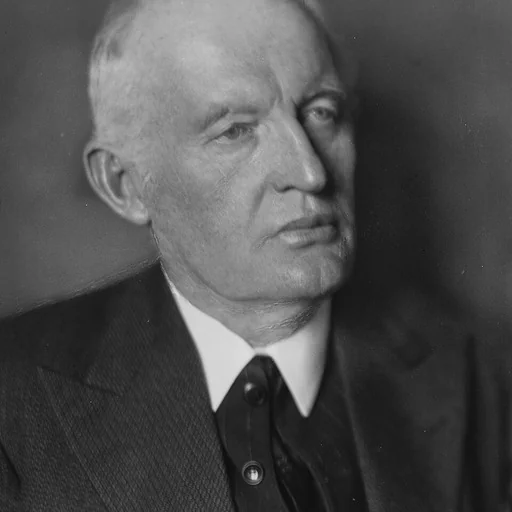
Edvard Munch ( MUUNK; Norwegian:; 12 December 1863 – 23 January 1944) was a Norwegian painter.