Artwork
The Trap Dyke, Great Cumbrae
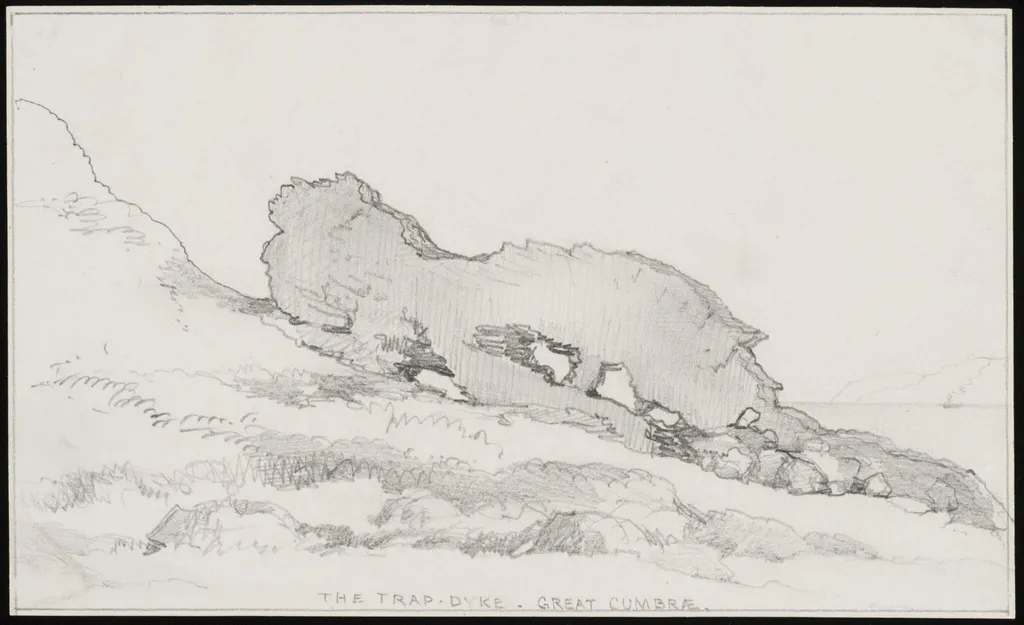
The Trap Dyke, Great Cumbrae is a drawing by Edward Cooke. It dates from 1850 and is held in the collection of the Victoria and Albert Museum.
About this work
Overview
The Trap Dyke, Great Cumbrae is a pencil drawing created by Edward Cooke in 1850, capturing a specific location on the island of Great Cumbrae.
Subject & Meaning
The drawing portrays a dramatic rocky coastline with a central steep cliff, emphasizing the rugged and uneven natural landscape through the depiction of crashing waves.
Technique & Style
Executed solely with pencil, the work utilizes varied line work to convey shapes and textures, characterized by a rough, spontaneous quality suggestive of an on-site sketch, related to cross-hatching techniques.
History & Provenance
Created in 1850 by Edward Cooke, specific provenance details are not provided in the available information.
Context
Part of a broader 19th-century tradition of landscape drawing, this piece reflects the era's interest in capturing the British Isles' natural beauty.
Legacy
While not widely recognized beyond its descriptive qualities, the drawing exemplifies Edward Cooke's contribution to the documentation of Scotland's coastal landscapes through art.
Artist & collection

Artist
This British artist spent decades drawing Scotland’s skylines and shores in pencil and ink.


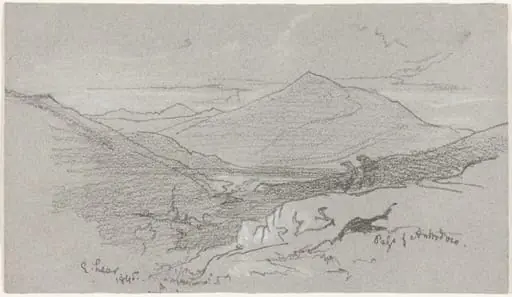 Mountainous View from Antrodoco
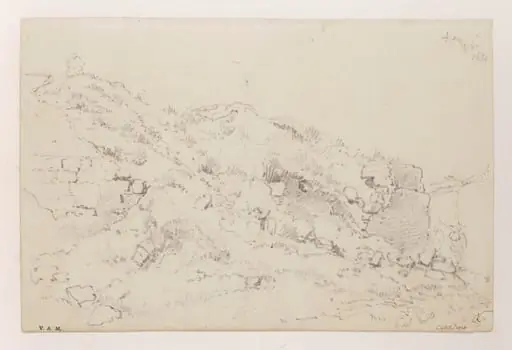 A hillside with ruined masonry
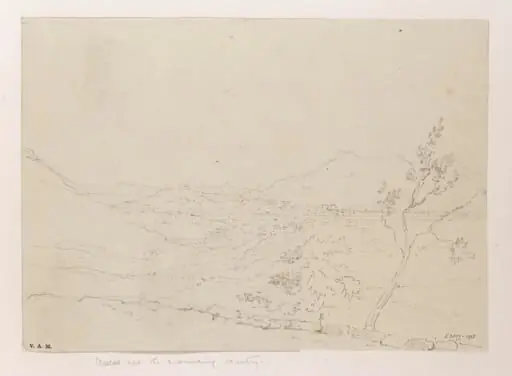 Macau, looking south-west along the peninsula
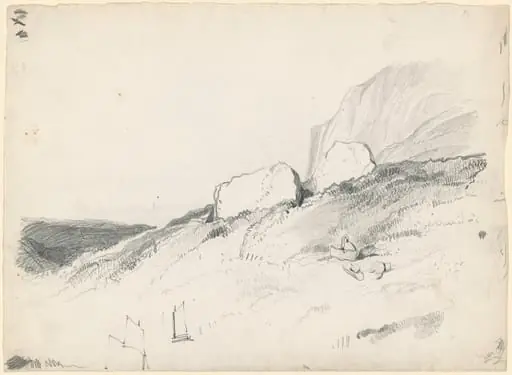 Rocky Landscape
 Panorama on a Mountain Lake
 La Chapelle Saint-Michel à l'Estre (Second Version)
 Fields and trees, with the city of Macau in the distance
 Avalanche in an Alpine Landscape
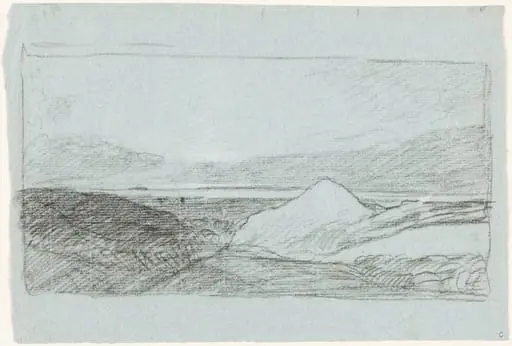 Landscape with Hills and Water
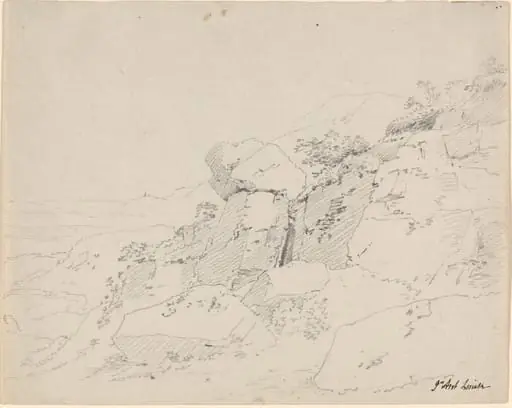 Glacial Boulders at the Edge of a Mountain
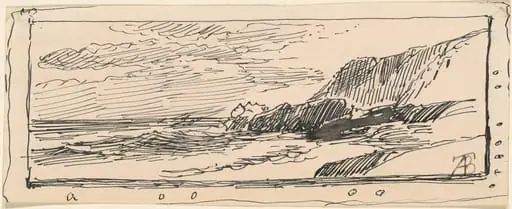 Rocky Coast
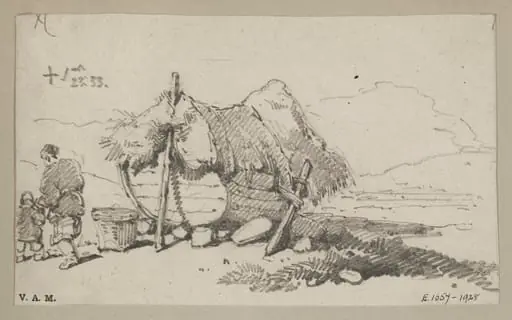 A Chinese boat-dwelling on the beach