Artwork
John Wood Dodge
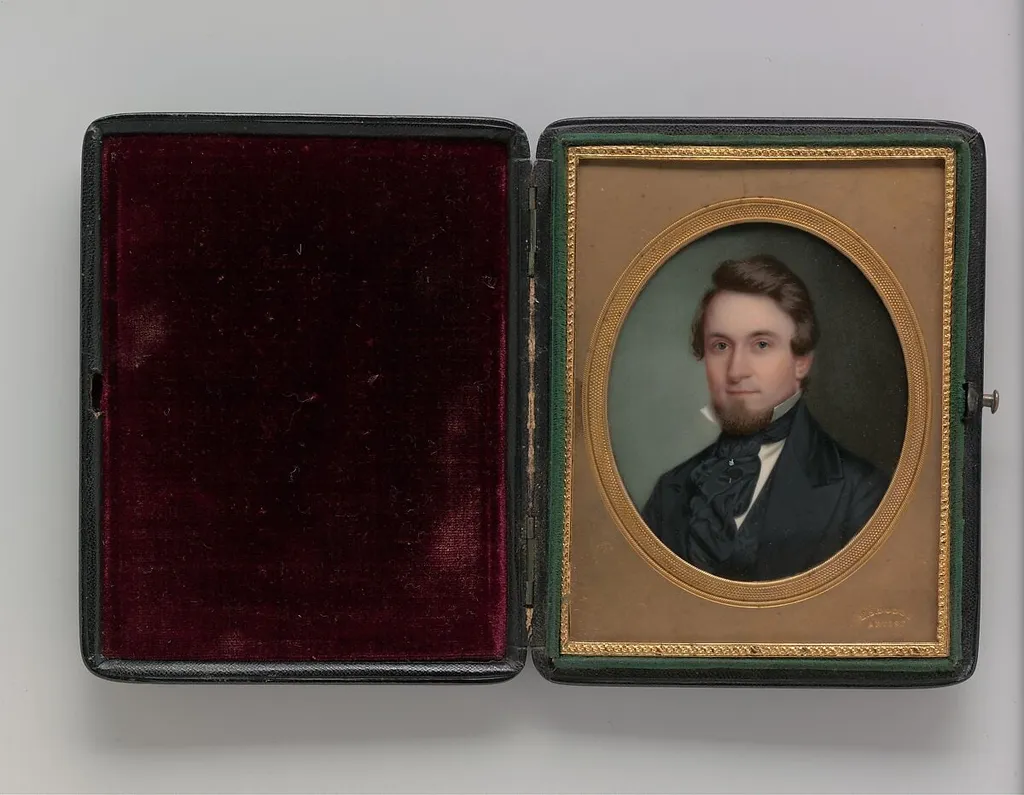
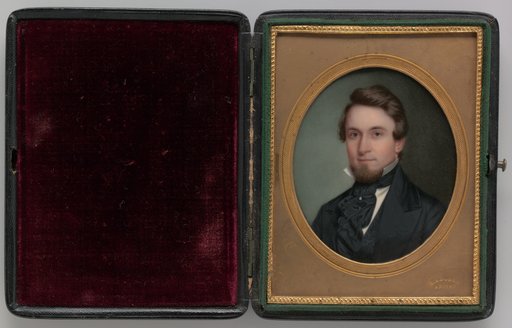
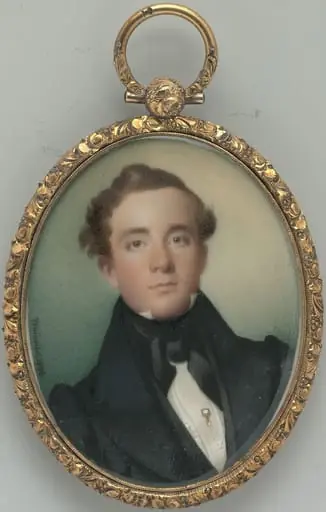
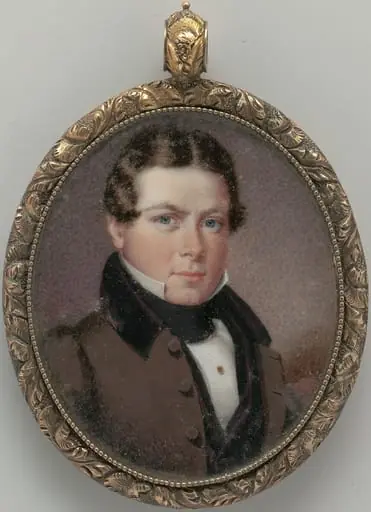
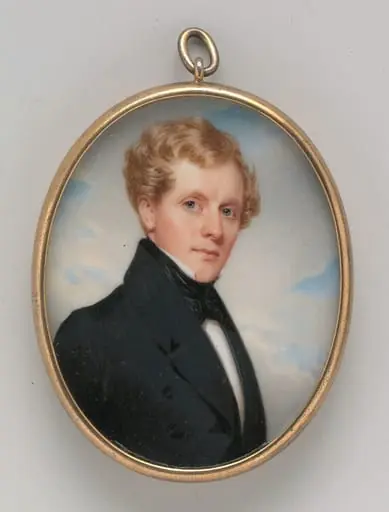
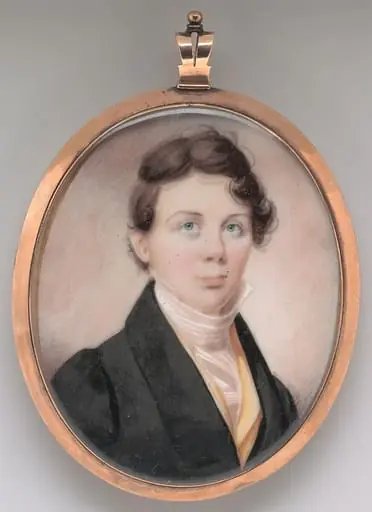
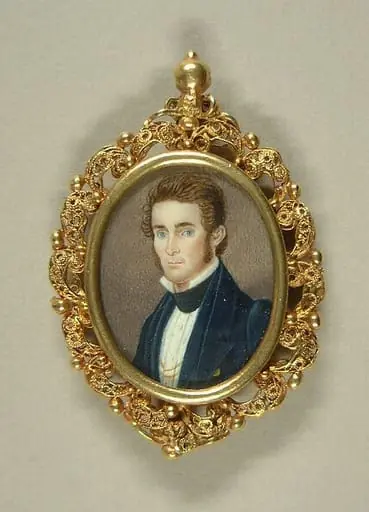
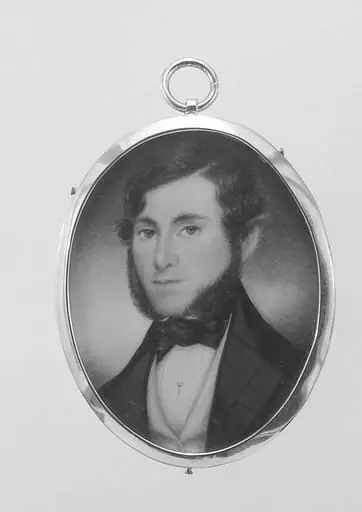
John Wood Dodge is a watercolor painting by the American Folk Art artist Edward S. Dodge. It dates from 1836 and is held in the collection of the Metropolitan Museum of Art. This watercolor on ivory, created around 1836 by Edward S.
- Accession no.
- 2006.235.44
- Credit line
- Gift of Gloria Manney, 2006
About this work
Subject & Meaning
As a portrait, its primary meaning is the representation of the sitter's identity; no additional iconographic symbols are documented in the sources.
The work titled John Wood Dodge is a 1836 watercolor portrait executed by Edward S. Dodge. It portrays a male sitter, identified by the title, and follows the conventions of early American portraiture, aiming to record the appearance and social standing of the subject. As a portrait, its primary meaning is the representation of the sitter's identity; no additional iconographic symbols are documented in the sources.
The piece is classified within The American Wing of the Metropolitan Museum of Art, underscoring its historical significance as an example of 19th-century American portraiture.
Technique & Style
The 1836 portrait attributed to Edward S. Dodge utilizes watercolor applied to an ivory support, a standard medium for American miniature painting of the period. The work is classified as a portrait genre piece depicting a male subject and measures approximately 7.6 by 6.3 cm, indicating a small-scale format typical for personal keepsakes intended for close viewing. The combination of translucent watercolor pigments with the smooth, luminous surface of the ivory creates the characteristic delicate finish associated with early nineteenth-century portraiture.
Currently held in the collection of the Metropolitan Museum of Art within its American Wing, the piece exemplifies the technical approach of rendering facial features through layered washes on a rigid, organic ground.
History & Provenance
John Wood Dodge is a watercolor portrait on ivory painted by Edward S. Dodge in 1836, depicting the sitter John Wood Dodge. The work was created as a portrait and entered The American Wing collection of the Metropolitan Museum of Art, where it remains on view. Its dating is confirmed by the 1836 inception recorded in the museum's catalog.
The piece has been part of the museum's permanent holdings since its acquisition, forming part of the institution's early American portraiture.
Overview
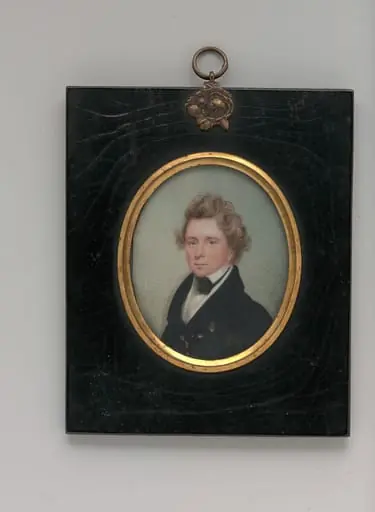
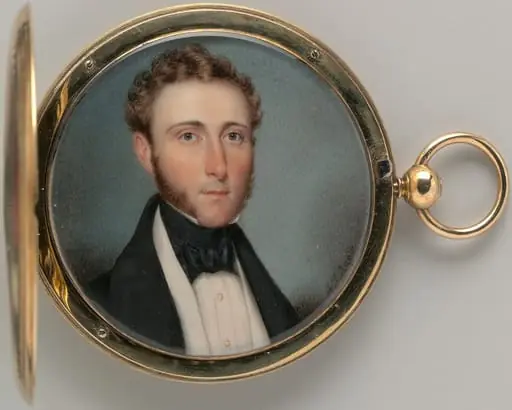
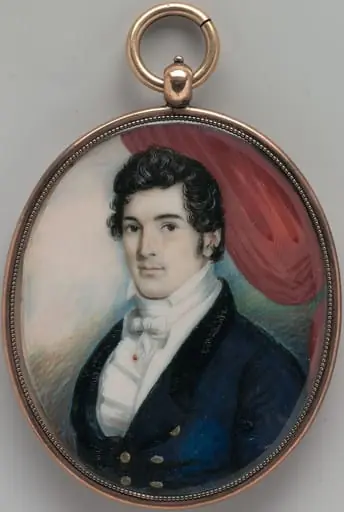
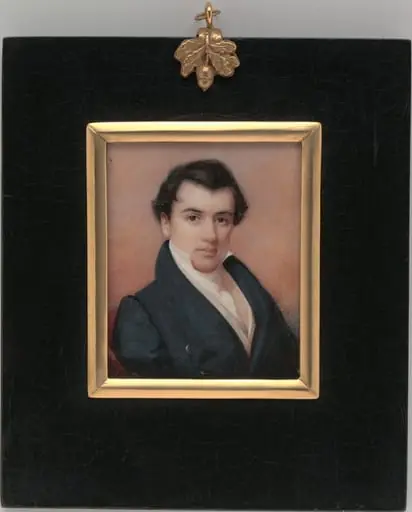
This watercolor on ivory, created around 1836 by Edward S. Dodge, portrays a young man identified as John Wood Dodge. The miniature format suggests it was intended for personal possession and easy transport. The subject appears formally dressed, with a direct gaze, reflecting the common style for such intimate portraits of the era.
Context
This miniature portrait exemplifies a popular art form of the 19th century, serving a function similar to contemporary photographs. Its small scale allowed it to be easily carried or worn, providing a constant, intimate connection to the sitter. Such works were often exchanged between loved ones or kept as mementos, reflecting personal affection and social customs of the period.
Artist & collection