Artwork
John Neagle
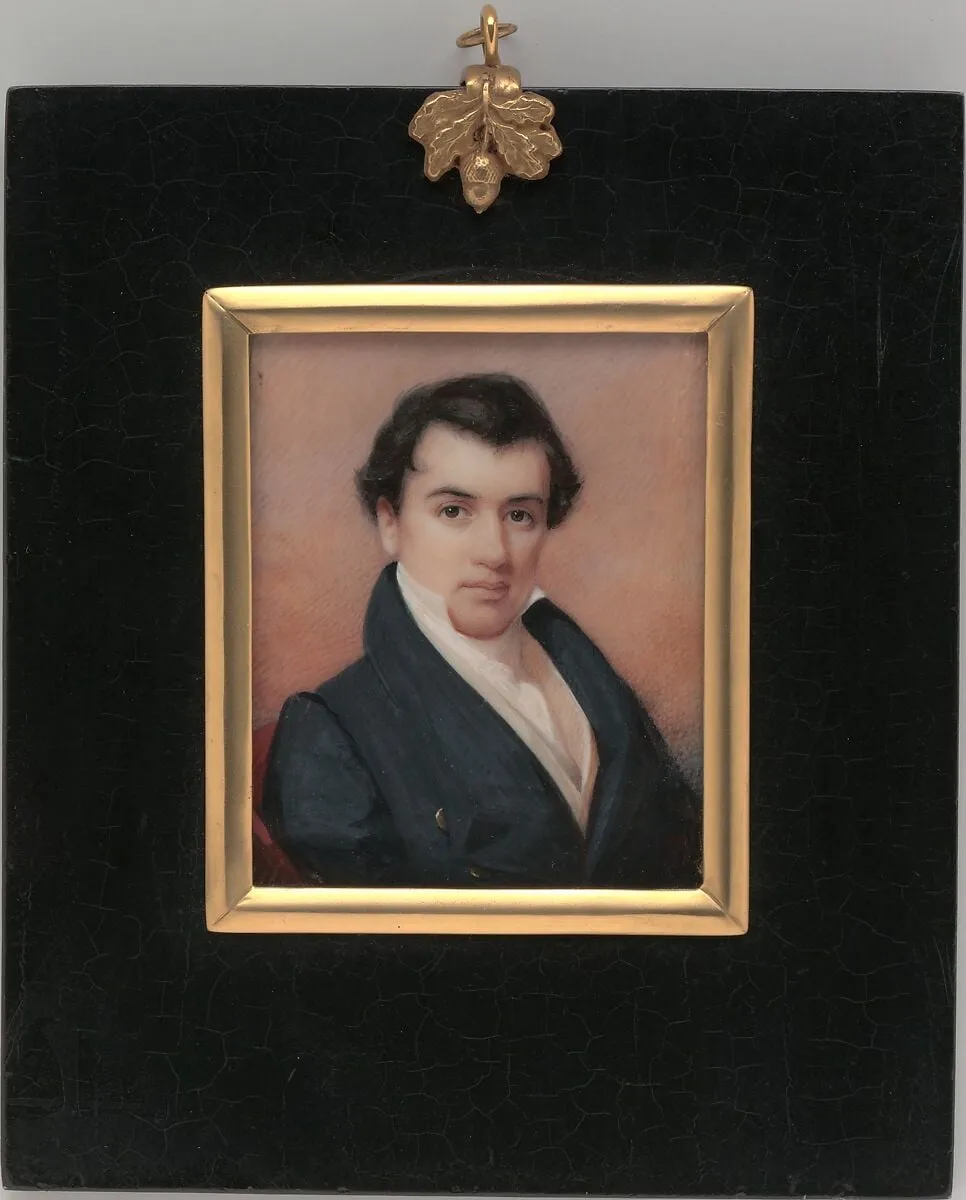
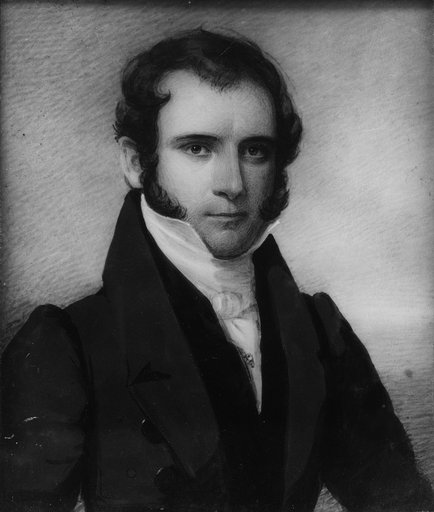
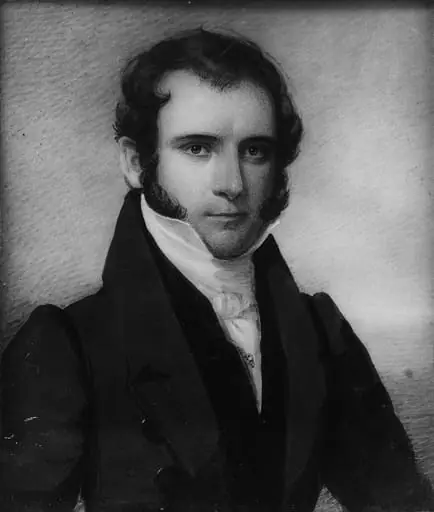
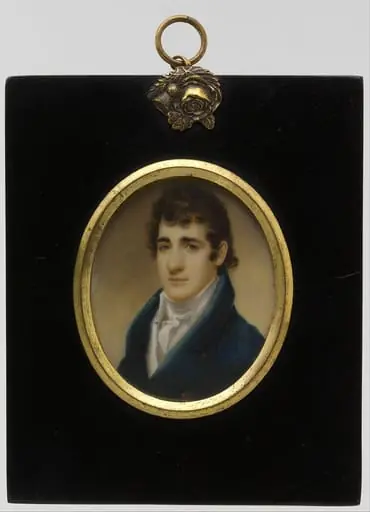
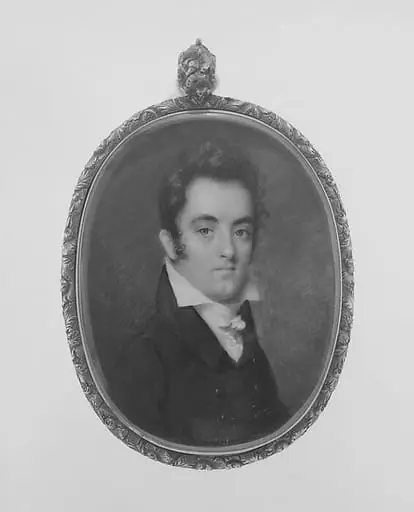
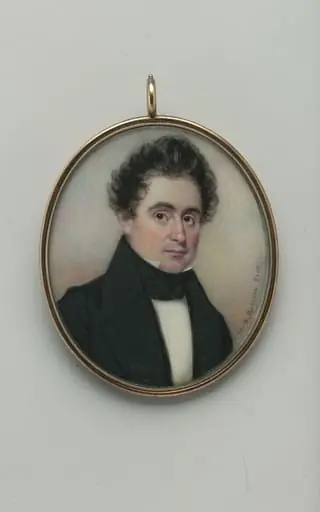
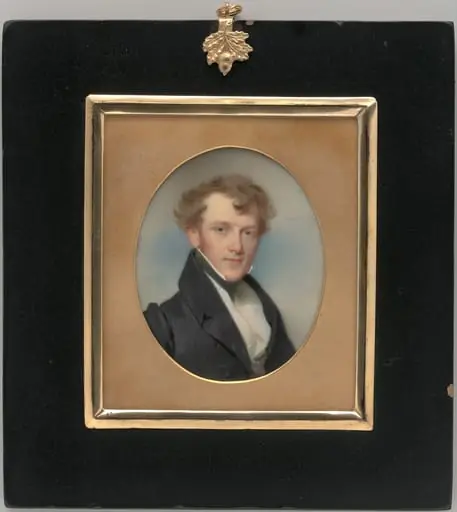
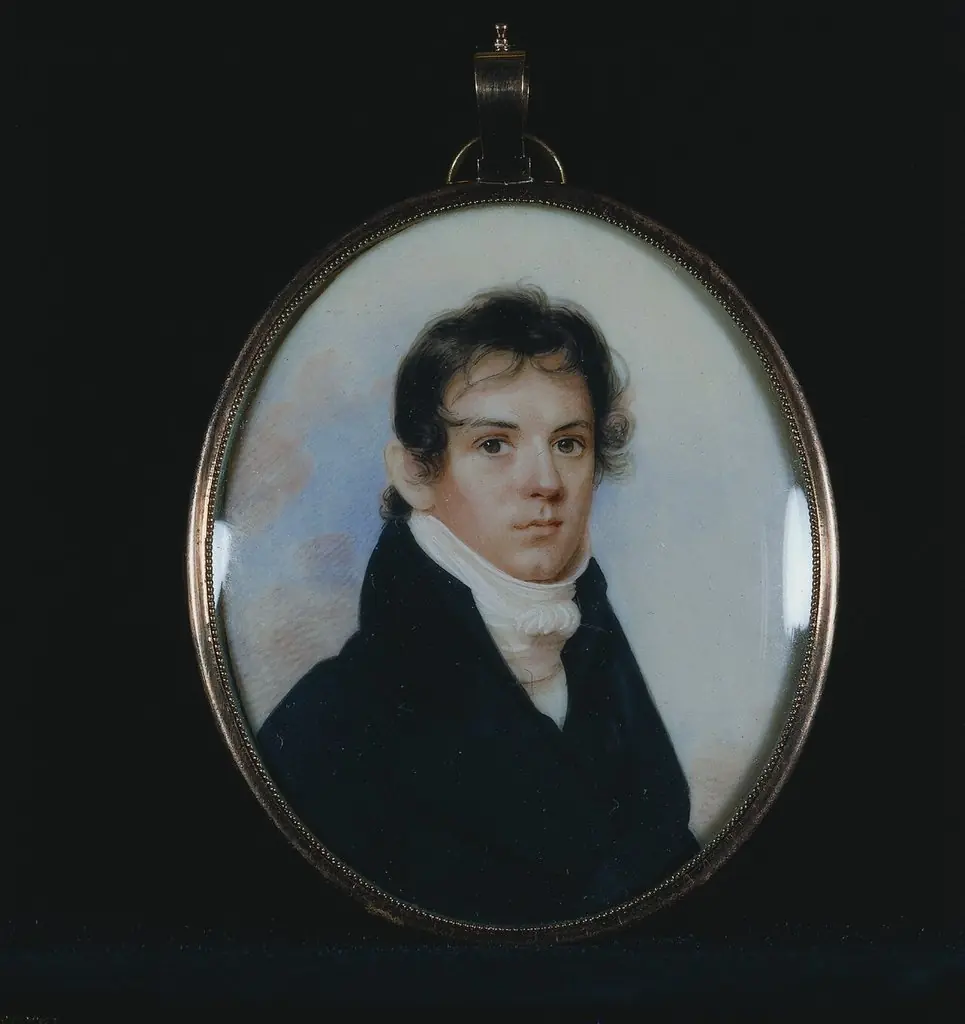
John Neagle is a watercolor painting by the American Folk Art artist Daniel Dickinson. It dates from 1830 and is held in the collection of the Metropolitan Museum of Art.
About this work
A man in a dark coat meets your gaze, his face softly lit against a plain ground. Daniel Dickinson painted it in 1830 in watercolor on ivory, a miniature small enough to hold. Pieces like this were made as gifts and keepsakes, not to hang on a wall.
Technique & Style
The portrait of John Neagle, executed by Daniel Dickinson in 1830, is a miniature work created using watercolor applied to an ivory support.
The portrait of John Neagle, executed by Daniel Dickinson in 1830, is a miniature work created using watercolor applied to an ivory support. Measuring 7.6 centimeters in height and 6 centimeters in width, the piece exemplifies the intimate scale and delicate handling characteristic of early nineteenth-century American portrait miniatures. The medium of watercolor on ivory allowed for a luminous quality and fine detail in the depiction of the sitter.
Currently held in the collection of the Metropolitan Museum of Art within The American Wing, the work is classified as a portrait. The formal qualities focus on the representation of Neagle as a man, utilizing the specific translucency of the ivory ground to enhance the realism of the facial features.
Legacy
The 1830 watercolor portrait of John Neagle, executed by Daniel Dickinson, is part of the Metropolitan Museum of Art’s collection and displayed in the American Wing, a placement that signals its importance within the canon of early American portraiture. The work’s presence in a major institutional collection and its documentation in Wikidata ensure continued scholarly attention to Neagle’s career, reinforcing his reputation as a notable figure in early 19th‑century American art.
Overview
This miniature portrait by Daniel Dickinson depicts John Neagle, rendered in watercolor on ivory. The subject, a man in a dark coat, gazes directly forward, his features softly illuminated against a simple, unadorned background. This intimate scale and medium were characteristic of portraits created in early America.
Context
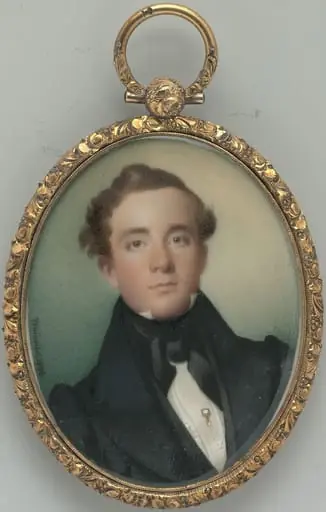
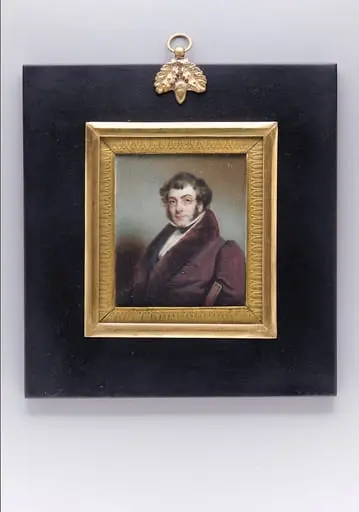
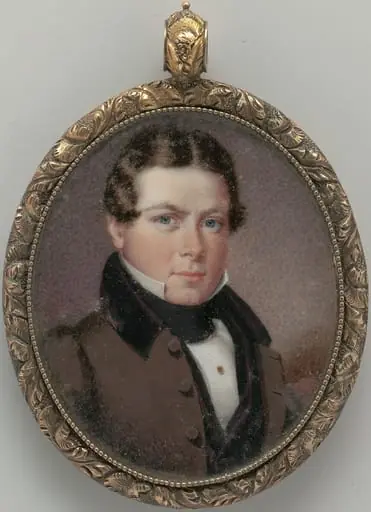
Created during a period in early America when painted likenesses were uncommon and highly valued, this miniature served a significant social role. Such small-scale portraits were frequently exchanged as tokens of affection or remembrance, functioning as personal keepsakes. Their precious nature reflected the expense and skill involved in their creation, making them cherished possessions.
Artist & collection