Artwork
Self-Portrait
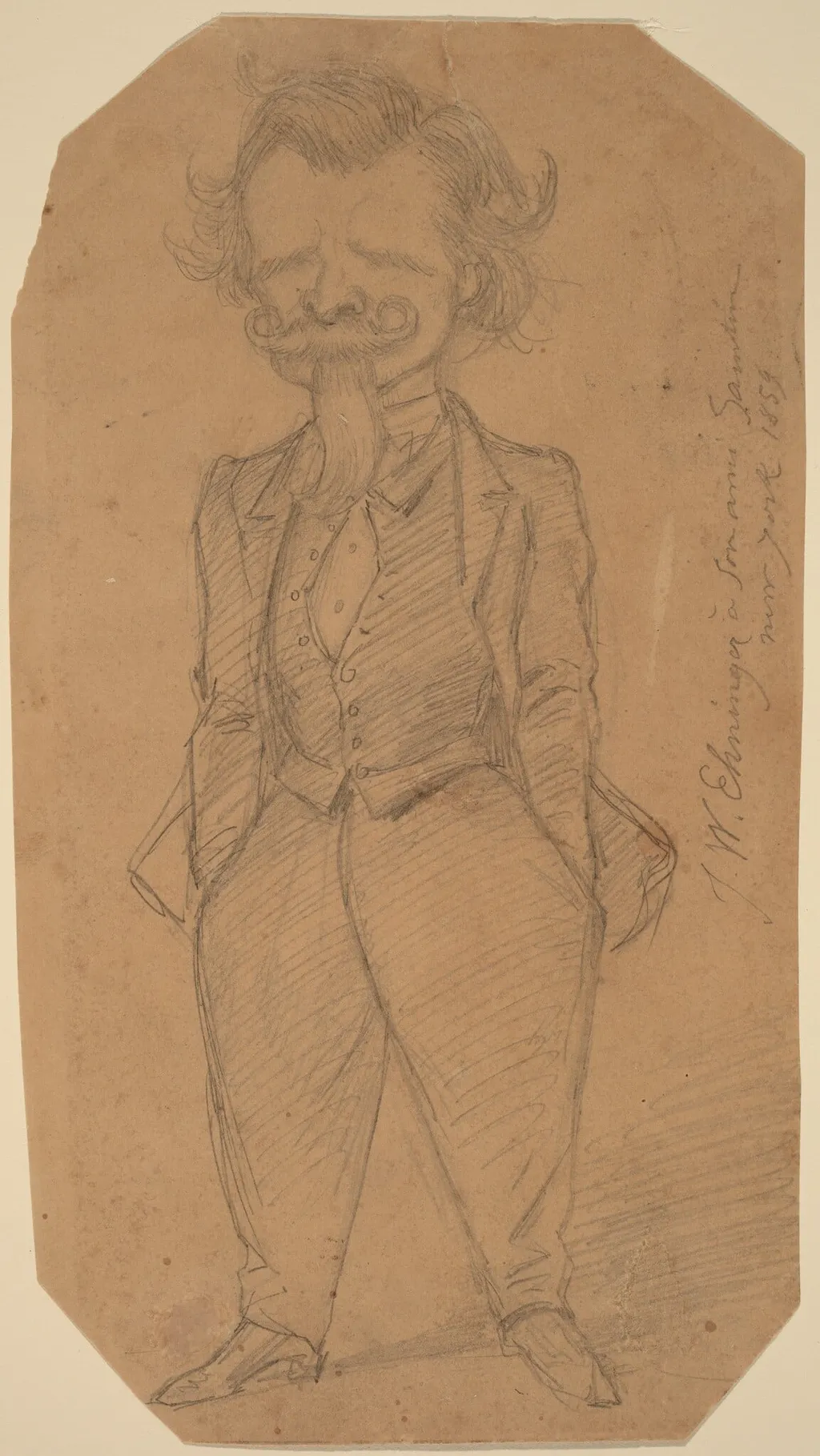
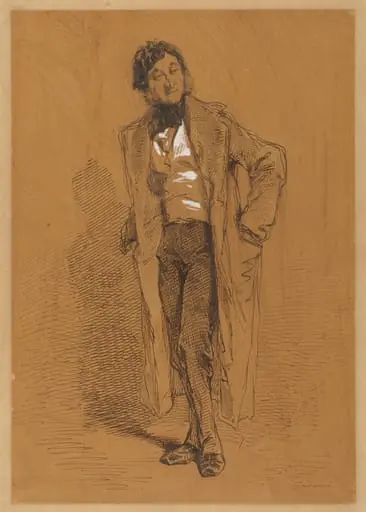
Self-Portrait is a graphite drawing by the Impressionist artist John Whetten Ehninger. It dates from 1859 and is held in the collection of the National Gallery of Art.
- Inscription
- Inscribed:vertical along right edge in graphite: J.W. Ehninger a Son ami Samtin / New York 1859
About this work
Overview
John Whetten Ehninger’s self‑portrait, executed in 1859, is a graphite drawing on brown paper. The work presents the artist’s own likeness in a compact, informal format, emphasizing personal presence over narrative context. Its modest dimensions and restrained composition reflect a focus on immediate observation rather than grandiose presentation.
Subject & Meaning
The figure depicted is a bearded man with sideburns, dressed in a suit and vest, his head tipped slightly to one side. A contemplative expression and downward‑glancing eyes suggest introspection, while the untidy hair adds a touch of informality. The portrait conveys a moment of private reflection rather than public display.
Technique & Style
Ehninger employed graphite on a warm brown paper, allowing the paper’s hue to soften the starkness of the charcoal marks. Loose, expressive strokes define the facial features and clothing, with visible line work that creates texture and a sense of immediacy. The drawing prioritizes overall likeness and mood over fine detailing.
History & Provenance
Created in the mid‑nineteenth century, the self‑portrait remains a representative example of Ehninger’s drawing practice during his early career. While specific ownership records are limited, the work has been catalogued among his surviving drawings and is occasionally referenced in surveys of American portraiture from the period.
Artist & collection


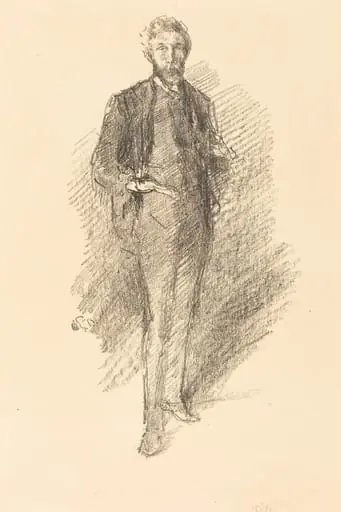
- Study: Joseph Pennell
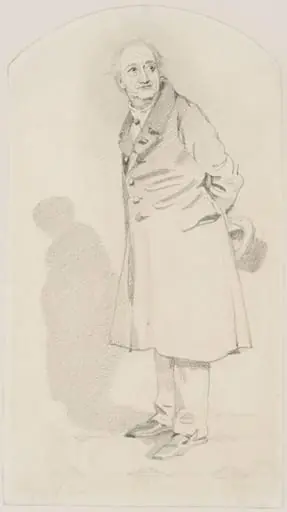 Johann Wolfgang von Goethe
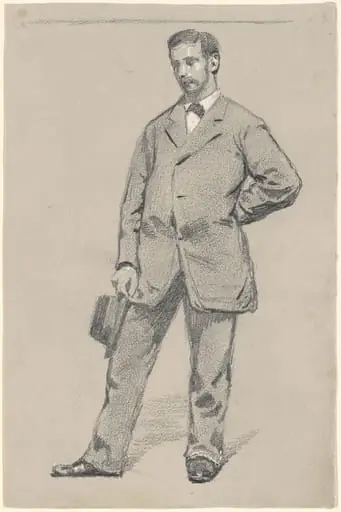 Standing Man
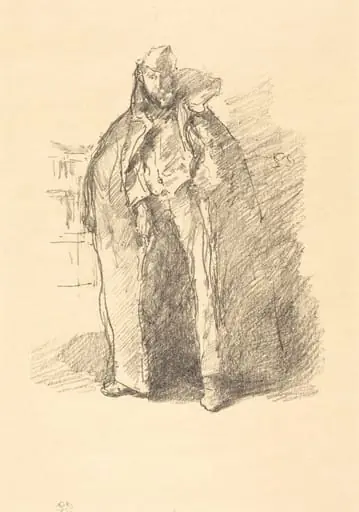 The Russian Schube
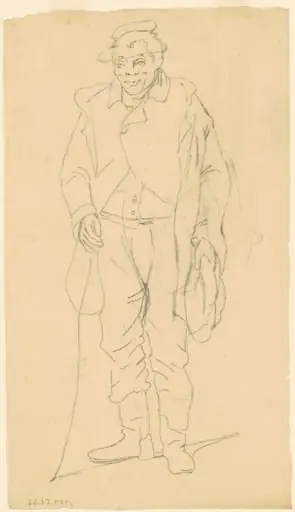 African-American Figure
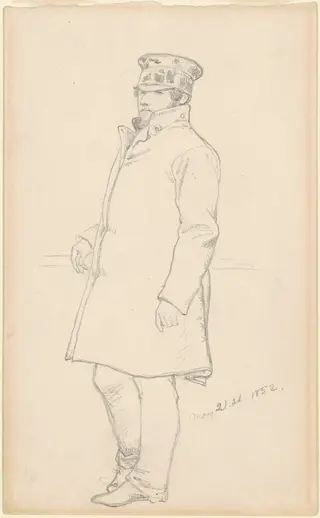 Man in Cap and Coat
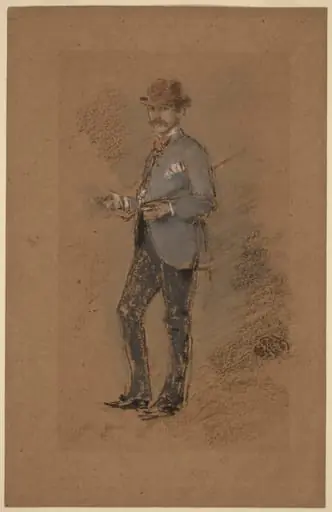 Harper Pennington
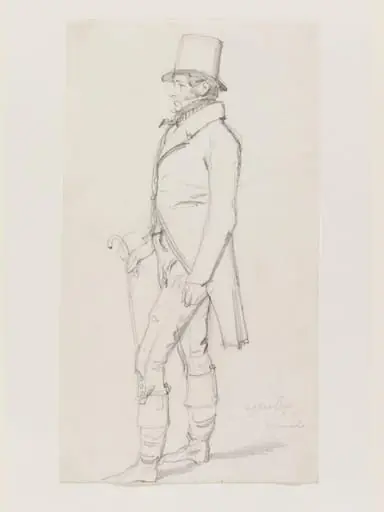 Mr. Apperley ("Nimrod")
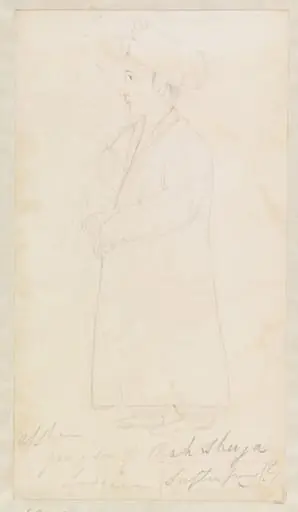 Young son of Shah Shuja Lodiana
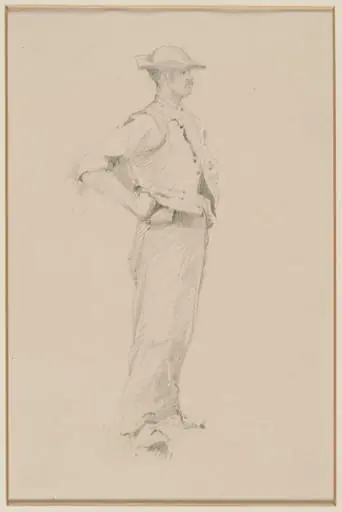 Drawings of a man
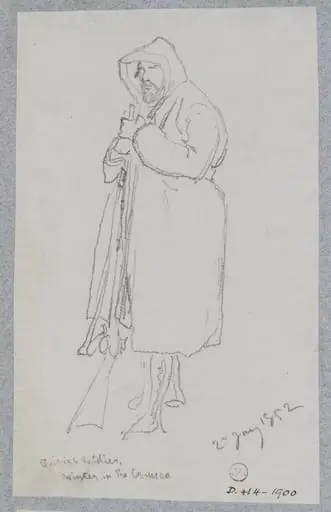 Sketches made during the Campaign of 1854-55 in the Crimea, Circassia and Constantinople
 Standing Man