Artwork
Harper Pennington
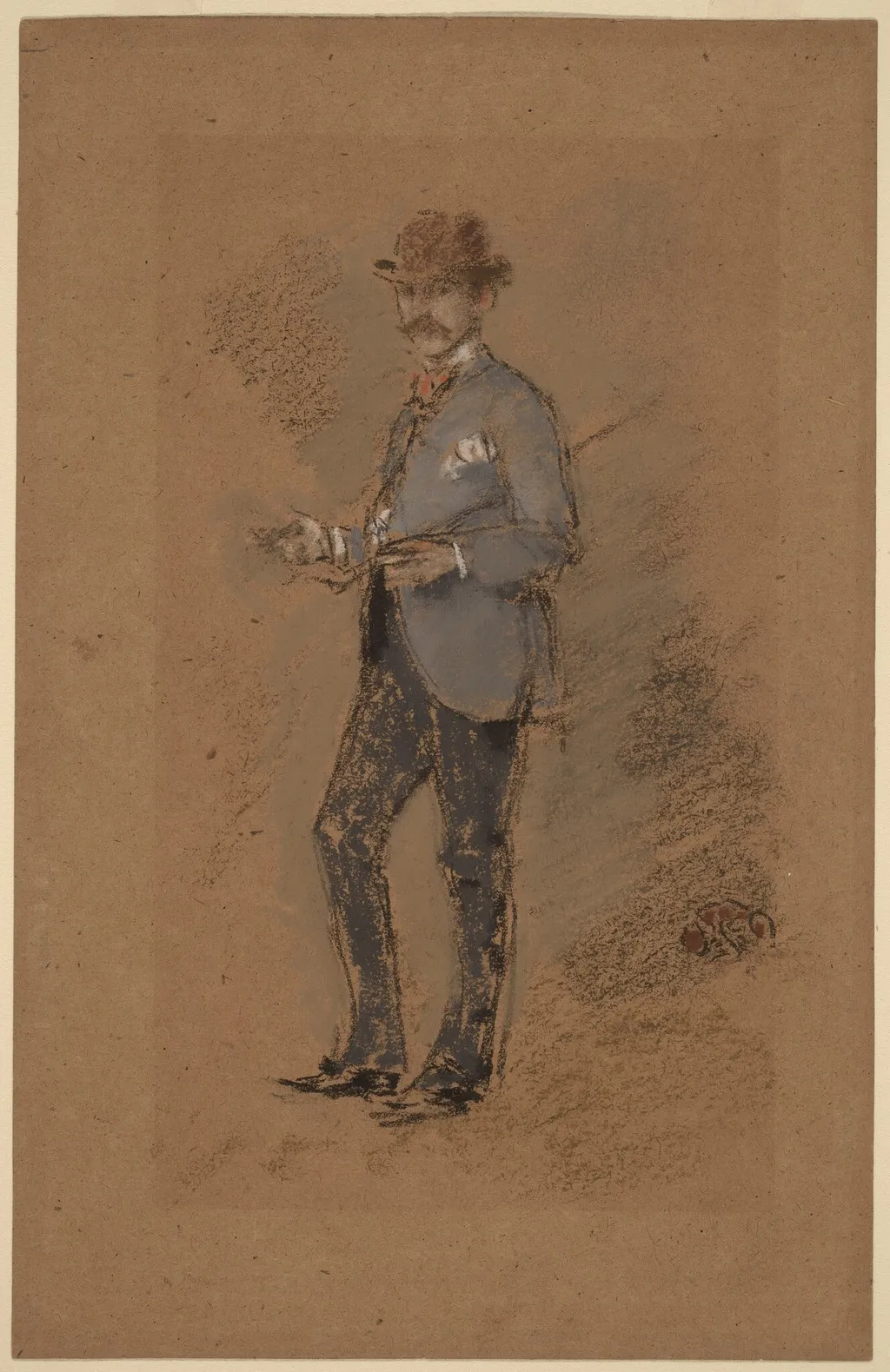
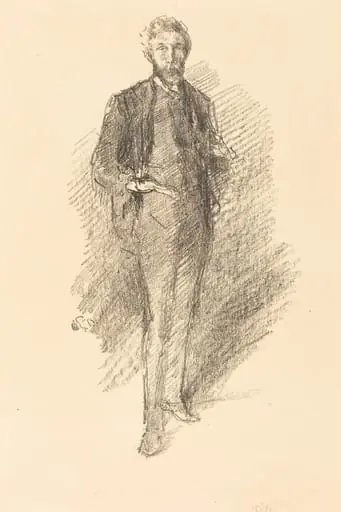
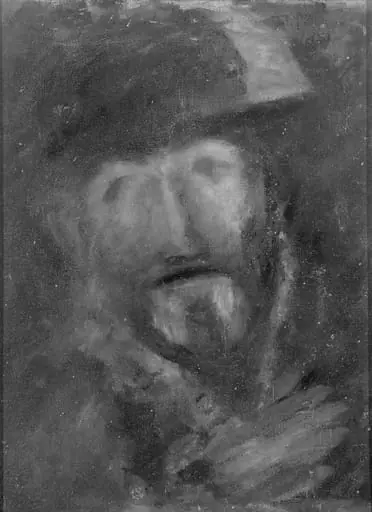
Harper Pennington is a pastel drawing by the Impressionist artist James McNeill Whistler. It dates from 1881 and is held in the collection of the National Gallery of Art.
- Inscription
- Inscribed:lower right butterfly signature
- Markings
- Marked:center verso in blue ink: NGA/LJR stamp; lower left verso in black ink: two Lessing J. Rosenwald stamps
About this work
Subject & Meaning
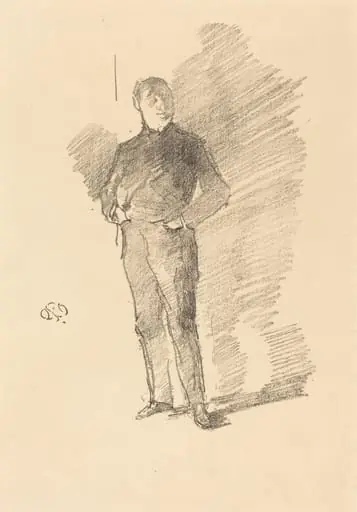
The piece functions as a straightforward representation of Pennington, utilizing chalk and pastel on brown wove paper to render his image.
The artwork is a portrait that depicts Harper Pennington, who serves as the main subject of the composition. Created by James McNeill Whistler in 1880, the drawing captures the individual in a genre work focused on his likeness. The piece functions as a straightforward representation of Pennington, utilizing chalk and pastel on brown wove paper to render his image.
No additional symbolic elements, allegorical iconography, or deeper metaphorical meanings are identified in the available records regarding this specific drawing.
Technique & Style
James McNeill Whistler executed the portrait of Harper Pennington in 1880 using chalk and pastel applied to brown wove paper. The work is classified as a drawing and functions as a portrait of its subject. The sheet measures 21.4 cm in height and 13.7 cm in width.
This combination of media on toned paper creates a unified tonal surface characteristic of Whistler's graphic style during this period.
History & Provenance
James McNeill Whistler created the drawing titled Harper Pennington in 1880 using chalk and pastel on brown wove paper. The work measures 21.4 cm in height and 13.7 cm in width. Its documented ownership chain begins with Lessing Julius Rosenwald of Philadelphia, who acquired the piece by 1891.
Rosenwald subsequently donated the drawing to the National Gallery of Art in Washington, D.C., in 1943, where it remains part of the collection.
The portrait of Harper Pennington is held in the collection of the National Gallery of Art in Washington, D.C. The work entered the museum's holdings in 1943 as a gift from Lessing Julius Rosenwald, who had previously owned the piece. It is cataloged within the institution's drawings collection under the accession number 11311.
Created in 1880, this pastel and chalk drawing on brown wove paper measures 21.4 cm in height and 13.7 cm in width. The provided records confirm its location and provenance but do not list specific past exhibitions.
Legacy
Harper Pennington emerged as a significant portrait subject in American art history, particularly noted for Whistler's subtle treatment of character. The drawing, held in the National Gallery of Art since 1943, reflects Whistler's mastery of pastel technique on paper, a medium he explored during his later years. Its enduring presence in major collections underscores its importance in documenting 19th-century portraiture and Whistler's artistic process.
Overview
Harper Pennington is a portrait drawing created in 1881 by James McNeill Whistler, an American expatriate artist based in the UK. Executed in chalk and pastel on brown wove paper, the work exemplifies Whistler's technical refinement and expressive restraint.
Context
Reflects Whistler's broader artistic philosophy of the time, emphasizing the independence of art from moral or sentimental agendas, instead focusing on technical mastery and visual harmony.
Own this work as a print
Artist & collection
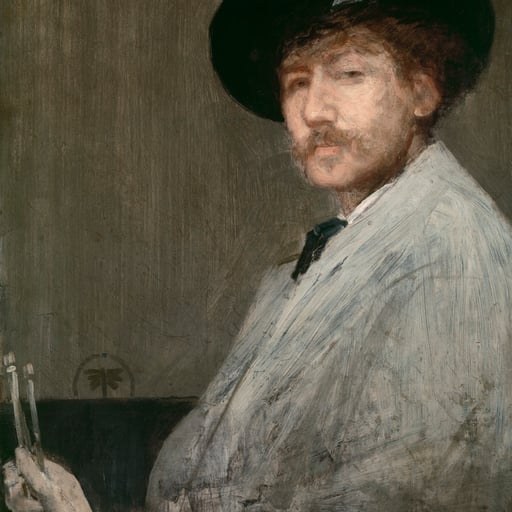
Artist
James Abbott McNeill Whistler (; July 10, 1834 – July 17, 1903) was an American painter in oils and watercolor, and printmaker, active during the American Gilded Age and based primarily in the United Kingdom.

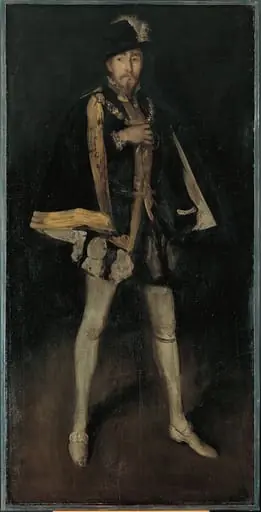 Arrangement in Black, No. 3: Sir Henry Irving as Philip II of Spain
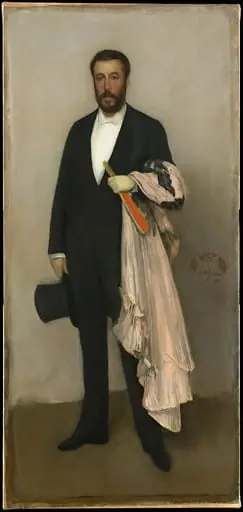 Arrangement in Flesh Colour and Black: Portrait of Theodore Duret
 Gold and Brown: Self-Portrait
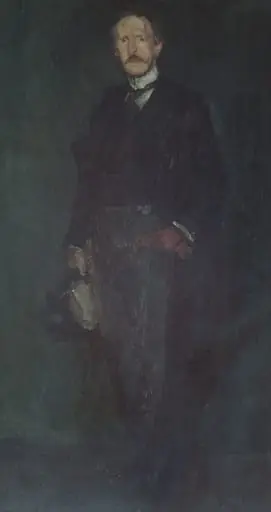 Edward Guthrie Kennedy
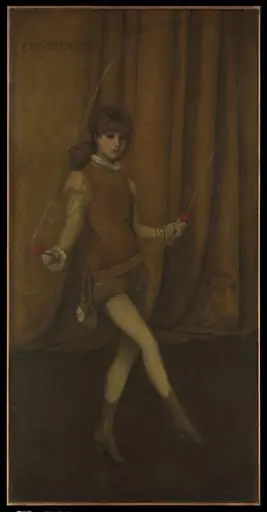 Harmony in Yellow and Gold: The Gold Girl—Connie Gilchrist
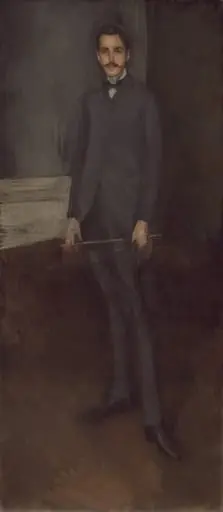 George W. Vanderbilt
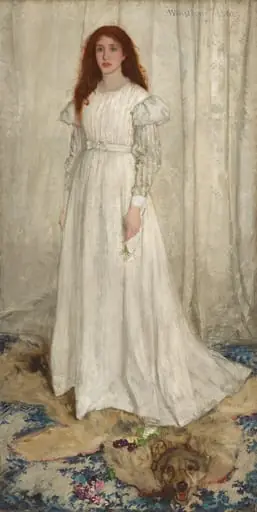 Symphony in White, No. 1: The White Girl
 Henry Irving as Philip II of Spain