Artwork
MUNCILE LUI HERCULE
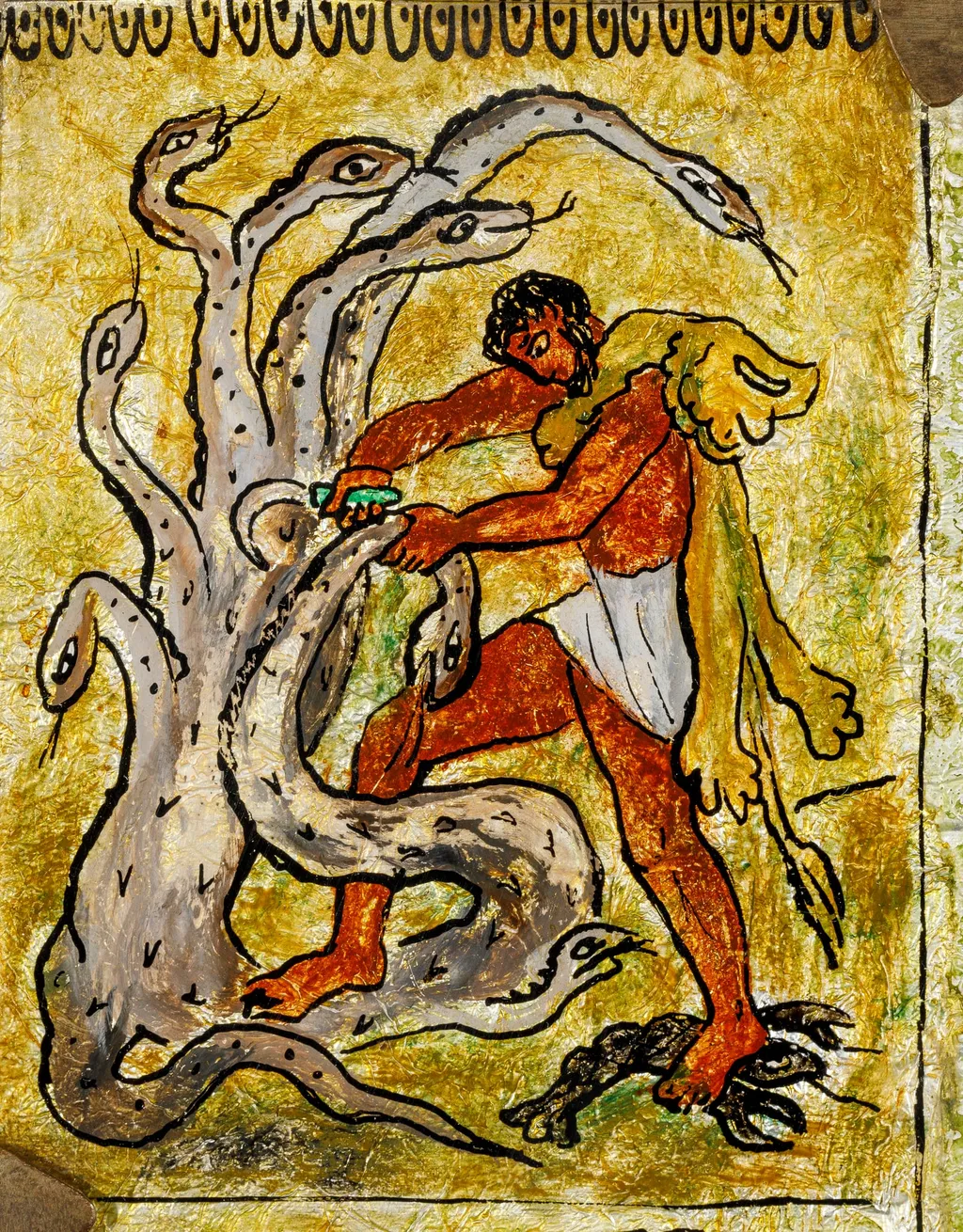
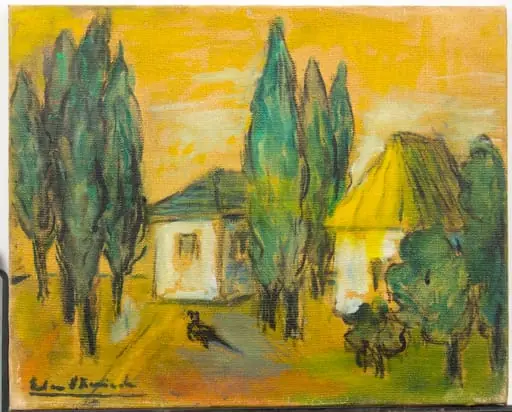
MUNCILE LUI HERCULE is an unspecified painting by Micaela Eleutheriade. It dates from 1941 and is held in the collection of the National Museum of Art of Romania.
About this work
Overview
Created around 1941 by Micaela Eleutheriade, this painting depicts a mythic figure entangled in the roots of a tree. The work is rendered in thick, layered paint that gives the form a sculptural presence. Its palette is dominated by earthy red-browns and a weathered gold-yellow background, with areas of pigment worn or faded over time, suggesting age and material decay.
Subject & Meaning
The central figure, muscular and winged, appears caught in the grip of natural forces, possibly alluding to Hercules’ labors or the burden of heroic myth. The tangled roots suggest entrapment or the inescapable pull of fate. The green object held in the figure’s hand remains ambiguous, perhaps a club, a branch, or a symbol of life, adding to the work’s enigmatic tone.
Technique & Style
Eleutheriade employed impasto to build the figure’s form, using heavy, textured brushwork that casts shadows and catches light. The background features swirling, irregular strokes that blur the line between roots and smoke, creating a sense of motion. Colors are applied boldly but show signs of aging, with some pigments thinning or cracking, enhancing the work’s tactile, weathered quality.
History & Provenance
The painting was completed in 1941, during a period of political and cultural upheaval in Europe. Its early history is undocumented, and it remained in private hands until the late 20th century. No public exhibitions or critical records from its creation are known, contributing to its status as a lesser-known work within the artist’s oeuvre.
Context
Emerging in the early 1940s, the work reflects a broader European interest in mythological themes as a response to modern instability.
Emerging in the early 1940s, the work reflects a broader European interest in mythological themes as a response to modern instability. Eleutheriade’s style diverges from academic realism, favoring expressive form and emotional intensity. The fusion of classical imagery with abstracted, almost surreal environments aligns with trends among artists seeking symbolic language beyond literal representation.
Legacy
Though not widely exhibited, the painting has influenced a small circle of regional artists drawn to its visceral texture and mythic ambiguity. It remains a rare example of Eleutheriade’s engagement with classical subjects through modernist technique. Its preservation has been prioritized by local cultural institutions, recognizing its value as a personal and stylistic outlier in mid-century art.
Artist & collection

Artist
Micaela Eleutheriade (1900–1982) was a noted Romanian painter and engraver. She was a descendant, through her mother, of the painter Gheorghe Tattarescu, the pioneer of neoclassicism in Romania.

- Adam and Eve
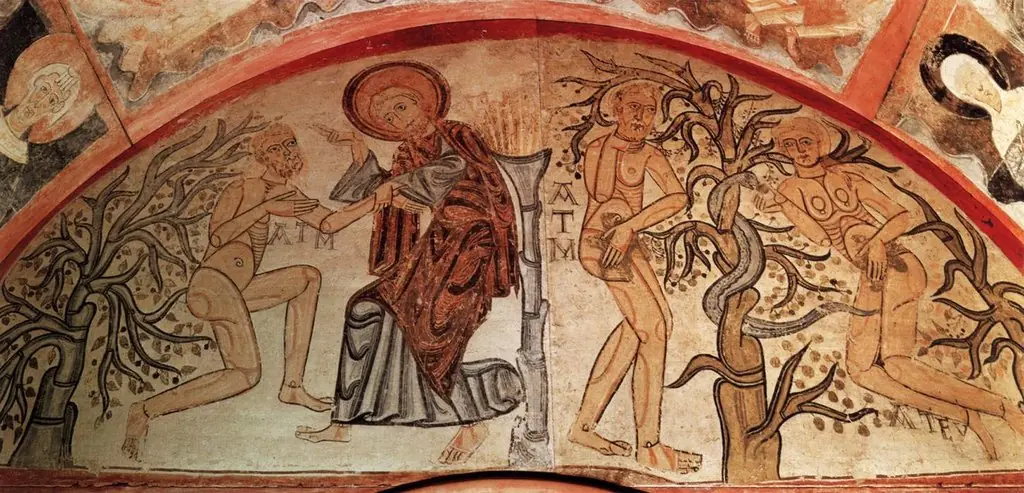 Creation Adam and the Original Sin
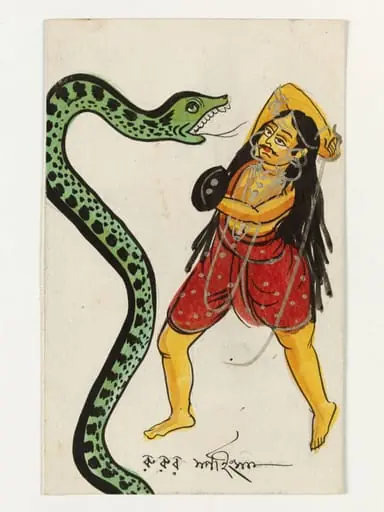 Ruru
Ruru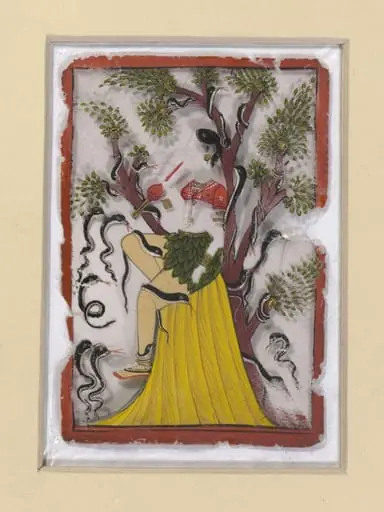 Asavari Ragini
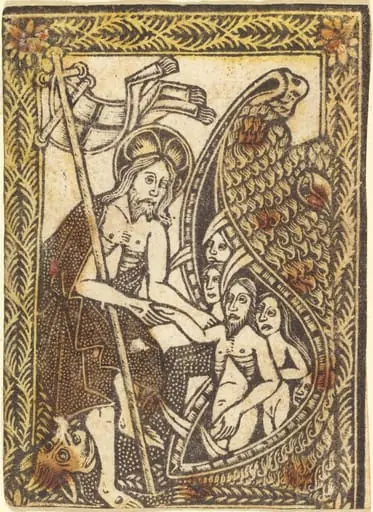 Christ's Descent in Limbo
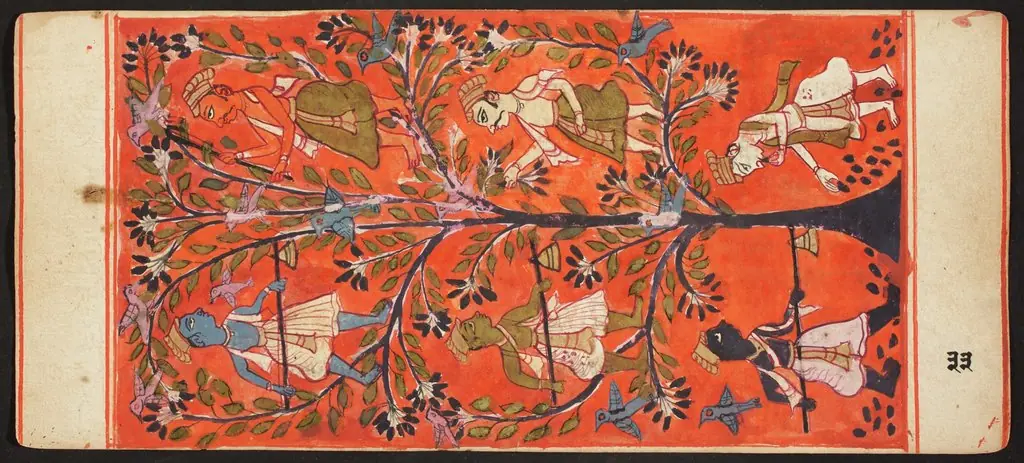 Tantric Manuscript, "Sangrahani Sutra"
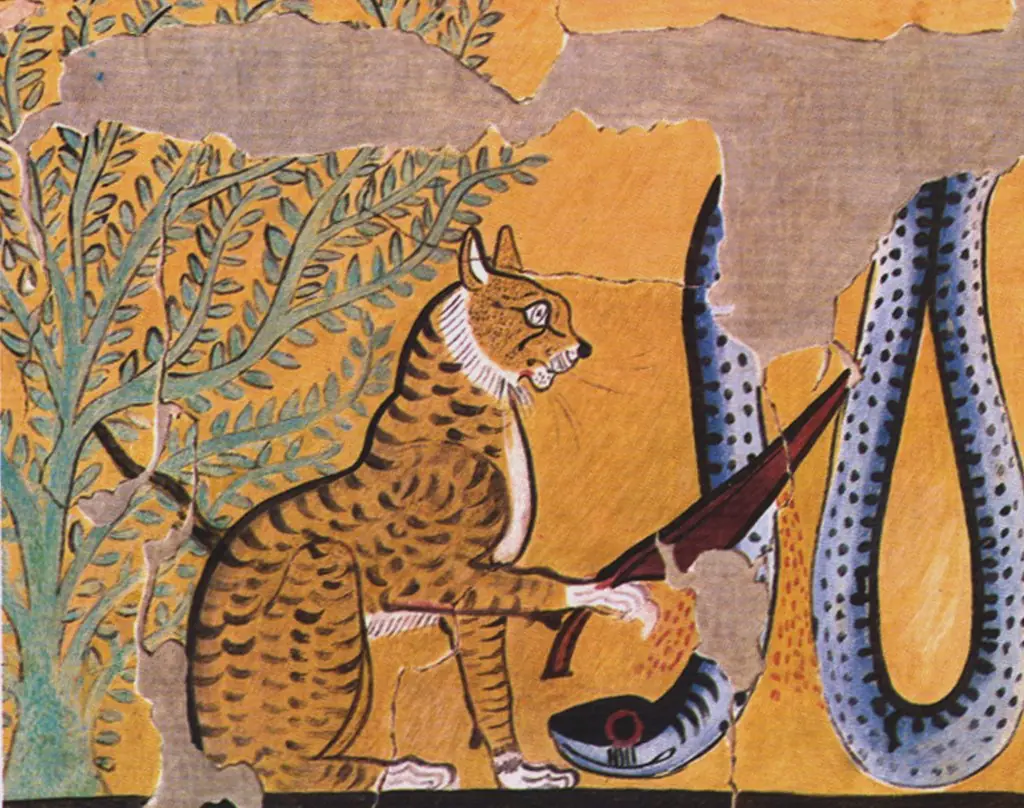 Cat Killing a Serpent
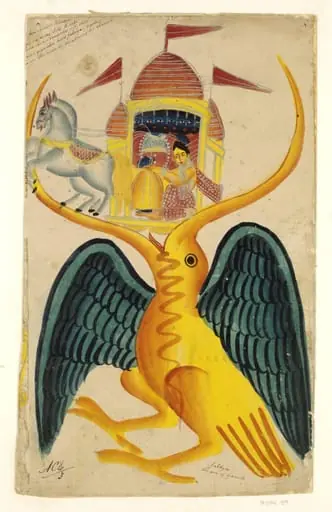 Ravana, Sita and Jatayu
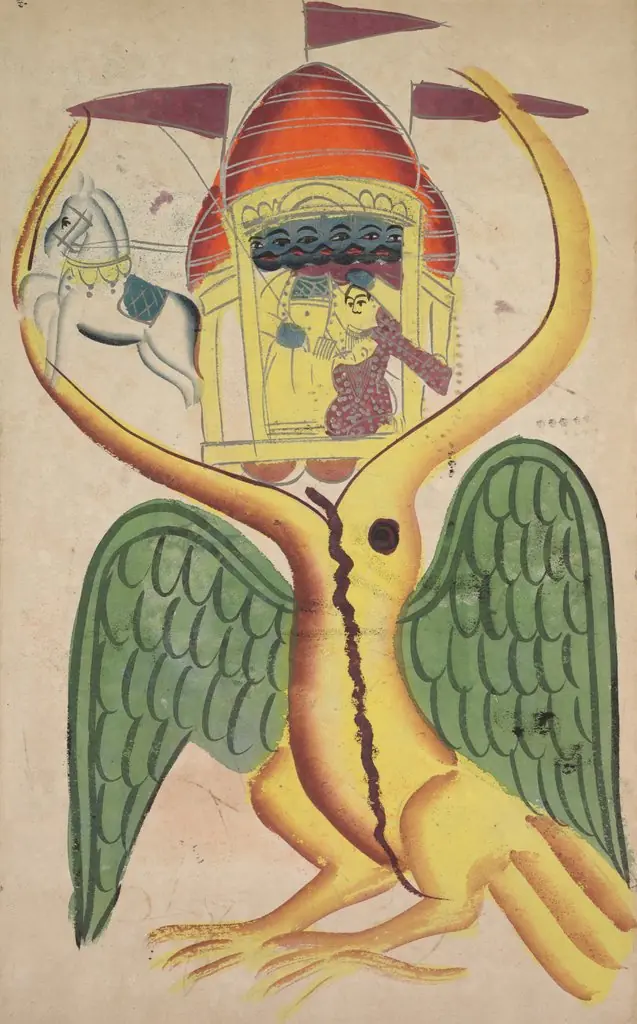 Jatayu hinders Ravana’s chariot, trying to prevent the abduction of Sita (recto), from a Kalighat album
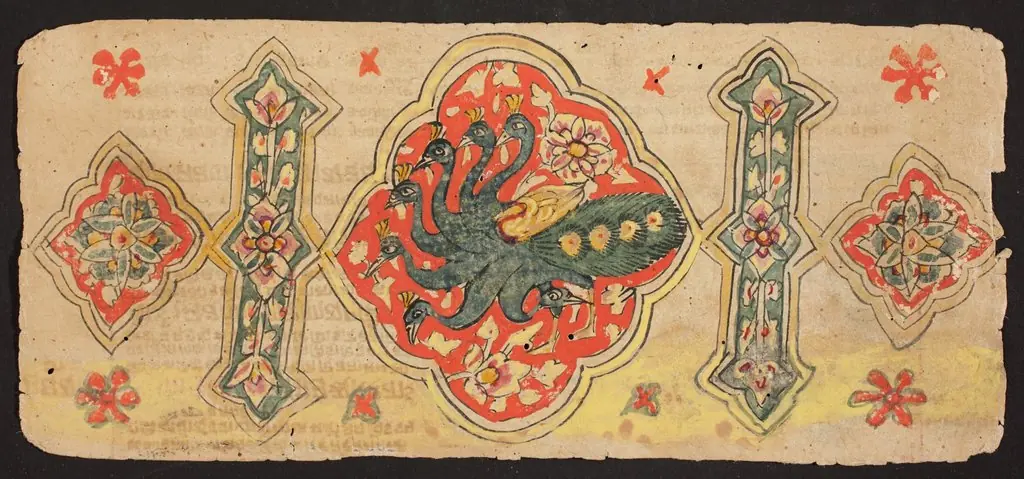 Tantric Manuscript "Sangrahani Sutra"
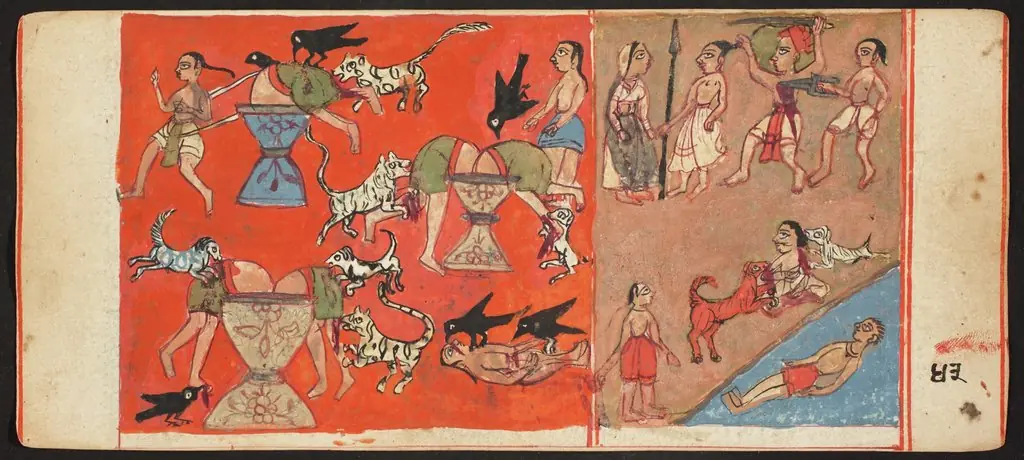 Tantric Manuscript, "Sangrahani Sutra"
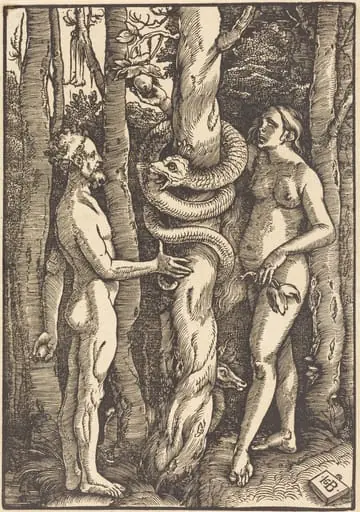 Adam and Eve with Serpent