Artwork
Venus, Tritonen und Liebesgötter
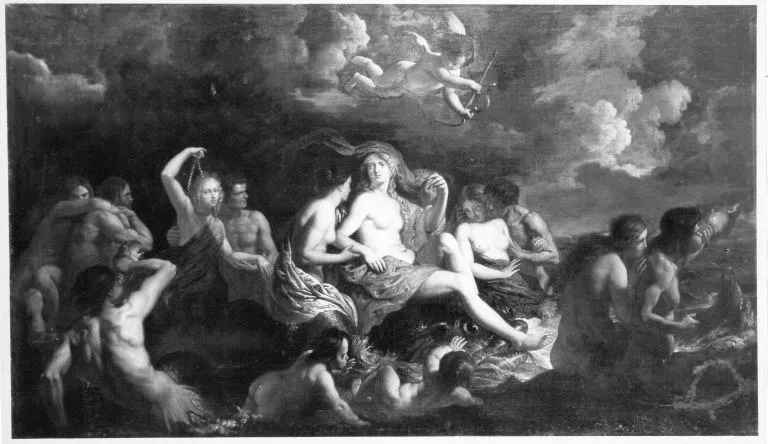
Venus, Tritonen und Liebesgötter is an unspecified painting by the Flemish Baroque painting artist Erasmus Quellinus II. It dates from 1642 and is held in the collection of the Bavarian State Painting Collections.
About this work
Subject & Meaning
Erasmus Quellinus II's choice of subject reflects the continued appeal of Ovidian and mythological narratives among Antwerp collectors during the 1640s.
The painting is a mythological composition centered on Venus, the Roman goddess of love, accompanied by tritons and putti (Liebesgötter). Venus is explicitly listed among the figures depicted, anchoring the work within the classical tradition of mythological painting. The presence of tritons, merman sea deities traditionally associated with Venus's birth from the sea, and amorini, the winged child-gods of love, situates the scene within the iconographic vocabulary of Baroque love mythology, in which Venus presides over a marine retinue of erotic and generative beings.
Together, these figures evoke themes of love, fertility, and the generative power of the sea, a standard allegorical program for Venus imagery in seventeenth-century Flemish painting. Erasmus Quellinus II's choice of subject reflects the continued appeal of Ovidian and mythological narratives among Antwerp collectors during the 1640s.
Technique & Style
Venus, Tritonen und Liebesgötter is classified as a painting, a mythological work by Erasmus Quellinus II dated 1642. According to the catalogue record, the work measures 76.5 cm in height by 128.4 cm in width, giving it a distinctly horizontal format suited to its mythological subject matter. It is held in the Bavarian State Painting Collections at the Alte Pinakothek.
The available sources do not specify the medium (oil versus another binder), the support (canvas, panel, or copper), the technique of execution, the handling of paint, or the present condition of the work, nor do they describe its stylistic qualities in any detail.
History & Provenance
Venus, Tritonen und Liebesgötter was created by Erasmus Quellinus II in 1642, as recorded in the painting's cataloguing data. The mythological work entered the Bavarian State Painting Collections and is held at the Alte Pinakothek in Munich, where it remains part of the institution's holdings. No further details of commission, intermediate ownership, or acquisition circumstances are documented in the available sources.
Venus, Tritonen und Liebesgötter is held by the Bavarian State Painting Collections at the Alte Pinakothek, with inventory number 2152. The work was created in 1642 by Erasmus Quellinus II and is classified as a mythological painting depicting Venus. It has been part of the Alte Pinakothek's collection since its inception, reflecting its enduring presence in the institution's holdings.
The painting has been exhibited within the Alte Pinakothek's permanent displays, contributing to the museum's showcases of Baroque mythology and Flemish artistic influence, though specific exhibition catalogues are not detailed in the provided sources.
Overview
Venus, Tritonen und Liebesgötter is a 1642 painting by Erasmus Quellinus II, a prominent Flemish Baroque artist trained under Peter Paul Rubens. The work exemplifies the Flemish Baroque style, characterized by dynamic composition and expressive use of light and shadow.
Context
Venus, Tritonen und Liebesgötter was produced during the flourishing of Flemish Baroque, a period when artists like Quellinus and his mentor Rubens drew heavily from mythology and biblical themes to create visually rich, emotionally engaging works for aristocratic and ecclesiastical patrons.
Legacy
While not as widely recognized as works by his mentor Rubens, Quellinus's paintings, including Venus, Tritonen und Liebesgötter, contribute to the understanding and appreciation of the broader Flemish Baroque movement, highlighting the era's artistic achievements and thematic preoccupations.
Artist & collection
Artist
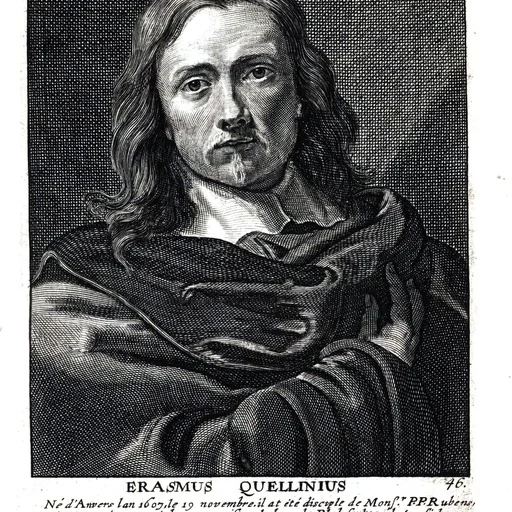
Erasmus Quellinus the Younger or Erasmus Quellinus II (November 19, 1607 – November 11, 1678) was a Flemish painter, engraver, draughtsman and tapestry designer who worked in various genres including history, portrait, allegorical, battle…

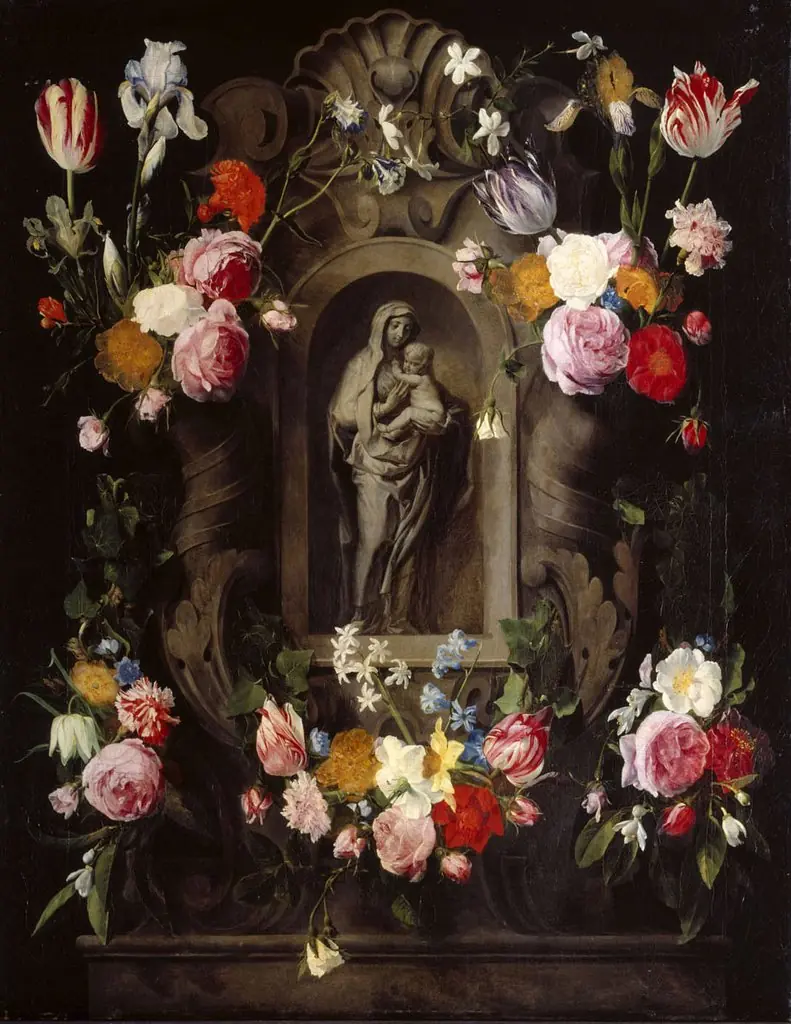 Madonna & Child Statuette in a Niche surrounded by a Garland of Flowers
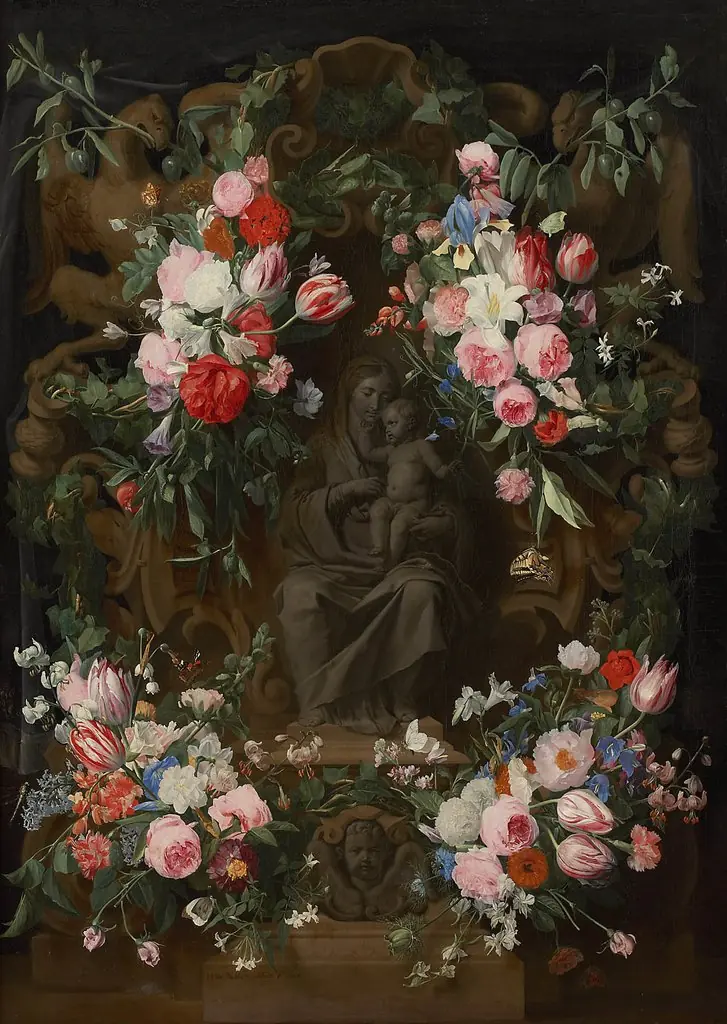 Seated Maria in a Flower Garland
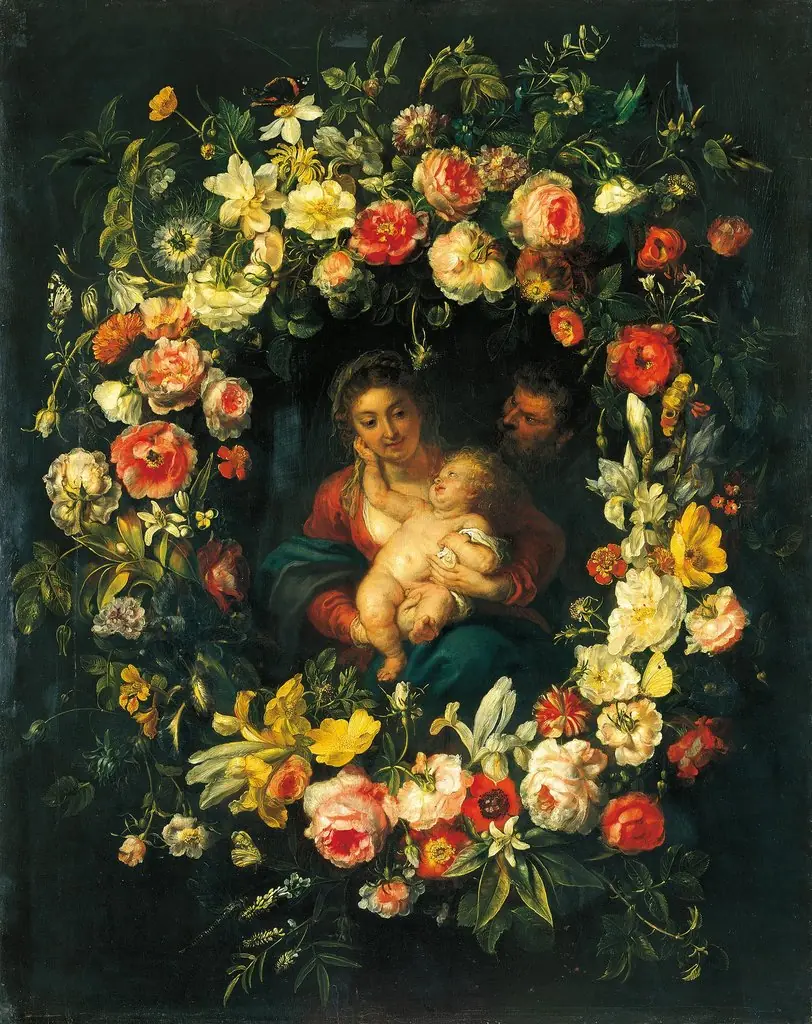 Holy Family in a Wreath of Flowers
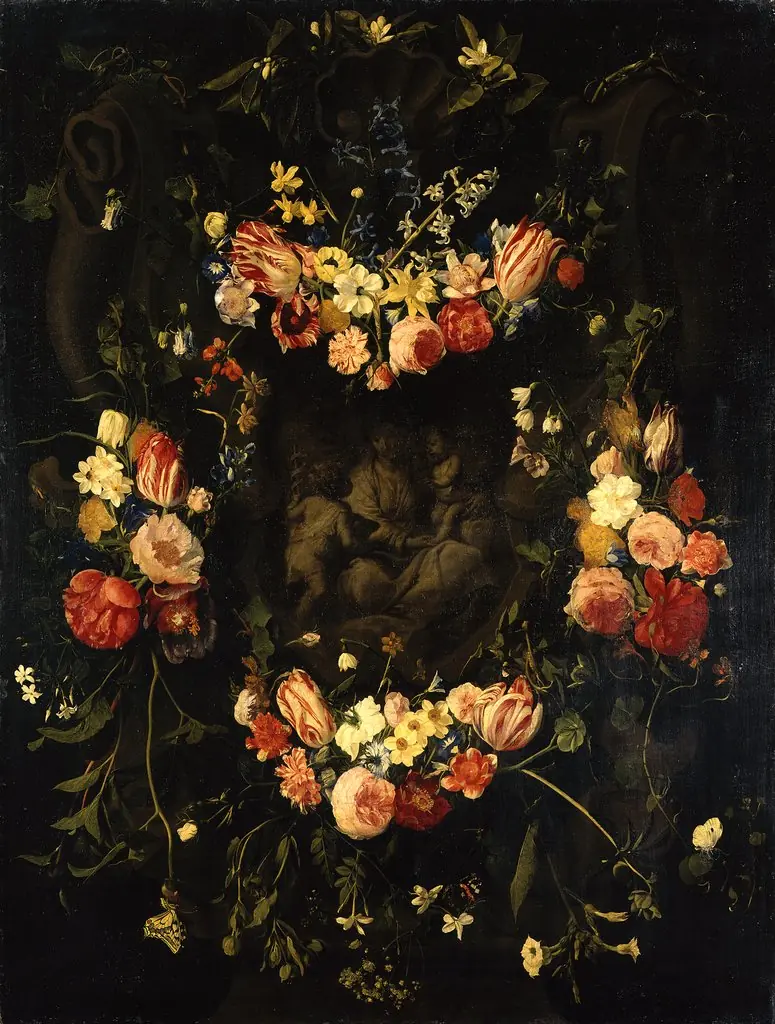 Cartouche addorned with flowergarlands surrounding a depiction of the Holy Family with the infant Saint John the Baptist
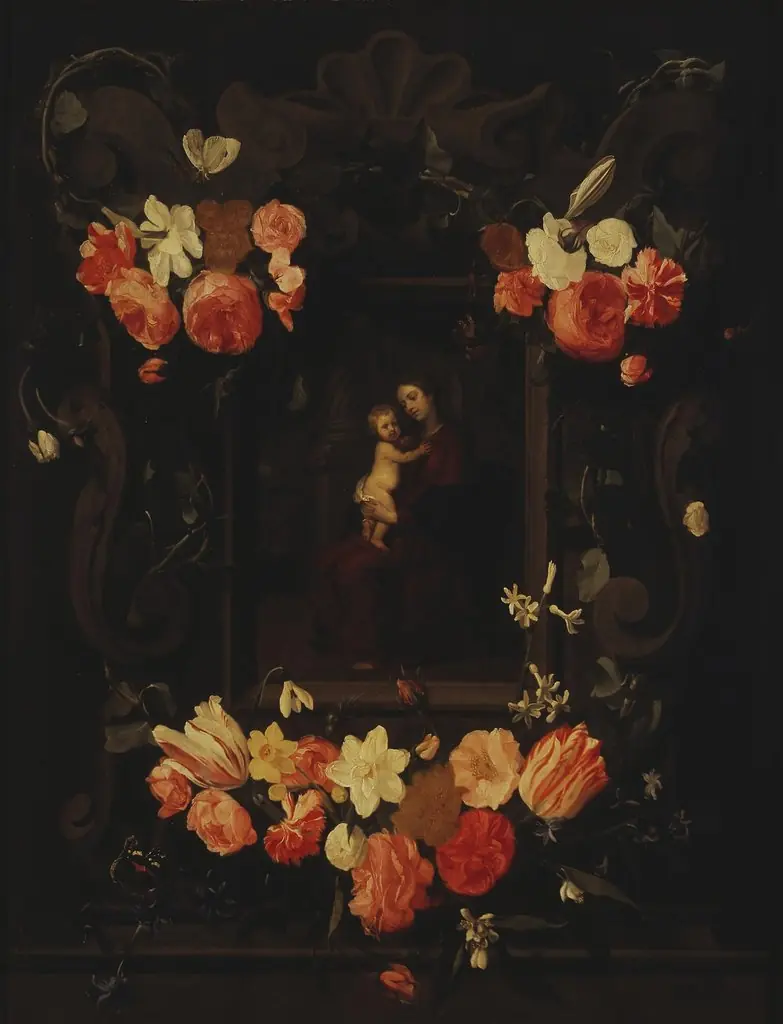 Madonna and Child Framed a Garland of Flowers
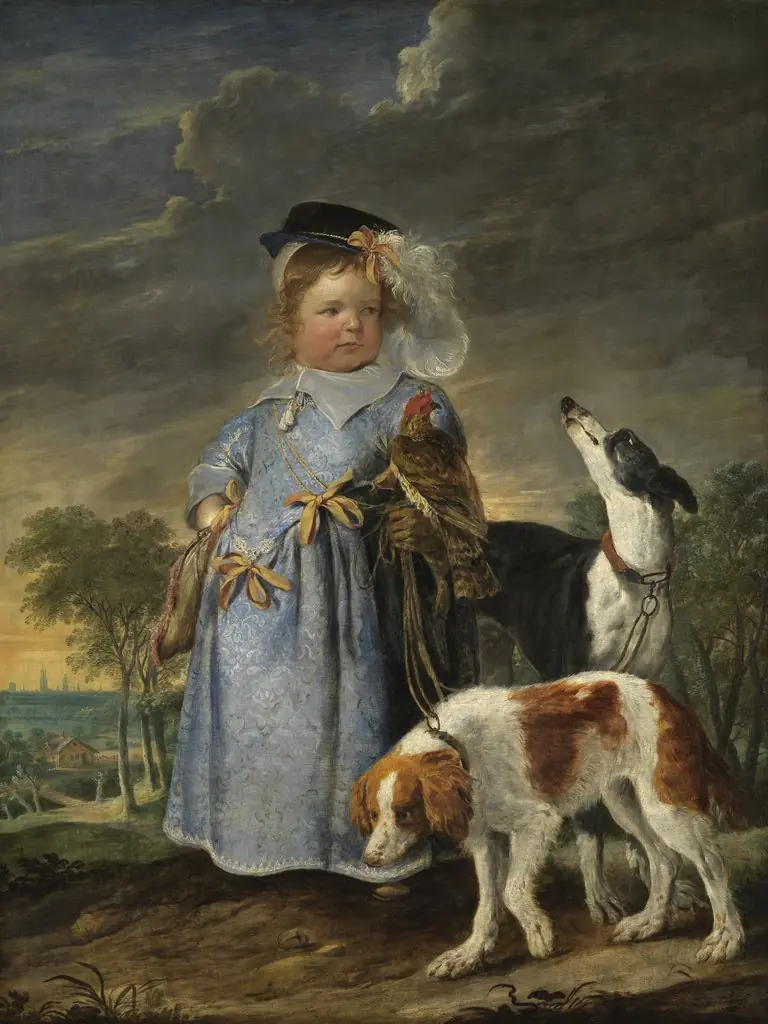 Portrait of a Boy
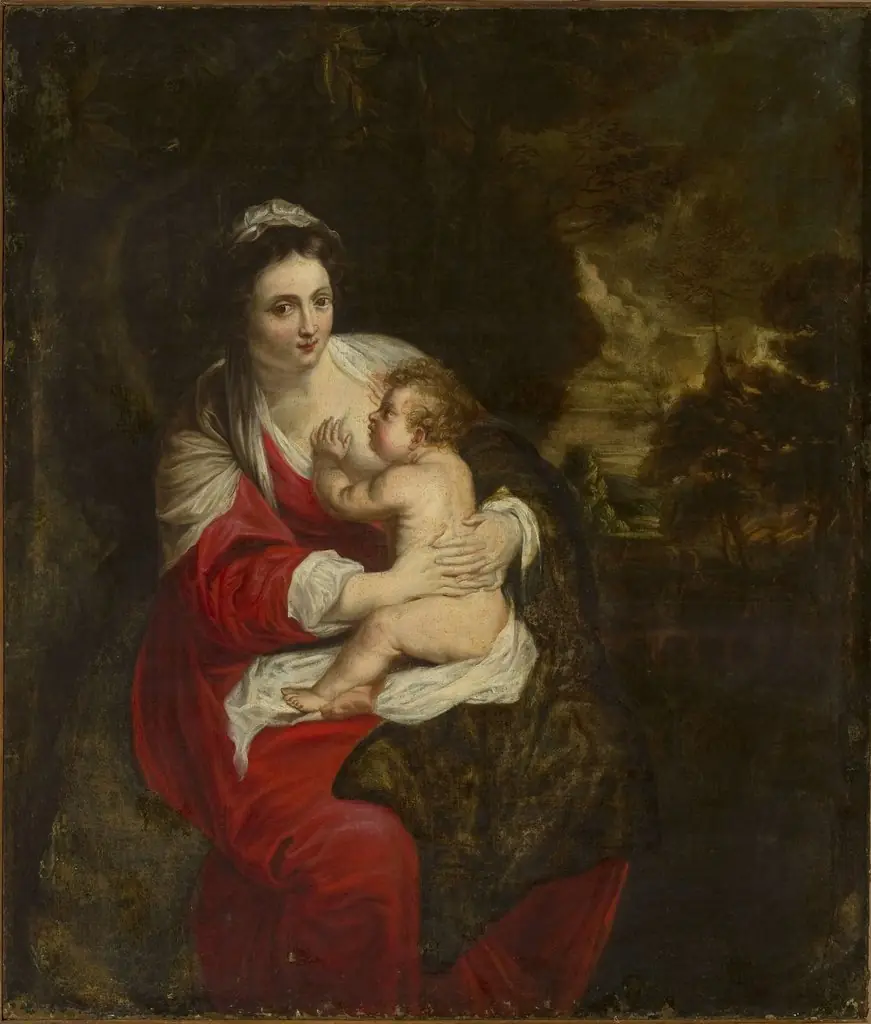 Madonna with Child Jesus
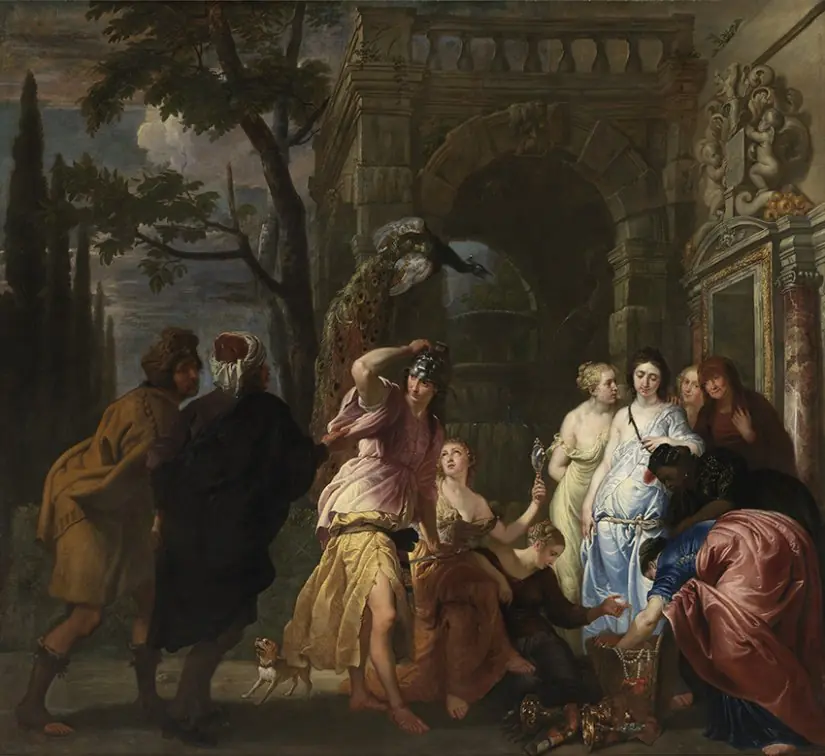 Achilles among the Daughters of Lycomedes
- Galathea besucht Acis
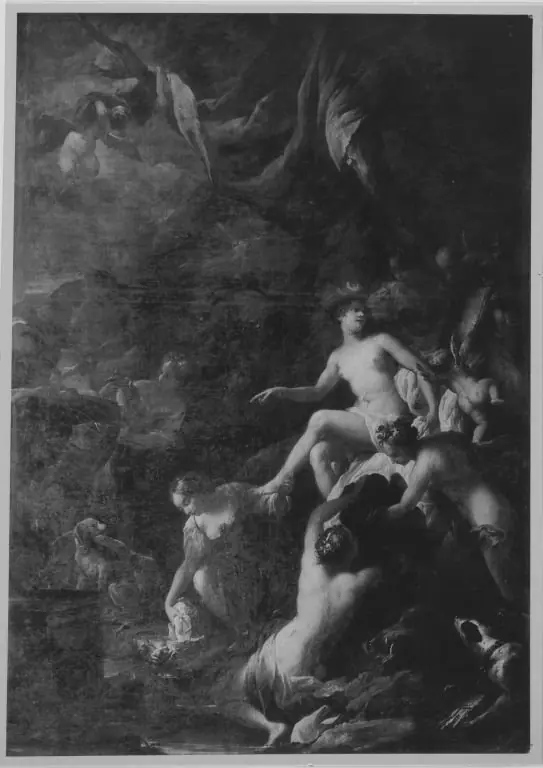 Das Bad der Diana
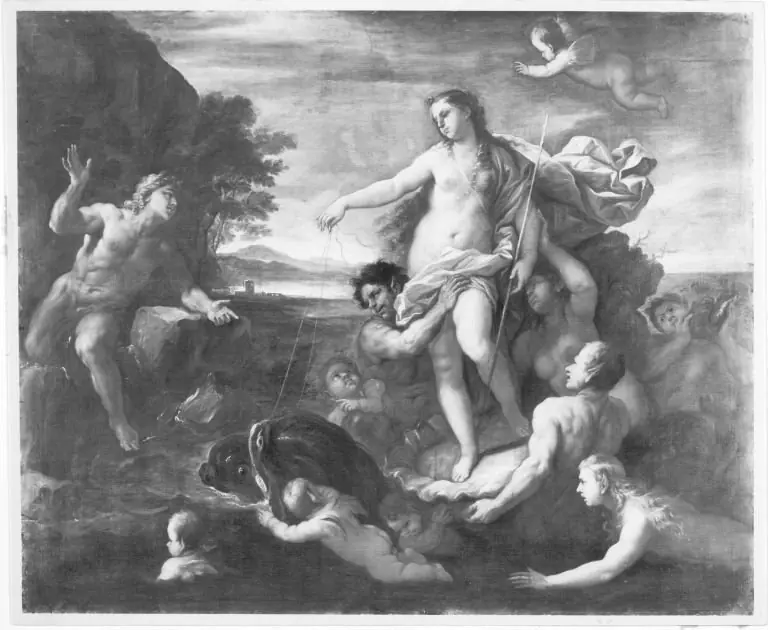
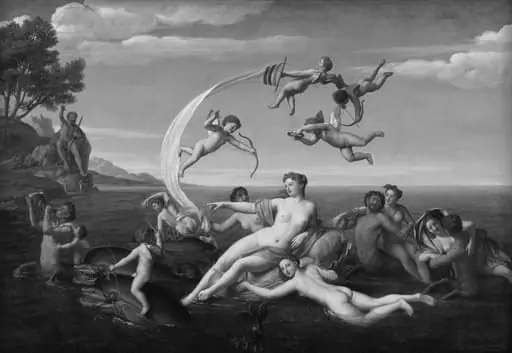 The Triumph of Galathea
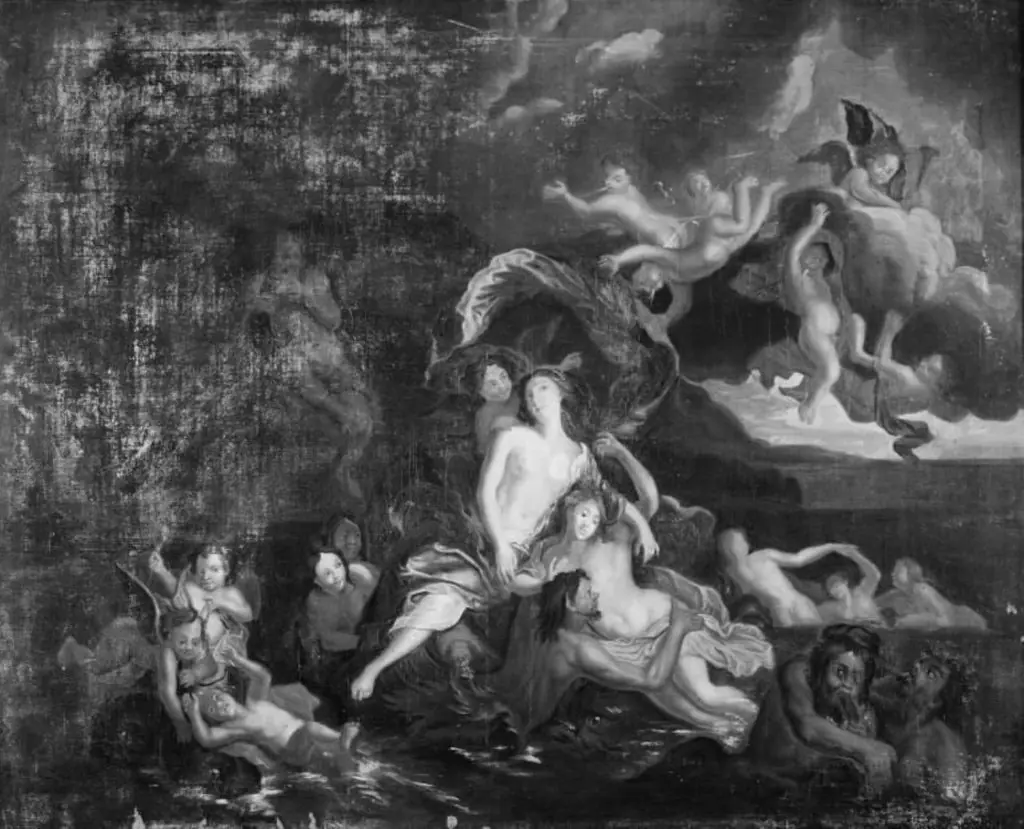 Galathea føres over havet, ledsaget af nymfer, tritoner og amoriner
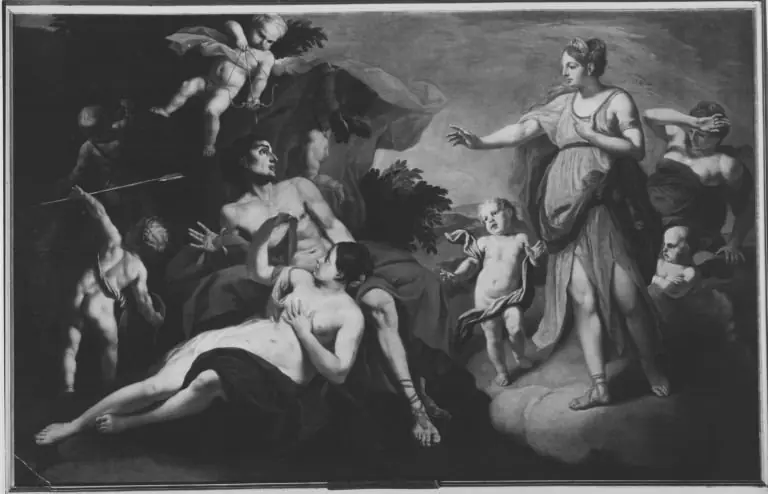 Fehltritt der Kallisto
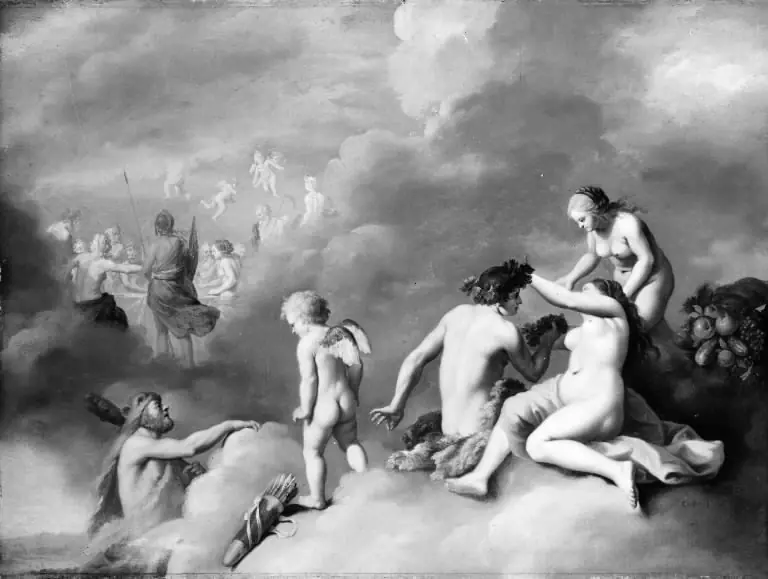 A Gathering of Gods
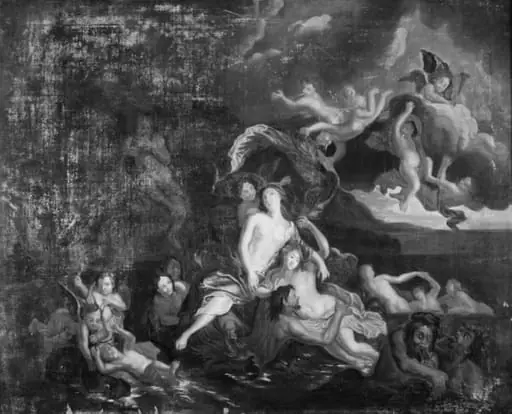 Galathea føres over havet, ledsaget af nymfer, tritoner og amoriner
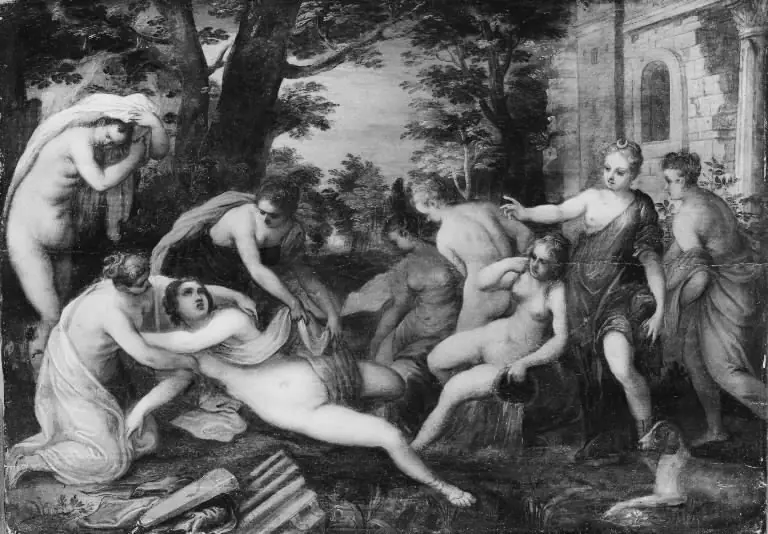 Callisto in Diana's Bath
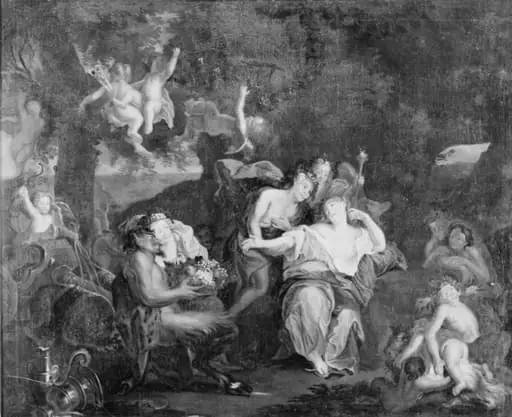 Bacchus og Ariadne sidder sammen i et landskab omgivne af amoriner, bacchantinder og satyrer
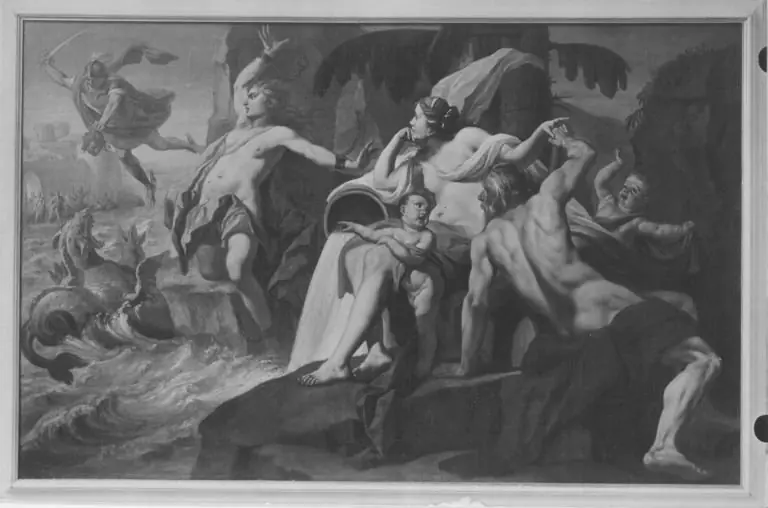 Befreiung der Andromeda
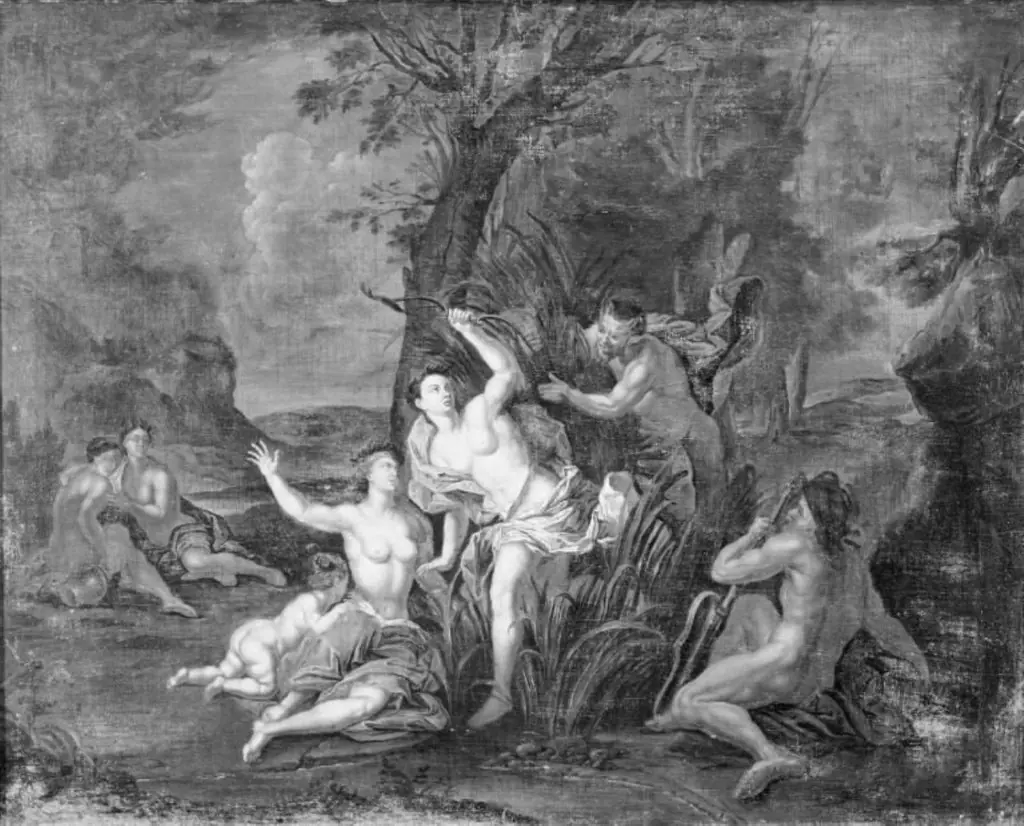 Nogle nymfer overraskes af en satyr. Ved siden sidder en flodgud
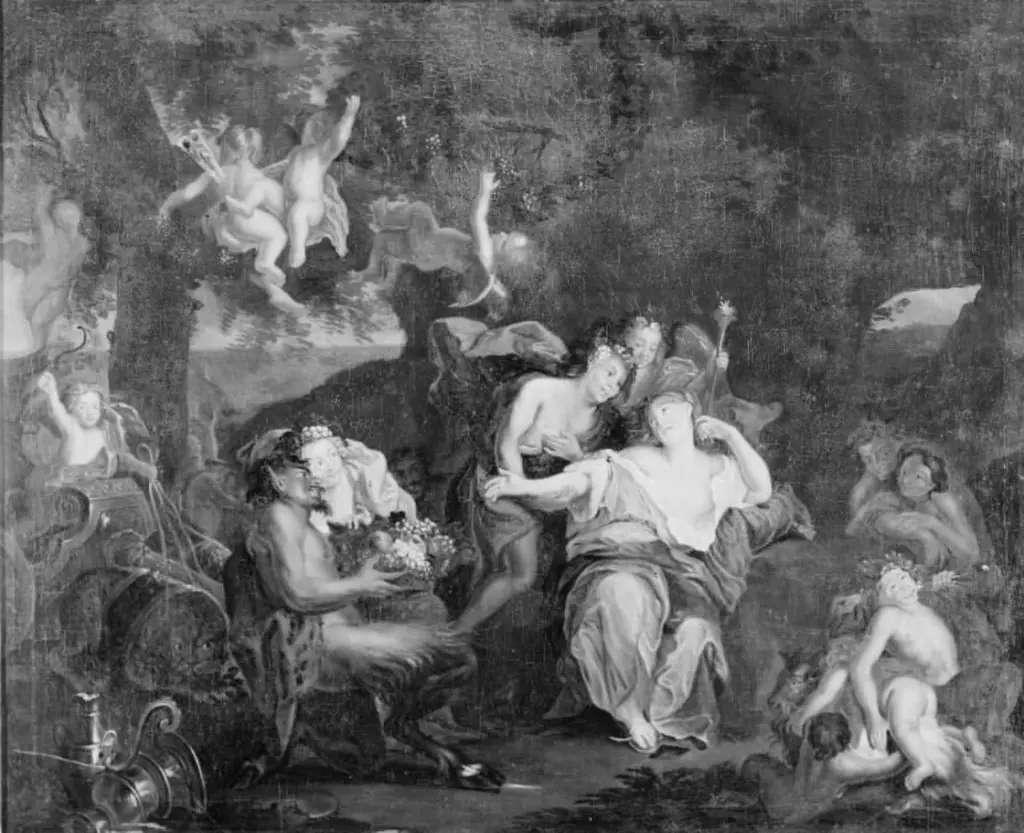 Bacchus og Ariadne sidder sammen i et landskab omgivne af amoriner, bacchantinder og satyrer