Artwork
El paso del mar Rojo
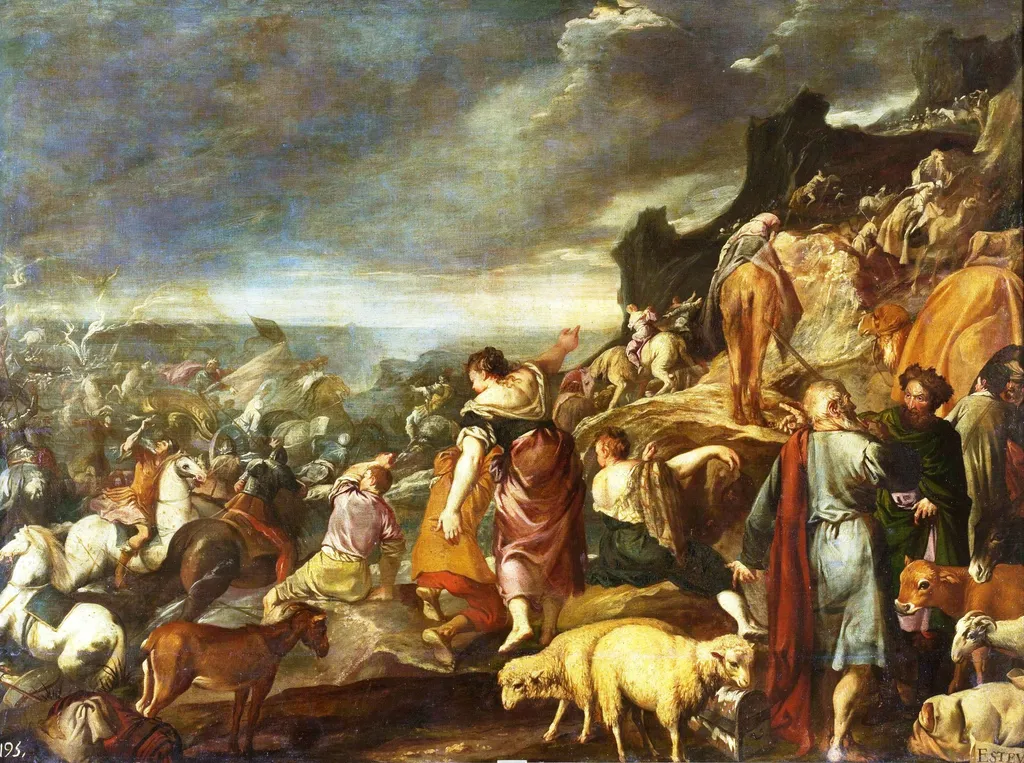
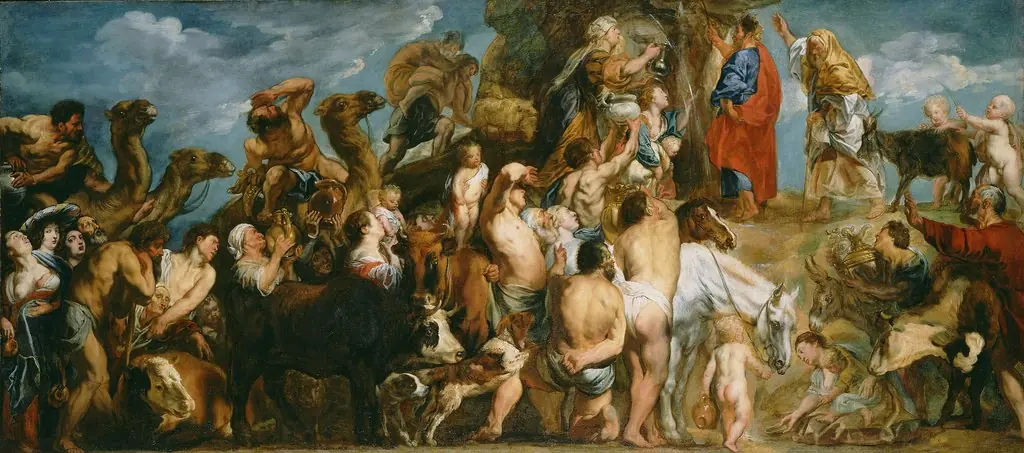
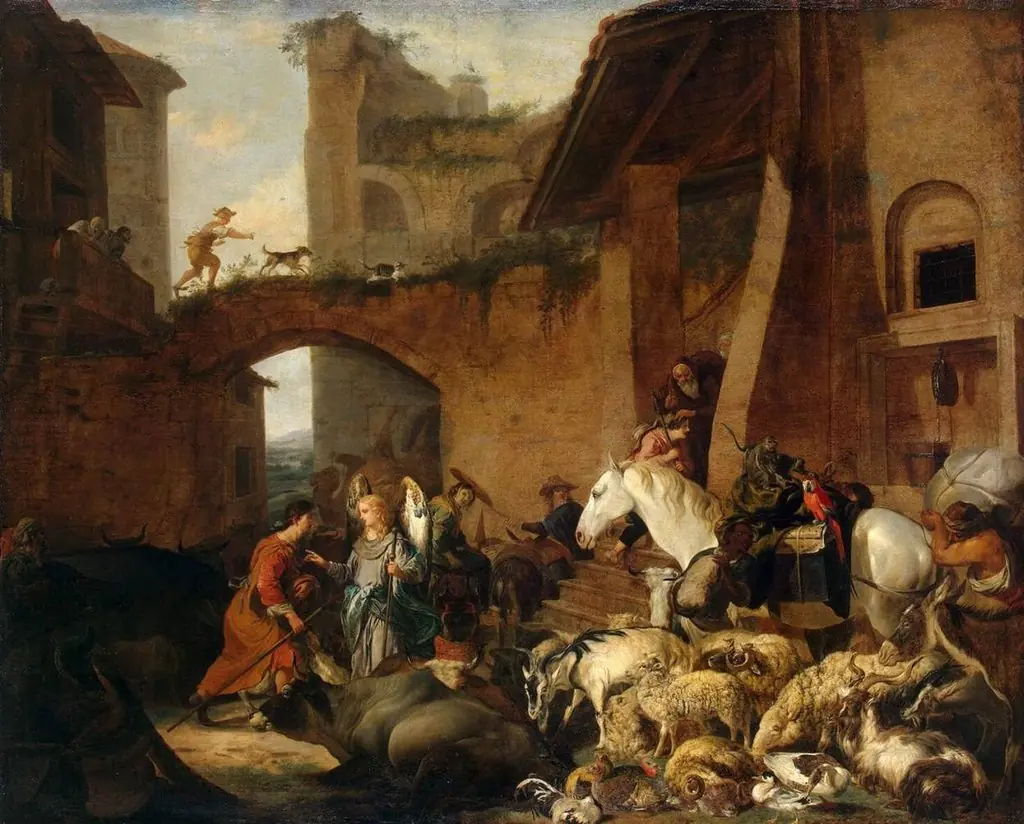
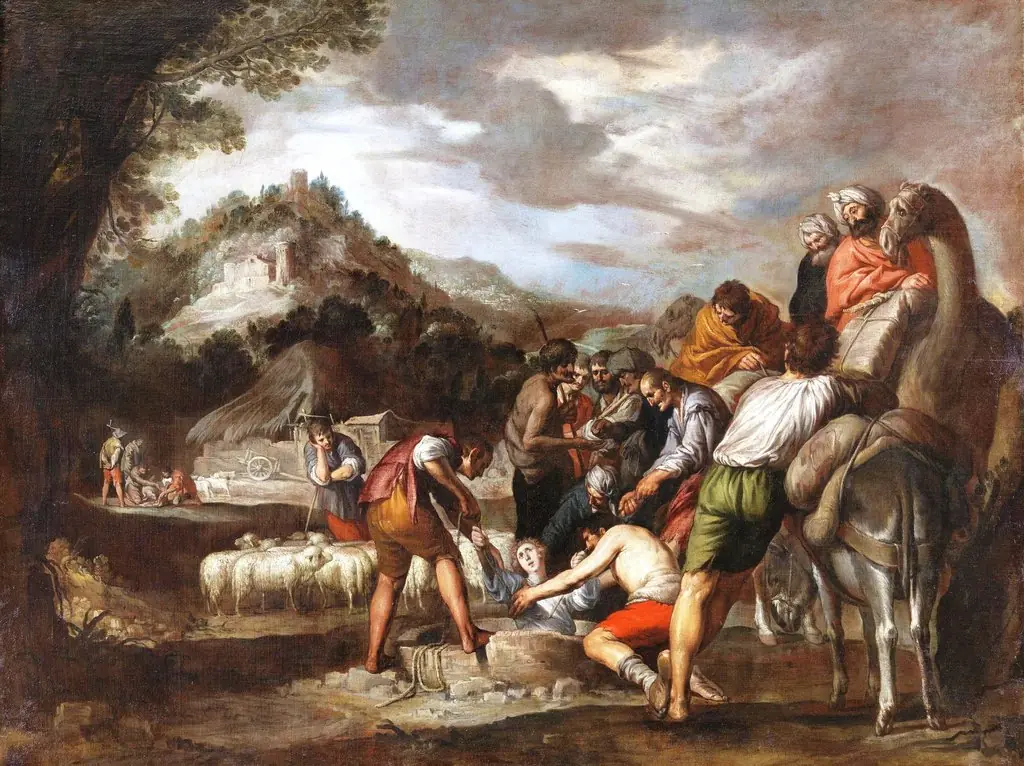
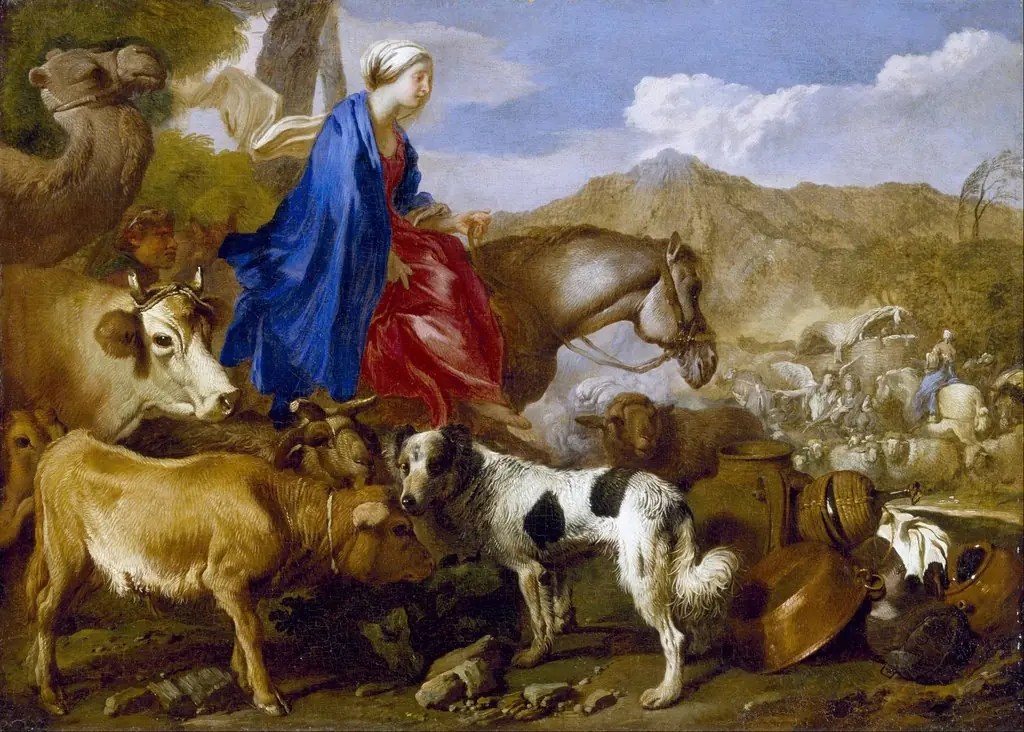
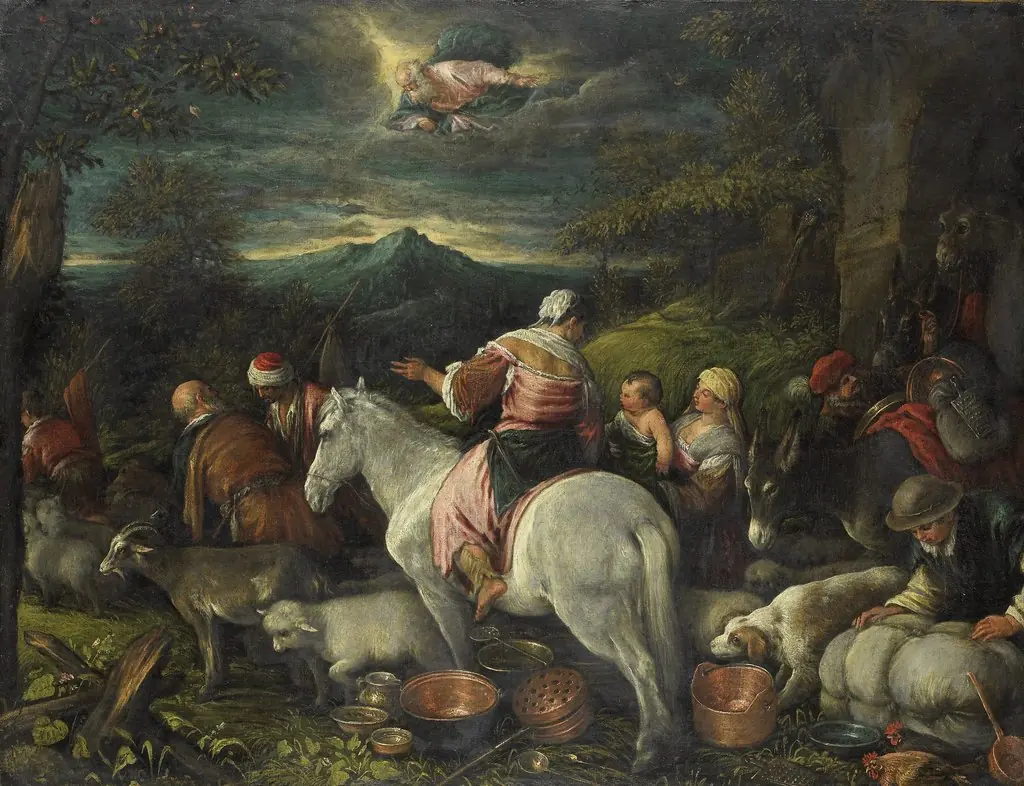
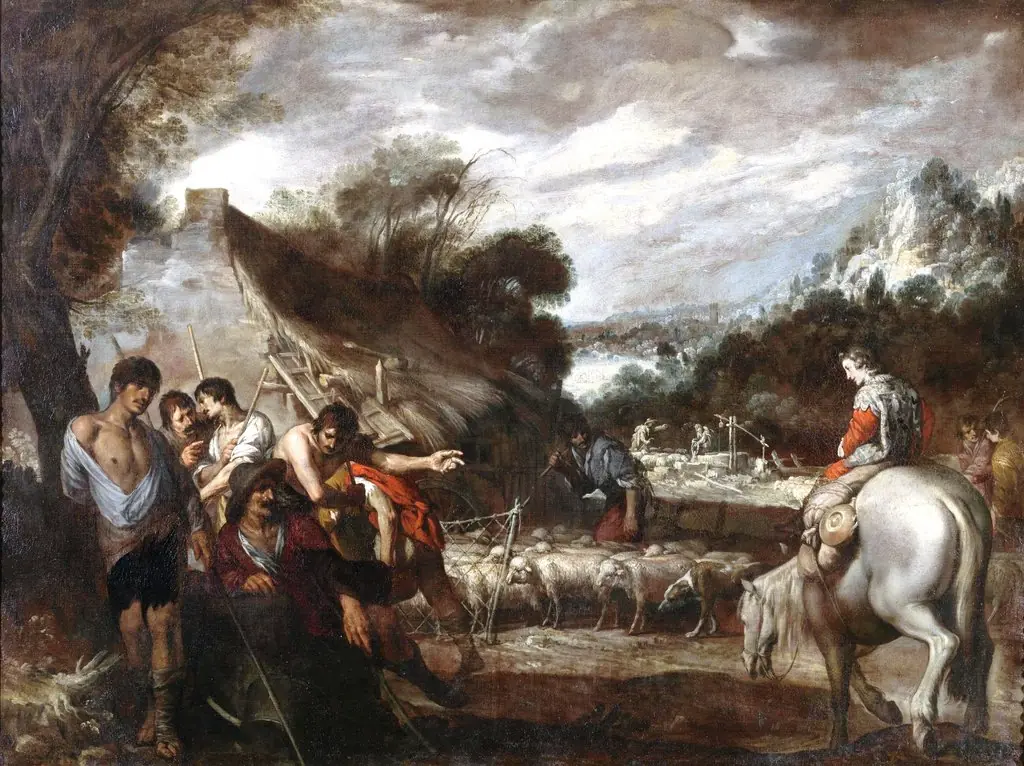
El paso del mar Rojo is an oil painting by the Early Baroque Italian artist Esteban March. It dates from 1601 and is held in the collection of the Museo del Prado.
About this work
Subject & Meaning
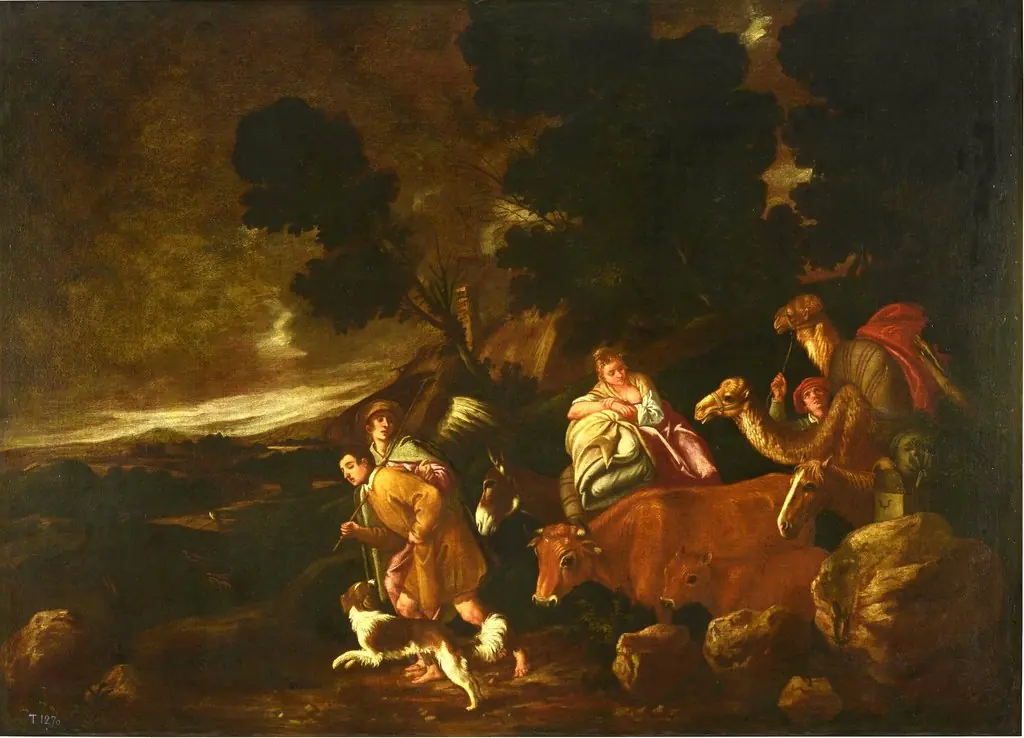
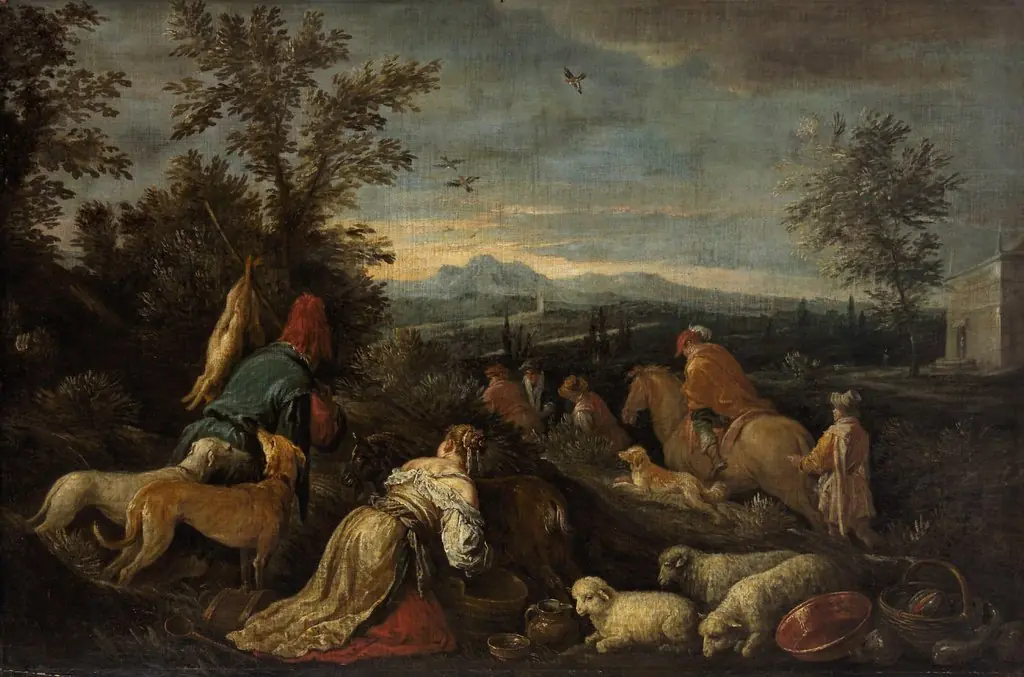
El paso del mar Rojo portrays a horse, sheep, and goat set against a cloud-filled sky, elements that carry symbolic weight within the painting's narrative.
El paso del mar Rojo portrays a horse, sheep, and goat set against a cloud-filled sky, elements that carry symbolic weight within the painting's narrative. The animal figures are understood to represent spiritual or allegorical themes common in Spanish Baroque art, though the precise meaning remains tied to the work's devotional context at the Museo del Prado. The composition reflects a moment of transition or divine passage, aligning with the title's suggestion of movement through a red sea. These symbolic choices contribute to the painting's broader significance as a devotional work within the museum's collection.
The iconography of the depicted animals and celestial elements is interpreted as part of a larger spiritual allegory, though specific symbolic meanings are not detailed in the source descriptions. The work's representation of movement and divine presence is tied to its devotional function in the Museo del Prado's holdings.
The painting's subject and symbolic content are documented through its depiction of livestock and atmospheric elements, which support its devotional and narrative role in the Baroque tradition.
Technique & Style
El paso del mar Rojo is executed in oil paint on canvas, a standard support for large-scale Spanish Baroque compositions of the period. The canvas measures 129 cm in height by 176 cm in width, a horizontal format suited to the panoramic narrative of the crossing.
The painting depicts horses, sheep, goats, and clouds, indicating a populated landscape with both human and animal figures set beneath an open sky. The inclusion of livestock alongside horses suggests a dynamic handling of varied animal forms within a broad outdoor setting.
The work is held in the Museo del Prado, where its oil-on-canvas technique and dimensions are consistent with the museum's holdings of seventeenth-century Spanish painting.
History & Provenance
El paso del mar Rojo was created in 1601 by Esteban March as an oil painting on canvas. The work entered the collection of the Museo del Prado, where it remains on display.
The painting was commissioned for a religious context and reflects the Baroque era’s fascination with dramatic natural scenes. Its dimensions measure 129 cm in height by 176 cm in width.
The provenance records a continuous ownership chain from the artist to the museum, beginning in 1650 when the museum acquired the piece.
Overview
El paso del mar Rojo is an oil painting dated to 1601 that belongs to the early Baroque period. Though the work is executed in an Italianate style, it is attributed to the Spanish painter Esteban March, who was active in Valencia in the first half of the seventeenth century. The canvas is part of the permanent collection of the Museo del Prado in Madrid.
Context
The work reflects the early Baroque fascination with dramatic narrative and emotional intensity, echoing contemporary religious and mythological scenes that emphasized divine intervention. Its Italianate composition aligns with the diffusion of Caravaggisti techniques into Spanish art during the early seventeenth century.
Own this work as a print
Artist & collection
Artist
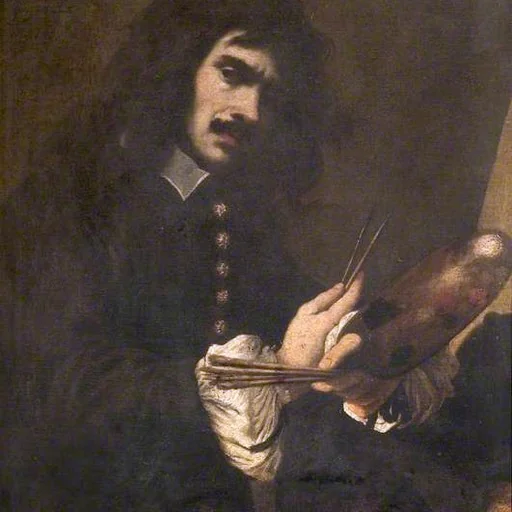
Esteban March (c,1610, Valencia - c.1668, Valencia) was a Spanish Baroque painter. Most of what is known about his life comes from writings by Antonio Palomino, who lived slightly later than March.