Artwork
Still Life
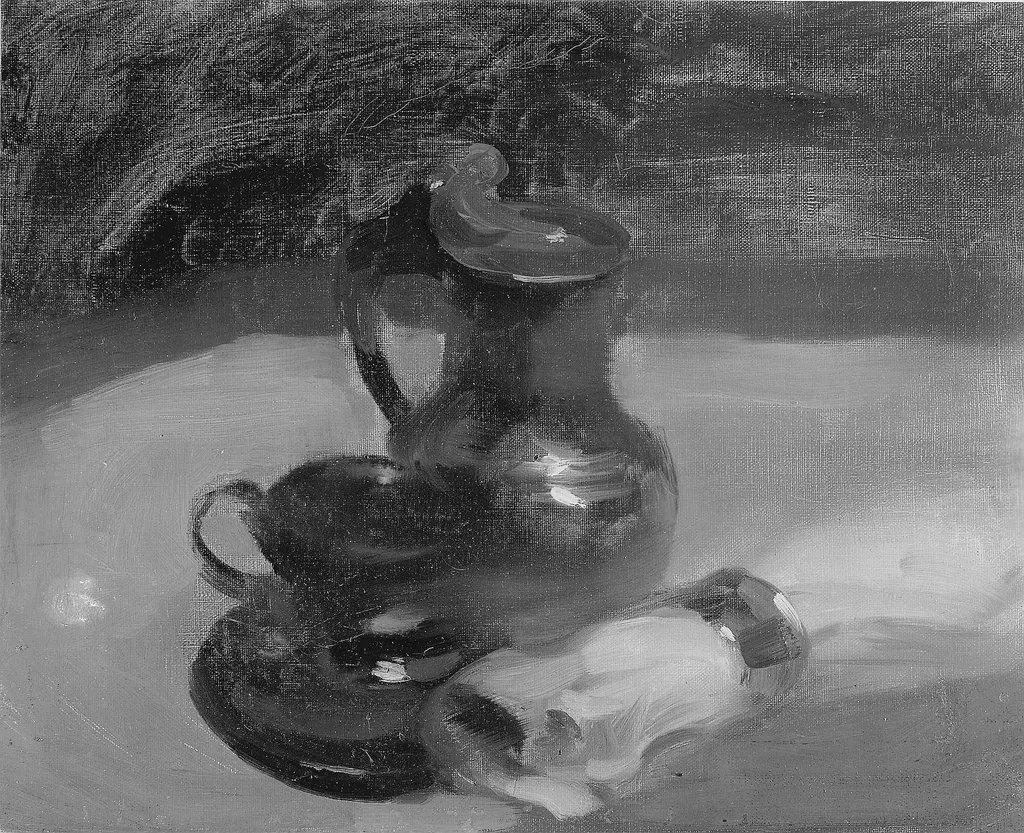
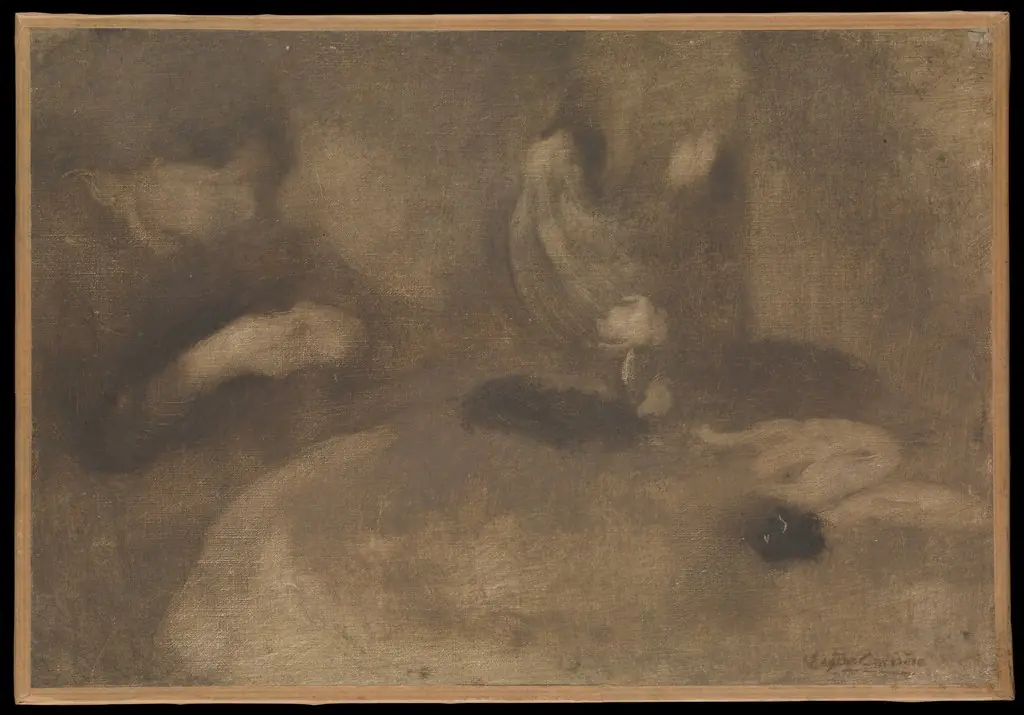
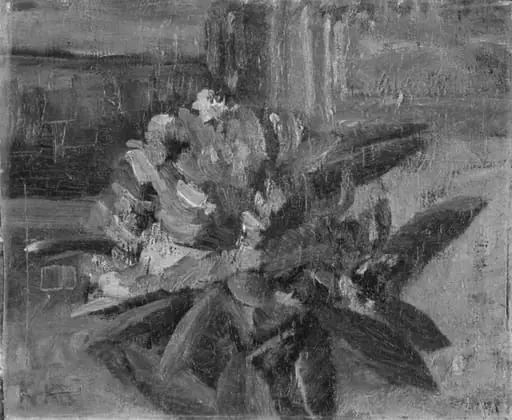
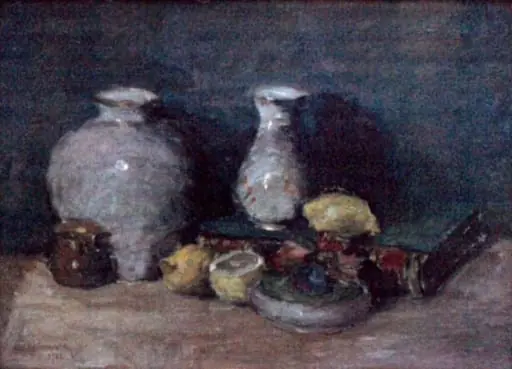
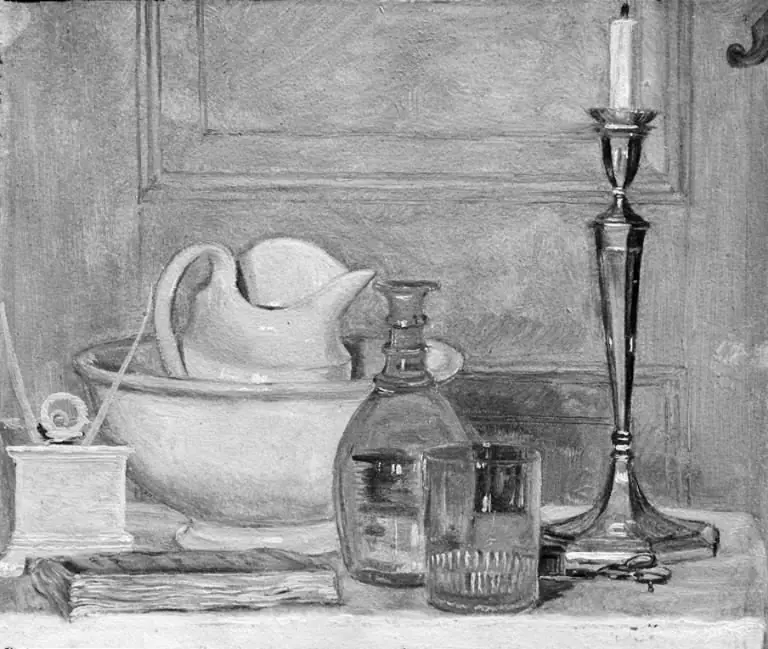
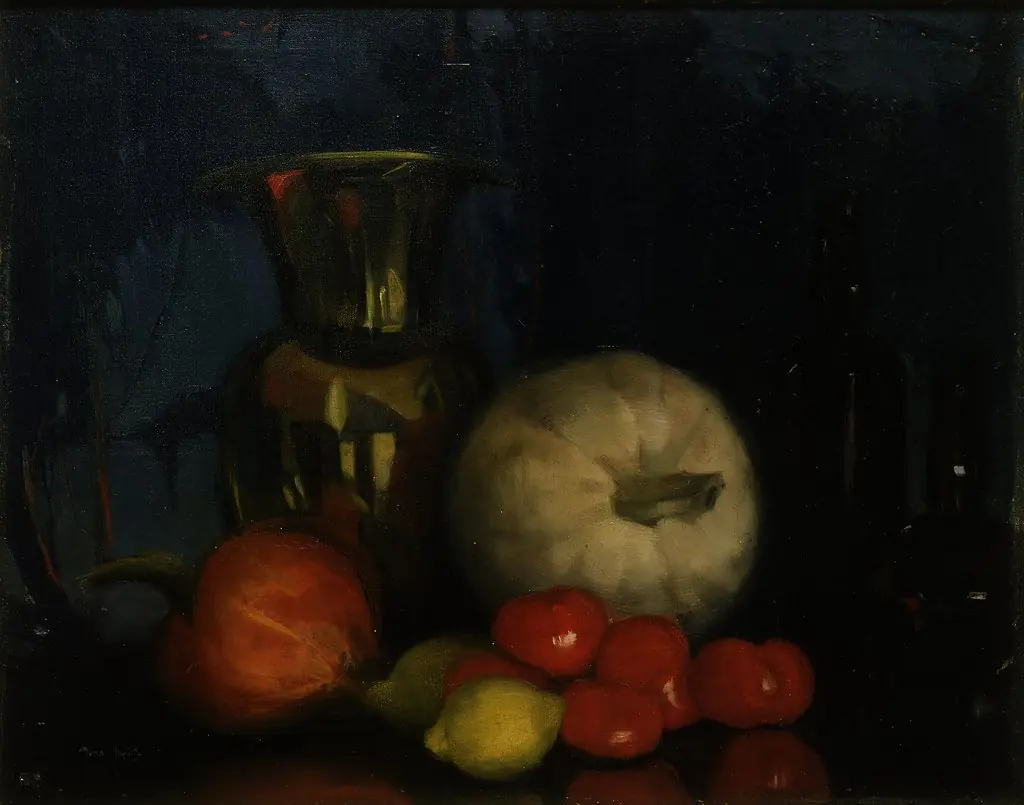
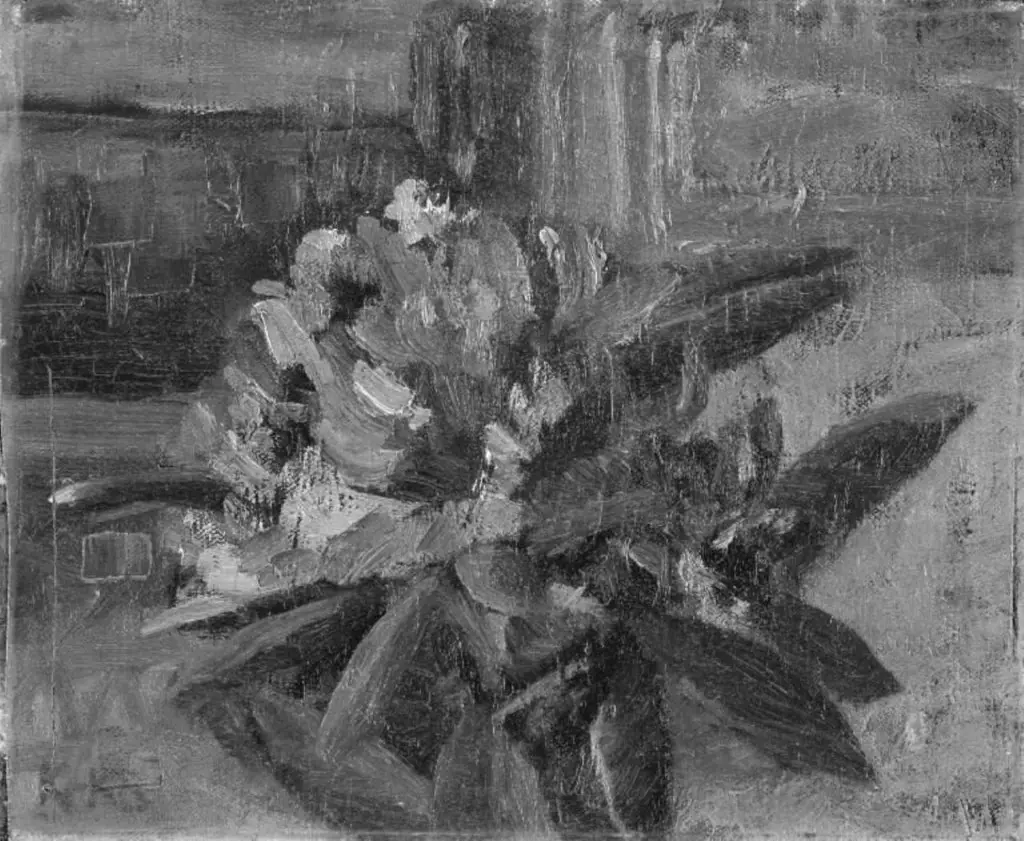
Still Life is an oil painting by the Post-Impressionist artist Eugène Carrière. It dates from 1875 and is held in the collection of the Art Institute of Chicago.
About this work
Overview
Painted in 1875, this oil on canvas work by Eugène Carrière presents a restrained composition centered on two hands cradling a dark ceramic bowl.
Painted in 1875, this oil on canvas work by Eugène Carrière presents a restrained composition centered on two hands cradling a dark ceramic bowl. A small pitcher rests nearby on a plain surface. The palette is dominated by muted grays and near-black tones, with subtle shifts in value suggesting form without vivid color. The painting’s quietude arises from its limited chromatic range and deliberate softness in rendering.
Subject & Meaning
The subject is a humble domestic arrangement: hands and vessels engaged in quiet, unspoken ritual. There is no narrative or symbolic reference beyond the physical presence of the objects. The focus on gesture and containment, hands holding, vessel resting, suggests contemplation rather than function. The absence of context or human identity invites attention to the stillness and materiality of the moment.
Technique & Style
Carrière employed smooth, blended brushwork to dissolve edges and unify forms within a hazy atmosphere. Light is diffused, not sharply defined, creating a sense of volume through gradual tonal transitions rather than contrast. The technique avoids sharp outlines or decorative detail, favoring a muted, atmospheric realism that emphasizes texture and mass over color or clarity.
History & Provenance
Executed in 1875, the painting entered the collection of the Art Institute of Chicago at an unspecified date. It was not widely exhibited during Carrière’s lifetime and remained relatively obscure until later scholarly interest in his tonalist approach. Its provenance is unremarkable, lacking notable prior owners or exhibition history, reflecting its quiet, non-commercial character.
Context
Created during Carrière’s early career, the work aligns with a broader European trend toward intimate, tonal still lifes that rejected academic grandeur. It shares affinities with the somber palettes of Spanish and Dutch traditions, yet its soft focus and emotional reserve reflect emerging Symbolist sensibilities. The painting resists narrative, instead prioritizing mood and tactile presence over illustration.
Legacy
Though not among Carrière’s most recognized works, this painting exemplifies his lifelong interest in light, shadow, and the emotional weight of ordinary objects. Its subdued aesthetic influenced later artists exploring tonal harmony and psychological stillness. It remains a quiet testament to the power of restraint in visual language, valued for its meditative quality rather than dramatic impact.
Own this work as a print
Artist & collection

Artist
Eugène Anatole Carrière was a French Symbolist artist of the fin-de-siècle period.