Artwork
Richard Hooker
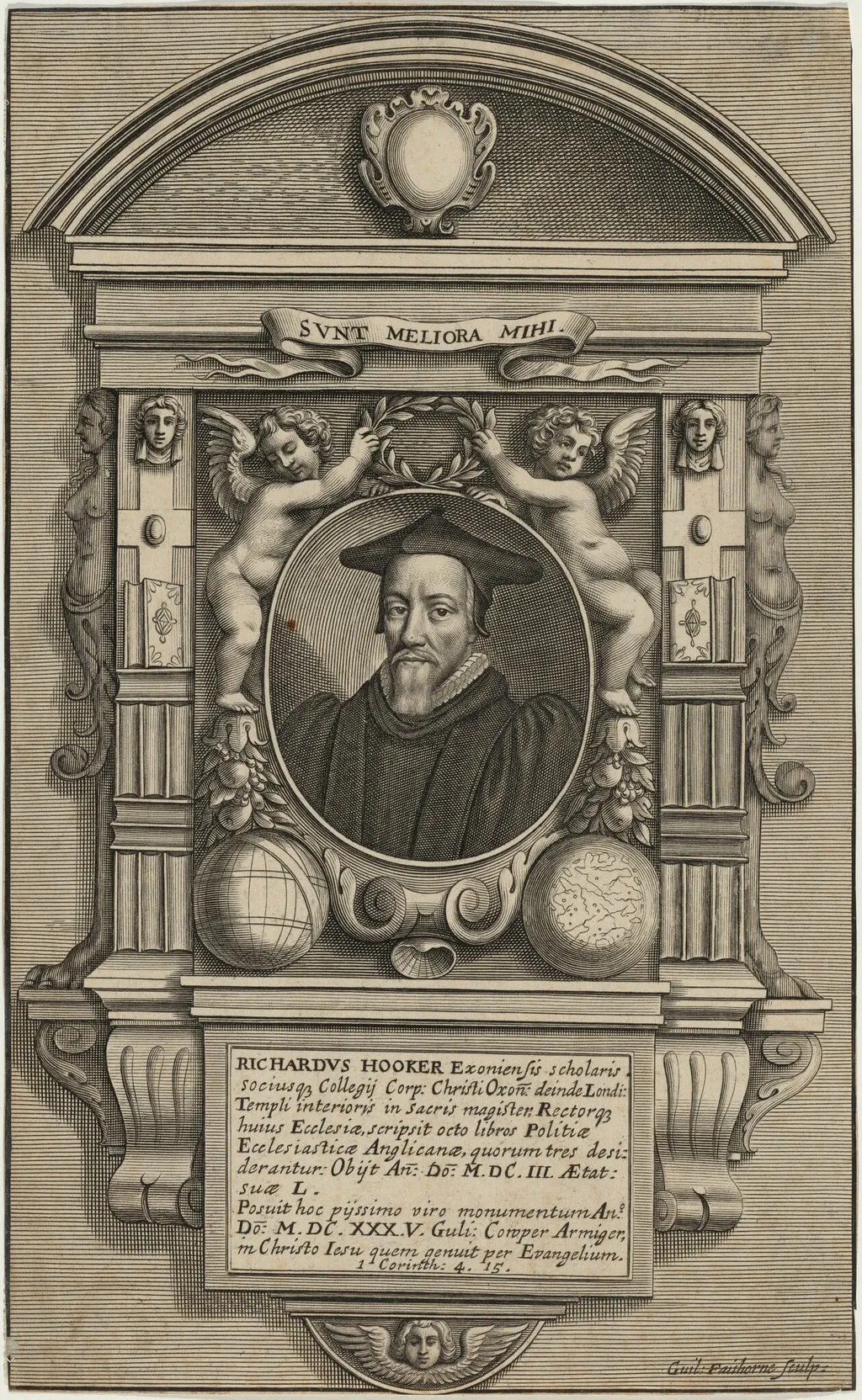
Richard Hooker is an ink print by the Baroque artist William Faithorne. It dates from 1662 and is held in the collection of the National Gallery of Art.
About this work
Overview
William Faithorne’s 1662 engraving presents the theologian Richard Hooker in a solemn pose, clothed in a dark robe.
William Faithorne’s 1662 engraving presents the theologian Richard Hooker in a solemn pose, clothed in a dark robe. He is framed by two cherubic figures that support a laurel wreath above his head. Architectural elements, including a carved arch with flanking busts, a globe, and a brain‑like form on lower shelves, frame the composition, while Latin inscriptions run along the top and bottom margins.
Subject & Meaning
The central figure represents Richard Hooker, a prominent 16th‑century Anglican scholar, portrayed with the gravitas befitting his intellectual legacy. The surrounding symbols, a globe suggesting worldly knowledge, a brain‑shaped object evoking reason, and the laurel wreath denoting honor, underscore his contributions to theology and philosophy, positioning him within a classical tradition of learned authority.
Technique & Style
Faithorne employed fine line work and cross‑hatching to achieve a subtle gradation of tone, giving the engraving a sense of depth and three‑dimensionality. The crisp delineation of the cherubs and architectural details reflects the precision typical of mid‑17th‑century English printmaking, where artists balanced intricate ornamentation with clear, readable portraiture.
History & Provenance
Created in 1662, the print likely served a commemorative purpose, perhaps as a tribute to Hooker’s enduring influence within the Church of England. While the original plate’s ownership record is limited, surviving impressions have appeared in several 18th‑century collections of English portrait prints, indicating its continued circulation among scholars and collectors.
Context
The engraving emerges from a period when portrait prints were used to disseminate the likenesses of notable intellectuals. Faithorne, a leading engraver of the Restoration era, frequently rendered scholars and clergy, aligning visual representation with the era’s reverence for learned authority and moral exemplarity.
Legacy
Faithorne’s depiction of Hooker contributes to the visual canon of early modern English theologians, offering insight into how contemporaries visualized scholarly prestige. The work remains a reference point for studies of 17th‑century engraving techniques and the iconographic conventions employed to honor academic figures.
Own this work as a print
Artist & collection
Artist
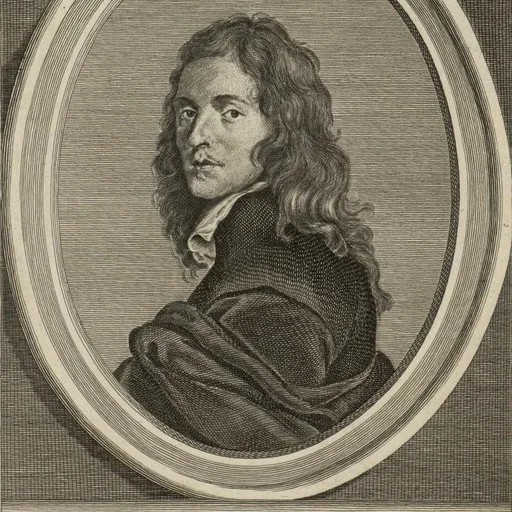
William Faithorne (1616–1691) was a British artist, born in Greater London.

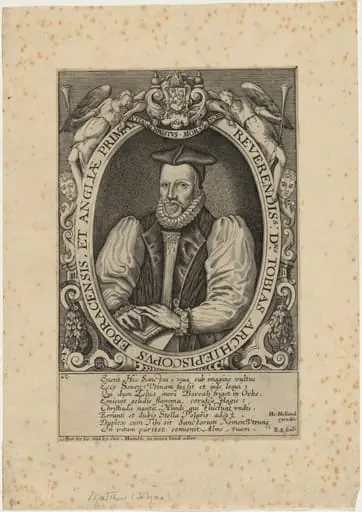 Tobias Matthew, D.D., Archbishop of York
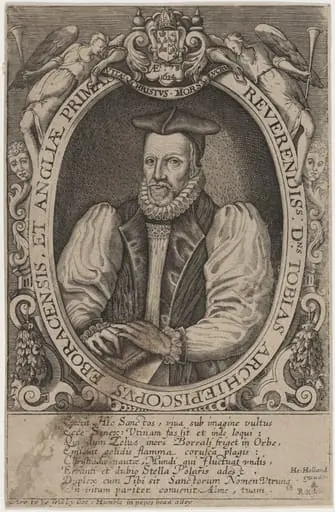 Tobias Matthew, Archbishop of York
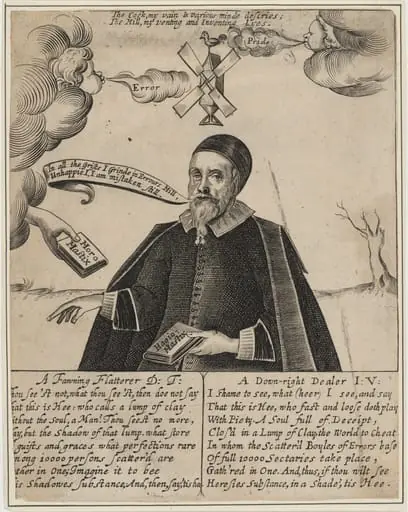 John Goodwin
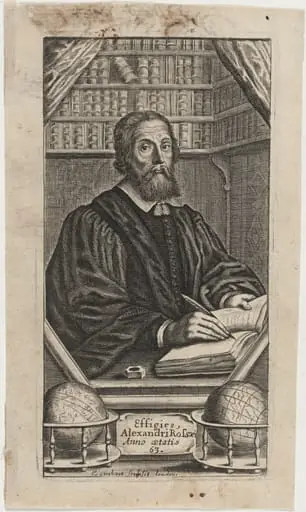 Alexander Ross, Chaplain to Charles I
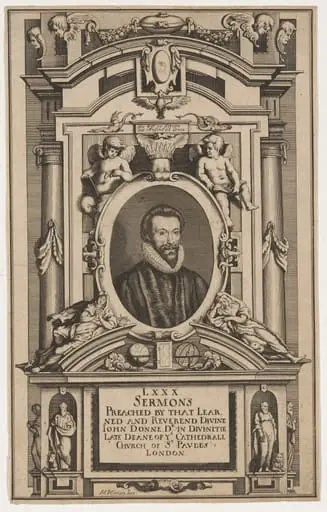 John Donne
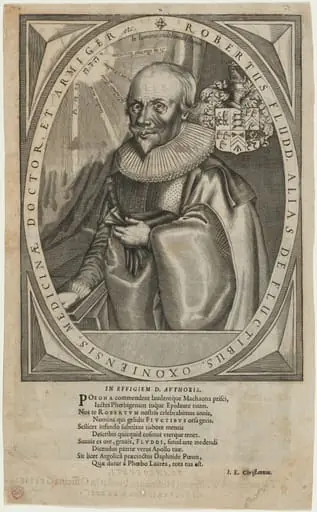 Dr. Robert Fludd, Physician and Rosicrucian
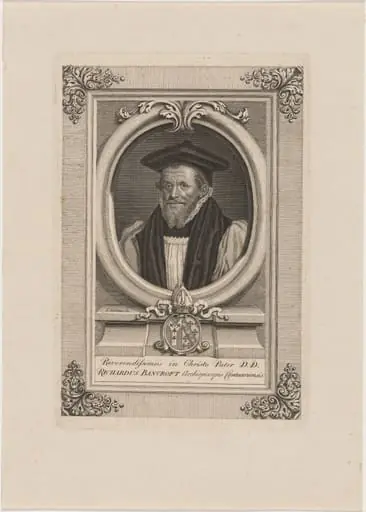 Richard Bancroft, Archbishop of Canterbury
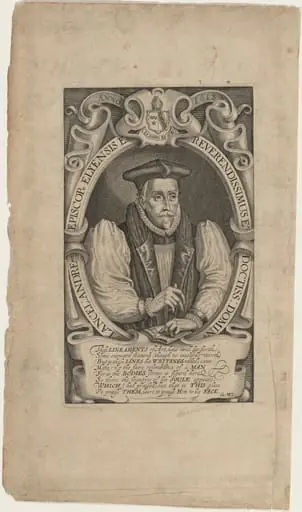 Lancelot Andrews, Bishop of Ely and Winchester
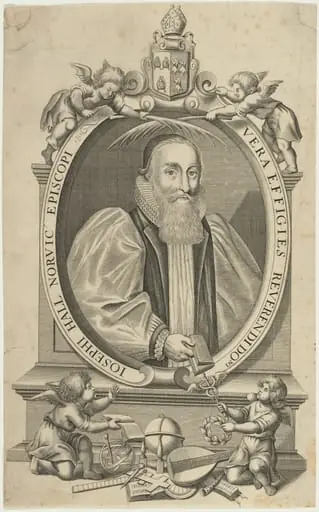 Rev. Joseph Hall, Bishop of Norwich
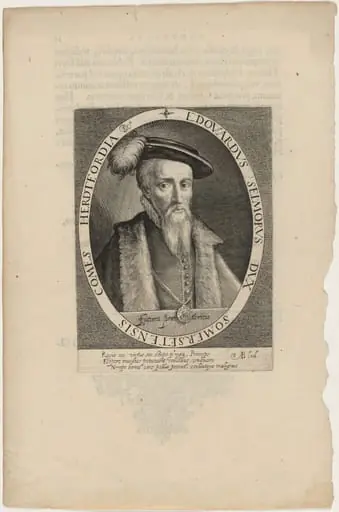 Edward Seymour, First Duke of Somerset
- Richard Hooker
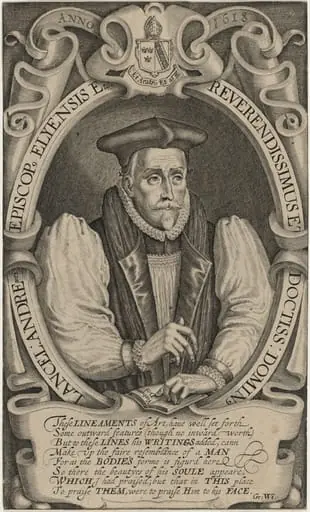 Lancelot Andrews, Bishop of Ely and Winchester