Artwork
Un golpe en vago
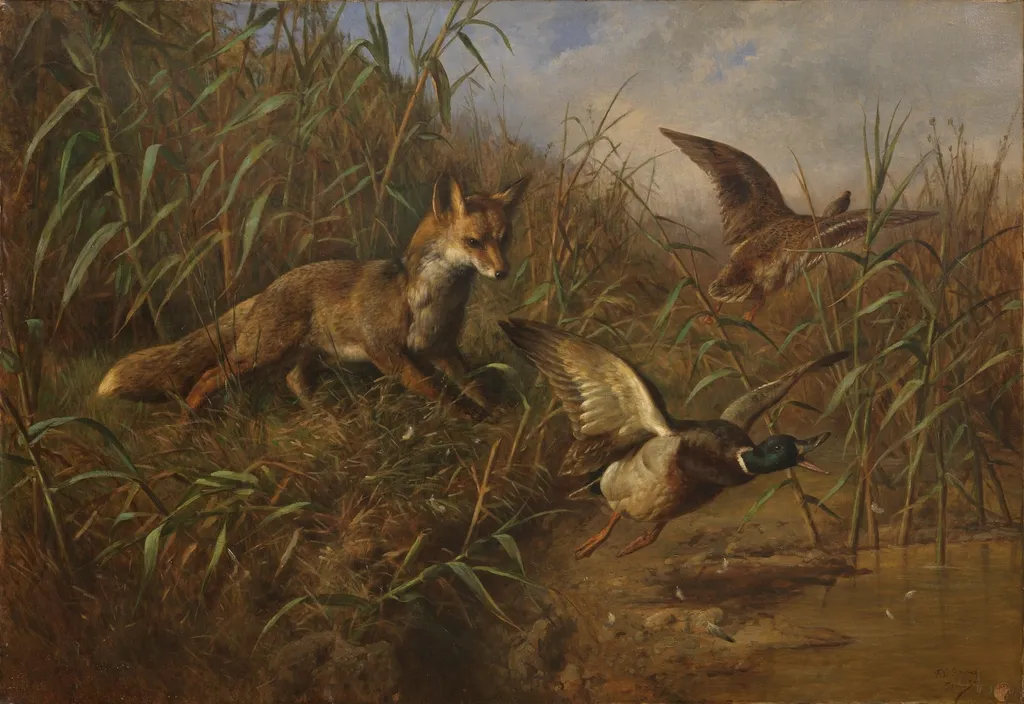
Un golpe en vago is an oil painting by the Post-Impressionist artist Federico Jiménez Fernández. It dates from 1896 and is held in the collection of the Museo del Prado.
About this work
Subject & Meaning
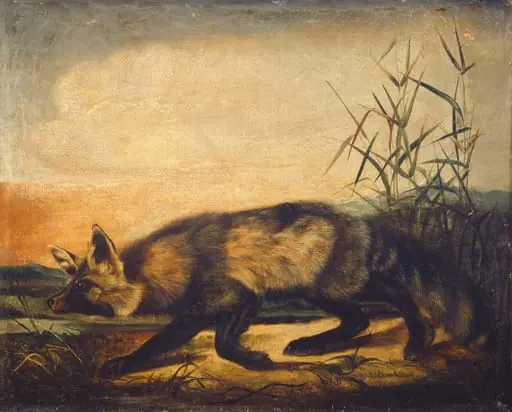
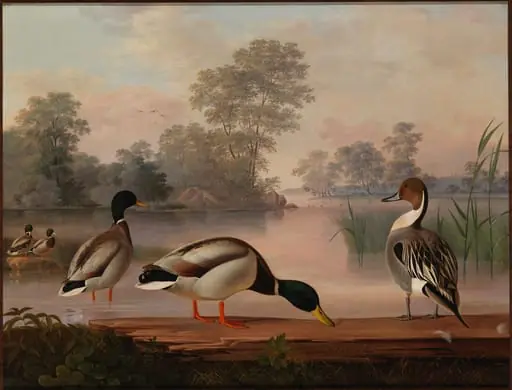
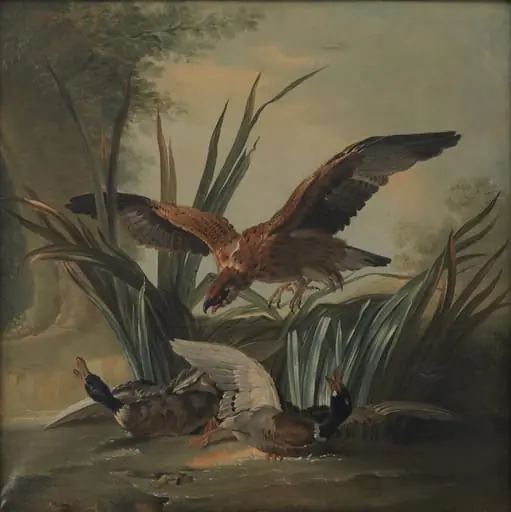
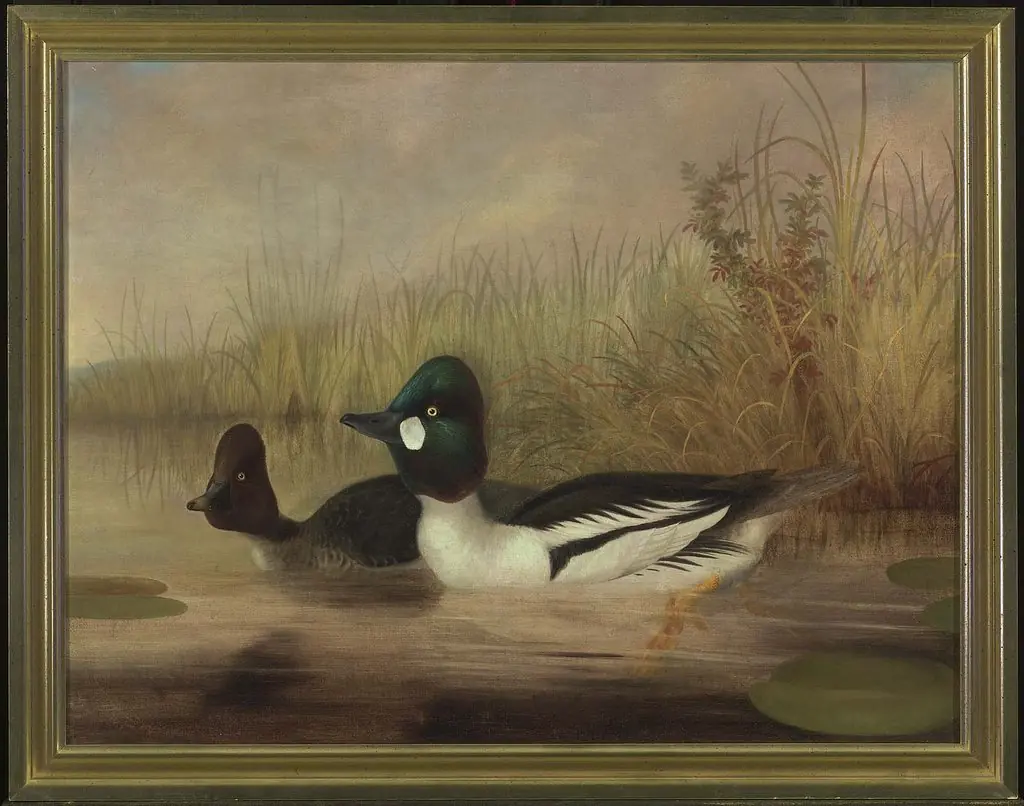
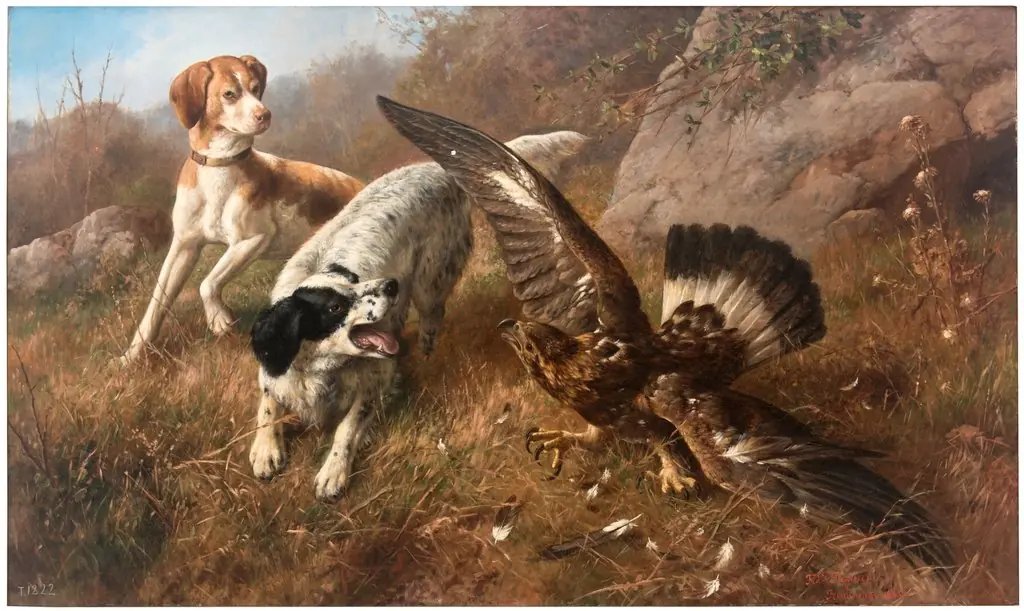
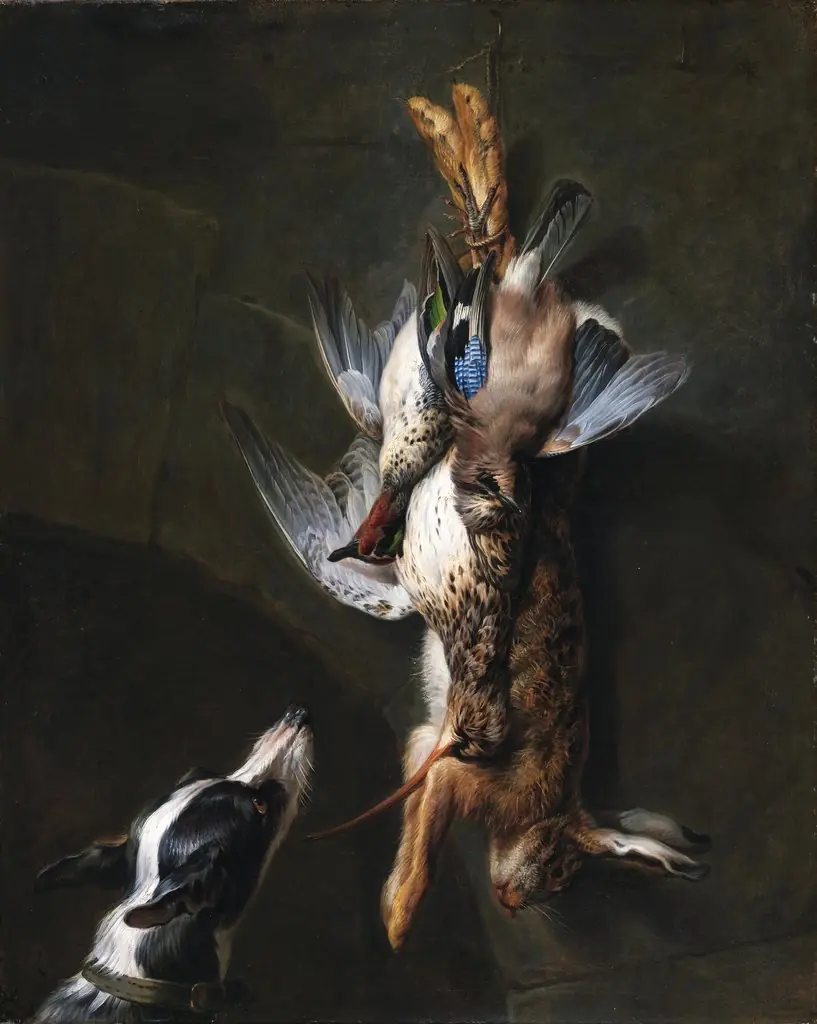
Un golpe en vago depicts a hunting scene in which a fox and a mallard are the central subjects, as identified in the work's cataloguing.
Un golpe en vago depicts a hunting scene in which a fox and a mallard are the central subjects, as identified in the work's cataloguing. The juxtaposition of these two animals, a land predator and a waterfowl, points to a traditional hunting tableau, a popular genre in late nineteenth-century Spanish painting. The title, meaning roughly "a shot in vain" or "a wasted shot," suggests an ironic or narrative reading: the hunter's missed aim or the futility of the pursuit, lending the scene a moral or anecdotal dimension rather than a straightforward depiction of the chase.
Together, the fox and the mallard function as symbolic stand-ins for the quarry of the hunt, while the title frames the encounter as one of failure or miscalculation, imbuing the composition with a wry commentary on the unpredictability of the sport.
Technique & Style
Created in 1891, Un golpe en vago is an oil painting executed on canvas. The work measures 110 cm in height and 160 cm in width. As an oil-on-canvas piece, it belongs to the traditional painting classification.
The composition depicts a fox and a mallard, rendered through the artist's handling of oil pigments on the fabric support.
History & Provenance
Un golpe en vago is an oil on canvas painting created in 1891 by Federico Jiménez Fernández. It measures 110 cm in height and 160 cm in width. The work entered the collection of the Museo del Prado, where it remains on display.
The painting Un golpe en vago is held in the collection of the Museo del Prado in Madrid. Created by Federico Jiménez Fernández in 1891, the work is executed in oil on canvas and measures 110 cm by 160 cm. The provided sources confirm its location within this major Spanish institution but do not list a specific inventory number or detail any past exhibitions.
Legacy
The painting Un golpe en vago has become emblematic of late nineteenth-century Spanish genre scenes for its vivid portrayal of rural leisure. Art historians cite its loose brushwork and lively animal subjects as early examples of Impressionist influence in Spanish art, a legacy that shaped subsequent wildlife paintings in the country. The work remains on view in the permanent collection of the Museo del Prado, where it is frequently referenced in studies of Spanish realism and its transition toward modernist sensibilities.
Overview
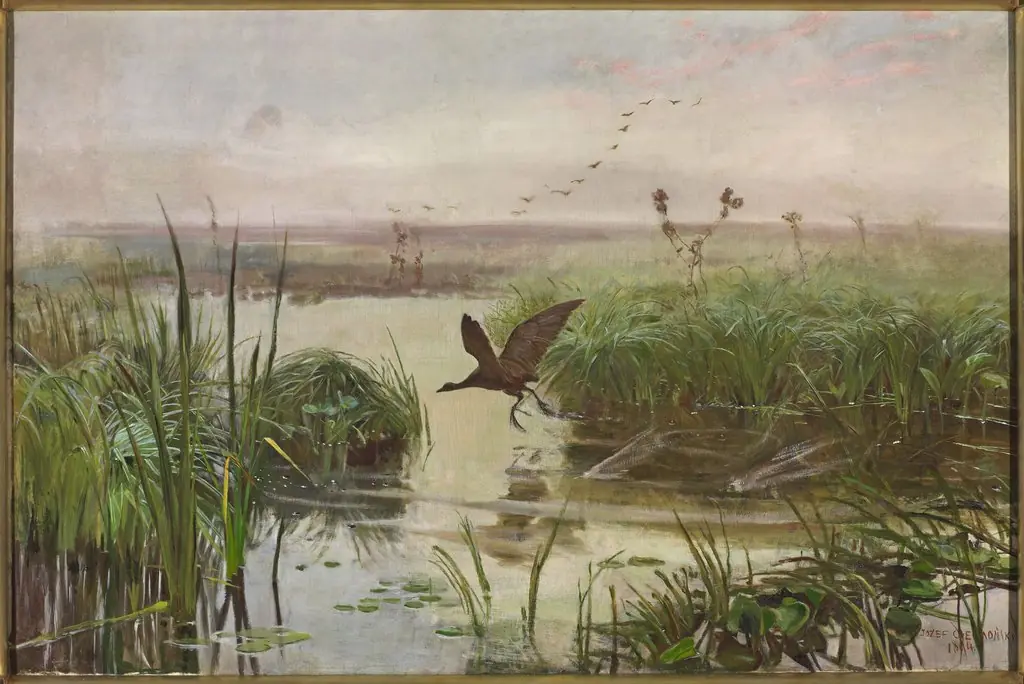
Created in 1896, this oil on canvas by Spanish painter Federico Jiménez Fernández portrays a brief encounter in a meadow. A reddish‑brown fox stands on the left while two waterfowl, a mallard and a duck, lift off toward the right under a cloudy sky. The work is part of the collection of the Museo del Prado.
Own this work as a print
Artist & collection
Artist
Federico Jiménez Fernández (1841–1931) was an artist, born in Madrid.