Artwork
Pharaoh's daughter discovers Moses in the rush basket
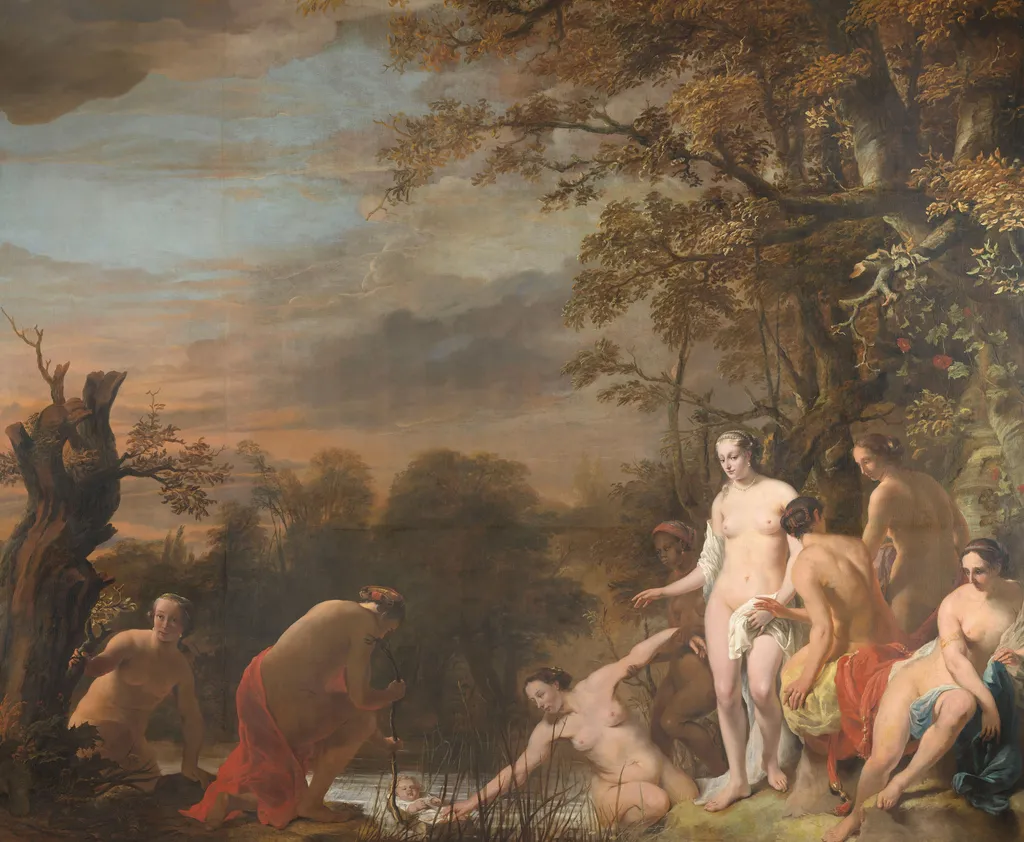
Pharaoh's daughter discovers Moses in the rush basket is an oil painting by the Dutch Golden Age artist Ferdinand Bol. It dates from 1650 and is held in the collection of the Rijksmuseum.
About this work
Subject & Meaning
The composition is set in a landscape anchored by a tree, a motif noted in the work's iconographic description.
Ferdinand Bol's painting depicts the Finding of Moses, a narrative drawn from the biblical Book of Exodus. According to the story, Pharaoh's daughter discovers the infant Moses concealed in a rush basket along the banks of the Nile, where he had been hidden by his Hebrew mother to save him from Pharaoh's decree. The scene belongs to the religious genre and is identified as the work's main subject.
The composition is set in a landscape anchored by a tree, a motif noted in the work's iconographic description. Such trees frequently function in Dutch history painting as framing devices and as symbolic references to the lush banks of the Nile, situating the biblical event within a recognizable natural setting. The use of a large canvas underscores the importance of the narrative, which was a favored subject in seventeenth-century Dutch art for its combination of dramatic rescue and moral resonance.
The work was commissioned by Jacoba Lampsins, indicating that the subject carried personal or devotional significance for its original patron beyond its general appeal.
Technique & Style
Ferdinand Bol executed this religious painting in oil on canvas, a support measuring 408 cm in height and 493 cm in width. The work belongs to the Dutch Golden Age tradition of large-scale history painting, with Bol's handling of the biblical narrative of the Finding of Moses demonstrating the compositional and technical conventions of mid-17th-century Amsterdam. The substantial dimensions suggest a commission intended for prominent display, consistent with its status as a work commissioned by Jacoba Lampsins.
The medium of oil paint on canvas allowed for the detailed rendering and tonal richness characteristic of Bol's mature period.
History & Provenance
Ferdinand Bol painted Pharaoh's Daughter Discovers Moses in the Rush Basket in 1650 as an oil on canvas work commissioned by Jacoba Lampsins. The painting entered the Rijksmuseum collection and remains on display at Nieuwegracht 6, Utrecht. Its subject depicts the Finding of Moses, a scene drawn from the biblical narrative of Moses' infancy.
Overview
Created circa 1650 by Dutch artist Ferdinand Bol, this oil painting depicts the moment Pharaoh’s daughter discovers the infant Moses in a reed basket. Executed during the height of the Dutch Golden Age, the work combines a biblical narrative with the period’s characteristic attention to detail and composition, presenting a tranquil riverside scene populated by several women.
Context
The painting reflects the 17th‑century Dutch interest in biblical subjects rendered with domestic realism. Bol’s training under Rembrandt is evident in his handling of light and the dignified portrayal of figures in elaborate attire, aligning the work with contemporary trends that blended narrative clarity with refined, painterly technique.
Own this work as a print
Artist & collection
Artist
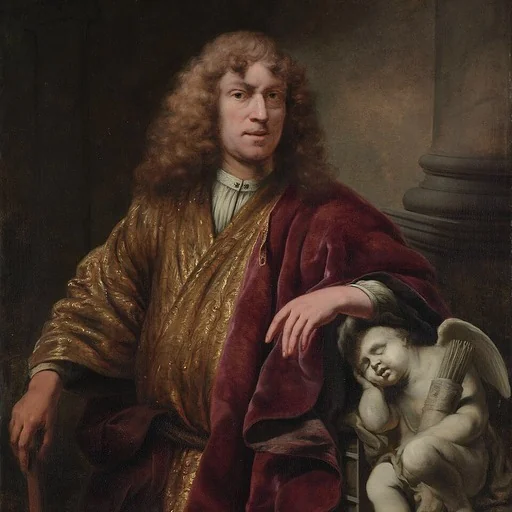
Ferdinand Bol (24 June 1616 - 24 August 1680) was a Dutch painter, etcher and draftsman.

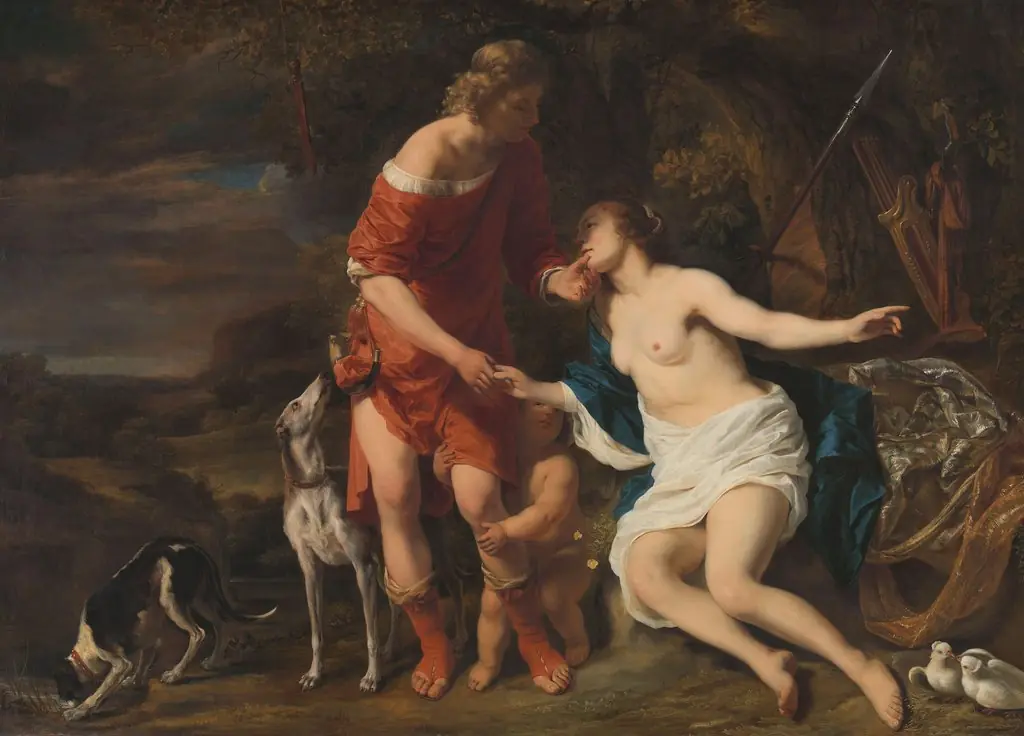 Venus and Adonis
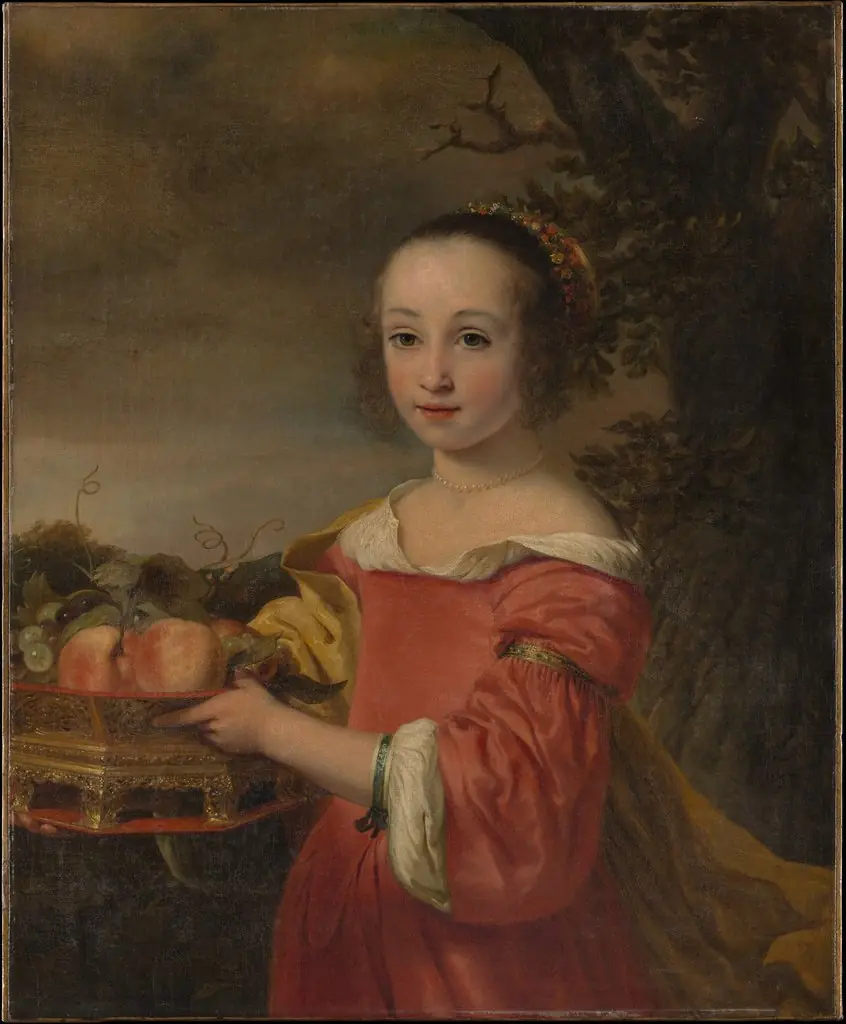 Petronella Elias (1648–1667) with a Basket of Fruit
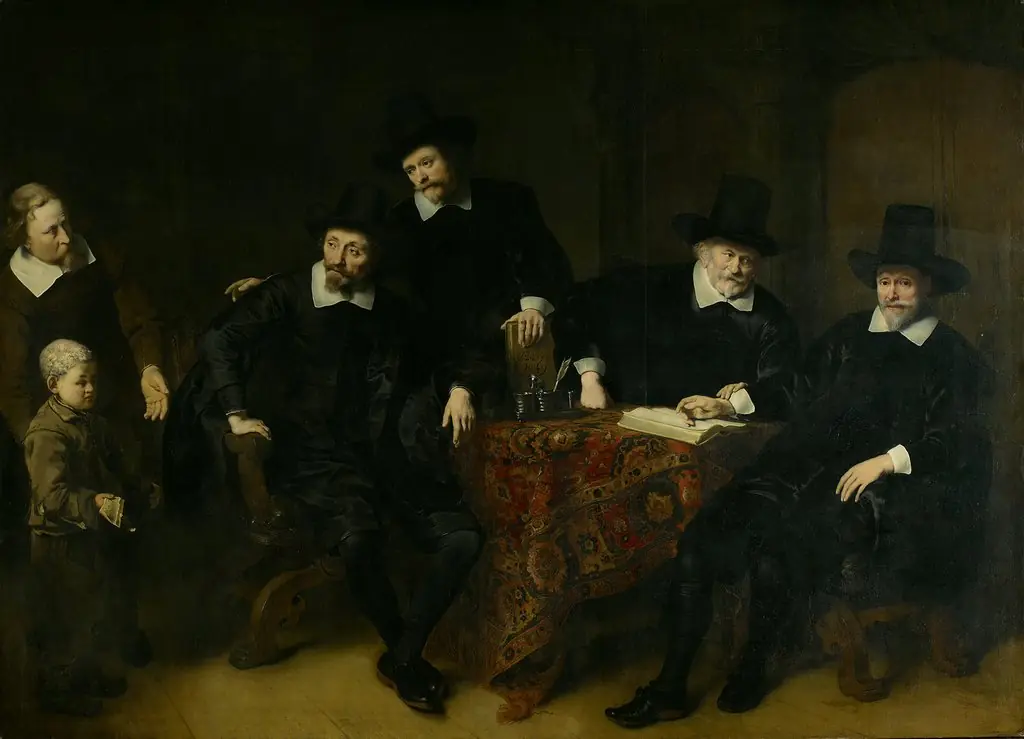 The Regents of the Leper's house in Amsterdam in 1649
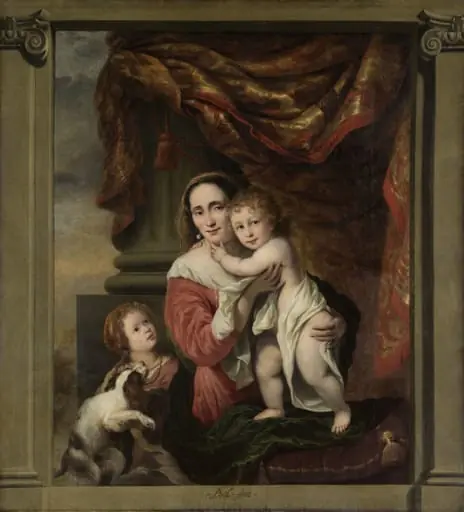 Caritas: Joanna de Geer (1629-1691) with her Children Cecilia Trip (1660-1728) and Laurens Trip (b. 1662)
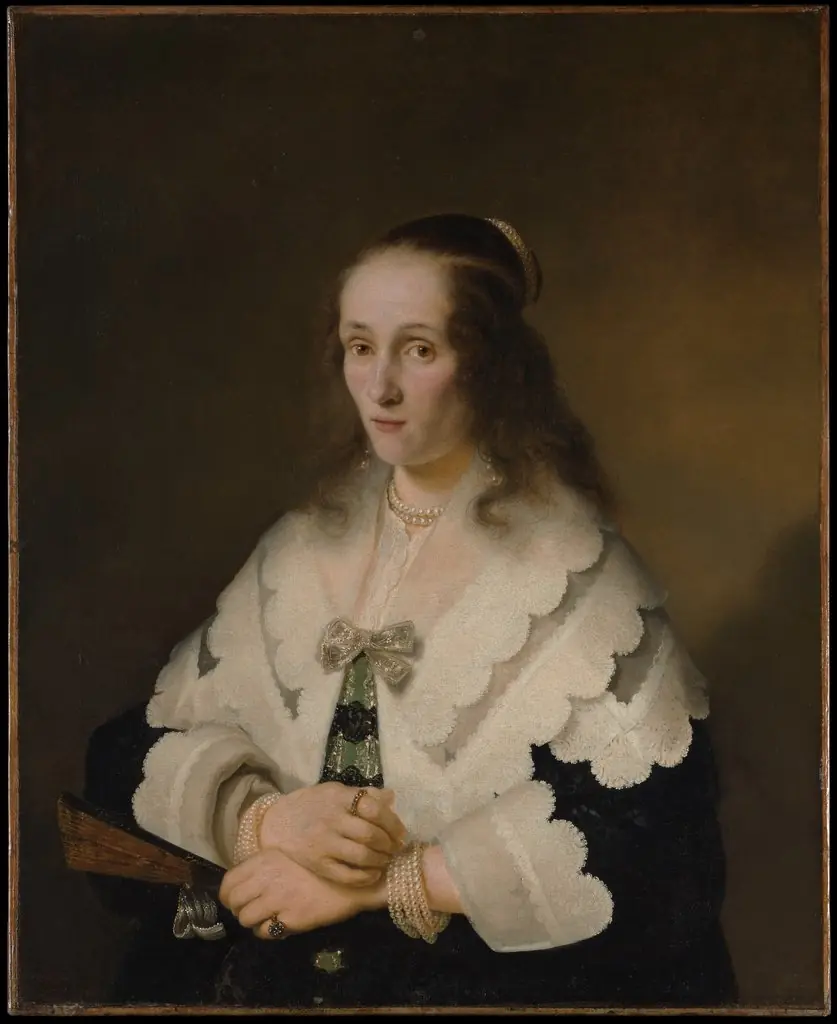 Portrait of a Woman
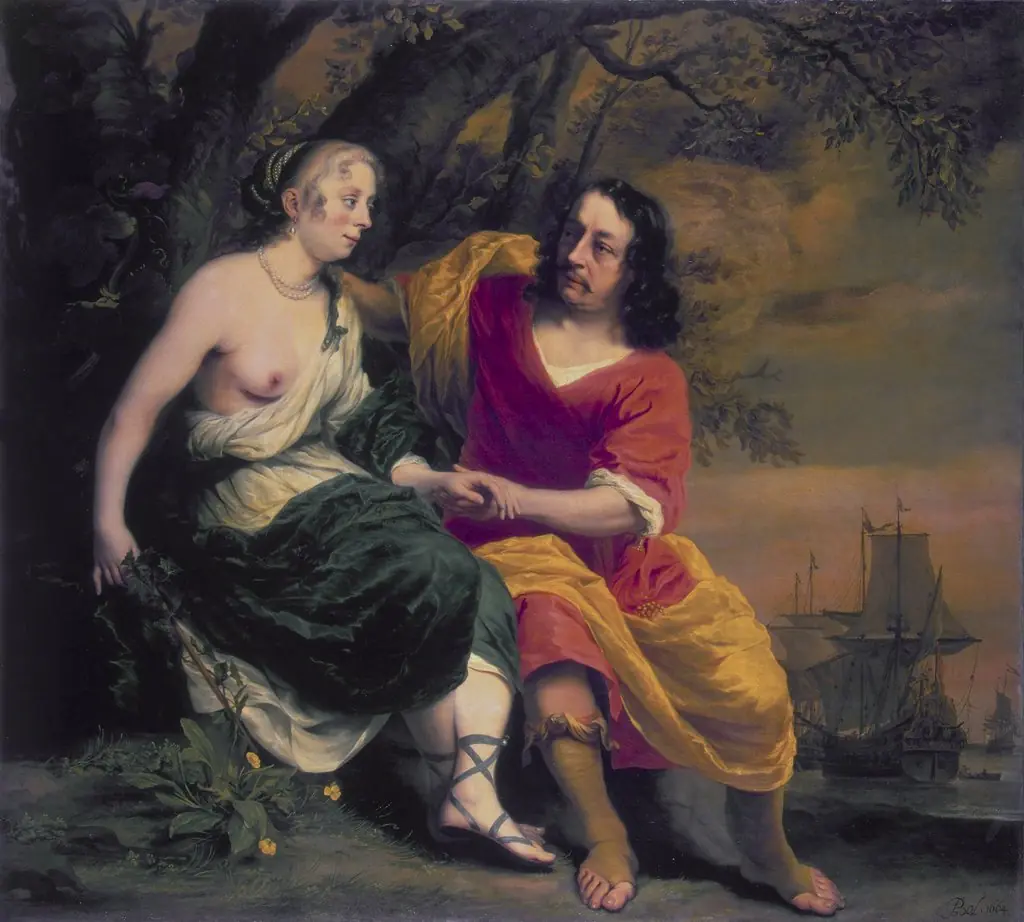 Bacchus and Ariadne
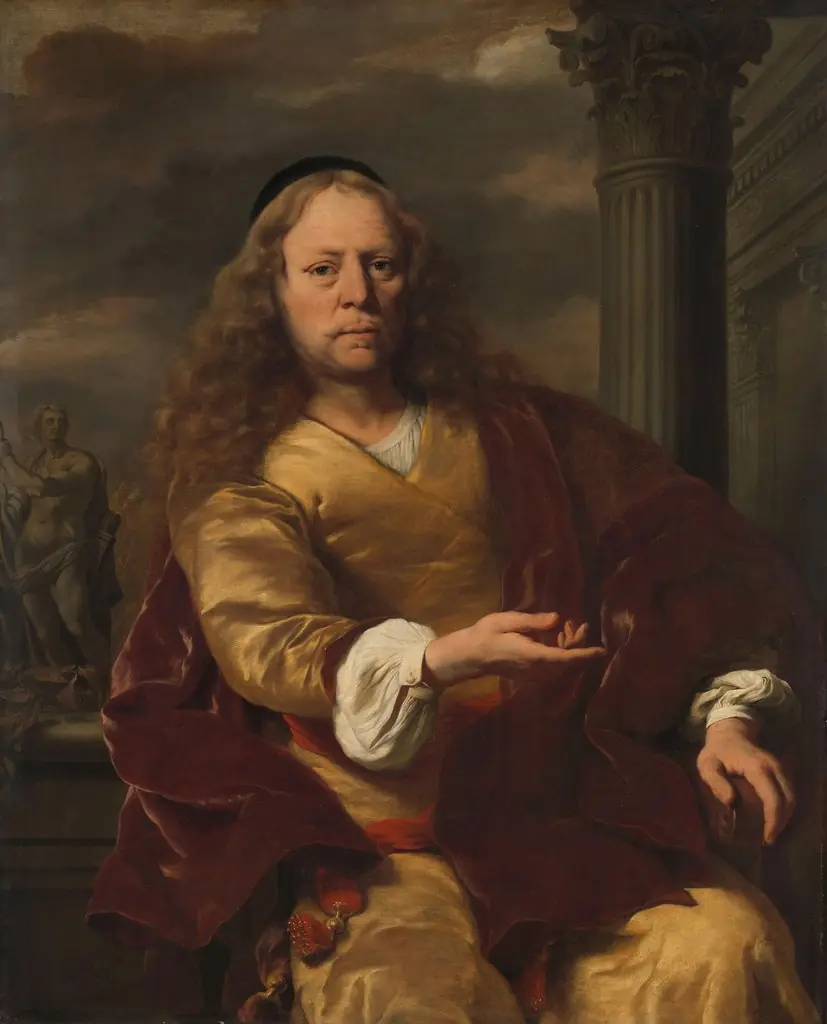 Portrait of a man
 Portrait of an Old Lady, Possibly Elisabeth Bas