Artwork
The Rape of Europa
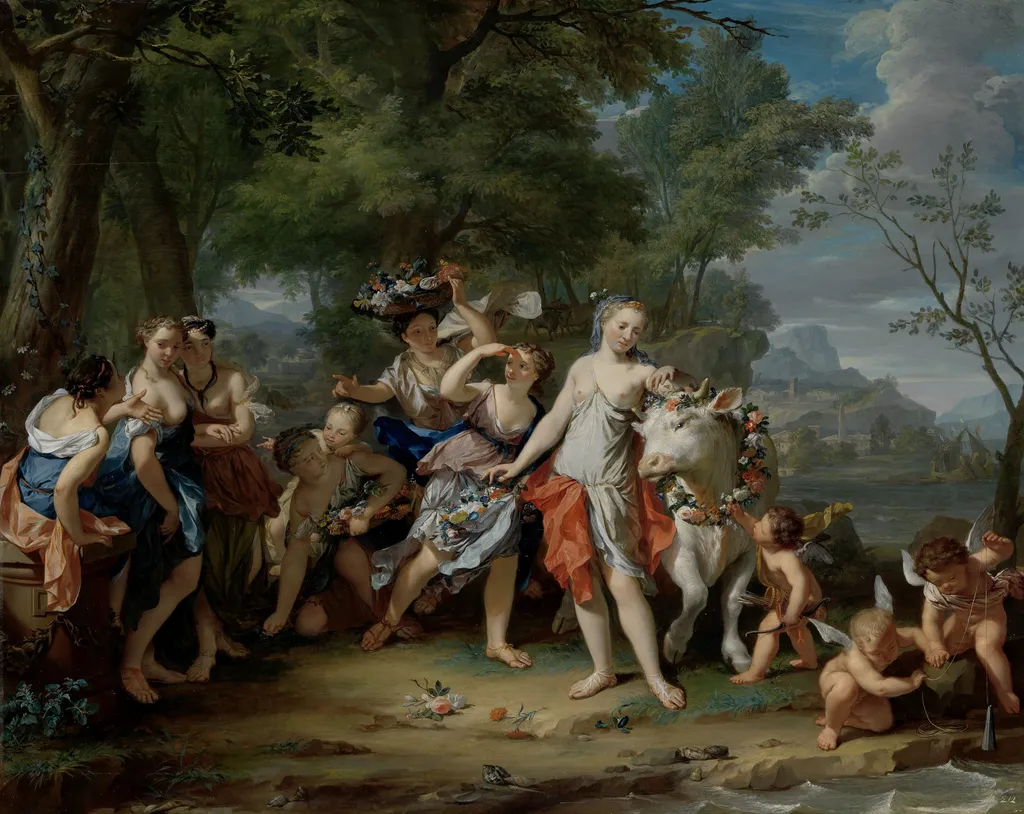
The Rape of Europa is an oil painting by the Rococo painting artist Nikolaas Verkolje. It dates from 1737 and is held in the collection of the Rijksmuseum.
About this work
Subject & Meaning
As a work of mythological genre, the composition centers on the main subject of the rape of Europa, illustrating the moment of her capture by the divine beast.
Nikolaas Verkolje's 1737 oil painting depicts the mythological abduction of Europa by Zeus, who has assumed the form of a bull. As a work of mythological genre, the composition centers on the main subject of the rape of Europa, illustrating the moment of her capture by the divine beast. The iconography relies on the visual contrast between the human figure of Europa and the animal form of the bull to narrate this classical story.
The artwork represents the famous episode from Greek mythology where the god deceives the princess, leading to her transport across the sea.
Technique & Style
Executed in oil paint on a rectangular oak panel, Verkolje’s composition measures 57.7 cm in height and 72.8 cm in width. The handling blends smooth modeling of flesh and drapery with sharply lit contours, emphasizing the dramatic moment as Europa is lifted by the bull. Stylistically, the work adheres to the Dutch late-Baroque idiom, combining naturalistic detail in the figures’ textures with a theatrical, diagonal composition that directs the viewer’s eye toward the central abduction.
Cool silvery light plays across the nymph’s pale skin and the bull’s flanks, while warmer tones concentrate around the hovering putti and the distant landscape, heightening the scene’s mythological urgency.
History & Provenance
The painting The Rape of Europa by Nikolaas Verkolje was created in 1737. Executed in oil paint on a panel, the work measures 57.7 cm in height and 72.8 cm in width. It depicts the mythological subject of Europa and the bull. The artwork is currently held in the collection of the Rijksmuseum.
Context
Nikolaas Verkolje created The Rape of Europa in 1737, an oil painting on panel measuring 57.7 by 72.8 centimeters, depicting the mythological scene of Europa being abducted by a bull. The work belongs to the mythological genre and exemplifies the artistic output of Dutch painters during the late Baroque period, reflecting contemporary engagements with classical narratives. It is housed in the Rijksmuseum collection, where it is recognized as part of the museum's holdings of mythological paintings.
Legacy
Nikolaas Verkolje’s 1737 mythological painting The Rape of Europa entered the Rijksmuseum collection and has been recognized as a significant example of Dutch Golden Age art. Its depiction of the mythological scene of Europa and the bull has influenced later interpretations of the subject in European painting, contributing to the broader legacy of narrative works drawn from classical mythology. The work remains part of the Rijksmuseum’s holdings, where it is studied as an illustration of 18th‑century mythological subjects.
Overview
Nikolaas Verkolje’s oil on canvas, painted in 1737, portrays the myth of Europa’s abduction. The composition places a serene woman in white beside a massive white bull, set within a forested riverside scene. Around them, figures in varied attire and winged children with bows create a bustling yet tranquil atmosphere, while distant trees and a soft sky frame the narrative.
Own this work as a print
Artist & collection
Artist
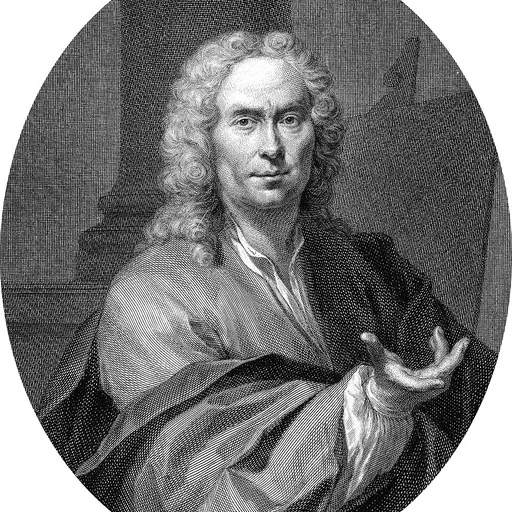
Nicolaas Verkolje or Vercolje (11 April 1673 – 21 January 1746) was a Dutch painter and mezzotinter. He specialized in history pieces and portraits in a classicistic style.

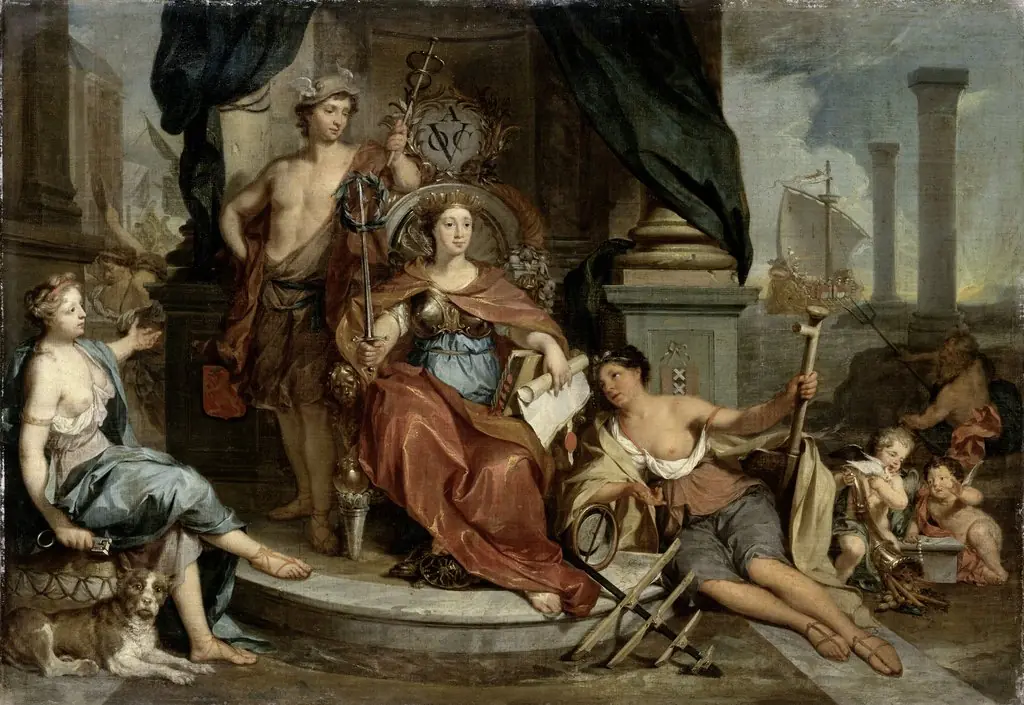
- The Abduction of the Euthanized Rinaldo
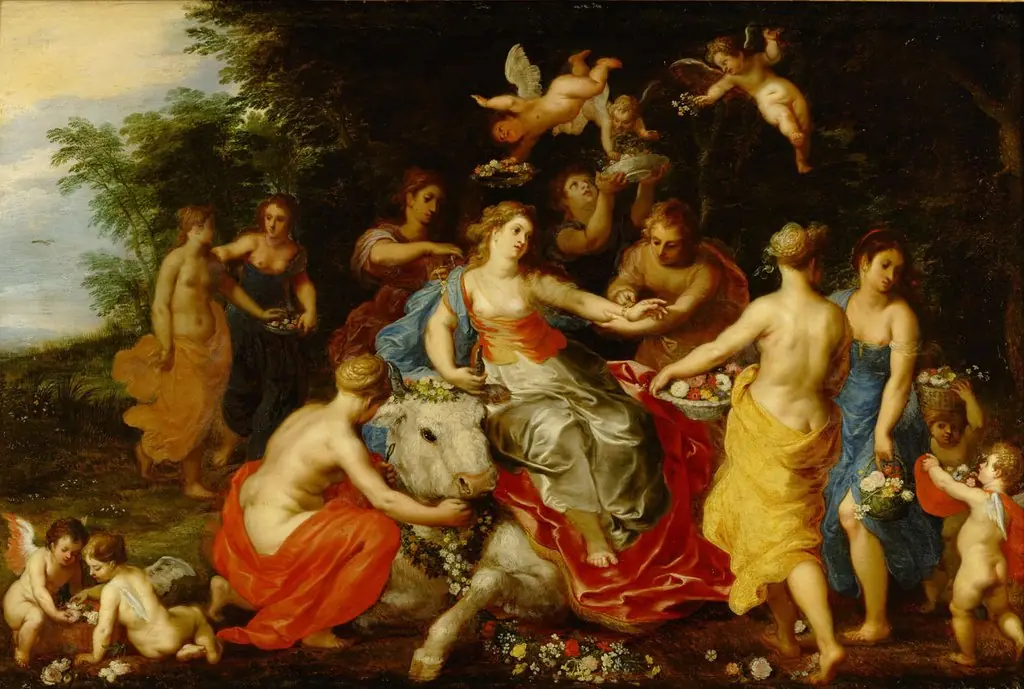 Europa riding the bull
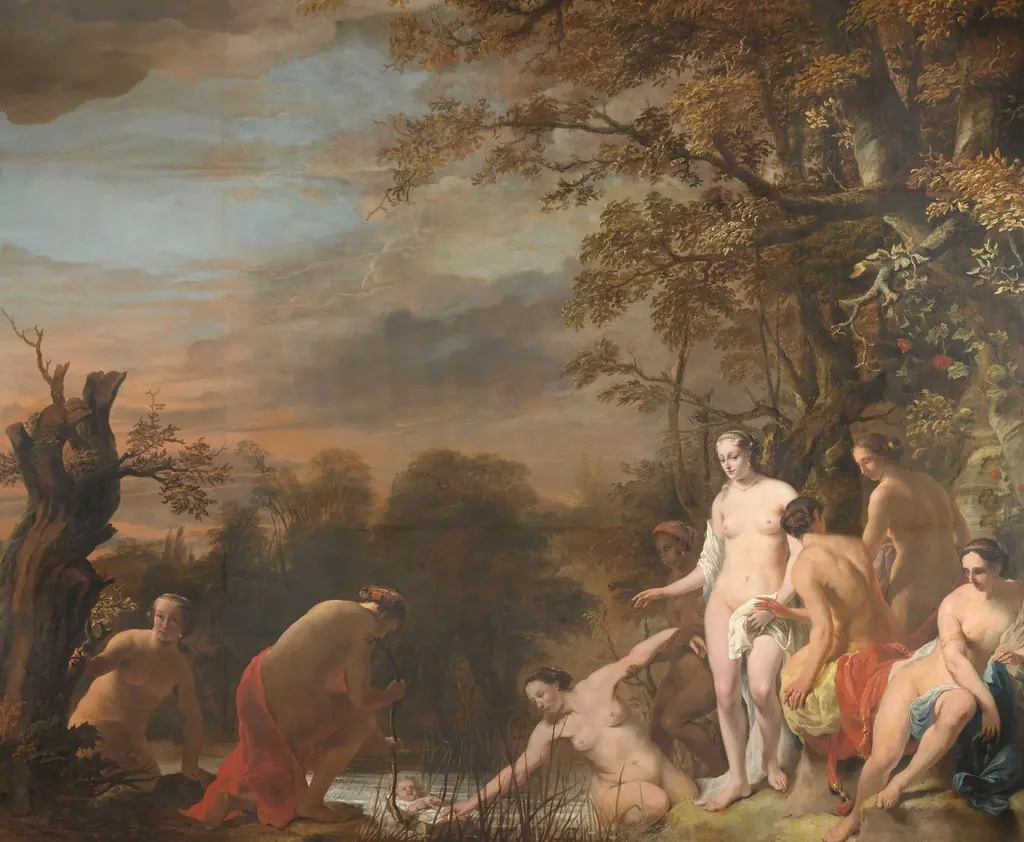 Pharaoh's daughter discovers Moses in the rush basket
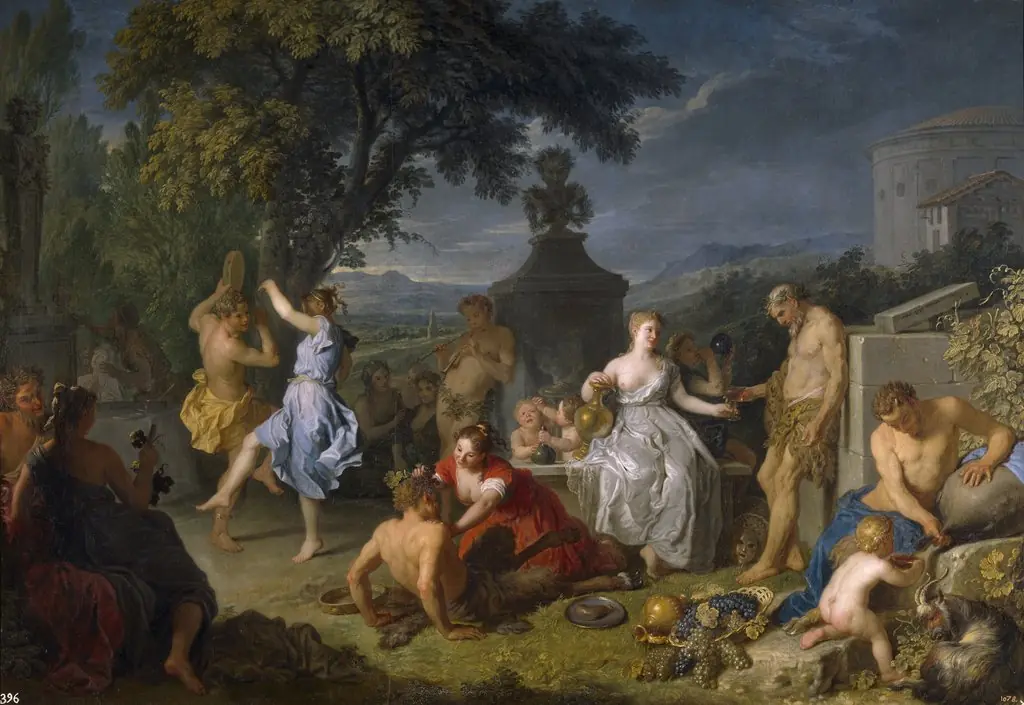 Bacchanal
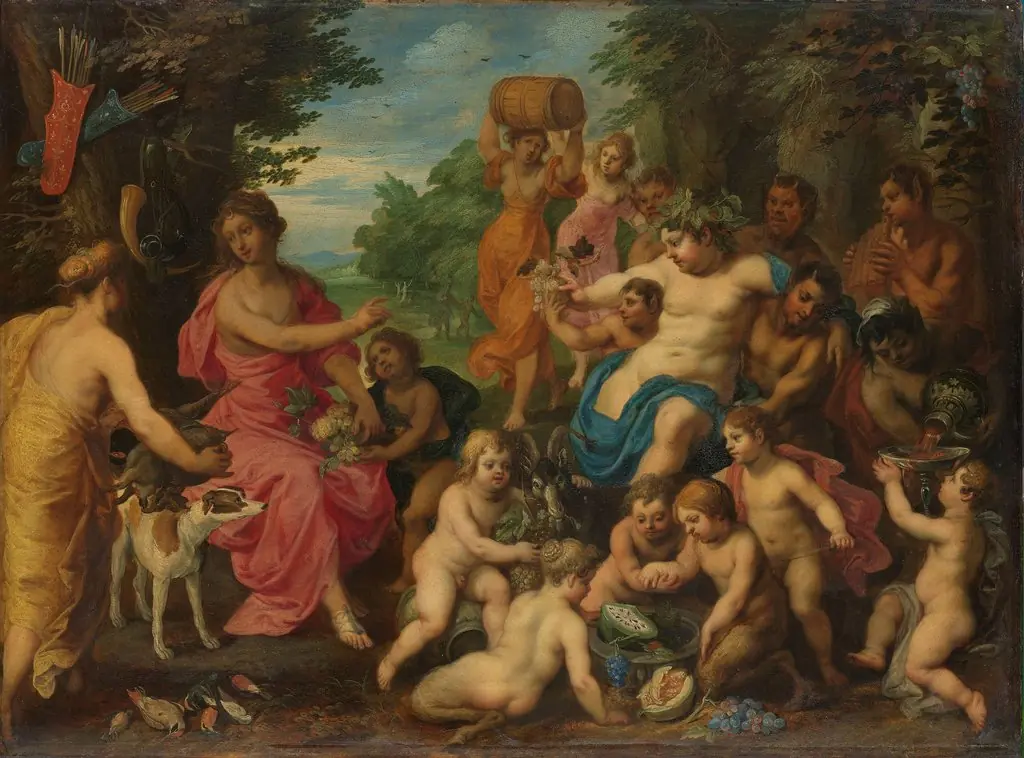 Diana Offered Wine and Fruit by the Young Bacchus and his Retinue
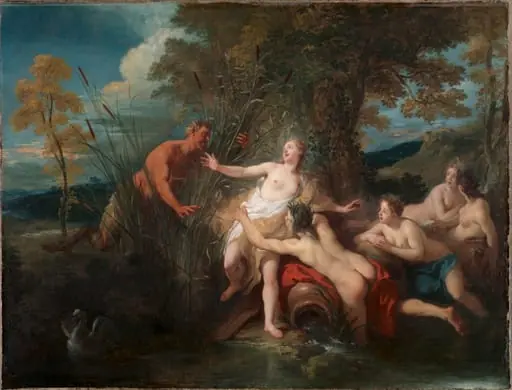 Pan and Syrinx
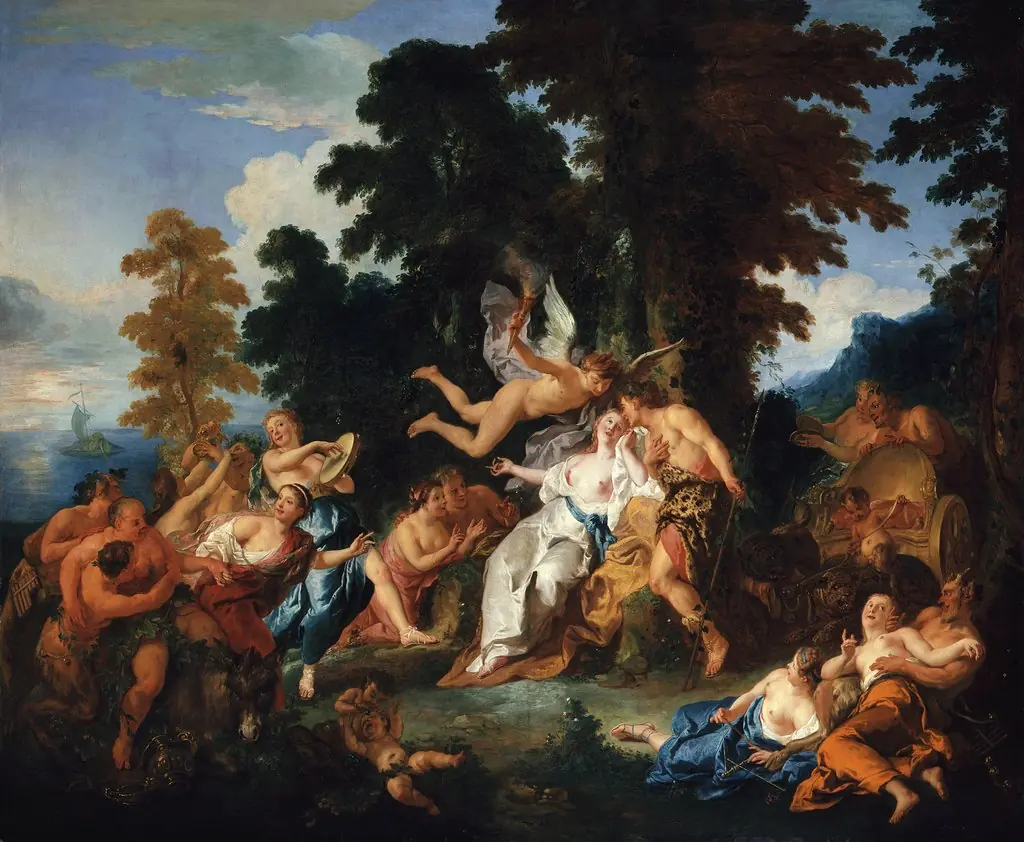 Bacchus and Ariadne
 Diana Offered Wine and Fruit by Bacchus and his Retinue
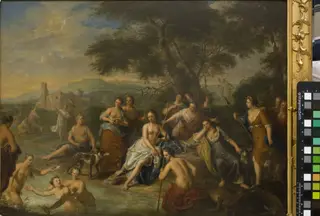 Diana and her Nymphs
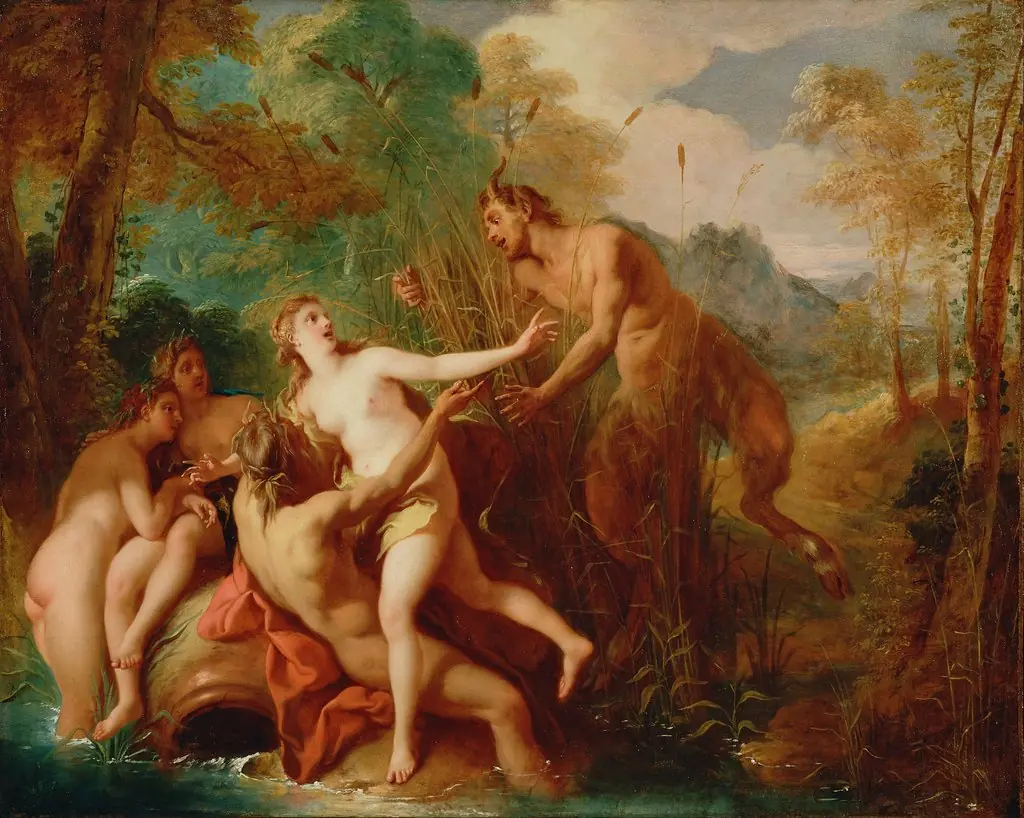 Pan and Syrinx
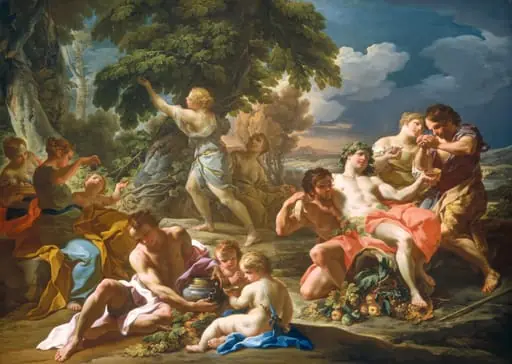 Autumn
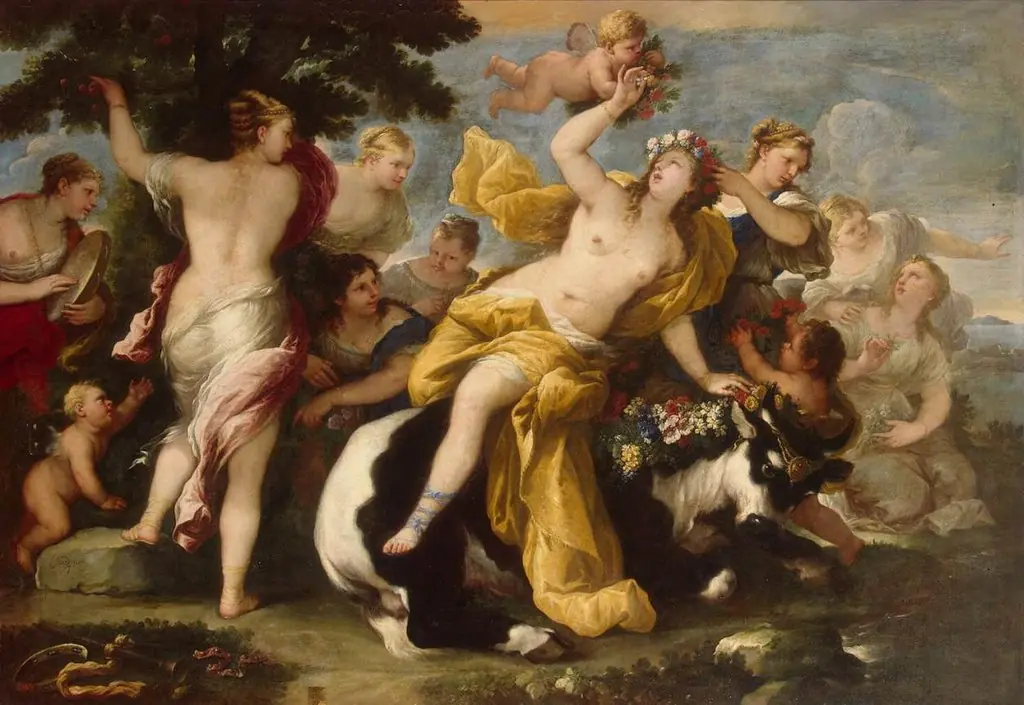 Rape of Europa