Artwork
Bildnis einer Unbekannten. Wienerin
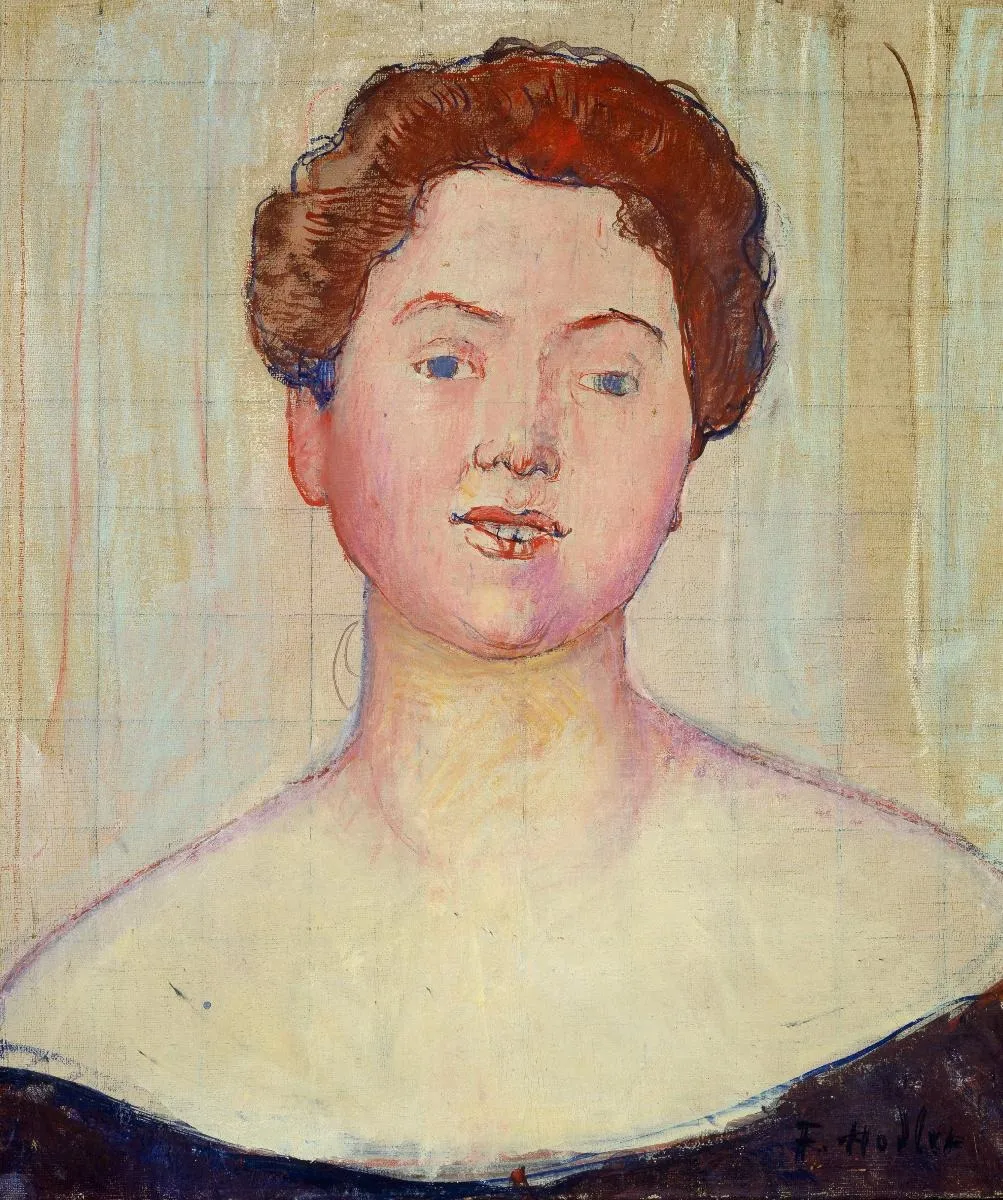
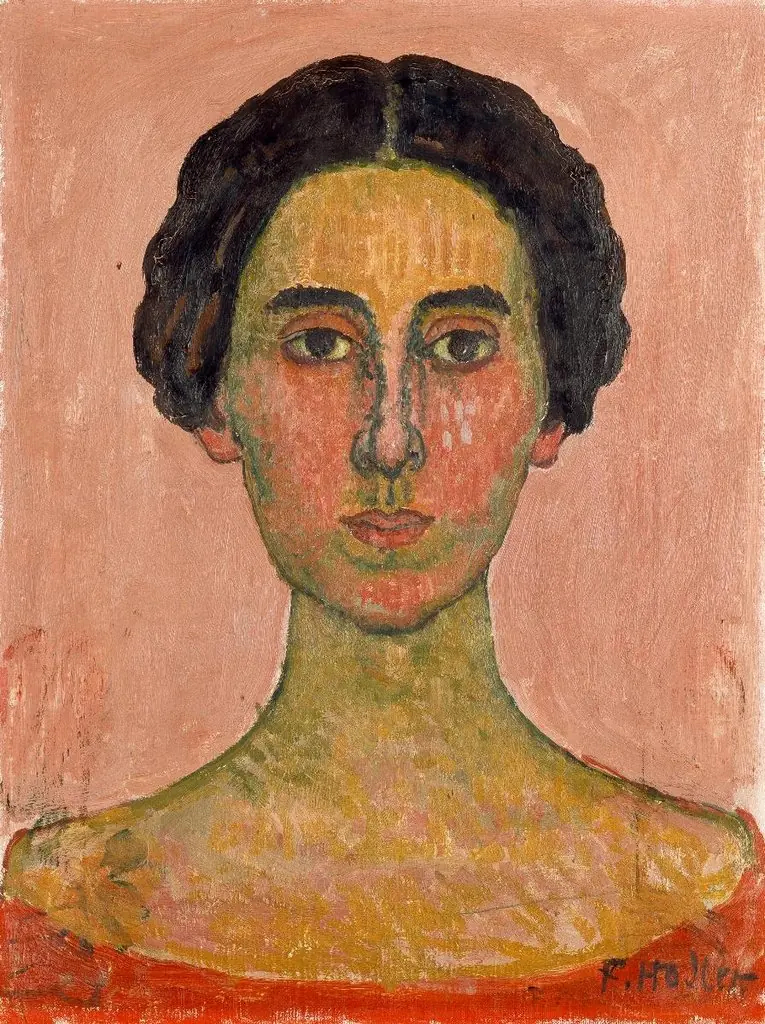
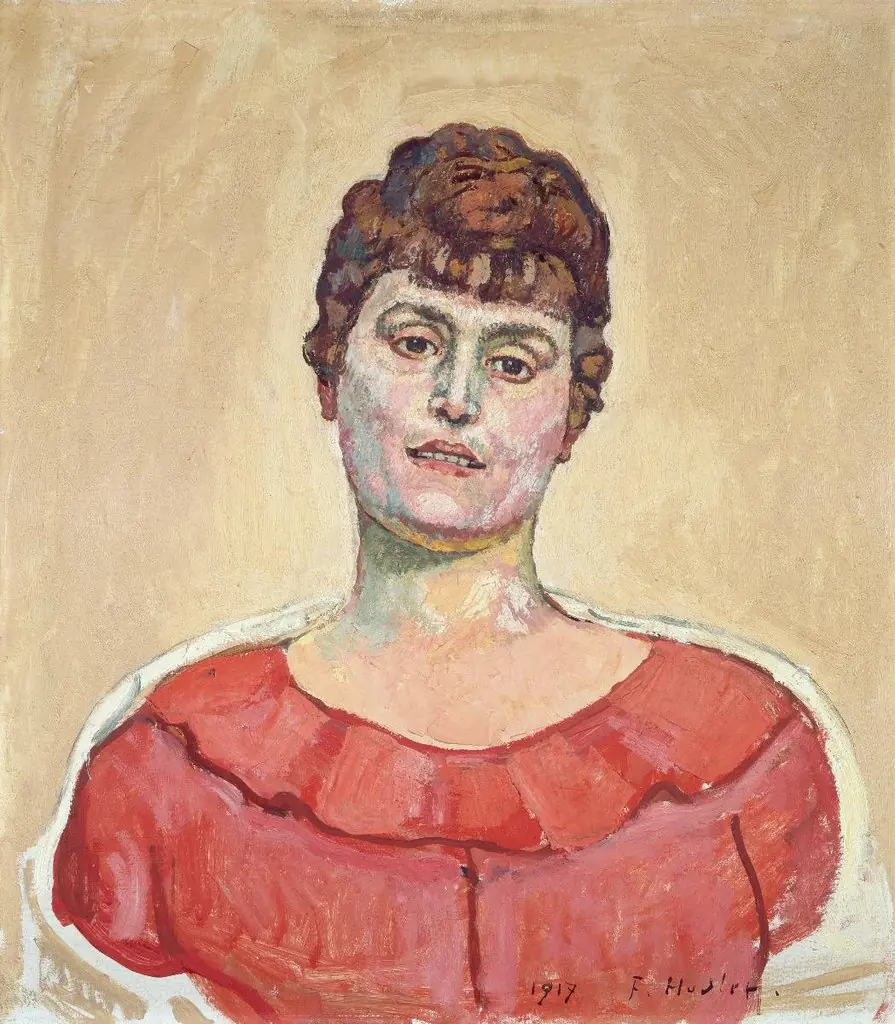
Bildnis einer Unbekannten. Wienerin is an oil painting by the Symbolist artist Ferdinand Hodler. It dates from 1903 and is held in the collection of the Kunsthaus Zürich.
About this work
Overview
' The painting is part of the Kunsthaus Zürich’s permanent collection, where it has been held since its acquisition.
Ferdinand Hodler painted Bildnis einer Unbekannten. Wienerin in 1903 using oil on canvas. The work is a portrait of an unidentified woman from Vienna, rendered in Hodler’s mature style.
It reflects his move away from naturalism toward a more structured, rhythmic approach he called 'parallelism.' The painting is part of the Kunsthaus Zürich’s permanent collection, where it has been held since its acquisition.
Subject & Meaning
The subject is a woman whose identity remains unknown, though her Viennese origin is noted in the title. She gazes sideways, avoiding direct engagement, creating a sense of quiet introspection. Her anonymity invites contemplation rather than narrative, aligning with Symbolist interests in inner states over external detail. The stillness and isolation of the figure suggest psychological depth rather than social documentation.
Technique & Style
Hodler employs simplified forms and restrained modeling, reducing facial features to essential planes. The woman’s dark clothing contrasts with her pale, softly modeled skin, while the background’s faint vertical lines suggest architectural elements without defining them. His use of parallelism is evident in the rhythmic repetition of contours and the balanced composition, emphasizing harmony over realism.
History & Provenance
Painted in 1903, the work entered the Kunsthaus Zürich’s collection shortly after its completion. There is no record of prior ownership or exhibition history beyond its inclusion in Hodler’s oeuvre. The museum has maintained it as a key example of his Symbolist phase, preserving its original condition and framing.
Context
In early 20th-century Europe, Symbolism sought to express emotion and idea through form and color rather than literal representation. Hodler, though Swiss, engaged with broader Central European currents, including Viennese artistic circles. This portrait reflects his interest in psychological presence and formal order, distinguishing his work from both Impressionism and academic realism.
Legacy
The painting exemplifies Hodler’s transition toward abstraction through structure, influencing later Swiss modernists. While not widely reproduced, it remains a significant reference in studies of Symbolist portraiture. Its restrained aesthetic and focus on inner life continue to inform interpretations of early modernist identity in art.
Artist & collection
Artist
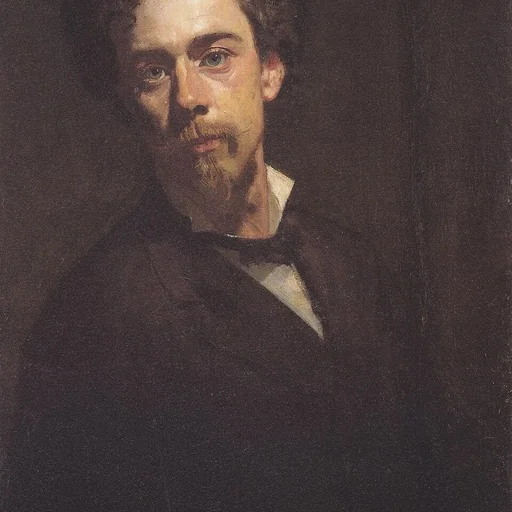
Ferdinand Hodler (March 14, 1853 – May 19, 1918) was a Swiss painter. He is one of the best-known Swiss painters of the nineteenth century. His early works were portraits, landscapes, and genre paintings in a realistic…