Artwork
Madame Cézanne à la jupe rayée (Madame Cézanne in a Red Armchair)
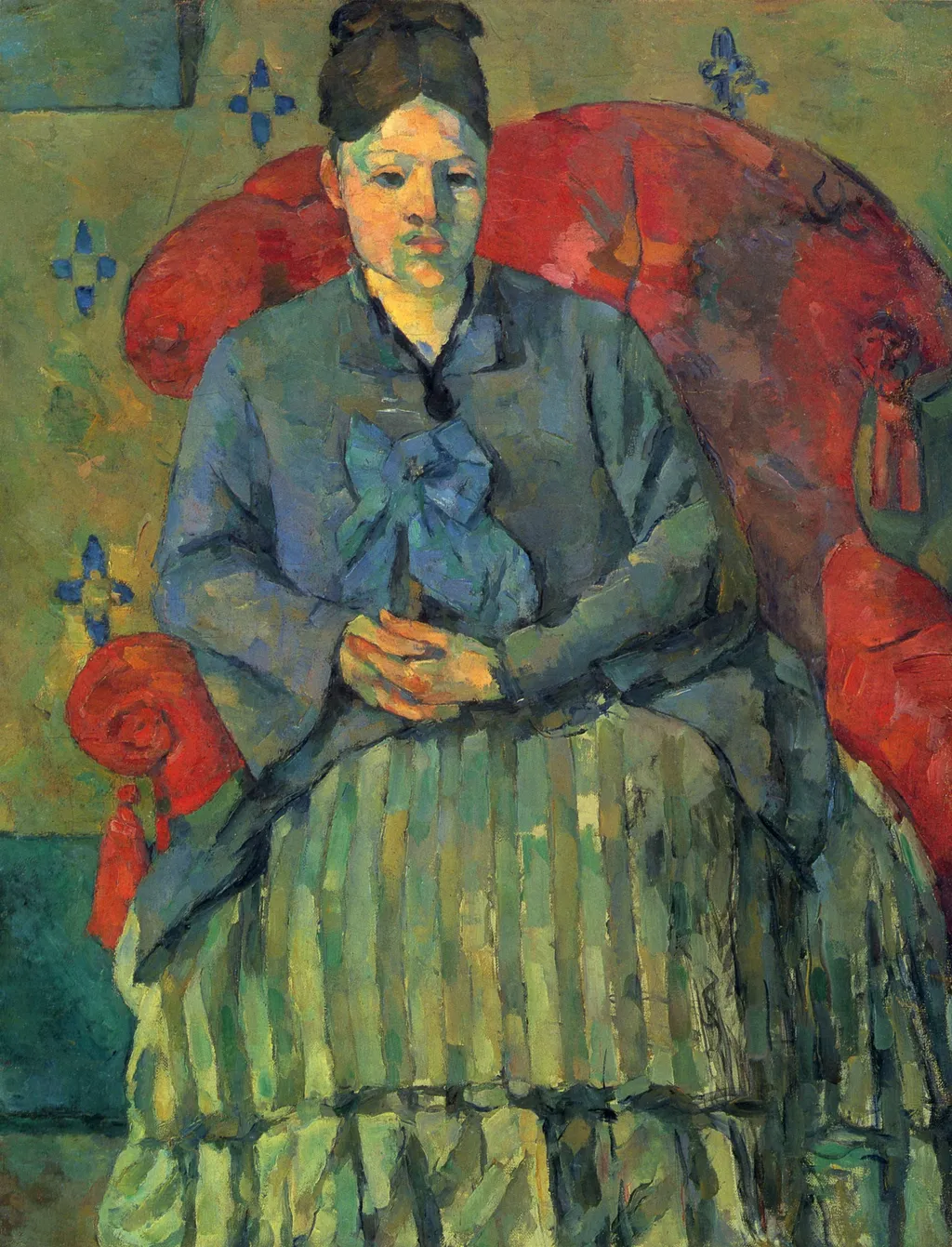
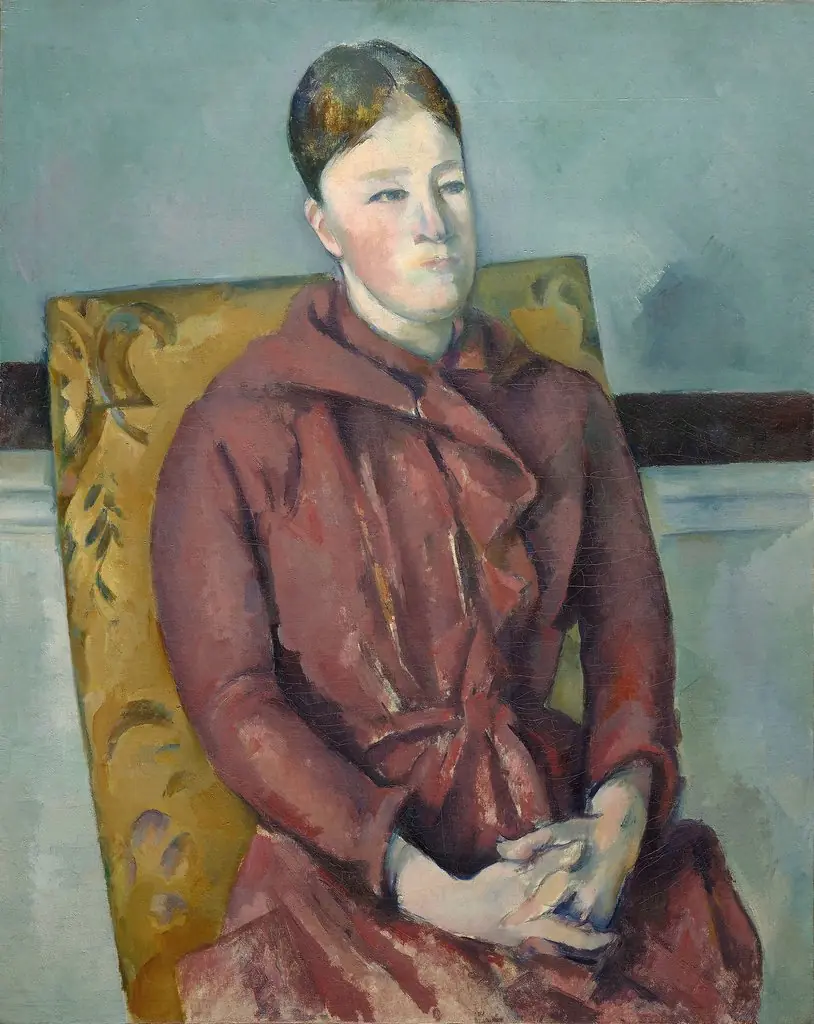
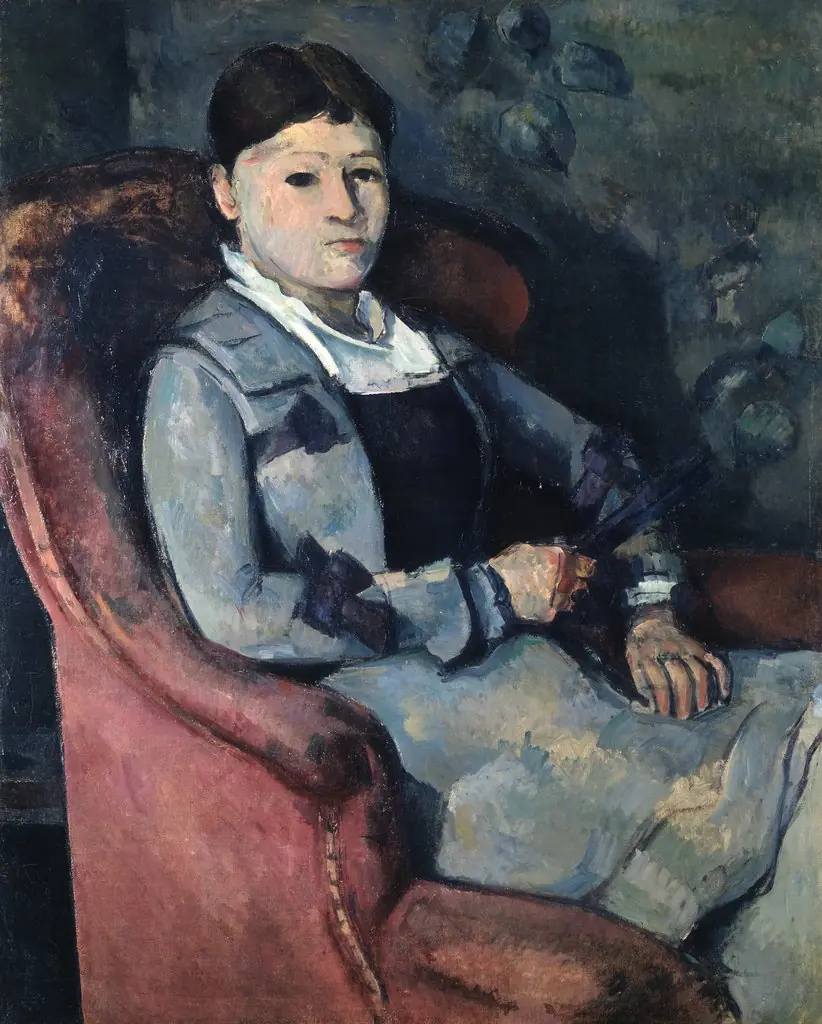
Madame Cézanne à la jupe rayée (Madame Cézanne in a Red Armchair) is an oil painting by the Impressionist artist Paul Cézanne. It dates from 1889 and is held in the collection of the Museum of Fine Arts Boston.
About this work
Subject & Meaning
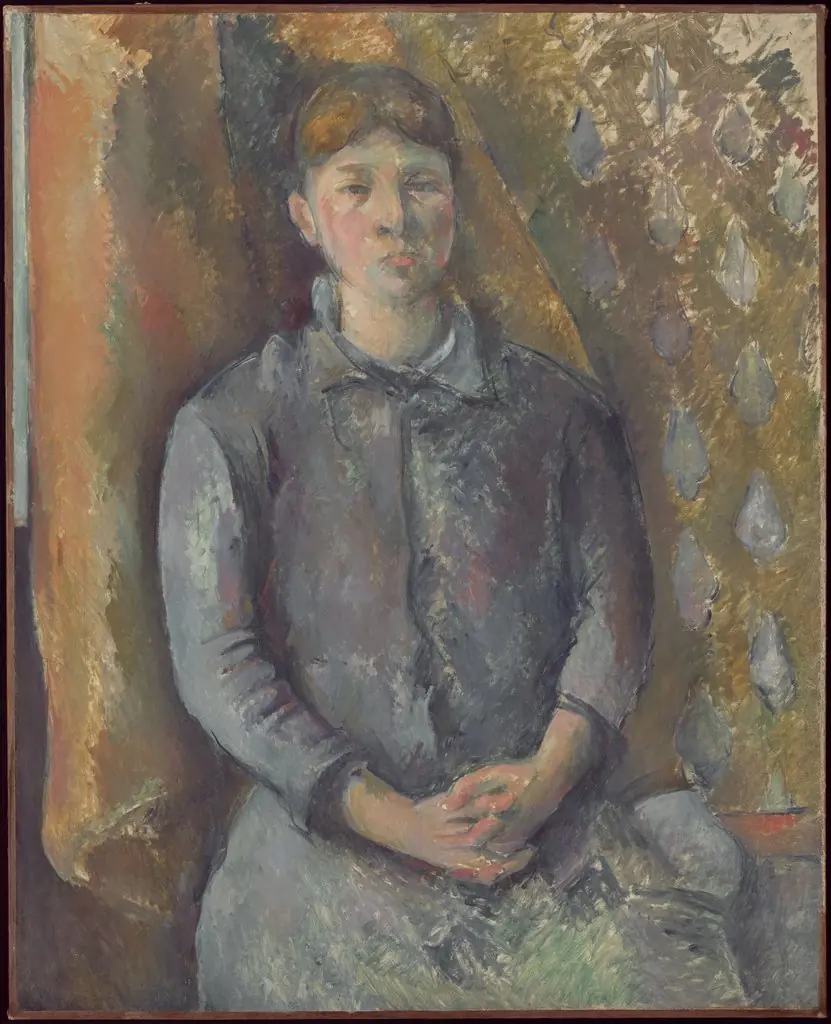
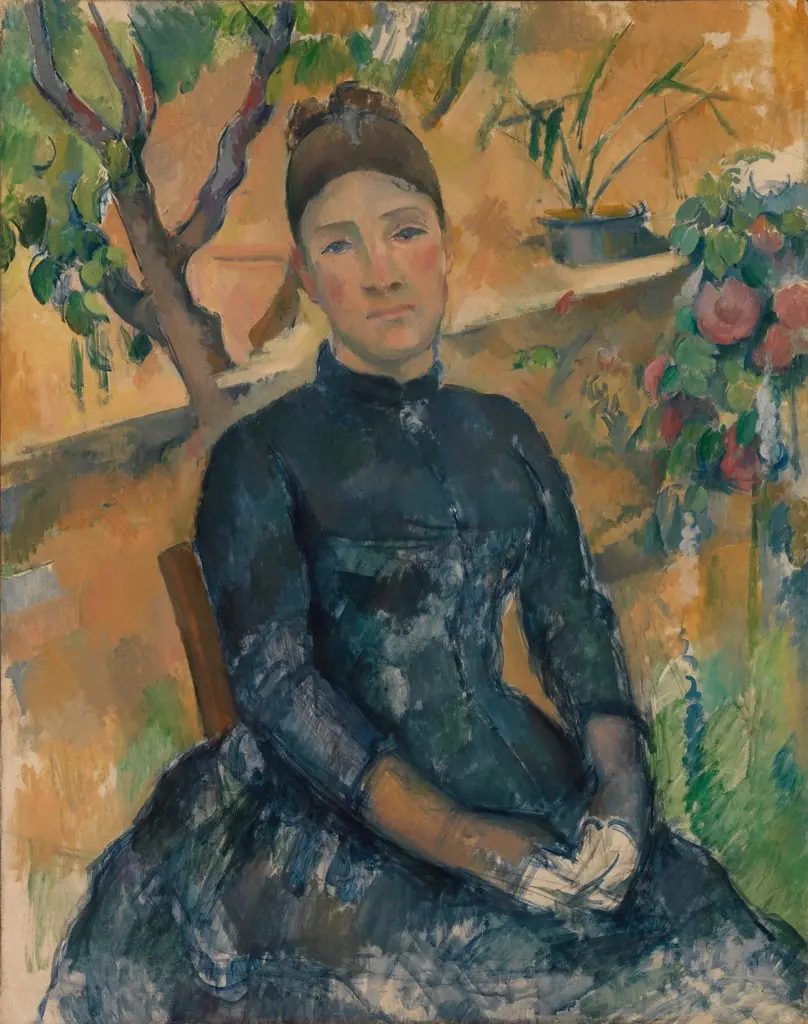
The painting depicts Marie-Hortense Fiquet, Cézanne's wife, seated in a red armchair while wearing a striped skirt.
The painting depicts Marie-Hortense Fiquet, Cézanne's wife, seated in a red armchair while wearing a striped skirt. She is shown with waist-length brown hair arranged in a part and chignon, a detail noted in the work's description. The portrait emphasizes her quiet presence within a domestic interior, using the vivid red chair and the patterned skirt to create a contrast of color and texture.
As a likeness of Cézanne's frequent model, the image conveys both personal intimacy and the artist's interest in rendering the human figure through color and form rather than psychological narrative.
Technique & Style
The work is executed in oil paint on canvas, a standard support for Cézanne's portraits of this period. It belongs to the Impressionist movement and is classified as a portrait painting. The canvas measures 72.4 cm in height by 55.9 cm in width.
Stylistically, the painting depicts Marie-Hortense Fiquet seated in an armchair, shown waist-length with brown hair parted and gathered in a chignon. The composition focuses on the sitter within the interior setting, consistent with Cézanne's portrait approach of the late 1880s.
History & Provenance
Paul Cézanne painted Madame Cézanne à la jupe rayée in 1889, depicting his wife Marie-Hortense Fiquet. The work entered the collection of the Museum of Fine Arts, Boston, on 9 November 1944, following its acquisition from Robert Treat Paine II, a descendant of a signer of the American Declaration of Independence. Prior to reaching Paine, the ownership chain included prominent dealers and collectors such as Ambroise Vollard, Georges Wildenstein, and Paul Rosenberg. The portrait remains a key example of Cézanne's portraiture and is currently held by the Boston museum.
Overview
Paul Cézanne's 1889 oil painting, Madame Cézanne à la jupe rayée, portrays his wife, Marie-Hortense Fiquet, seated in a vibrant red armchair. This work exemplifies Cézanne's distinctive approach, bridging the Impressionist movement with the emerging principles of Post-Impressionism. It showcases his characteristic exploration of form and structured composition, which would prove influential for later artistic developments.
Context
Painted during a pivotal period in Cézanne's career, this work illustrates his departure from strict Impressionist principles. While sharing Impressionism's focus on light and color, Cézanne sought to imbue his compositions with greater solidity and permanence. His systematic approach to form and space, evident in this portrait, laid foundational groundwork for subsequent artistic movements, distinguishing his contribution from his contemporaries.
Own this work as a print
Artist & collection

Artist
Paul Cézanne ( say-ZAN, UK also siz-AN, US also say-ZAHN; French: ; Occitan: Pau Cesana; 19 January 1839 – 22 October 1906) was a French Post-Impressionist painter whose work introduced new modes of representation,…

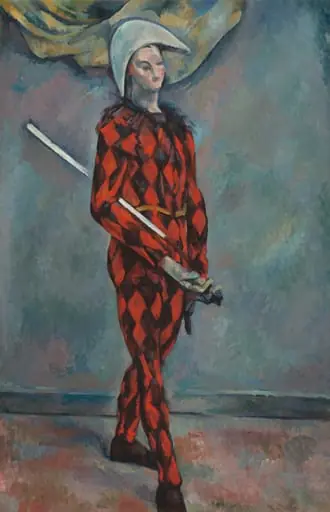 Harlequin
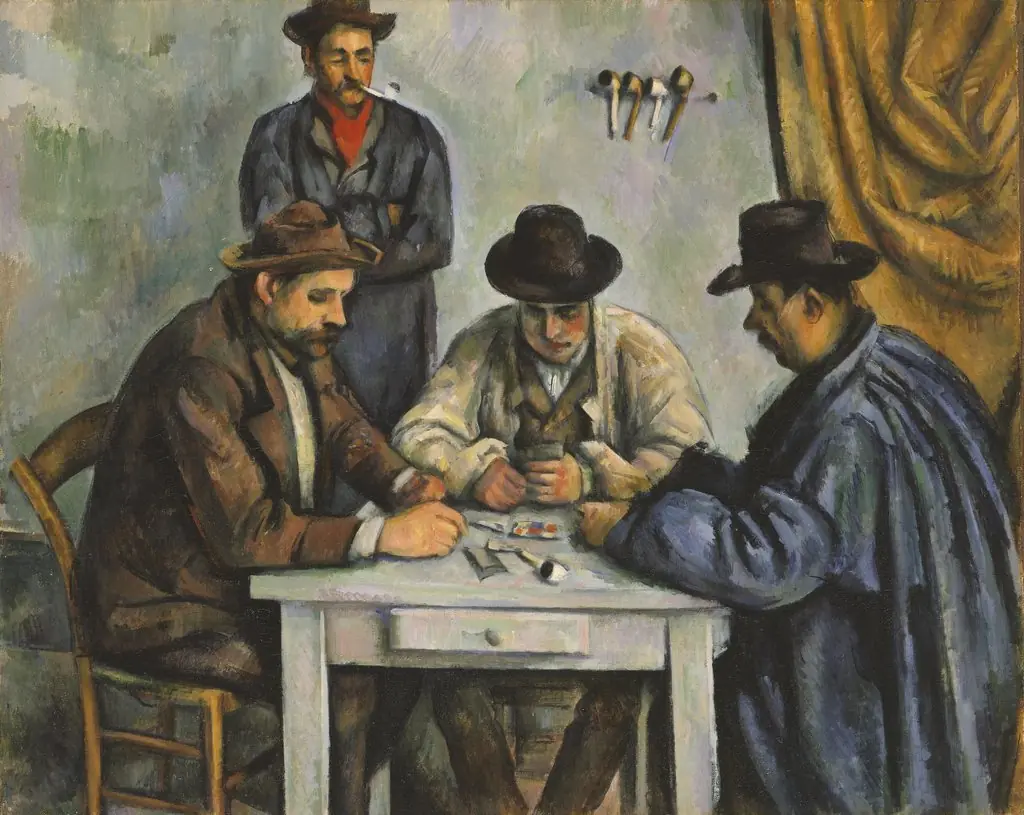 The Card Players
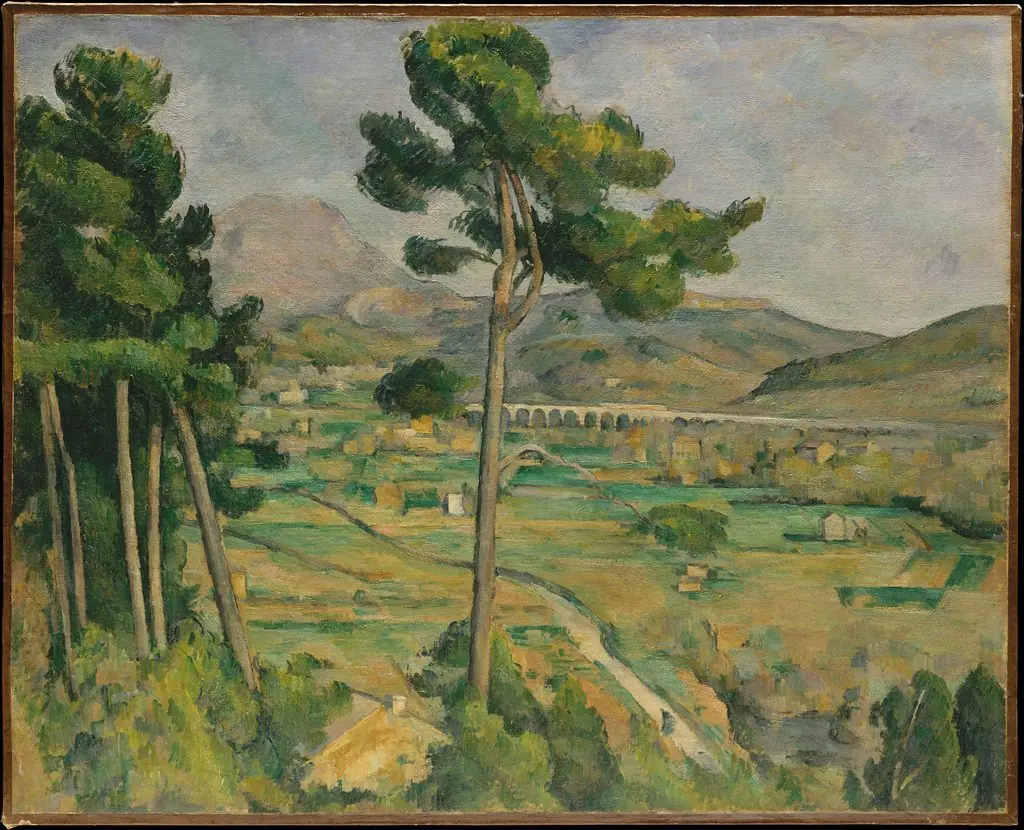 Mont Sainte-Victoire and the Viaduct of the Arc River Valley
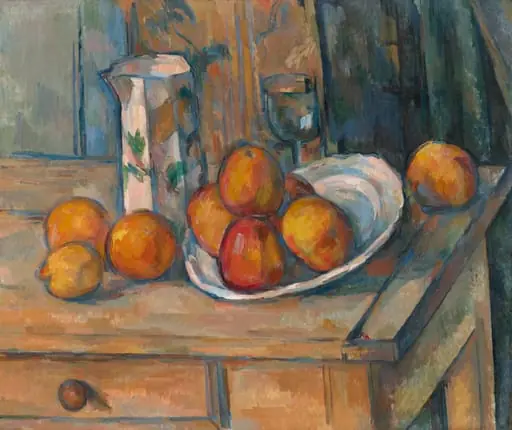 Still Life with Milk Jug and Fruit
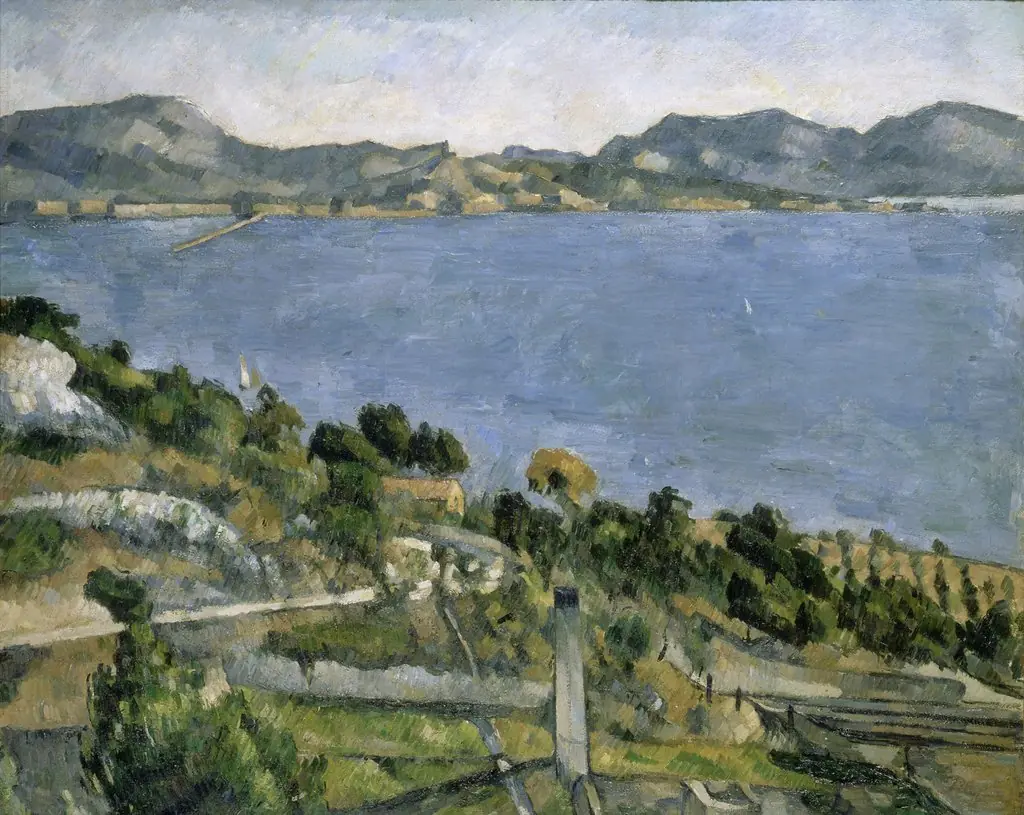 Le Golfe de Marseille vu de l'Estaque (The Gulf of Marseille Seen from L'Estaque)
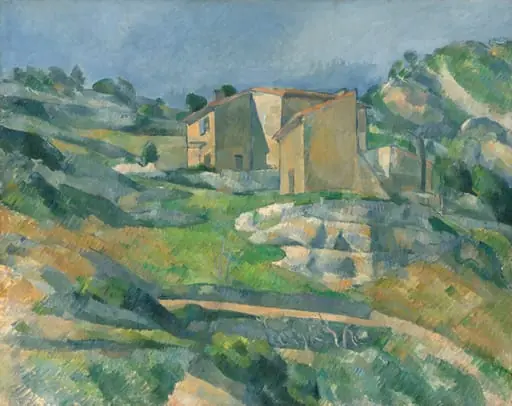 Houses in Provence: The Riaux Valley near L'Estaque
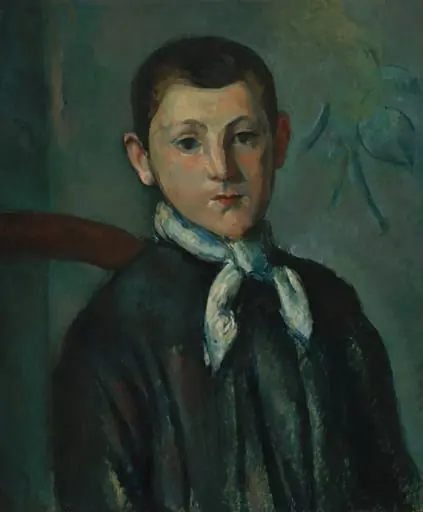 Louis Guillaume
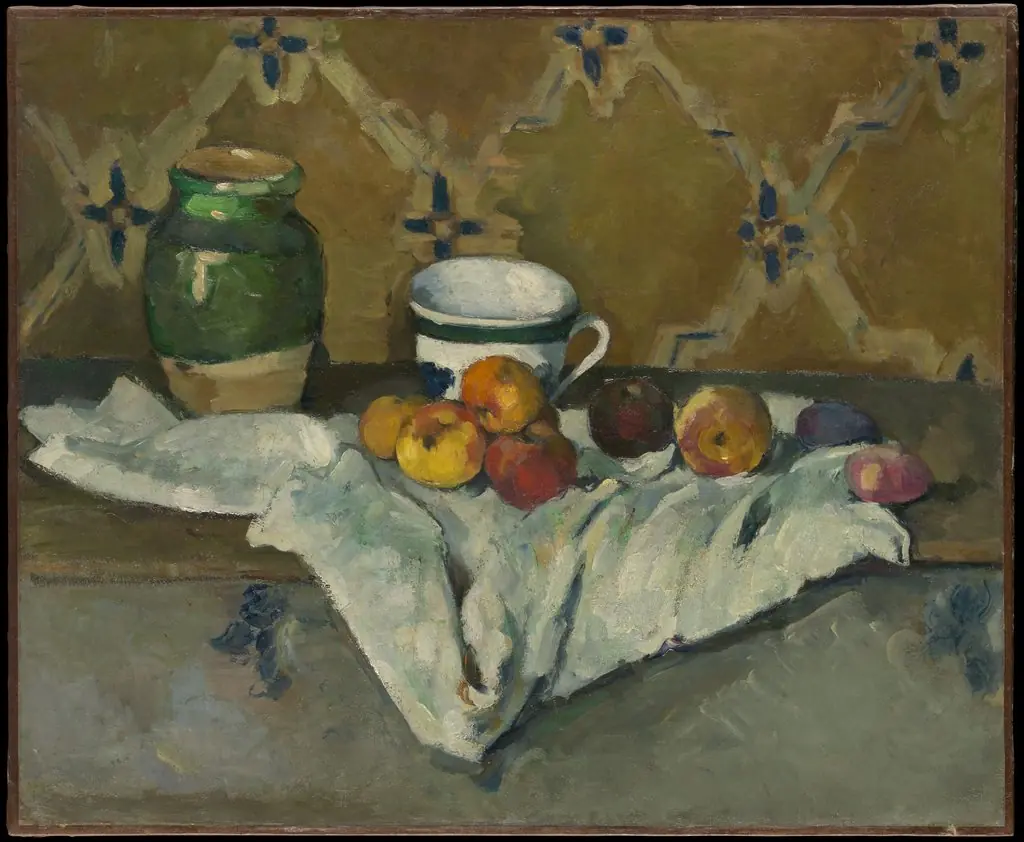 Still Life with Jar, Cup, and Apples