Artwork
Untitled
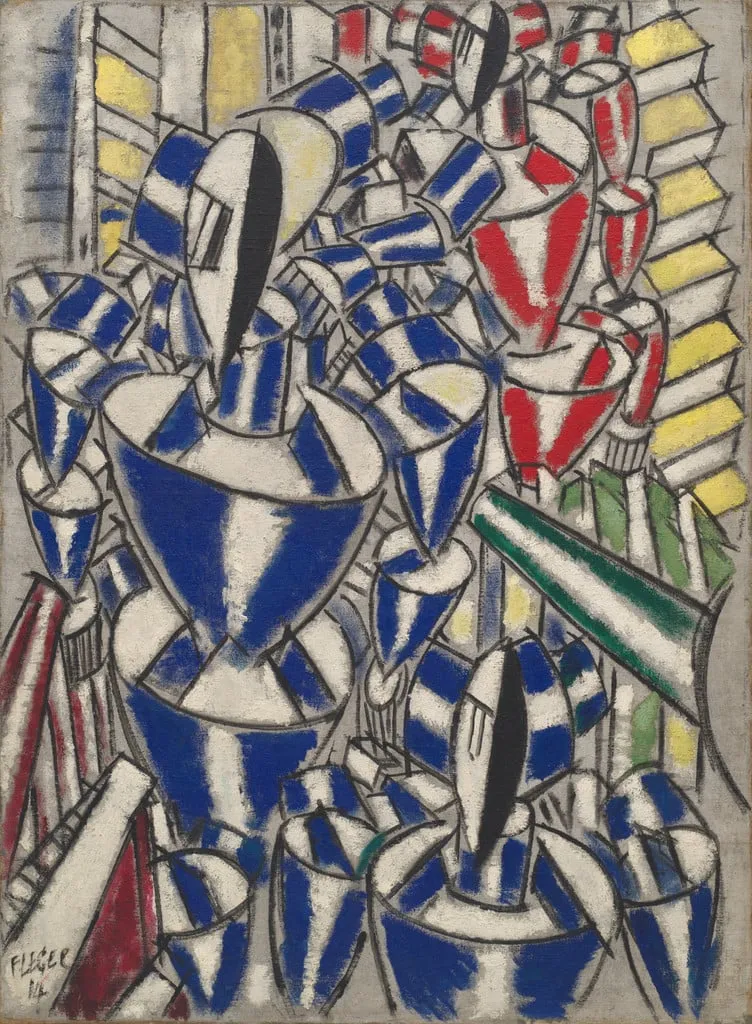
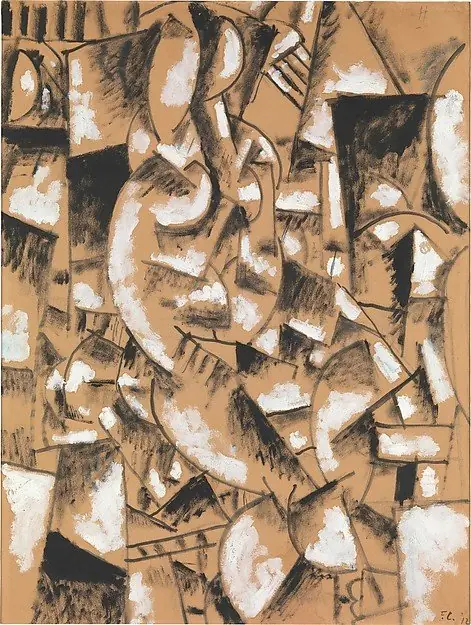
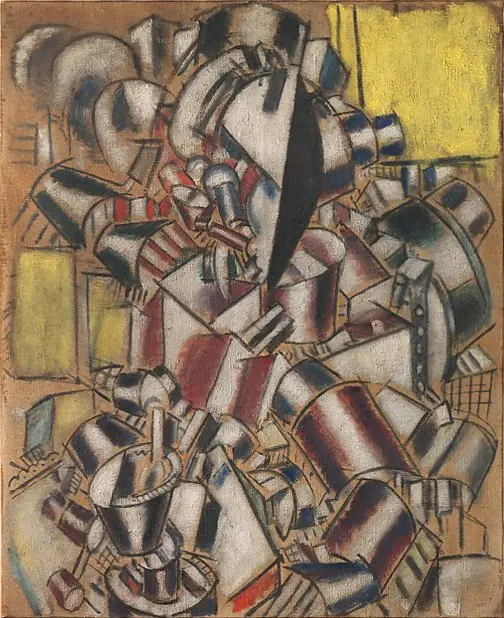
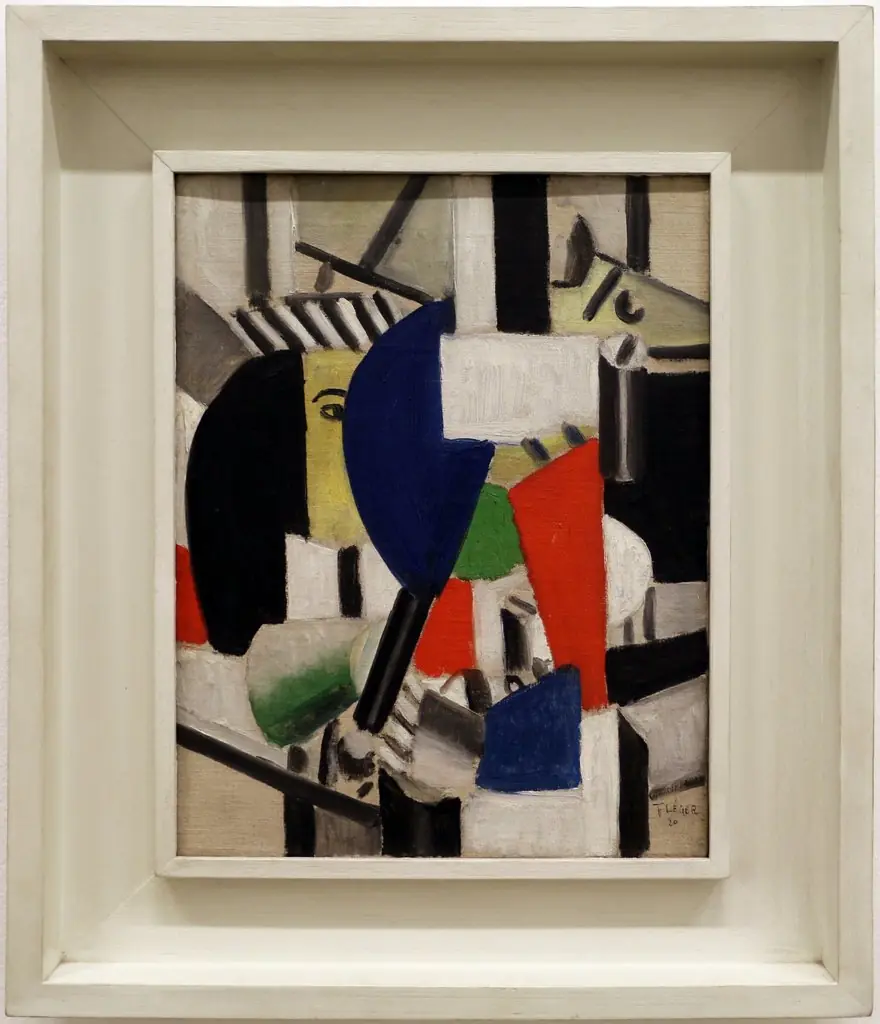
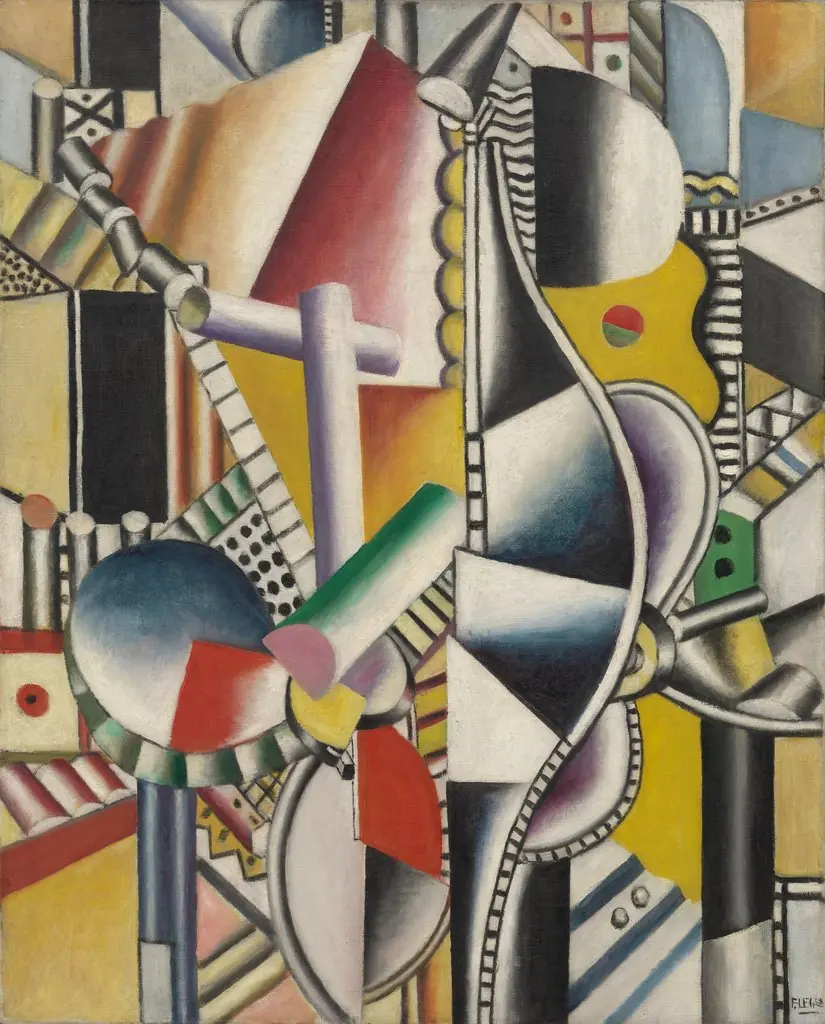
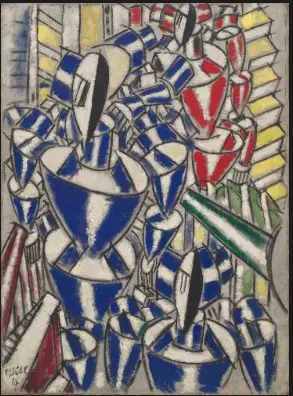
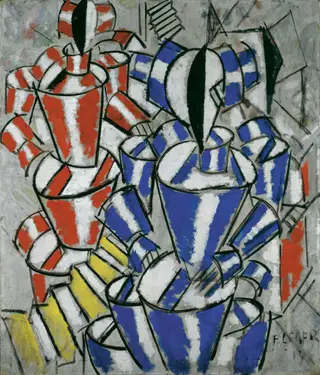
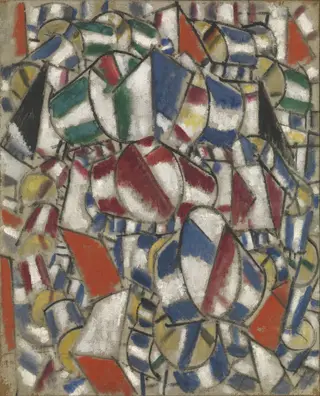
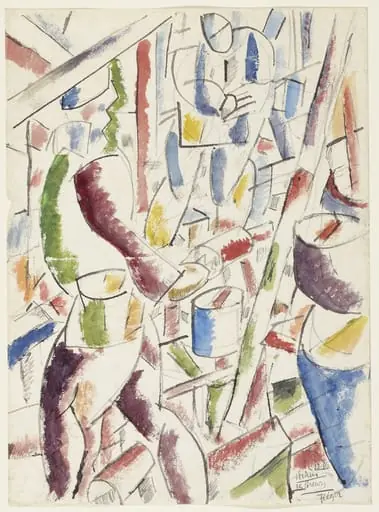
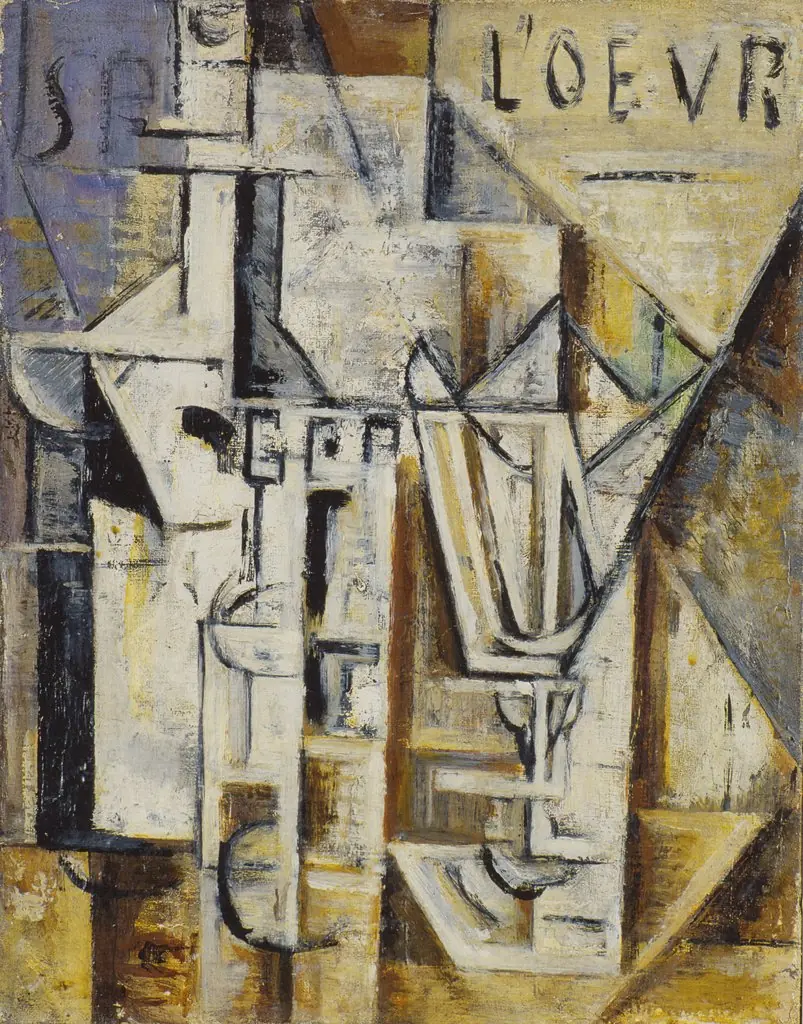
Untitled is an oil painting by the Cubism Synthetic artist Fernand Léger. It dates from 1914 and is held in the collection of the Museum of Modern Art.
About this work
Overview
Thickly applied paint generates a tactile surface, while the dense layering of shapes produces a sense of depth without representing any recognizable subject.
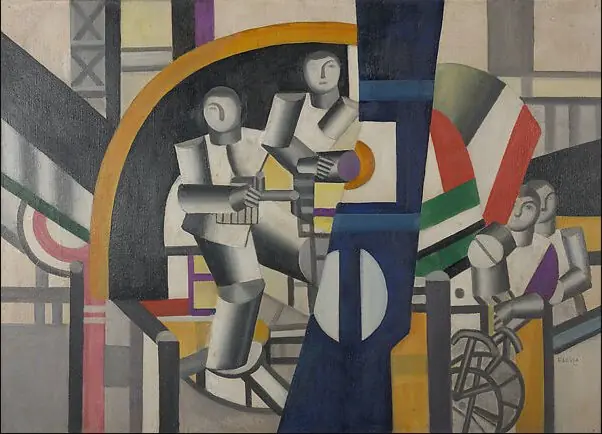
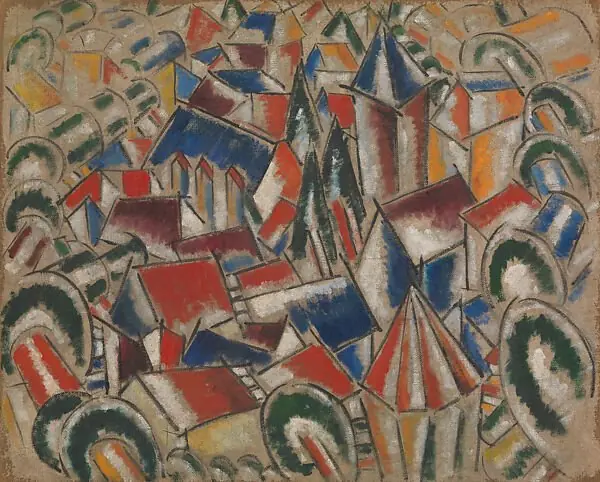
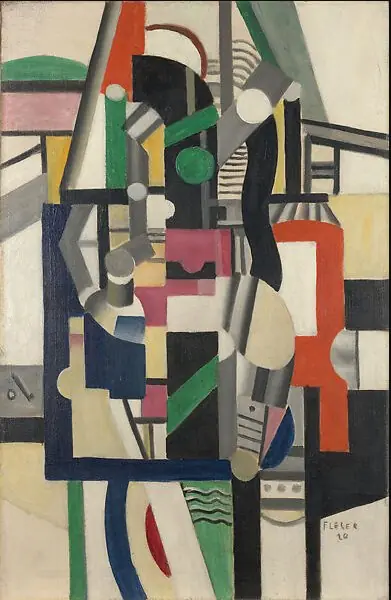
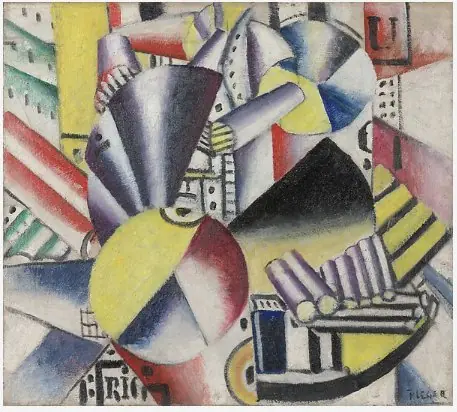
Created in 1914, this untitled oil on canvas by Fernand Léger resides in the collection of the Museum of Modern Art. The work presents an abstract arrangement of interlocking geometric forms rendered in vivid blues, reds, yellows and greens. Thickly applied paint generates a tactile surface, while the dense layering of shapes produces a sense of depth without representing any recognizable subject.
Subject & Meaning
The painting offers no narrative content, instead inviting viewers to consider the interaction of color and form. Flat, saturated hues clash and converge, generating visual tension that suggests movement and energy. The orderly arrangement of geometric elements hints at a rational structure underlying the apparent chaos, reflecting Léger’s interest in balancing mechanistic order with expressive dynamism.
Technique & Style
Léger employed vigorous, impasto brushwork, laying down paint in heavy strokes that emphasize the materiality of the medium. The composition relies on bold, unmodulated color fields and sharply defined shapes, circles, rectangles, and angular fragments, that intersect and overlap. This approach aligns with his early Cubist-influenced abstraction, where form is reduced to essential geometric vocabulary.
History & Provenance
The canvas was completed during Léger’s formative years, shortly before his involvement in World War I. It entered the Museum of Modern Art’s holdings through a mid‑20th‑century acquisition, becoming part of the institution’s early modernist collection. Its presence at MoMA has ensured continued scholarly attention and public exposure.
Context
Painted at the outset of the First World War, the work reflects the broader shift among avant‑garde artists toward non‑representational language. Léger, alongside contemporaries such as Picasso and Braque, was exploring how industrial forms and modern life could be expressed through abstracted geometry. The painting thus embodies the era’s experimental drive to reconcile art with the rapidly changing visual culture of the early twentieth century.
Artist & collection
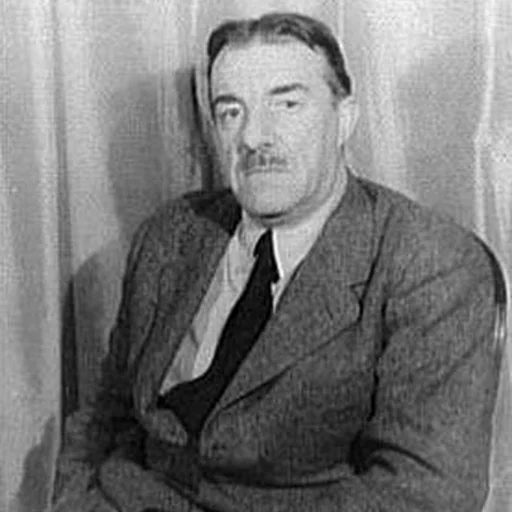
Artist
Joseph Fernand Henri Léger was a French painter, sculptor, and filmmaker. In his early works he created a personal form of cubism which he gradually modified into a more figurative, populist style. His boldly simplified…