Artwork
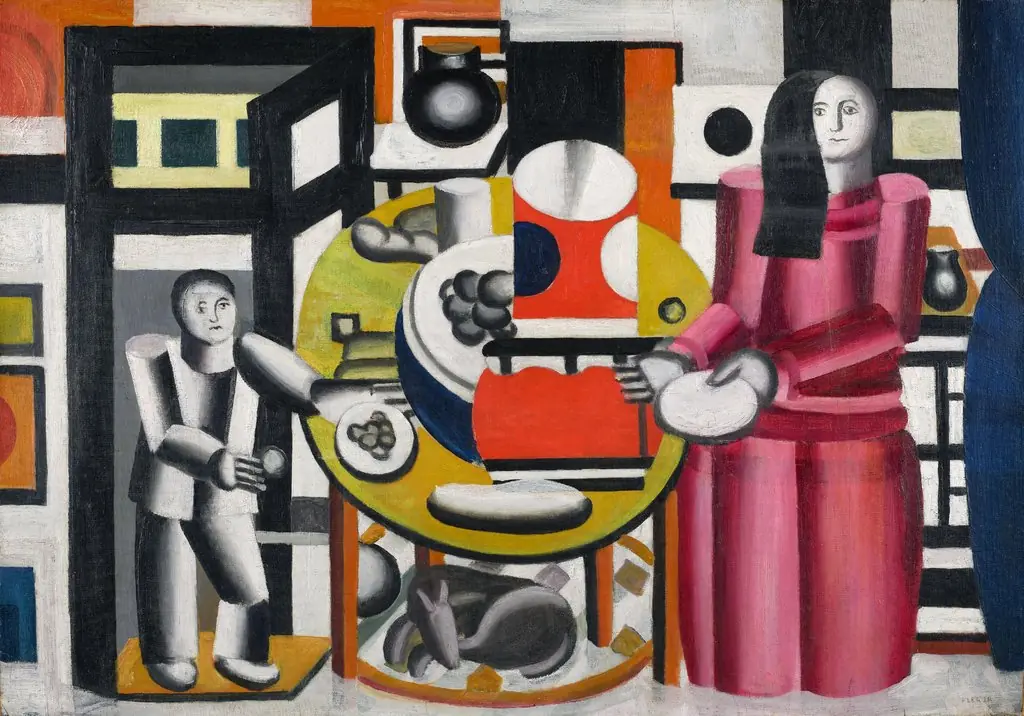
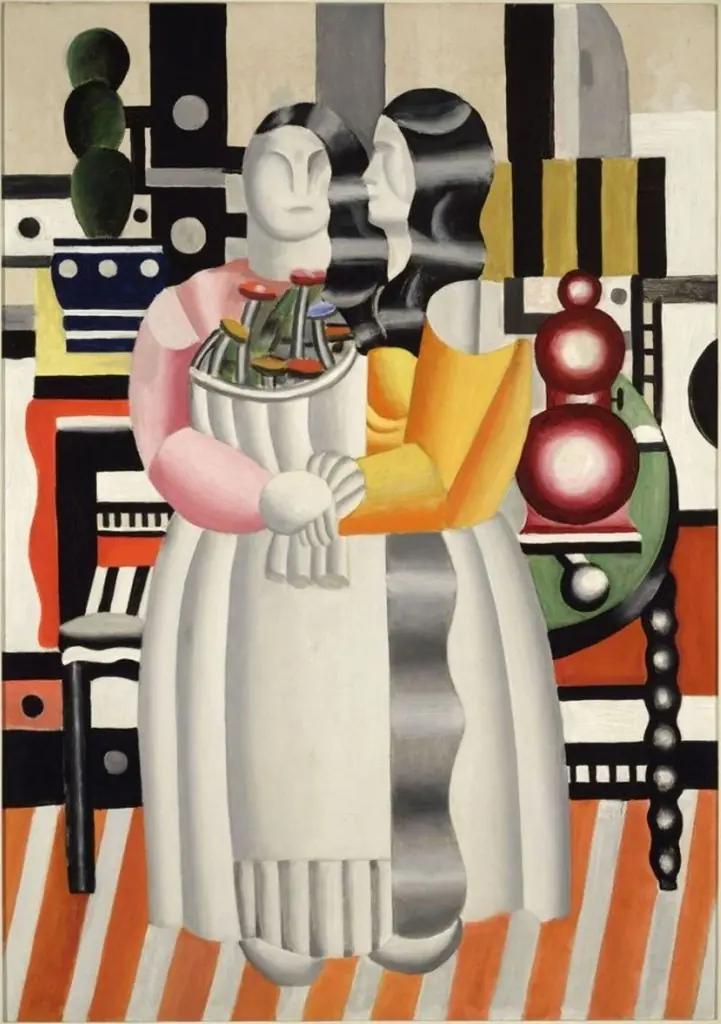
Three Women by a Garden
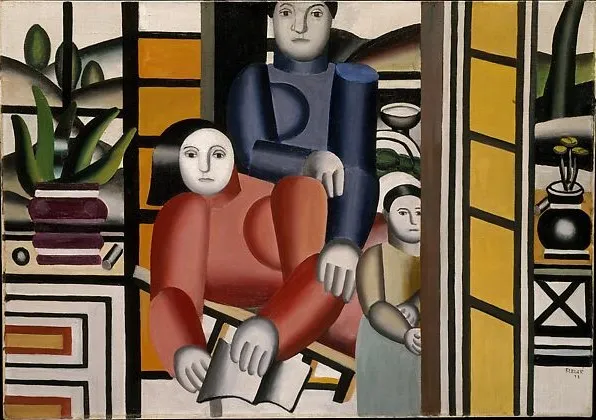
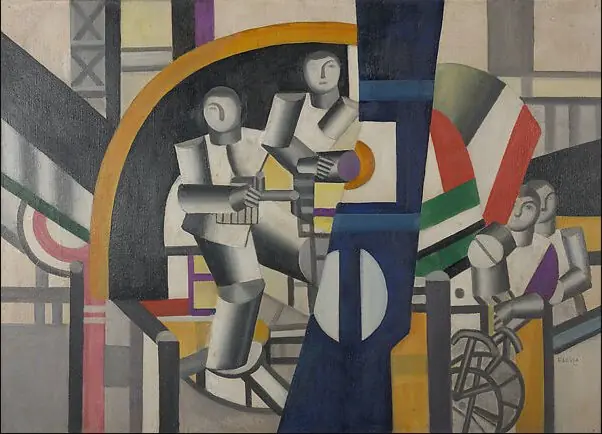
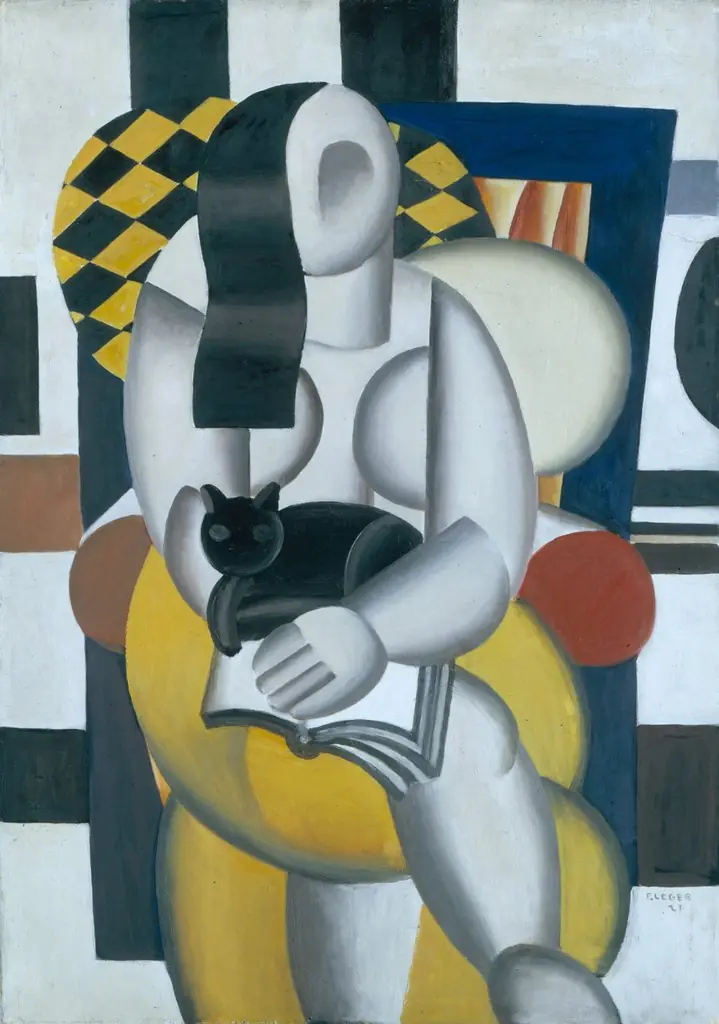
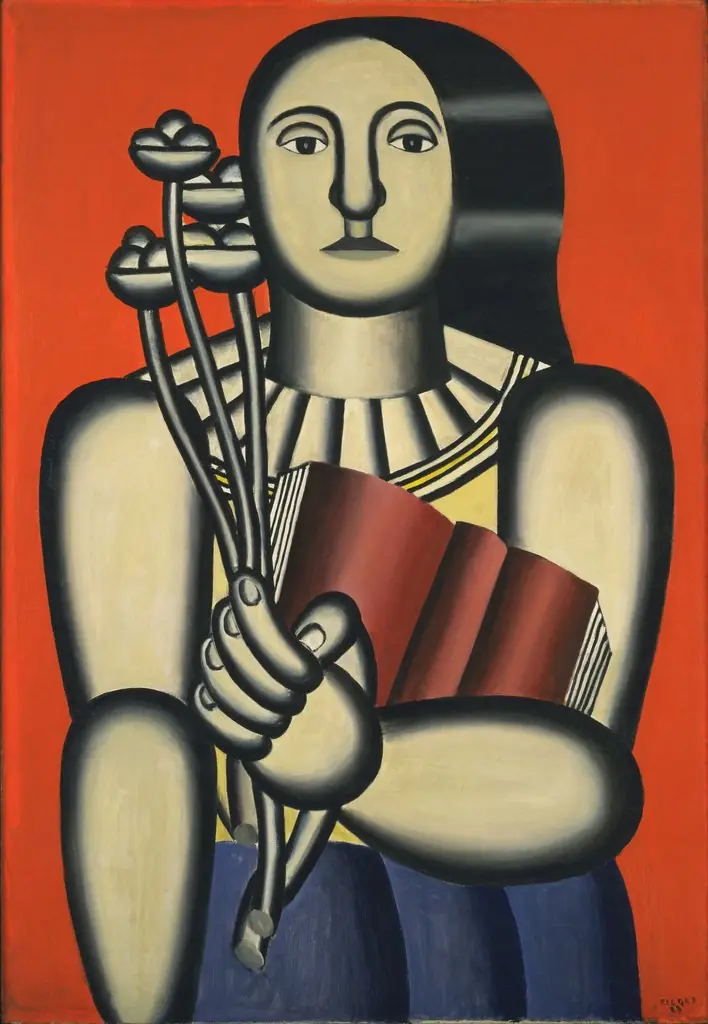
Three Women by a Garden is an oil painting by the Cubism Synthetic artist Fernand Léger. It dates from 1922 and is held in the collection of the Metropolitan Museum of Art.
About this work
Subject & Meaning
Fernand Léger's 1922 painting, Three Women by a Garden, depicts three female figures situated within a garden setting.
Fernand Léger's 1922 painting, Three Women by a Garden, depicts three female figures situated within a garden setting. The work focuses on the representation of women, presenting them as the central subject of the composition. While the title explicitly references a garden environment, the primary iconography centers on the human form, specifically the depiction of women as rendered by the artist.
The piece represents a study of female figures within a specified natural context, aligning with Léger's exploration of form and subject matter during this period.
Technique & Style
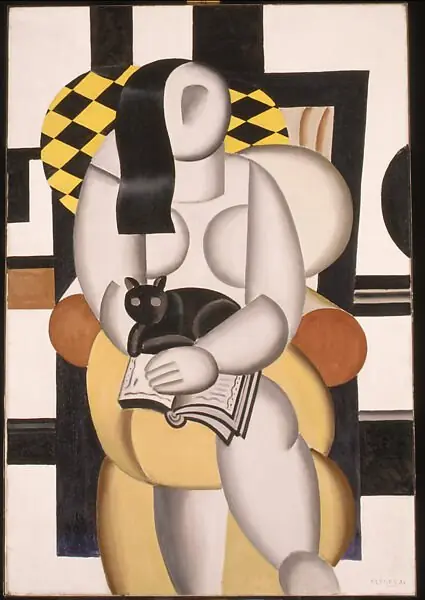
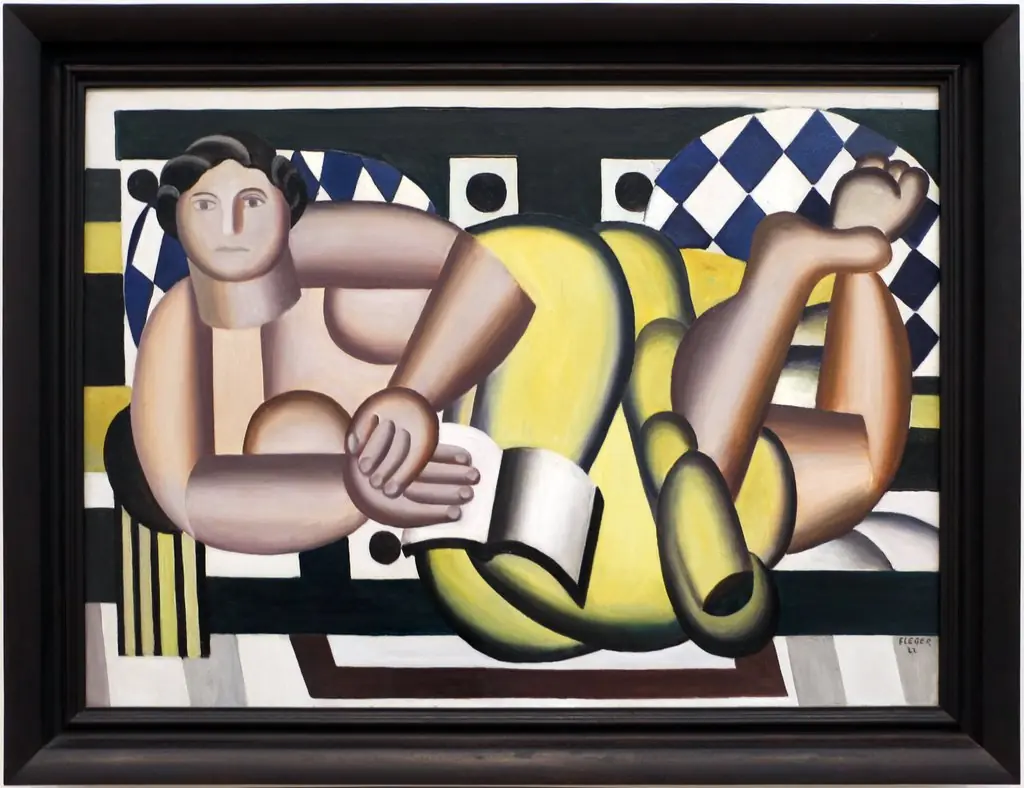
Executed in oil on canvas in 1922, the work renders the three figures and surrounding garden elements with the flat, sharply delineated forms and bold outlines characteristic of Léger’s painting in this period. Broad, unmodulated planes of color emphasize a shallow, planar space rather than volumetric depth, and crisp edges suppress visible brushwork in favor of a hard-edged, almost graphic finish. The composition isolates the figures against a schematic backdrop, aligning with Léger’s post-Cubist synthesis of figuration and modernist abstraction.
History & Provenance
Fernand Léger created the oil painting Three Women by a Garden in 1922 on canvas. It is held in the collection of the Metropolitan Museum of Art, where it is catalogued among the museum's holdings of twentieth-century European painting. No specific accession number is recorded in the available sources, and the documentation does not detail a prior exhibition history for the canvas.
Overview
Three Women by a Garden (1922) is an oil painting by the French artist Fernand Léger, executed during his highly productive period of mechanical Cubism. The work depicts three simplified, tubular figures arranged in a shallow, stage-like space defined by bold, black outlines. A central female figure in red reads a book while seated, flanked by a standing male figure in blue and a smaller, crouching form.
Léger renders the human body as a series of geometric volumes, stripping away individual facial features to emphasize form and structure over psychological depth. The composition is animated by a vibrant palette of primary colors, red, blue, and yellow, which are applied in flat, unmodulated planes separated by sharp linear divisions. A potted plant and striped background elements further articulate the spatial rhythm without creating traditional perspective.
Created in 1922, this painting reflects Léger's fascination with the intersection of the human figure and the modern industrial aesthetic, bridging the gap between Cubist fragmentation and a new, monumental clarity. The work stands as a significant example of the artist's 'return to order' in the post-World War I era, where he sought to harmonize mechanical precision with a renewed sense of classical balance.
Artist & collection
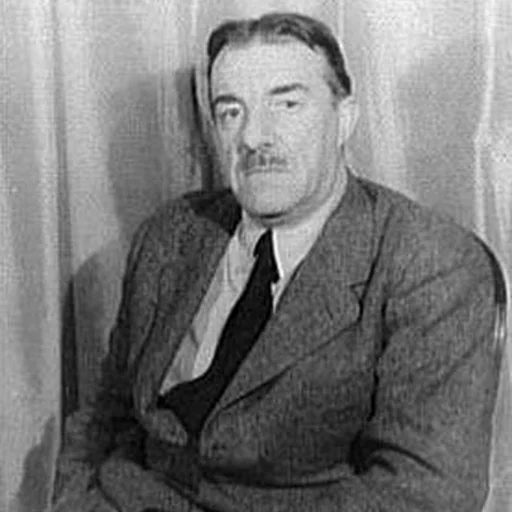
Artist
Joseph Fernand Henri Léger was a French painter, sculptor, and filmmaker. In his early works he created a personal form of cubism which he gradually modified into a more figurative, populist style. His boldly simplified…