Artwork
The Bargeman
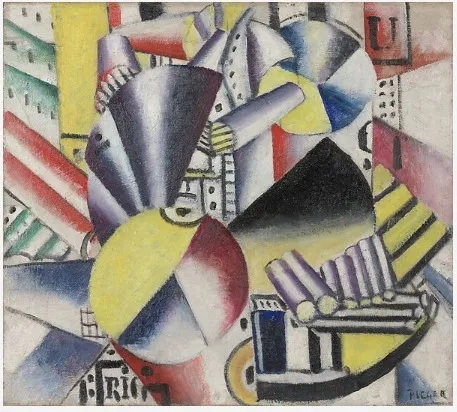
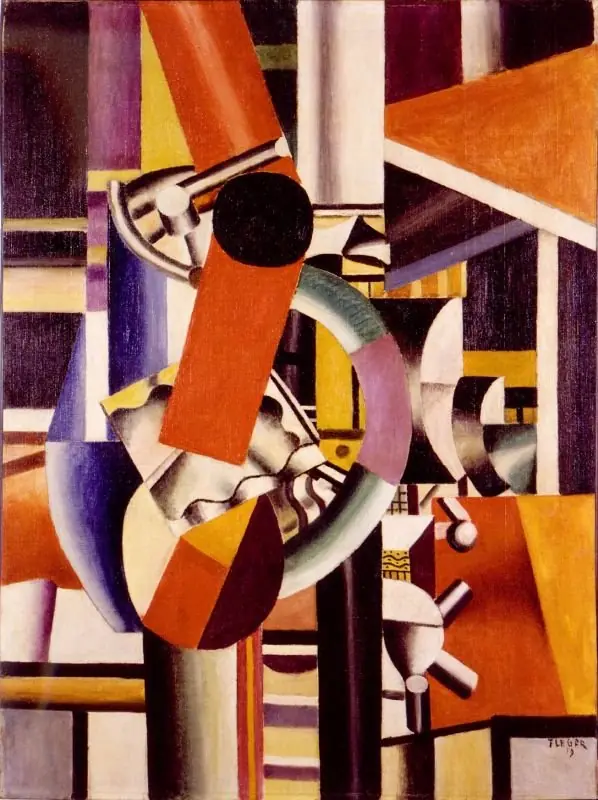
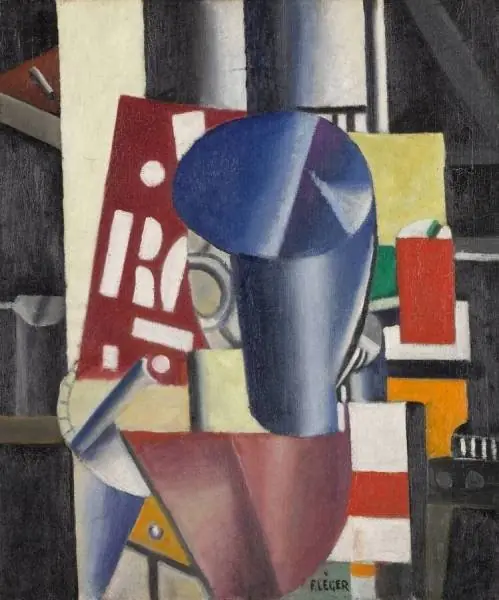
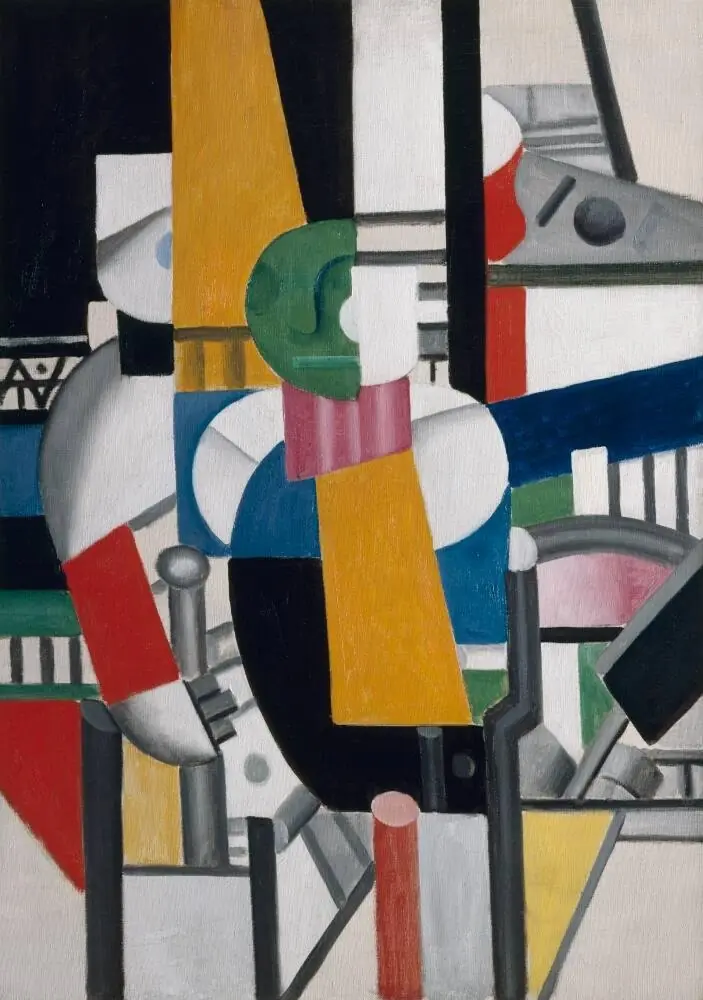
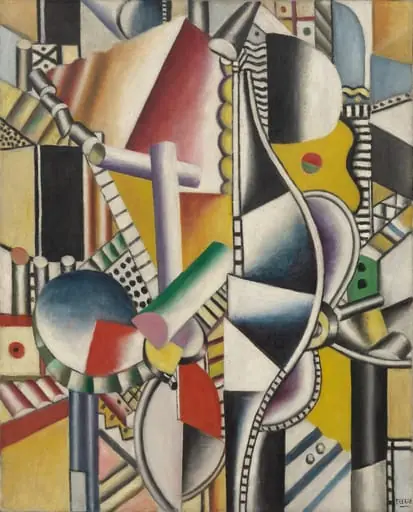
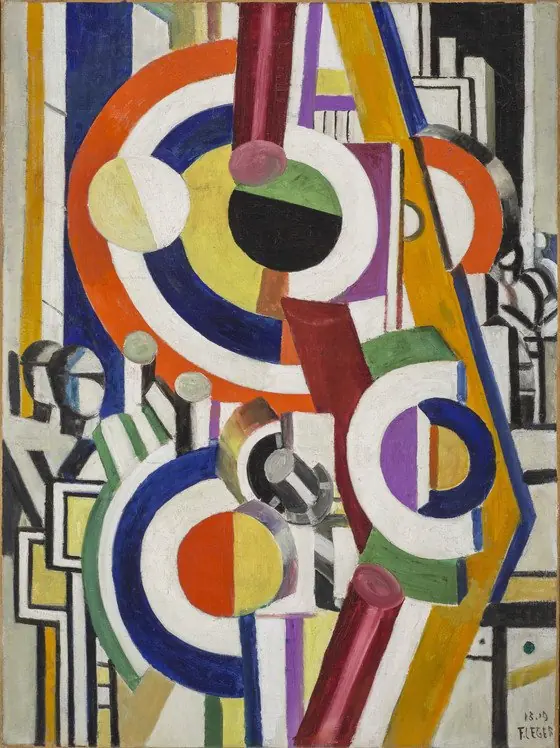
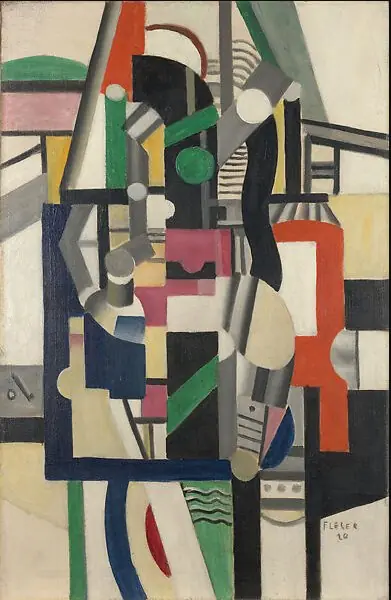
The Bargeman is an oil painting by the Cubism Synthetic artist Fernand Léger. It dates from 1918 and is held in the collection of the Metropolitan Museum of Art.
About this work
Subject & Meaning
Rather than representing a narrative scene, the work embraces abstraction, presenting non‑figurative forms that evoke the dynamism of modern life.
The Bargeman is an oil on canvas painting produced in 1918 by Fernand Léger. Rather than representing a narrative scene, the work embraces abstraction, presenting non‑figurative forms that evoke the dynamism of modern life. Its subject consists of geometric shapes and rhythmic motifs that suggest movement without depicting recognizable figures, a strategy that aligns the piece with the broader abstract art movement of the early twentieth century.
The painting entered the collection of the Metropolitan Museum of Art through the Jacques and Natasha Gelman collection and was featured in the exhibition Twentieth‑Century Modern Masters.
Technique & Style
Fernand Léger's The Bargeman (1918) is an abstract painting executed in oil paint on canvas. The work measures 48.9 cm in height and 54.3 cm in width. Classified within the abstract art movement, the piece depicts abstraction rather than a literal scene.
It is part of the collection held by the Metropolitan Museum of Art, having been acquired from the Jacques and Natasha Gelman Collection.
History & Provenance
The Bargeman was painted by Fernand Léger in 1918 using oil on canvas, measuring 48.9 cm by 54.3 cm. The work was first recorded as part of the collection of Jacques Gelman, who later loaned the piece for exhibition in the Twentieth‑Century Modern Masters show highlighting the Gelman collection. It entered the Metropolitan Museum of Art’s holdings and remains on view there. The painting is classified as an abstract work, reflecting Léger’s interest in abstraction during that period.
The painting The Bargeman by Fernand Léger, created in 1918, is part of the Metropolitan Museum of Art's collection and was previously owned by Jacques Gelman. It has been exhibited as part of the show Twentieth‑Century Modern Masters: The Jacques and Natasha Gelman Collection. The work measures 48.9 cm in height and 54.3 cm in width, executed in oil on canvas.
Its presence in the museum's holdings reflects its significance within the artist's abstract oeuvre and the broader narrative of early‑20th‑century modernism.
Context
Painted in 1918, The Bargeman is an oil on canvas work measuring 48.9 by 54.3 centimeters. Léger’s composition belongs to the abstract genre and is situated within the broader abstract art movement of the early twentieth century. The piece entered the collection of the Metropolitan Museum of Art through the Jacques and Natasha Gelman Collection, highlighting its provenance from a notable private gathering.
Its formal qualities reflect Léger’s exploration of mechanized forms and spatial fragmentation characteristic of post‑First World War modernism.
Overview
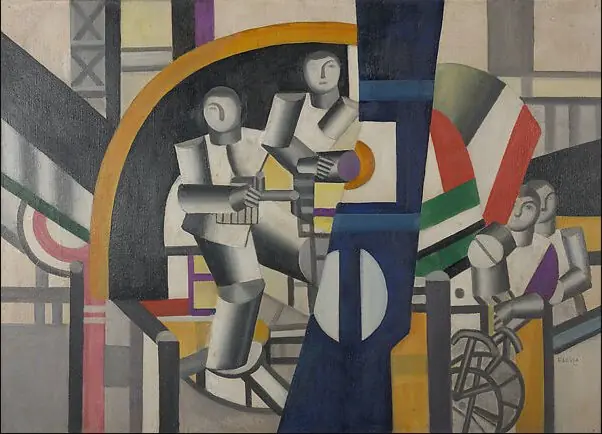
Fernand Léger's The Bargeman, painted in 1918, is a seminal work of his mechanical period, reflecting the artist's fascination with industrial forms and the human figure as a machine. Executed in oil on canvas, the composition synthesizes Cubist fragmentation with a distinct tubular aesthetic. The painting depicts a barge worker, identifiable by a striped cap and a tool resembling a shovel, integrated into a dynamic arrangement of geometric planes.
Léger renders the figure not as a naturalistic portrait but as an assembly of cylindrical and conical shapes, emphasizing volume and rhythm over individual likeness. A prominent bright yellow circle anchors the center, surrounded by sharp black outlines and bold blocks of red, blue, and white. The background features abstracted architectural elements and fragmented lettering, suggesting an urban or industrial setting without adhering to realistic perspective.
Created shortly after the artist's return from World War I, the work exemplifies his shift toward a 'mechanical' style that celebrated the modern era's energy and order. This piece stands as a key example of Léger's contribution to the development of Purism and his unique interpretation of Cubism, where the human form is harmonized with the geometry of the machine age.
Artist & collection
Artist
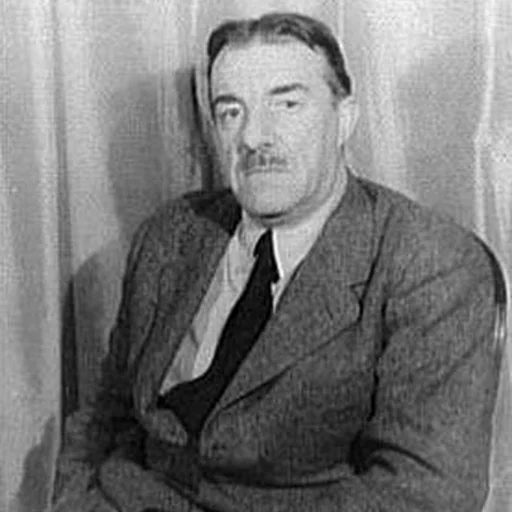
Joseph Fernand Henri Léger was a French painter, sculptor, and filmmaker. In his early works he created a personal form of cubism which he gradually modified into a more figurative, populist style. His boldly simplified…