Artwork
The Village
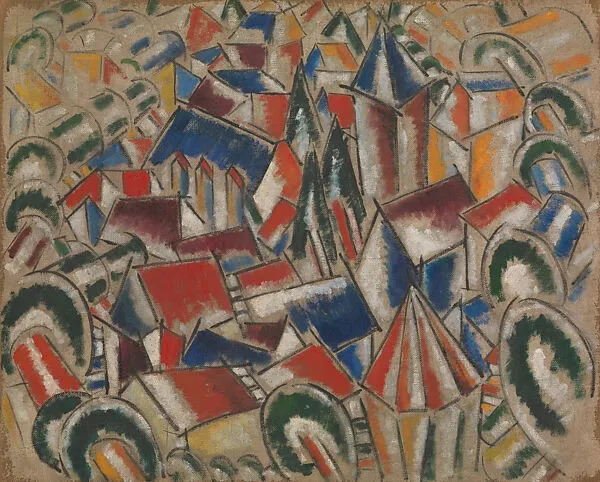
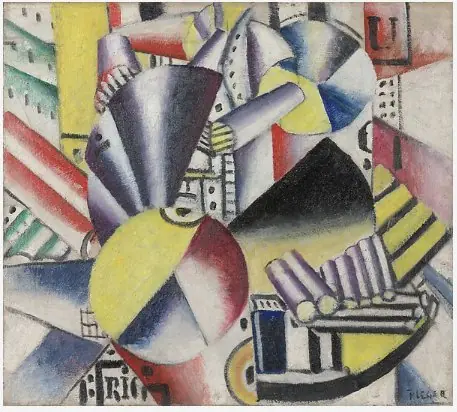
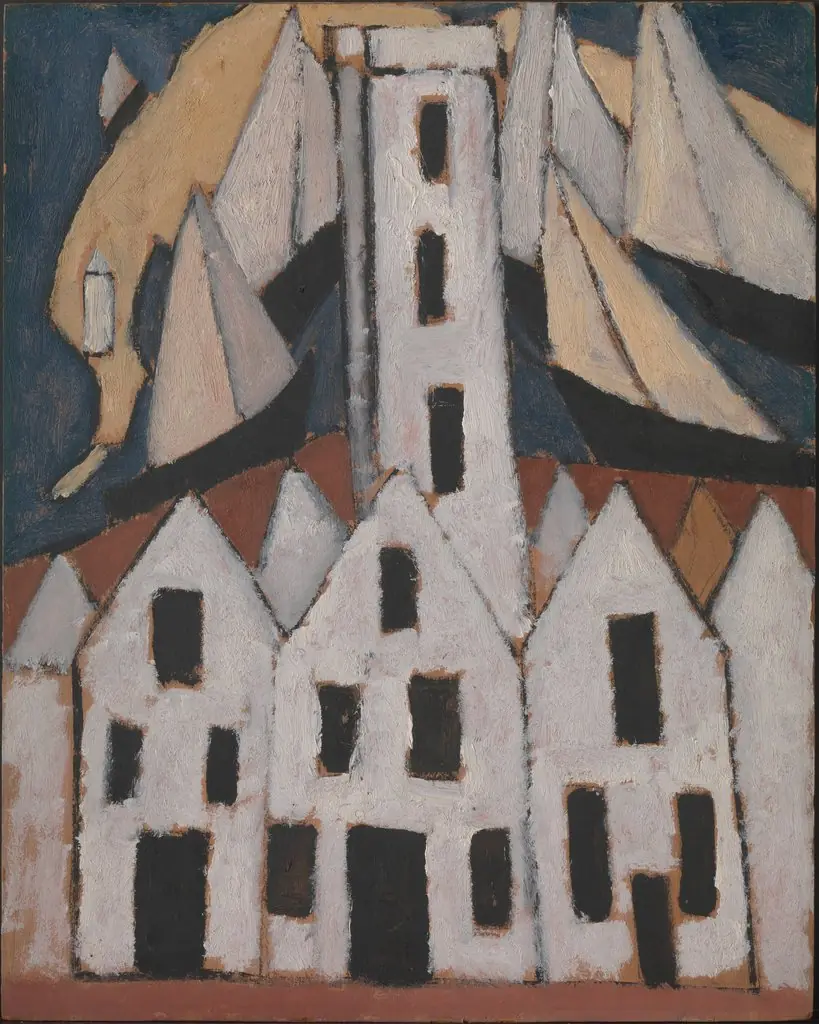
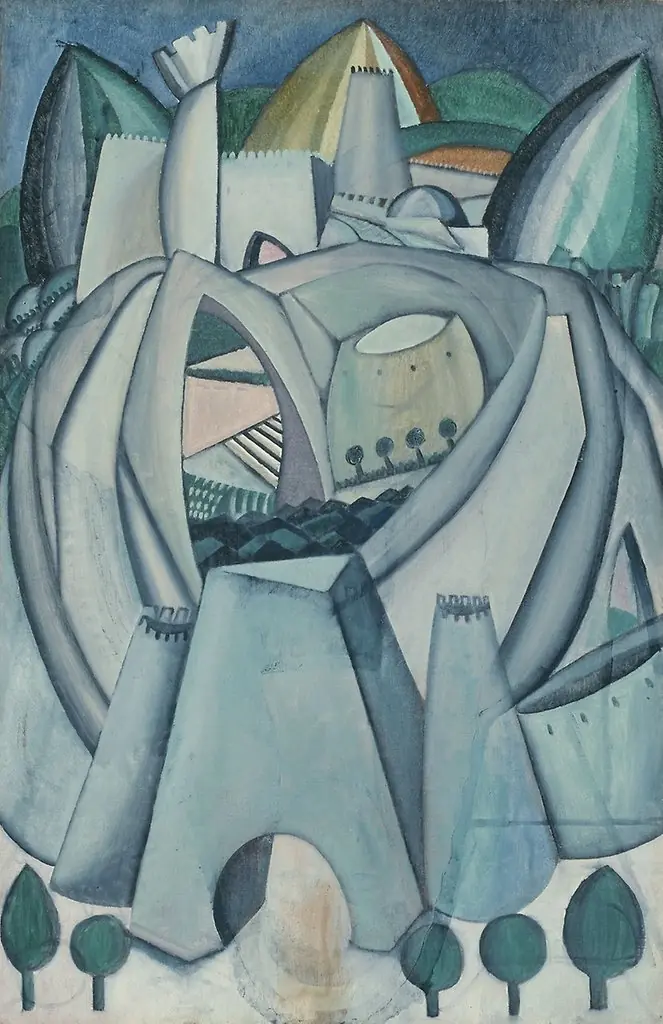
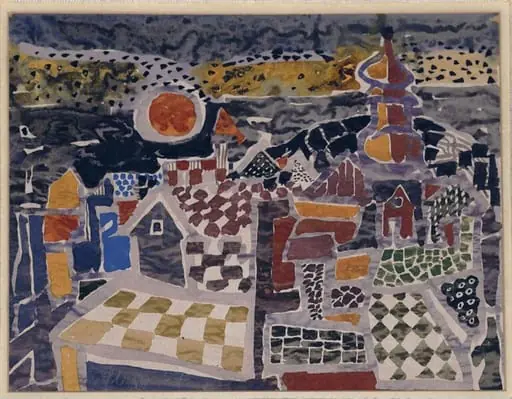
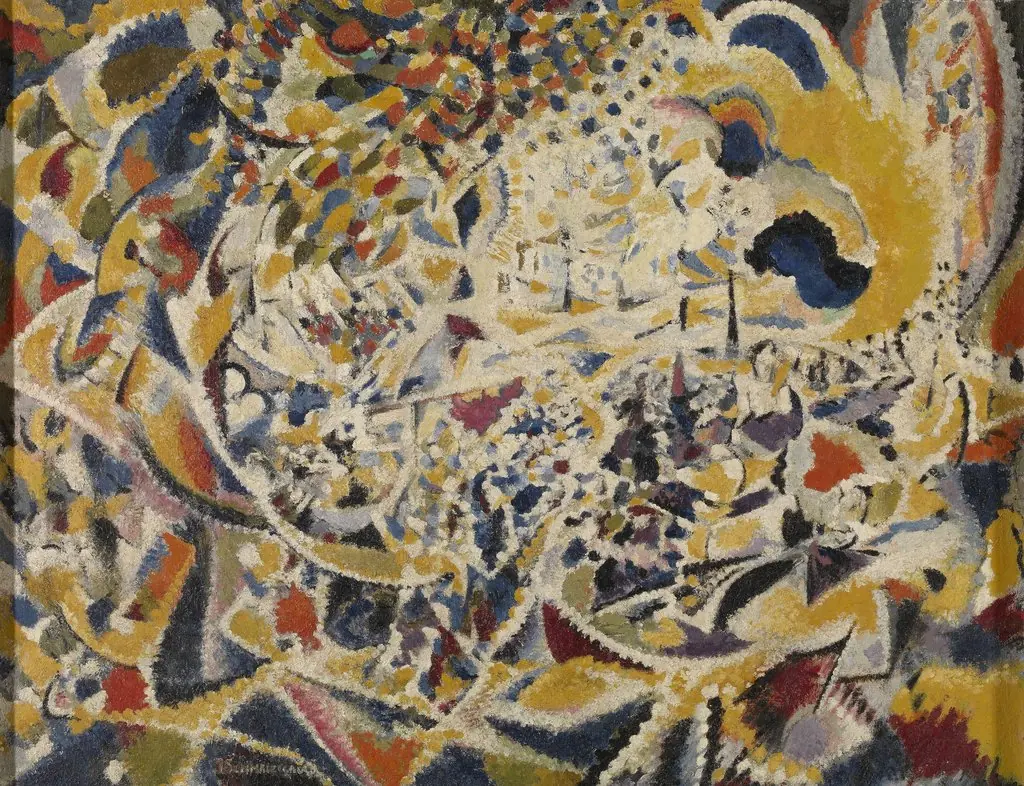
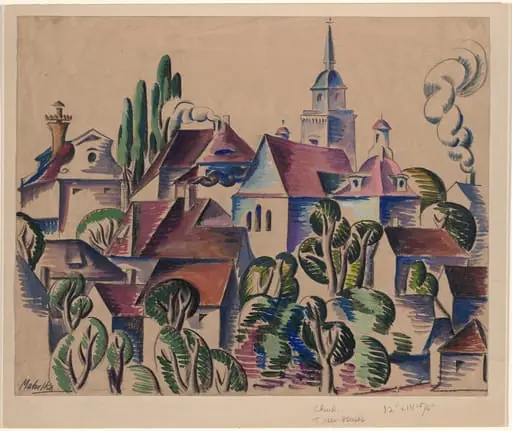
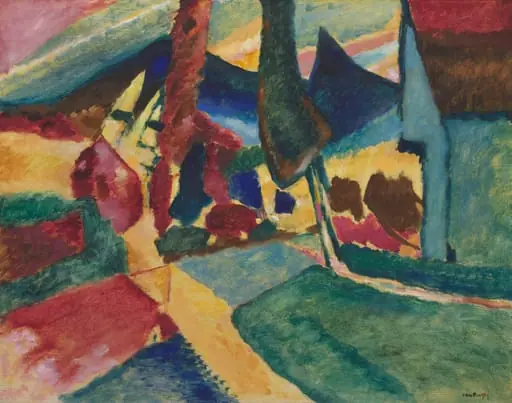
The Village is an oil painting by the Cubism Synthetic artist Fernand Léger. It dates from 1914 and is held in the collection of the Metropolitan Museum of Art.
About this work
Technique & Style
3 cm, and the work’s abstract treatment of everyday subject matter reflects Léger’s engagement with Cubist fragmentation and modernist simplification.
Painted in 1914, The Village is executed in oil on canvas, aligning with Léger’s early abstract experiments. The handling is marked by bold, simplified forms and a restricted palette, with geometric volumes and rhythmic outlines that flatten pictorial space. The composition emphasizes architectural and village motifs through thick, black contours that define volumes, while local color is applied in flat, uniform tones.
The canvas support measures approximately 80 × 100.3 cm, and the work’s abstract treatment of everyday subject matter reflects Léger’s engagement with Cubist fragmentation and modernist simplification.
History & Provenance
The work titled The Village was created in 1914 by Fernand Léger as an oil paint on canvas composition depicting a stylized village of buildings. It belongs to the abstract genre and was classified as a painting within the abstract art movement. The piece is part of the Metropolitan Museum of Art's collection, and its dimensions measure 80 cm by 100.3 cm;.
The artwork’s material consists of oil paint applied to canvas, and its subject matter includes architectural forms rendered in an abstracted manner.
Fernand Léger's 1914 oil painting, The Village, is held in the collection of the Metropolitan Museum of Art in New York. The work, which depicts abstracted buildings and a village scene on canvas, measures 80 centimeters in height and 100.3 centimeters in width. While the specific inventory or accession number is not detailed in the available records, the museum identifies the piece as a significant example of the artist's abstract art movement from the early 20th century.
The painting remains part of the permanent holdings at the Metropolitan Museum of Art, where it is recognized for its depiction of architectural forms within an abstract composition.
Overview
Fernand Léger's 1914 oil painting, titled The Village, presents an abstract interpretation of a rural scene. This work exemplifies the artist's engagement with fragmented forms and vibrant color palettes during a pivotal period in modern art. Executed in oil, the painting is currently part of the collection at The Metropolitan Museum of Art, showcasing Léger's distinctive approach to depicting architectural and natural elements.
Subject & Meaning
Rather than offering a literal representation, The Village explores the essence of a settlement through a deconstructed lens. Léger renders buildings and the broader village environment as a complex interplay of geometric and curvilinear forms. The composition prioritizes the dynamic arrangement of bold shapes and intense colors, moving beyond conventional realism to convey an impression of the subject's underlying structure and energy.
Artist & collection
Artist
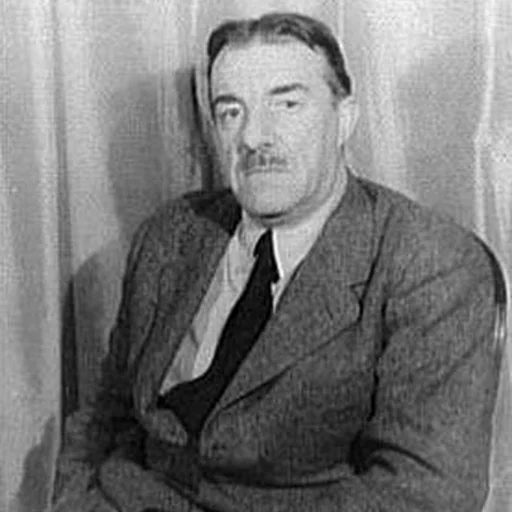
Joseph Fernand Henri Léger was a French painter, sculptor, and filmmaker. In his early works he created a personal form of cubism which he gradually modified into a more figurative, populist style. His boldly simplified…