Artwork
Ark of the Covenant
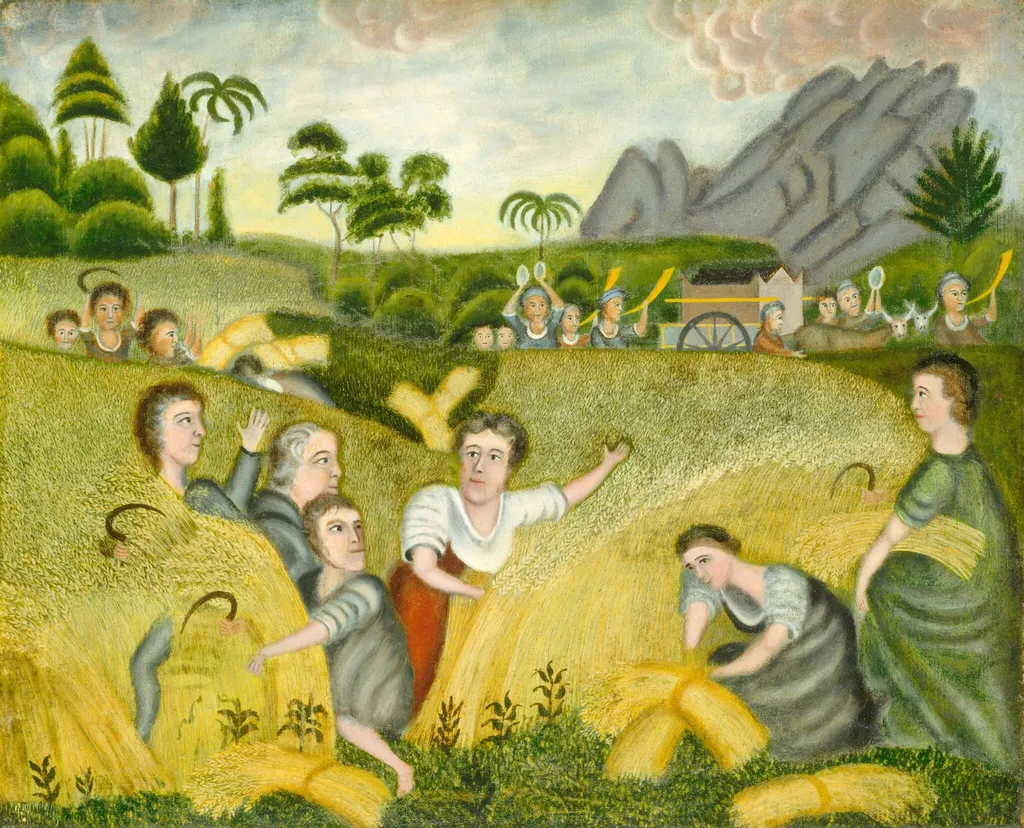
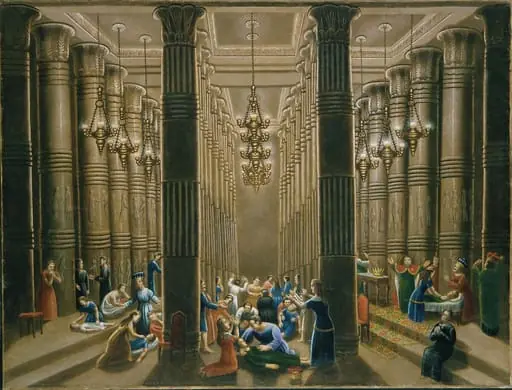
Ark of the Covenant is an oil painting by the American Folk Art artist Erastus Salisbury Field. It dates from 1872 and is held in the collection of the National Gallery of Art.
About this work
Subject & Meaning
The painting presents the Ark of the Covenant, the biblical chest that once housed the stone tablets of the Ten Commandments, rendered in a devotional context.
The painting presents the Ark of the Covenant, the biblical chest that once housed the stone tablets of the Ten Commandments, rendered in a devotional context. As a work of religious art, it conveys the sacred covenant between God and Israel, emphasizing divine presence and law. Field renders the artifact with reverence, using oil on canvas.
The composition measures 50.8 cm by 61.3 cm and was completed in 1872; it entered the National Gallery of Art's collection in 1956 as a gift of Edgar William and Bernice Chrysler Garbisch.
Technique & Style
The work is an oil painting on canvas, executed in 1872 by Erastus Salisbury Field. The support is a woven canvas primed for oil paint, and the medium consists of oil pigments applied in a manner typical of 19th-century American folk art. As a religious painting, the Ark of the Covenant is rendered with a straightforward composition and modest detail, reflecting the artist's genre. No specific information on handling or condition is provided in the sources.
History & Provenance
Erastus Salisbury Field completed Ark of the Covenant in 1872, employing oil on canvas; the work measures 50.8 cm by 61.3 cm and depicts a biblical scene within the religious genre. Having previously been held in Massachusetts, the painting entered the collection of Edgar William and Bernice Chrysler Garbisch in 1952 and was gifted to the National Gallery of Art, Washington, D.C., in 1956, where it is inventoried as accession number 1956.1.1. It has not been recorded in major public exhibitions according to the available records.
Overview
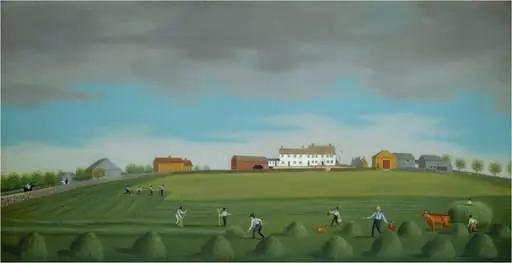
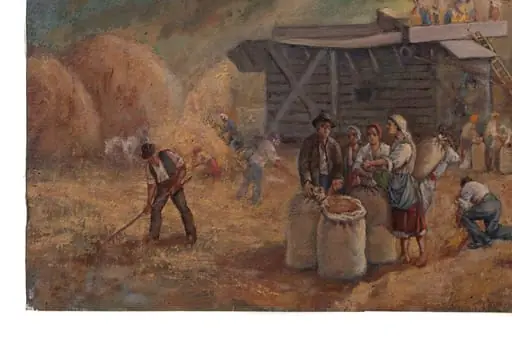
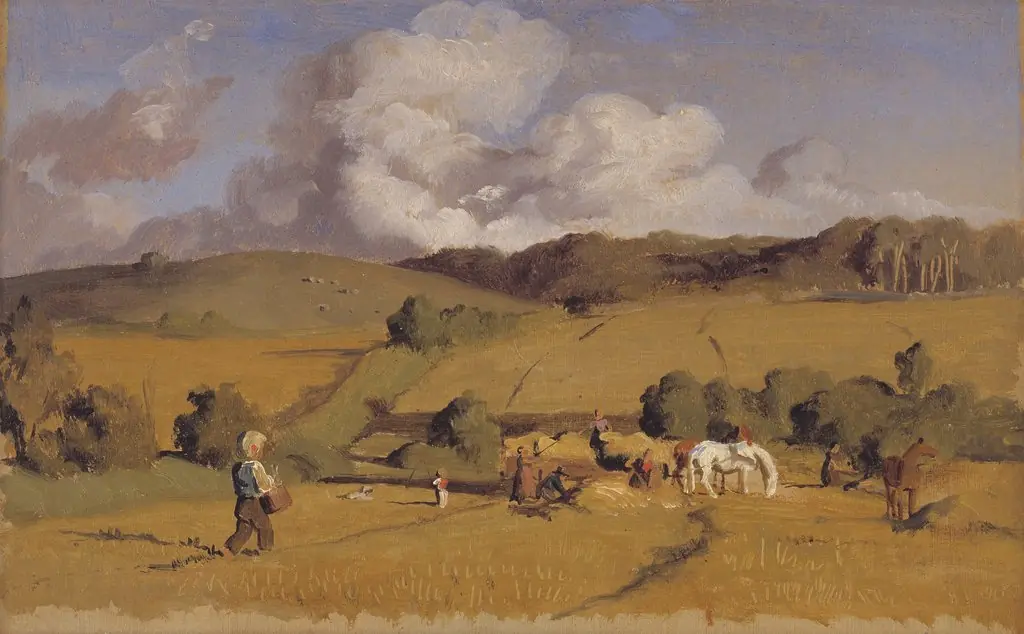
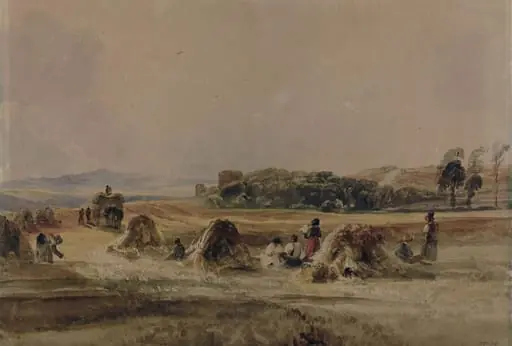
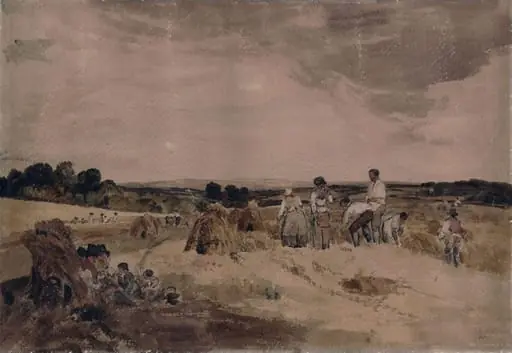
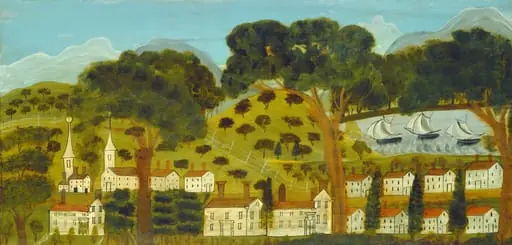
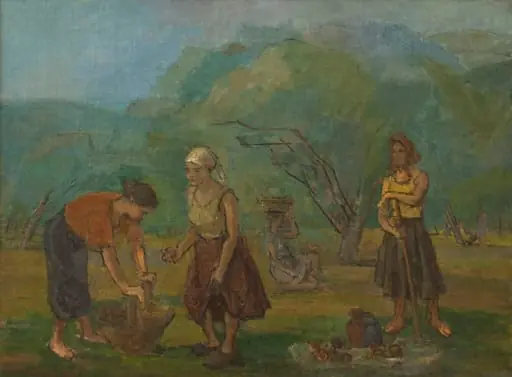
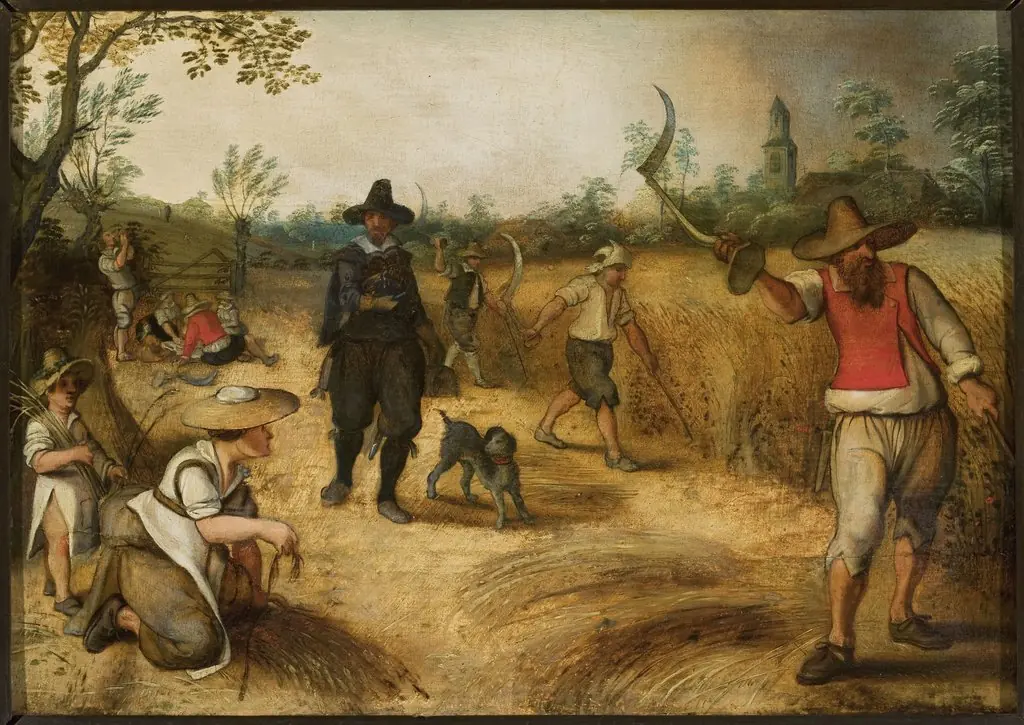
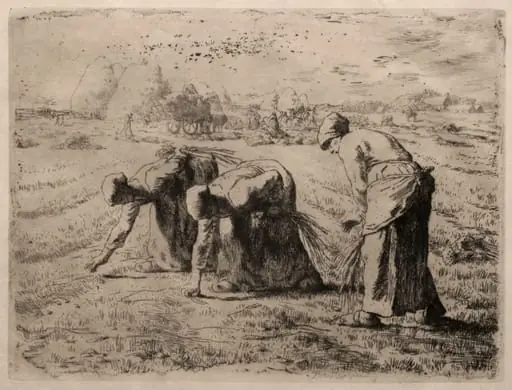
Erastus Salisbury Field's painting, Ark of the Covenant, executed around 1872, is an oil on canvas work. The composition presents an agricultural landscape, featuring figures engaged in a harvest. Despite its biblical title, the artwork primarily focuses on a scene of rural labor, rendered with a directness characteristic of the artist's approach to depicting everyday life.
Own this work as a print
Artist & collection