Artwork
Egyptian Scene (possibly Moses and Zipporah)
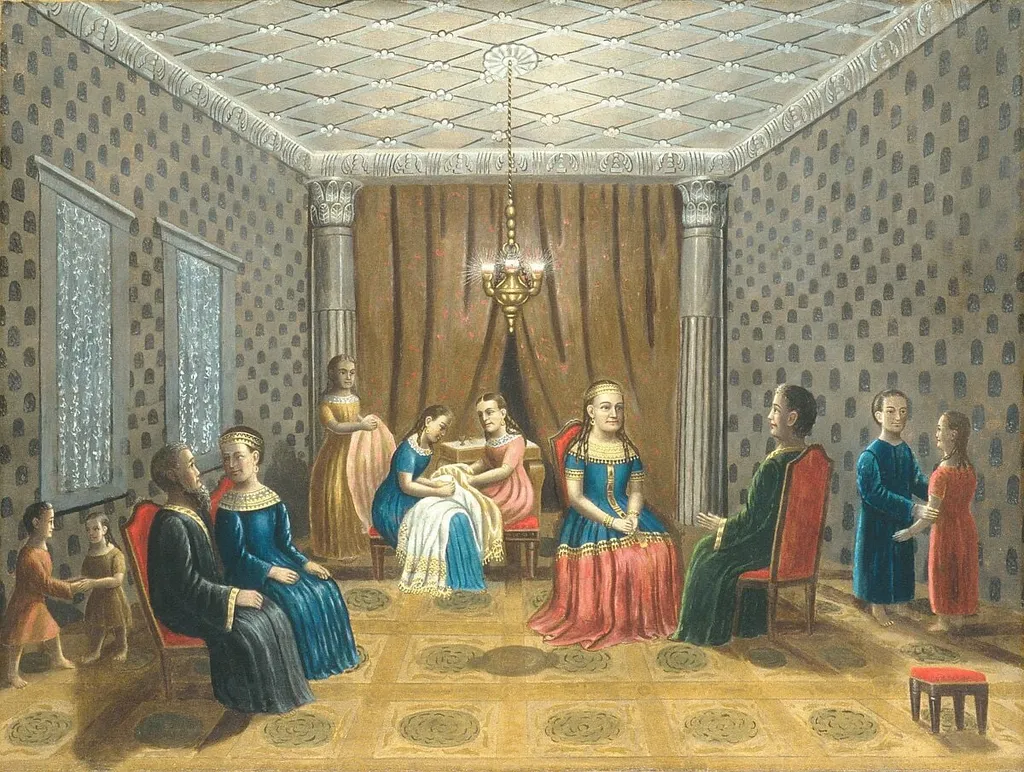
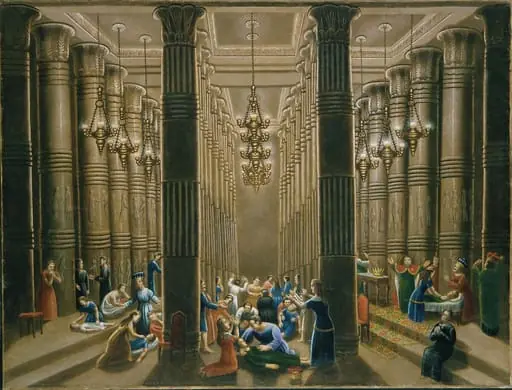
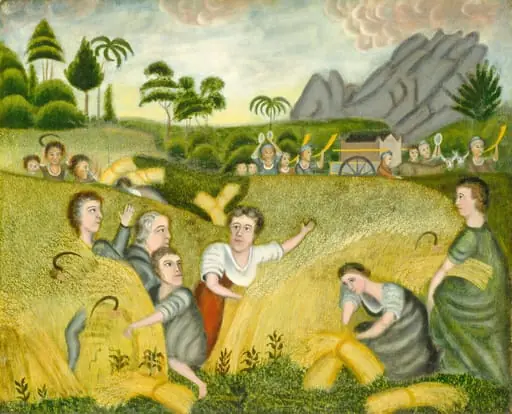
Egyptian Scene (possibly Moses and Zipporah) is an oil painting by the American Folk Art artist Erastus Salisbury Field. It dates from 1872 and is held in the collection of the Metropolitan Museum of Art.
About this work
Technique & Style
No further technical details regarding underdrawing, brushwork, surface condition, or stylistic analysis are documented in the available records.
Executed in oil on canvas, the work measures 88.9 by 116.8 centimeters, a horizontal format suited to its multi-figure religious narrative. The painting belongs to the Metropolitan Museum of Art's American Wing collection, reflecting its placement within the broader context of nineteenth-century American art. Field's handling of the oil medium supports a figural composition depicting a woman, a man, and a girl, consistent with the biblical subject of Moses and Zipporah.
No further technical details regarding underdrawing, brushwork, surface condition, or stylistic analysis are documented in the available records.
History & Provenance
Erastus Salisbury Field created the oil-on-canvas painting Egyptian Scene (possibly Moses and Zipporah) in 1872. The work, classified as a religious genre piece, depicts a man, a woman, and a girl within an Egyptian setting. Currently, the painting is held in the collection of the Metropolitan Museum of Art, where it is installed in The American Wing.
Specific dimensions include a height of 88.9 centimeters and a width of 116.8 centimeters. While the precise commission details and the full chain of ownership prior to its current residence are not detailed in the provided records, the work's inception is firmly dated to 1872, and it remains a documented part of the museum's holdings.
Overview
Erastus Salisbury Field's Egyptian Scene (possibly Moses and Zipporah), painted in 1872, is an oil on canvas work. This piece exemplifies the American folk art tradition, presenting a narrative scene that alludes to biblical stories. It features a man, a woman, and a young girl by a river, with the woman cradling an infant.
The painting's title suggests a specific interpretation, connecting it to the Old Testament figures of Moses and Zipporah.
Subject & Meaning
The painting portrays three central figures: a man in a green robe, positioned near two women, one of whom holds a baby wrapped in white. This grouping, set by a river, strongly implies a biblical episode. The parenthetical in the title, "(possibly Moses and Zipporah)," points to a specific narrative from the Book of Exodus, where Moses, his wife Zipporah, and their children journey. Field's interpretation evokes a moment of travel or rest within this ancient story.
Context
Erastus Salisbury Field (1805–1900) was an American artist known for his diverse output, including portraits, landscapes, and historical subjects. He created Egyptian Scene in 1872, long after the era of ancient Egypt. His depiction reflects a 19th-century American perspective on biblical antiquity, rather than historical accuracy.
The work is held within the American Wing, underscoring its significance within the nation's artistic heritage and its representation of a distinct period of American painting.
Artist & collection

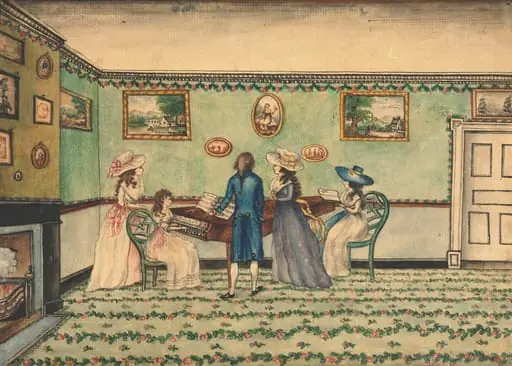
- Harpsichord Recital at Count Rumford's, Concord, New Hampshire
 Teulu David Charles
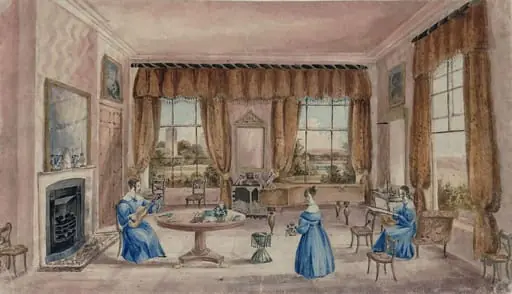 View of the Drawing Room, Woodton Hall, Norfolk
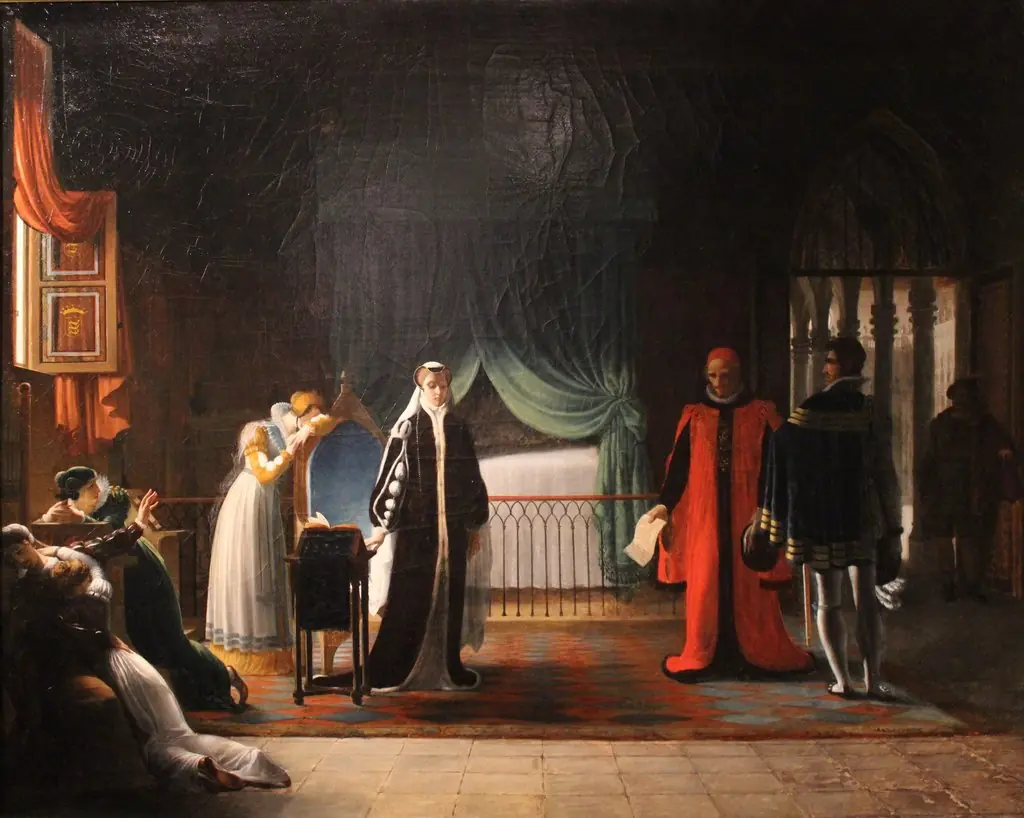 Marie Stuart, reine d'Écosse, recevant sa sentence de mort que vient de ratifier le Parlement by Jean-Baptiste Vermay
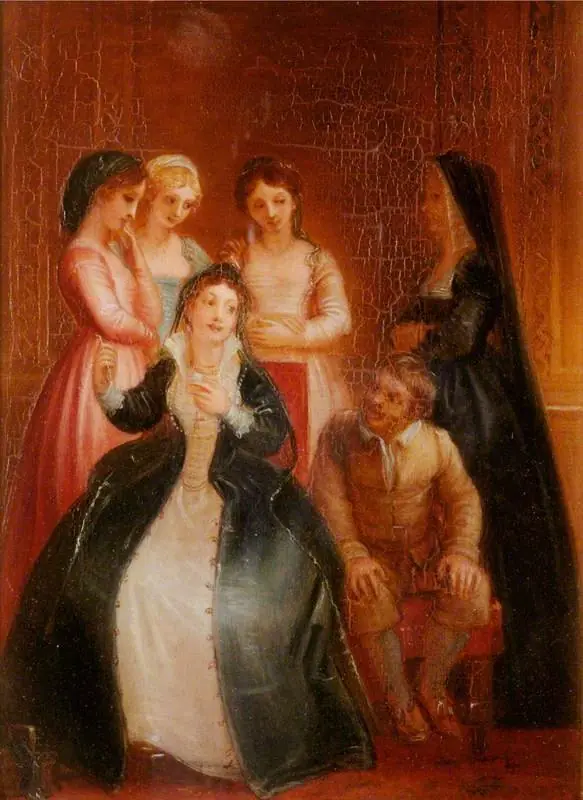 Sancho Panza and the Duchess (from Cervantes' 'Don Quixote')
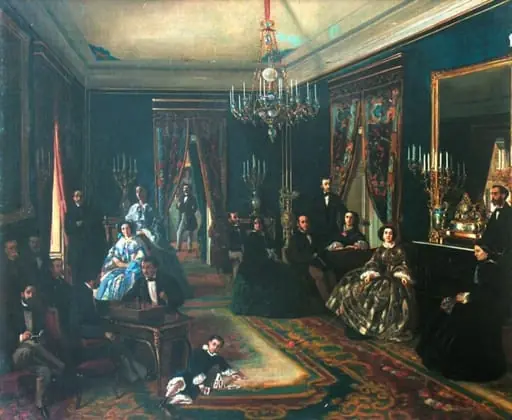 Scenă de interior
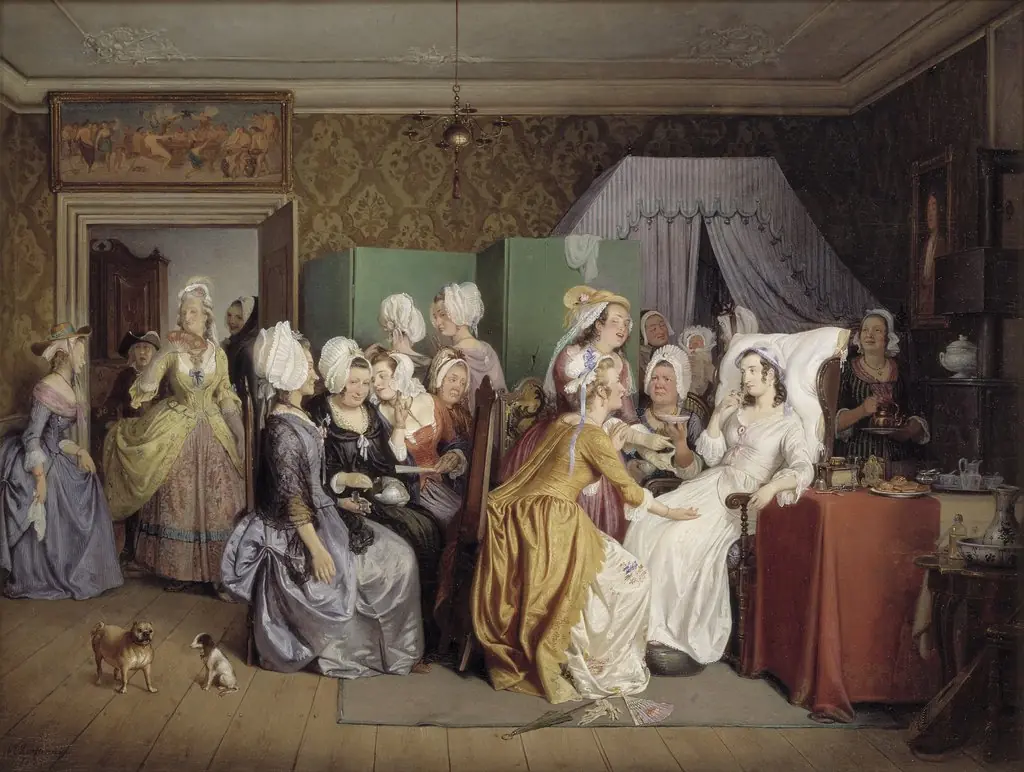 Scene from Ludwig Holberg's The Lying-in Room
 Scene from Ludwig Holberg's The Lying-in Room
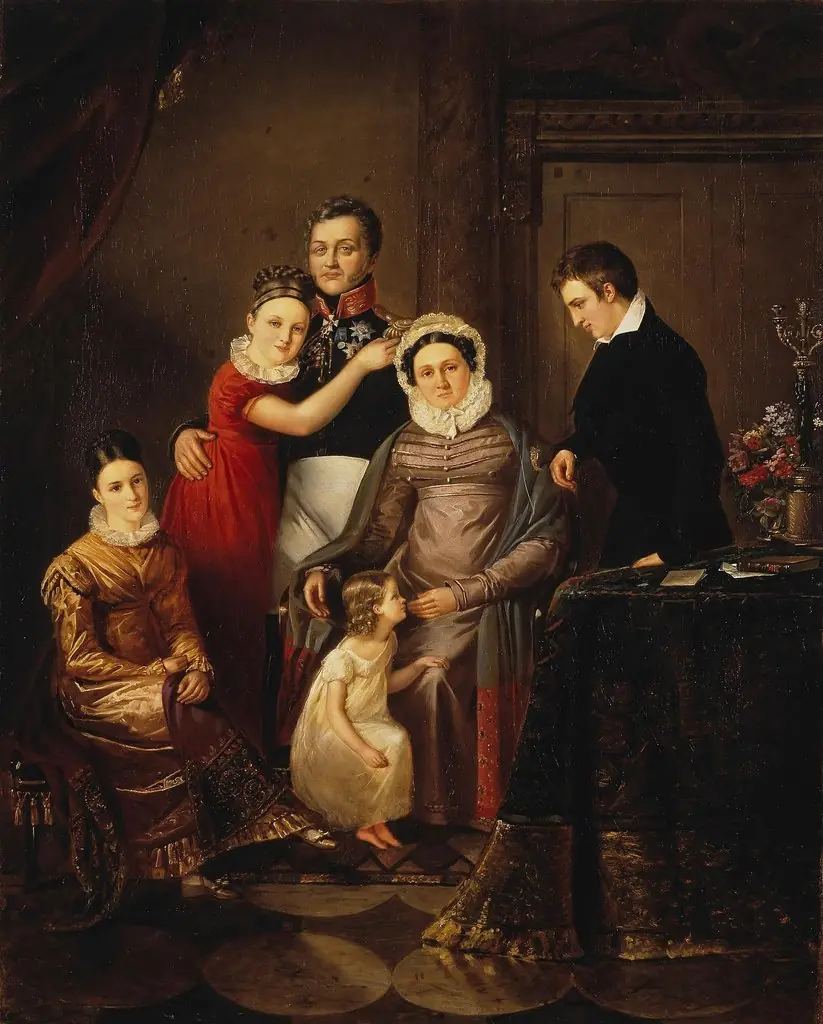 Portrait of Count Nikolai Repnin-Volkonsky with His Family
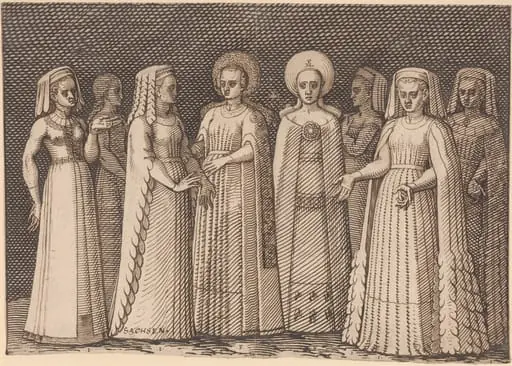 Eight Ladies in Ancient Costumes
 A Welcome Guest
 Gezelschap in een interieur