Artwork
Sketch of a Woman
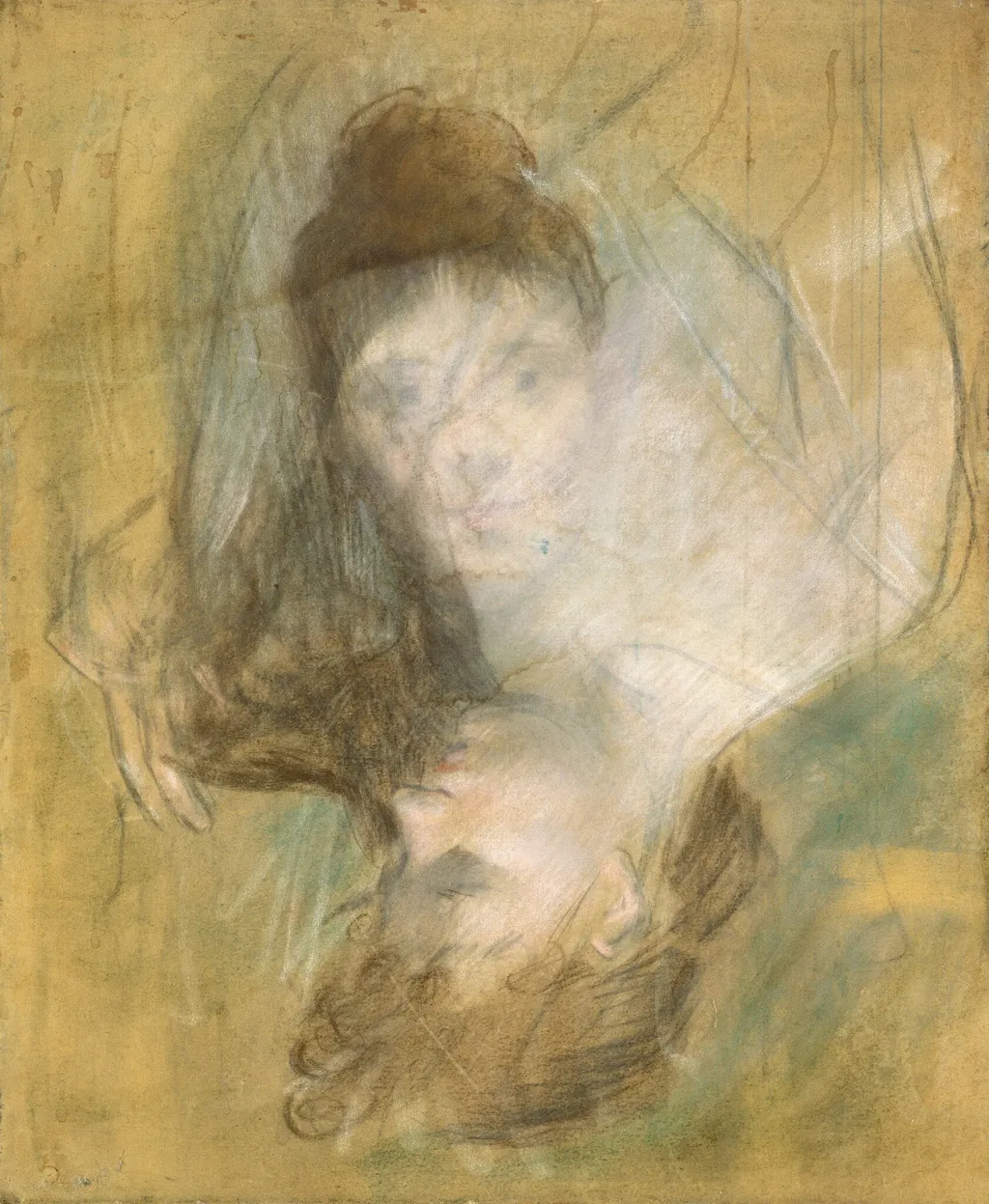
Sketch of a Woman is a pastel painting by the Impressionist artist Jean-Louis Forain. It dates from 1888 and is held in the collection of the National Gallery of Art.
About this work
Subject & Meaning
The subdued palette and delicate handling align with the artist’s interest in contemporary urban life and the psychological states of modern subjects.
The work depicts a lone woman seated in profile, rendered with loose, gestural pastel strokes that emphasize mood over detail. Forain’s sketch captures a moment of quiet introspection, the figure’s gaze directed downward and away from the viewer, suggesting withdrawal or private reverie. The subdued palette and delicate handling align with the artist’s interest in contemporary urban life and the psychological states of modern subjects.
In the context of Forain’s oeuvre, the composition reflects his engagement with themes of solitude and fleeting social encounters, common in late 19th-century French genre scenes.
Technique & Style
Jean-Louis Forain's Sketch of a Woman, created in 1887, is executed in pastel on canvas. The work measures 61.1 cm in height and 49.8 cm in width. Its physical history reveals a unique handling of materials; conservators at the National Gallery of Art discovered in 1979 that this canvas served as the backing for a separate pastel on paper by the same artist.
This structural relationship indicates the piece was likely repurposed or preserved as a support for another work before being identified as an independent composition.
History & Provenance
Jean-Louis Forain created Sketch of a Woman in 1887 as a pastel on canvas painting. The work entered the National Gallery of Art collection through a gift from Lessing J. Rosenwald in 1943. It remained in Rosenwald's possession in Jenkintown, Pennsylvania, before the gift.
The painting was identified in 1979 during conservation work as the backing for another Forain pastel on paper. National Gallery of Art (Washington, D.C.) holds the work in its collection. The artwork measures 61.1 cm in height and 49.8 cm in width.
The work is in the collection of the National Gallery of Art, Washington, D.C., where it is accessioned as 1943.3.4359.
It entered the Gallery in 1943 as a gift from Lessing J. Rosenwald. The painting was identified in 1979 during conservation when it was found serving as the backing for another Forain pastel on paper in the Gallery’s holdings.
Context
The drawing was identified in 1979 as the backing for a related pastel on paper held in the National Gallery of Art collection, providing material evidence of its provenance.
Scholarship situates the work within Forain's oeuvre as an example of his pastel practice from the late 1880s, reflecting his engagement with contemporary Parisian society and his role in the Impressionist circle.
The piece is part of the National Gallery of Art's collection in Washington, D.C., having been gifted by Lessing J. Rosenwald in 1943.
Its classification as a painting and dating to 1887 are documented in both the artist's catalogue raisonné and the museum's provenance records.
The discovery of its backing function contributed to a reassessment of Forain's technical experimentation with layered media during this period.
Contextual analysis places the work amid Forain's broader body of portrait sketches, highlighting his interest in capturing fleeting expressions and social interactions.
The work is held in the National Gallery of Art's collection, accessioned as part of the Rosenwald gift.
Scholars have noted its significance in understanding Forain's transition from illustration to more painterly pastel works.
The dating of 1887 aligns with Forain's active participation in the Impressionist exhibitions and his development of a distinctive pastel technique.
The piece was discovered in 1979 by NGA paper conservators as the backing for another Forain work, confirming its material history.
Its inclusion in the National Gallery of Art's collection underscores its importance in the institutional narrative of American art collecting.
The work's dimensions (61.1 cm x 49.8 cm) are recorded in the museum's catalog entry.
Contextual scholarship emphasizes its role in illustrating Forain's synthesis of academic draftsmanship with Impressionist color sensibilities.
The work's provenance and acquisition reflect broader trends in early 20th-century American art patronage.
The dating of 1887 is corroborated by both the artist's dated catalogues and the museum's accession records.
The work's material composition as pastel on canvas distinguishes it within Forain's body of work, which often features pastel on paper.
Its discovery provided critical insight into Forain's working methods and the layered nature of his artistic process.
The piece is cataloged in the National Gallery of Art's collection database with detailed provenance documentation.
Scholarship on the work contributes to the broader understanding of Forain's influence on later artists in the early 20th century.
The work's place in art history is contextualized through its demonstration of pastel technique and its reflection of late 19th-century French portraiture.
The discovery of the backing relationship between the two works has informed conservation practices and art historical interpretation.
Overview
Created in 1888, Sketch of a Woman is a pastel work on canvas by French artist Jean‑Louis Forain. Known for his involvement with the Impressionist circle, Forain produced the piece during a prolific period in which he explored a range of media, from oil and watercolor to printmaking.
Own this work as a print
Artist & collection

Artist
Jean-Louis Forain (French pronunciation:; 23 October 1852 – 11 July 1931) was a French Impressionist painter and printmaker, working in media including oils, watercolour, pastel, etching and lithograph.


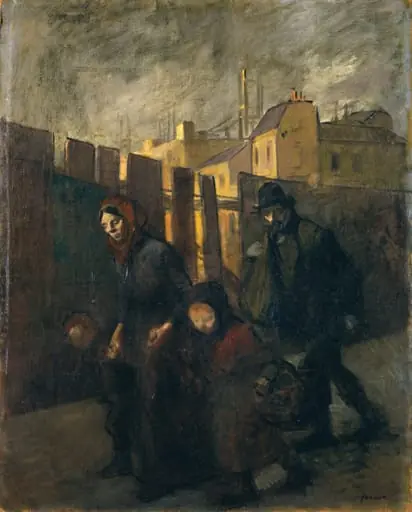
- Maud, Standing
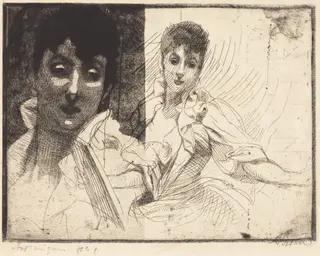 Madeleine Lemaire
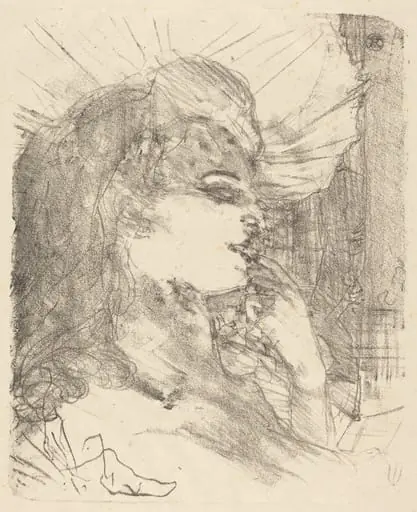 Anna Held
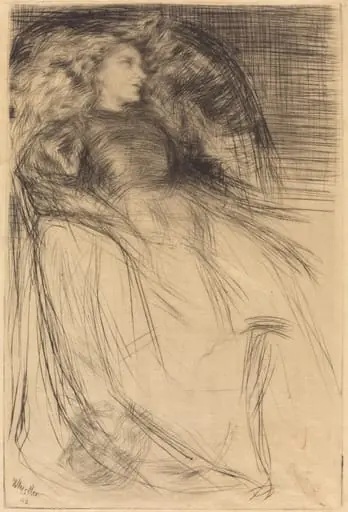 Weary
Weary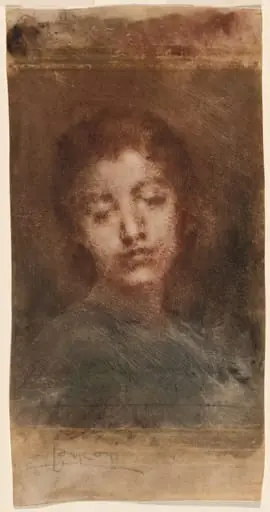 Malinconia (Melancholy, or Head of a Woman)
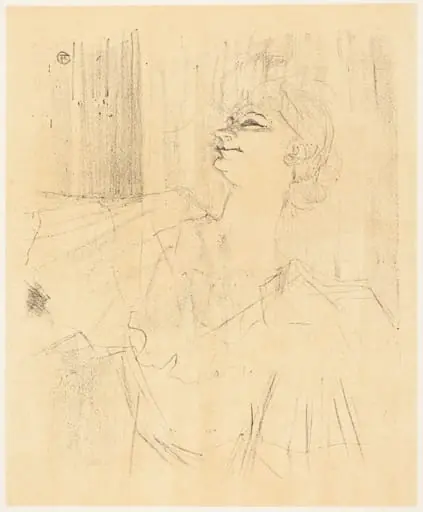 To Menilmontant from Bruant (A Ménilmontant, de Bruant)
 To Menilmontant from Bruant (A Ménilmontant, de Bruant)
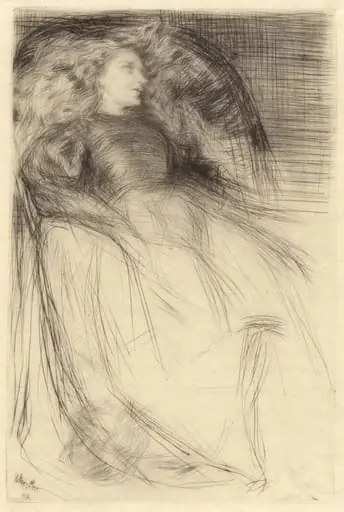 Weary
Weary Elegant Young Woman Seen from Behind
 Ballo in Maschera (Masquerade Ball)
 Mimi Holding a Japanese Fan
 The Toilet