Artwork
Madonna and Child
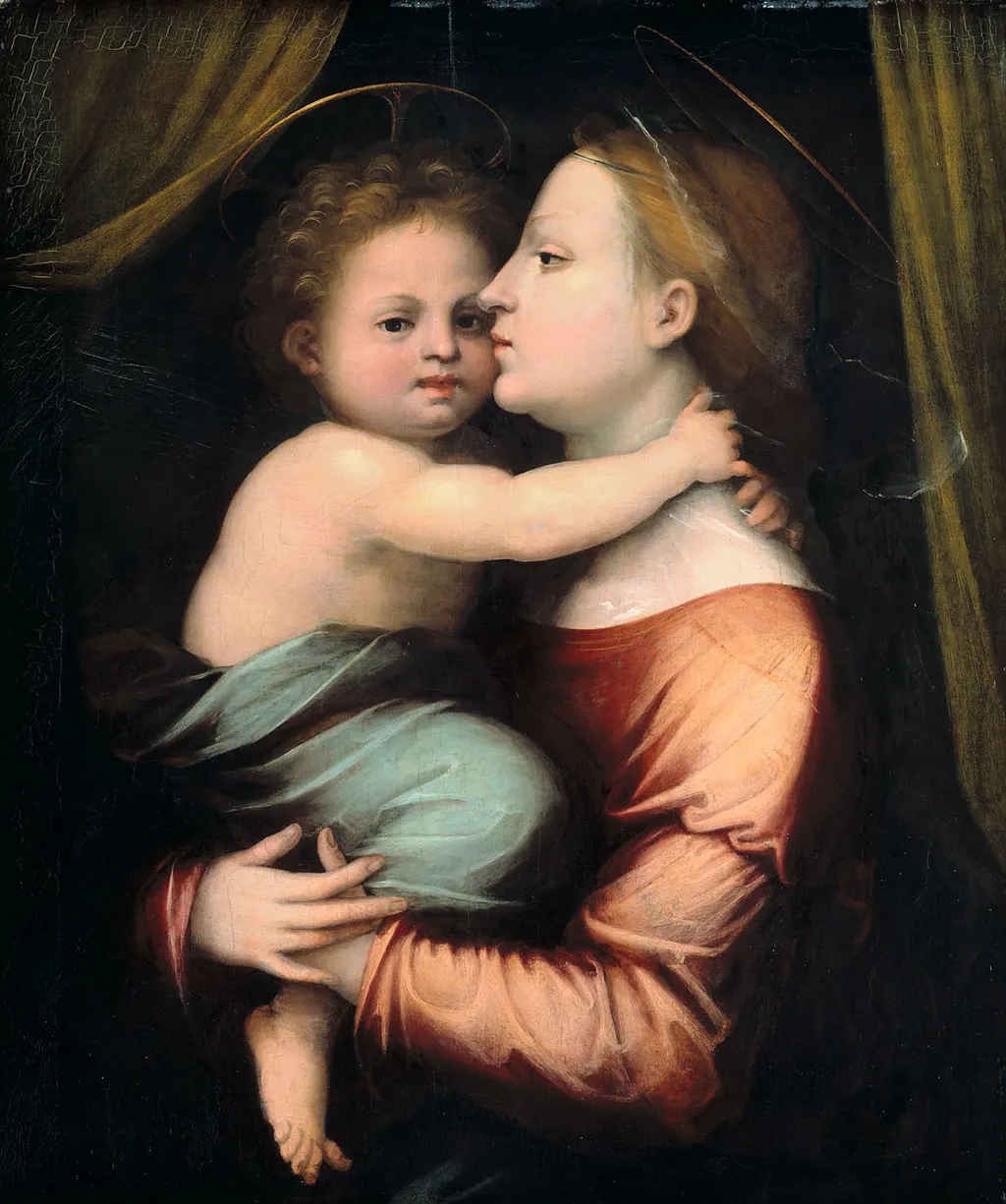
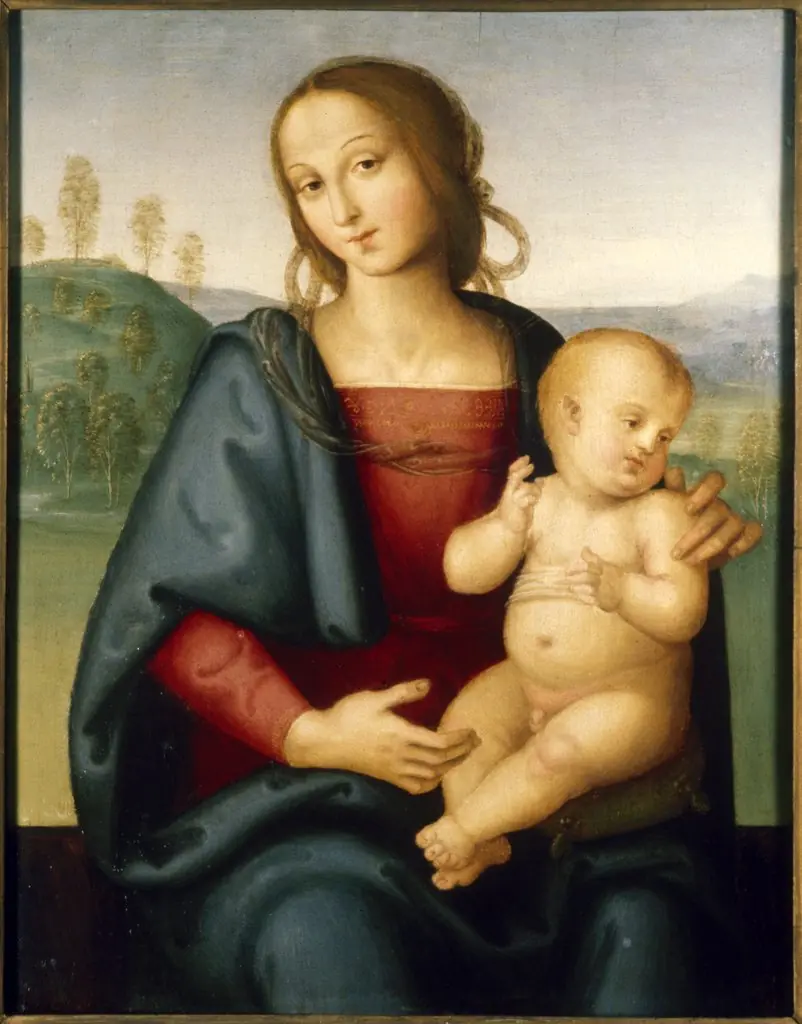
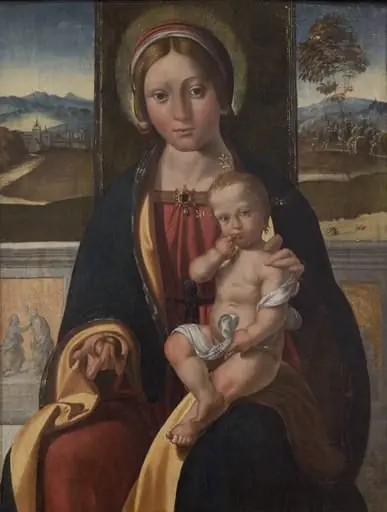
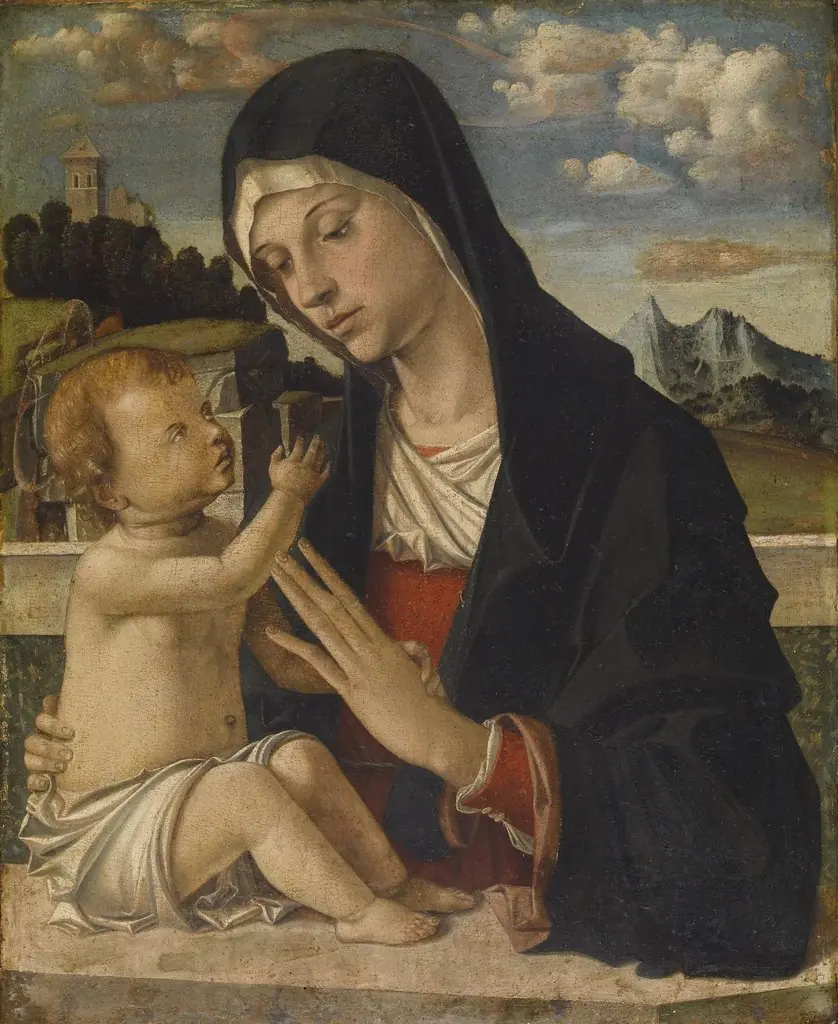
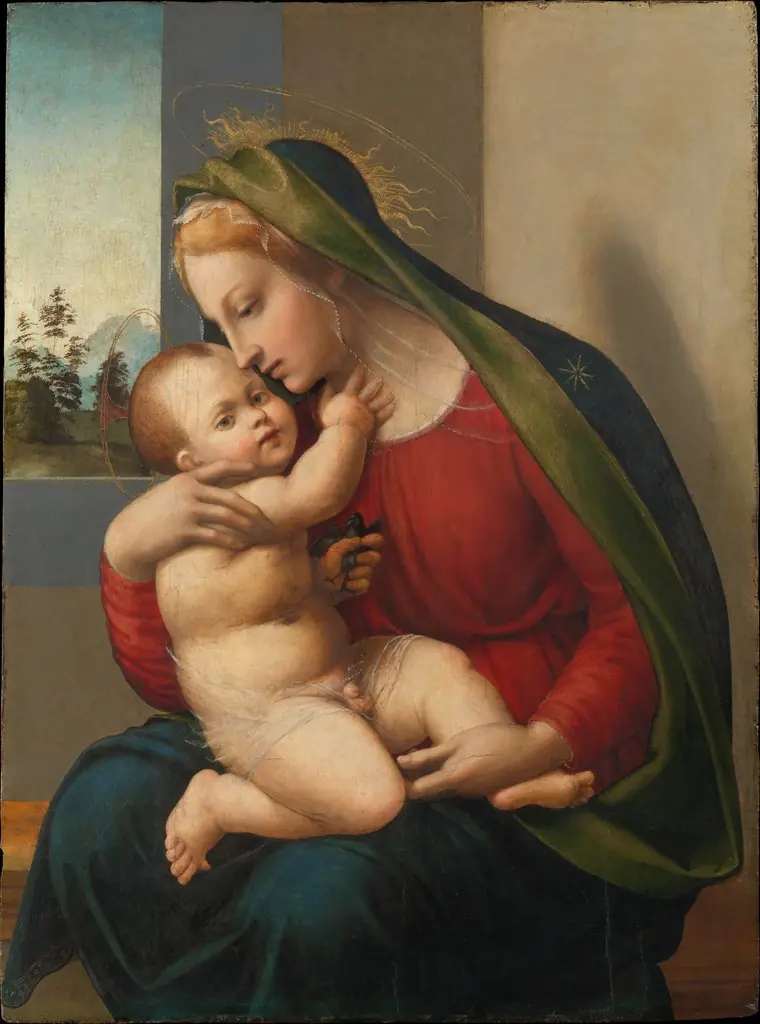
Madonna and Child is an unspecified painting by the High Renaissance artist Fra Bartolomeo. It dates from 1516 and is held in the collection of the Kunsthistorisches Museum.
About this work
Subject & Meaning
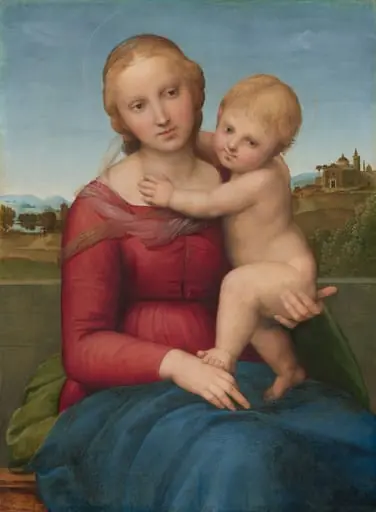
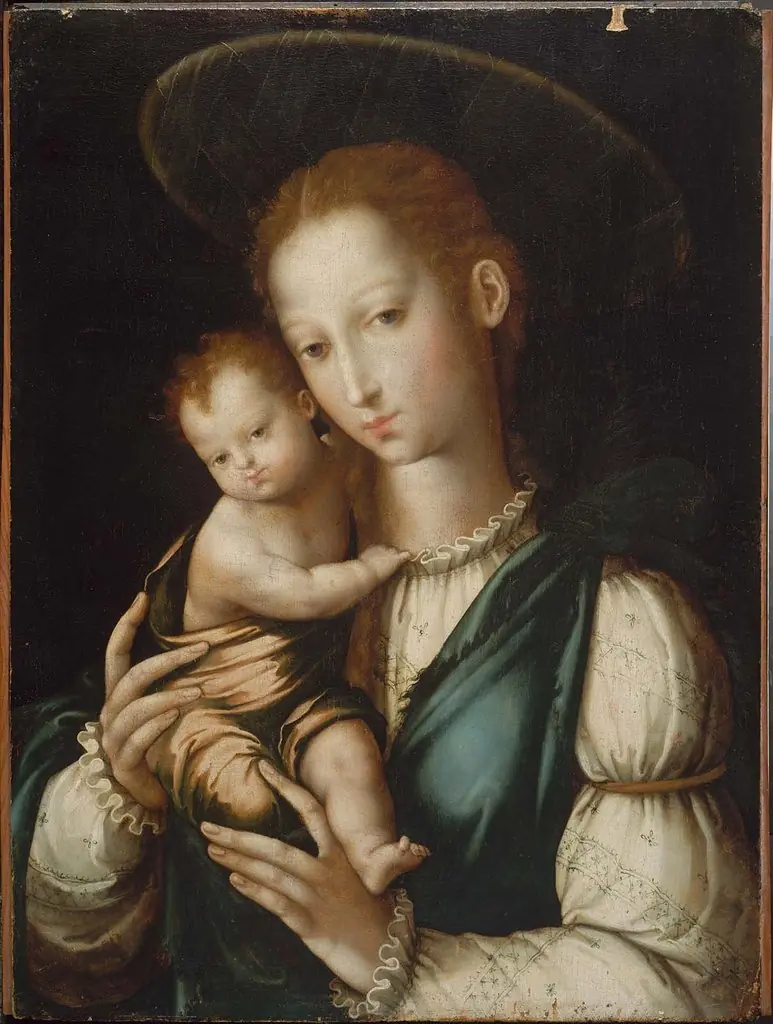
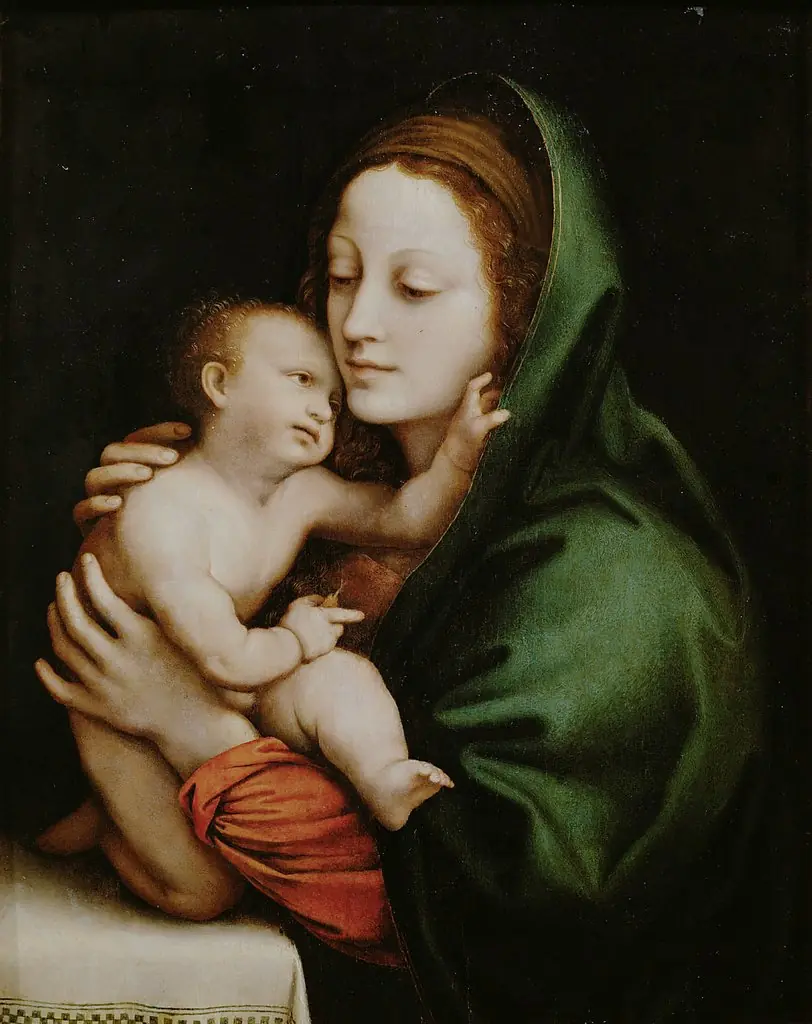
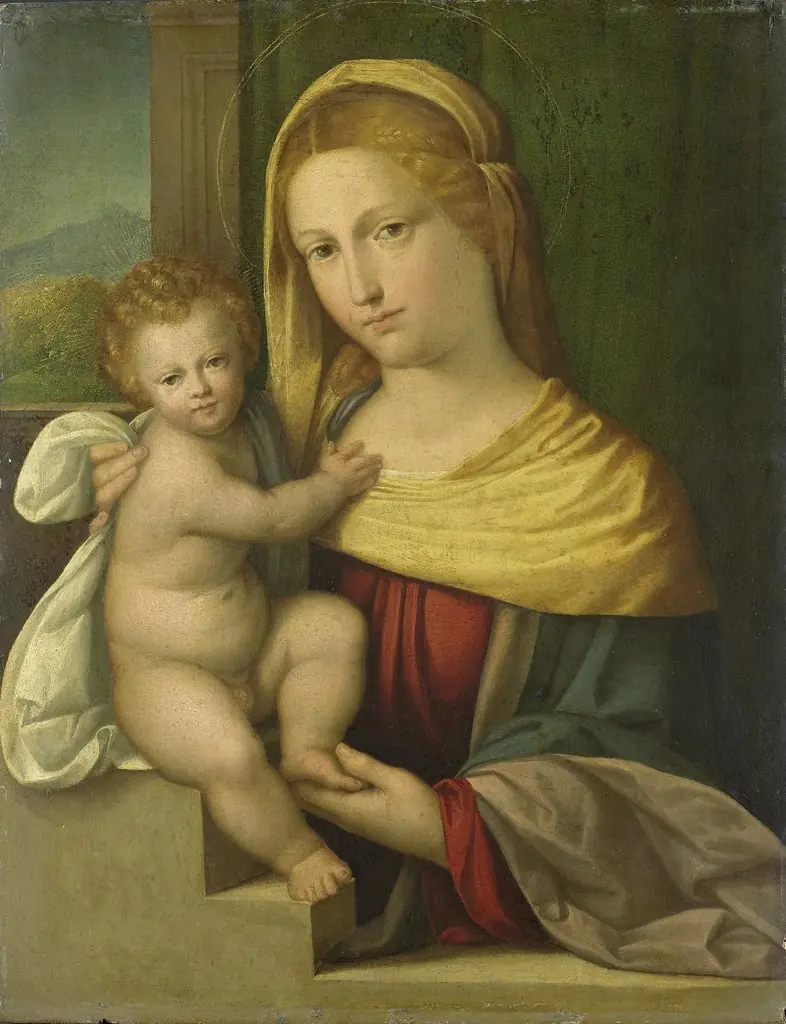
The work depicts the Madonna and Child, a central theme in religious art featuring the Virgin Mary with the infant Jesus.
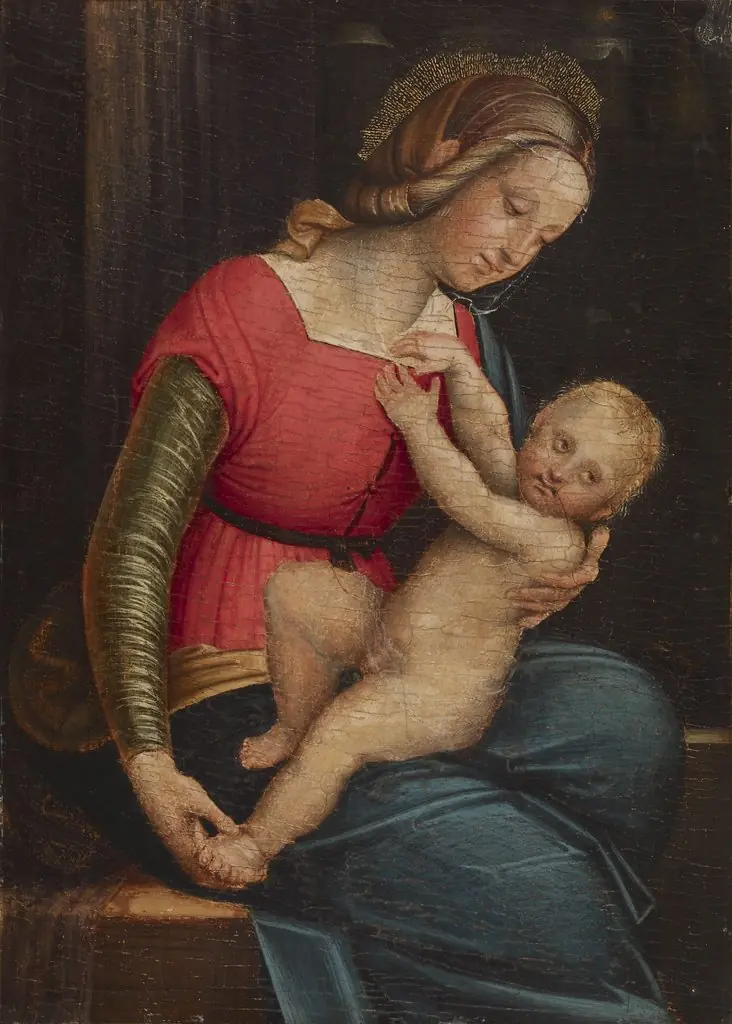
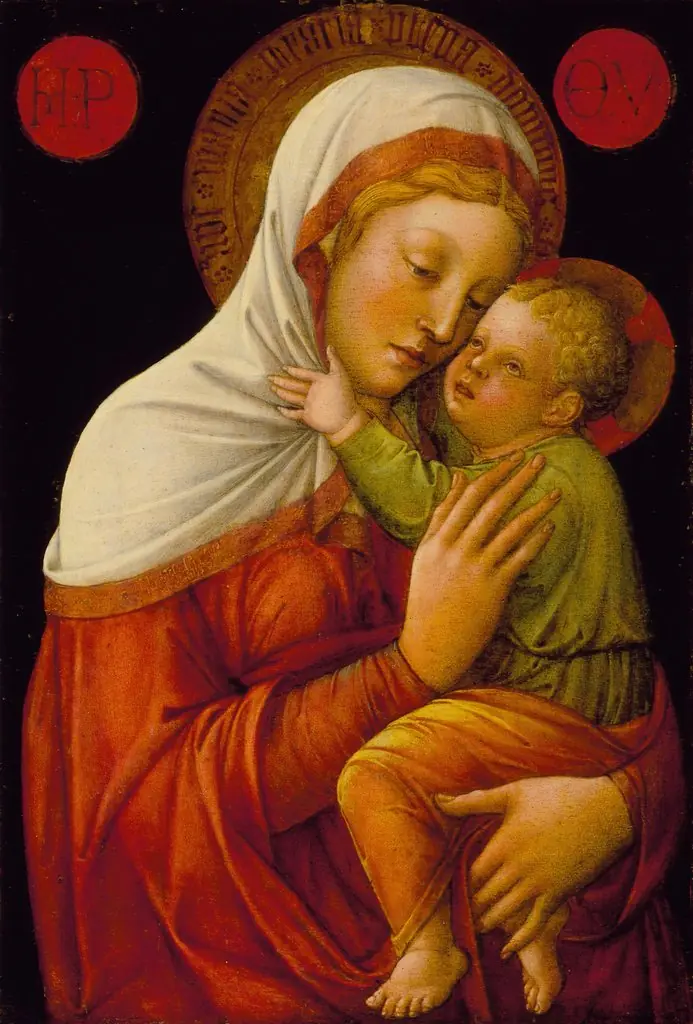
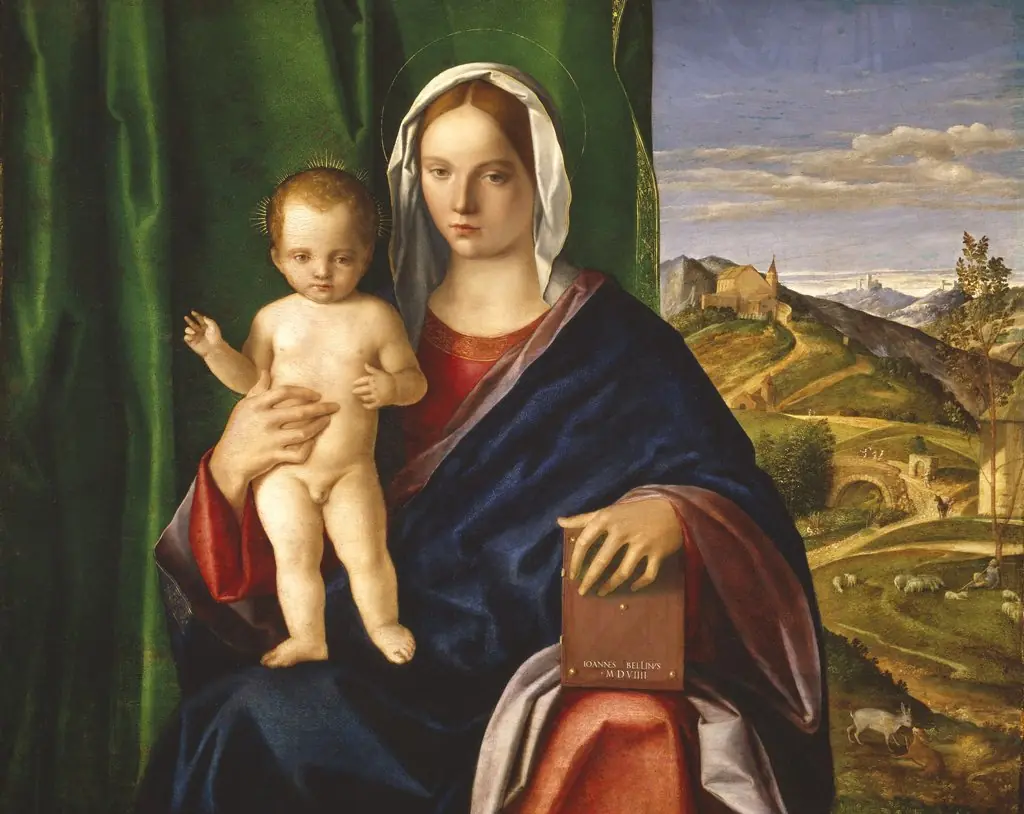
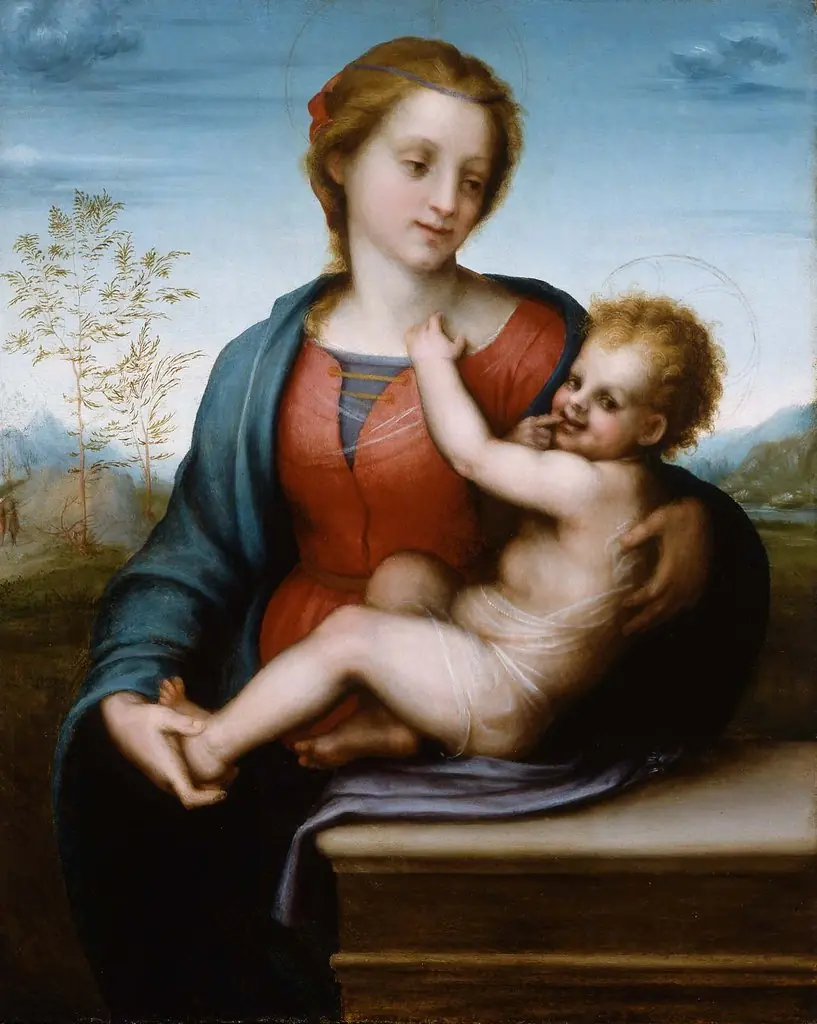
The work depicts the Madonna and Child, a central theme in religious art featuring the Virgin Mary with the infant Jesus. Created by Fra Bartolomeo in 1516, the painting focuses on this specific iconographic pairing as its main subject. As a piece of religious art, the image represents the theological relationship between the mother and the divine child, serving as a devotional object within the tradition of Christian imagery.
History & Provenance
The altarpiece was commissioned in 1516 by the Florentine convent of San Marco for their high altar, and Fra Bartolomeo painted it that year before moving to the Medici villa at Poggio a Caiano; after his departure it remained in the convent until 1522, when it entered the collection of the Archduke of Austria and was installed in the Kunsthistorisches Museum in Vienna, where it has been displayed almost continuously since its acquisition.
The work, measuring 85.5 cm in height and 72.5 cm in width, stayed in the convent until the early 1520s, after which it was acquired by Archduke Leopold Wilhelm of Austria and placed in the Kunsthistorisches Museum, where it remains part of the permanent collection.
Overview
Fra Bartolomeo’s Madonna and Child, painted in 1516, presents the Virgin Mary tenderly holding the infant Jesus. Executed during the High Renaissance, the work exemplifies the period’s balanced composition and serene mood. Today the oil painting is part of the collection of the Kunsthistorisches Museum in Vienna, where it is displayed among other religious masterpieces of the era.
Technique & Style
Bartolomeo employs a subtle chiaroscuro, allowing the illuminated skin tones to emerge from a dark, undefined background. The contrast of the deep shadows with the warm light falling on the figures creates a three‑dimensional presence. The Virgin’s red garment and pale sleeves are rendered with delicate brushwork, while the blue cloth adds a cool counterpoint.
Context
The work reflects the High Renaissance’s emphasis on harmonious proportion and idealized beauty, aligning with contemporary religious commissions that sought to inspire piety through accessible, humanized depictions of holy figures. Bartolomeo’s background as a monk informed his focus on devotional subjects, situating this piece within the broader tradition of Italian Marian iconography.
Artist & collection
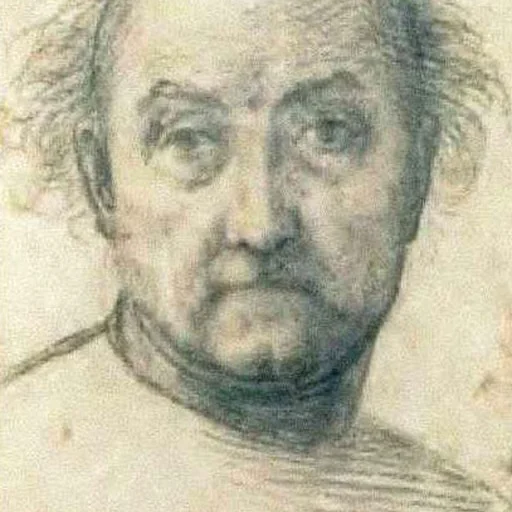
Artist
Fra Bartolomeo or Bartolommeo (UK: US: Italian:; 28 March 1472 – 31 October 1517), also known as Bartolommeo di Pagholo, Bartolommeo di San Marco, Bartolomeo di Paolo di Jacopo del Fattorino, and his original nickname…

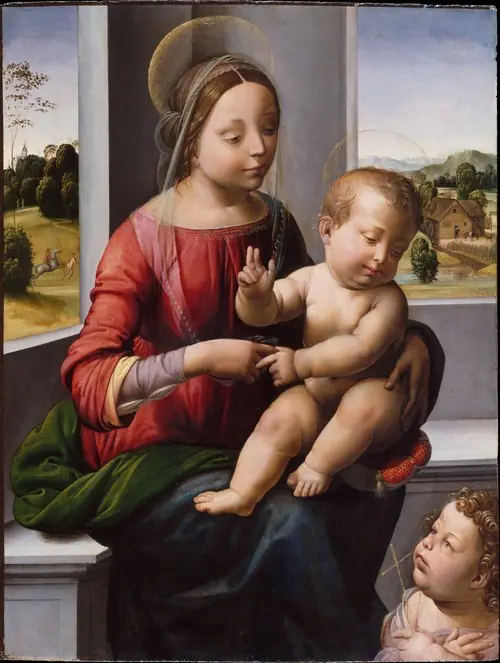 Madonna and Child with the Young Saint John the Baptist
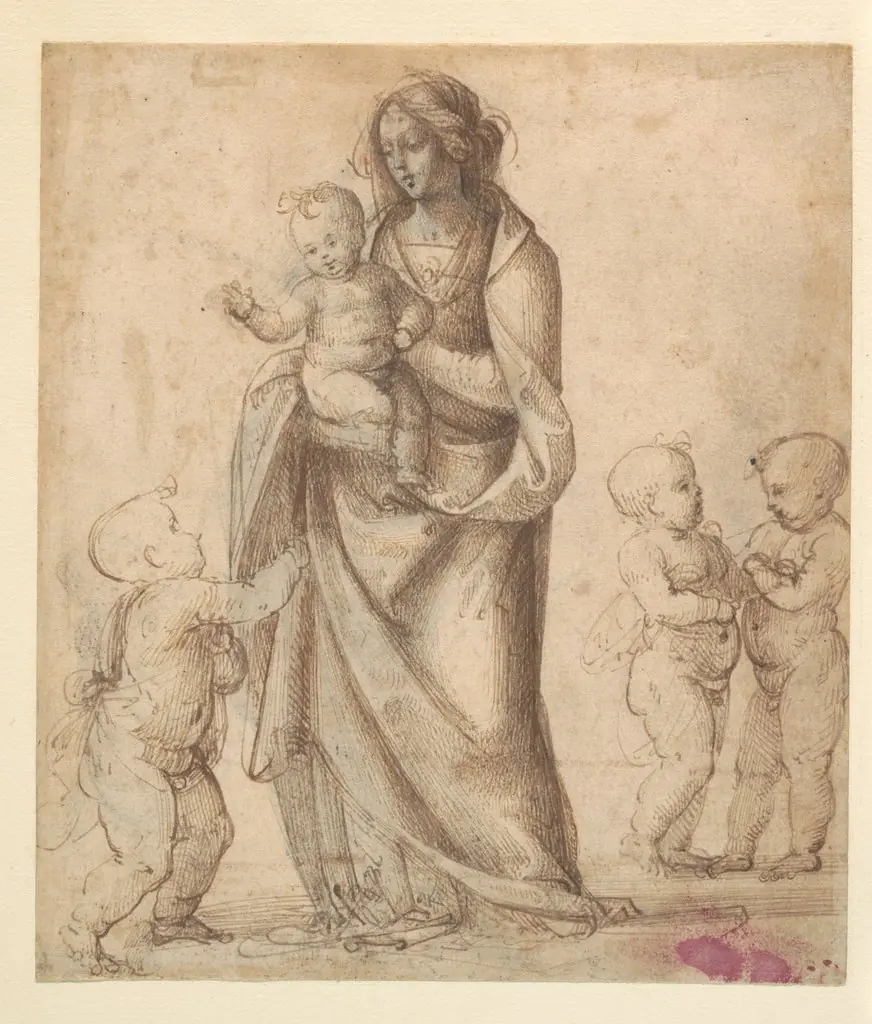 Madonna and Child with the Infant Saint John the Baptist and Two Putti (recto); Madonna and Child with the Infant Saint John the Baptist and a Putto (verso)
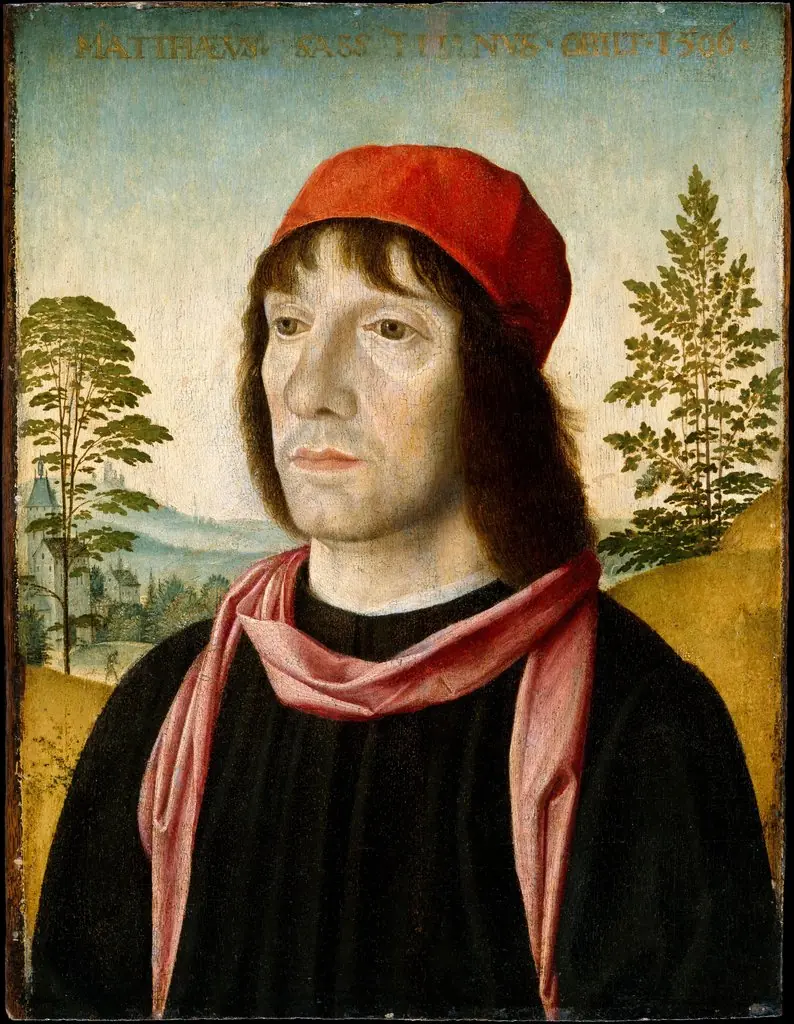 Portrait of a Man
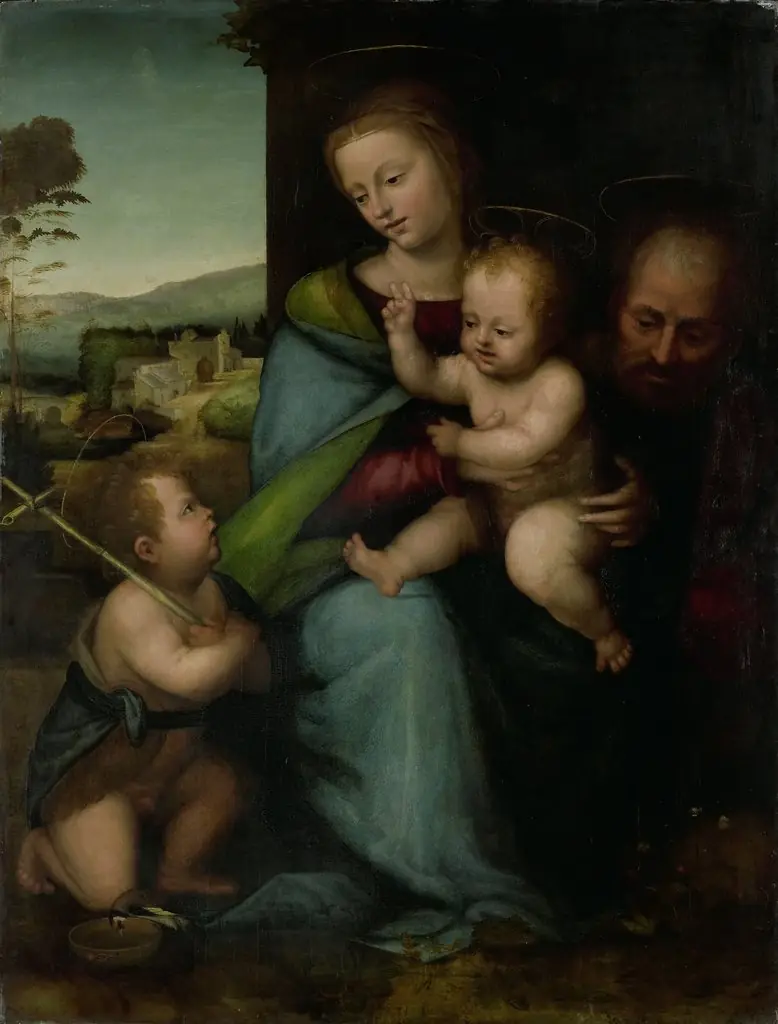 The Holy Family with the Infant John the Baptist
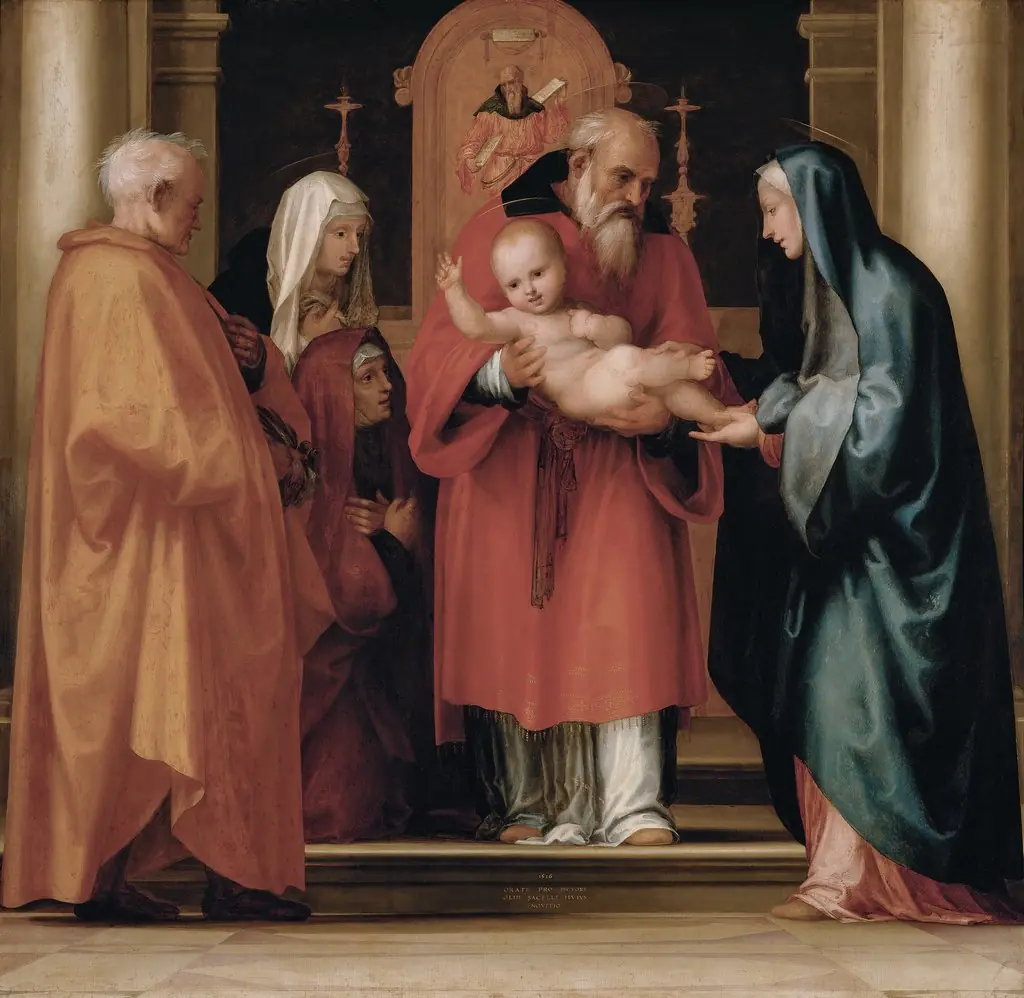 Presentation of Christ in the Temple
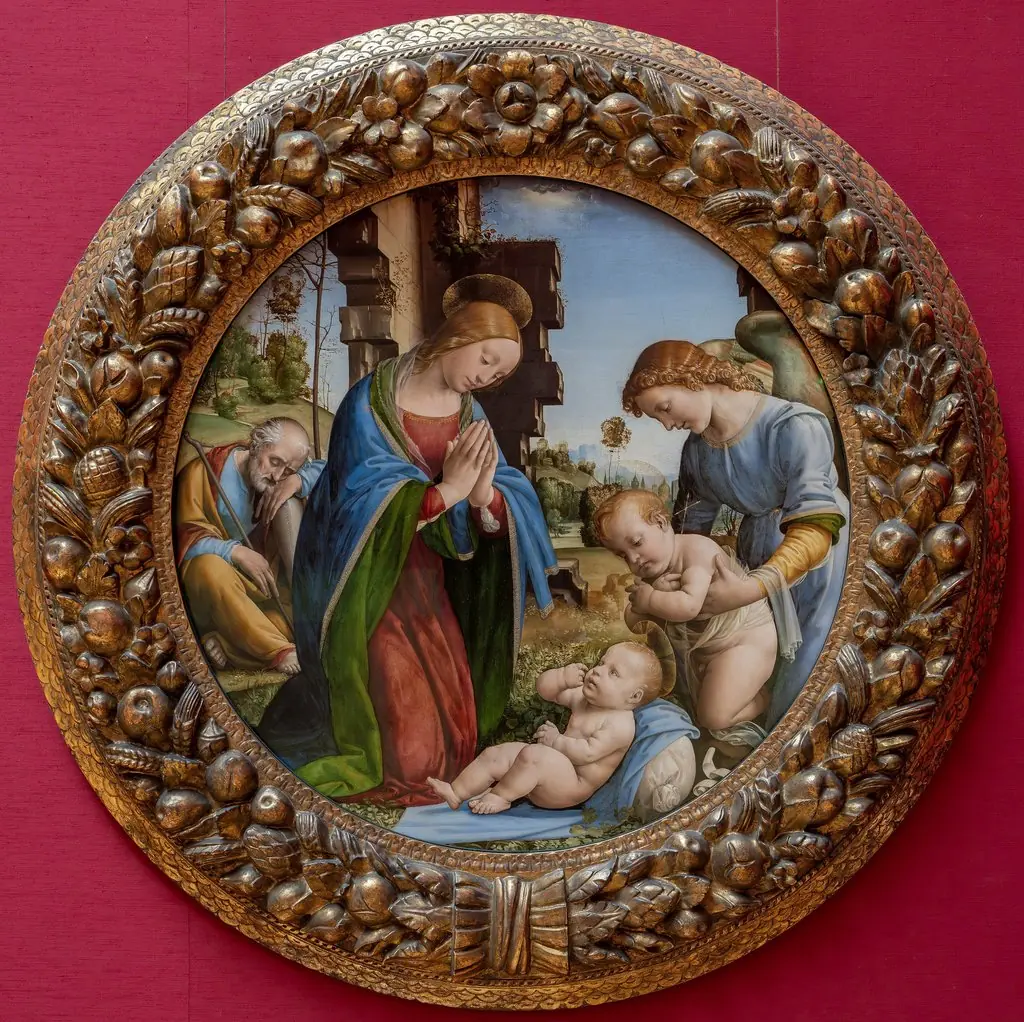 Adoration of the Child - Holy Family with child St. John
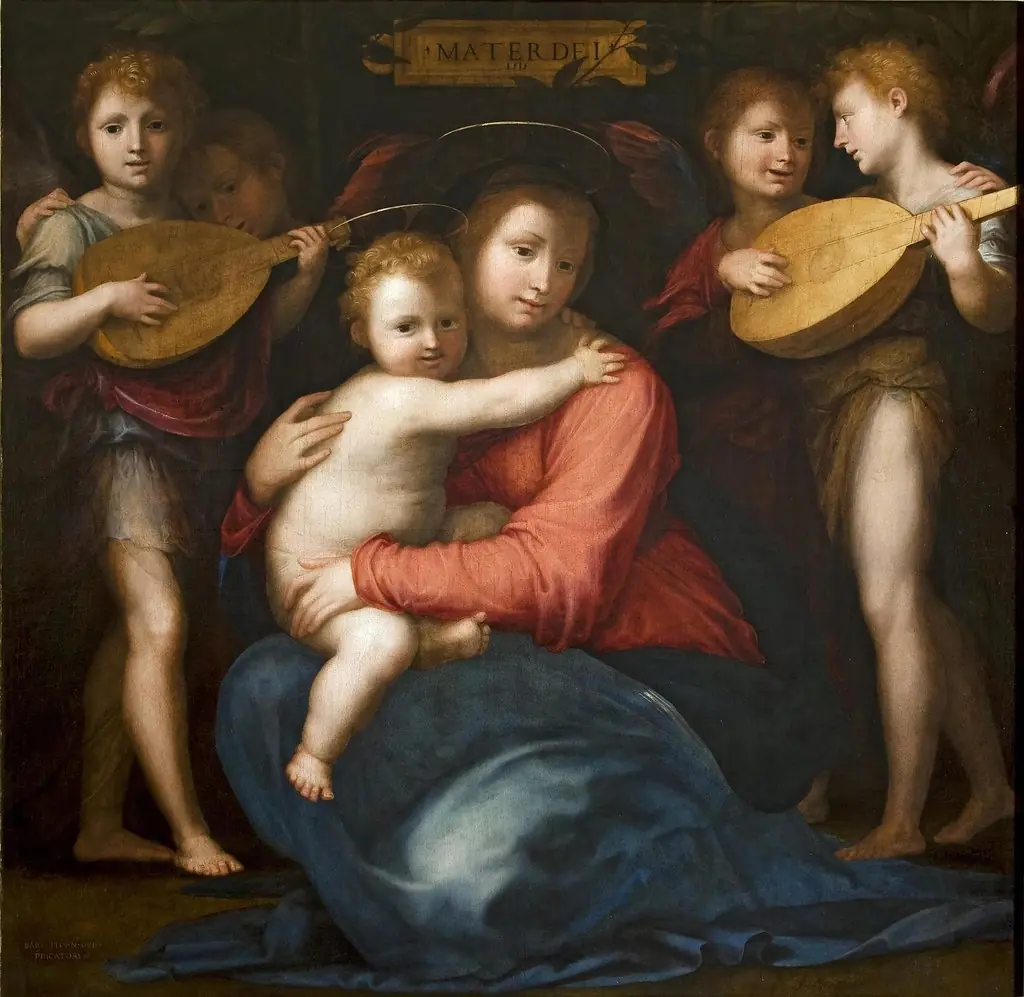 Madonna and Child with Four Angels
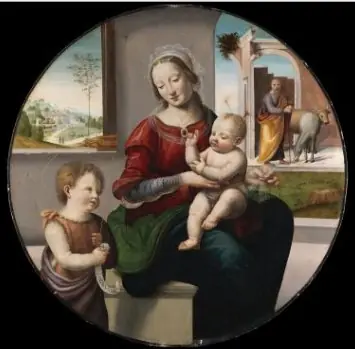 The Holy Family with Saint John the Baptist