Artwork
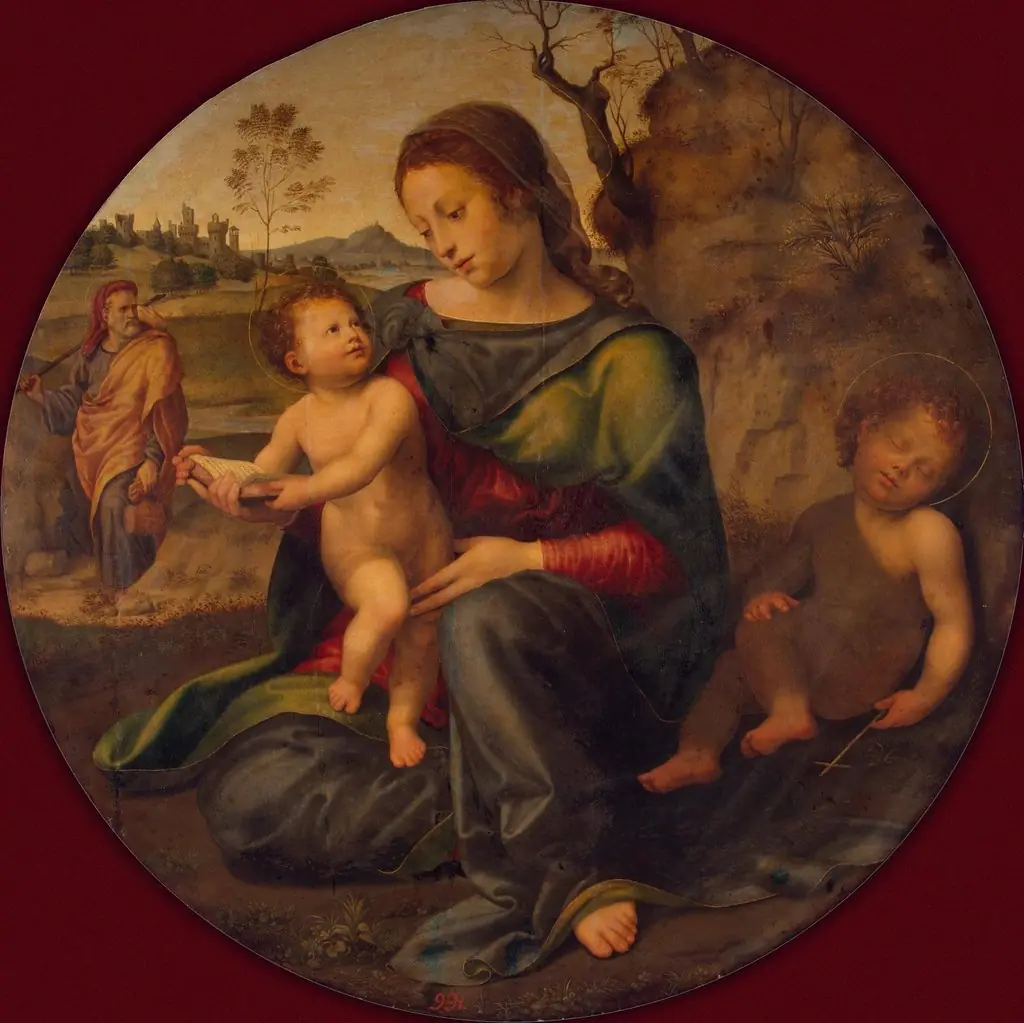
The Holy Family with Saint John the Baptist
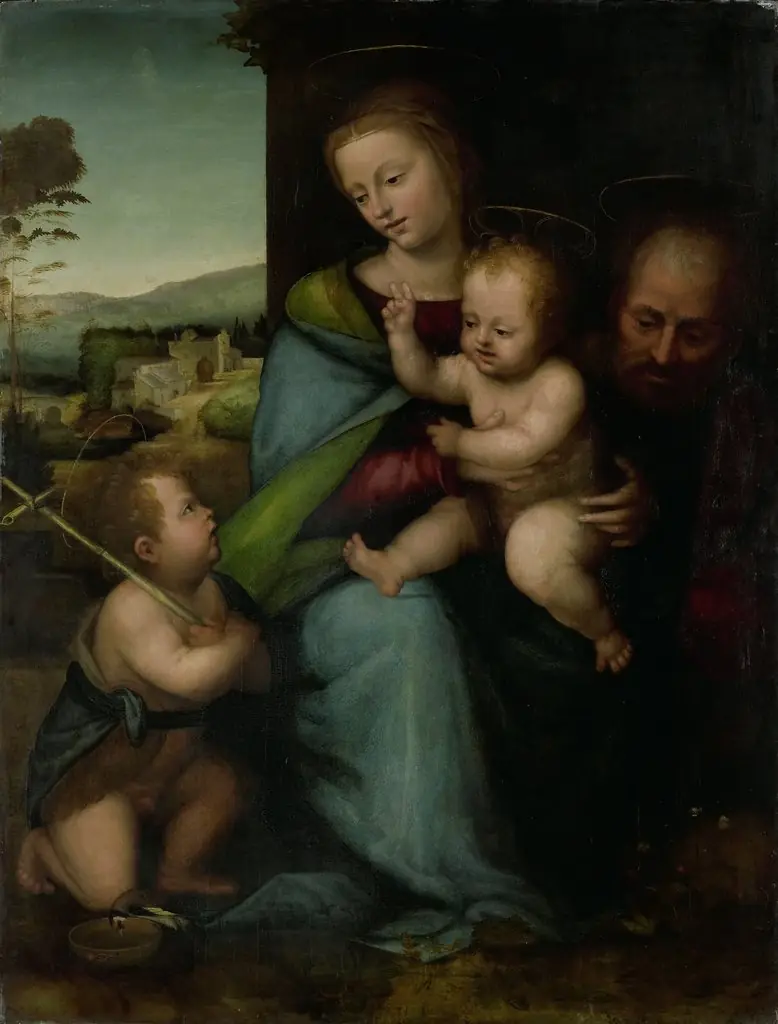
The Holy Family with Saint John the Baptist is an unspecified painting by the High Renaissance artist Fra Bartolomeo. It dates from 1504 and is held in the collection of the National Gallery of Ireland.
About this work
Subject & Meaning
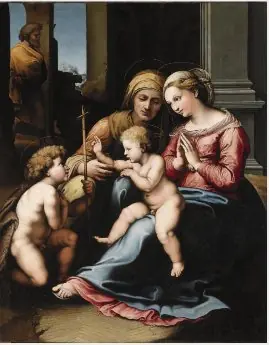
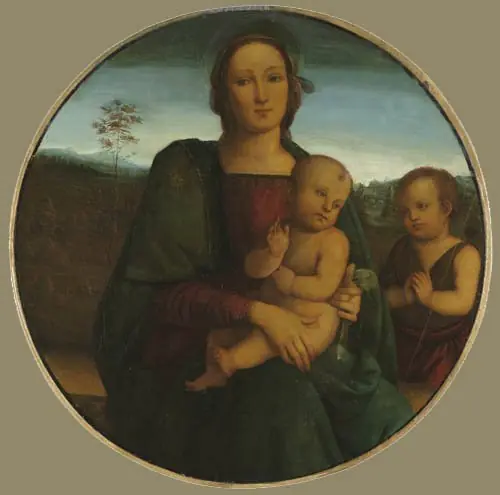
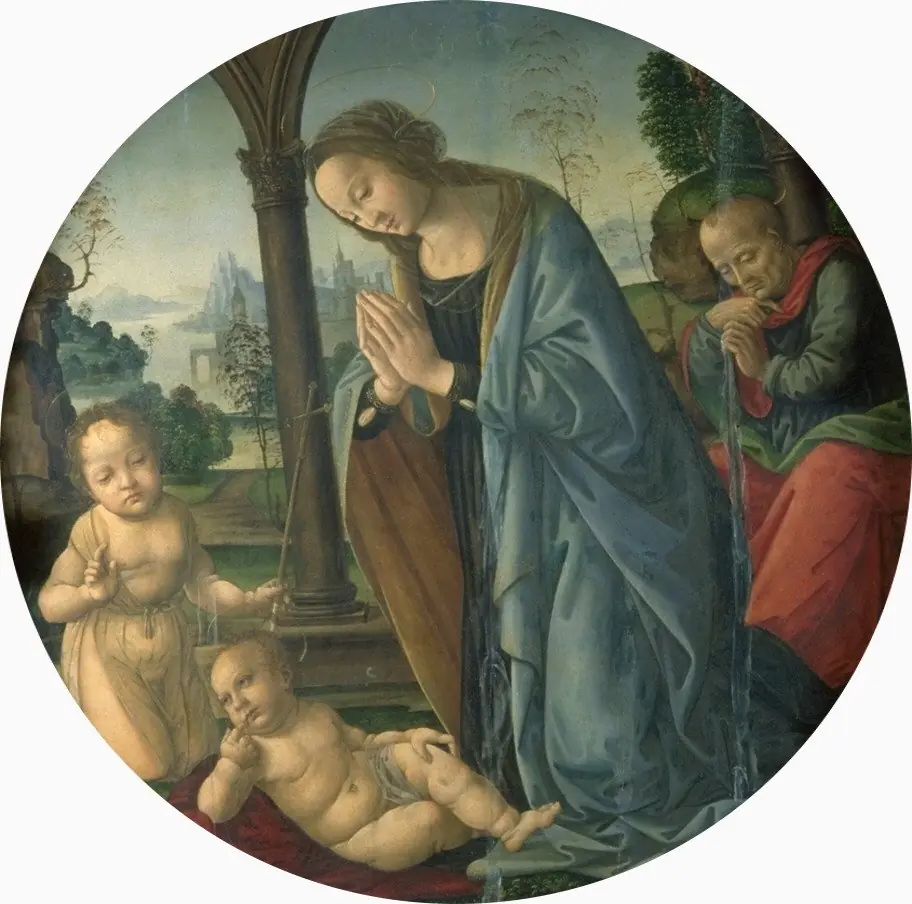
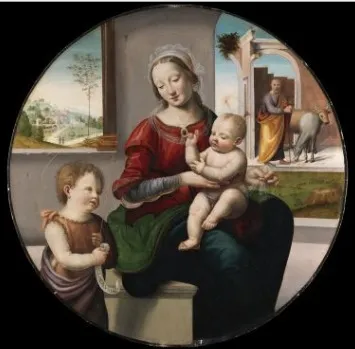
The painting shows Mary holding the infant Jesus, Joseph standing protectively beside them, and the young John the Baptist presented as a companion figure.
The painting shows Mary holding the infant Jesus, Joseph standing protectively beside them, and the young John the Baptist presented as a companion figure. This arrangement reflects the traditional Holy Family composition enriched by the inclusion of Saint John, who is identified by his distinctive attributes of a lamb and a cross‑staff. The iconography underscores themes of familial devotion, divine protection, and the prefiguration of Christ’s mission through the presence of the Baptist, whose role as forerunner is symbolically linked to the lamb.
The work thus conveys a theological narrative of sacred kinship and the preparation for salvation, aligning with the devotional practices of early sixteenth‑century Italian religious art.
History & Provenance
The Holy Family with Saint John the Baptist by Fra Bartolomeo is held in the collection of the National Gallery of Ireland. The painting is classified as a religious artwork depicting the Virgin Mary, the Christ Child, and Saint Joseph. While the specific inventory or accession number is not provided in the available sources, the work is confirmed to be part of the gallery's holdings in Dublin. No exhibition history is recorded in the provided documentation.
Context
Fra Bartolomeo's Holy Family with Saint John the Baptist, painted circa 1505-1510, exemplifies High Renaissance religious composition through its harmonious grouping of Mary, Joseph, and the infant Christ with the youthful John the Baptist. The work reflects the artist's mature style within his significant contribution to early 16th-century devotional painting, particularly his influence on the evolution of sacra conversazione formats in Florentine art. Its presence in the National Gallery of Ireland's collection since 1862 underscores its recognized importance within the broader narrative of Renaissance masterpieces housed outside major European institutions.
Overview
Executed circa 1504, this panel is attributed to Fra Bartolomeo, a Dominican painter active in Florence during the High Renaissance. Once a pupil of Cosimo Rosselli, the artist embraced a devotional aesthetic shaped by his monastic vocation and earlier exposure to Savonarola’s reformist teachings. The composition centers on the Virgin, Christ Child, Saint Joseph, and the young Saint John the Baptist, rendered with quiet intimacy and balanced spatial organization.
Technique & Style
Fra Bartolomeo employs chiaroscuro to model forms, using subtle gradations of light and shadow to define volume and depth. Drapery folds are articulated with precision, and figures possess a sculptural solidity characteristic of High Renaissance Florentine painting. Minute details in the background, buildings, trees, and distant hills, demonstrate the artist’s command of perspective and atmospheric recession.
Artist & collection
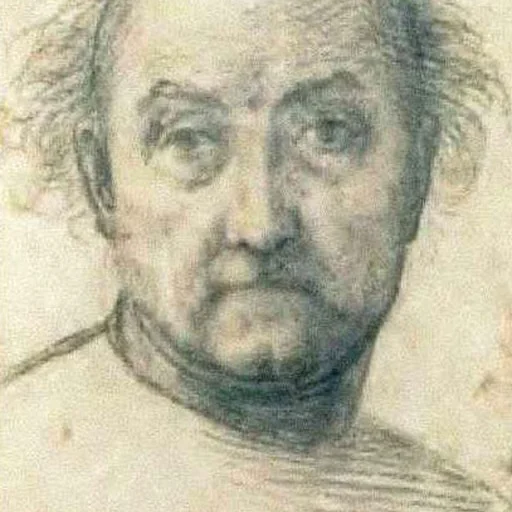
Artist
Fra Bartolomeo or Bartolommeo (UK: US: Italian:; 28 March 1472 – 31 October 1517), also known as Bartolommeo di Pagholo, Bartolommeo di San Marco, Bartolomeo di Paolo di Jacopo del Fattorino, and his original nickname…

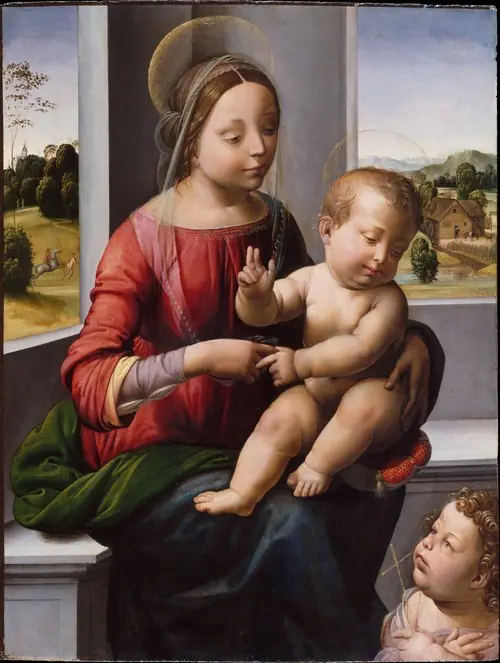 Madonna and Child with the Young Saint John the Baptist
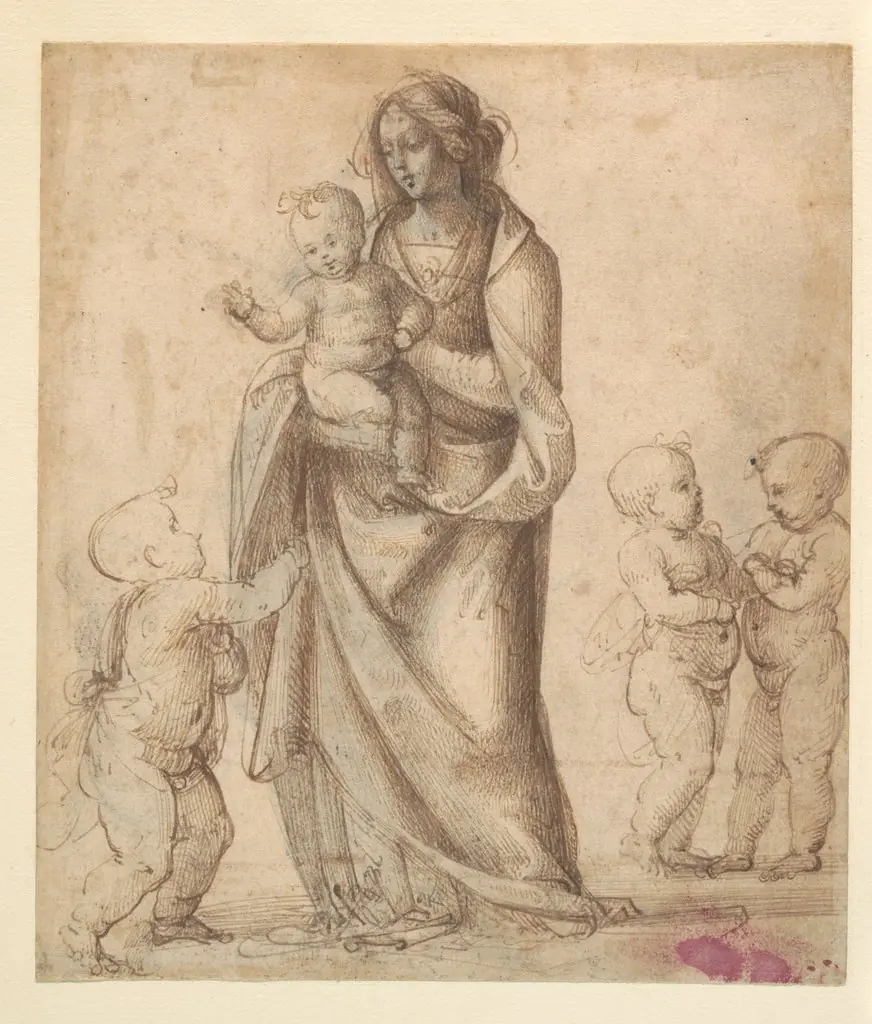 Madonna and Child with the Infant Saint John the Baptist and Two Putti (recto); Madonna and Child with the Infant Saint John the Baptist and a Putto (verso)
 Portrait of a Man
 The Holy Family with the Infant John the Baptist
 Presentation of Christ in the Temple
 Adoration of the Child - Holy Family with child St. John
 Madonna and Child
 Madonna and Child with Four Angels